


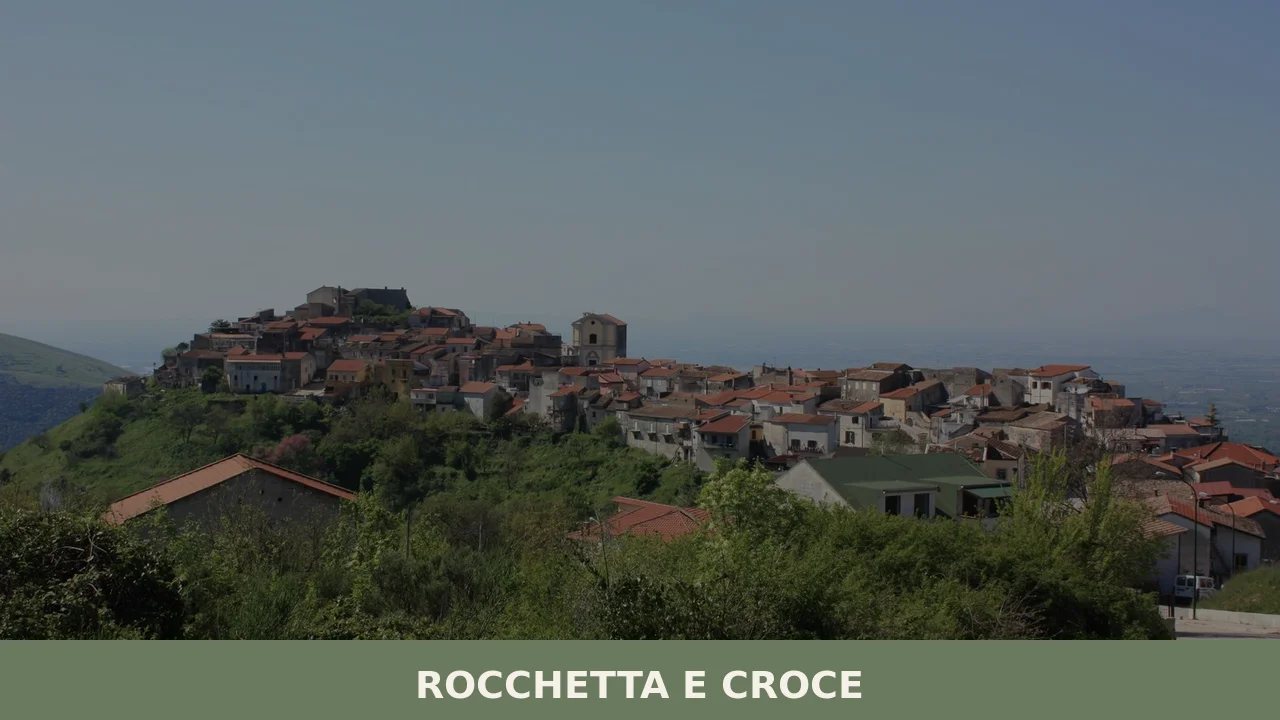
Rocchetta e Croce
 Hills
Hills
Discover Rocchetta e Croce, a charming village near Caserta. Our guide reveals what to see, must-see attractions, and the history of this Campanian gem.
Discover Rocchetta e Croce
At 459 meters above sea level, in the heart of the province of Caserta, lies Rocchetta e Croce, a municipality whose name evokes the fusion of two distinct historical settlements, administratively united into a single center. With a population of 447 inhabitants, this hillside settlement offers a glimpse into rural Campania life, where the pace is set by nature and traditions. For those wondering about what to see in rocchetta e croce, the village presents views that reflect its history and an environment that invites careful observation, away from the more frequented tourist routes, revealing the essence of a territory still deeply connected to its identity.
History and Origins of Rocchetta e Croce
The history of Rocchetta e Croce has its roots in the Middle Ages, a period when the area surrounding the current settlement was dotted with fortified outposts. The name of the village itself is telling: “Rocchetta” derives from the presence of a stronghold or minor fortification, while “Croce” is thought to refer to a crossroads or an ancient religious symbol. The first documented evidence dates back to the 11th century, when the territory was part of the dependencies of the Abbey of Montecassino, an influence that profoundly marked the culture and social organization of the area for centuries.
Over the subsequent centuries, control of the feudal estate passed to various noble families, including the Cantelmo, the Marzano, and, in more recent times, the Caracciolo. These lordships contributed to the urban configuration of the village, with the construction of buildings that still today speak of a past of power and daily life. The economy was predominantly agricultural, focused on the cultivation of olives, vines, and cereals, activities that shaped the landscape and customs of the population. The elevated position provided natural defense and visual control over the surrounding territory, strategic for the minor communication routes that crossed the Caserta hinterland.
For more information on the history of the municipality, you can consult the Wikipedia page or the official website of the Municipality of Rocchetta e Croce.
What to see in rocchetta e croce: 5 main attractions
Despite its small size, Rocchetta e Croce offers several points of interest that allow visitors to grasp the essence of the village and its historical context. For those visiting the location, here is what to see in rocchetta e croce, through elements that define its identity.
The Church of San Vito
Dedicated to the village’s patron saint, the Church of San Vito represents the focal point of religious and social life. Its structure, while having undergone modifications over the centuries, retains architectural elements that reveal its antiquity. The interior houses sacred art and furnishings that attest to the devotion of the local community, particularly during the patron saint’s feast day on September 1st.
The Remains of Rocchetta Castle
On the highest part of the hill, one finds the remains of the ancient Rocchetta Castle, a medieval fortification that once overlooked the valley. Although today only portions of the walls and some masonry structures remain, these ruins offer clear evidence of the village’s defensive function and allow one to imagine the original building’s grandeur.
The Ducal Palace
Located in the heart of the oldest part of the settlement, the Ducal Palace is a historic building that served as the residence for the noble families who held the feudal estate. Its facade, despite its simplicity, displays a restrained elegance. By observing the architectural details, one can perceive the historical layers and the succession of different construction periods.
The Historic Center
Walking through the streets of Rocchetta e Croce’s historic center means traversing a network of passages that develop around the oldest buildings. The buildings, often made of local stone, appear in succession, displaying the spontaneous architecture typical of hillside villages, with views and glimpses opening unexpectedly between the homes.
The Belvedere over the Volturno Valley
Given its altitude, Rocchetta e Croce offers several panoramic points from which one can admire the vast expanse of the Volturno Valley. From these natural viewpoints, the gaze can sweep across the surrounding hills, cultivated fields, and waterways, offering a wide perspective on the agricultural and mountainous landscape of the Caserta hinterland.
Typical Cuisine and Local Products
The cuisine of Rocchetta e Croce, like that of the wider province of Caserta, is deeply rooted in peasant tradition and highlights local products. The dishes are simple, yet rich in genuine flavors, resulting from fresh ingredients and recipes passed down through generations. Among the excellent products that characterize the area, “Mozzarella di Bufala Campana DOP” is undoubtedly the most famous, with nearby dairies producing this fresh cheese with its unmistakable taste. There are also quality extra virgin olive oils, obtained from olive groves that dot the hills.
Local tables often feature homemade pastas, such as “cavatelli” or “lagane”, seasoned with hearty sauces based on local meats, like pork, or with seasonal vegetables. Legumes such as beans and chickpeas are widely used in soups and stews. Cured meats, produced from the artisanal processing of pork, are a fundamental component of the local gastronomy. The local wines, primarily based on indigenous grape varieties like Pallagrello or Casavecchia, accompany meals, reflecting the winemaking tradition of a part of the Caserta territory. The patron saint’s feast day of San Vito, on September 1st, is often an occasion to taste traditional specialties and sweets.
When to Visit Rocchetta e Croce: The Best Time
The best time to visit Rocchetta e Croce is spring, from April to June, or early autumn, between September and October. During these months, the climate is mild and pleasant, ideal for walks in the village and for exploring the surrounding nature trails. The vegetation is lush in spring and takes on warm colors in autumn, offering a visually interesting setting. Summer temperatures, especially in July and August, can be high, making exploration less comfortable during the central hours of the day.
A significant time to visit Rocchetta e Croce is September 1st, for the patron saint’s feast day of San Vito. During this celebration, the village comes alive with processions, religious events, and popular festivities, offering an opportunity to observe the traditions and liveliness of the local community up close.
How to Get to Rocchetta e Croce
Rocchetta e Croce is mainly accessible by private transport, given its hillside location.
- By car: From Caserta, you can take State Road 7 Via Appia heading north-west, then turn onto provincial roads that lead directly to the village. The nearest motorway exit is Capua (A1 Milan-Naples), from which Rocchetta e Croce is about 25-30 km away. Naples is approximately 60 km away.
- By train: The nearest train station is Caserta, well connected to major Italian cities. From Caserta, it is possible to continue by local bus service (with limited frequency) or by taxi.
- By plane: The nearest airport is Naples-Capodichino International Airport (NAP), located approximately 55 km from Rocchetta e Croce. From the airport, you can reach Caserta via shuttle bus and then continue as indicated above.
Other Villages to Discover in Campania
The province of Caserta and the entire Campania region are dotted with small centers that offer equally genuine travel experiences. Rocchetta e Croce is part of a territorial context rich in hillside villages that retain the appeal of a lesser-known Italy. A short distance away, it is possible to explore other places that share a similar historical and cultural heritage, offering architecture, traditions, and landscapes that warrant attention.
Among these, one can mention Roccaromana, another village in the province of Caserta that offers evidence of a medieval past and panoramic views over the surrounding valleys, and Tora e Piccilli, a municipality known for its history and natural resources, including the Roccamonfina-Foce Garigliano Regional Park, an area of significant geological and naturalistic interest.
{ “seo_title”: “Rocchetta e Croce: what to see in the Caserta village”, “seo_description”: “Discover what to see in Rocchetta e Croce,
Frequently asked questions about Rocchetta e Croce
What is the best time to visit Rocchetta e Croce?
The ideal periods are spring (April–June) and early autumn (September–October), when mild temperatures make walking through the village and exploring the hillside landscape most comfortable. A particularly special date is September 1st, the feast day of San Vito, the patron saint, when the village animates with religious processions and local festivities — a perfect opportunity to experience authentic traditions. Summer midday heat can make outdoor exploration tiring, while spring offers lush greenery and autumn brings warm, scenic colors to the surrounding Volturno Valley.
What are the historical origins of Rocchetta e Croce?
Rocchetta e Croce traces its origins to the Middle Ages, with the earliest documented evidence dating to the 11th century, when the territory fell under the influence of the Abbey of Montecassino. The village name reflects its dual heritage: 'Rocchetta' refers to a small medieval fortification, while 'Croce' likely indicates a crossroads or religious symbol. Over the centuries, feudal control passed through noble families including the Cantelmo, Marzano, and Caracciolo, each shaping the village's architecture and social fabric. The economy historically centered on olives, vines, and cereals.
What to see in Rocchetta e Croce? Main monuments and landmarks
Key sites include the Church of San Vito, the spiritual heart of the village and home to sacred artworks tied to centuries of local devotion. On the hilltop, the ruins of Rocchetta Castle offer tangible evidence of the settlement's medieval defensive role. The Ducal Palace, located in the historic center, was the residence of feudal noble families and displays restrained architectural elegance. The cobblestone historic center itself, built from local stone, rewards slow exploration. No specific opening hours or admission fees are publicly documented; access to outdoor sites is generally free.
What are the main natural or scenic attractions of Rocchetta e Croce?
Situated at 459 meters above sea level, Rocchetta e Croce commands sweeping views over the Volturno Valley, with panoramic vantage points accessible directly from the village. The surrounding hillside landscape features olive groves, vineyards, and cultivated fields characteristic of the Caserta hinterland. The area is also in proximity to the Roccamonfina-Foce Garigliano Regional Park, a protected zone of notable geological and naturalistic interest that offers additional opportunities for nature-based excursions in the broader territory.
Where to take the best photos in Rocchetta e Croce?
The most rewarding photography spots are the natural belvedere points overlooking the Volturno Valley, where the gaze spans across hills, agricultural plains, and distant waterways. The ruins of Rocchetta Castle on the hilltop provide dramatic foreground subjects with the valley as backdrop. The narrow stone-paved lanes of the historic center offer picturesque architectural framing, especially in the warm light of early morning or late afternoon. The Church of San Vito square also provides a characteristic village scene typical of rural Campania.
Are there museums, churches or historic buildings to visit in Rocchetta e Croce?
The main historic buildings are the Church of San Vito, the spiritual center of the community dedicated to the village's patron saint, and the Ducal Palace, a noble residence reflecting the feudal history of the settlement. The ruins of Rocchetta Castle represent the oldest surviving architectural evidence in the village. No dedicated museums or documented visiting hours are currently available for these sites. Visitors are advised to contact the Municipality of Rocchetta e Croce directly for up-to-date access information, particularly for interiors.
What can you do in Rocchetta e Croce? Activities and experiences
Rocchetta e Croce is well suited to slow, immersive travel: exploring the historic center on foot, visiting the castle ruins and the Church of San Vito, and enjoying panoramic views over the Volturno Valley. The surrounding countryside invites walks through olive groves and vineyards. The patron saint feast of San Vito on September 1st offers a direct encounter with local traditions, processions, and food. The proximity to the Roccamonfina-Foce Garigliano Regional Park extends opportunities for nature walks and excursions in a protected naturalistic area.
Who is Rocchetta e Croce suitable for? Families, couples, hikers, solo travelers?
Rocchetta e Croce is best suited to travelers seeking authentic, off-the-beaten-track rural Italy. Couples and solo travelers interested in history, medieval architecture, and quiet hillside landscapes will find it particularly rewarding. Culture enthusiasts drawn to feudal heritage and religious traditions will appreciate the Church of San Vito and the castle ruins. Nature lovers and casual hikers benefit from the scenic surroundings and proximity to a regional park. Families with older children may enjoy the village atmosphere, though limited tourist infrastructure means it suits independent, self-sufficient visitors most.
What to eat in Rocchetta e Croce? Local products and specialties
The local table reflects the peasant culinary tradition of the Caserta province. Signature dishes include homemade pastas such as cavatelli and lagane, served with meat-based sauces or seasonal vegetables. Legume soups featuring beans and chickpeas are traditional staples. Artisanal pork cured meats are a cornerstone of local gastronomy. The nearby territory produces Mozzarella di Bufala Campana DOP and quality extra virgin olive oil. Local wines made from indigenous varieties like Pallagrello and Casavecchia pair naturally with these dishes, representing a lesser-known but authentic corner of Campania's winemaking heritage.
Nearby Villages near Rocchetta e Croce
In Campania More villages to discover
Pratella
 Plains
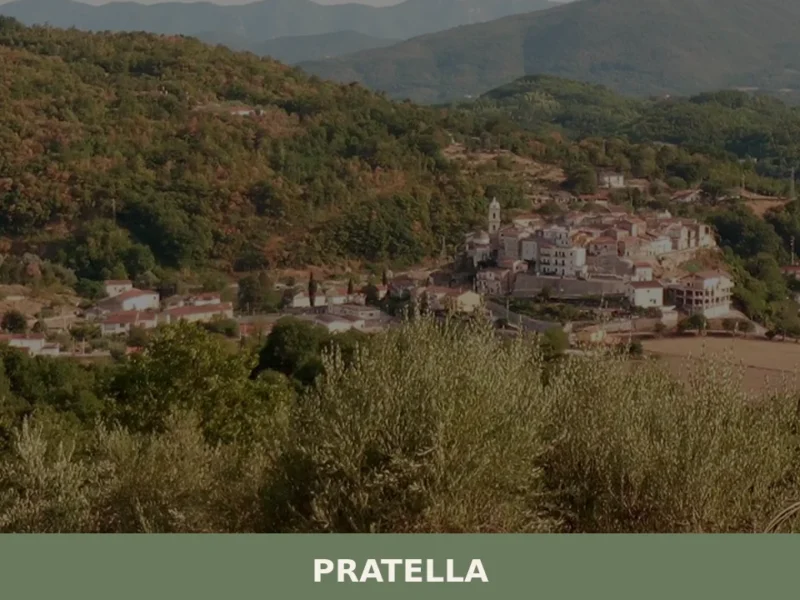
What to see in Pratella, Italy: This village of 1,408 inhabitants, at 152m altitude, offers its historic core and the San Nicola feast. Explore Campania.
Napoli
 Sea
Sea
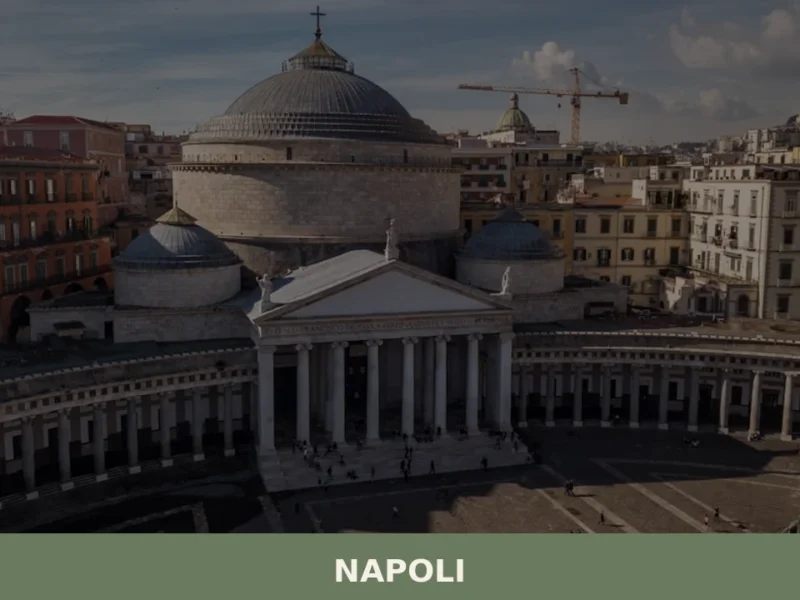
What to see in Napoli: 959,052 residents, UNESCO historic centre and Teatro San Carlo (1737). Discover the National Archaeological Museum, Neapolitan pizza and the 19 September San Gennaro feast.
Prata Sannita
Hills
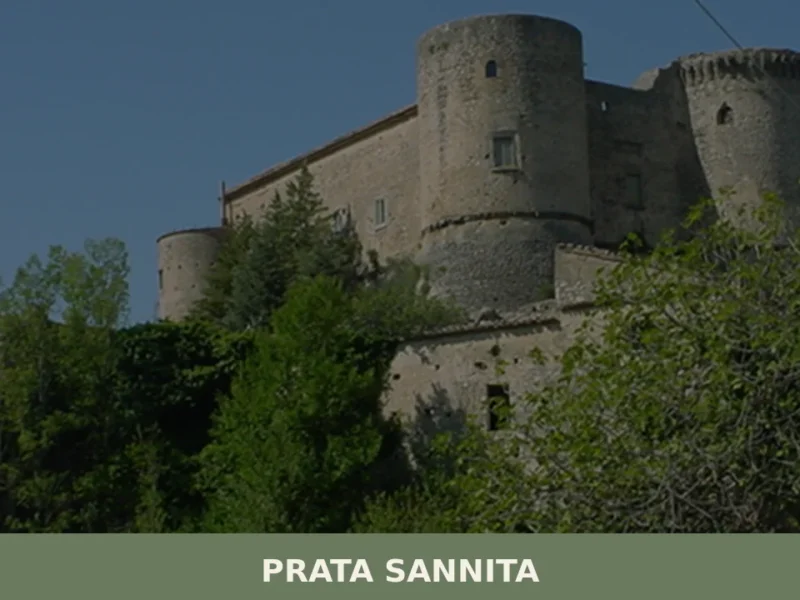
what to see in prata sannita, Italy: Explore this Campania comune at 333 meters altitude. Discover panoramic vistas and traditional village life.

Torre Annunziata
Sea
Nearly 40,000 residents live above the UNESCO-listed ruins of ancient Oplontis. Torre Annunziata offers archaeology, industrial heritage and a black-sand shoreline on the Gulf of Naples.
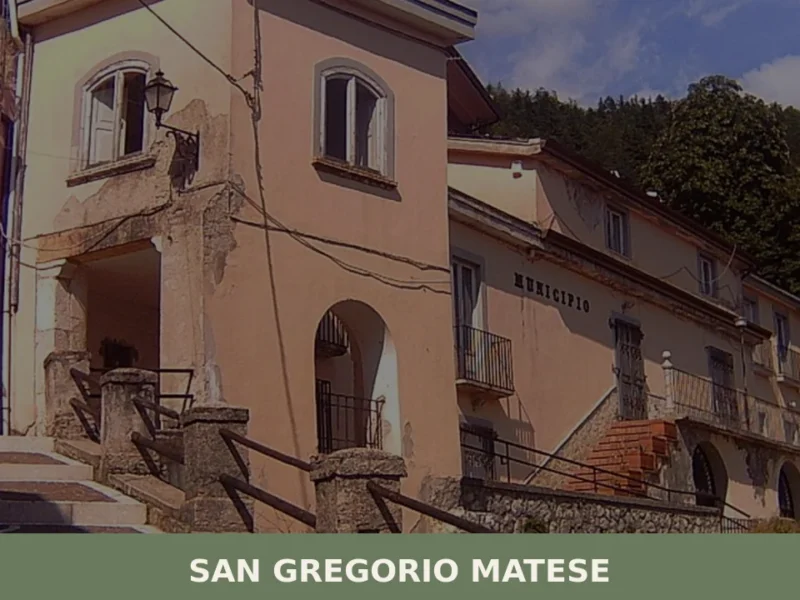
San Gregorio Matese
 Mountain
What to see in San Gregorio Matese, Italy: Explore this mountain village at 765 m altitude. Discover its historic core and annual patron saint feast. Read our guide.
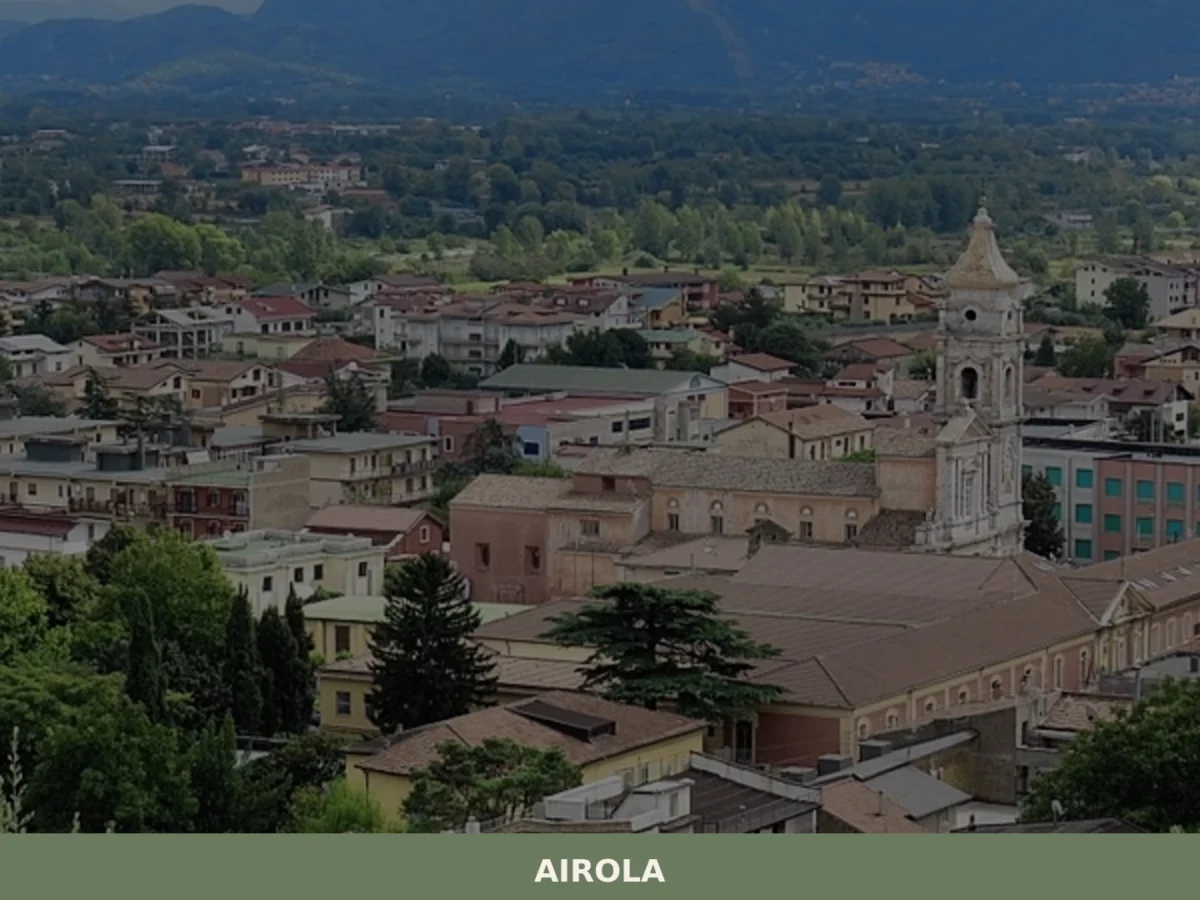
Airola
Plains
The stone bell tower of the Church of the Annunziata, reaching skyward since 1735, casts its shadow over the cobbled streets of Airola. Nestled within the expansive Valle Caudina and framed against the backdrop of Monte Taburno, this village offers a tangible connection to its past through its architecture. In this article History of Airola […]
Camigliano
Plains
Morning light flattens across the plain north of Caserta, and Camigliano emerges low and unhurried — a grid of stone and plaster houses, church bells marking the quarter-hour to no one in particular. With fewer than two thousand residents, this is a settlement shaped more by agriculture than spectacle. Yet for those asking what to […]
Castel di Sasso
Hills
Castel di Sasso, a small municipality in the province of Caserta with 1,051 inhabitants, has historical roots documented since the 10th century, when it was already attested as a fortified settlement in the fertile Terra di Lavoro. At 200 meters above sea level, the village developed on the Caserta plain, a location that influenced both […]
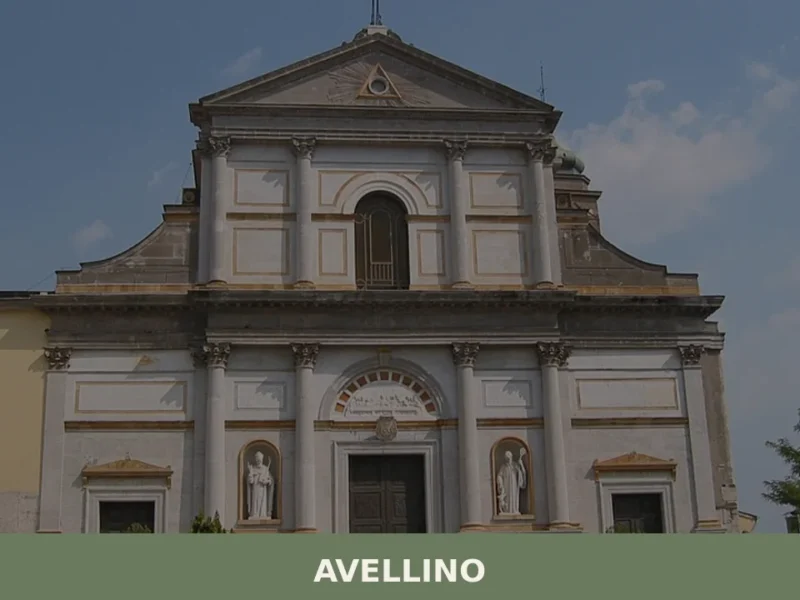
Avellino
Hills
Uncover the charm of the village of Avellino in Campania, Italy. Explore its rich history, local traditions, and stunning landscapes. Plan your visit to this Italian gem!

Castellammare di Stabia
Sea
Castellammare di Stabia offers over 2,800 years of layered history, from buried Roman villas to Bourbon royal palaces, all framed by the Gulf of Naples.



🏡 Know Rocchetta e Croce better than we do?
If you’re a local or have been there, your knowledge matters: add what’s missing or fix a detail on this page.