


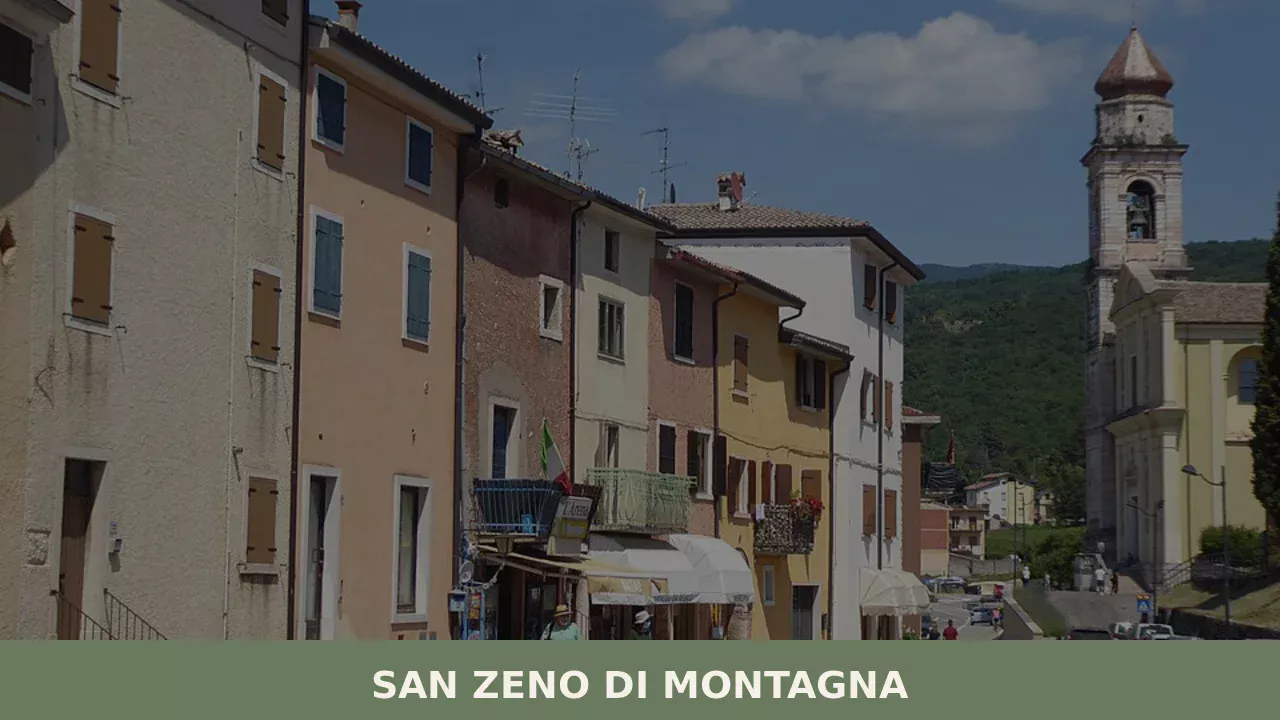
San Zeno di Montagna
At 680 metres above sea level, on the eastern slope of Monte Baldo, San Zeno di Montagna has 1,376 inhabitants spread across a constellation of contrade — Lumini, Castello, Villanova, Ca’ Montagna — each retaining its own architectural and topographic identity. The municipal territory extends from 300 to 2,200 metres in altitude, a range that […]
Discover San Zeno di Montagna
At 680 metres above sea level, on the eastern slope of Monte Baldo, San Zeno di Montagna has 1,376 inhabitants spread across a constellation of contrade — Lumini, Castello, Villanova, Ca’ Montagna — each retaining its own architectural and topographic identity. The municipal territory extends from 300 to 2,200 metres in altitude, a range that produces a botanical variety rare for such a small area. Asking what to see in San Zeno di Montagna means engaging with a landscape where the verticality of the Baldo meets the flat surface of Lake Garda, visible from nearly every point in the village.
History and origins of San Zeno di Montagna
The village takes its name from Zeno of Verona, a bishop of African origin who lived in the 4th century and whose veneration spread widely across the Veronese territory during the Early Middle Ages. The dedication of the parish church to the saint — celebrated on 21 May with the patron feast — indicates the territory’s belonging to the Diocese of Verona since the Lombard period. Ecclesiastical documents attest to the presence of an organised community as early as the 12th century, when the contrade of the eastern Baldo were administratively dependent on the pieve of Caprino Veronese.
During the rule of the Republic of Venice, from the 15th century onwards, San Zeno di Montagna supplied timber and charcoal to the kilns of the Veronese plain. The beech and hop hornbeam woods that still cover the intermediate slopes of the Baldo today were managed according to a system of regulated cutting cycles imposed by the Serenissima, which considered timber a strategic resource for the Arsenal. The pastoral economy — based on seasonal transhumance between the lake and the high-altitude malghe — left visible traces in the layout of the contrade: stables on the ground floor, haylofts on the first floor, living quarters under the roof.
With Italian Unification, the municipality was formally established in 1866, when Veneto passed from the Austro-Hungarian Empire to the Kingdom of Italy. The provincial road connecting San Zeno to Caprino Veronese, built in the second half of the 19th century, marked the beginning of a slow but steady link with the valley. In the 20th century, the area’s tourism vocation, driven by its proximity to Lake Garda, gradually developed alongside agriculture and pastoralism without entirely replacing them.
What to see in San Zeno di Montagna: 5 top attractions
1. Parish Church of San Zeno
The current building, rebuilt in the 18th century over an earlier structure, houses an altarpiece attributed to the Veronese school. The façade in local stone, facing the valley, features a simple portal and a square-plan bell tower whose top is visible from several contrade. The churchyard still serves as a gathering point for the community today.
2. Contrada Castello
The highest contrada in the inhabited centre preserves the remains of a medieval fortified structure, now reduced to a few wall sections still readable among the houses. The buildings in local limestone, with wooden ballatoi and double-pitched roofs, document a rural Alpine architecture adapted to the Baldo climate. From here, Lake Garda can be observed along its northern stretch, from Malcesine all the way to Riva.
3. Molina Waterfalls Park
A short distance from the municipal territory, the Molina nature park — reachable by car in about twenty minutes — offers a trail along waterfalls and pools carved into the limestone rock. The path passes through damp gorge environments with ferns, mosses and hygrophilous vegetation. The water has shaped the rock into recognisable forms, catalogued and numbered along the route.
4. Monte Baldo Trails
Several CAI hiking trails depart from the San Zeno area and climb Monte Baldo to the summit grasslands above 1,800 metres. The trail leading to Bocca di Navene passes through beech forests, then open pastures where between June and July endemic species such as Knautia baldensis and Anemone baldensis bloom — both first described on these very slopes. The Baldo has been known to botanists as the “Hortus Europae” since the late 16th century.
5. Sanctuary of Madonna della Corona
Also reachable via trails departing from the San Zeno side, the sanctuary is built at 774 metres above sea level in a recess of the rock face that drops steeply towards the Val d’Adige. The current structure dates to the 17th century, but the place of worship is documented from the 14th. The position — a natural ledge overhanging a sheer drop — makes the building a unique example of religious architecture in the eastern Alpine context.
Local cuisine and regional products
The product that most distinctively identifies San Zeno di Montagna is the Monte Baldo chestnut, harvested between October and November in the chestnut groves occupying the altitudinal belt between 400 and 900 metres. The prevailing variety is the Marrone di San Zeno, medium-to-large in size with firm flesh, which is processed fresh, dried in traditional “grài” (drying houses) or ground into flour for desserts and pasta. In autumn the Chestnut Festival brings the contrade to life with market stalls and processing demonstrations. Garda DOP Extra Virgin Olive Oil, under the “orientale” geographical designation, comes from the olive groves at the lowest elevations of the municipal territory, where the lakeside microclimate allows the cultivation of varieties such as Casaliva, Frantoio and Leccino. Monte Veronese DOP, a whole cow’s milk cheese produced in the Baldo malghe, comes in two types: the “latte intero”, fresh and delicate, and the “d’allevo”, aged up to two years, with a more pronounced and granular flavour.
The local cuisine reflects the area’s position at the junction between mountain and lake. Bigoli con le sarde — fresh soft-wheat pasta extruded through a press, dressed with lake sardines sautéed with onion — is a dish documented in the Lake Garda tradition for centuries. Pearà, a Veronese sauce made from stale bread, meat broth and marrow, accompanies bollito misto and is specific to the Veronese area. Among desserts, pandoro — originating in Verona — appears on Christmas tables, while during the rest of the year tarts and cakes made with chestnut flour are prepared. Restaurants and trattorie in the area also serve polenta made from Marano maize, often accompanied by porcini mushrooms gathered in the Baldo woods, and soppressa veronese, a coarse-grained pork salami typical of the province.
When to visit San Zeno di Montagna: the best time
The most favourable season for hiking the Monte Baldo trails runs from May to October. In spring — between May and June — the high-altitude blooms reach their peak, and the patron feast on 21 May provides an opportunity to observe the community’s religious and civic celebrations. Summer brings milder temperatures compared to the Veronese plain: at 680 metres, summer highs rarely exceed 28–30 degrees, which has historically made San Zeno a destination for those seeking relief from the heat of the Po Valley.
Autumn is the chestnut season. Between October and November the Baldo woods change colour with a progression visible almost day by day, from green to yellow, to orange, to brown. The Chestnut Festival, generally held on Sundays in October, draws visitors from across the province and beyond. Winter, with possible snowfall from December to March, reduces accessibility to the higher elevations but offers favourable conditions for snowshoe excursions and cross-country skiing in the equipped areas of the upper Baldo.
How to reach San Zeno di Montagna
By car, the nearest motorway exit is Affi on the A22 Brenner motorway, from which San Zeno is about 18 kilometres away, reachable in 25–30 minutes along the provincial road that climbs from Caprino Veronese. From Verona the distance is approximately 40 kilometres, from Brescia about 80 kilometres, from Milan about 190 kilometres. The road is single-carriageway with numerous hairpin bends: in winter months, snow chains may be required on board.
The nearest railway station is Peschiera del Garda, on the Milan–Venice line, approximately 30 kilometres away. From Peschiera it is necessary to continue by ATV (Azienda Trasporti Verona) bus service to Caprino Veronese and then to San Zeno, or by private transport. The closest airport is Valerio Catullo in Verona-Villafranca, about 45 kilometres away. Bergamo-Orio al Serio and Venice Marco Polo airports are approximately 130 and 170 kilometres away respectively. For detailed information on services and road conditions, you can consult the official municipal website.
What to see in San Zeno di Montagna and surroundings: other villages in Veneto
Veneto is a region where differences in altitude generate radically different landscapes and cultures over short distances. Those visiting San Zeno di Montagna who wish to explore more Venetian villages can head towards the eastern Veronese province to reach Cazzano di Tramigna, a centre in the Val di Tramigna where viticulture — particularly Soave production — defines every aspect of the agrarian landscape: pergola-trained rows, dry-stone walls, cellars carved into the tufa. It is a village that reveals a Veneto quite different from the mountainous Baldo, tied to the clayey and calcareous soil of the eastern hills.
For those willing to undertake a longer trip, the Dolomites of Cortina d’Ampezzo — about 250 kilometres to the northeast — offer a direct comparison with another type of Venetian mountain. Where Monte Baldo is an isolated limestone massif between lake and plain, the Ampezzo Dolomites are a system of towers and vertical walls in dolomite rock exceeding 3,000 metres. Two profoundly different Alpine environments in terms of geology, vegetation and settlement history, both useful for understanding the geographical complexity of the Venetian territory.
In Veneto More villages to discover
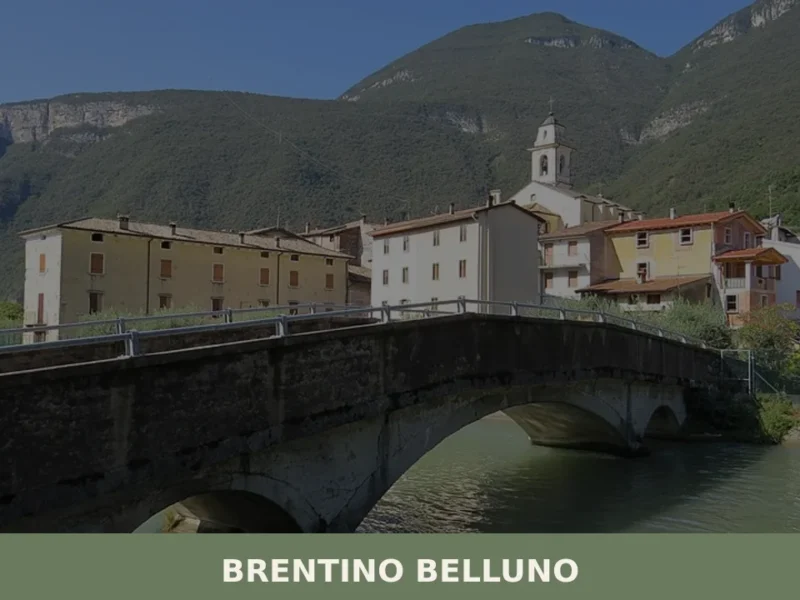
Brentino Belluno
At 137 metres above sea level, where the Adige Valley narrows between Monte Baldo and the Lessini Mountains, Brentino Belluno is a municipality of 1,363 inhabitants created in 1929 through the administrative merger of two distinct settlements: Brentino, on the left bank of the Adige, and Belluno Veronese, clinging to the eastern slope of Monte […]
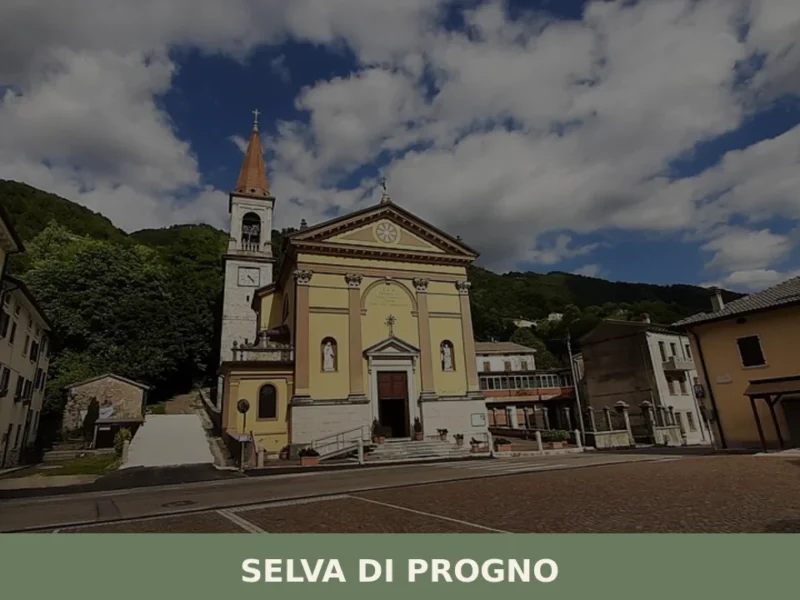
Selva di Progno
At 570 metres above sea level, where the Val d’Illasi narrows and gives way to the eastern Lessinia plateau, Selva di Progno has 923 inhabitants spread between the main settlement and the scattered hamlets on the surrounding slopes. The municipality belongs to the Comunità Montana della Lessinia and preserves in its place names and local […]
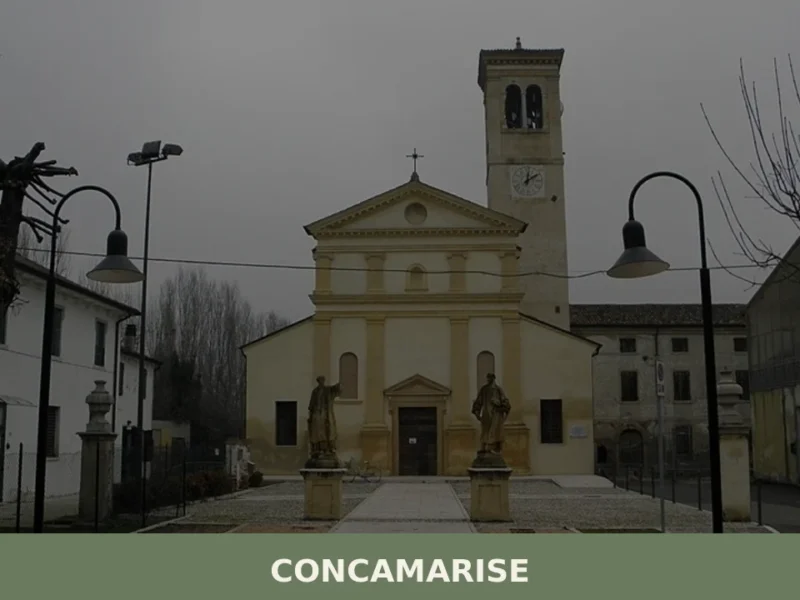
Concamarise
Concamarise, a municipality in Verona province with 1,053 inhabitants, rises only 21 meters above sea level, located in the Bassa Veronese, an area known for its long-standing agricultural tradition and complex hydrographic network. Its very name suggests a connection with water: “Conca” refers to a territorial depression, while “Marise” is likely linked to the marshy […]




📝 Incorrect information or updates?
Help us keep the San Zeno di Montagna page accurate and up to date.