


Cazzano di Tramigna
 Plains
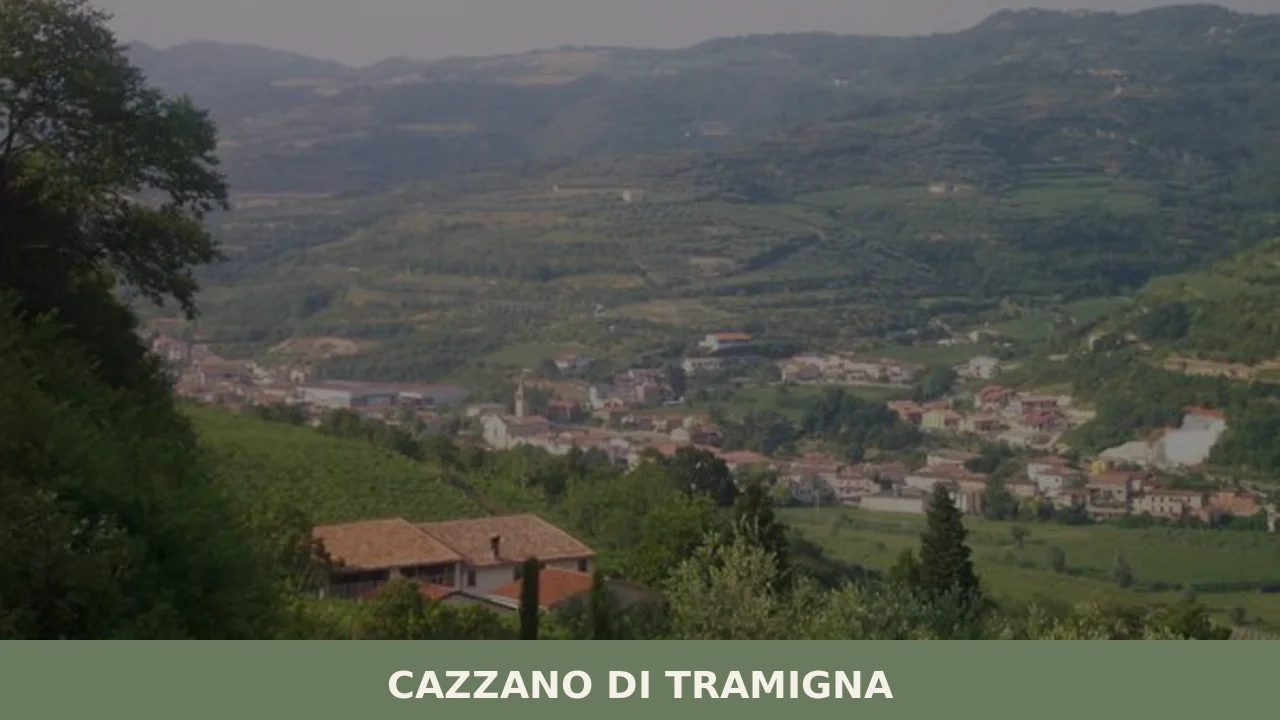
Cazzano di Tramigna has a population of 1,502 and occupies a basin at 100 metres above sea level in the Val Tramigna, a side valley that opens to the east of the Valpolicella area near Verona. The Tramigna stream — from which the village takes part of its name — crosses the municipal territory before […]
Discover Cazzano di Tramigna
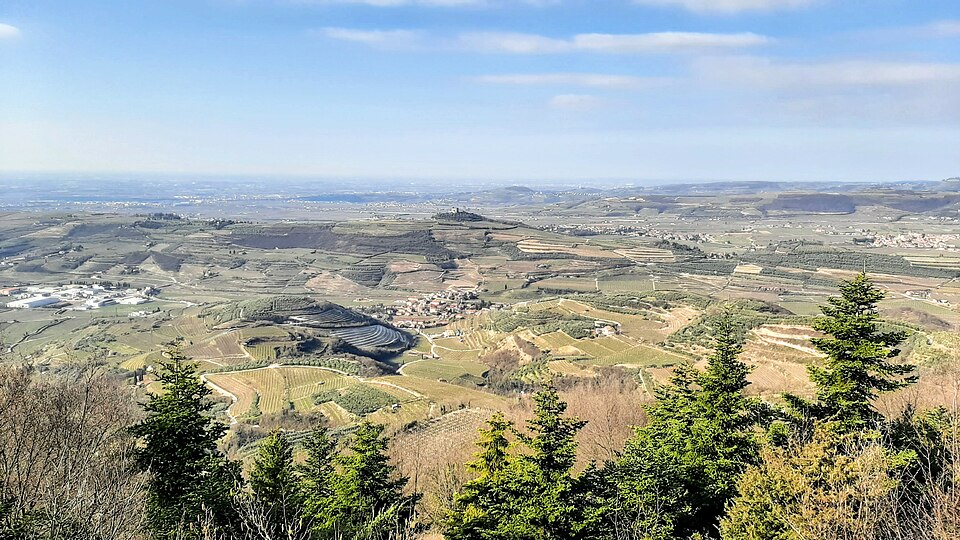
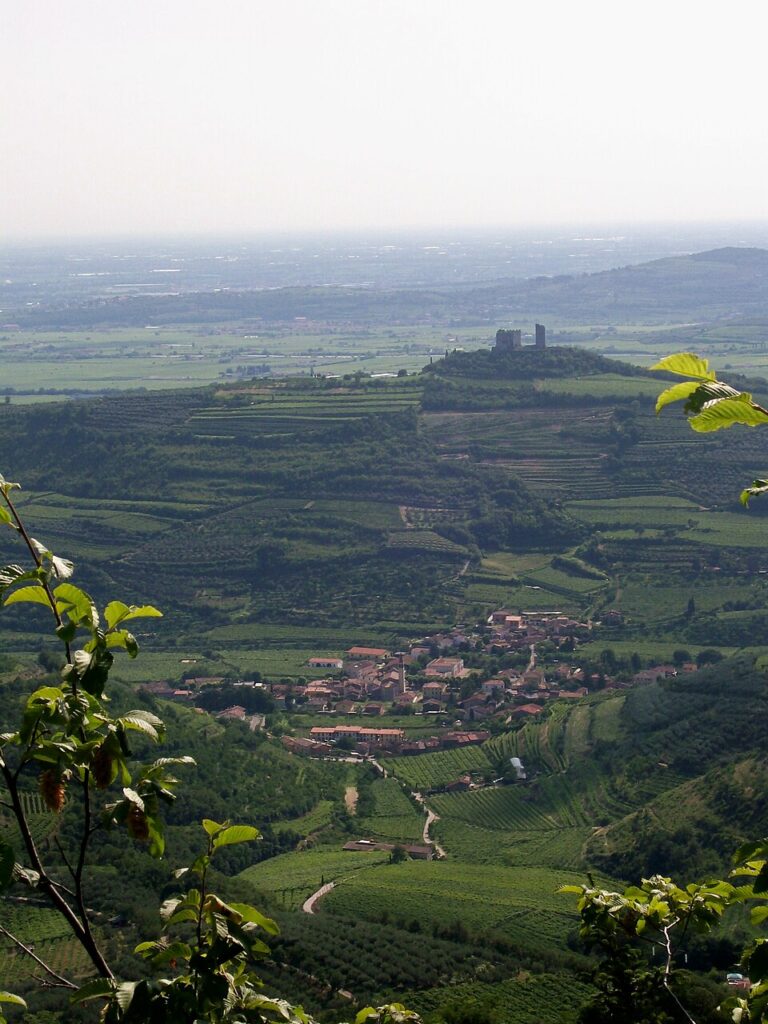
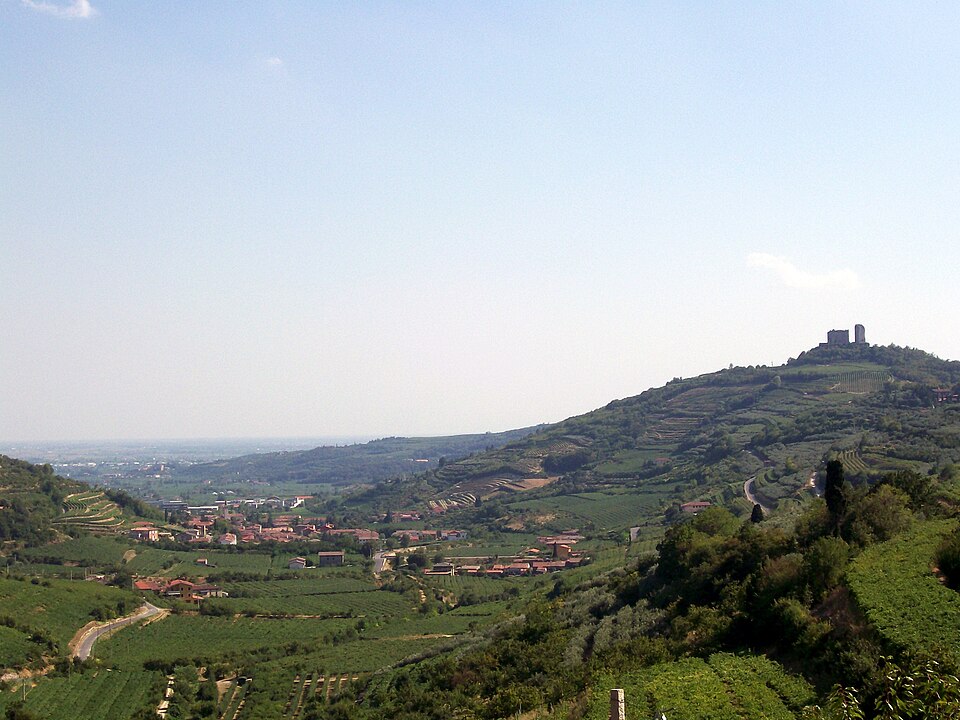
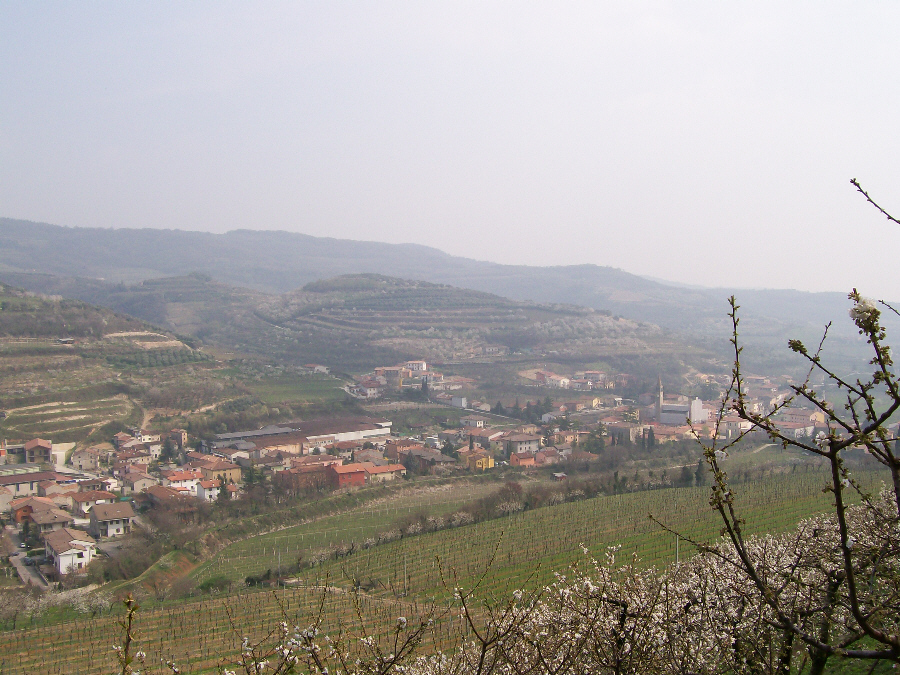
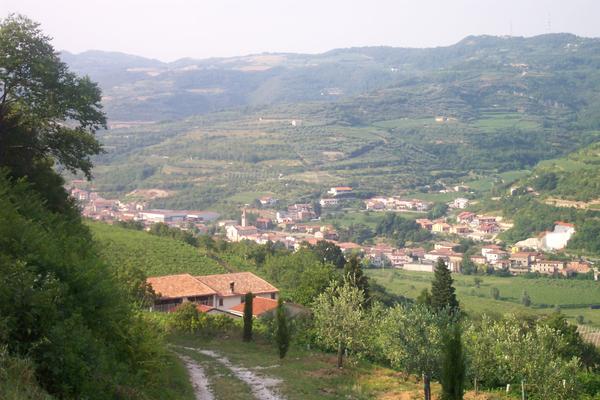
Cazzano di Tramigna has a population of 1,502 and occupies a basin at 100 metres above sea level in the Val Tramigna, a side valley that opens to the east of the Valpolicella area near Verona. The Tramigna stream — from which the village takes part of its name — crosses the municipal territory before flowing into the Alpone. Anyone looking for what to see in cazzano di tramigna will find a rural centre where viticulture has shaped the economy and landscape since at least the Middle Ages, with rows of Durella and Garganega vines climbing the hillside slopes up to the scattered hamlets on the heights.
History and origins of Cazzano di Tramigna
The place name “Cazzano” most likely derives from the Latin Catianum, indicating a rural estate linked to a Roman landowner called Catius. The addition “di Tramigna” distinguishes the village from other Italian municipalities with the same name and refers to the watercourse that marks the valley. The earliest documented mentions of the village date to the early Middle Ages, when the territory fell under the jurisdiction of the bishopric of Verona. The presence of a parish church dedicated to Saint George, the patron saint still celebrated on 23 April, points to a well-established religious settlement in the centuries before the year 1000.
During the Scaliger period — between the 13th and 14th centuries — Cazzano was part of the defensive and administrative system of the Val d’Illasi and the neighbouring valleys. Venetian rule, from 1405 onwards, brought stability and encouraged the cultivation of grapes and olives on the calcareous soils of the area. The hamlets that dot the surrounding hills largely date from that period: clusters of houses built in local stone grouped around a courtyard, serving both agricultural and residential purposes.
After Italian unification, the municipality followed the economic fortunes of the province of Verona, with an agriculture centred on viticulture that weathered the phylloxera crises of the late 19th century and the two World Wars. Today the local economy remains tied to the land: the municipal territory falls within the production zone of both Soave DOC and Lessini Durello DOC, two designations that define the hillside landscape visible from every point in the village.
What to see in Cazzano di Tramigna: 5 main attractions
1. Parish Church of San Giorgio
The church dedicated to the village’s patron saint is the focal point of community life. The current structure retains elements reworked over the centuries, with a façade facing the main square. Inside there are polychrome marble altars and paintings from the Veronese school. The patron saint’s feast day on 23 April draws people from the surrounding hamlets every year.
2. The hillside hamlets
The rural clusters scattered across the heights — Campiano, Figari, San Vitale — represent the typical settlement pattern of the Val Tramigna. Groups of limestone houses with internal courtyards, arched doorways and dry-stone walls along the vine-covered terraces. Walking through them means observing an agricultural system that has preserved the land structure of the Venetian era.
3. The Tramigna stream and the valley floor
The watercourse that gives the valley its name flows along the valley floor with a variable flow depending on the season. Along its banks, unpaved paths are used by those walking or cycling through the valley from the south towards the Lessini Mountains. The riparian vegetation includes willows and alders that trace the course of the stream through the agricultural landscape.
4. The Lessini Durello DOC wine landscape
The Durella grape vineyards on the calcareous slopes north of the village centre are a notable feature of both the landscape and local production. Durella is an indigenous white grape variety with high acidity, used to produce classic-method sparkling wines. Local wineries offer visits during which it is possible to observe the process from harvest to disgorgement.
5. Trails towards the Lessini Mountains
Hiking routes depart from the municipal territory and climb the eastern side of the valley towards the Lessini plateau. The trails pass through distinct altitude bands: vineyard, olive grove, and mixed woodland of hornbeam and downy oak. The trail network connects Cazzano to the neighbouring municipalities in the mid-hills of the Verona province and allows circular hikes of varying length.
Food and local products
The table in Cazzano di Tramigna reflects the hill-country tradition of the Verona area. The most common dishes in the zone include bollito with pearà — a sauce made from stale bread, bone marrow and meat broth, a preparation specific to the province of Verona — and bigoli con le sarde, fresh soft-wheat pasta dressed with a sauce of desalted sardines and onion. In autumn, polenta appears accompanied by mushrooms gathered on the Lessini hills or by sopressa veronese, a coarse-grained cured sausage found throughout the foothills.
The product that defines the agricultural identity of the area is wine. Soave DOC, made predominantly from Garganega grapes, and Lessini Durello DOC, produced from the indigenous variety of the same name, are the benchmark designations. Extra virgin olive oil from the Verona hills, produced in smaller quantities, rounds out the range of local crops. Several farms in the municipality practise direct sales and welcome visitors by appointment, as indicated on the official municipal website.
When to visit Cazzano di Tramigna: the best time
Spring, from April to June, offers the most favourable conditions: temperatures between 15 and 25 degrees, vines in full leaf and the feast of San Giorgio on 23 April, which brings market stalls and celebrations to the village square. Autumn — from mid-September to the end of October — coincides with the grape harvest and the changing colours of the vine rows, when the leaves of Garganega and Durella turn from yellow to red on the calcareous slopes. Summer can be hot and humid in the valley basin, with temperatures exceeding 30 degrees in July and August. Winter is mild compared to the open Po Plain, thanks to the protection of the hills, but short days and occasional fog on the valley floor reduce the accessibility of outdoor routes.
How to reach Cazzano di Tramigna
By car, the most convenient motorway exit is Soave–San Bonifacio on the A4 Turin-Trieste, from which you drive approximately 8 kilometres northward along the SP 37. From Verona the distance is about 30 kilometres to the east, with a travel time of 35–40 minutes. From Vicenza you can arrive in about 45 minutes by taking the A4 westbound to the Soave exit.
The nearest railway station is San Bonifacio, on the Milan–Venice line, reachable in a few minutes by car or by local bus. Valerio Catullo Airport in Verona-Villafranca is approximately 45 kilometres away; Marco Polo Airport in Venice is around 120 kilometres. The Touring Club Italiano includes the Val Tramigna in its itineraries dedicated to the hills of Soave.
Other villages to discover in Veneto
Those visiting the hill and plain belt of the Verona area can extend their itinerary to Bevilacqua, in the lower Verona plain, where the Scaliger-era castle — later rebuilt in neo-Gothic style in the 19th century — dominates the flat landscape of the plain south of Verona. The contrast between the vine-covered basin of Cazzano and the cereal fields of Bevilacqua reveals the geographic variety of the province within just a few kilometres.
For a radical change of scenery, the region also offers the Dolomite side: Cortina d’Ampezzo, in the Belluno province, sits at over one thousand metres of altitude among the Ampezzo Dolomites. If Cazzano di Tramigna is defined by the relationship between vineyard and limestone hill, Cortina represents the other face of Veneto: conifer forests, vertical rock walls and an economy built around mountain tourism, both in summer and winter.
Frequently asked questions about Cazzano di Tramigna
What is the best time to visit Cazzano di Tramigna?
The two ideal windows are spring (April–June) and autumn (mid-September to late October). In spring, temperatures stay between 15 and 25 °C, vines are in full leaf, and the feast of San Giorgio on 23 April brings market stalls and celebrations to the village square. Autumn coincides with the grape harvest: Garganega and Durella rows turn yellow and red on the calcareous slopes, and many local wineries open for visits. Summer can exceed 30 °C in the valley basin; winter is mild but short days and occasional fog limit outdoor activities.
What are the historical origins of Cazzano di Tramigna?
The place name derives most likely from the Latin Catianum, a rural estate linked to a Roman landowner named Catius. The earliest medieval records place the territory under the jurisdiction of the bishopric of Verona, with a parish dedicated to Saint George attesting to an established settlement before the year 1000. Under the Scaligeri (13th–14th centuries) the village was part of the Val d'Illasi defensive system; from 1405 Venetian rule promoted viticulture on the calcareous soils, shaping the hillside hamlet pattern still visible today.
What to see in Cazzano di Tramigna? Main monuments and landmarks
The Parish Church of San Giorgio is the main monument: its interior features polychrome marble altars and paintings from the Veronese school. The hillside hamlets of Campiano, Figari and San Vitale preserve limestone farmhouses with arched doorways and dry-stone terracing from the Venetian era. The valley floor along the Tramigna stream offers unpaved paths through riparian woodland. The Durella and Garganega vineyards on the slopes north of the village centre are themselves a recognized landscape attraction within the Lessini Durello and Soave DOC production zones.
What are the main natural or scenic attractions of Cazzano di Tramigna?
The Tramigna stream runs along the valley floor with willow and alder riparian vegetation, forming a pleasant corridor for walking and cycling southward toward the Lessini Mountains. Hiking trails depart from the municipal territory and climb through three distinct altitude bands — vineyard, olive grove, and mixed hornbeam and downy oak woodland — connecting Cazzano to neighbouring hill municipalities via circular routes of varying length. The calcareous vine-covered slopes of the Lessini Durello DOC zone provide the most distinctive scenic backdrop in the area.
Where to take the best photos in Cazzano di Tramigna?
The most photogenic spots are the terraced Durella and Garganega vineyards on the calcareous slopes north of the village, especially in autumn when the leaves turn from yellow to red. The hillside hamlets of Campiano and San Vitale offer compositions of dry-stone walls, arched courtyards and vine rows typical of the Val Tramigna. The valley floor path along the Tramigna stream, framed by willows and alders, provides good light in the morning hours throughout spring and early summer.
Are there museums, churches or historic buildings to visit in Cazzano di Tramigna?
The main religious and architectural landmark is the Parish Church of San Giorgio, with polychrome marble altars and Veronese-school paintings; it stands on the main square and is generally accessible during religious services and on the feast day of 23 April. The hillside hamlets — Campiano, Figari, San Vitale — function as open-air heritage sites, with Venetian-era limestone farmhouses, internal courtyards and dry-stone terracing. For specific opening hours of the church or any dedicated local exhibition space, it is advisable to contact the municipal offices directly.
What can you do in Cazzano di Tramigna? Activities and experiences
The main activities centre on wine, walking and local culture. Several wineries within the Soave DOC and Lessini Durello DOC zones offer cellar visits and tastings by appointment, covering the full process from harvest to disgorgement for classic-method sparkling wines. Hiking and cycling trails follow the Tramigna stream and climb toward the Lessini plateau through vineyards and woodland. The feast of San Giorgio on 23 April is the key community event of the year. Direct farm sales of wine and extra virgin olive oil are available at local estates, as listed on the official municipal website.
Who is Cazzano di Tramigna suitable for? Families, couples, hikers, solo travelers?
Cazzano di Tramigna suits wine enthusiasts, who will find certified Soave DOC and Lessini Durello DOC producers offering cellar visits; hikers and cyclists, who have access to valley-floor paths and hill trails connecting to the Lessini plateau; and couples or slow-travel visitors seeking a quiet rural setting away from mass tourism. Families with children can enjoy the valley floor routes along the Tramigna stream. The village is less suited to those looking for an urban or beach-oriented holiday; it rewards visitors with an interest in landscape, viticulture and Venetian rural heritage.
What to eat in Cazzano di Tramigna? Local products and specialties
The local table draws on the hill-country tradition of the Verona province. Signature dishes include bollito with pearà — a sauce of stale bread, bone marrow and meat broth specific to Verona — and bigoli con le sarde, fresh soft-wheat pasta with desalted sardines and onion. Autumn brings polenta with Lessini mushrooms or sopressa veronese, a coarse-grained cured sausage. The benchmark local products are Soave DOC (Garganega), Lessini Durello DOC sparkling wine, and extra virgin olive oil from the Verona hills, all available for direct purchase at farms in the municipality.
📷 Photo Gallery — Cazzano di Tramigna

Getting there
Piazza Giacomo Matteotti, 37030 Cazzano di Tramigna (VR)
Nearby Villages near Cazzano di Tramigna
In Veneto More villages to discover
Brentino Belluno
Plains
At 137 metres above sea level, where the Adige Valley narrows between Monte Baldo and the Lessini Mountains, Brentino Belluno is a municipality of 1,363 inhabitants created in 1929 through the administrative merger of two distinct settlements: Brentino, on the left bank of the Adige, and Belluno Veronese, clinging to the eastern slope of Monte […]

Monfumo
 Hills
Hills
Home to 1,292 people and a centuries-old rivalry between noble families, Monfumo rewards visitors with hill landscapes, local produce and an unhurried pace.
Rovigo
Plains
what to see in rovigo? Discover 5 top attractions in this city of 50,000 residents, from Rovigo Castle to La Rotonda. Explore the Polesine region.
Belluno
Hills
What to see in Belluno: a city at 389m with Venetian palaces, a Baroque bell tower and Alpine views. Plan your visit with this complete guide. Includes food and travel tips.
Palù
Plains
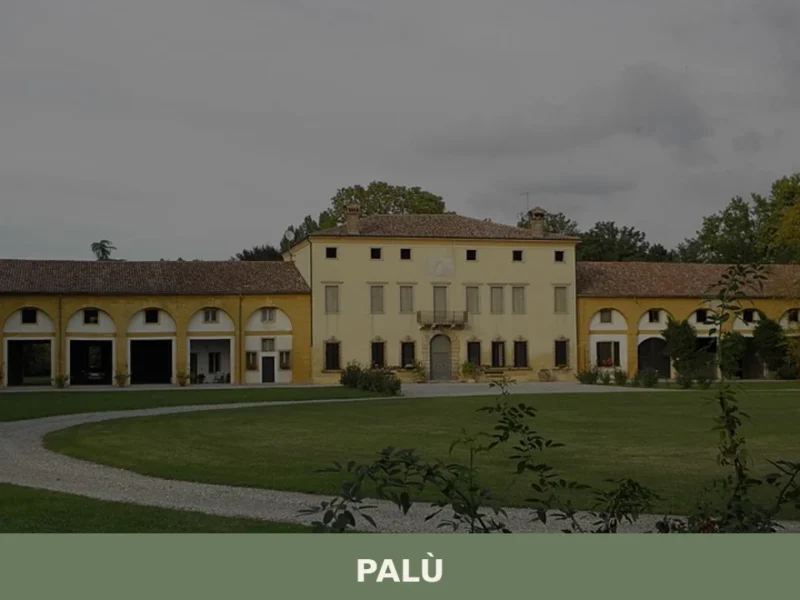
Palù has 1,266 inhabitants and occupies a stretch of the Veronese plain between the municipalities of Zevio and Ronco all’Adige, roughly fifteen kilometres south-east of the provincial capital. Its territory, covering just 8.5 square kilometres, is crossed by a network of drainage ditches and reclamation canals that still define the geometry of fields planted with […]
Affi
Hills
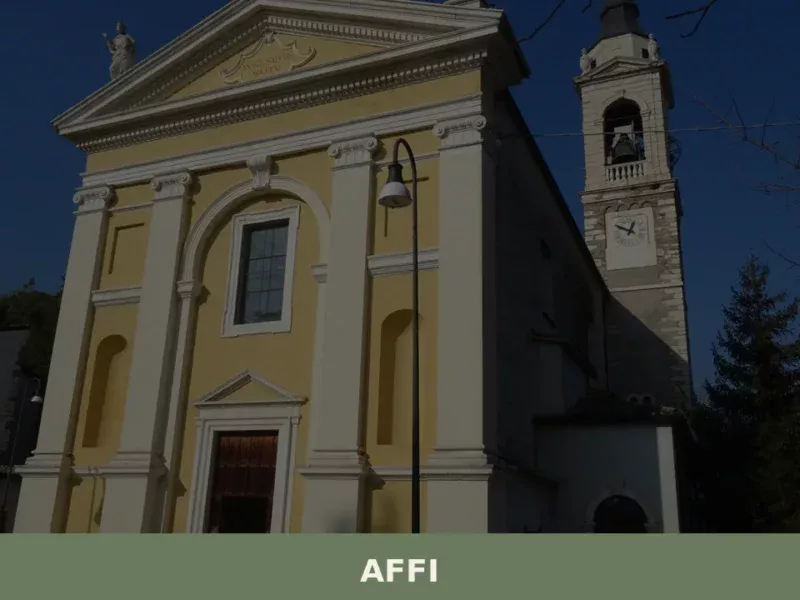
Discover what to see in Affi, a Veronese commune in the Garda Morainic Hills. Wine country, lake access, history and practical travel tips.
Erbè
Plains
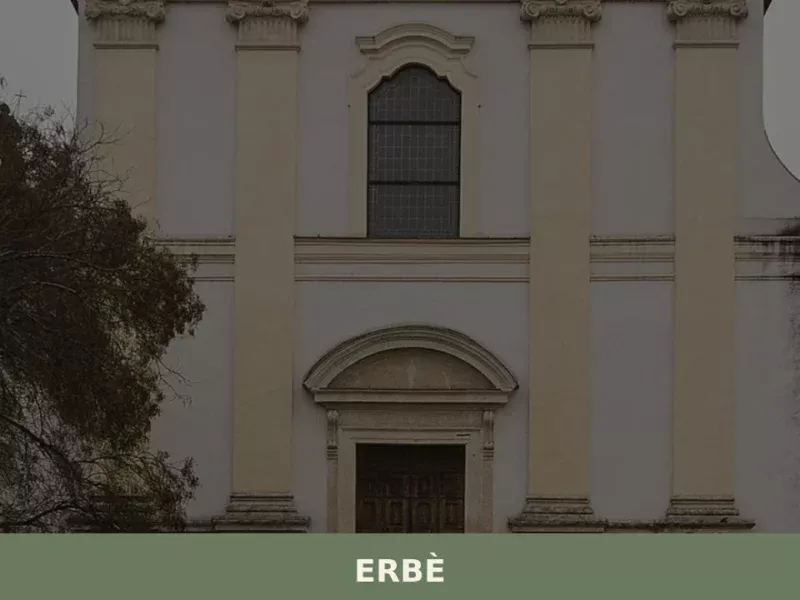
Erbè has 1,838 inhabitants and occupies a stretch of the Veronese plain north of the Tione dei Monti river, along the road connecting Verona to Mantua. The municipal territory, almost entirely flat and crossed by a dense network of irrigation canals, was progressively reclaimed starting in the 15th century under the administration of the Republic […]
Selva di Progno
Hills
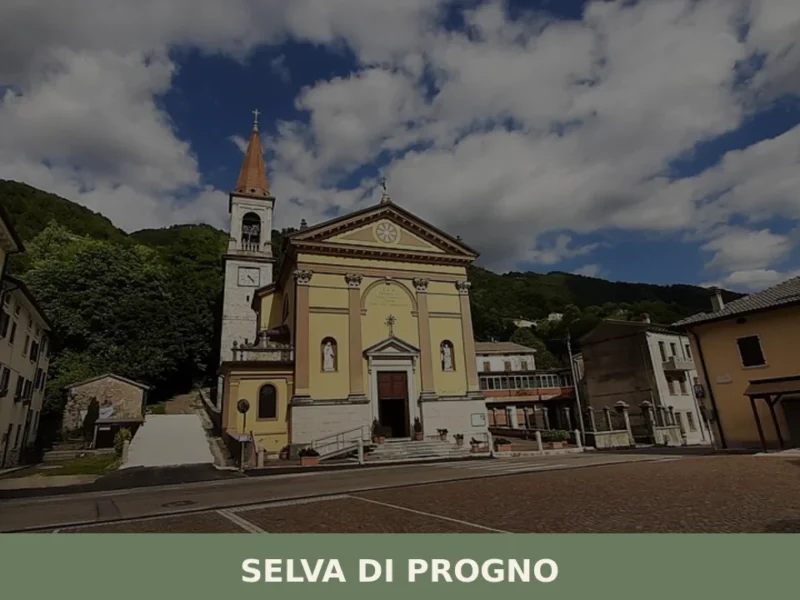
At 570 metres above sea level, where the Val d’Illasi narrows and gives way to the eastern Lessinia plateau, Selva di Progno has 923 inhabitants spread between the main settlement and the scattered hamlets on the surrounding slopes. The municipality belongs to the Comunità Montana della Lessinia and preserves in its place names and local […]
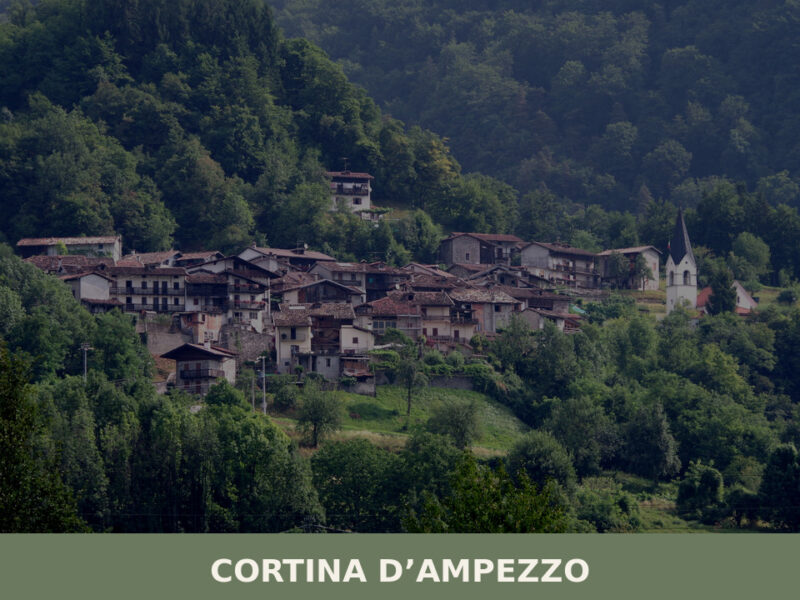
Cortina d’Ampezzo
 Mountain
A complete guide to what to see in Cortina d'Ampezzo — from Dolomite peaks and WWI tunnels to Ladin cuisine and centuries-old communal traditions.
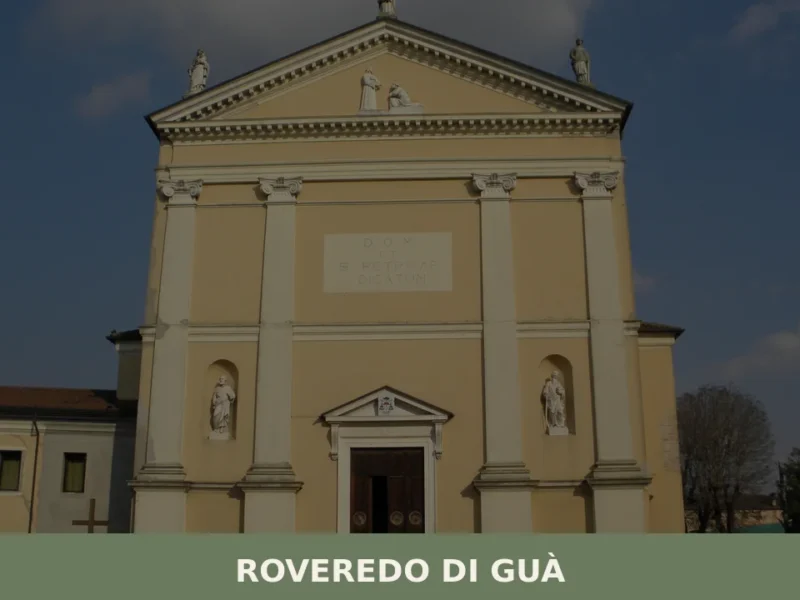
Roveredo di Guà
Plains
Roveredo di Guà has 1,542 inhabitants and covers an area of just 8 square kilometres on the lower Veronese plain, 16 metres above sea level, along the course of the Guà canal — a branch of the Adige river system that has determined the shape and economy of this territory. Understanding what to see in […]



🏡 Know Cazzano di Tramigna better than we do?
If you’re a local or have been there, your knowledge matters: add what’s missing or fix a detail on this page.