


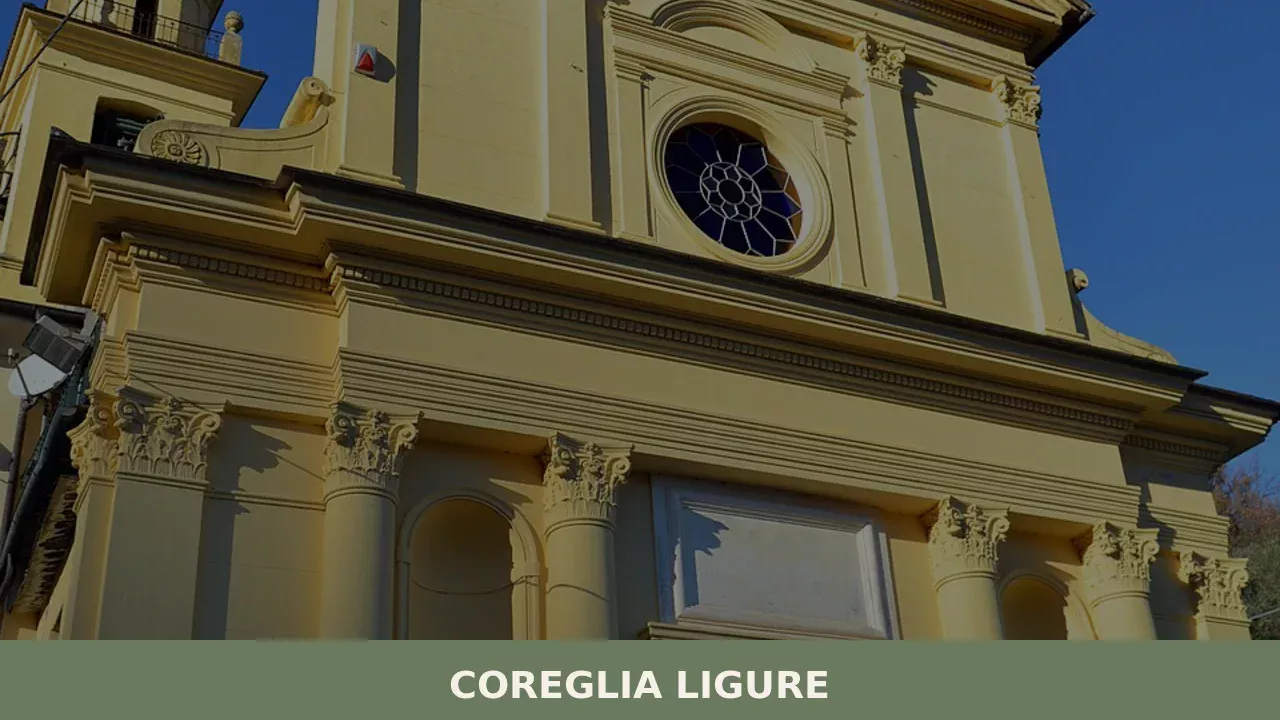
Coreglia Ligure
 Plains
Coreglia Ligure, a comune of just 257 inhabitants in the province of Genova, sits at 65 metres above sea level on the eastern slope of the Fontanabuona valley — one of the most densely settled inland corridors of the Ligurian Apennines. The village’s economy historically revolved around slate extraction and olive cultivation, two activities that […]
Discover Coreglia Ligure
Coreglia Ligure, a comune of just 257 inhabitants in the province of Genova, sits at 65 metres above sea level on the eastern slope of the Fontanabuona valley — one of the most densely settled inland corridors of the Ligurian Apennines. The village’s economy historically revolved around slate extraction and olive cultivation, two activities that left visible marks on its terraced landscape and building materials. Understanding what to see in Coreglia Ligure requires looking closely at these layers: the stone, the agriculture, and the compact settlement pattern that developed around them over several centuries.
History of Coreglia Ligure
The first documented references to Coreglia appear in medieval records tied to the administrative reach of the Republic of Genoa, which governed much of the Ligurian coast and its hinterland from the 11th century onward. The Fontanabuona valley, where Coreglia is situated, served as an important inland route connecting the coastal town of Chiavari with the Apennine passes leading toward the Po plain. Control over these valleys mattered strategically, and small settlements like Coreglia functioned as nodes within a broader network of Genoese territorial administration.
The village’s name likely derives from a Latin root — possibly corilium, referring to hazel trees, which are still common in the surrounding woodland. Like many communities in the province of Genova, Coreglia developed around its parish church, with houses built in tight clusters using local stone and slate roofing. The slate industry, which shaped the economy of the entire Fontanabuona valley for centuries, provided both construction material and export income. Quarries in the surrounding hills produced the thin, grey slabs that became synonymous with Ligurian rooftops across the Mediterranean.
During the Napoleonic period, Coreglia — like the rest of Liguria — was absorbed into the French Empire before passing to the Kingdom of Sardinia in 1815 under the terms of the Congress of Vienna. The 19th and 20th centuries brought significant emigration, particularly to the Americas, a pattern visible in the village’s declining population figures. Today’s 257 residents represent a fraction of the community that once worked the terraces and quarries.
What to see in Coreglia Ligure: 5 key attractions
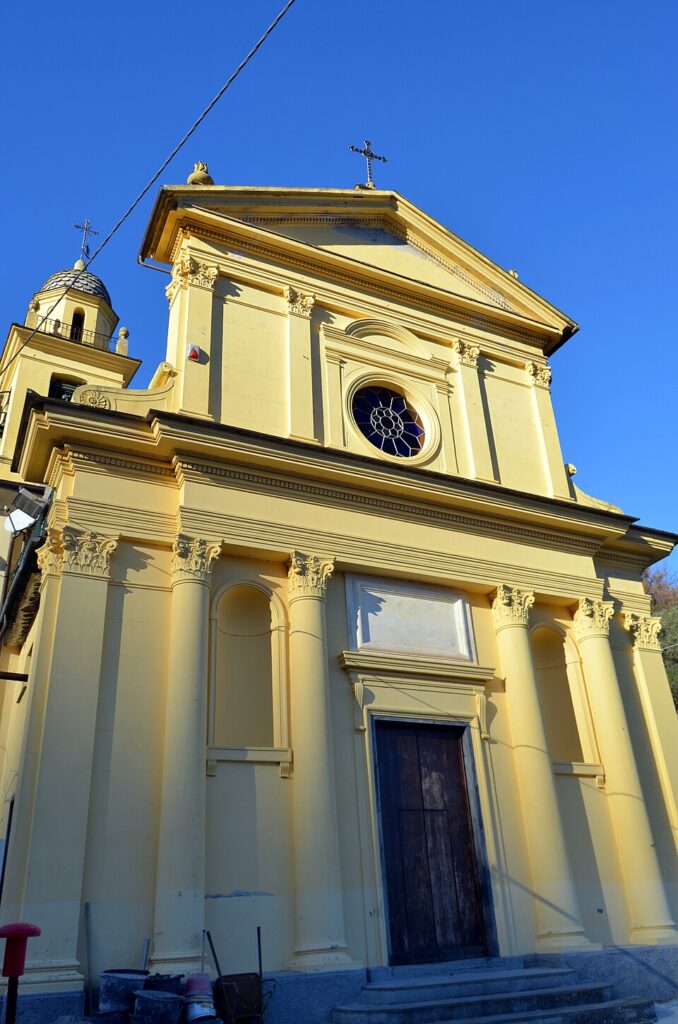
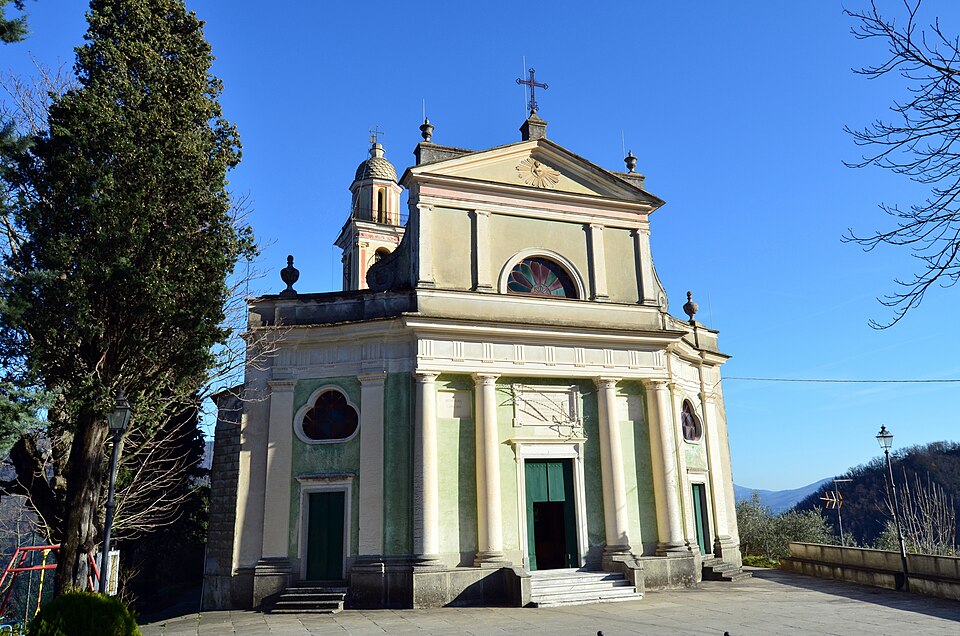
1. The Parish Church of San Nicola
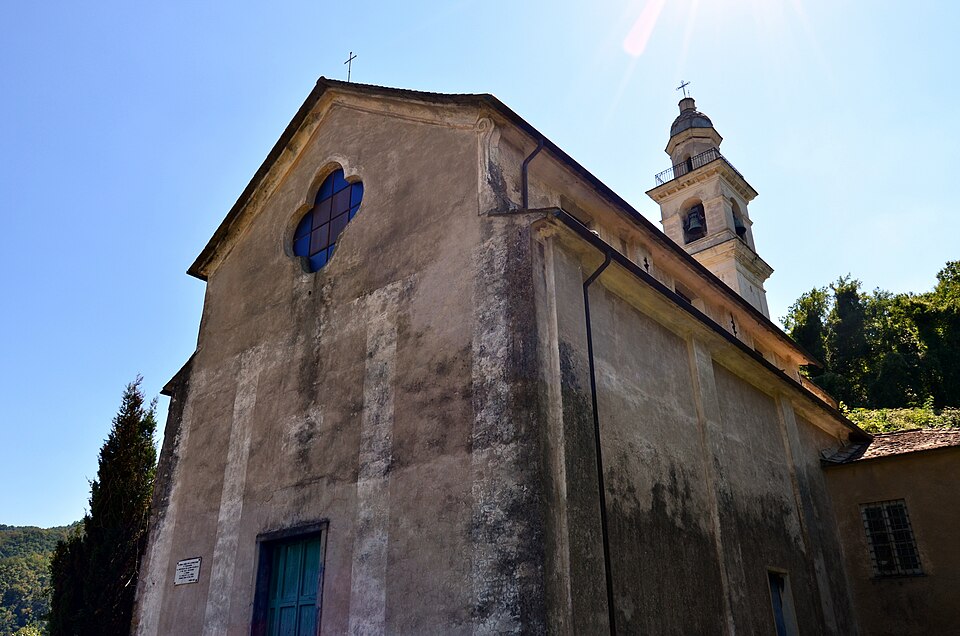
The church of San Nicola stands at the centre of the village and serves as its architectural anchor. The building dates in its current form to modifications carried out over several centuries, with a Baroque interior typical of rural Ligurian parishes. Inside, look for the polychrome marble altar and painted vault — modest in scale but executed with a regional craftsmanship that reflects Genoa’s artistic influence on its inland territories.
2. The Slate-Roofed Historic Centre
Coreglia’s compact core of stone houses preserves the building logic of Fontanabuona valley settlements: narrow alleys, shared walls, and the distinctive grey slate roofs (ardesia) quarried locally. The material appears not only on rooftops but also as lintels, thresholds, and wall cladding. Walking the centre amounts to reading a catalogue of traditional slate construction techniques used across eastern Liguria.
3. The Terraced Olive Groves
Surrounding the village, dry-stone terraces (fasce) climb the hillside, many still planted with olive trees. These structures, built without mortar, represent an enormous collective investment of labour accumulated over generations. The olive oil produced here falls within the broader Riviera Ligure DOP designation, and the terraces themselves are a defining feature of the Ligurian landscape.
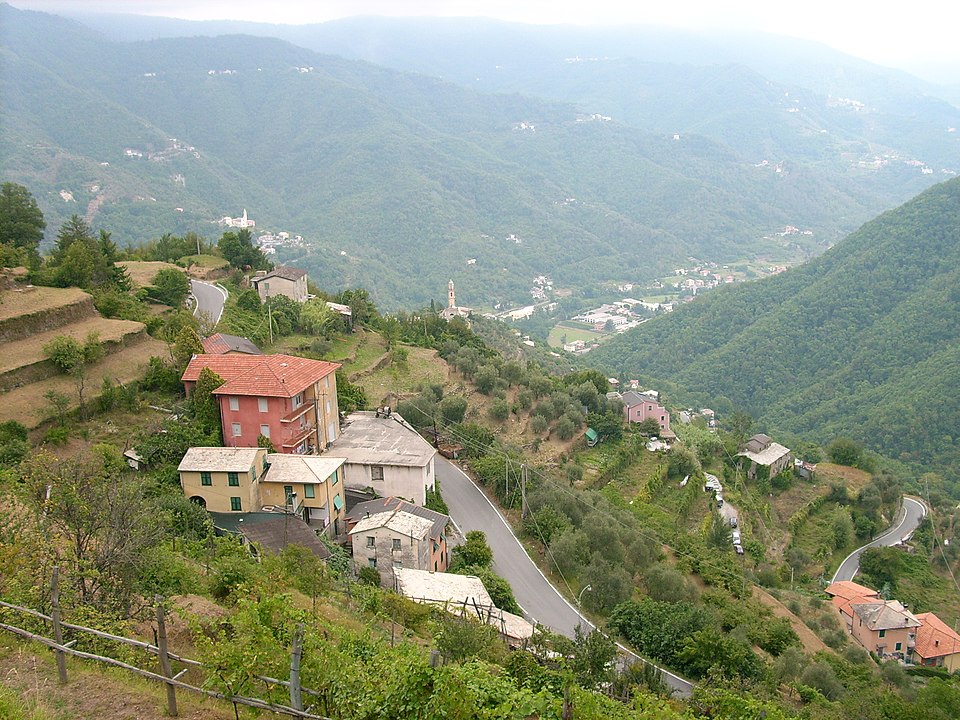
4. The Fontanabuona Valley Panorama
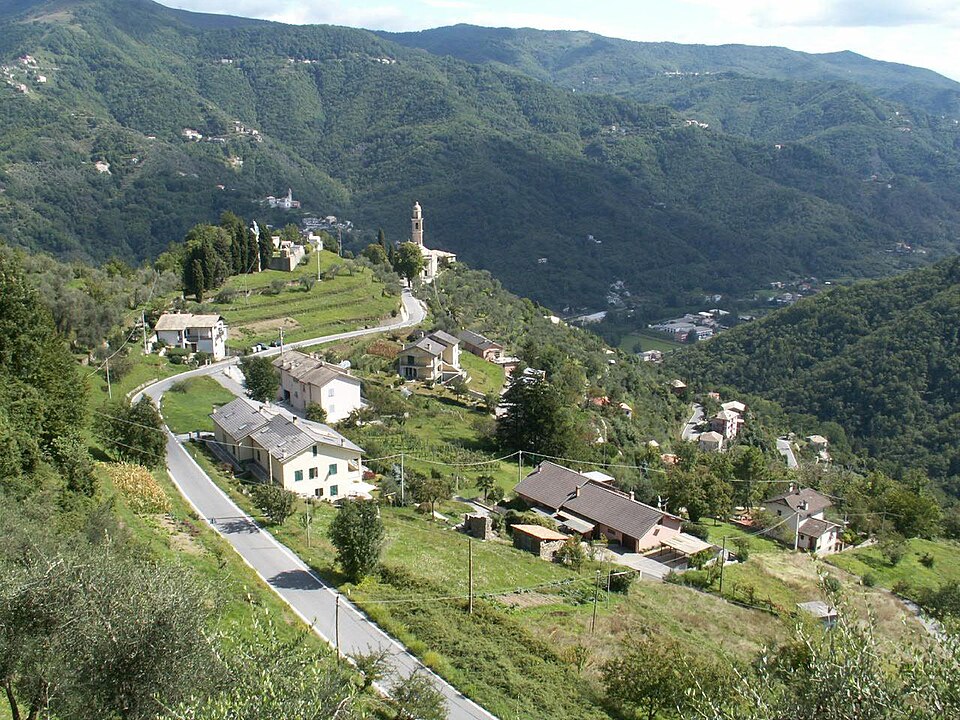
From several points along the village’s upper edge, the view opens across the Fontanabuona valley toward the surrounding Apennine ridgelines. The valley floor, which carries the Lavagna torrent toward the coast at Chiavari, is visible below. On clear days, the layered ridges reveal the geological folding that created this landscape — a compressed sequence of sedimentary rock tilted by tectonic forces millions of years ago.
5. The Trail Network to Neighbouring Hamlets
A series of footpaths connects Coreglia to adjacent villages in the Fontanabuona valley, following old mule tracks that once served as the primary transport routes before road construction. These trails pass through chestnut and hazel woodland, across stream crossings, and along sections of dry-stone wall. They offer a direct encounter with the terrain that defined daily life in these inland communities for centuries.
Local food and typical products
The cooking of Coreglia Ligure follows the inland Ligurian tradition, which differs from the coastal kitchen in its heavier reliance on foraged greens, chestnuts, and dairy. Pansoti — triangular pasta parcels filled with a mixture of wild herbs and prescinseua (a local fresh curd cheese) — appear regularly, dressed with walnut sauce rather than the pesto more associated with the coast. Focaccia col formaggio, a thin, crisp double-layered bread filled with stracchino cheese and baked at high heat, originates from nearby Recco and is common throughout this part of the province. Chestnut flour, once a subsistence staple, still appears in castagnaccio (a dense, flat cake) and in certain pasta preparations.
The olive oil produced on the village’s terraces belongs to the Riviera Ligure DOP classification, specifically the eastern sub-zone characterised by the Lavagnina cultivar. Production volumes are small — most is consumed locally or sold within the province. For provisions, the larger towns of Chiavari and Lavagna, both reachable within 20 minutes by car, offer weekly markets and shops carrying regional products. Dining options in Coreglia itself are limited given its size; visitors typically eat in the valley’s larger centres or in agriturismi scattered through the surrounding hills.
Best time to visit Coreglia Ligure
The Fontanabuona valley has a sub-Mediterranean climate moderated by its proximity to the Ligurian Sea, roughly 10 kilometres to the south. Summers are warm but less extreme than on the coast, with temperatures in July and August typically reaching 28–30°C. Spring — particularly April and May — brings the olive groves and wildflowers into full expression, and the trails are at their most walkable before summer heat sets in. Autumn offers its own appeal: the chestnut harvest in October and November brings activity to the woodland, and local sagre (food festivals) in the valley celebrate seasonal produce.
Winter is mild by northern Italian standards but can be wet; Liguria’s Apennine valleys receive substantial rainfall between October and February. The village is quiet year-round, but visitors in winter may find even basic services reduced. For the fullest experience of what to see in Coreglia Ligure, the months between late March and mid-June or September and October strike the best balance between favourable weather, accessible trails, and regional food events.
How to get to Coreglia Ligure
By car, Coreglia Ligure is reached from the A12 motorway (Genova–Livorno), exiting at Chiavari and following the SP225 road north into the Fontanabuona valley. The drive from the motorway exit takes approximately 15 minutes. From Genova, the total journey is around 50 kilometres (45 minutes). From Milano, count on roughly 190 kilometres and two and a half hours via the A7 and A12. From Pisa, the distance is approximately 170 kilometres, taking about two hours along the A12.
The nearest railway station is Chiavari, served by regional trains on the Genova–La Spezia line. From Chiavari station, local bus services operated by AMT Genova connect to villages in the Fontanabuona valley, though frequencies are limited — checking timetables in advance is essential. The nearest airport is Genova Cristoforo Colombo (GOA), roughly 55 kilometres west. Parking in the village is limited to a small number of spaces along the access road; arriving early or outside peak summer weekends avoids difficulty.
More villages to discover in Liguria
The Ligurian hinterland contains dozens of small settlements that share Coreglia’s characteristics — compact stone construction, terraced agriculture, and populations measured in hundreds rather than thousands. To the east, still within the province of Genova, Castiglione Chiavarese occupies a similar position on the slopes above the coast, with a parish church, olive groves, and a network of hamlets spread across its municipal territory. The comparison is instructive: both villages illustrate how inland Ligurian communities organised themselves around the same resources and constraints.
Further west, near the French border, Apricale in the province of Imperia presents a different variant of the Ligurian hill village — more vertical in its construction, built on steeper terrain, and oriented toward the Val Nervia rather than the Fontanabuona. Taken together, these settlements map the diversity within a single region: same building materials, same agricultural logic, but adapted to distinct valleys and microclimates. Exploring them in sequence gives a more complete picture of how Liguria’s inland population lived and built over the past millennium.
Frequently asked questions about Coreglia Ligure
What is the best time to visit Coreglia Ligure?
The ideal months are late March to mid-June and September to October. Spring brings olive groves and wildflowers into full bloom and keeps the trail network comfortable before summer heat peaks. Autumn offers the chestnut harvest in October and November, with local sagre in the Fontanabuona valley celebrating seasonal produce. July and August are warm but manageable at 65 metres altitude, cooler than the Ligurian coast. Winter is mild but wet, and services in this village of 257 residents are minimal. The patron saint of Coreglia Ligure is Nicola di Mira (San Nicola); check locally for the feast day programme.
What are the historical origins of Coreglia Ligure?
Coreglia Ligure appears in medieval records linked to the Republic of Genoa, which administered the Fontanabuona valley as an inland corridor connecting the coast at Chiavari to the Apennine passes toward the Po plain. The village name likely derives from the Latin corilium, referring to hazel trees still common in the surrounding woodland. Its economy was shaped by slate quarrying and olive cultivation over several centuries. During the Napoleonic era Liguria was absorbed into the French Empire, then passed to the Kingdom of Sardinia in 1815 following the Congress of Vienna.
What to see in Coreglia Ligure? Main monuments and landmarks
The central landmark is the Parish Church of San Nicola, featuring a Baroque interior with a polychrome marble altar and painted vault — modest in scale but representative of Genoese artistic influence on its inland territories. The historic centre itself is a monument to traditional slate construction: narrow alleys, shared stone walls, and distinctive ardesia rooftops quarried locally, with slate also used as lintels, thresholds, and wall cladding. The surrounding dry-stone terraces planted with olive trees complete the picture. Given the village's small size, no formal admission or set opening hours apply to the public spaces.
What are the main natural or scenic attractions of Coreglia Ligure?
The terraced hillside olive groves (fasce) climbing above the village are the defining natural feature, built without mortar over generations and still producing olive oil under the Riviera Ligure DOP designation. A network of old mule-track footpaths connects Coreglia to neighbouring hamlets through chestnut and hazel woodland, crossing streams and following dry-stone walls. From the village's upper edge, the view stretches across the Fontanabuona valley to the Apennine ridgelines, with the Lavagna torrent visible below winding toward the coast at Chiavari.
Where to take the best photos in Coreglia Ligure?
The upper edge of the village offers the most expansive vantage point, with panoramic views across the Fontanabuona valley, the Lavagna torrent, and the layered Apennine ridgelines behind. Within the historic centre, the slate-roofed alleys provide strong architectural compositions — look for the contrast between grey ardesia stone and the surrounding greenery. The dry-stone terraced olive groves on the hillside slopes are particularly photogenic in spring, when new foliage brightens the terraces, and again in October during harvest.
What can you do in Coreglia Ligure? Activities and experiences
Hiking the old mule-track network is the primary active experience, with trails linking Coreglia to adjacent Fontanabuona valley villages through chestnut and hazel woodland. The Riviera Ligure DOP olive harvest in October offers a seasonal encounter with the agricultural cycle. For wider food and wine experiences, the valley towns of Chiavari and Lavagna — reachable in under 20 minutes by car — host weekly markets and regional restaurants. Autumn sagre in the valley celebrate chestnuts and local produce. The village's compact historic centre and slate architecture reward slow, exploratory walking at any time of year.
Who is Coreglia Ligure suitable for?
Coreglia Ligure suits travellers seeking authentic, uncommercialized Ligurian hinterland without coastal crowds. Hikers will appreciate the mule-track network through woodland and terraced hillsides. Architecture and heritage enthusiasts will find the intact slate construction and parish church rewarding. Couples looking for a quiet, slow-travel base within easy reach of the Riviera — Chiavari is 15 minutes by car — will find the valley setting appealing. Families with very young children or visitors requiring extensive services should be aware that this village of 257 residents has minimal on-site amenities; a car is essential.
What to eat in Coreglia Ligure? Local products and specialties
The local table follows inland Ligurian tradition. Pansoti — triangular pasta filled with wild herbs and prescinseua fresh curd cheese — are served with walnut sauce rather than coastal pesto. Focaccia col formaggio, the crisp cheese-filled flatbread originating from nearby Recco, is common throughout this part of the province. Chestnut flour appears in castagnaccio and certain pasta preparations. The village's olive oil is classified under Riviera Ligure DOP, eastern sub-zone, from the Lavagnina cultivar. Dining options in Coreglia itself are very limited; agriturismi in the surrounding hills and restaurants in Chiavari or Lavagna are the practical alternatives.
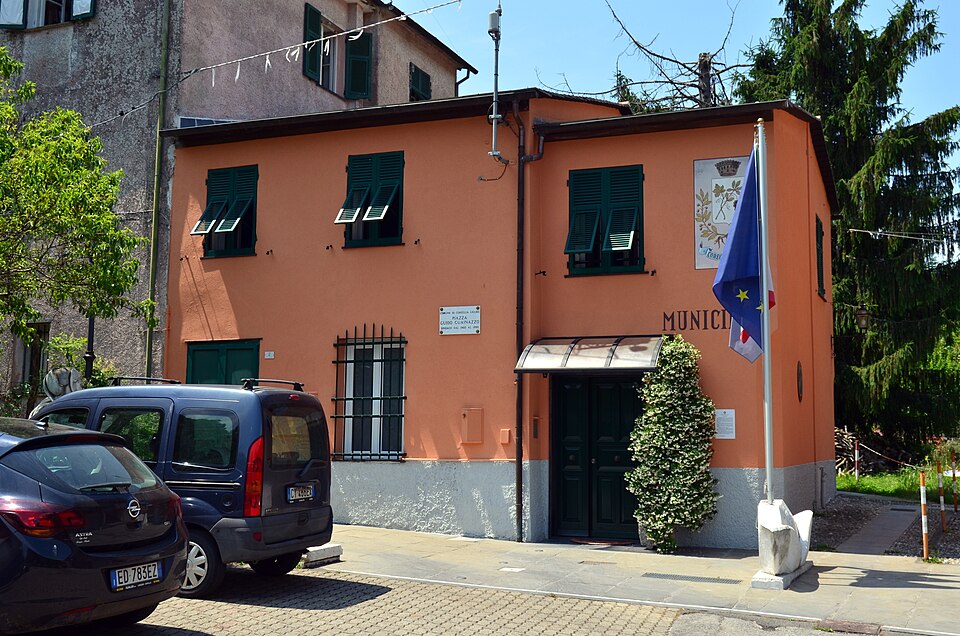
📷 Photo Gallery — Coreglia Ligure
Nearby Villages near Coreglia Ligure
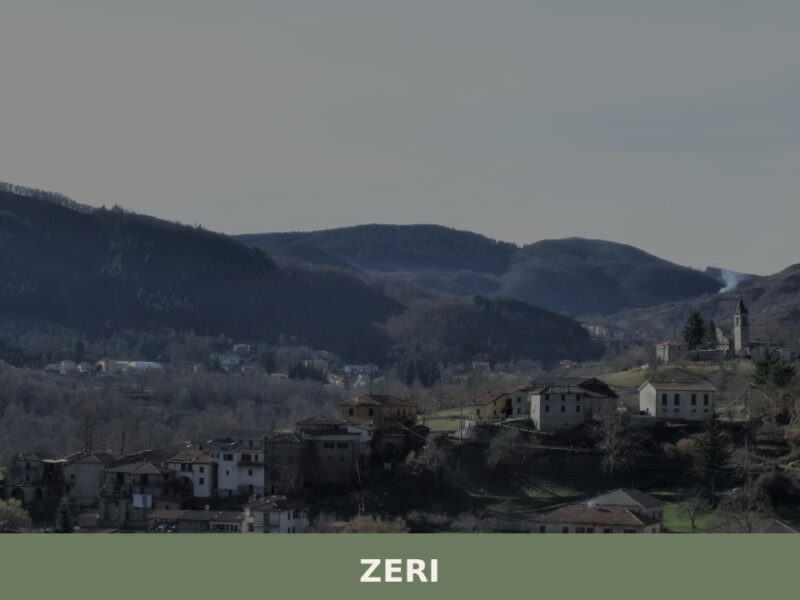
In Liguria More villages to discover
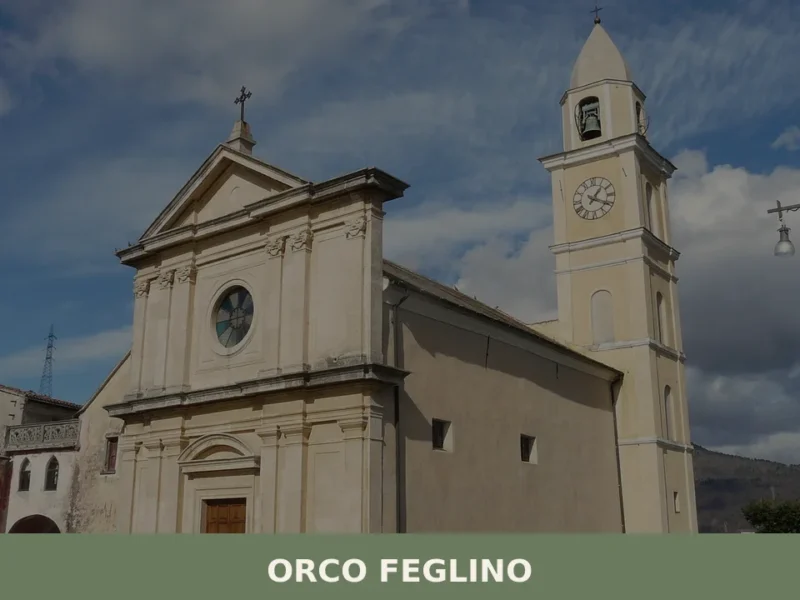
Orco Feglino
 Mountain
What to see in Orco Feglino, Italy? Located 50 km (31 mi) from Genoa, this village of 889 inhabitants offers castle ruins and historic churches. Explore its rich past.
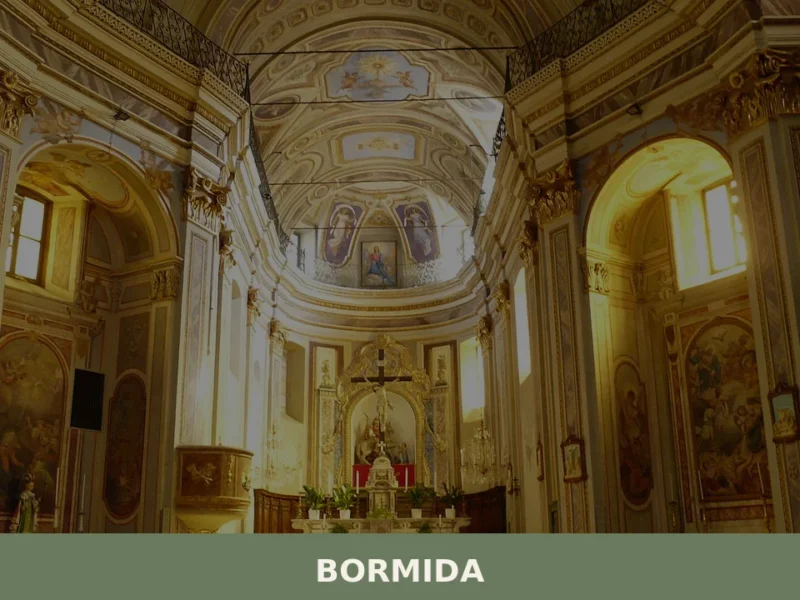
Bormida
 Hills
Hills
The Bormida di Pallare runs cold through the upper valley, cutting between the flanks of Monte Settepani at 1,386 m (4,547 ft) and Ronco di Maglio at 1,108 m (3,635 ft). Iron was worked here for centuries, and the name of at least one surviving building still carries that industrial memory. The village covers 22.4 […]
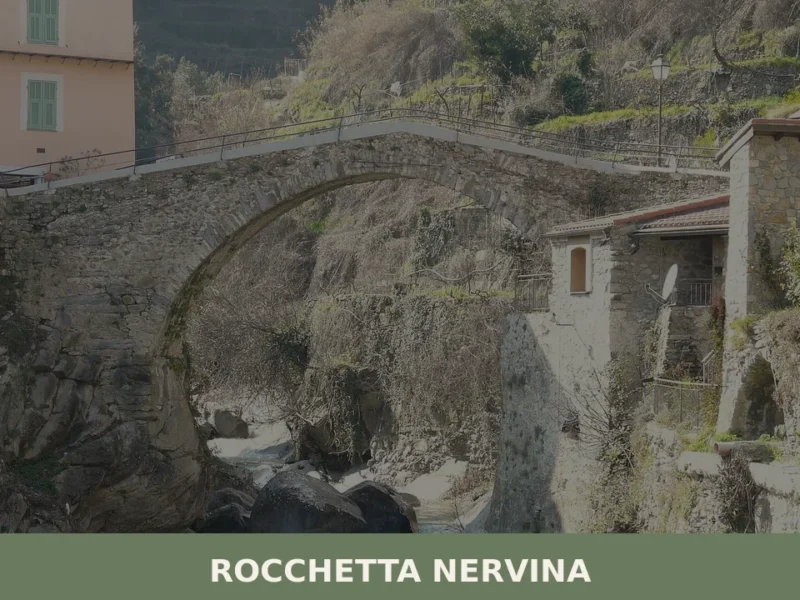
Rocchetta Nervina
Mountain
What to see in Rocchetta Nervina, Italy: discover the village (population 275) near the Ligurian Alps Regional Park. Explore its unique location bordering France and the Barbaira stream.
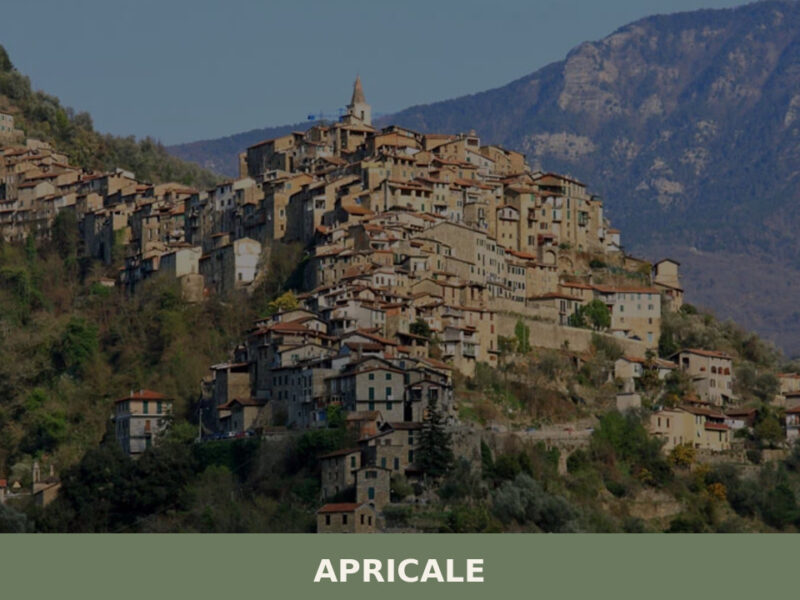
Apricale
Hills
A sun-facing medieval village of 626 inhabitants in Liguria's Val Nervia. Explore what to see in Apricale, from its castle to its open-air murals.
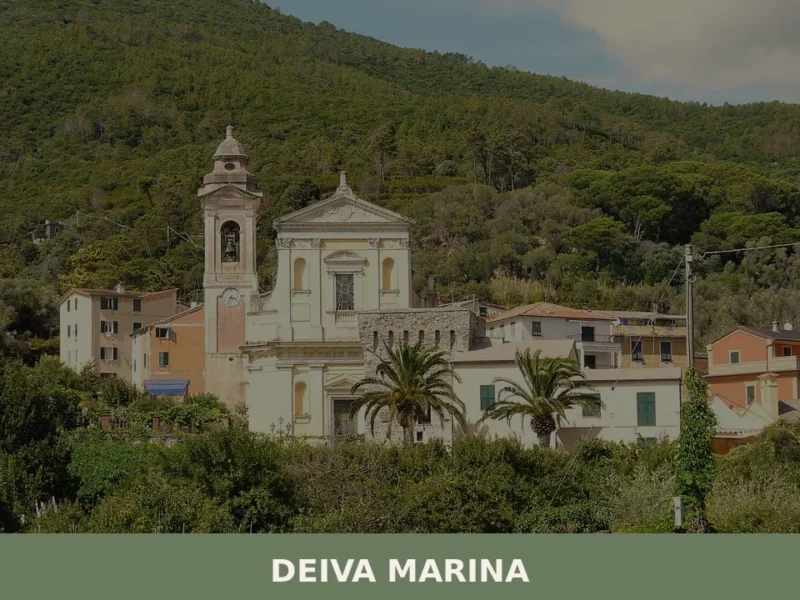
Deiva Marina
 Sea
Sea
What to see in Deiva Marina, Italy: 5 top attractions, hiking trails, Cinque Terre day trips, and travel tips for this Ligurian village of 1,409 inhabitants. Discover now.
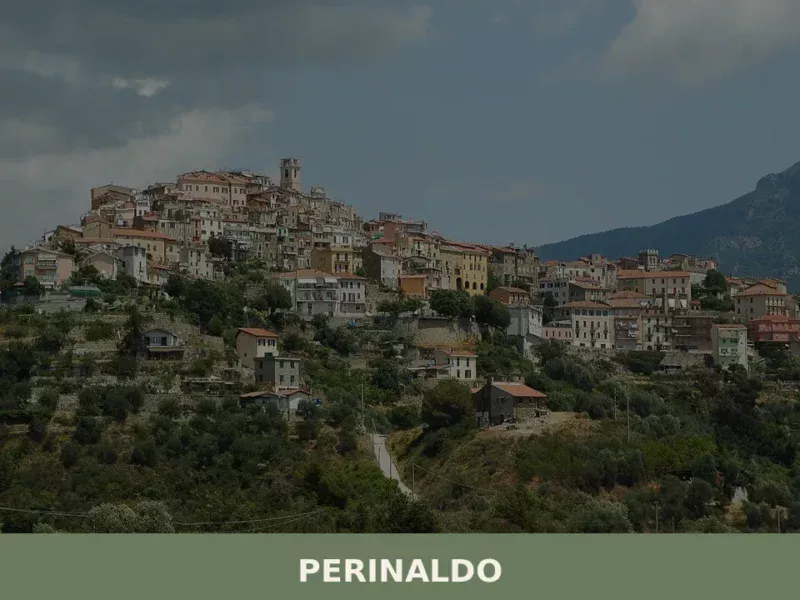
Perinaldo
Mountain
what to see in perinaldo, Italy: Discover the 15th-century church and Cassini Observatory in this Ligurian village of 913 inhabitants. Explore Perinaldo now.
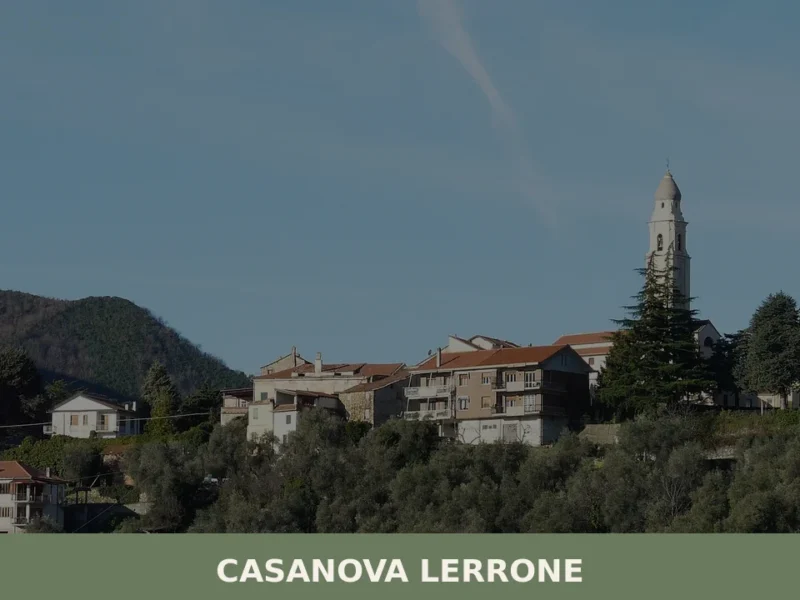
Casanova Lerrone
Hills
What to see in Casanova Lerrone, Italy: 752 inhabitants, 10 bordering municipalities. Discover top attractions, local food and how to get there. Explore now.
Calice Ligure
Plains
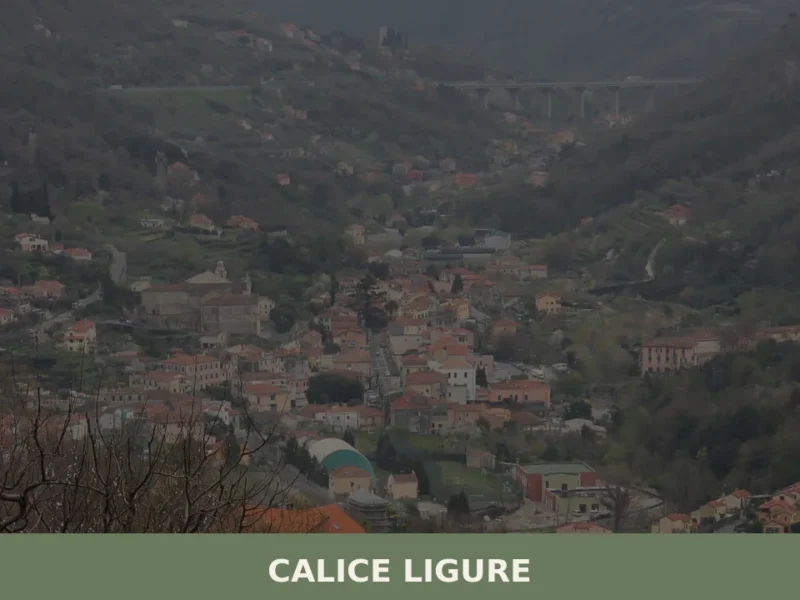
What to see in Calice Ligure, Italy: explore top attractions, local food and how to reach this Savona village of 1,727 people. Discover Liguria's inland.
Vasia
Hills
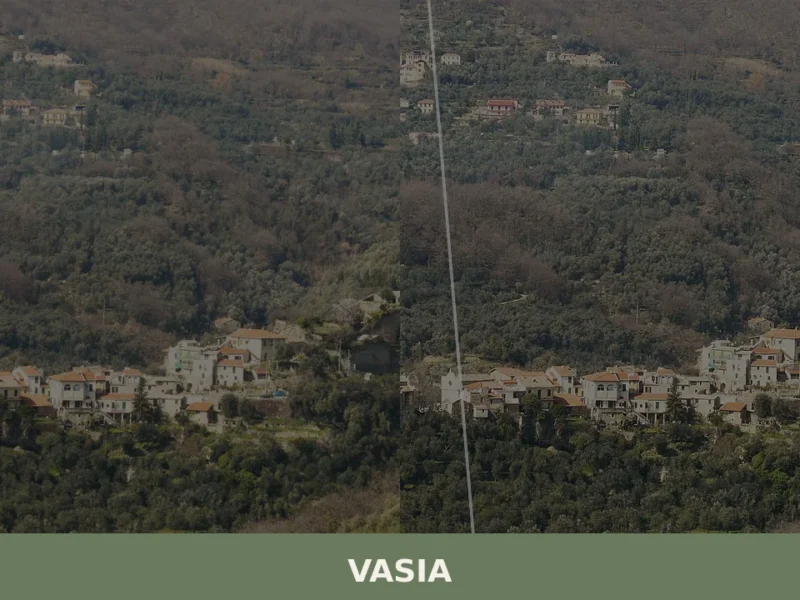
What to see in Vasia, Liguria, Italy: explore a village of 418 inhabitants 9 km from Imperia. Discover top attractions, local food, and how to get there.
Portofino
Sea
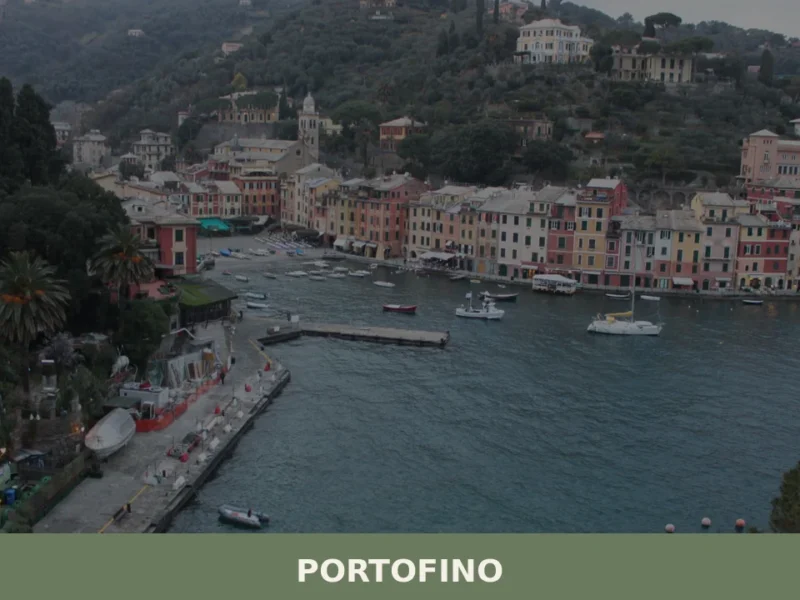
Portofino has a population of 355 residents spread across a headland that descends to sea level. It is one of the smallest municipalities in Italy by population, yet its natural harbour appears in almost every historical guide to the Ligurian Riviera. Anyone looking into what to see in Portofino will find a compact collection of […]
🏡 Know Coreglia Ligure better than we do?
If you’re a local or have been there, your knowledge matters: add what’s missing or fix a detail on this page.