


Tora e Piccilli
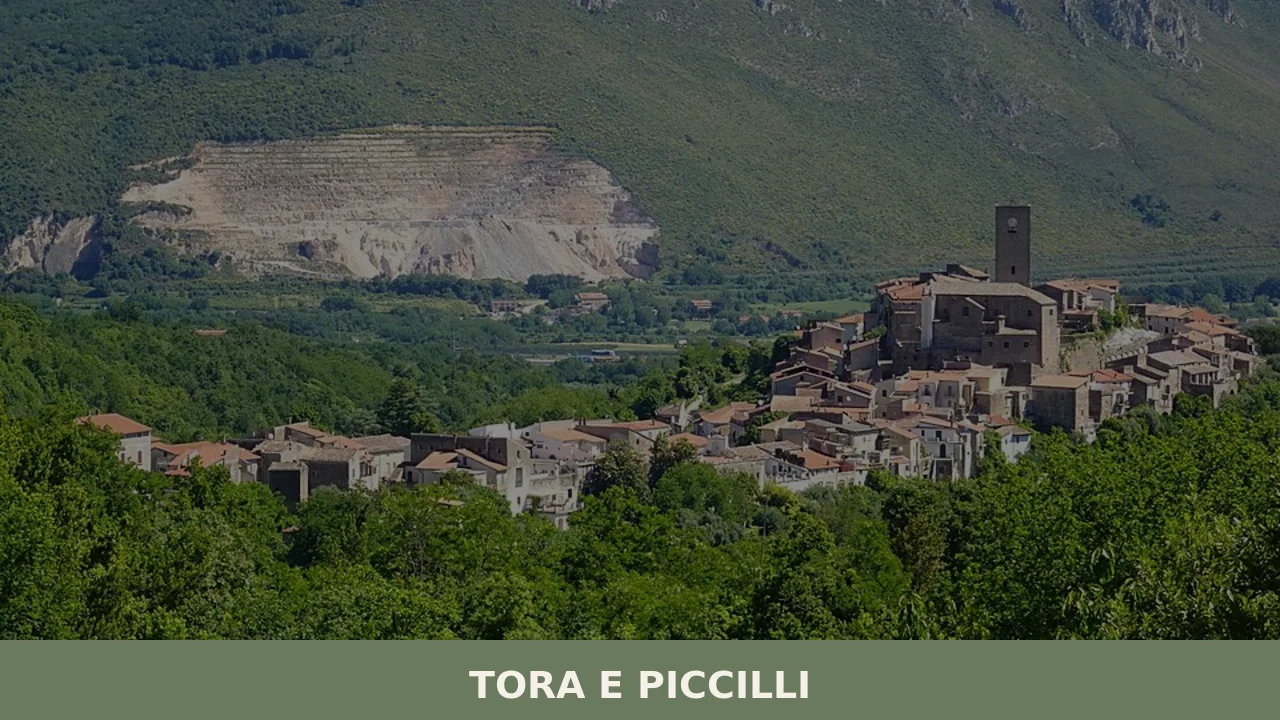
In 1928, the two inhabited centres of Tora and Piccilli were officially united to form a single municipality in the province of Caserta, at 343 metres above sea level, with a current population of 947 inhabitants. The territory, historically inhabited since the Samnite and Roman eras, features a stratification that is reflected in its architecture […]
Discover Tora e Piccilli
In 1928, the two inhabited centres of Tora and Piccilli were officially united to form a single municipality in the province of Caserta, at 343 metres above sea level, with a current population of 947 inhabitants. The territory, historically inhabited since the Samnite and Roman eras, features a stratification that is reflected in its architecture and its very name. The distinctiveness of a village comprising two separate entities offers visitors different perspectives on the same landscape and cultural context. For those wondering what to see in Tora e Piccilli, the itinerary unfolds among historical buildings and evidence of a rural life that shaped the place.
History and Origins of Tora e Piccilli
The origins of the name “Tora” are debated: some connect it to Taurus, the bull, a symbol of strength or a reference to a local deity; others associate it with a hill or an ancient family. “Piccilli” might derive from the Roman name Puccius or the term Pucillus. Archaeological evidence suggests a significant human presence as early as the Samnite era, particularly of the Pentri tribe, and subsequently Roman, given its strategic position along ancient communication and trade routes.
The village passed through the Middle Ages under various feudal dominations, with the construction of fortifications of which fragments remain today. More recent history is marked by significant events, such as the Tora e Piccilli Massacre that occurred in 1943, during the Second World War, a tragic episode that saw German troops retaliate against the civilian population, and which represents a still open wound in local memory. The merger of the two centres, Tora and Piccilli, consolidated an administrative identity while maintaining the specific characteristics of the individual settlements.
What to See in Tora e Piccilli: 5 Must-See Attractions
1. Church of San Giovanni Battista (Tora)
Located in the core of Tora, this church represents an architectural landmark. Its structure, the result of alterations over the centuries, preserves stylistic elements ranging from Romanesque to Baroque. The bell tower, with its silhouette, stands out in the village panorama, indicating the presence of a central place of worship for the community.
2. Church of San Michele Arcangelo (Piccilli)
In the village of Piccilli, the church dedicated to San Michele Arcangelo features a simple facade and an interior that houses furnishings and artworks of local interest. Its origins are ancient, and the building has undergone several modifications that have altered its original appearance, while maintaining its function as a spiritual centre.
3. Baronial Palace
The remains of the Baronial Palace, or what is left of it, bear witness to the ancient feudal presence in Tora. Although not intact, the palace still shows traces of its past grandeur, with portions of walls and some architectural details suggesting the importance of the family that inhabited it. Its position offers a view of the village’s urban planning.
4. Remains of Tora Castle
On the summit of a hill, the few ruins of Tora Castle indicate the existence of a medieval fortress. Although much of the structure has been lost, the foundations and some wall sections allow one to imagine the defensive function the castle held in controlling the surrounding territory, offering protection to its inhabitants.
5. Monte San Croce Archaeological Area
A short distance from the inhabited centre, the Monte San Croce area has been the site of important archaeological finds that attest to the presence of Samnite settlements. This site offers a perspective on the life of pre-Roman populations and their relationship with the territory, representing one of the oldest evidences of human presence in the area.
Typical Cuisine and Local Products
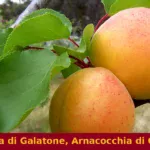
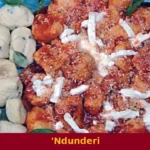
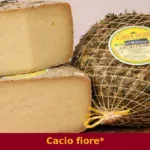
The cuisine of Tora e Piccilli reflects the gastronomic traditions of Alto Casertano and Matese, based on simple ingredients linked to the cycle of the seasons. Among the typical products, cheeses stand out, such as the Pecorino del Matese, produced with local sheep’s milk, and artisanal cured meats, the result of traditional pork processing. The surrounding woods offer mushrooms and, in some areas, also truffles, which enhance first and second courses. Wild boar meat, from local fauna, often features in ragù and roasts.
Dishes based on legumes, such as beans and chickpeas, cultivated in the surrounding fields and used for hearty soups or pasta e fagioli, are also common. Olive oil, produced from the area’s olive groves, is an essential condiment. Among desserts, simple preparations based on flour, eggs, and sugar, often associated with festivities, prevail. These genuine flavours can be sought in local trattorias or during seasonal festivals, which celebrate the produce of the land.
When to Visit Tora e Piccilli: The Best Time
The best period to visit Tora e Piccilli extends from spring to autumn. Spring, with its mild temperatures and nature awakening, is ideal for walks and for enjoying the hilly landscape without the intense summer heat. Autumn offers warm colours and the opportunity to participate in festivals related to the harvesting of forest products, such as mushrooms and chestnuts, and the production of new oil.
Summer, though warmer, can be a good time for those seeking a cooler climate compared to coastal areas and wishing to participate in any events or patron saint festivals that enliven the village. The altitude of 343 metres above sea level ensures a more ventilated climate. Winter is harsher, with temperatures that can drop below zero, making the landscape evocative but less suitable for prolonged outdoor explorations.
How to Get to Tora e Piccilli
To reach Tora e Piccilli, several transport options can be considered:
- By car: Travelling on the A1 Milan-Naples motorway, the recommended exit is Caianello. From there, follow the road signs for Tora e Piccilli, which is a few kilometres away.
- By train: The nearest railway station is Vairano-Caianello, served by the Rome-Cassino-Caserta-Naples line. From the station, it is possible to continue by taxi or local bus service, if available.
- By plane: The nearest international airport is Naples-Capodichino (NAP), about 70-80 km away. From the airport, you can rent a car or use public transport services to reach the Caserta area and then continue.
In Campania More villages to discover
Presenzano
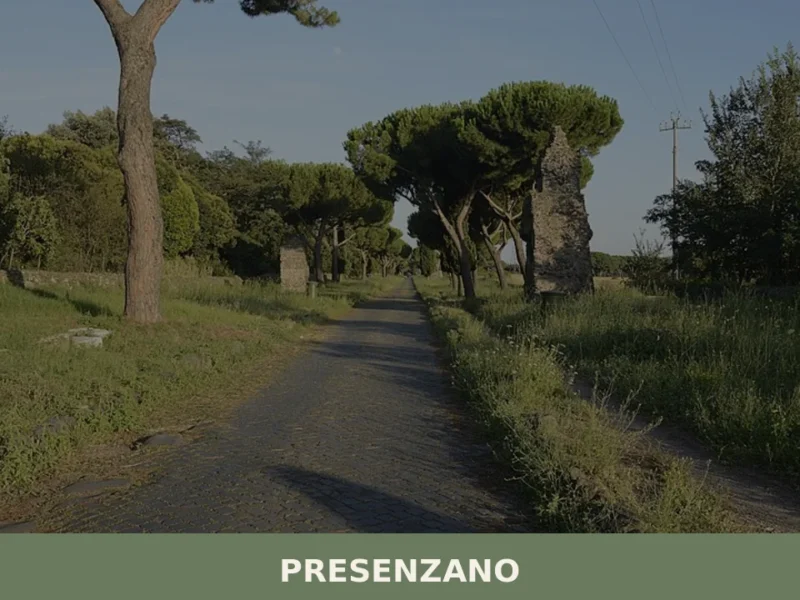
At 272 meters above sea level, in the northwestern sector of the province of Caserta, Presenzano stands out for its strategic position, a natural observation point over the Volturno valley. The territory has been inhabited since Roman times, as evidenced by archaeological finds in the area. This historical continuity has shaped an urban fabric where […]
Raviscanina
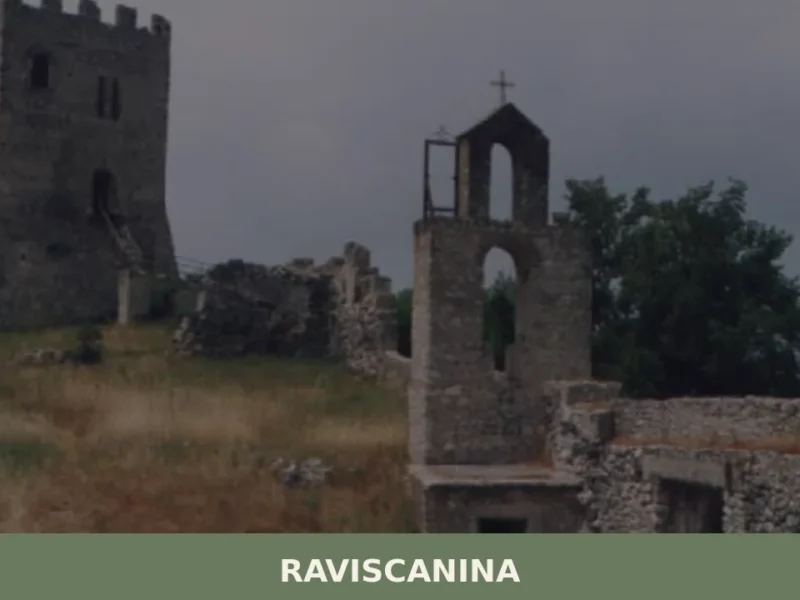
In the heart of Alto Casertano, at 358 meters above sea level, stands Raviscanina, a village whose history is evident through its architecture. Its foundation can be attributed to the Norman period, as evidenced by the imposing Castle, whose first constructions date back to the 11th century. With a population of 1,388 inhabitants, the settlement […]
Roccaromana
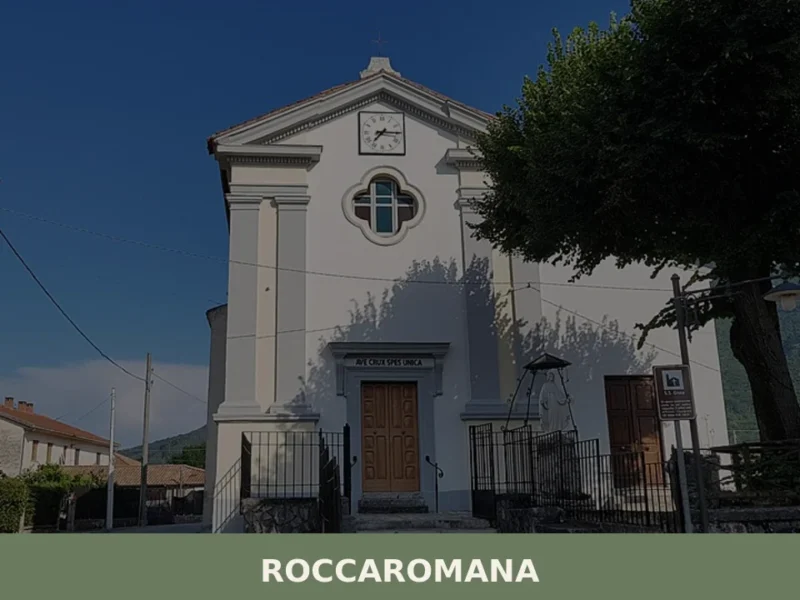
Discover what to see in Roccaromana, a Campanian plain village in the province of Caserta. Explore the history, attractions, and typical cuisine of this center with 893 inhabitants.
📝 Incorrect information or updates?
Help us keep the Tora e Piccilli page accurate and up to date.