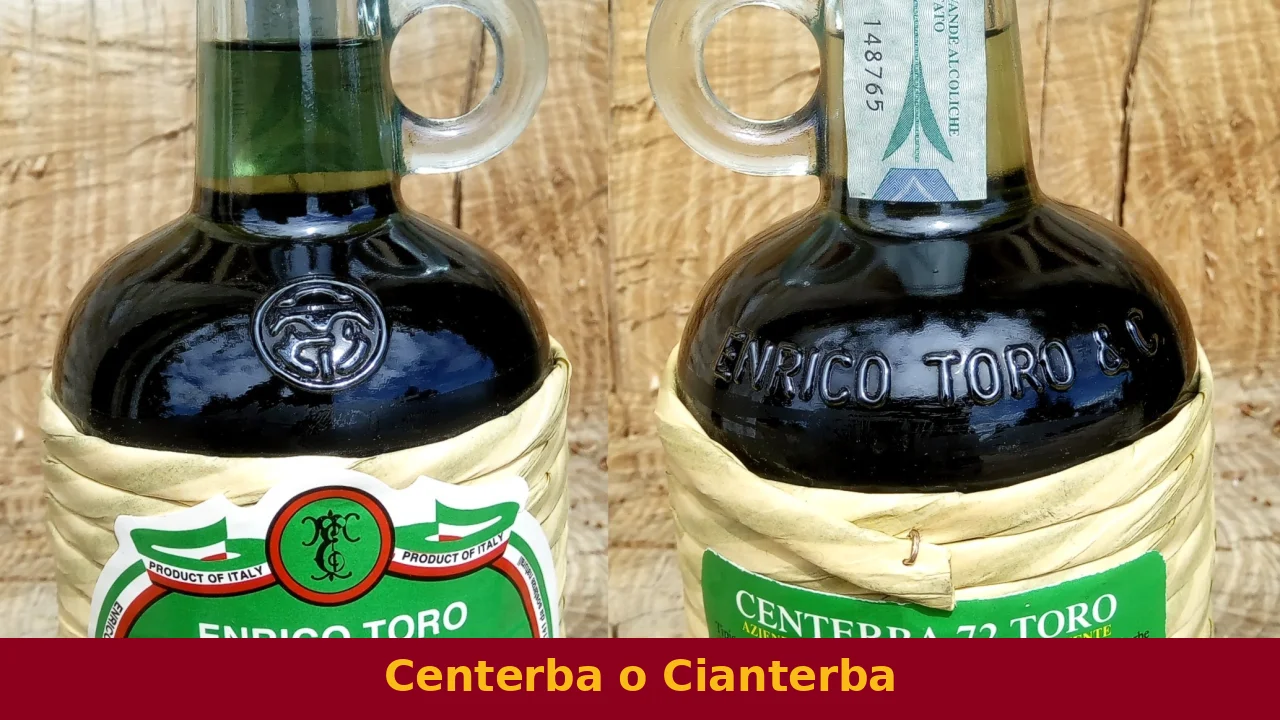
Tra le vette e le vallate selvagge dell’Abruzzo, dove la natura offre una ricchezza botanica sorprendente, nasce un distillato che racchiude l’essenza stessa del territorio: la centerba o cianterba. Questo amaro, dal carattere deciso e dal profumo intenso, è una vera e propria icona della tradizione liquoristica abruzzese, un sorso che trasporta direttamente tra le…
Tra le vette e le vallate selvagge dell’Abruzzo, dove la natura offre una ricchezza botanica sorprendente, nasce un distillato che racchiude l’essenza stessa del territorio: la centerba o cianterba. Questo amaro, dal carattere deciso e dal profumo intenso, è una vera e propria icona della tradizione liquoristica abruzzese, un sorso che trasporta direttamente tra le erbe officinali raccolte con cura. La sua storia affonda le radici in un sapere antico, tramandato attraverso i secoli, e ogni bottiglia racconta un frammento di questa regione fiera e autentica.
Centerba o cianterba is a digestive liqueur, an herbal bitter, recognized as a Traditional Agri-food Product (PAT) of the Abruzzo Region. It stands out for its high alcohol content and complex aromatic profile, stemming from the infusion and distillation of numerous herbs, flowers, and roots gathered primarily in the mountainous areas of Abruzzo. Its name, “Centerba,” refers to the use of one hundred herbs, although the exact number and specific composition are often closely guarded secrets by individual distilleries. It is a product that presents an intense green color, sometimes almost brilliant, and a taste that combines the bitterness of the herbs with balsamic and spicy notes.
The history of centerba o cianterba is deeply connected to the herbal and medicinal tradition of Abruzzo. While no single documents confirm its precise origin, it is believed that its roots go back several centuries, likely within the practices of monks and hermits who, knowledgeable about plant properties, prepared infusions and distillates for therapeutic purposes. The most famous and commercialized recipe emerged around the mid-19th century, but the concept of a digestive made from numerous medicinal herbs is much older. Its popularity grew over time, becoming an essential item in Abruzzo larders, valued for both its digestive qualities and its unmistakable flavor. This liqueur has endured through generations, preserving its identity and its enduring connection to its land of origin.
The vibrant center of centerba o cianterba production is Abruzzo, a region marked by a diverse landscape that ranges from the peaks of the Gran Sasso and Majella massifs to gentle hills and Adriatic coasts. It is precisely in the mountainous and foothill areas that the wild and cultivated herbs are found, which impart the liqueur its distinctive character. Abruzzo’s biodiversity, with its national and regional parks, provides an ideal habitat for a wide array of botanical species, many of which are aromatic and medicinal. The herbs are gathered in specific zones, often at high altitudes, where the clean air and uncontaminated soil enhance their properties. This connection to the natural environment is crucial. By visiting villages such as Anversa degli Abruzzi, located in the Sagittario Gorges, or Alfedena, in Alto Sangro, one can experience the environment from which these valuable raw materials originate. Also, near Bugnara, in the province of L’Aquila, or Ateleta, there are pastures and woods abundant with spontaneous flora, essential for the bitter liqueur’s composition.
The production of centerba o cianterba follows an artisanal process demanding experience and precision. It all begins with the gathering of herbs, which occurs at specific times of the year to ensure the highest concentration of active and aromatic compounds. The selected herbs, flowers, and roots are then carefully dried. Subsequently, these plant raw materials are infused in pure alcohol, in a maceration process that can last several weeks or months. During this period, the alcohol extracts essential oils, bitter principles, and aromatic substances from the herbs. After maceration, the compound is distilled. Distillation is a crucial step that separates desired aromatic components from undesired ones, concentrating the aromas and flavors and purifying the liqueur. The resulting distillate is then mixed with water and sugar to achieve the desired alcohol content and taste balance. Finally, the liqueur rests in suitable containers for a maturation period, which harmonizes its flavors and stabilizes its color, typically an intense and brilliant green. Each producer possesses their secret recipe, which varies in herb selection and proportions, giving each centerba its unique identity.
Centerba o cianterba appears to the eye with a brilliant, intense green color, which may vary slightly depending on the herbs used and the production process. To the nose, it releases a complex and potent aromatic bouquet, dominated by fresh herbaceous notes, balsamic hints of mint and eucalyptus, and spicy nuances. Undertones of Mediterranean scrub and forest floor can also be perceived. On the palate, the impact is firm and enveloping. The taste is distinctly bitter, yet balanced by a subtle sweetness and a warming sensation provided by the high alcohol content. The herbaceous notes are confirmed, accompanied by a lingering aftertaste that leaves a refreshing and clean impression in the mouth. It is a liqueur that “warms” and “cleanses” the palate, leaving a sustained impression. Its consistency is generally liquid, but with a certain density that is discernible during tasting.
Traditionally, centerba o cianterba is valued as a post-meal digestif, served cold or at room temperature to enhance its properties. However, its intensity and aromatic profile also make it versatile in other culinary contexts. It can be used as an ingredient in some pastry preparations, for example, to flavor dry cakes, biscuits, or creams, imparting an herbaceous touch and a bitter aftertaste that balances sweetness. In some Abruzzo recipes, it is employed to deglaze white meats or game, providing a distinct aroma and helping to cut through richness. In the realm of mixology, centerba is finding new applications. Innovative bartenders use it to create original cocktails, pairing it with gin, vodka, or other spirits to contribute an herbaceous note and an intriguing bitterness. It can be an excellent addition to coffee, or added to vanilla ice cream for an unexpected dessert. For a simpler experience, it can be enjoyed with an orange peel or an ice cube.
Centerba o cianterba stands out among Italian traditional food products for several reasons. Primarily, its composition, based on a blend of herbs often native to Abruzzo, many of which are wild-gathered, gives it an unmistakable regional character. It is not merely a bitter liqueur, but a genuine essence of the Abruzzo terrain. The aromatic and gustatory complexity, derived from the combination of a large number of herbs, makes it a profound and layered sensory experience. Furthermore, its high alcohol content and decisive character set it apart from many other digestive liqueurs, positioning it as a product for palates that appreciate robust and genuine flavors. Its centuries-old history and artisanal production method, passed down through generations, reinforce its cultural and identity value. It is a liqueur that makes no compromises, but proudly expresses its origin and tradition, becoming a representation of Abruzzo’s endurance and unique character.
Centerba o cianterba is recognized as an Italian Traditional Agri-food Product (PAT). This recognition, granted by the Ministry of Agricultural, Food and Forestry Policies, certifies that the liqueur has been produced according to traditional rules, established over time for at least 25 years. The PAT certification is a seal of quality that guarantees the authenticity of the production process and the profound connection with the territory and its customs. It is not a protected designation of origin (DOP or IGP) mark, but it is an important safeguard that highlights regional specificities and culinary heritage. For consumers, the PAT mark is a guarantee of typicality and adherence to the recipes and methods that have made this bitter liqueur a distinguishing feature of Abruzzo culture.
To best savor centerba o cianterba and discover all its nuances, the ideal way is to visit the Abruzzo region. It can be found in specialized wine shops, typical product stores, and directly at the artisanal distilleries spread across the territory. Many of these offer tastings and guided tours, allowing for a full understanding of the production process and the dedication behind each bottle. During local food and wine festivals, it is common to encounter producers offering their versions of this bitter liqueur, often with slight recipe variations that highlight its diversity. In the inland areas, such as around Anversa degli Abruzzi, Bugnara, or Alfedena, it is easier to find the most traditional and regionally connected productions. Purchasing centerba in Abruzzo is not only a way to bring home a traditional product from ABRUZZO, but also an opportunity to engage with local traditions, meet the producers, and uncover the allure of a territory that offers much more than simple flavors. It is an invitation to explore, taste, and experience Abruzzo completely.
📷 Photo: A7N8X · CC BY-SA 4.0 · All credits →
In the skilled hands of Abruzzese artisans, the quince transforms into a gastronomic treasure that encapsulates the genuine...
In the wild and generous heart of Abruzzo, where transhumance has shaped landscapes and traditions, a cheese emerges...
Within Abruzzo's verdant expanse, amidst mountain pastures and ancient traditions, a cured meat awaits discovery, telling tales of...
Standing at fifty-eight metres above sea level along the left bank of the Volturno, Castel Campagnano has a current population of 1,458, spread between the historic centre and the hamlets scattered across the alluvial plain. The municipality, in the province of Caserta, retains an urban layout that still follows the plan of the fortified medieval […]
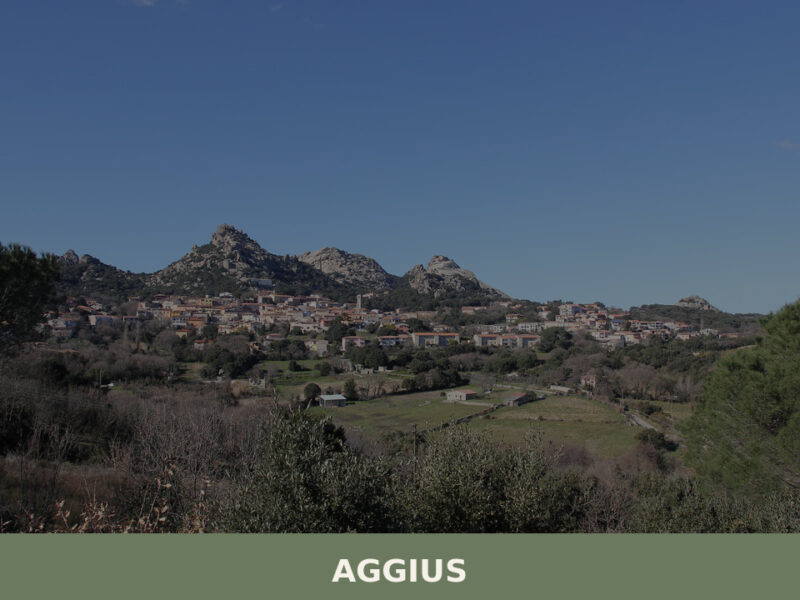
Granite boulders glow amber in the late afternoon, stacked like ancient sentinels across a valley floor that drops away toward the Gallura coast. Wind pushes through narrow lanes of grey stone houses, carrying the faint rhythm of a polyphonic chorus rehearsing behind closed shutters. At 514 metres above sea level, this village of just over […]
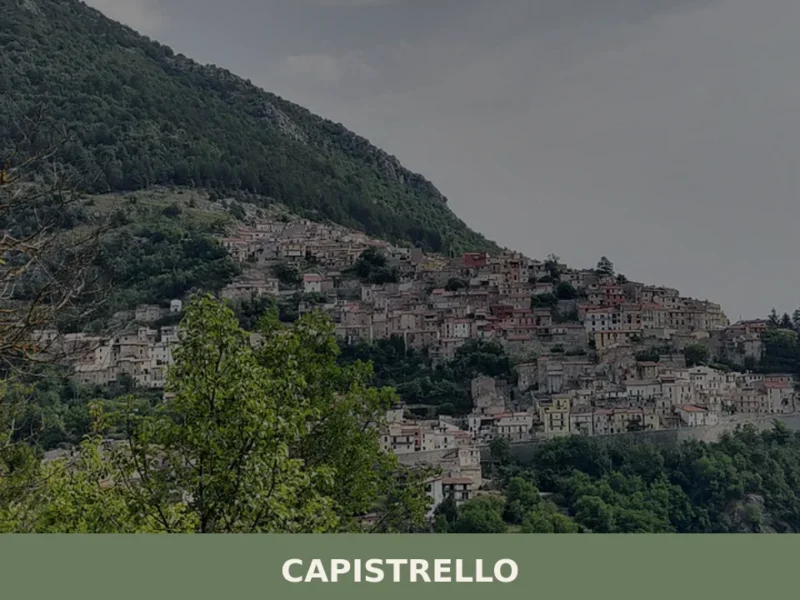
In 1902, a flood of the River Liri devastated the town and forced its inhabitants to rebuild entire neighbourhoods in the upper part of the settlement: that wound redrew the map of Capistrello, a village of 5,309 residents in the Marsica area, standing at 734 metres above sea level in the province of L’Aquila. Anyone […]
📝 Incorrect information or updates?
Help us keep the Centerba o Cianterba page accurate and up to date.