


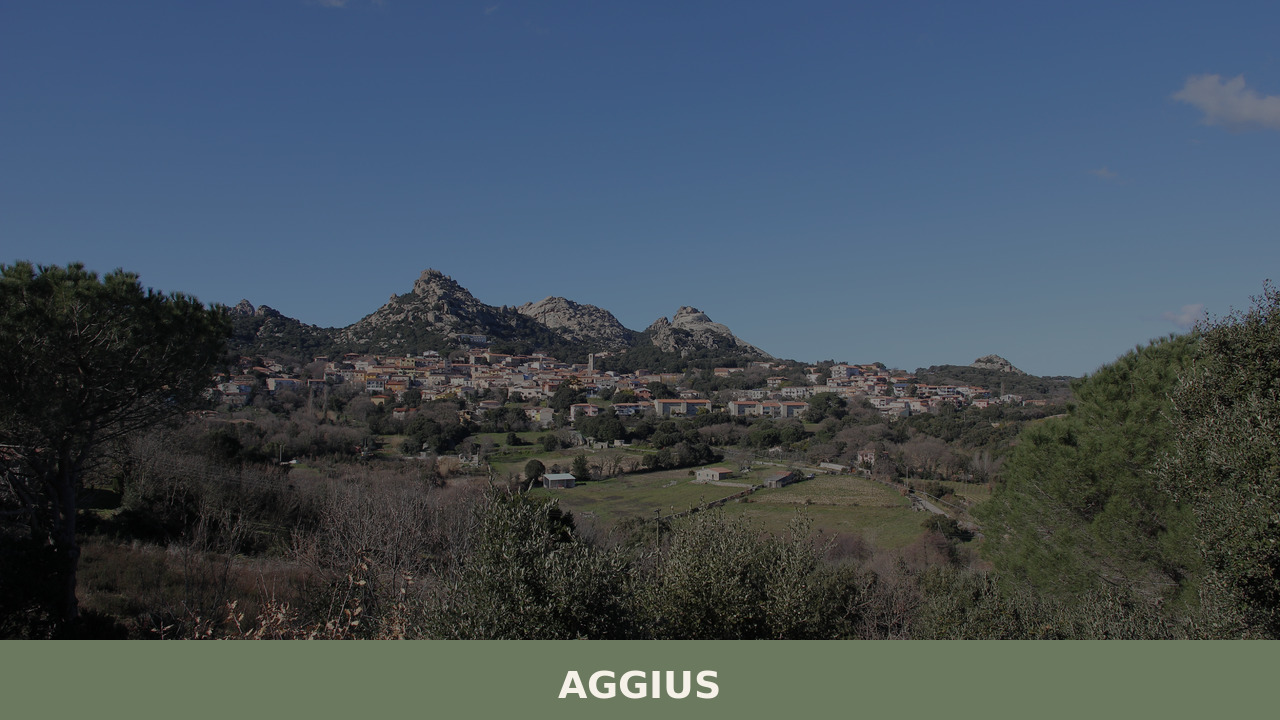
Aggius
 Hills
Hills
Granite boulders glow amber in the late afternoon, stacked like ancient sentinels across a valley floor that drops away toward the Gallura coast. Wind pushes through narrow lanes of grey stone houses, carrying the faint rhythm of a polyphonic chorus rehearsing behind closed shutters. At 514 metres above sea level, this village of just over […]
Discover Aggius
Granite boulders glow amber in the late afternoon, stacked like ancient sentinels across a valley floor that drops away toward the Gallura coast. Wind pushes through narrow lanes of grey stone houses, carrying the faint rhythm of a polyphonic chorus rehearsing behind closed shutters. At 514 metres above sea level, this village of just over 1,400 inhabitants occupies one of the highest perches in the province of Sassari — a place where rock, light, and song define daily life. Understanding what to see in Aggius requires walking slowly, listening carefully, and looking up.
History of Aggius
Human presence in the territory surrounding Aggius dates to the pre-Nuragic and Nuragic periods, evidenced by the archaeological remains scattered across the granite landscape of Gallura. The village’s name likely derives from a Latin or pre-Latin root — some scholars connect it to the word “agius,” possibly referencing the rocky terrain that dominates the area. During the medieval period, Aggius fell within the Giudicato di Gallura, one of Sardinia’s four independent kingdoms, before passing through Pisan and then Aragonese control as the island’s sovereignty shifted across the Mediterranean.
By the 18th and 19th centuries, Aggius had developed a reputation that reached well beyond its parish boundaries. The village became known across Sardinia for a fierce culture of banditry — vendetta feuds between families that persisted for generations and drew the attention of Italian ethnographers and lawmakers. Yet alongside this turbulent history, Aggius cultivated an equally powerful tradition of choral polyphony, a form of multi-voice singing that UNESCO has recognised as part of the island’s intangible heritage. The same community that produced outlaws also produced some of Gallura’s most celebrated vocal ensembles, a duality that still shapes the village’s identity today.
Throughout the 20th century, emigration hollowed out much of the population, as it did across highland Sardinia. Yet Aggius retained its cultural institutions with uncommon tenacity, establishing museums and preserving its textile and musical traditions even as the demographic base contracted to its current figure of roughly 1,403 inhabitants.
What to see in Aggius: 5 must-visit attractions
1. Museo Etnografico MEOC
The Museo Etnografico Oliva Ferralis Carta, known as MEOC, occupies a series of restored village buildings and documents Gallura’s rural life with uncommon depth. Rooms dedicated to wool processing, breadmaking, and domestic ritual include original tools and reconstructed interiors. The textile section is particularly significant — Aggius was long known across Sardinia for its handwoven carpets, and the museum preserves looms and pattern samples that date back generations.
2. Valle della Luna
Just outside the village, this valley of wind-sculpted granite tafoni formations spreads across a surreal landscape where boulders balance on narrow pedestals and shallow basins catch rainwater. The formations result from millennia of chemical and mechanical weathering acting on Gallura’s characteristic pale granite. Walking trails thread between the rocks, and the site has become a reference point for geological tourism in northern Sardinia, though it remains uncrowded on most days of the year.
3. Maria Lai Mural Installation
On a wall in the village centre, a ceramic and mixed-media installation by the Sardinian artist Maria Lai — one of Italy’s most important contemporary artists — integrates text, thread imagery, and clay into the stone surface of an existing building. Lai’s work, which often explored the relationship between art, community, and storytelling, finds a fitting setting in a village defined by handcraft and oral tradition. The piece rewards close inspection.
4. Chiesa di Santa Vittoria
The parish church of Santa Vittoria, with its granite façade and restrained Romanesque proportions, anchors the upper part of the village. The interior houses wooden altarpieces and liturgical objects that reflect centuries of parish devotion. Surrounding the church, a small piazza opens toward views of the Limbara massif — a vantage point that clarifies why this site was chosen for settlement in the first place.
5. Nuraghe Izzana
Located in the countryside near Aggius, Nuraghe Izzana is one of the larger Nuragic complexes in Gallura, featuring a central tower and secondary structures that date to the Bronze Age. The site has not been fully excavated, which gives it a raw, unmanicured quality distinct from more tourist-oriented Nuragic sites elsewhere on the island. Access requires a short walk across open terrain typical of the granite uplands.
Local food and typical products
The cooking of Aggius belongs to the Gallurese tradition, a cuisine built on pastoral staples: hard and semi-hard cheeses, pork, wild herbs, and bread. Zuppa gallurese — layers of stale bread soaked in meat broth, layered with fresh cow’s cheese, and baked until the surface crisps — is the territory’s defining dish, closer in spirit to a savoury bread pudding than a soup. Pulicione, a local fresh cheese, appears in both sweet and savoury preparations. Roasted suckling pig, seasoned with myrtle and cooked over juniper wood, remains the centrepiece of festive meals. The wines of the surrounding area draw from Vermentino di Gallura DOCG, Sardinia’s only white wine with that designation, grown in the granitic soils of the surrounding hillsides.
Within the village, small family-run establishments and agriturismi in the surrounding countryside serve these dishes in settings where the kitchen and the dining room often share the same roof. Bread — particularly pane carasau and the thicker pane pistoccu — accompanies every meal. Local honey, produced from the macchia shrubland that covers the lower slopes, and handmade pasta such as chiusoni (a ridged semolina shape rolled by hand) round out a table that draws entirely from the immediate landscape.
Best time to visit Aggius
Spring — from late March through May — brings wildflowers to the granite valleys and comfortable daytime temperatures between 15°C and 22°C, ideal for walking the trails around the Valle della Luna and exploring the village on foot. Summer draws visitors to the coast, but the altitude of Aggius means evenings remain several degrees cooler than in the lowland towns, making it a viable retreat from the heat that blankets Olbia and Sassari in July and August. The village’s most important cultural event, the Festa di li Aggatttu and various polyphonic singing performances, typically occur during the summer and early autumn months, though exact dates shift from year to year.
Autumn offers the quietest experience: the light softens, the macchia releases its resins into cooling air, and the village returns to its resident pace. Winter at 514 metres can be brisk and windy, with occasional frost, but it reveals an Aggius stripped of any seasonal tourism — the museums remain open, and the granite landscape takes on a harder, more architectural quality under low cloud.
How to get to Aggius
The nearest airport is Olbia Costa Smeralda Airport, located approximately 65 kilometres to the east, with a driving time of roughly one hour via the SS127 and provincial roads that wind through the Gallura interior. Alghero-Fertilia Airport lies about 130 kilometres to the southwest. From the port and city of Sassari, the provincial capital, the drive covers about 75 kilometres, taking around one hour and fifteen minutes on the SS672 and connecting roads through Tempio Pausania.
Aggius has a small railway station on the Trenino Verde heritage railway line, which operates tourist services on a seasonal basis rather than serving as a practical commuter link. For regular transport, ARST bus services connect Aggius with Tempio Pausania, the main town of inland Gallura, located just 6 kilometres to the south. A car remains the most practical means of reaching and exploring the area, particularly for accessing archaeological sites and the Valle della Luna.
What to see in Aggius and the surrounding area: more villages to discover in Sardegna
The Gallura interior holds a network of small communities set among cork oak forests and granite formations, each with its own character. Tempio Pausania, just six kilometres south, serves as the historical capital of Gallura and offers a larger centro storico built from the same pale granite, along with a cathedral, thermal springs, and the main commercial services for the surrounding territory. It provides a natural complement to a visit to Aggius, and the two villages share cultural roots in polyphonic singing and pastoral tradition.
Further afield, the villages of inland Sardinia reward those willing to drive the winding provincial roads. Castelsardo, perched on a headland overlooking the Gulf of Asinara to the northwest, presents a different dimension of Sardinian life — a medieval fortress town with a basket-weaving tradition and a coastal energy quite distinct from the mountain silence of Aggius. Together, these villages form an itinerary through northern Sardinia that moves between rock and sea, upland and coast, solitude and spectacle.
Frequently asked questions about Aggius
What is the best time to visit Aggius?
Spring (late March to May) is ideal for hiking the Valle della Luna and exploring the village, with temperatures between 15°C and 22°C and wildflowers across the granite valleys. Summer evenings are cooler than the coast thanks to the 514-metre altitude, making Aggius a useful retreat from lowland heat. Autumn is the quietest and most atmospheric season. The Festa patronale of Santa Vittoria falls on the first Sunday of October — a key date for experiencing the village's religious and community life at its most authentic.
What are the historical origins of Aggius?
Human presence around Aggius dates to the pre-Nuragic and Nuragic periods, as evidenced by Bronze Age archaeological remains across the Gallura granite landscape. The village name likely derives from a Latin or pre-Latin root connected to the rocky terrain. During the medieval period Aggius belonged to the Giudicato di Gallura, then passed to Pisan and later Aragonese control. By the 18th and 19th centuries the village was known across Sardinia both for inter-family vendetta feuds and for a celebrated tradition of polyphonic choral singing — a striking duality that still defines its cultural identity.
What to see in Aggius? Main monuments and landmarks
The five essential stops are: the MEOC Ethnographic Museum (Museo Etnografico Oliva Ferralis Carta), documenting Gallurese rural life with original looms and domestic tools; the Valle della Luna, a surreal landscape of wind-sculpted granite tafoni formations just outside the village; a ceramic mural installation by Sardinian artist Maria Lai in the village centre; the granite Chiesa di Santa Vittoria with views toward the Limbara massif; and Nuraghe Izzana, one of Gallura's larger Bronze Age complexes, a short walk across open terrain in the surrounding countryside.
What are the main natural or scenic attractions of Aggius?
The Valle della Luna is the area's standout natural site — a valley of pale granite boulders sculpted by millennia of weathering into tafoni formations, balanced rocks, and rain-filled basins. Walking trails thread through the landscape, which remains uncrowded for most of the year. The surrounding Gallura uplands, covered in cork oak and Mediterranean macchia, offer additional scope for exploration. The altitude of 514 metres ensures clear air and wide views toward the Limbara massif and, on clear days, the coast.
Where to take the best photos in Aggius?
The Valle della Luna is the most photogenic location near Aggius, especially in late afternoon when low sunlight catches the pale granite tafoni formations and casts long shadows across the valley floor. Within the village, the small piazza beside the Chiesa di Santa Vittoria offers framed views toward the Limbara massif. The narrow grey-stone lanes of the historic centre reward close-up architectural photography, particularly at golden hour when the granite walls take on warm amber tones.
Are there museums, churches or historic buildings to visit in Aggius?
The MEOC (Museo Etnografico Oliva Ferralis Carta) is the village's principal museum, housed in restored buildings and covering wool processing, breadmaking, handwoven carpet traditions, and domestic life in Gallura — original looms and period interiors are among the highlights. The Chiesa di Santa Vittoria, the parish church with a granite Romanesque façade, contains wooden altarpieces and liturgical objects accumulated over centuries. A ceramic and mixed-media mural by Maria Lai, one of Italy's most significant contemporary artists, is permanently installed on a wall in the village centre.
What can you do in Aggius? Activities and experiences
Walking the Valle della Luna trails is the area's signature outdoor activity, suitable for most fitness levels. The MEOC museum offers an in-depth encounter with Gallurese textile and rural traditions. Polyphonic choral performances — part of a UNESCO-recognised Sardinian intangible heritage — take place during summer and early autumn events in the village. Visiting nearby Nuraghe Izzana adds an archaeological dimension. Dining at local agriturismi in the surrounding countryside provides direct access to Gallurese cuisine made from ingredients grown and raised within the immediate landscape.
Who is Aggius suitable for? Families, couples, hikers, solo travelers?
Aggius suits travellers who prefer cultural depth and natural scenery over beach tourism. Hikers and geology enthusiasts will find the Valle della Luna and granite uplands compelling. Couples seeking a quiet, atmospheric village stay will appreciate the slow pace, stone architecture, and local food scene. Culturally curious visitors — drawn to ethnographic museums, contemporary art, or traditional music — are well served by the MEOC, the Maria Lai installation, and the polyphonic singing tradition. The village is less suited to families seeking beach-focused or theme-park holidays.
What to eat in Aggius? Local products and specialties
Aggius sits within the Gallurese culinary tradition. Zuppa gallurese — stale bread layered with fresh cow's cheese and meat broth, then oven-baked — is the territory's defining dish. Roasted suckling pig, cooked over juniper wood and finished with myrtle, is the centrepiece of festive meals. Pulicione, a local fresh cheese, appears in both sweet and savoury preparations. Handmade chiusoni pasta, pane carasau, pane pistoccu, and local macchia honey round out the table. Wines come from the surrounding Vermentino di Gallura DOCG zone, Sardinia's only white wine with that designation.
Nearby Villages near Aggius
 Mountain
In Sardinia More villages to discover
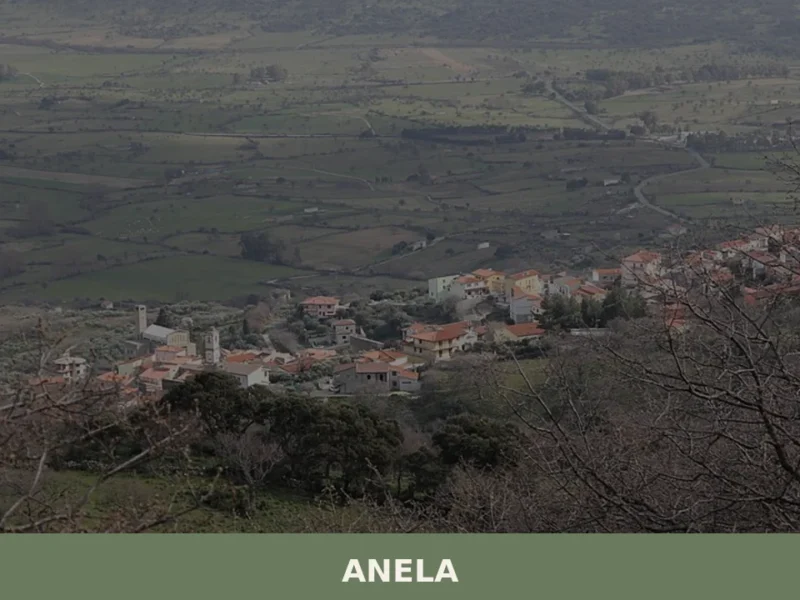
Anela
Hills
Discover what to see in Anela, Sardinia: Neolithic tombs at Sos Furrighesos, the Chiesa di San Giorgio, highland forests, and authentic pastoral cuisine.
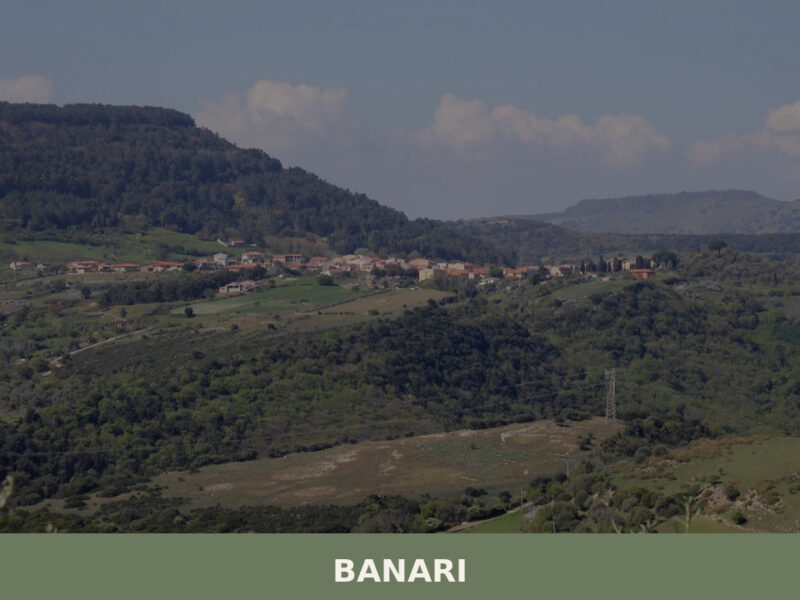
Banari
Hills
Morning light catches the limestone facades along Via Roma, turning them the colour of raw honey. A rooster calls from behind a courtyard wall. Somewhere below, the Meilogu plain stretches north toward Sassari, its patchwork of olive groves and grain fields still holding the night’s mist. Banari — population 516, perched at 419 metres above […]
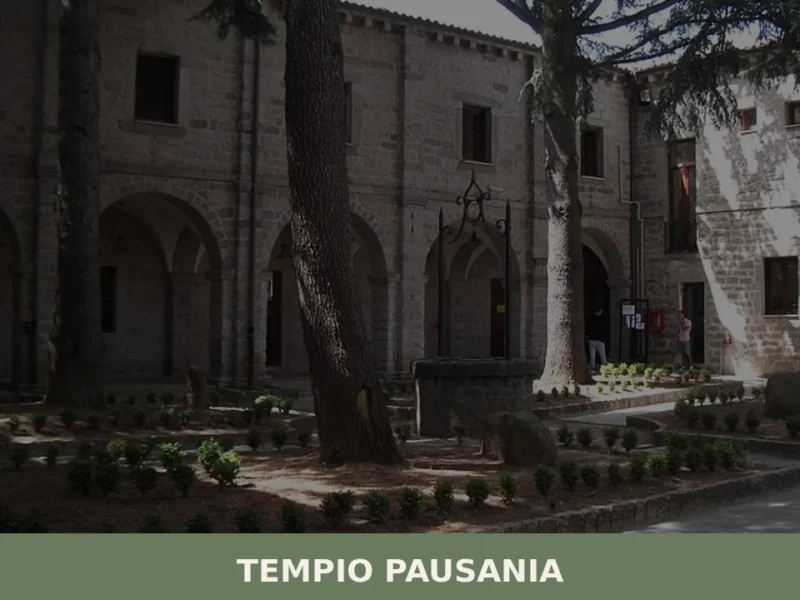
Tempio Pausania
Hills
What to see in Tempio Pausania: granite city at 566m, 13,196 residents. Discover the Gothic cathedral, Monte Limbara, suppa cuata and Sardinia's only DOCG wine.
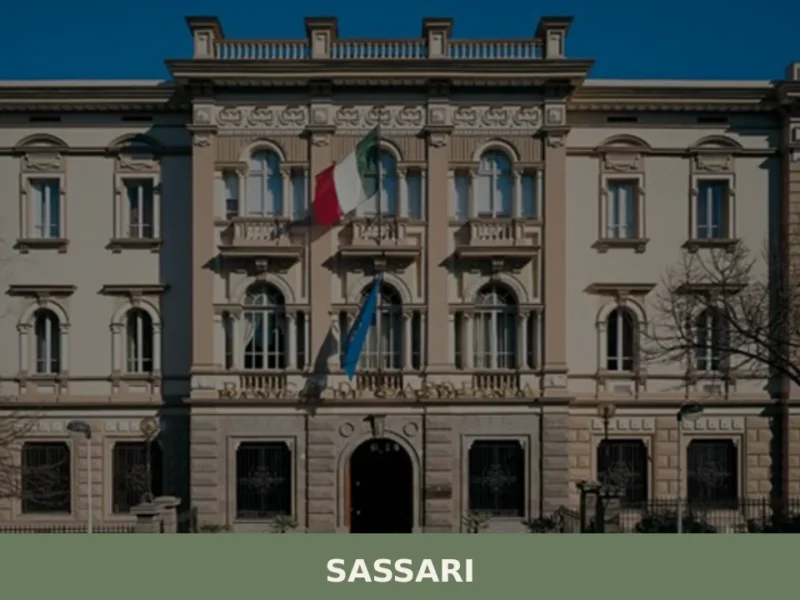
Sassari
 Sea
Sea
Discover Sassari, a captivating village in Sardegna, Italy. Explore its rich history, vibrant culture, stunning architecture, and authentic Italian charm.
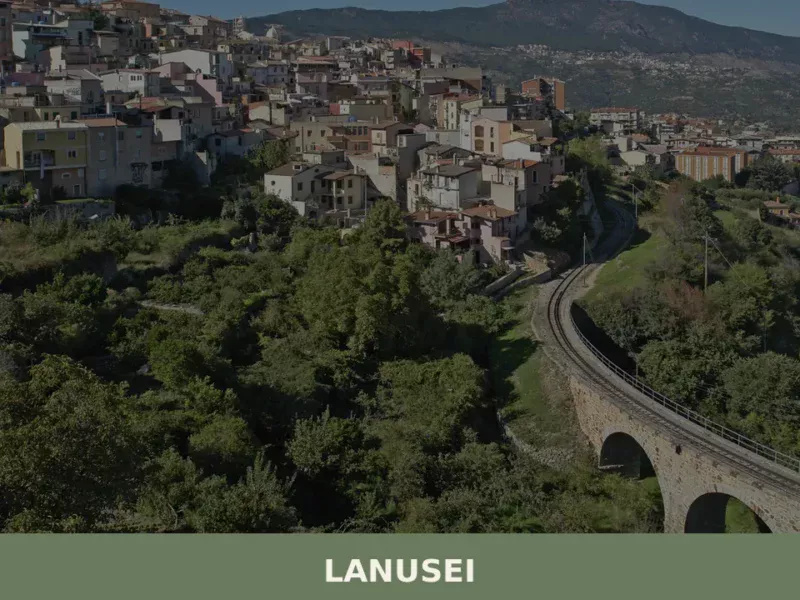
Lanusei
Sea
What to see in Lanusei, a Sardinian town at 595 m with 5,468 residents. Visit the Cathedral of Santa Maria Maddalena, the Natural History Museum and Gorropu Gorge. Plan your trip now.
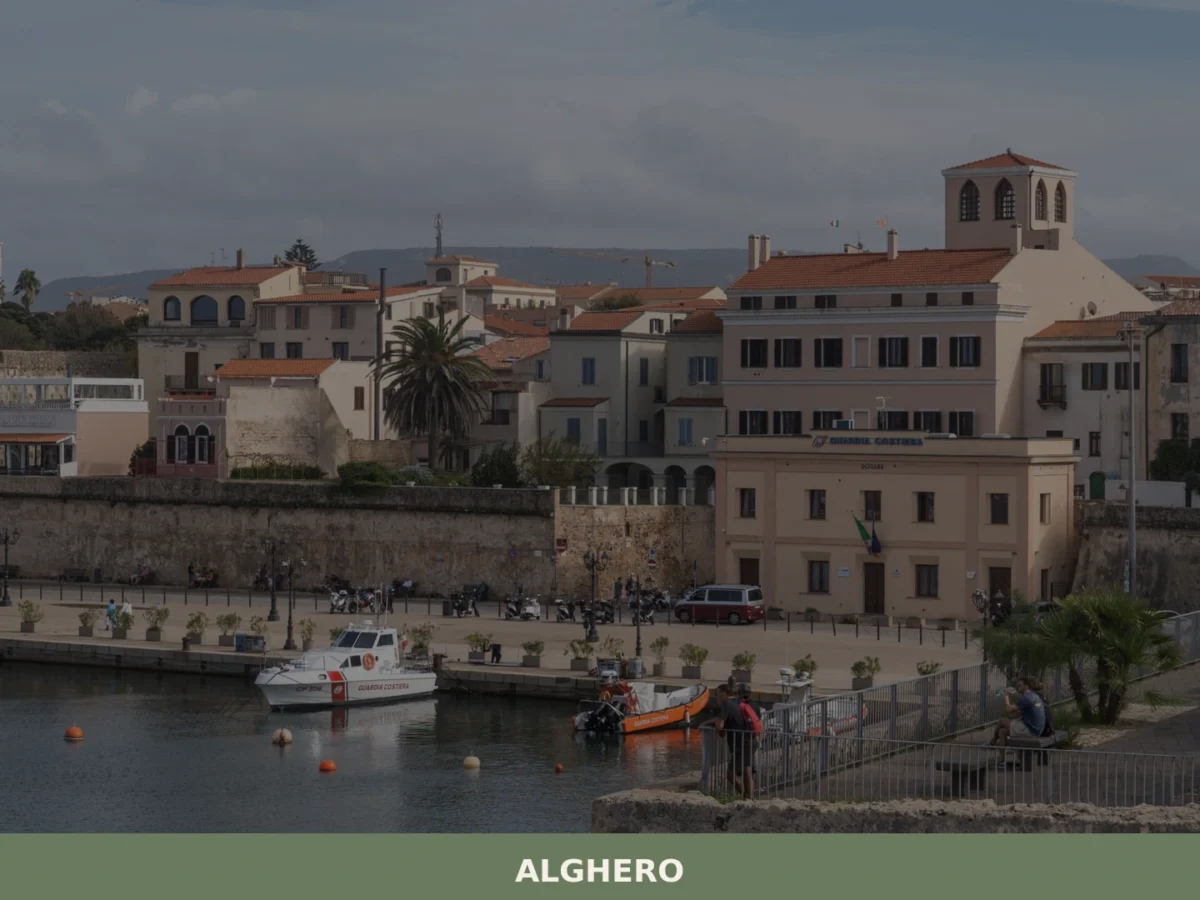
Alghero
Sea
What to see in Alghero: from the Aragonese walls to the Neptune's Grotto, discover the 5 top attractions. Read the full guide to plan your visit.
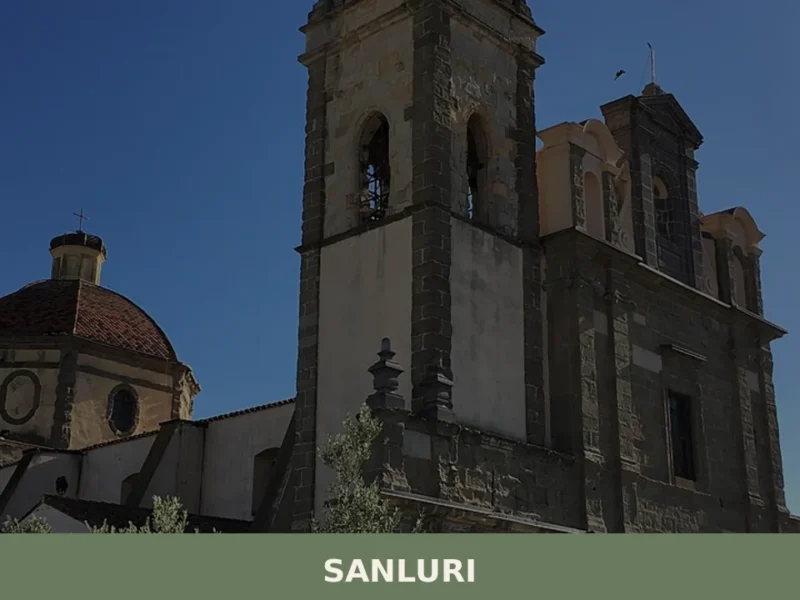
Sanluri
 Plains
Discover Sanluri, a charming village in Sardegna, Italy, rich in history, culture, and stunning landscapes. Plan your visit today!
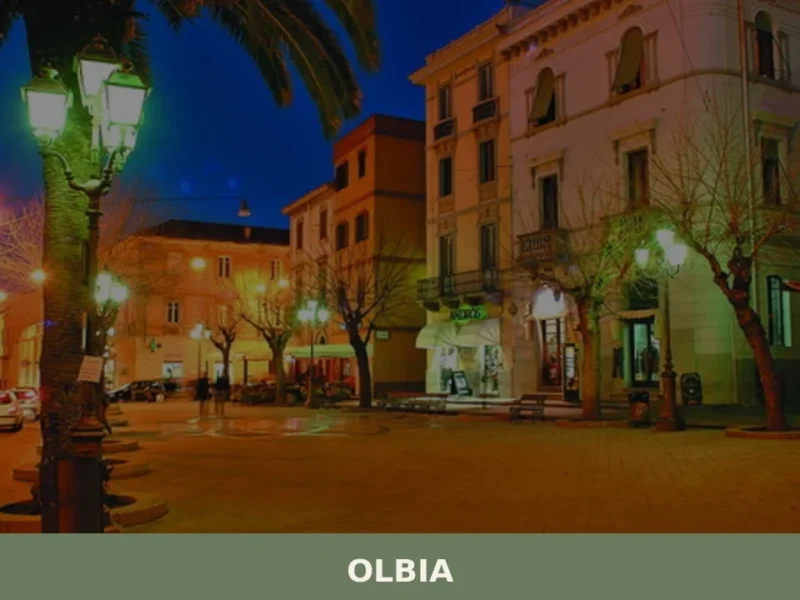
Olbia
Sea
Discover Olbia, a charming village in Sardegna, Italy. Explore its rich history, stunning landscapes, and vibrant local culture in this Mediterranean treasure.
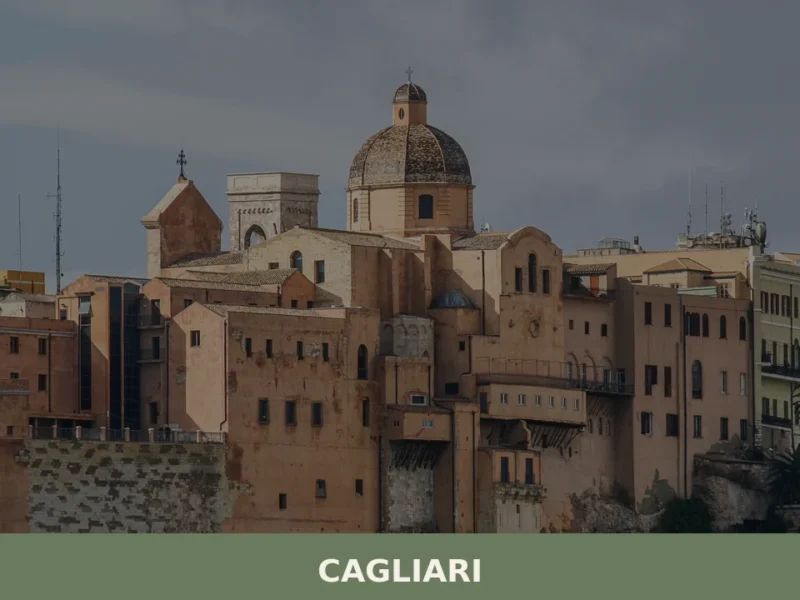
Cagliari
Sea
Discover Cagliari, a charming village in Sardegna, Italy. Explore its rich history, stunning landscapes, and local culture in the heart of Sardinia.
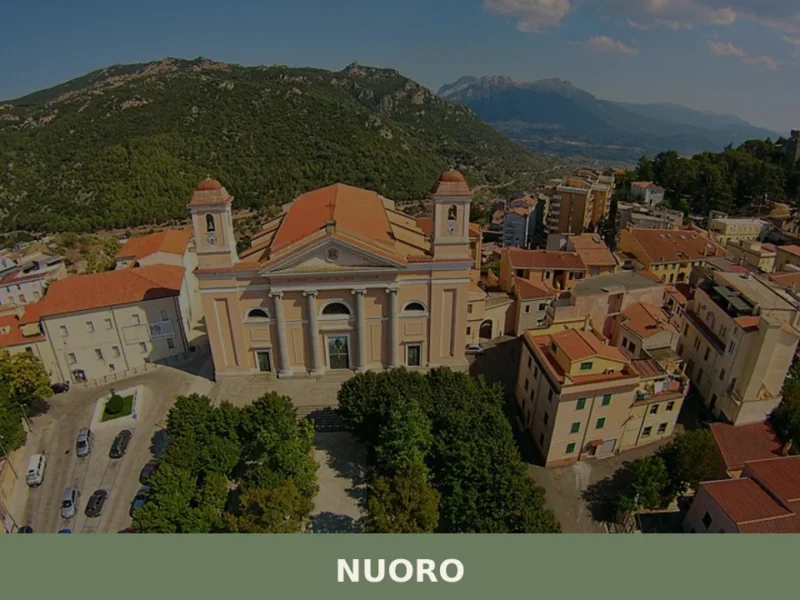
Nuoro
Hills
What to see in Nuoro: a city at 547m with 36,379 residents and birthplace of Nobel laureate Grazia Deledda. Explore museums, Monte Ortobene and Barbaricino cuisine. Plan your visit now.

🏡 Know Aggius better than we do?
If you’re a local or have been there, your knowledge matters: add what’s missing or fix a detail on this page.