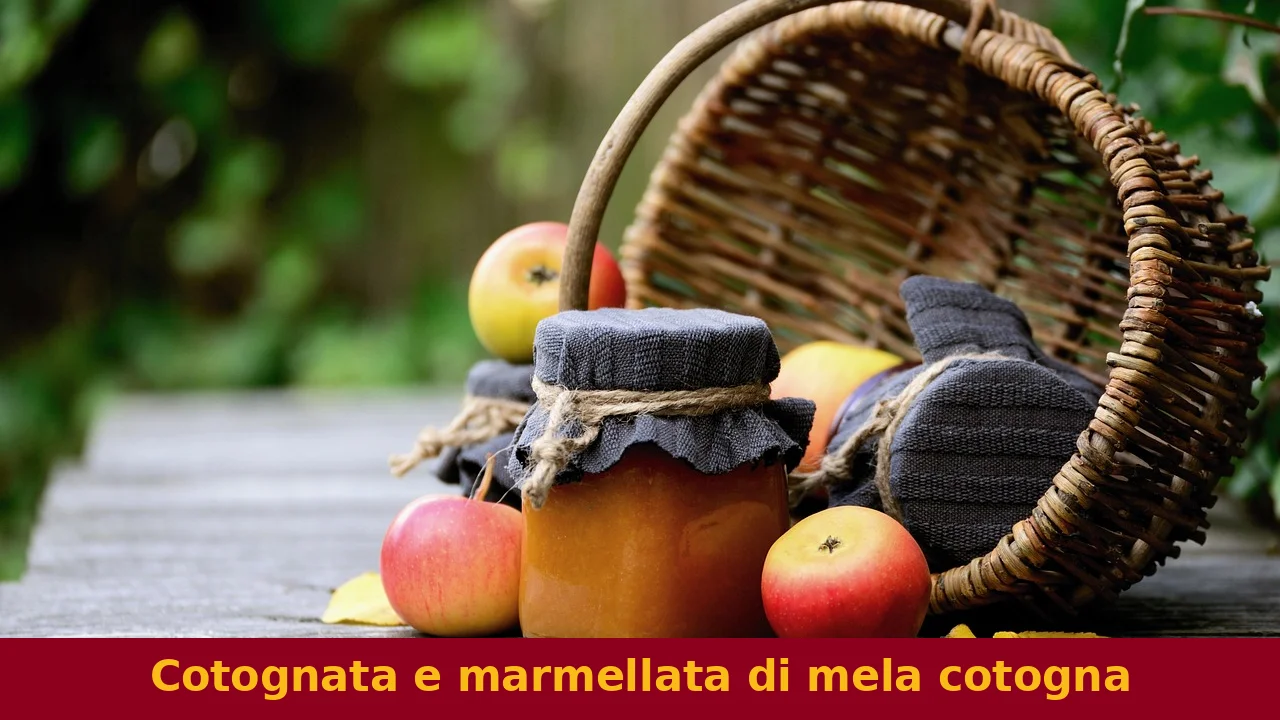
In the skilled hands of Abruzzese artisans, the quince transforms into a gastronomic treasure that encapsulates the genuine flavors of the land. Cotognata e marmellata di mela cotogna is a traditional product that celebrates autumn, when ripe fruits are harvested to create sweet and fragrant preserves. This specialty is not just a simple sweet spread,…
In the skilled hands of Abruzzese artisans, the quince transforms into a gastronomic treasure that encapsulates the genuine flavors of the land. Cotognata e marmellata di mela cotogna is a traditional product that celebrates autumn, when ripe fruits are harvested to create sweet and fragrant preserves. This specialty is not just a simple sweet spread, but a true calling card for Abruzzo, a region that diligently preserves its culinary traditions and the richness of its agricultural products, offering a tasting experience that invites exploration of the territory and its culture.
Cotognata e marmellata di mela cotogna is a traditional sweet preparation from the Abruzzo region. It is a type of preserve obtained from processing the quince (Cydonia oblonga), an ancient and aromatic fruit, known for its firm texture and unique flavor, which fully develops only after cooking. This specialty falls under the category of Traditional Agri-Food Products (PAT) in Italy, a recognition that attests to its historical significance and strong link to the agricultural and culinary practices of the Abruzzese territory. The distinction between cotognata and marmellata primarily lies in the final consistency: cotognata is denser and more gelatinous, often cut into slices, while marmellata has a softer, spreadable consistency, yet retains the intense aroma of quince.
The history of quince and its preparations dates back to ancient times, long before sugar became a common sweetener. The Greeks and Romans already valued quince, using it to create preserves and jellies thanks to the fruit’s high natural pectin content. Pliny the Elder and Apicius, for instance, mentioned quince-based recipes. In the Middle Ages, with the introduction of sugar, the preparation of sweet preserves became more accessible, and cotognata established itself as an effective method to preserve fruits beyond the harvest season, providing a valuable source of energy during winter months. In Abruzzo, quince cultivation has been a consolidated practice for centuries, favored by the climate and soil composition. Its transformation into cotognata e marmellata di mela cotogna has become a seasonal ritual, handed down from generation to generation, often linked to festivities and family traditions, representing a tangible example of cuisine that recovers and values local produce.
The production of cotognata e marmellata di mela cotogna is closely tied to the entire Abruzzese territory, a region that provides ideal conditions for quince cultivation. Quince trees, robust and adaptable, are found both in plains and hills, often in home orchards or small scattered cultivations, rather than large intensive plantations. This ensures widespread and artisanal production. The provinces of Chieti, Pescara, Teramo, and L’Aquila contribute to the availability of raw material. The presence of small local producers and family-run farms in locations such as Cermignano, in the province of Teramo, or near Abbateggio, in the province of Pescara, ensures that the tradition of quince processing is kept alive. The Abruzzese climate, with its warm summers and cold winters, favors the ripening of quinces, giving them the ideal flavor and consistency for preparing these preserves. Production is widespread, often at a household level or in small artisanal workshops, reflecting the authentic nature of traditional products from ABRUZZO.
The production of cotognata e marmellata di mela cotogna follows a process that, despite its simplicity, requires care and attention to enhance the fruit’s qualities. The first step is the selection of quinces, which must be perfectly ripe, firm, and free from imperfections. Once harvested, the quinces are thoroughly washed, peeled, cored, and cut into pieces. Subsequently, the quince pieces are cooked in water until they become tender. This phase is crucial for softening the pulp, which is naturally very hard.
After cooking, the pulp is sieved or blended to obtain a homogeneous puree. At this point, sugar is added, in varying proportions depending on the desired sweetness and type of preparation (less for the denser cotognata, slightly more for the marmellata). The mixture is then returned to the heat and cooked for a long time, over low heat and stirring continuously, to prevent it from sticking to the bottom of the pot. Cooking continues until the mixture reaches the desired consistency: for cotognata, a density such that it can be sliced once cooled; for marmellata, a spreadable consistency. The natural pectin content of the quince promotes gelling, making the addition of artificial thickeners unnecessary in the traditional recipe. Finally, the hot preserve is jarred in sterilized and sealed jars to ensure its preservation.
Cotognata e marmellata di mela cotogna stands out for a well-defined and pleasantly complex sensory profile. Its amber color, which can range from a light golden yellow to more intense orange-brown hues, is accompanied by a transparency that reveals its purity. The aroma is characteristic and unmistakable: an intense fruity fragrance, with notes reminiscent of ripe apple but with more complex, slightly floral, and sometimes citrusy nuances, evoking autumn.
On the palate, the flavor is sweet but not cloying, balanced by a slight natural acidity that cleanses the mouth. The consistency is a distinguishing element: cotognata is firm, gelatinous, and compact, such that it can be sliced, with a pleasant chewiness that melts delicately. Marmellata, on the other hand, has a softer and velvety texture, easily spreadable, with a minimal or absent presence of fruit pieces. Both preparations offer a remarkable aromatic persistence, leaving a fruity and slightly tannic aftertaste that invites another taste. Their genuine nature makes them versatile and appreciated for their authenticity.
The versatility of cotognata e marmellata di mela cotogna makes it a valuable ingredient and a refined accompaniment in multiple culinary preparations. Traditionally, cotognata, given its more solid consistency, is often served as a dessert after a meal, sometimes accompanied by a small glass of liqueur or a sweet passito wine. It is an excellent companion for aged cheeses, such as Pecorino d’Abruzzo or other blue cheeses, where its sweet and slightly tart flavor creates a balanced contrast that enhances the savory and intense notes of the dairy product.
Marmellata, with its softer texture, is perfect for breakfast or a snack, spread on fresh bread, rusks, or rice cakes. It is an excellent filling for tarts, dry biscuits, and baked cakes, imparting a unique aroma and an inviting color. It can also be used to fill crêpes or as a topping for yogurt and artisanal ice creams. Some chefs also use it in more adventurous pairings, for example, to accompany roasted white meats or game, where the sweetness of quince can balance more robust flavors, adding a touch of originality to the dish.
Cotognata e marmellata di mela cotogna represents a unique product for several reasons that extend beyond mere gastronomic appeal. Firstly, it is an example of how Abruzzese agricultural tradition has managed to valorize an ancient fruit, less common than other apple varieties. The quince, with its robust nature and unmistakable flavor, is the true protagonist, and its transformation into cotognata or marmellata enhances its intrinsic qualities without masking them.
Its uniqueness also lies in the production process, which often remains faithful to artisanal and homemade methods, handed down from generation to generation. This means that each jar can carry with it the nuances of manual processing and the care of the individual producer, far from the logic of mass industrial production. Its recognition as a Traditional Agri-Food Product (PAT) further emphasizes its specificity and its indissoluble link with regional identity. It is a product that tells stories of autumn harvests, family kitchens, and knowledge that withstands the passage of time, offering an authentic taste of Abruzzo and its origins.
Cotognata e marmellata di mela cotogna is recognized as an Italian Traditional Agri-Food Product (PAT). This recognition, established by the Ministry of Agricultural, Food and Forestry Policies, is a guarantee certificate that identifies products with a documented history of at least 25 years, made with traditional methods typical of a specific geographical area. The PAT designation is not a European quality certification like PDO or PGI, but it represents an important tool for protecting and promoting local productions, contributing to the preservation of Italy’s gastronomic and cultural heritage.
For consumers, PAT recognition means having the certainty of purchasing a product that adheres to an unwritten but well-established discipline, linked to local customs and practices. Although there are no specific supply chain certifications for Abruzzese quince, its PAT status confirms its authenticity and origin, promoting the knowledge and consumption of specialties that are an integral part of Italian traditional food products. This recognition also encourages producers to keep traditional processing methods alive, contributing to the safeguarding of biodiversity and the specificities of the territory.
To savor the true cotognata e marmellata di mela cotogna, the best way is to immerse oneself in the core of Abruzzo, where artisanal production is still the norm. You can find these delicious preserves directly from local producers, often small family-run farms that welcome visitors. Many farmers’ markets, present in towns and villages across the region, such as those in Teramo, L’Aquila, or Pescara, offer the opportunity to purchase fresh and processed products directly from farmers.
Specialty food shops, scattered throughout Abruzzo, in locations such as Castel Castagna or Ancarano, are another reference point for finding cotognata e marmellata di mela cotogna. During the autumn period, in particular, many festivals and enogastronomic events celebrate local produce and offer tastings and direct sales. Visiting Abruzzo during this season allows not only to taste cotognata but also to experience a complete journey, exploring the territory, its landscapes, and its gastronomic culture. Purchasing directly on-site supports local producers and guarantees the authenticity of the product, bringing home a piece of Abruzzese tradition.
📷 Photo: congerdesign · Pixabay License · All credits →
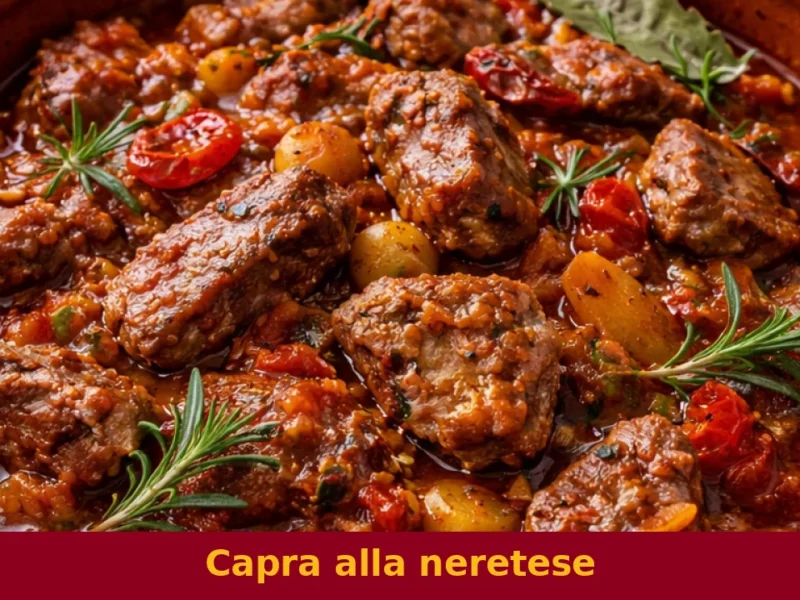
In the heart of Abruzzo, where the landscape unfolds in a succession of valleys and hills, a gastronomic...
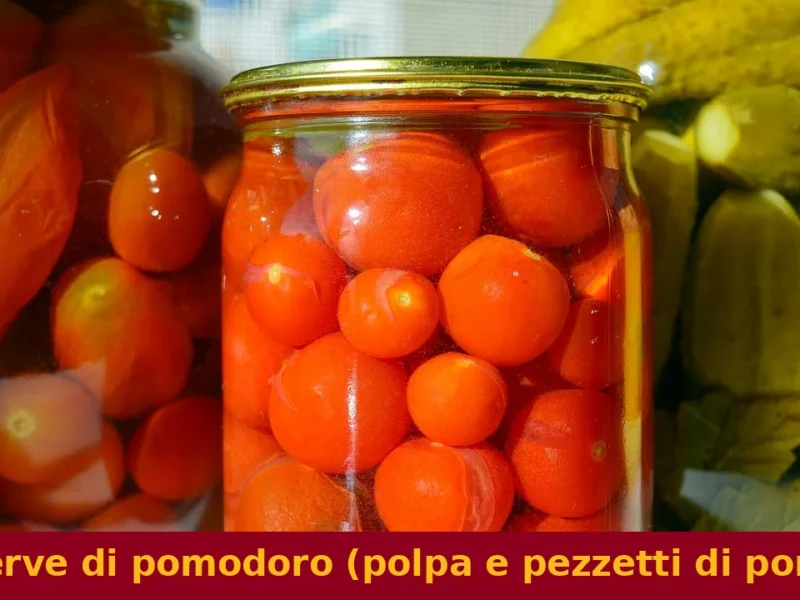
Nelle cucine abruzzesi, il profumo dolce e leggermente acidulo del pomodoro maturo evoca immediatamente l'estate e la generosità...
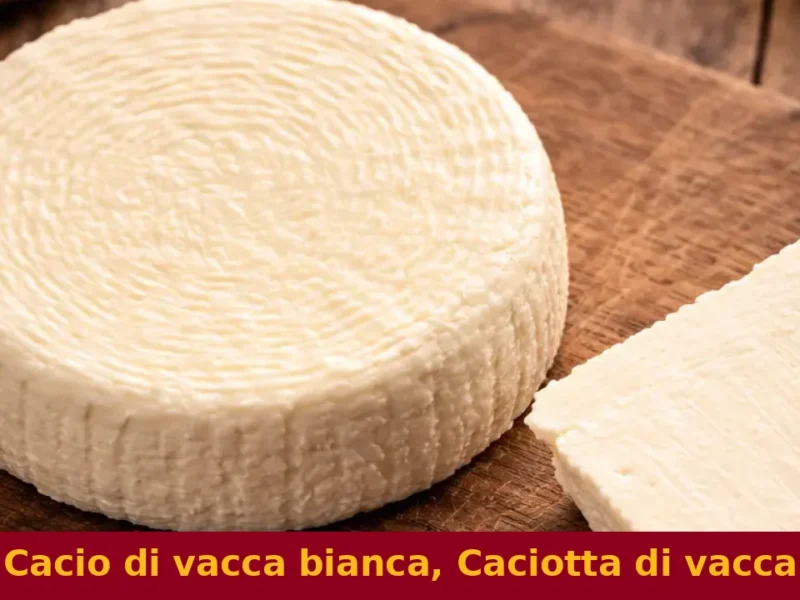
The cacio di vacca bianca, caciotta di vacca is a cheese that finds its origins in the pastoral...

In 1309, a notarial deed drawn up in Udine recorded the transfer of certain feudal rights relating to the territory of Basiliano, confirming the existence of a settlement already organised along the route connecting Udine to Codroipo. Today that route partly coincides with regional road 464, and anyone travelling along it crosses a plain where […]
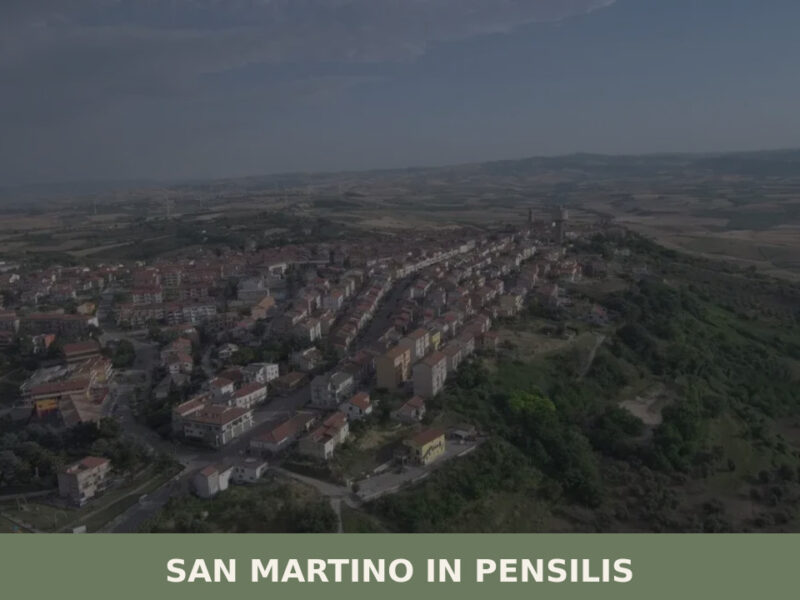
Morning light catches the pale stone of a church bell tower, and below it, the long main street empties into a piazza where a handful of men stand with espresso cups, talking over one another. San Martino in Pensilis sits at 281 metres above sea level in the province of Campobasso, a settlement of roughly […]
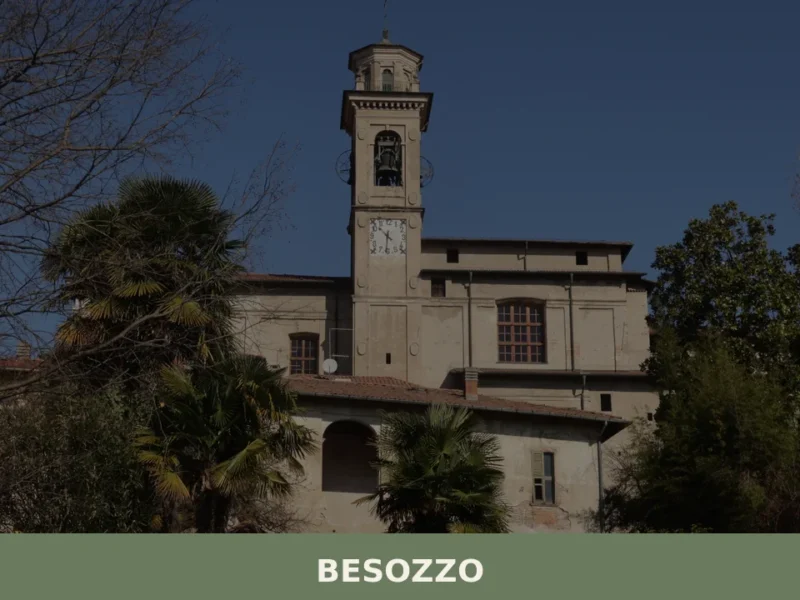
In Besozzo, in the province of Varese, Palazzo Besozzi, also known as the Castle, dominates the historic center with its mass dating back to various construction phases, with origins around the 10th century. This historical structure is a focal point for those intending to explore the town. With a population of 9,003 inhabitants and situated […]
📝 Incorrect information or updates?
Help us keep the Cotognata e marmellata di mela cotogna page accurate and up to date.


