


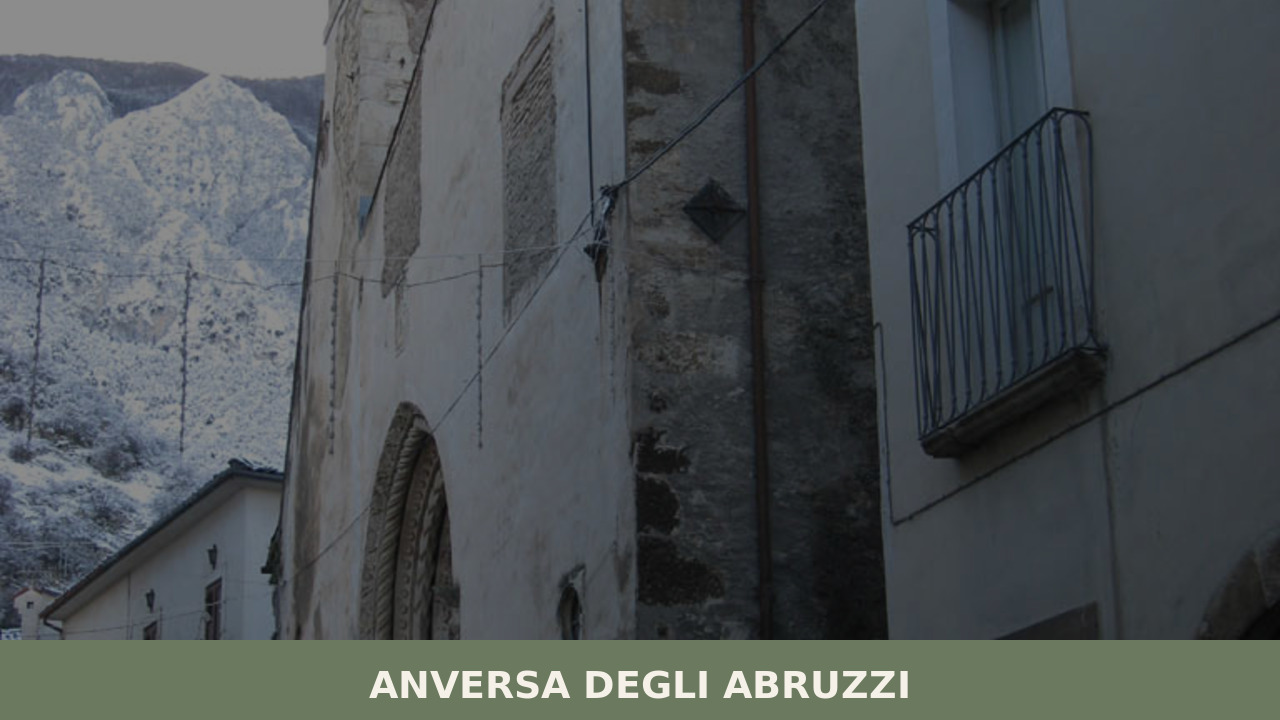
Anversa degli Abruzzi
 Hills
Hills
Morning light strikes the limestone walls of the old quarter at an angle that turns them the colour of raw honey. Below, the Sagittario Gorge drops away — a vertical wound in the rock that swallows sound. The air carries a faint mineral chill even in July. With only 368 residents, Anversa degli Abruzzi holds […]
Discover Anversa degli Abruzzi
Morning light strikes the limestone walls of the old quarter at an angle that turns them the colour of raw honey. Below, the Sagittario Gorge drops away — a vertical wound in the rock that swallows sound. The air carries a faint mineral chill even in July. With only 368 residents, Anversa degli Abruzzi holds its ground above one of central Italy’s most dramatic natural corridors. Understanding what to see in Anversa degli Abruzzi begins here, at the edge where the village meets the void, where domestic architecture and geological force exist in uncomfortable proximity.
History of Anversa degli Abruzzi
The village’s origins reach back to the early medieval period, when the strategic value of its position above the Sagittario Gorge made it a natural stronghold. The name “Anversa” has been debated by scholars for centuries; one persistent hypothesis traces it to a corruption of “iversa” or “adversa,” referring to the village’s orientation against the gorge’s steep face. Others have linked it — with less linguistic evidence — to the Flemish city of Antwerp, though no firm historical connection supports this. What is documented is that by the eleventh century, Anversa was a fortified settlement under Norman feudal control, part of the broader reorganisation of southern Italian territories that followed the Norman conquest.
The village passed through the hands of several feudal families across the centuries. The Caldora family held it during the turbulent fifteenth century, and later the Belprato counts left their mark on its architectural character. Gabriele d’Annunzio, the poet and political figure born in nearby Pescara, referenced Anversa in his 1904 tragedy La fiaccola sotto il moggio, setting scenes amid the crumbling towers and gorge-side atmosphere that clearly impressed him during his visits to the area. That literary association gave the village a cultural visibility that far exceeded its size.
Earthquakes — the recurring antagonists of Abruzzese history — shaped Anversa repeatedly. Damage from seismic events forced reconstructions that layered architectural periods one upon another. The 2009 L’Aquila earthquake, with its epicentre roughly 50 kilometres to the north, caused further structural harm to several historic buildings, some of which have since been restored while others remain in a state of careful stabilisation.
What to see in Anversa degli Abruzzi: 5 must-visit attractions
1. The Sagittario Gorge and WWF Nature Reserve
The gorge itself is the village’s defining feature — a deep limestone canyon carved by the Sagittario River over millennia. The surrounding area is a protected WWF reserve, home to Apennine chamois, peregrine falcons, and a rare endemic flora adapted to the calcareous rock faces. Trails descend from the village into the canyon, though some sections require sure footing and appropriate shoes.
2. Church of Santa Maria delle Grazie
This church, positioned within the old centre, holds a carved stone portal dating to the fifteenth century. Inside, frescoes in varying states of preservation cover sections of the walls and apse. The interior is modest in scale but architecturally coherent, offering a clear reading of late-medieval Abruzzese ecclesiastical design without later Baroque interventions overwhelming the original structure.
3. Norman-era Castle Ruins
Above the village, the remains of the medieval castle — once the feudal seat — stand as fragmentary walls and a partially intact tower. The structure was already in decline by the seventeenth century. What survives provides an elevated vantage point over the gorge and the Sagittario valley below, and the masonry reveals construction techniques spanning several centuries of modification.
4. Church of San Marcello
The parish church of San Marcello, rebuilt after earthquake damage at various points in its history, contains a notable Renaissance-era doorway and interior elements that reflect the layered chronology of the village itself. Its bell tower is a visible landmark from the approach road, proportioned simply against the surrounding rooflines and the rock face behind.
5. The Historic Centre and Gorge-edge Houses
The old quarter’s built fabric is itself an attraction. Houses constructed directly along the gorge rim appear to grow from the rock, their rear walls dropping into empty space. Narrow stepped alleys connect different levels of the settlement. Stone lintels carry carved dates — some legible, others worn to abstraction — documenting centuries of habitation along this improbable edge.
Local food and typical products
The cooking of Anversa degli Abruzzi belongs to the mountain tradition of the province of L’Aquila: direct, built on legumes, lamb, and handmade pasta. Sagne e fagioli — rough-cut pasta strips with borlotti beans, garlic, and a measured amount of chilli — appears on tables here as a winter staple. Lamb prepared as arrosticini (small skewered pieces grilled over embers) is common throughout Abruzzo but tastes particularly apt in these high-altitude villages where sheep farming shaped the economy for centuries. Local lentils and chickpeas, cultivated in small plots across the surrounding highlands, form the base of thick soups seasoned with wild herbs gathered from the gorge’s upper slopes.
The village has a limited number of trattorias and agriturismi, where menus change according to what the season provides rather than what a printed card promises. Pecorino cheeses produced in the area vary from soft and young to aged and crumbly, often paired with local honey. The wines served tend to come from the broader Abruzzo region — Montepulciano d’Abruzzo reds and Trebbiano d’Abruzzo whites — rather than from any hyper-local production, though homemade liqueurs infused with gentian root or wild herbs occasionally conclude a meal.
Best time to visit Anversa degli Abruzzi
Late spring — May through mid-June — offers the most balanced conditions. The gorge is at its most dramatic when snowmelt feeds the Sagittario, the wildflowers on the limestone ledges are at peak bloom, and the temperatures in this mountainous part of the L’Aquila province remain comfortable for walking. Autumn, particularly October, brings a second window of good conditions: clearer skies, golden-brown foliage across the gorge, and fewer visitors on the trails. Summer can be warm during midday hours but cools significantly by evening, making it viable for those who plan activity in the morning and late afternoon.
Winter is quiet — genuinely quiet, in a village of 368 people at altitude in the Apennines. Snow is possible and access roads may require chains. For those drawn to solitude and stark landscapes, it has its own logic, but services are reduced. Local festivals, often tied to the liturgical calendar or agricultural rhythms, tend to cluster between late spring and early autumn. Check with the municipality before visiting in the off-season to confirm that any specific site or restaurant will be open.
How to get to Anversa degli Abruzzi
Anversa degli Abruzzi sits in the province of L’Aquila, reachable by car via the A25 motorway (Roma–Pescara). The exit at Cocullo is the closest, from which a secondary road follows the Sagittario valley south to the village — a drive of approximately 10-15 minutes through increasingly narrow and vertical terrain. From Rome, the total journey is roughly 150 kilometres, taking about an hour and forty-five minutes under normal traffic conditions. From Pescara on the Adriatic coast, the distance is approximately 100 kilometres, around an hour and a half by motorway and local roads.
The nearest railway station with regular service is Sulmona, about 25 kilometres to the east, connected to both Rome and Pescara by Trenitalia regional lines. From Sulmona, local bus services run infrequently to Anversa; a rental car is the more practical option. The closest airports are Rome Fiumicino (approximately 180 km) and Pescara Abruzzo Airport (approximately 110 km). The road from the A25 exit into the gorge is well-maintained but single-lane in stretches, requiring patience when meeting oncoming traffic.
More villages to discover in Abruzzo
The mountainous interior of Abruzzo holds a constellation of small villages that reward the kind of slow, attentive travel Anversa demands. To the south, deeper into the Apennines and the borders of the Abruzzo, Lazio and Molise National Park, Alfedena preserves Italic-era archaeological remains and a medieval core overlooking the upper Sangro valley. Its museum documents pre-Roman Samnite civilisation with artefacts excavated from local necropoli — a different register of historical depth from Anversa’s medieval and Renaissance layers.
To the northwest, on the Fucino plain’s elevated margin, Aielli has reinvented itself through a programme of large-scale murals that cover the facades of its old centre. The painted walls draw a younger, art-focused audience to a village that might otherwise face the demographic decline common across interior Abruzzo. Together with Anversa, these villages trace a line across the region that connects geology, archaeology, and contemporary culture — each settlement answering the challenge of remoteness in its own distinct way.
Frequently asked questions about Anversa degli Abruzzi
When is the patron saint festival of Anversa degli Abruzzi celebrated?
The patron saint of Anversa degli Abruzzi is San Marcello, whose feast is celebrated on January 16. Falling in the depths of winter, the celebration takes place in a quiet, gathered village with a population of just over 300 inhabitants. Those wishing to attend should verify in advance with the Municipality regarding the opening of local services, as the winter season significantly reduces the tourist offerings of the village.
Are there documented CAI trails that cross the Gola del Sagittario near Anversa degli Abruzzi?
The Gola del Sagittario is crossed by hiking trails within the Gole del Sagittario Regional Nature Reserve, managed by the WWF. The main path descending from the reserve is frequented by hikers and allows for observation of wildlife such as the Apennine chamois and peregrine falcon. For updated official CAI trail numbers and current path conditions, it is advisable to consult directly with the Sulmona CAI section or the reserve's website.
Can Anversa degli Abruzzi be visited as a day trip from Rome or Pescara?
Yes, the village is easily reachable in a day from both cities. From Rome it is approximately 150 kilometers, with a travel time of approximately one hour and forty-five minutes via the A25, Cocullo exit. From Pescara the distance is approximately 100 kilometers, covering about an hour and a half. Considering the small size of the historic center and the main points of interest, a complete visit requires approximately a half day, leaving time for a meal on site.
Is Anversa degli Abruzzi mentioned in any Italian literary works?
Yes. Gabriele d'Annunzio set some scenes of his tragedy La fiaccola sotto il moggio, written in 1904, in the atmosphere of the village: crumbling towers and the profile of the gorge characterize its setting. D'Annunzio, born in Pescara, visited the area and was evidently impressed by the landscape of Anversa. This literary association has given the small village a cultural visibility disproportionate to its demographic size.
Nearby Villages near Anversa degli Abruzzi
In Abruzzo More villages to discover
Civitaquana
Hills
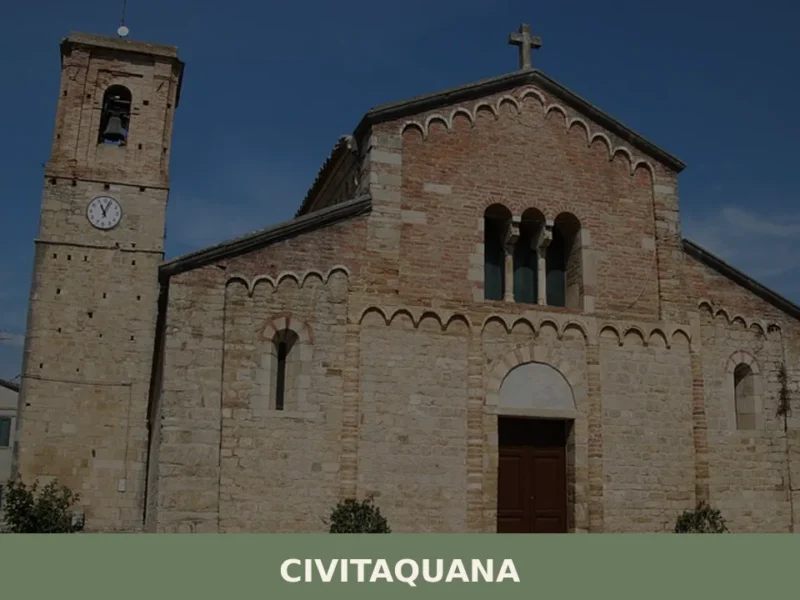
At 550 metres above sea level, on the eastern slope of the Gran Sasso descending towards the Pescara hills, Civitaquana is home to 1,146 inhabitants spread between the historic centre and the surrounding hamlets. The village’s very name — documented in medieval sources as Civitas Aquanae — reveals an origin linked to the presence of […]
Fossa
 Mountain
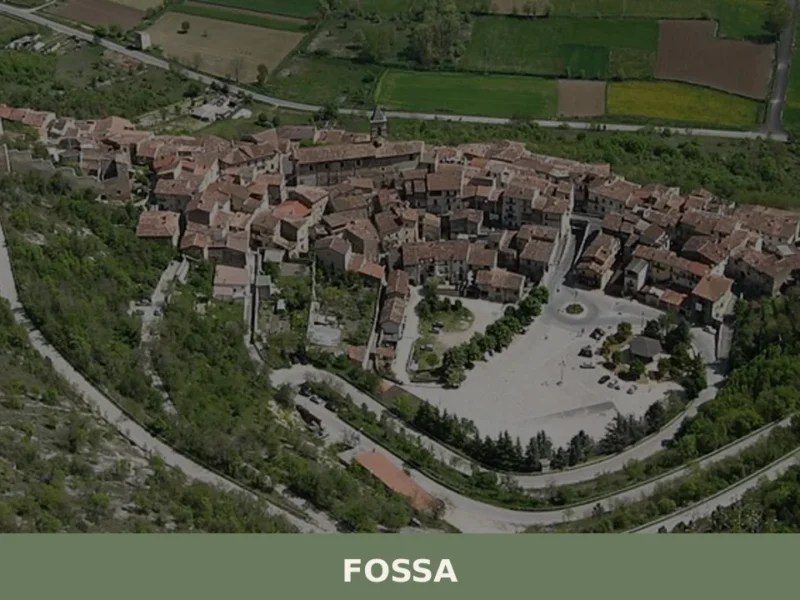
The Vestine necropolis of Fossa, unearthed in 1992 along the state road 17, revealed over six hundred tombs dating from the 9th to the 1st century BC — a discovery that rewrote our understanding of pre-Roman central Italy. Anyone wondering what to see in Fossa will find a solid starting point here: a village of […]
Tortoreto
 Sea
Sea
The village of Tortoreto, located in the province of Teramo, stands at 227 meters above sea level, maintaining an observation position over the Adriatic coast. Its historical foundation is attested in Roman times with the name of Castrum Salini, a settlement that indicated its proximity to salt pans and its function of territorial control. Today, […]
Pettorano sul Gizio
Mountain
what to see in pettorano sul gizio, Italy. Explore Cantelmo Castle and the Gizio River, home to Baron Michele Leone (1909-1988). Discover this beautiful Abruzzese village.
Fresagrandinaria
Hills
Nine hundred and twenty-three inhabitants, a hilltop ridge at 391 metres above sea level, and a double name that joins two distinct medieval communities: Fresa and Grandinaria, merged into a single settlement at least since the fifteenth century. Anyone arriving from the Treste valley floor immediately notices the compact outline of houses built in local […]
Ancarano
Hills
At 295 metres above sea level, where the province of Teramo brushes against the border with the Marche, Ancarano occupies a strip of hilly territory that slopes down towards the Val Vibrata, with a population of 1,824 inhabitants spread between the historic centre and the surrounding hamlets. Anyone wondering what to see in Ancarano will […]
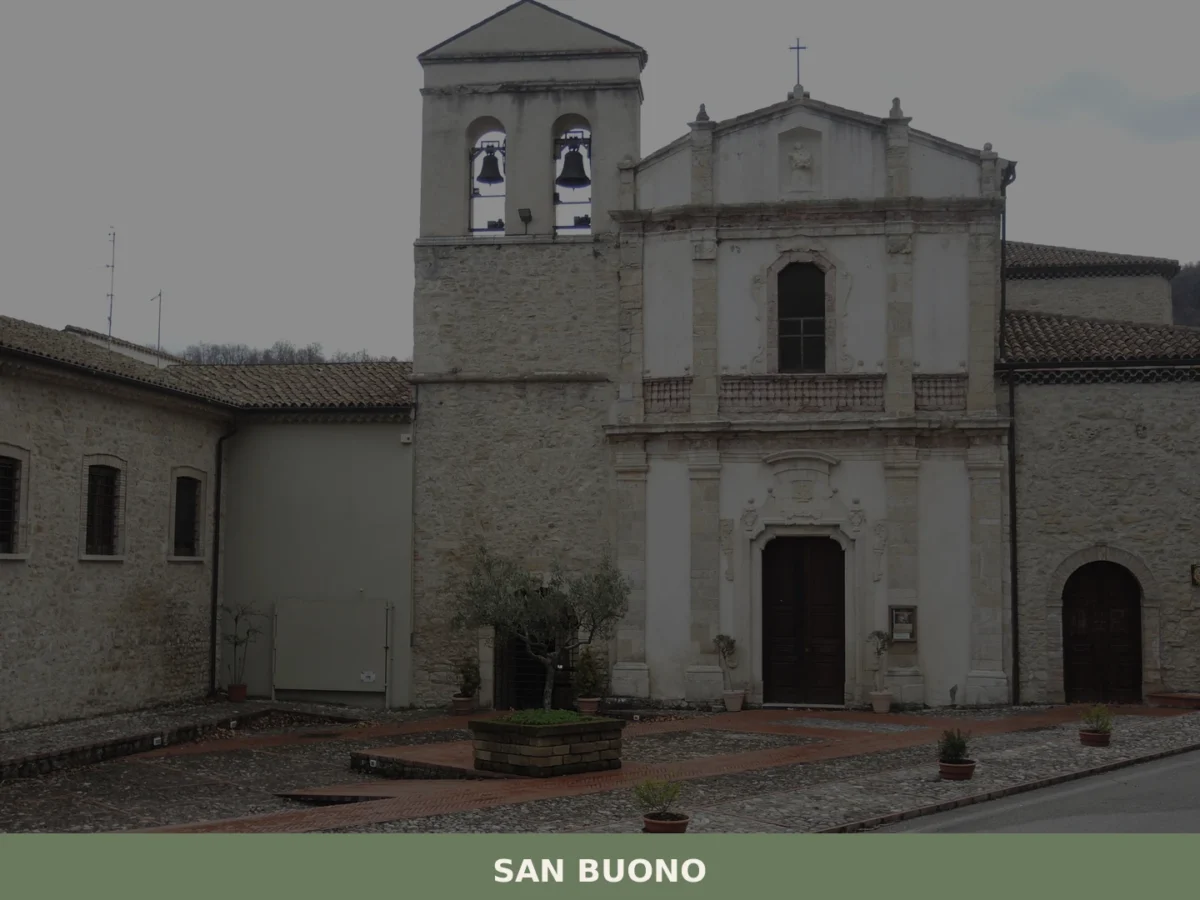
San Buono
Hills
What to see in San Buono? Explore our complete guide to this Abruzzo village (1,010 residents), rich in history and nature. Plan your visit now!
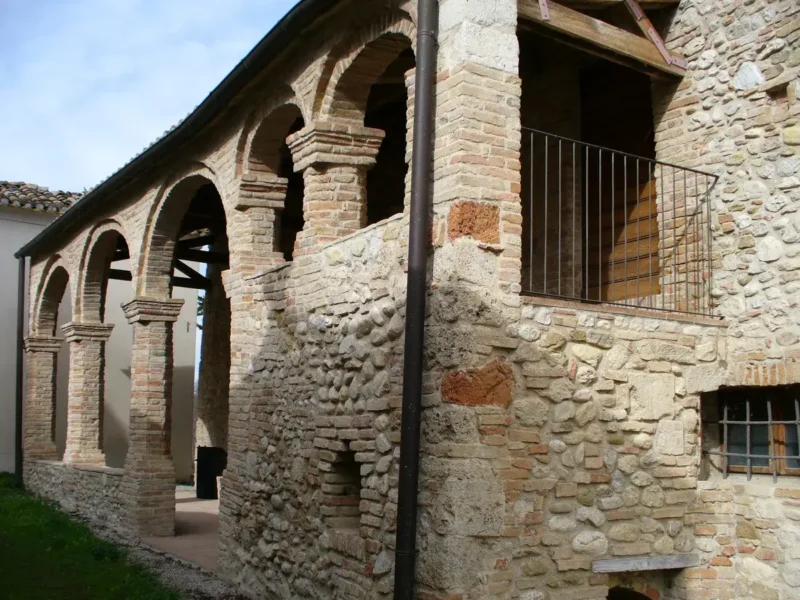
Torano Nuovo
Sea
What to see in Torano Nuovo: 5 attractions including historic village, churches and Abruzzo vineyards. Discover the complete guide to visit in one day.
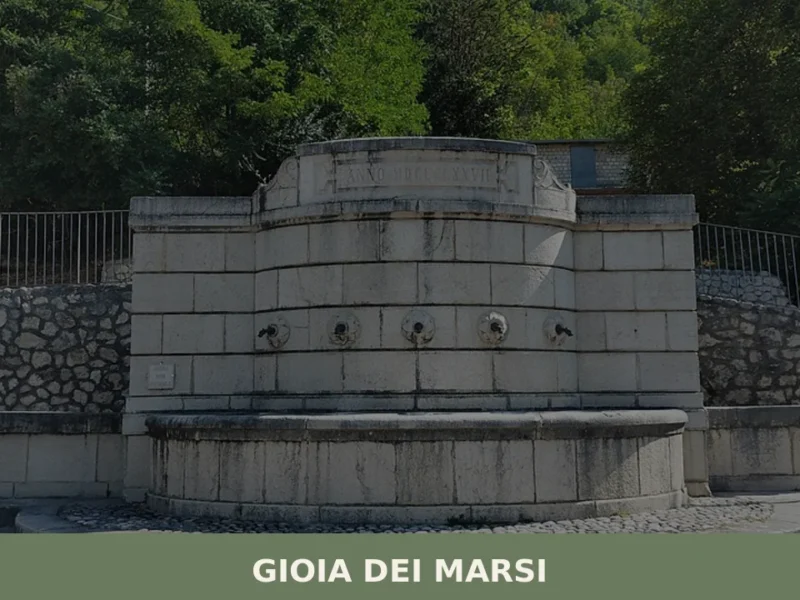
Gioia dei Marsi
Mountain
Gioia dei Marsi has a population of 2,091 and sits at 725 metres above sea level on the eastern edge of the Fucino, the plain that until 1875 was the largest lake in peninsular Italy. The draining of the lake radically transformed the economy and landscape of this Marsican settlement, shifting its centre of gravity […]
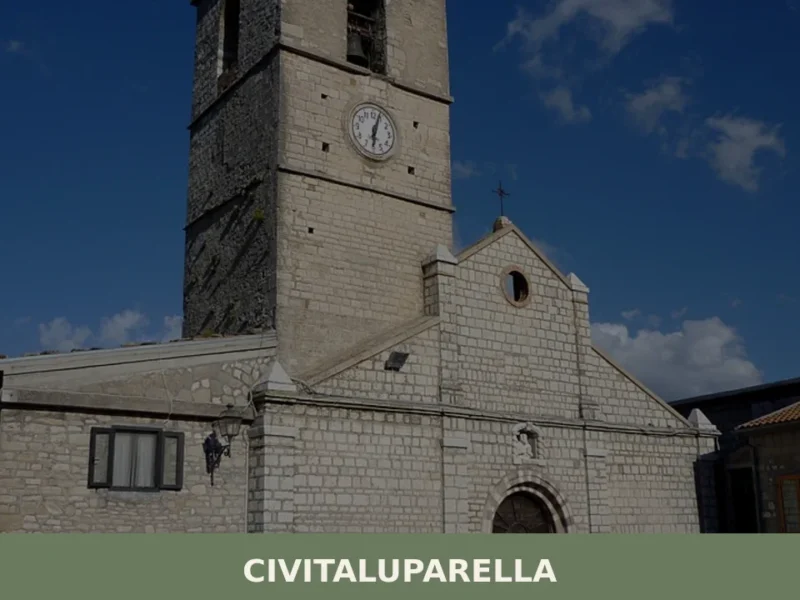
Civitaluparella
Mountain
At 903 metres above sea level, on the eastern slope of the Majella descending towards the Aventino river, Civitaluparella has 281 inhabitants spread across a compact urban core of medieval origin. The place name most likely derives from “Civitas Luparella”, a direct reference to the historical presence of wolves in the dense surrounding woodlands. Anyone […]





🏡 Know Anversa degli Abruzzi better than we do?
If you’re a local or have been there, your knowledge matters: add what’s missing or fix a detail on this page.