


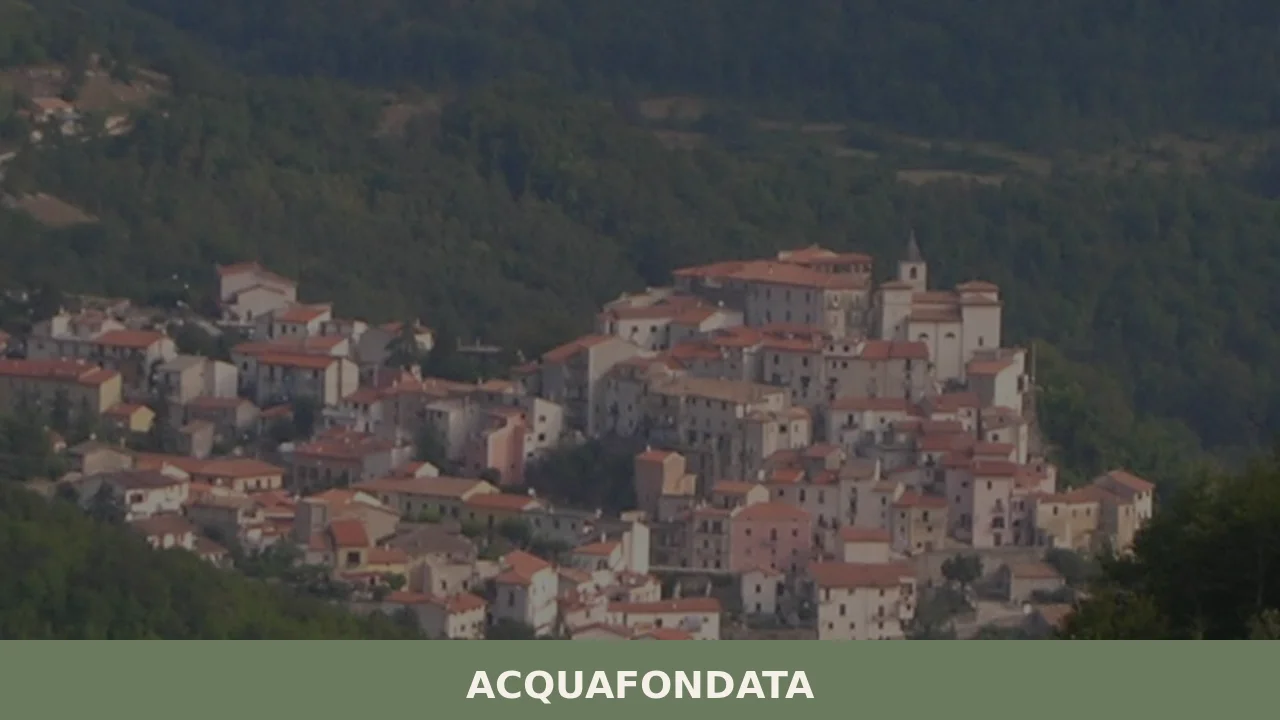
Acquafondata
 Mountain
What to see in Acquafondata: discover 5 attractions in this Lazio village, from historic churches to views over the Aurunci Mountains. Plan your visit.
Discover Acquafondata
A limestone hillock rises from the floor of a mountain valley in the southern Mainarde area, and on it sits a compact cluster of stone buildings dominated by Monte Monna Casale at 1,395 m (4,577 ft). The valley around it grows potatoes and legumes in soil drained by a tunnel whose construction began in 1882 and was completed only in 1901.
Springs near the hamlet of Casalcassinese feed the Rava stream, which flows south-east toward the San Bartolomeo River, a tributary of the Volturno.
The population today numbers 272 inhabitants.
Deciding what to see in Acquafondata means engaging with a place that carries both deep religious memory and a documented wartime past.
Sitting at 914 m (2,999 ft) above sea level in the province of Frosinone, roughly 130 km (81 mi) southeast of Rome, the village offers two principal draws: the Sanctuary of Our Lady of Mount Carmel, whose founding chapel dates to 1841, and a series of World War II monuments that record a liberation carried out on 12 January 1944.
Visitors to Acquafondata find a compact mountain comune — a municipality — with a calendar of Marian processions running from Easter to December.
History of Acquafondata
The name itself encodes the landscape. Acquafondata, from the Latin Aquafundata and the Campanian dialect form Acuaf’ûnnata, translates roughly as “sunken water” or “deep water,” a reference to the valley’s hydrology and the persistent problem of waterlogging that defined life here for centuries. The reclamation project launched in 1882 addressed that problem directly: engineers drove a drainage tunnel through the subsoil to carry unhealthy waters away from the built-up area.
The work took nineteen years, completing in 1901, and it fundamentally changed what the valley could produce agriculturally.
During the Second World War, Acquafondata occupied a position of strategic significance.
German forces held the village as part of their defensive network: the Linea Gustav — the Gustav Line — ran on the Cassino side, while the Reinhard Line covered the Molise side.
The village sat between these two fortified systems, making it a pressure point in the winter campaign of 1943–44. On 12 January 1944, the French Expeditionary Corps broke through on the Venafro side and liberated Acquafondata. Two survivors of the occupation, Romano Neri and Domenico Mancone, were later awarded knighthoods by the Presidency of the Republic in recognition of their roles during the liberation.
The postwar decades brought reconstruction, including the restoration of the Sanctuary of Our Lady of Mount Carmel, which had suffered war damage between 1939 and 1945. Between 1955 and 1960, the structure was recovered; works to add the holy water font, the altar, and a marble high relief followed between 1968 and 1969.
A bell was donated and installed in a single lancet window on the roof in 1969 to mark the fifth anniversary of the statue’s return.
Notably, many of these restoration costs were borne by devoted families and citizens then residing in the United States, a detail that reflects the emigration patterns common to mountain villages in this part of Lazio throughout the mid-twentieth century.
The village of Marcetelli, situated in another mountain fold of Lazio, shares a comparable pattern of depopulation and diaspora funding of local monuments during the same period.
What to see in Acquafondata, Lazio: top attractions
Sanctuary of Our Lady of Mount Carmel
The original chapel stands intact beneath the altar of the larger church built in the 1930s: a small rock construction in local stone and pozzolana, roofed with a barrel vault of wedged stones, its founding year carved into the architrave of the access door.
According to oral tradition recorded in written form in 1962, the Virgin Mary appeared to the peasant Nicolina Carcillo on 16 July 1841, at the site where the chapel now stands.
The sanctuary sits on the provincial road 41, near the pass of the Serre, at almost 1,000 m (3,281 ft) above sea level, 1 km (0.6 mi) from the village centre and less than 2 km (1.2 mi) from the border with the municipal area of Vallerotonda.
Look inside the old chapel for the carved wooden statue of the Madonna del Carmine, which dates to the end of the nineteenth century and returned to the sanctuary on 5 July 1964 after years kept at the parish church of Filignano for safekeeping.
Chiesa Parrocchiale di Sant’Antonio di Padova
The parish church of Sant’Antonio di Padova functions as the winter home of the wooden statue of the Madonna del Carmine, receiving it each year after the torchlight procession of 16 July and holding it until the following July. The church also serves the parish of San Giovanni Battista, the patron saint of Acquafondata, whose feast falls on 29 August.
Its role in the annual liturgical calendar makes it the civic and religious anchor of the village throughout the colder months.
Visiting between September and June gives the best chance of seeing the statue on display inside the nave.
World War II Monuments
Acquafondata holds several documented monuments to the events of January 1944, including memorials dedicated separately to Italian and Polish casualties of the campaign.
The Gustav Line ran directly through this area, and the proximity of Cassino — where some of the war’s most intense fighting took place — gives these monuments a precise geographic context rather than a general commemorative one. The Polish memorial in particular reflects the multinational composition of the Allied forces operating in the Liri Valley sector during the Italian Campaign.
The monuments are accessible on foot within the village, and the small scale of the built area means you can read them in sequence without significant walking distance between stops.
Chiesa di Santa Maria in Centumcellis
The name Centumcellis — Latin for “one hundred cells” — suggests a site of early medieval or late antique origin, though the sources do not specify a foundation date.
The church represents the older ecclesiastical layer of Acquafondata’s built fabric, distinct from the more recent sanctuary complex on the provincial road. Its presence alongside the churches of San Rocco and Sant’Antonio di Padova confirms that this small mountain village accumulated multiple places of worship over several centuries, each serving different devotional needs.
The church is worth examining for its masonry detail, given the limestone construction characteristic of the Monti della Meta area.
Monte Monna Casale and the Monti della Meta Landscape
Monte Monna Casale rises to 1,395 m (4,577 ft) and dominates the built-up area of Acquafondata from the south.
The surrounding Monti della Meta range forms the southern edge of the Mainarde area, a sub-range of the Apennines straddling the border between Lazio and Molise. The valley floor below the village sits at around 914 m (2,999 ft) and produces potatoes and legumes in fields that were agriculturally marginal until the 1901 drainage works.
The path to the “Little Mount Carmel” beside the sanctuary, and the “Path of the XII Stars,” both offer structured walking routes through the pine forests and stands of secular lime trees that surround the sanctuary site.
Local food and typical products of Acquafondata
The Monti della Meta valley has always imposed a specific diet on its inhabitants.
At an altitude above 900 m (2,953 ft), with winters that close mountain roads and limit supply lines, the traditional table here relied on what the valley produced directly: potatoes grown in reclaimed field soil, legumes stored dry through winter, and whatever the surrounding woodland and streams offered seasonally.
The culinary tradition of Acquafondata belongs to the broader Ciociaria area of the Frosinone province, a region whose food culture favoured slow-cooked pulses, hand-rolled pasta, and cured pork products from mountain-reared animals.
Dishes built around the valley’s legumes remain central.
Pasta e fagioli, a thick soup of pasta and borlotti beans cooked with garlic, rosemary, and a base of lard-rendered soffritto, represents the kind of preparation that fed agricultural workers through long cold days. Zuppa di lenticchie, lentil soup with local herbs and dried chilli, follows the same principle of combining a stored pulse with aromatics to produce something calorie-dense and filling.
Gnocchi di patate made with the valley’s own potatoes — boiled, riced, and worked with a minimum of flour to keep them soft — appear in both domestic kitchens and the few eating establishments serving the area, typically dressed with a simple tomato sauce or a ragù of local pork.
The valley’s potato production is the most documented local agricultural output, referenced directly in geographical descriptions of the area.
While no formally certified DOP or IGP product is recorded in the provided sources specifically for Acquafondata, the patate (potatoes) and legumi (legumes) of the Monti della Meta valley represent the functional agricultural identity of the commune. Visitors travelling through the Frosinone province will encounter similar produce marketed at local weekly markets in the larger centres of the area.
The sanctuary’s calendar provides the most reliable opportunity to find local food producers gathered near Acquafondata.
The month of July, when daily masses and the sedicina — a sixteen-day devotional preparation — draw pilgrims from neighbouring villages, creates an informal economy around the sanctuary site.
Arriving on or near 16 July, the liturgical memorial of Our Lady of Mount Carmel and the anniversary of the 1841 apparition, gives the best chance of encountering local food and market activity alongside the religious celebrations.
Festivals, events and traditions of Acquafondata
The liturgical calendar of Acquafondata is structured almost entirely around the Madonna del Carmine cycle and the feast of San Giovanni Battista.
The patron saint’s feast falls on 29 August, preceded on 28 August by a pilgrimage from the sanctuary, where a solemn procession accompanies the wooden statue of the Madonna back to the parish church for the winter. This procession marks the end of the summer devotional season and the transition into autumn.
The feast of San Giovanni Battista itself, on 29 August, is the principal civic celebration of the village year. The month of July carries the heaviest religious programme: a pilgrimage on foot from neighbouring communities takes place on the first Saturday of July, when the statue leaves the parish church in procession toward the sanctuary. From 1 to 16 July, mass is celebrated every afternoon at the sanctuary, culminating in an evening mass and torchlight procession on 16 July.
The Easter Monday opening of the sanctuary after its winter closure marks the start of the active devotional season each spring.
The last Saturday of July sees the statue return permanently to the sanctuary for the whole of August, commemorating the solemn coronation of 2014, when the venerated image was crowned by the Apostolic Administrator of the territorial Abbey of Montecassino.
The sanctuary closes formally on 8 December, the feast of the Immaculate Conception, with a concluding celebration before the winter break. This cycle — opening at Easter, intensifying through July, closing at the Immaculate Conception — gives visitors a clear seasonal map of when the village is most animated by collective religious practice.
When to visit Acquafondata, Italy and how to get there
The best time to visit Acquafondata depends on what you are looking for.
July is the most active month, with daily religious celebrations at the sanctuary, the pilgrim procession on the first Saturday, and the principal feast on 16 July drawing visitors from across the Frosinone province.
The altitude — 914 m (2,999 ft) — keeps summer temperatures moderate, making the village a practical base for anyone looking to avoid the heat of lower-lying cities during August.
Late August combines the patronal feast of San Giovanni Battista on 29 August with the final days of the summer sanctuary season. Winter visitors will find the village quiet; the sanctuary closes on 8 December and does not reopen until Easter Monday. Spring, from Easter onward, offers the reopening procession and uncrowded access to the walking routes around the sanctuary and toward Monte Monna Casale.
Acquafondata sits approximately 130 km (81 mi) southeast of Rome and about 50 km (31 mi) east of Frosinone. If you arrive by car from Rome, take the A1 motorway south toward Naples and exit at Cassino, then follow provincial roads northeast through the Liri Valley toward Acquafondata; the total journey from Rome is around 1.5 to 2 hours depending on traffic.
From Frosinone, the drive east along provincial roads through the mountains takes roughly 45 to 60 minutes.
The nearest railway connection is at Cassino, served by Trenitalia on the Rome–Naples main line; from Cassino station, the village requires onward road transport, as no direct bus service is documented in the available sources.
The nearest major airport is Rome Fiumicino (FCO), approximately 170 km (106 mi) west of the village, from which a hire car is the most practical option for reaching Acquafondata directly.
International visitors should be aware that English is not widely spoken in smaller mountain villages of the Frosinone province; carrying cash in euros is advisable, as card payment infrastructure in small comuni at this altitude is often limited.
Travellers combining Acquafondata with the broader Lazio mountain circuit might consider a stop at Labro, another high-altitude Lazio village, or extend eastward into the border area with Molise.
The official municipal website of Acquafondata provides current administrative contact details for the commune.
The area around Casalcassinese, the hamlet near Acquafondata where the springs of the Rava stream rise, is also worth a detour for those interested in the valley’s hydrology and the reclamation landscape shaped by the 1882–1901 drainage works.
Those planning a wider itinerary through the mountain villages of northern and central Lazio may want to note that Borbona, located in the Rieti province area of Lazio, represents a comparable mountain commune with its own documented history, reachable as part of a longer loop through the Apennine ridge.
Frequently asked questions about Acquafondata
What is the best time to visit Acquafondata?
July is the most atmospheric month to visit, when the sedicina — a sixteen-day devotional preparation — draws pilgrims to the Sanctuary of Our Lady of Mount Carmel, culminating in the torchlight procession on 16 July. Local food producers and informal stalls gather near the sanctuary during this period. The patron saint's feast of San Giovanni Battista falls on 29 August, offering a second focal point in late summer. Spring and early autumn suit walkers exploring the Monti della Meta landscape, when mountain roads are clear and temperatures at 914 m are mild.
What are the historical origins of Acquafondata?
The name derives from the Latin Aquafundata and the Campanian dialect form Acuaf'ûnnata, meaning roughly 'sunken' or 'deep water', reflecting the valley's chronic waterlogging. A drainage tunnel begun in 1882 and completed in 1901 transformed agricultural productivity in the valley. During World War II the village sat between the Gustav Line and the Reinhard Line and was liberated on 12 January 1944 by the French Expeditionary Corps. Two local men, Romano Neri and Domenico Mancone, received knighthoods from the Presidency of the Republic for their roles during the occupation.
What to see in Acquafondata? Main monuments and landmarks
The principal site is the Sanctuary of Our Lady of Mount Carmel on provincial road 41 near the Serre pass, about 1 km from the village centre. The original 1841 chapel survives intact beneath the 1930s church, with a carved wooden Madonna dating to the late nineteenth century. In the village, the parish church of Sant'Antonio di Padova houses the statue during winter months. Several World War II memorials — including separate Italian and Polish monuments — are walkable within the compact built area. The church of Santa Maria in Centumcellis represents an earlier ecclesiastical layer of the settlement.
What are the main natural or scenic attractions of Acquafondata?
Monte Monna Casale rises to 1,395 m and dominates the village from the south, forming part of the Monti della Meta range on the southern edge of the Mainarde area along the Lazio–Molise border. Two documented walking routes exist near the sanctuary: the path to the 'Little Mount Carmel' and the 'Path of the XII Stars', both passing through pine forests and stands of secular lime trees. The valley floor, drained since 1901, produces potatoes and legumes in fields that stretch below the limestone hillock on which the village stands.
Where to take the best photos in Acquafondata?
The Sanctuary of Our Lady of Mount Carmel on the Serre pass, at nearly 1,000 m, offers an elevated position with views across the pine forest and toward the Monti della Meta ridge. The limestone hillock supporting the village provides a compact, photogenic cluster of stone buildings best framed from the valley road below. The torchlight procession on the evening of 16 July, when the wooden Madonna statue is carried between the sanctuary and the parish church, offers a documented and visually striking seasonal subject.
Are there museums, churches or historic buildings to visit in Acquafondata?
Three churches are documented in the village: the Sanctuary of Our Lady of Mount Carmel (founded 1841, enlarged in the 1930s, restored 1955–1969), the parish church of Sant'Antonio di Padova which also serves the parish of San Giovanni Battista, and the church of Santa Maria in Centumcellis whose Latin name suggests medieval or late antique origins. The original rock chapel inside the sanctuary retains its barrel vault and carved founding date above the door. No specific opening hours or admission fees are recorded in available sources; visiting during July or the August feast period ensures access.
What can you do in Acquafondata? Activities and experiences
Walking is the primary activity, with two named routes near the sanctuary — the path to the 'Little Mount Carmel' and the 'Path of the XII Stars' — running through pine forest and lime trees. The July pilgrimage calendar centred on 16 July provides a participatory religious and cultural experience. The World War II memorials can be read in sequence on foot given the village's compact scale. Visiting the weekly markets in larger nearby Frosinone-province centres allows access to local valley produce, including potatoes and legumes grown on the reclaimed valley floor.
Who is Acquafondata suitable for? Families, couples, hikers, solo travelers?
Acquafondata suits hikers and walkers seeking uncrowded Apennine mountain terrain at around 900 m, with documented trails through the Monti della Meta landscape. History enthusiasts with an interest in World War II will find the Gustav and Reinhard Line context and the village's January 1944 liberation directly commemorated on site. Pilgrims and visitors interested in rural religious tradition will find a living Marian calendar running from Easter to December. With a population of around 261–272, the village is very small and quiet; it rewards independent travellers who plan around the July sanctuary festival or the August patron feast.
What to eat in Acquafondata? Local products and specialties
The traditional table draws on what the reclaimed valley produces: potatoes and legumes grown above 900 m in the Monti della Meta valley. Documented local preparations include pasta e fagioli — a thick borlotti bean and pasta soup with garlic, rosemary and lard soffritto — zuppa di lenticchie with local herbs and dried chilli, and gnocchi di patate made with valley potatoes, dressed with tomato sauce or pork ragù. These dishes belong to the wider Ciociaria food tradition of Frosinone province. The July pilgrimage period around the sanctuary provides the most reliable opportunity to find local producers selling directly near the village.
Nearby Villages near Acquafondata
In Lazio More villages to discover
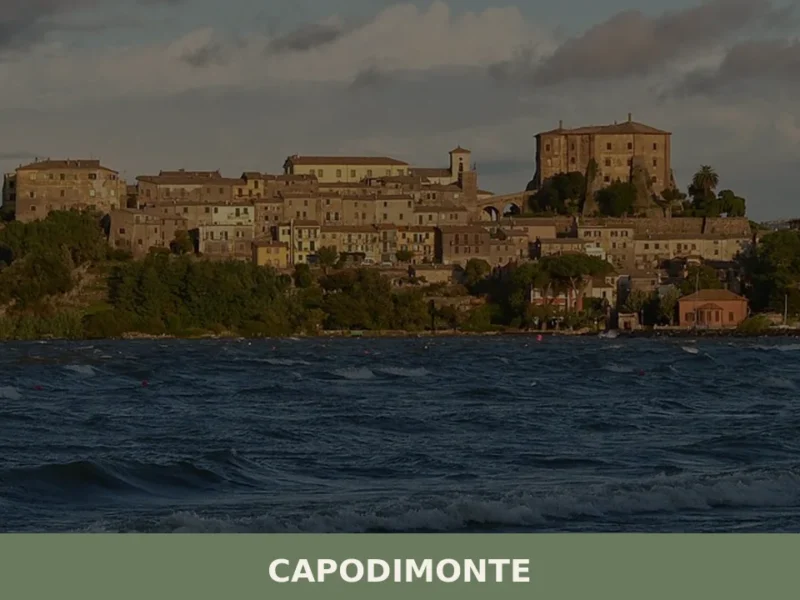
Capodimonte
 Hills
Hills
 Lake
Lake
What to see in Capodimonte, Italy: Discover this village of 1,667 inhabitants on Lake Bolsena's shore. Explore its unique headland and historic core. Read our guide!
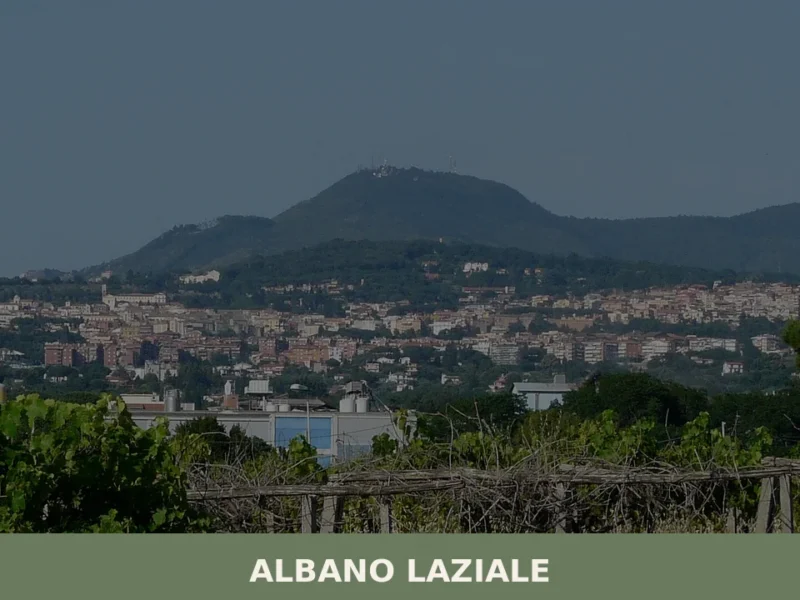
Albano Laziale
Hills
Lake
What to see in Albano Laziale, Italy: Lake Albano, Roman catacombs, and the Cathedral of St. Pancras at 400 m. Explore 38,983-inhabitant Lazio hill town. Discover now.
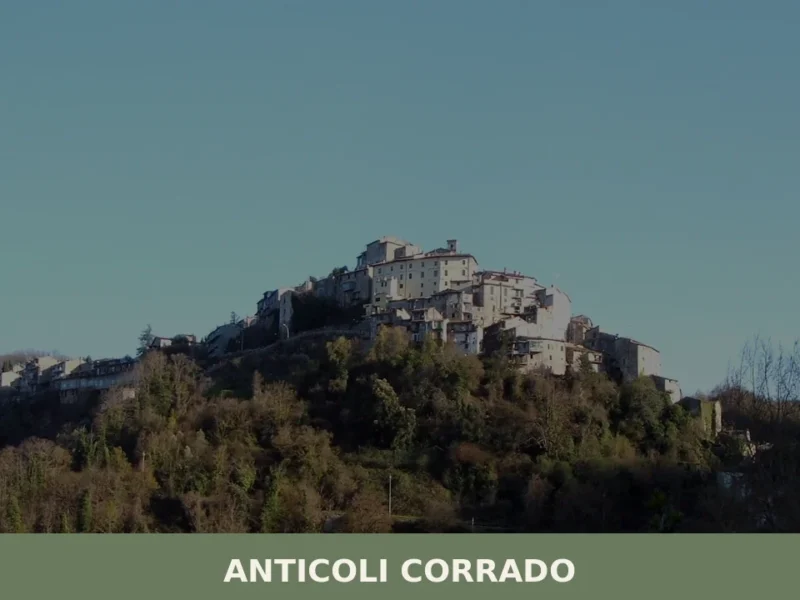
Anticoli Corrado
Hills
Stone walls rise in tight formation above the Aniene valley, 40 kilometres (25 mi) northeast of Rome, where a cluster of houses at 508 metres (1,667 ft) altitude holds the ruins of a medieval castle and an 11th-century church. The fountain in Piazza delle Ville was cast by Arturo Martini, a sculptor whose work now […]
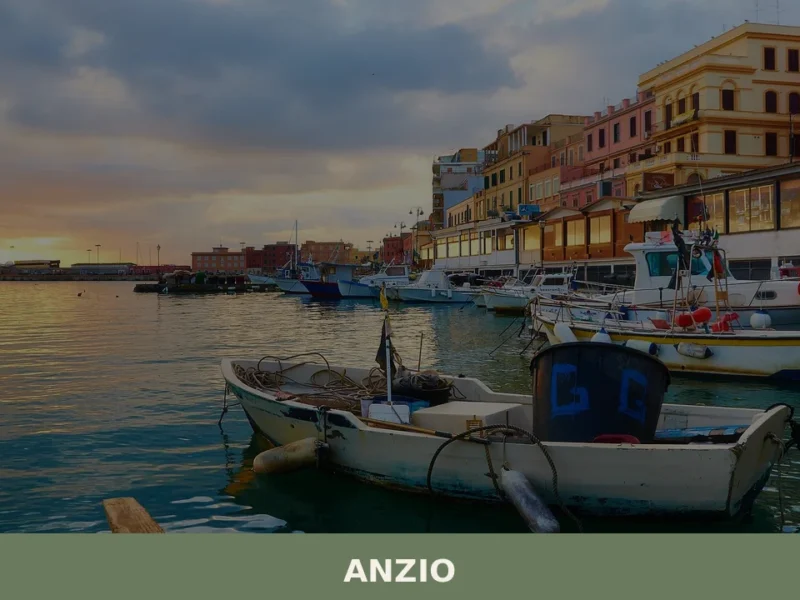
Anzio
 Sea
Sea
What to see in Anzio, Lazio, Italy: from WWII cemeteries to Roman ruins 51 km from Rome. Discover top attractions, local seafood, and how to get there.
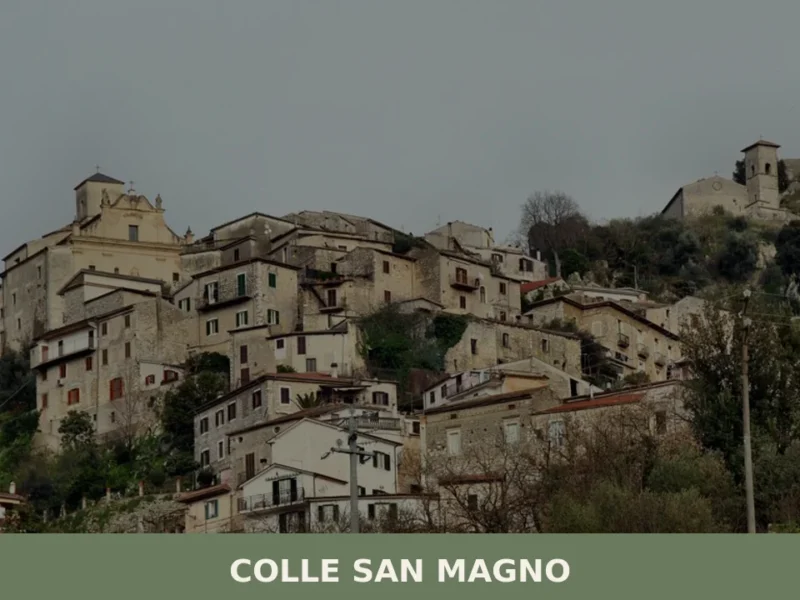
Colle San Magno
Hills
What to see in Colle San Magno, Lazio, Italy: discover a medieval castle, asphalt mines and a hilltop church at 540 m. Read the complete travel guide.
Bracciano
Hills
Lake
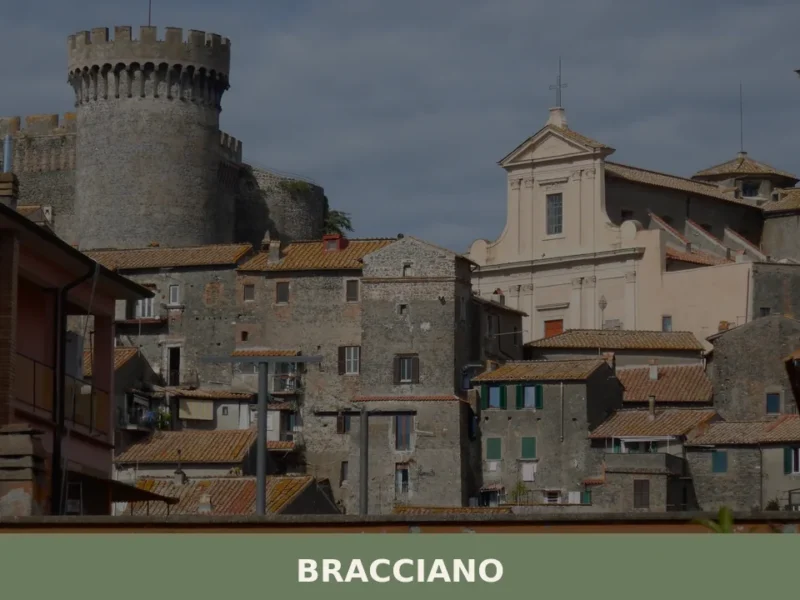
What to see in Bracciano, Italy: Discover its medieval castle and volcanic lake. Located 30 km (19 mi) from Rome, explore this Lazio village for a memorable day trip.

Roma
Sea
The capital of Italy and the Lazio region, Roma encompasses 1287 km² and 2.7 million inhabitants, making it Europe's largest commune and a global center of political, religious and cultural influence.
Farnese
Hills
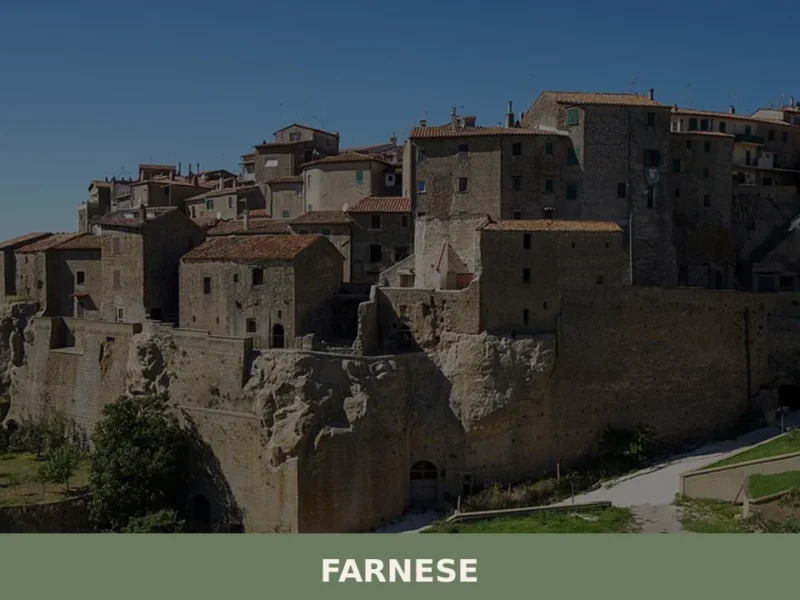
The morning light, a pale gold filtering through the narrow aperture of a medieval archway, illuminates the rough-hewn basalt paving stones of Farnese. A faint scent of woodsmoke and damp earth hangs in the cool air, carried on a breeze that rustles the leaves of an ancient oak on the village’s periphery. Here, at 341 […]
Arcinazzo Romano
Mountain
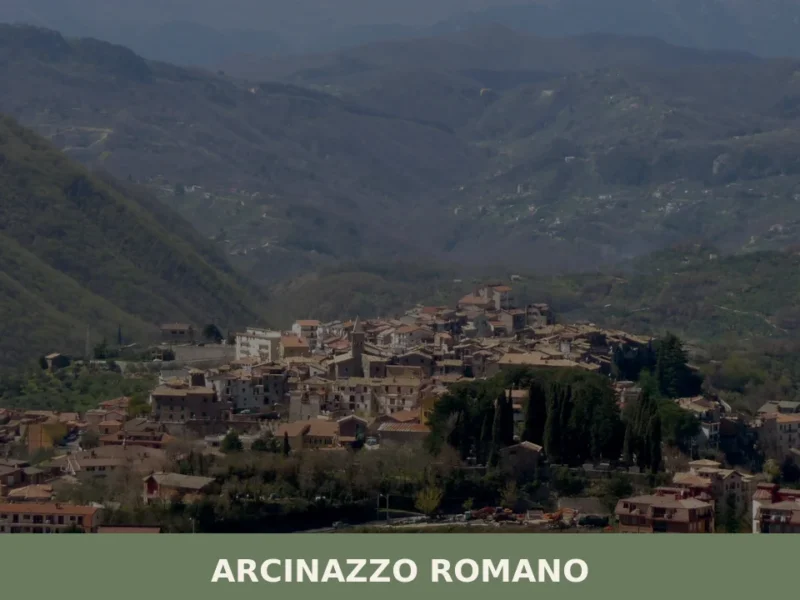
What to see in Arcinazzo Romano, Lazio, Italy: explore Trajan's Villa ruins at 831 m altitude, the plateau landscape and local traditions. Discover the complete guide.
Civita di Bagnoregio
Hills
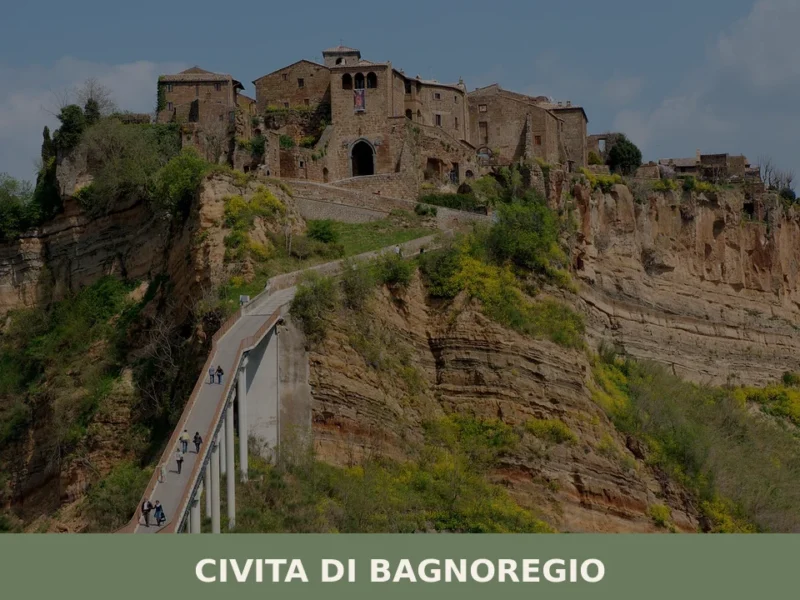
What to see in Civita di Bagnoregio, Italy: explore 5 top attractions, the Etruscan founding history, and a village of just 11 residents. Discover how to get there.





🏡 Know Acquafondata better than we do?
If you’re a local or have been there, your knowledge matters: add what’s missing or fix a detail on this page.