


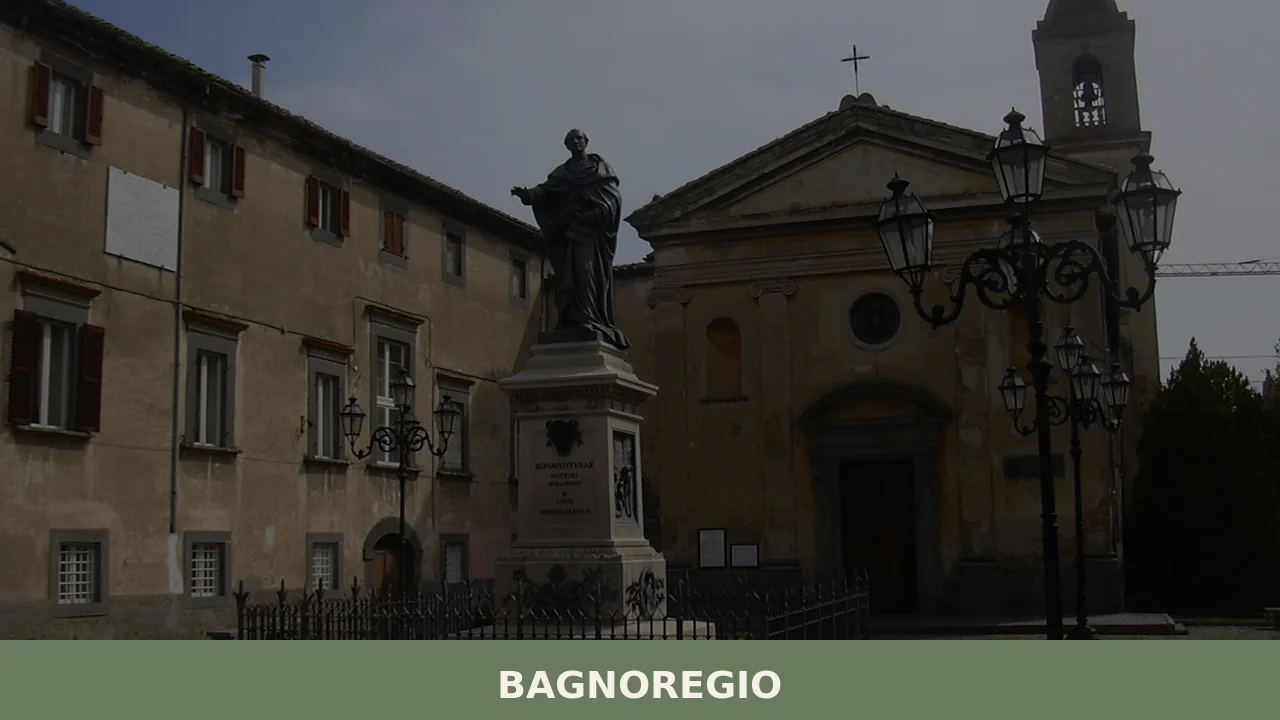
Bagnoregio
 Hills
Hills
 Lake
Lake
What to see in Bagnoregio, Lazio, Italy: explore Civita di Bagnoregio, the birthplace of St. Bonaventure, 90 km from Rome. Discover top attractions and local food.
Discover Bagnoregio
The tufa rock on which Civita di Bagnoregio stands has been crumbling at its edges for centuries, sending fragments of cliff down into the Tiber valley below.
The plateau — isolated now by erosion on every flank — once formed a continuous ridge with the land around it, a landscape shaped by volcanic activity that left this section of northern Lazio with deeply furrowed ravines and walls of pale, porous stone.
At 484 m (1,588 ft) above sea level, the air carries the dry mineral scent of exposed tufa and the distant sound of wind crossing open valleys with nothing to break it.
Knowing what to see in Bagnoregio starts with understanding that the municipality contains two distinct realities: the modern town of Bagnoregio, with a population of 3,665 inhabitants, and the medieval rock settlement of Civita di Bagnoregio, accessible only on foot via a pedestrian bridge.
Visitors to Bagnoregio find a layered destination that combines Roman-era origins, medieval ecclesiastical architecture, and the documented legacy of the philosopher Bonaventure, born here in the early 13th century.
Located in the Province of Viterbo, Lazio, the town sits approximately 90 km (56 mi) northwest of Rome and 28 km (17 mi) north of Viterbo.
History of Bagnoregio
The settlement now known as Bagnoregio carries a name with Latin roots. In ancient times the area was referred to as Novempagi, meaning “nine villages,” and as Balneum Regium, or “royal bath,” a reference that gave rise to the medieval name Bagnorea and eventually to the current form Bagnoregio. The hill town of Civita, the nucleus from which the wider municipality grew, functioned as the primary urban centre while what is now the modern town of Bagnoregio developed as a suburb on more accessible terrain below and around it.
The early medieval period brought repeated disruption to the settlement.
Between the sixth and ninth centuries, the city was taken multiple times — first by the Ostrogoths, then by the Lombards — during the successive waves of barbarian invasions that reshaped the Italian peninsula.
Charlemagne is recorded as having included it in the Patrimonium Petri, the territorial patrimony of the papacy, and the Emperor Louis I formally added it to the Papal States in 822.
These political transfers defined its ecclesiastical and administrative identity for centuries. The village of Proceno, which lies to the north in the same province, shares this broader history of shifting between Lombard and papal control during the same era.
The most internationally recognised figure to emerge from Bagnoregio is the philosopher and theologian Bonaventure, born in Civita di Bagnoregio in the early 13th century and later canonised as a saint of the Catholic Church. He became the patron saint of the municipality, with his feast day observed on 15 July.
The town also produced the writer Bonaventura Tecchi, a figure of Italian 20th-century literature who hailed from Bagnoregio and maintained a documented biographical connection to the place.
These two individuals — separated by seven centuries — represent the main intellectual legacy attached to the municipality in the historical record.
What to see in Bagnoregio, Lazio: top attractions
Civita di Bagnoregio
The settlement of Civita occupies a tufa plateau entirely surrounded by eroded ravines, accessible only via a pedestrian bridge roughly 300 m (984 ft) in length that connects it to the modern town.
The isolation of the plateau is the direct result of centuries of geological erosion: the surrounding soft volcanic rock has collapsed progressively, leaving the medieval urban core on a shrinking island of stone. Standing at the entrance to the village, visitors see a compact cluster of stone buildings arranged around a central square, with the church of San Donato at its core. The landscape around it — the pale grey ravines and the valley floor far below — gives immediate physical context to why this site has attracted sustained documentary and architectural attention.
Entry to Civita requires payment of an access fee; the site is busiest between April and October.
Church of San Donato, Civita di Bagnoregio
The church of San Donato stands at the centre of Civita’s main square and represents the principal religious building within the medieval settlement.
Its façade incorporates carved stone elements typical of the Romanesque-influenced ecclesiastical architecture of northern Lazio, and the interior preserves several works of religious art. The building has been subject to documented restoration work given the structural instability of the tufa plateau on which it sits. Visiting in the morning allows for better interior lighting through the west-facing windows.
The church remains an active place of worship, and access during religious services may be restricted.
The Panoramic Viewpoint over the Calanchi Valley
From the perimeter of Civita di Bagnoregio, the ground drops sharply into the calanchi — the deeply incised clay gullies characteristic of this part of the Lazio landscape.
The visual drop from the plateau edge to the valley floor below measures several dozen metres, and the eroded ridges of pale clay extend in irregular formations that change in colour from white to grey depending on the light and season.
This geological formation, created by the erosion of volcanic clay and tufa, is documented as one of the defining landscape features of the Viterbo province. The best observation points are accessible on foot along the outer path that follows the edge of the plateau; the route is uneven and requires solid footwear.
The Pedestrian Bridge of Civita
The pedestrian bridge connecting the modern town of Bagnoregio to Civita di Bagnoregio is the only access route to the medieval settlement and spans the ravine at a height that makes the depth of the surrounding erosion physically immediate. The current concrete structure replaced earlier versions and measures approximately 300 m (984 ft) in total length.
The climb from the bridge entrance to the gateway arch of Civita involves a gradual ascent, and the arch itself — built from local tufa — frames the entry into the walled settlement.
For visitors arriving by car, the bridge access point is reached on foot from the dedicated car park in the modern town; the walk from the car park to the bridge entrance takes approximately five to ten minutes.
The Birthplace Area of Saint Bonaventure
The philosopher and theologian Bonaventure was born in Civita di Bagnoregio in the early 13th century and went on to become one of the major intellectual figures of medieval Catholic thought, later elevated to the status of Doctor of the Church.
Within the settlement, the area associated with his birth is marked and forms part of the documented historical identity of the place.
His feast day, 15 July, is the occasion of the principal annual celebration in the municipality. For visitors with an interest in medieval philosophy or ecclesiastical history, this connection to Bonaventure gives the site a layer of significance beyond the geological spectacle. The official municipality website of Bagnoregio provides updated information on access and local events.
Local food and typical products of Bagnoregio
The food culture of Bagnoregio belongs to the broader culinary tradition of the Tuscia area — the historical name for the territory roughly corresponding to the modern Province of Viterbo.
This zone sits at the intersection of Lazio and southern Tuscany, and its cooking reflects the agricultural economy of the volcanic plateau: legumes grown in mineral-rich soil, grains cultivated on hillside terraces, and livestock raised on open land.
The elevation and the clay-tufa geology produce conditions that have historically supported olive cultivation, small-scale viticulture, and the foraging of wild herbs and fungi from the surrounding ravines and woodland.
The table in this area is built around peasant-origin dishes that rely on a small number of ingredients prepared with long cooking times.
Acquacotta is a soup made from stale bread, onions, tomato, and egg, simmered slowly until the bread softens into the broth — a dish documented across the Maremma and Tuscia as a staple of agricultural workers. Pasta e fagioli, made with locally grown beans and egg pasta, remains a constant on local tables throughout the colder months. Roasted pork, often seasoned with wild fennel and garlic, is common at communal meals and local events.
Pecorino cheese produced from the milk of sheep grazed on the surrounding land appears at most meals, aged to varying degrees of firmness.
The volcanic soil of the Viterbo province supports olive cultivation, and local extra virgin olive oil produced in this area carries characteristics linked to the mineral composition of the terrain: a low acidity and a finish with a mild peppery note.
Lentils grown in the broader Lazio hill country, including areas close to Bagnoregio, are documented as a traditional crop with a long agricultural history in this part of central Italy. The village of Cellere, which lies in the same province and shares the same Tuscia volcanic landscape, has a comparable tradition of olive cultivation and legume farming rooted in identical soil conditions.
Local markets in the Viterbo area, including those accessible from Bagnoregio, typically offer seasonal produce in spring and autumn.
The weeks around the feast of Saint Bonaventure in mid-July coincide with early summer harvests and are a period when local food stalls and communal meals are organised in connection with the patron saint festival.
Visitors looking for locally produced goods should focus on the autumn months — September through November — when the olive harvest, mushroom season, and the grape harvest align to make the widest range of local products available in market stalls and frantoi, the stone-press oil mills that operate seasonally throughout the province.
Festivals, events and traditions of Bagnoregio
The central event in Bagnoregio’s annual calendar is the feast of San Bonaventura, the municipality’s patron saint, observed on 15 July.
Bonaventure — born in Civita di Bagnoregio in the early 13th century — was a Franciscan friar, philosopher, and theologian who was later canonised and declared a Doctor of the Church. The feast day is marked by a religious procession through the town, a solemn Mass, and public celebrations that extend into the evening.
The date falls in the height of summer, when the plateau and its surrounding landscape are at their driest and the days are long enough to sustain outdoor events well into the night.
Beyond the patron feast, the broader Tuscia festival calendar includes a range of local food events and seasonal markets that draw visitors from across the province during the warmer months.
In Bagnoregio specifically, the connection between the feast of San Bonaventure and local community traditions is well-documented: the 15 July date functions both as a religious observance and as a focal point for the municipal identity of the town.
Visitors planning a trip to Bagnoregio, Lazio, Italy around this date will find the main square and the historic areas of both the modern town and Civita more animated than at other times of year, with local food, music, and public gatherings concentrated in the days immediately surrounding the feast.
When to visit Bagnoregio, Italy and how to get there
The most practical period to visit Bagnoregio is between April and June or in September and October.
Spring brings mild temperatures at 484 m (1,588 ft) elevation, with the surrounding valley landscape green from winter rains and the calanchi formations showing their full colour contrast.
Autumn reduces the summer crowds on the pedestrian bridge — which can become congested with day-trippers from Rome between July and August — and coincides with the olive harvest and mushroom season, giving visitors access to seasonal produce. Winter visits are possible and quieter, but some local services may operate on reduced schedules.
For those focused on the feast of San Bonaventure, mid-July is the obvious choice despite the higher temperatures and visitor volumes typical of that period across Lazio.
Bagnoregio sits approximately 90 km (56 mi) northwest of Rome, making it accessible as a day trip from the capital in roughly 1.5 to 2 hours by road.
If you arrive by car, the most direct route from Rome follows the A1 motorway north to the Orte exit, then continues west along the SS204 and provincial roads toward Bagnoregio — a total drive of approximately 90 km (56 mi) from central Rome. Parking is available in the modern town, from which the walk to the bridge access point takes five to ten minutes.
The nearest train station with regular connections is Orte, on the main Rome–Florence line served by Trenitalia; from Orte, onward travel to Bagnoregio requires a bus or taxi connection of approximately 30 km (18.6 mi). The nearest major airport is Rome Fiumicino (Leonardo da Vinci International Airport), approximately 130 km (80.8 mi) from Bagnoregio by road.
International visitors should note that English is not widely spoken in smaller local shops and restaurants; carrying cash in Euros is advisable, as card payment infrastructure in smaller establishments can be limited.
Visitors combining Bagnoregio with other destinations in northern Lazio can build an efficient itinerary through the Viterbo province.
The town of Viterbo itself, 28 km (17 mi) to the south, offers a well-preserved medieval centre and a larger range of accommodation options.
The village of Colle di Tora, situated on Lake Turano in the Rieti area of Lazio, represents a different landscape typology — lakeside rather than plateau — and pairs well with the Viterbo hill country for visitors touring the region over several days.
Travellers who want to extend their itinerary northward from Bagnoregio might also consider Mompeo, a small hill settlement in the Sabina area that shares the broader Lazio hill-country context and is reachable within a half-day drive.
Where to stay near Bagnoregio
Accommodation in and around Bagnoregio is primarily available in the form of agriturismi — farm-stay establishments that operate on agricultural land in the surrounding countryside — and small bed and breakfast structures in the modern town.
Given that Civita di Bagnoregio itself is a very small settlement with a limited resident population, overnight options within the medieval borough are rare and tend to book out well in advance during the April-to-October peak period. Visitors preferring a wider range of hotel accommodation will find more options in Viterbo, 28 km (17 mi) to the south, which functions as the natural base for exploring the wider Viterbo province including Bagnoregio as a day excursion.
Frequently asked questions about Bagnoregio
What is the best time to visit Bagnoregio?
Spring (April–June) and early autumn (September–October) offer mild temperatures, clearer skies, and the most photogenic light over the calanchi valley. Summer brings larger crowds, particularly in July and August, when the access bridge to Civita di Bagnoregio sees its highest foot traffic. The feast of the patron saint Bonaventure, celebrated on 15 July, is the main annual event and gives the visit an added cultural dimension. Winter visits are quieter and the plateau can be dramatic in fog, though some local facilities may have reduced hours.
What are the historical origins of Bagnoregio?
Bagnoregio traces its origins to the Latin toponym Balneum Regium, meaning 'royal bath', which evolved through the medieval form Bagnorea into the current name. The ancient designation Novempagi, meaning 'nine villages', also appears in early sources. The settlement was absorbed into the Papal States in 822 under Emperor Louis I, having previously passed through Ostrogothic and Lombard control between the sixth and ninth centuries. Civita, the original hilltop nucleus, predates the modern town and served as the primary urban centre for centuries.
What to see in Bagnoregio? Main monuments and landmarks
The primary site is Civita di Bagnoregio, a medieval tufa plateau accessible only via a 300-metre pedestrian bridge; an entry fee applies and the site is busiest April–October. At the centre of Civita stands the Church of San Donato, the main Romanesque-influenced religious building, which preserves works of religious art and remains active for worship — access during services may be limited. The area associated with the birthplace of the philosopher and Doctor of the Church Saint Bonaventure is also marked within the settlement and forms part of its documented historical identity.
What are the main natural or scenic attractions of Bagnoregio?
The calanchi surrounding Civita di Bagnoregio are the defining natural feature of the area: deeply eroded clay and tufa gullies that drop sharply from the plateau edge to the valley floor below. This geological formation, shaped by centuries of volcanic erosion, is documented as one of the most striking landscapes in the Province of Viterbo. The outer footpath along the perimeter of the Civita plateau follows the edge of these ravines; the terrain is uneven and solid footwear is recommended. The valley and ravines change colour from white to grey depending on the season and quality of light.
Where to take the best photos in Bagnoregio?
The most photographed viewpoint is the panoramic terrace in the modern town of Bagnoregio facing Civita, which frames the isolated tufa plateau with the calanchi in the background — this view is best in early morning light or at golden hour. A second strong vantage point is the pedestrian bridge itself, from which the full depth of the surrounding ravines is visible. The outer path along the plateau edge of Civita provides close-range views over the eroded gullies below. Visiting outside peak summer months reduces the number of people in frame.
What can you do in Bagnoregio? Activities and experiences
Walking is the central activity: the pedestrian bridge crossing to Civita, the circuit of the plateau perimeter, and exploration of the medieval streets and square around the Church of San Donato can fill a half-day. The feast of Saint Bonaventure on 15 July offers the main annual communal event. Food and wine interest is supported by the Tuscia culinary tradition — local olive oil, pecorino, legumes, and slow-cooked dishes such as acquacotta are found in restaurants in both Civita and the modern town. The site pairs well with nearby Viterbo, approximately 28 km to the south.
Who is Bagnoregio suitable for? Families, couples, hikers, solo travelers?
Bagnoregio suits couples and cultural travellers drawn to medieval architecture, geological landscapes, and the philosophical legacy of Saint Bonaventure. The pedestrian bridge and plateau path are accessible to most visitors, though the uneven terrain of the outer perimeter path and the incline of the bridge approach require reasonable mobility, making it less straightforward for families with pushchairs or visitors with limited mobility. Solo travellers and photographers benefit particularly from early morning visits. History and philosophy enthusiasts find an added layer of interest in the documented birthplace and legacy of Bonaventure, Doctor of the Church.
What to eat in Bagnoregio? Local products and specialties
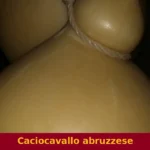
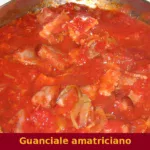
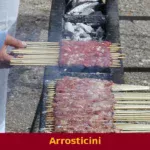
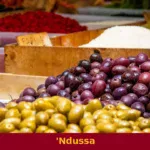
Bagnoregio belongs to the Tuscia food tradition of the Viterbo province. Key local dishes include acquacotta, a slow-cooked soup of stale bread, onion, tomato, and egg; pasta e fagioli made with locally grown beans; and roasted pork seasoned with wild fennel and garlic. Aged pecorino from sheep grazed on the surrounding land accompanies most meals. Extra virgin olive oil from the volcanic soils of the Viterbo area is a staple, characterised by low acidity and a mild peppery finish. Seasonal mushrooms and wild herbs foraged from the ravines and woodland also appear in local cooking.
Nearby Villages near Bagnoregio
In Lazio More villages to discover
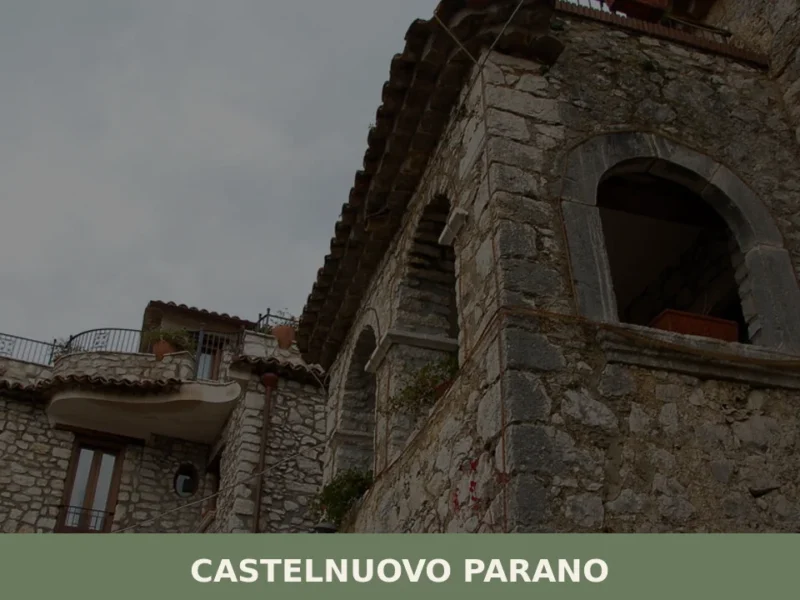
Castelnuovo Parano
Hills
What to see in Castelnuovo Parano, Lazio, Italy: a village of 885 at 310 m. Discover the 1059 castle origins, Gustav Line history and local hilltop culture.
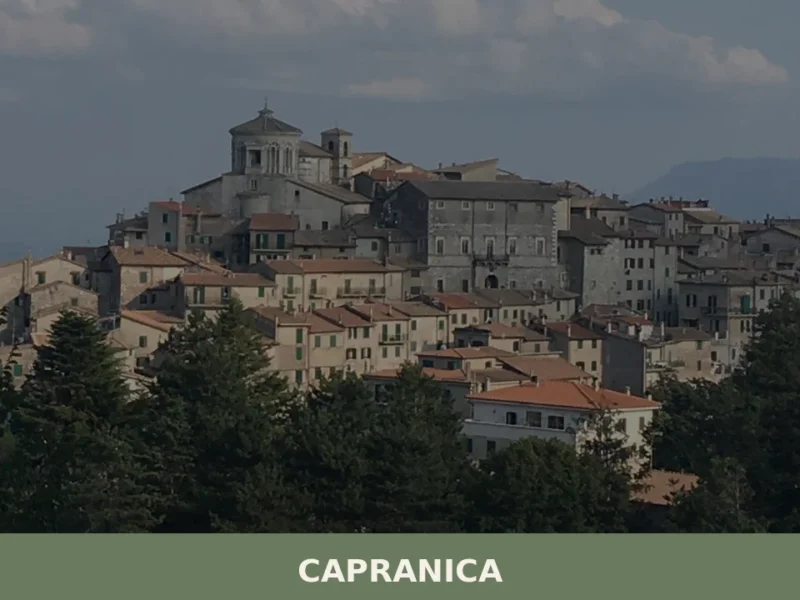
Capranica
Hills
Capranica, a Lazio village between history and nature: discover what to see, how to get there and the top places to visit. Plan your trip with this guide.
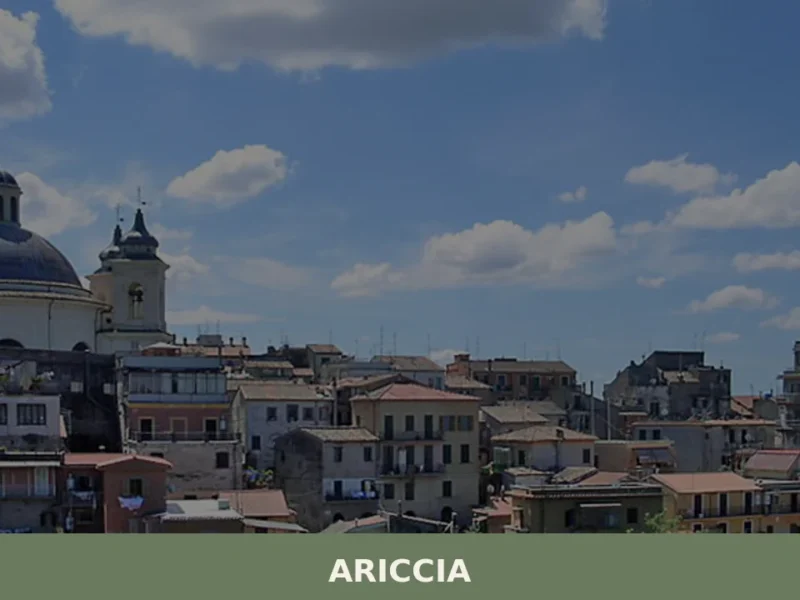
Ariccia
Hills
What to see in Ariccia: from Palazzo Chigi to the monumental bridge, discover the 5 top attractions. Plan your visit with this complete travel guide.
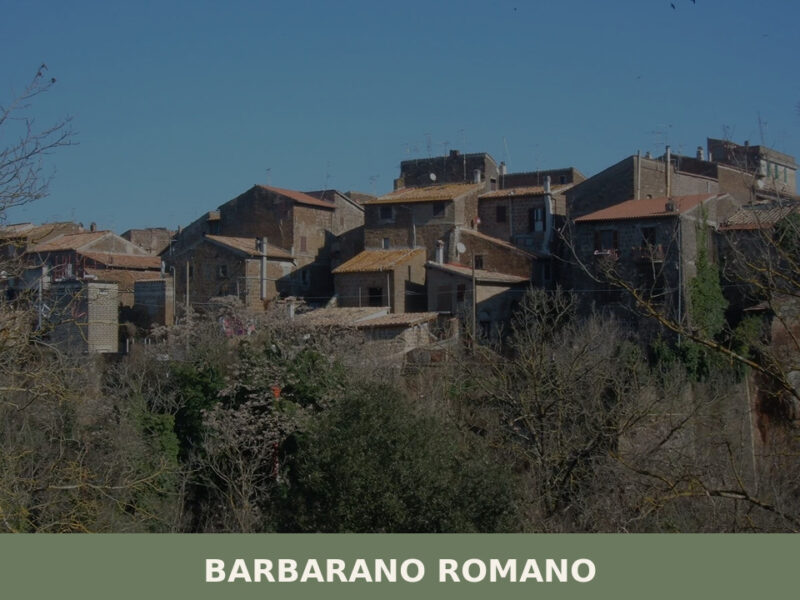
Barbarano Romano
Hills
Morning light catches the volcanic tufa in shades of ochre and rust, and the only sound rising from the gorge below is the intermittent call of a jay echoing off ancient rock. Barbarano Romano sits on a plateau in the province of Viterbo, a settlement of barely a thousand souls whose streets still follow the […]
Tessennano
Hills
In the heart of Viterbo’s Tuscia region, 302 meters above sea level, lies Tessennano, a settlement with 284 residents. Its hillside location, distant from major thoroughfares, has defined its profile through the centuries. For those wondering what to see in Tessennano, the village presents a historical layering perceptible in its architecture. The settlement develops around […]
Bassano in Teverina
Hills
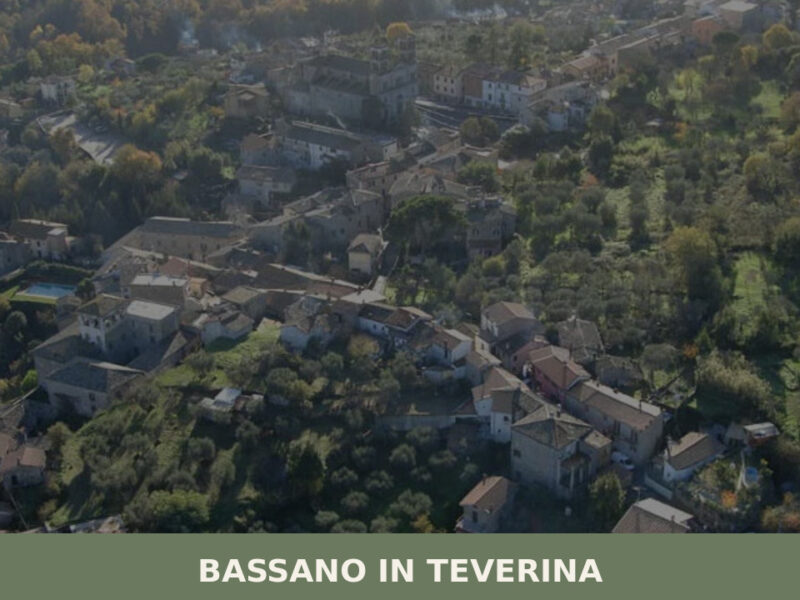
Standing at 304 metres above sea level, with a population of 1,260, Bassano in Teverina occupies a tuff plateau overlooking the Tiber valley in the province of Viterbo. The village owes the second part of its name to the river that flows just a few kilometres to the east — a geographical reference that distinguishes […]
Alvito
 Mountain
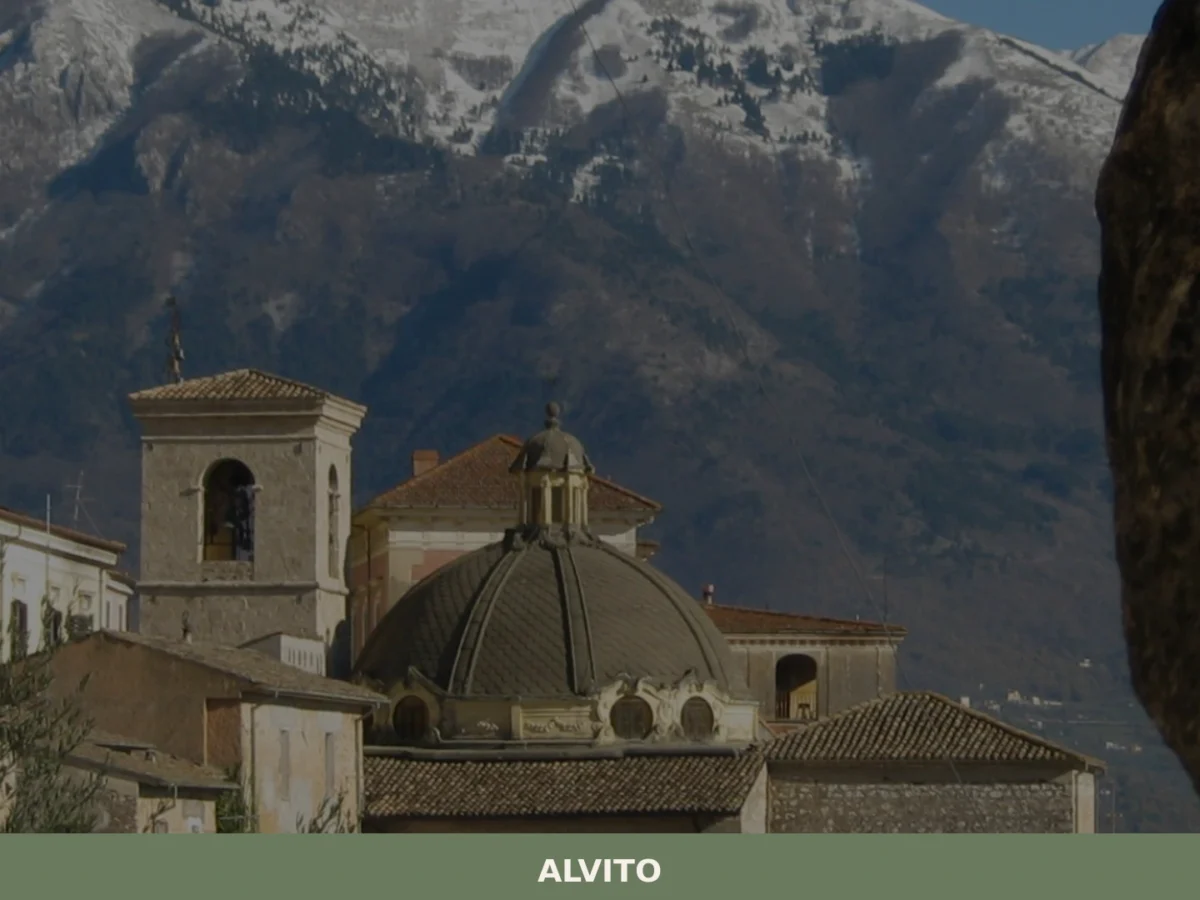
What to see in Alvito: discover the 5 top attractions in this Lazio village, from the castle to the Cathedral. Plan your visit with this complete guide.
Arlena di Castro
Hills
With its 839 registered inhabitants and an elevation of 260 metres above sea level, Arlena di Castro occupies a tuff plateau in the Tuscia area of the Viterbo province, just a few kilometres from the border with the Lazio Maremma. The municipal territory preserves traces of Etruscan presence documented by necropolises and ceramic materials found […]
Lubriano
Hills
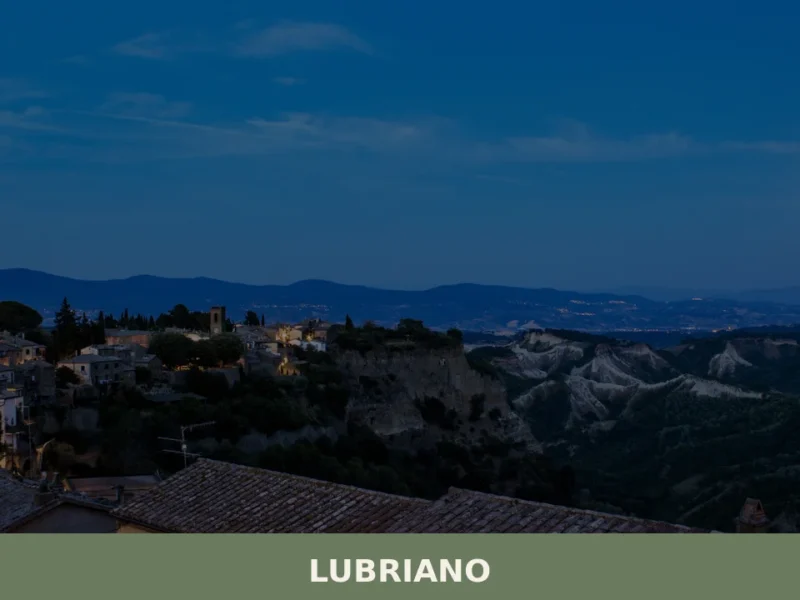
Lubriano has 864 inhabitants and occupies a tuff plateau at 441 metres above sea level, separated from the more famous Civita di Bagnoregio by a calanchi valley nearly two hundred metres deep. The municipal boundary runs along the edge of a gorge that geologists classify as one of the most active in Tuscia for erosion. […]
Poggio Bustone
Mountain
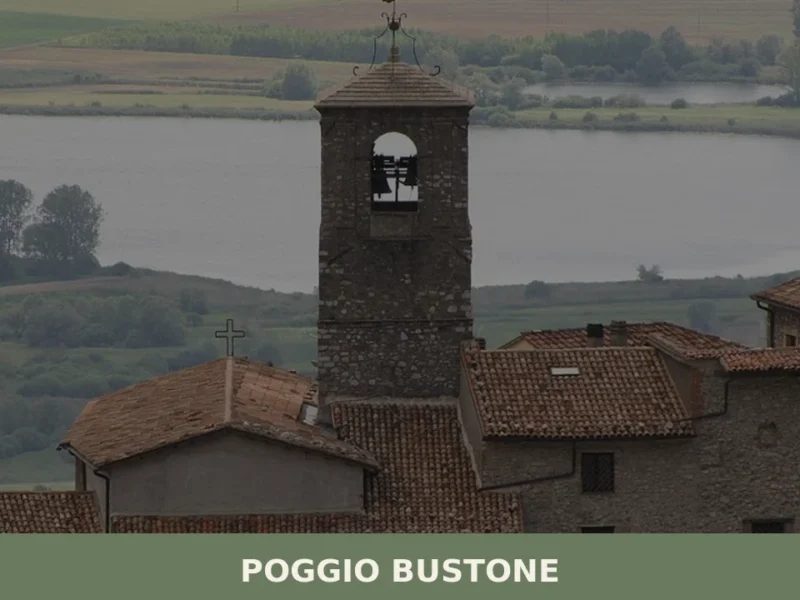
What to see in Poggio Bustone, Italy: a village at 751 m with Franciscan chapels, a Gothic arch, and Lucio Battisti's birthplace. Discover the complete guide.
🏡 Know Bagnoregio better than we do?
If you’re a local or have been there, your knowledge matters: add what’s missing or fix a detail on this page.