


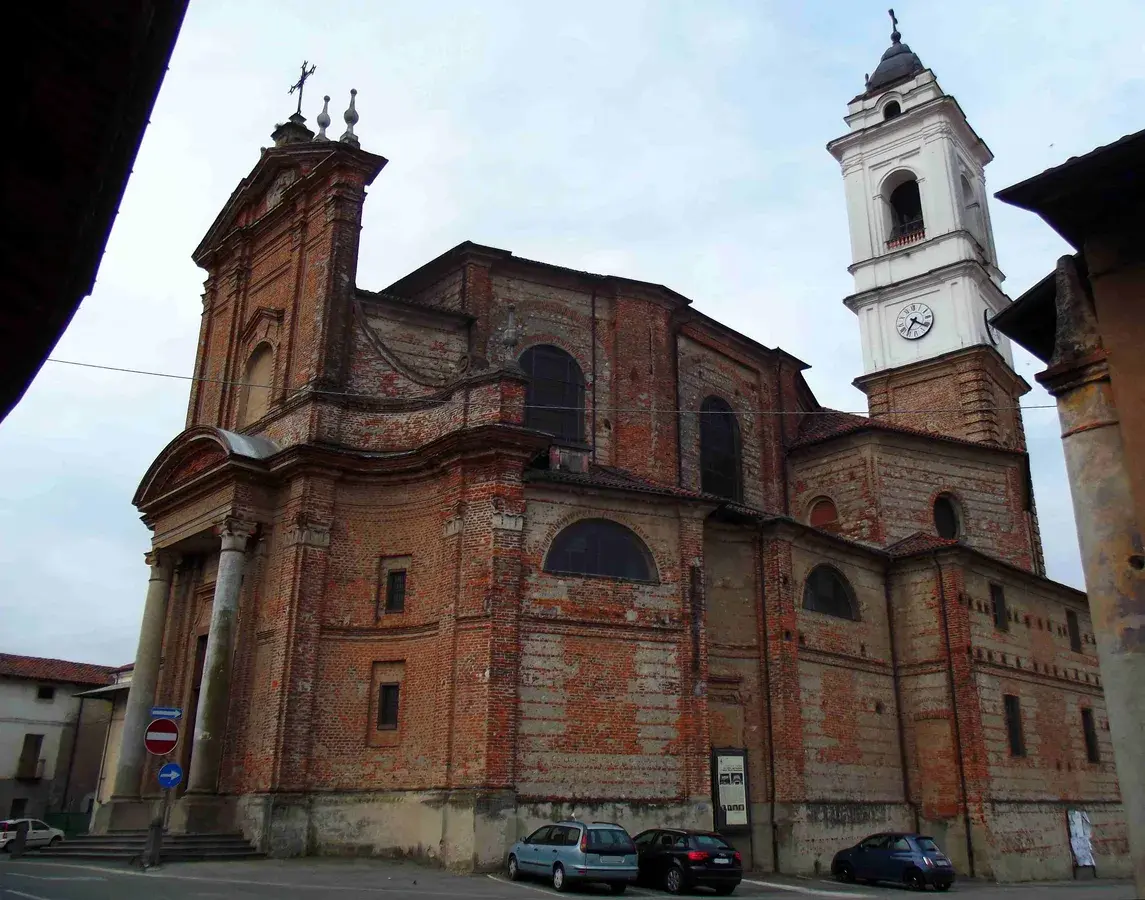
Foglizzo
 Plains
Scopri Foglizzo, affascinante borgo del Piemonte ricco di storia, tradizioni e paesaggi mozzafiato. Una meta imperdibile per chi ama l’Italia autentica.
Discover Foglizzo
A castle rises at the centre of the village, its walls carrying construction layers from at least the 17th century over foundations that may reach back to Roman times. The comune of Foglizzo sits in the Metropolitan City of Turin, in the flat-to-rolling transition zone where the Po plain begins to lift toward the Canavese foothills. Its first written record dates to 882, when ownership of the settlement was recorded in a document linking it to the bishop of Vercelli — a detail that says something concrete about how early this place entered the administrative map of northern Italy.
Knowing what to see in Foglizzo starts with understanding its position: the village lies about 25 km (15.5 mi) northeast of Turin, well inside the Canavese, the historical subregion of Piedmont that stretches between the Dora Baltea river and the Eridan plain.
Visitors to Foglizzo find a medieval castle converted into a noble residence, a documented sequence of feudal lords spanning from the counts of Biandrate to the Dukes of Savoy, and a surrounding agricultural landscape typical of lower Piedmont. The village borders six municipalities: San Giorgio Canavese, San Giusto Canavese, Caluso, Bosconero, San Benigno Canavese, and Montanaro.
History of Foglizzo
The earliest confirmed reference to Foglizzo appears in an 882 document recording it as a possession of the bishop of Vercelli. This places the settlement firmly within the Carolingian-era ecclesiastical network that structured much of northern Italy during the ninth century. Vercelli was at that time one of the most influential episcopal sees in the region, controlling significant landholdings across what is now Piedmont and Lombardy. The document does not describe the physical village in detail, but its administrative inclusion in such a record confirms that Foglizzo was already a recognised, functioning settlement by the final decades of the ninth century.
Control of Foglizzo subsequently passed to the counts of Biandrate, a powerful noble family who held extensive territories across the Canavese and the Vercelli plain during the medieval period.
The Biandrate counts were a significant force in the political geography of the region from roughly the eleventh to the thirteenth centuries, and their possession of Foglizzo placed the village within a web of feudal obligations and alliances that connected it to the broader dynamics of northern Italian politics. The castle, which may have Roman origins according to its structural archaeology, became the physical expression of this feudal authority — a fortified point from which the surrounding agricultural territory could be monitored and managed. Visitors exploring the nearby Canavese comune of Agliè, which also carries layered medieval and early modern history, will recognise similar patterns of castle-centred settlement across this part of Piedmont.
The most consequential shift in Foglizzo’s documented history came in 1631, when the village passed into the possession of the Dukes of Savoy. This transfer aligned Foglizzo with the dominant political force in the region — the House of Savoy was consolidating its hold over Piedmont throughout the seventeenth century, and ownership of local castles and villages was a key instrument of that consolidation.
Under Savoy influence, Foglizzo Castle was transformed from a purely defensive or administrative structure into a noble residence, a process that unfolded across the 17th and 18th centuries and introduced the architectural refinements still visible today. This trajectory — from episcopal holding to comital possession to Savoyard estate — mirrors the history of many Canavese communities and gives Foglizzo a historically representative quality within the region.
What to see in Foglizzo, Piemonte: top attractions
Foglizzo Castle
The castle occupies a central position within the village, its mass defining the skyline at close range before any other structure does. Its foundations are attributed a possible Roman origin, though the visible fabric dates primarily from the 17th and 18th centuries, when the structure was converted from a fortified building into a noble residence under the Dukes of Savoy.
The exterior retains the proportions of a defensive keep while the later additions introduced the decorative and spatial elements associated with aristocratic domestic use. Visitors standing at the base of the walls can observe the stratigraphic sequence in the stonework — older sections identifiable by the irregular coursing of the lower registers, newer interventions apparent in the more uniform upper masonry. Access and interior visiting conditions should be verified locally before arrival.
The Historic Village Centre
The village centre of Foglizzo preserves the compact layout characteristic of Canavese settlements that grew around a feudal seat. Streets are narrow and oriented toward the castle, a spatial logic that reflects the medieval practice of organising civic life in relation to the lord’s residence. The parish church, consistent with the scale of a village first documented in 882, anchors the religious geography of the settlement and provides a reference point for understanding how ecclesiastical and secular authority occupied separate but adjacent spaces.
Walking the central streets takes roughly twenty to thirty minutes at a measured pace; the distances are short, and the interest lies in the building fabric rather than in any single monument. Flat paving predominates in the central lanes, though some peripheral streets involve uneven surfaces.
Canavese Agricultural Landscape
Foglizzo sits at approximately 249 m (817 ft) above sea level, in the lower Canavese plain where cereal crops, vineyards, and hedgerow systems define the visible landscape in roughly equal measure. The agricultural territory surrounding the village is not managed as a formal park or nature reserve, but it constitutes the primary visual context for the village and is crossed by rural roads navigable on foot or by bicycle. The flat terrain makes this accessible to most visitors without specialist equipment. Late spring and early autumn offer the clearest conditions for reading the landscape — summer haze can reduce visibility toward the distant Alpine arc, while the harvest season in September and October brings the most activity to the fields immediately surrounding the built core.
The Borders with Neighbouring Municipalities
Foglizzo shares administrative boundaries with six comuni: San Giorgio Canavese, San Giusto Canavese, Caluso, Bosconero, San Benigno Canavese, and Montanaro.
Each of these border zones marks a transition in the local landscape — the approach to Caluso, for instance, passes through the Erbaluce wine-growing area, one of the most documented viticultural zones of the Canavese. Driving or cycling the perimeter roads that connect Foglizzo to its neighbours gives a spatial sense of how the Canavese functions as a mosaic of small comuni with distinct but overlapping histories. The road network between these villages is well maintained and navigable without specialist maps. Alpette, further north in the Canavese uplands, represents the hillier end of the same regional spectrum that Foglizzo anchors from the plain.
The Documentary Heritage of 882
No physical archive is publicly accessible in Foglizzo itself for the original 882 document, but the significance of that date merits attention as an orientation point for the entire visit. A settlement recorded in a Carolingian-era episcopal document had already achieved sufficient size and economic relevance to be worth naming in a legal or administrative act.
Reading the castle, the church, and the street layout against that founding reference allows a visitor to measure the physical accumulation of over eleven centuries of continuous habitation. The practical implication: the oldest visible fabric in the village centre dates from considerably after 882, but the street lines and plot boundaries may preserve spatial patterns far older than the buildings that now occupy them. This kind of stratigraphic reading of the townscape rewards slow observation more than rapid photography.
Local food and typical products of Foglizzo
Foglizzo sits within one of the most thoroughly documented gastronomic regions of Italy. The Canavese, the historical territory that encompasses the village, has a culinary identity rooted in the agricultural products of the Po plain and the hill zones immediately to the north — cereals, freshwater fish, bovine cattle, and a distinctive vine variety called Erbaluce, grown in the area around Caluso, which borders Foglizzo to the south. The Savoyard political influence that shaped the village from 1631 onward also left marks on the cooking: court cuisine from Turin filtered into the rural repertoire of the Canavese through the network of noble estates, introducing techniques and ingredient combinations that persist in local preparations today.
The table in this part of Piedmont is built around a few structural elements.
Fritto misto alla piemontese — a mixed fry of meats, offal, vegetables, and sweet items such as amaretti biscuits and semolina cake, cooked together in lard or oil — represents the most labour-intensive expression of the regional kitchen and appears at formal meals and local festivals. Bagna cauda, a warm dip of anchovies, garlic, and olive oil served with raw and cooked vegetables, is the collective dish of the Piedmontese autumn: it is eaten communally, from a shared pot kept warm at the table, and its preparation requires anchovies from Liguria and garlic from the Carmagnola area south of Turin. Risotto prepared with Erbaluce di Caluso wine, using the carnaroli rice varieties grown in the nearby Vercelli and Novara paddies, is a local combination that does not require leaving the Canavese for any of its core ingredients.
No certified DOP or IGP products are recorded in the available data as specific to Foglizzo itself, but the village falls within the distribution zones of several Piedmont-wide designations. Erbaluce di Caluso DOCG is produced in a defined zone that includes Caluso, the municipality bordering Foglizzo, and the wine — a dry white from the Erbaluce grape — can be found in local restaurants and in the small shops of the area.
Beef from the Razza Piemontese breed, a pale double-muscled cattle variety raised across the region, supplies the raw material for the thin-sliced raw preparations and the long-braised stews that anchor second courses in Canavese restaurants. These are not marketed as Foglizzo-specific products, but they are the dominant proteins at any table within the village’s radius.
Local markets in the surrounding comuni — particularly in San Giorgio Canavese and Caluso — operate on a weekly basis and offer the most direct access to seasonal produce from the Canavese plain. Autumn, running from late September through November, is the period when the agricultural calendar concentrates the most variety: grapes, hazelnuts, chestnuts from the Canavese hill farms, and the first-pressing olive oils from further south that arrive in Piedmont for the winter larder. Visitors planning to buy local food products are advised to carry cash, as smaller market stalls and village shops in this part of the province do not always accept card payments.
Festivals, events and traditions of Foglizzo
The available documentary sources do not specify the patron saint of Foglizzo or the exact date of the village’s patron saint festival.
What the historical record does establish is that Foglizzo has functioned as a recognised civic and religious community since at least 882, and the continuity of that settlement implies the maintenance of the feast-day cycle characteristic of Italian Catholic communities — typically one principal festival per year tied to the parish church’s dedication, combined with seasonal observances around the agricultural calendar. For precise festival dates and any programmed events, the municipal offices of Foglizzo or local tourism contacts within the Metropolitan City of Turin provide the most reliable current information.
The Canavese as a whole maintains a calendar of sagre — traditional food festivals tied to a specific local product or seasonal harvest — that runs from June through October. Given Foglizzo’s position within this network and its adjacency to the Erbaluce wine zone, visitors during the late summer and early autumn period are likely to find at least one such event accessible within a short drive. The grape harvest period, concentrated in September and October around Caluso, generates the densest cluster of public events in this part of the province. Checking the calendar of the Città Metropolitana di Torino’s tourism office before travel is the most reliable method for identifying specific dates.
When to visit Foglizzo, Italy and how to get there
The best period to visit Foglizzo — and the broader Canavese — runs from late April through June and again from mid-September through October.
Spring brings mild temperatures, with daytime highs typically between 18°C and 24°C (64°F and 75°F), and the agricultural landscape at its most visually active. Autumn delivers the harvest season, clearer air after the summer haze dissipates, and the full calendar of local food events in the surrounding comuni. Summer visits are possible but July and August bring heat and humidity to the Po plain that can make walking the village streets uncomfortable in the middle of the day. Winter is cold and occasionally foggy — characteristic of the plain climate — and offers the quietest conditions but the fewest open services.
Foglizzo is straightforwardly accessible from Turin as a day trip. The village lies 25 km (15.5 mi) northeast of the city, a distance that translates to roughly 30 to 40 minutes by car depending on traffic. By road, the most direct route from Turin uses the A4 motorway (Turin–Milan) and then regional roads northward through the Canavese, or alternatively the SS460 provincial road. For those travelling by train, the nearest significant rail hub is Turin’s Trenitalia network, from which regional services reach Chivasso — approximately 10 km (6.2 mi) from Foglizzo — in under 30 minutes.
From Chivasso, a local bus or taxi covers the remaining distance. Turin Airport (Torino Caselle), which handles both domestic and international flights, is located approximately 18 km (11.2 mi) from Foglizzo, making it the most convenient air entry point; a hired car from the airport reaches the village in approximately 25 minutes. International visitors arriving from Milan can reach Turin by high-speed train in under an hour, then connect onward by regional rail or road. English is not widely spoken in smaller shops and local services in this part of the province; carrying some euro cash is practical, as card terminals are not universal in village-scale businesses.
Visitors to Foglizzo who want to extend their time in the Canavese will find a logical next stop — it lies roughly 15 km (9.3 mi) to the northwest and holds one of the most intact Savoyard royal residences in the region. Further afield, Avigliana, southwest of Turin, offers a different landscape register — lakes, medieval towers, and a position at the entrance to the Susa Valley — for those building a broader Piedmont itinerary over two or more days.
Frequently asked questions about Foglizzo
What is the best time to visit Foglizzo?
The ideal time to visit Foglizzo is late spring and early autumn. These seasons offer the clearest conditions for enjoying the agricultural landscape and cycling the rural roads, as summer haze can obscure distant Alpine views. The harvest season in September and October brings lively activity to the fields. Additionally, plan your visit around July 22nd to experience the Festa Patronale dedicated to Santa Maria Maddalena, the village's patron saint, offering a glimpse into local traditions and community life.
What are the historical origins of Foglizzo?
Foglizzo boasts deep historical roots, with its earliest confirmed mention dating back to an 882 document. This record places the settlement as a possession of the influential bishop of Vercelli, highlighting its early inclusion in northern Italy's administrative network during the Carolingian era. Control later passed to the powerful Counts of Biandrate, and significantly, in 1631, the village came under the dominion of the Dukes of Savoy. This rich trajectory, from episcopal holding to noble estate, is reflected in the layered history of Foglizzo Castle and its surrounding area.
What to see in Foglizzo? Main monuments and landmarks
The primary attraction in Foglizzo is its central **Castle**, a historic noble residence with foundations possibly dating to Roman times, though its visible structure is mainly from the 17th and 18th centuries. Visitors should verify access and interior visiting conditions locally. Explore the **Historic Village Centre**, characterized by narrow streets converging on the castle, reflecting its medieval origins. The **parish church** also stands as a key historical landmark. Additionally, the surrounding **Canavese Agricultural Landscape** offers scenic rural roads perfect for walking or cycling, providing a broader context to the village's history and economy.
What are the main natural or scenic attractions of Foglizzo?
Foglizzo's main natural and scenic attraction is the **Canavese Agricultural Landscape** that envelops the village. Situated in the lower Canavese plain, it features a mosaic of cereal crops, vineyards, and hedgerow systems. While not a formal park, this flat terrain is traversed by rural roads ideal for walking or cycling, offering accessible routes to appreciate the local environment. Driving or cycling the perimeter roads towards neighbouring municipalities like Caluso also allows visitors to explore the distinct Erbaluce wine-growing area, providing diverse and picturesque views of the region.
Where to take the best photos in Foglizzo?
For memorable photos in Foglizzo, focus on the imposing **Castle**, capturing its dominant position and the visible stratigraphic layers in its stonework. The **Historic Village Centre** offers picturesque narrow streets and traditional building fabric, perfect for conveying the village's medieval charm. Venture into the surrounding **Canavese Agricultural Landscape** to photograph the expansive fields of cereal crops, vineyards, and hedgerows, especially during late spring or early autumn when visibility is best. The quiet rural roads connecting Foglizzo to its neighbours, particularly towards the Erbaluce wine area near Caluso, also provide excellent scenic opportunities.
Are there museums, churches or historic buildings to visit in Foglizzo?
Foglizzo offers several historic buildings to explore. The most prominent is **Foglizzo Castle**, a significant noble residence dating primarily from the 17th and 18th centuries, built upon older foundations. Visitors should inquire locally about current access and visiting conditions. The **parish church**, though not detailed in the article, serves as a historical anchor within the village centre. The entire **Historic Village Centre** itself is a living exhibit, with its compact layout and traditional building fabric reflecting centuries of continuous habitation around its feudal seat. No specific museums are mentioned.
What can you do in Foglizzo? Activities and experiences
In Foglizzo, you can immerse yourself in history by exploring the central Castle and walking through the Historic Village Centre, observing its ancient street patterns. The flat surrounding **Canavese Agricultural Landscape** is perfect for gentle walks or cycling along rural roads, enjoying the cereal fields and vineyards. Delve into the local gastronomy by sampling specialties like Fritto misto alla piemontese, Bagna cauda, and Risotto made with Erbaluce di Caluso wine. Consider visiting around July 22nd to experience the Festa Patronale of Santa Maria Maddalena, offering a vibrant local cultural insight.
Who is Foglizzo suitable for? Families, couples, hikers, solo travelers?
Foglizzo is ideal for **history enthusiasts** keen to explore its ancient origins, from its 882 documentation to the castle's Savoyard transformation. **Food and wine lovers** will appreciate its position within the renowned Canavese gastronomic region, offering authentic Piedmontese flavors and the local Erbaluce wine. **Walkers and cyclists** will enjoy the flat, accessible agricultural landscape and scenic perimeter roads connecting to neighboring villages. It's also suitable for **couples** seeking a tranquil, culturally rich escape, and **solo travelers** looking for a contemplative experience of a historically significant, yet unhurried, Italian village.
What to eat in Foglizzo? Local products and specialties
Foglizzo, nestled in the rich Canavese gastronomic region, offers a delightful culinary experience. Local specialties include **Fritto misto alla piemontese**, a traditional mixed fry of meats, offal, vegetables, and even sweet items. During autumn, **Bagna cauda**, a warm, communal dip of anchovies, garlic, and olive oil served with raw and cooked vegetables, is a must-try. The area is also known for **Risotto prepared with Erbaluce di Caluso wine**, utilizing local Carnaroli rice varieties. Don't miss the opportunity to taste **Erbaluce di Caluso wine** itself, grown in the bordering municipality of Caluso.
📷 Photo Gallery — Foglizzo
Nearby Villages near Foglizzo
In Piedmont More villages to discover
Balangero
 Hills
Hills
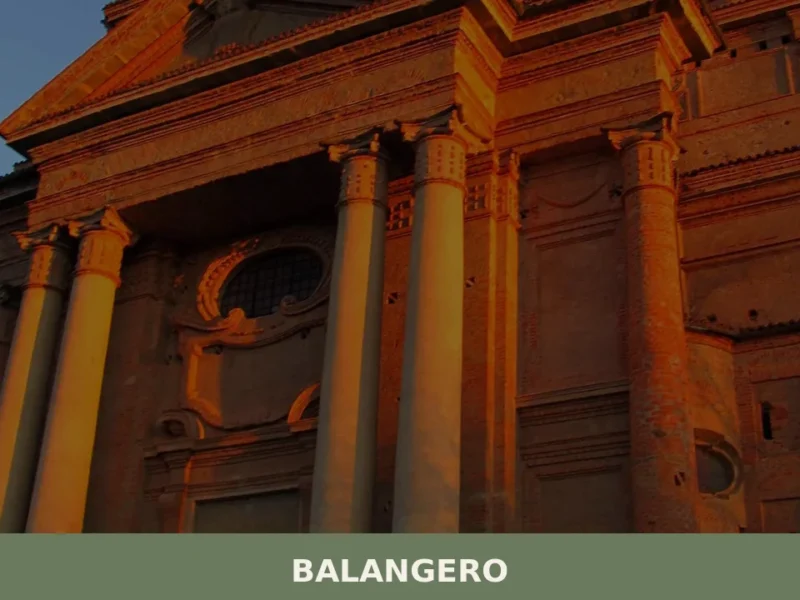
Balangero has just over 3,000 inhabitants and sits at 440 metres above sea level on a hillside in the northern part of the province of Turin. The village is known for having hosted, within its municipal territory, one of the largest asbestos mines in Europe — an extractive operation that left a deep mark on […]

Pomaretto
 Mountain
Discover what to see in Pomaretto, a 937-inhabitant Waldensian village in the Val Chisone near Torino — history, food, travel tips and local culture.
Barone Canavese
Hills
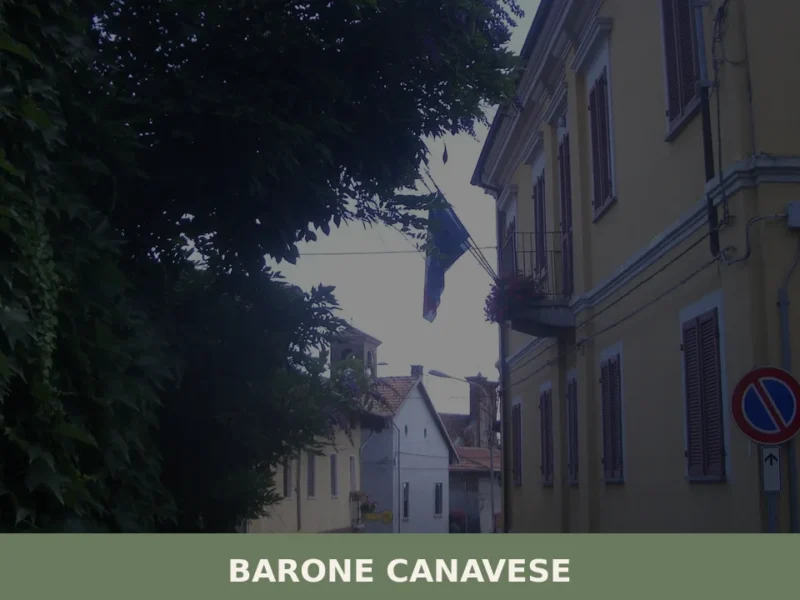
Barone Canavese has 554 inhabitants and sits at 325 metres above sea level, on the hills of eastern Canavese in the province of Turin. Those wondering what to see in Barone Canavese will find a small municipality set within a well-defined hill landscape, notable for its historic religious buildings and a road network connecting the […]
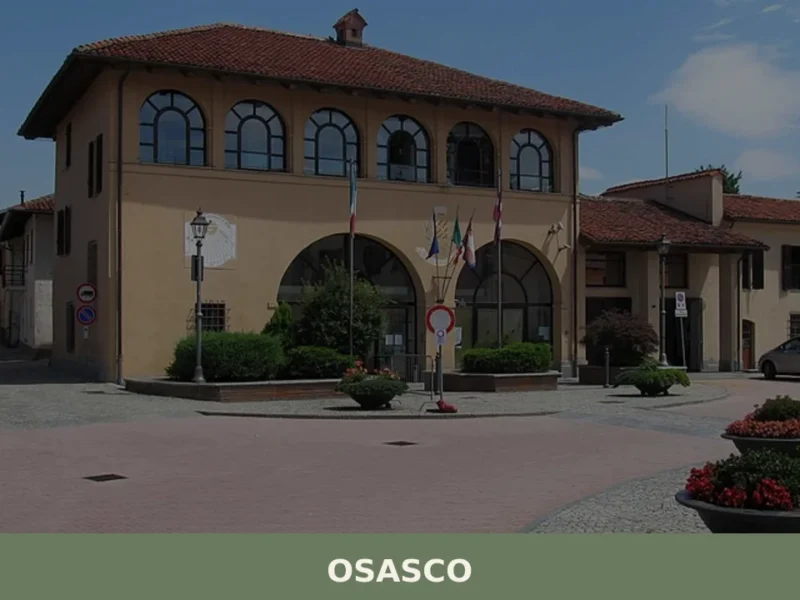
Osasco
Plains
Osasco is a comune of 1,161 inhabitants in the Metropolitan City of Turin, sitting in the Piemonte region of northwestern Italy. Known in the local Piedmontese language as Osasch, the village occupies a modest position in the hills and plains south of Turin, one of dozens of small agricultural and residential communes that form the […]
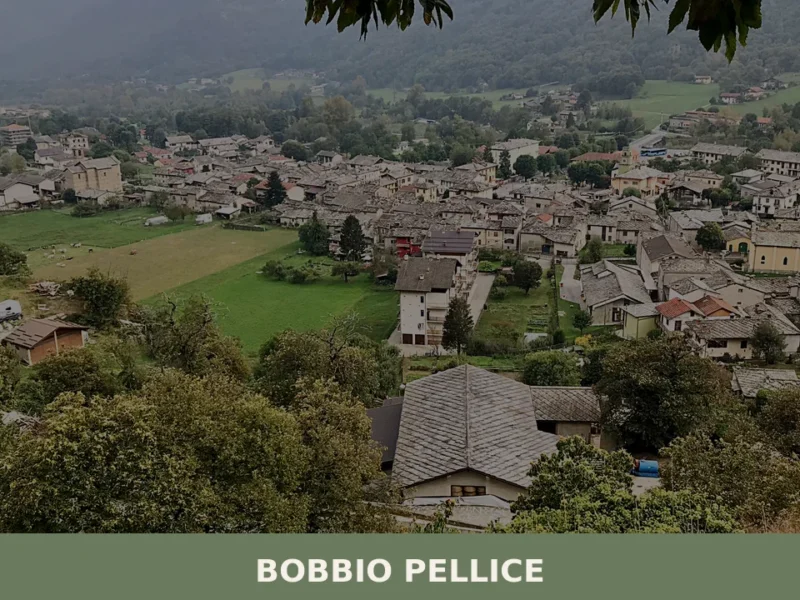
Bobbio Pellice
Mountain
Bobbio Pellice has 536 inhabitants and lies in the Val Pellice, one of the Occitan and Waldensian valleys of southern Piedmont, in the Province of Turin. It is the highest municipality in the valley and the starting point for trails leading to the Colle Giulian and the Colle delle Traversette. Anyone looking to understand what […]
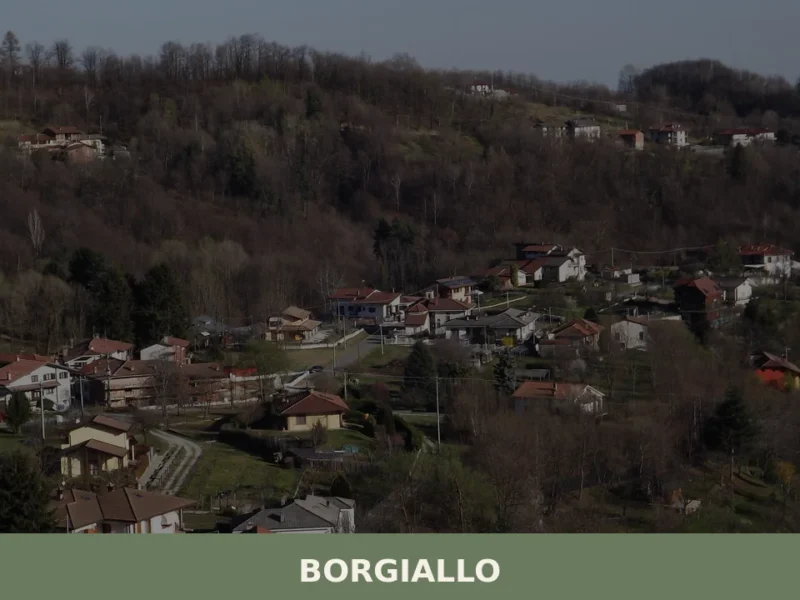
Borgiallo
Hills
Borgiallo has 579 inhabitants and sits at 540 metres above sea level on the hills of the Valle Sacra, in the province of Turin. Travellers who take the road climbing from Castellamonte towards the Canavese uplands find a compact settlement of stone and brick houses that follow the line of the ridge. Understanding what to […]
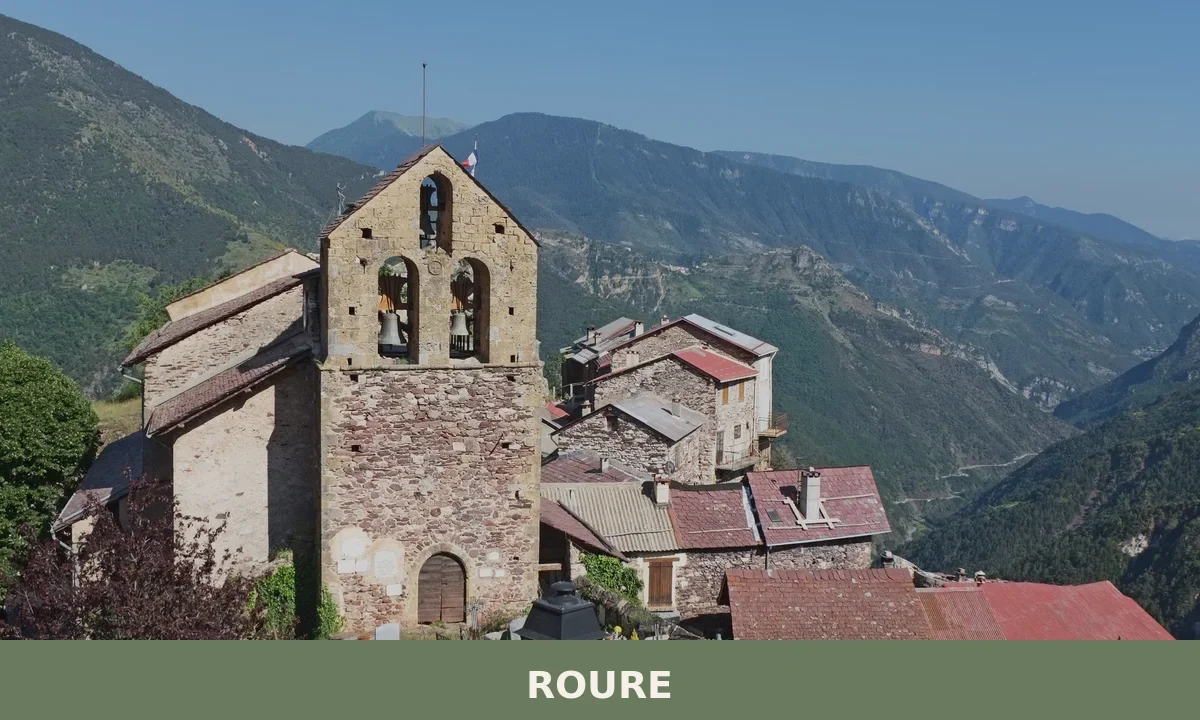
Roure
Mountain
A dispersed mountain commune of 752 residents in Turin province. Stone hamlets linked by valley pathways, climbing crags and 2000-metre drops into wilderness.
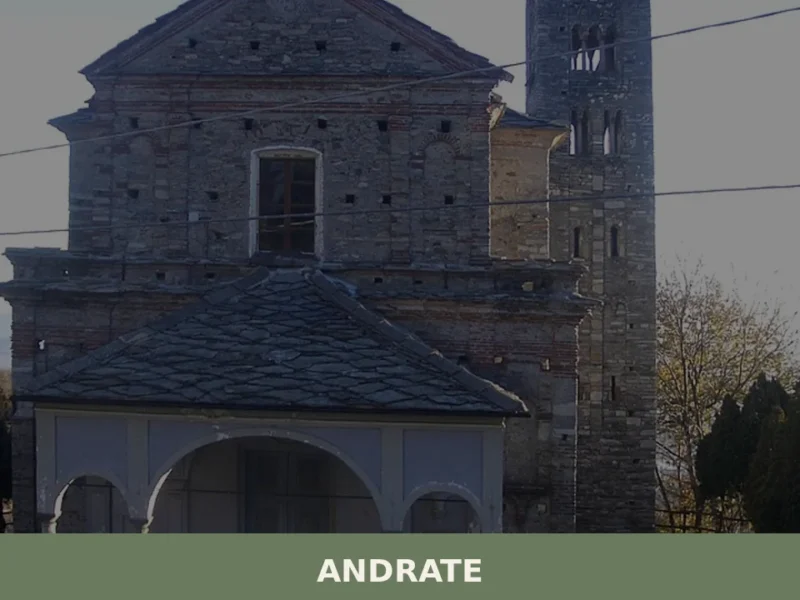
Andrate
Mountain
What to see in Andrate in Piedmont: panoramic views over the Serra d'Ivrea, trails, chestnut groves, Canavese cuisine. Complete guide with history and practical information.
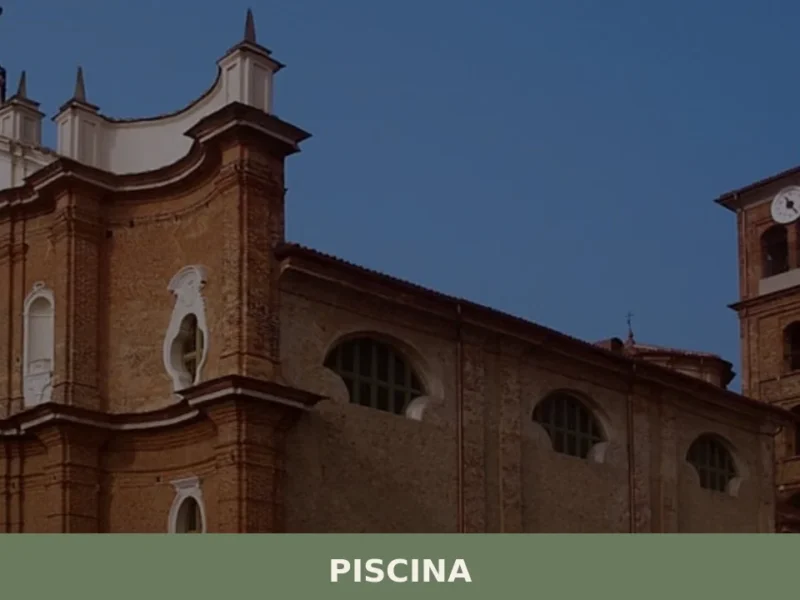
Piscina
Plains
Scopri Piscina borgo Piemonte: storia, tradizioni e attrazioni di questo affascinante comune piemontese tutto da esplorare.
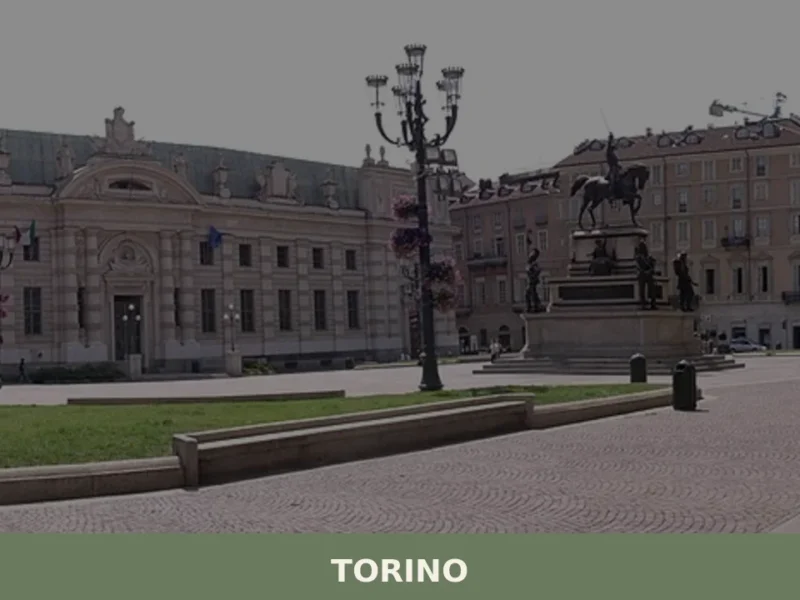
Torino
Hills
What to see in Torino: the city at 239m altitude with 841,600 residents. Explore 5 key attractions and Piedmontese cuisine. Read the full guide now.


🏡 Know Foglizzo better than we do?
If you’re a local or have been there, your knowledge matters: add what’s missing or fix a detail on this page.