


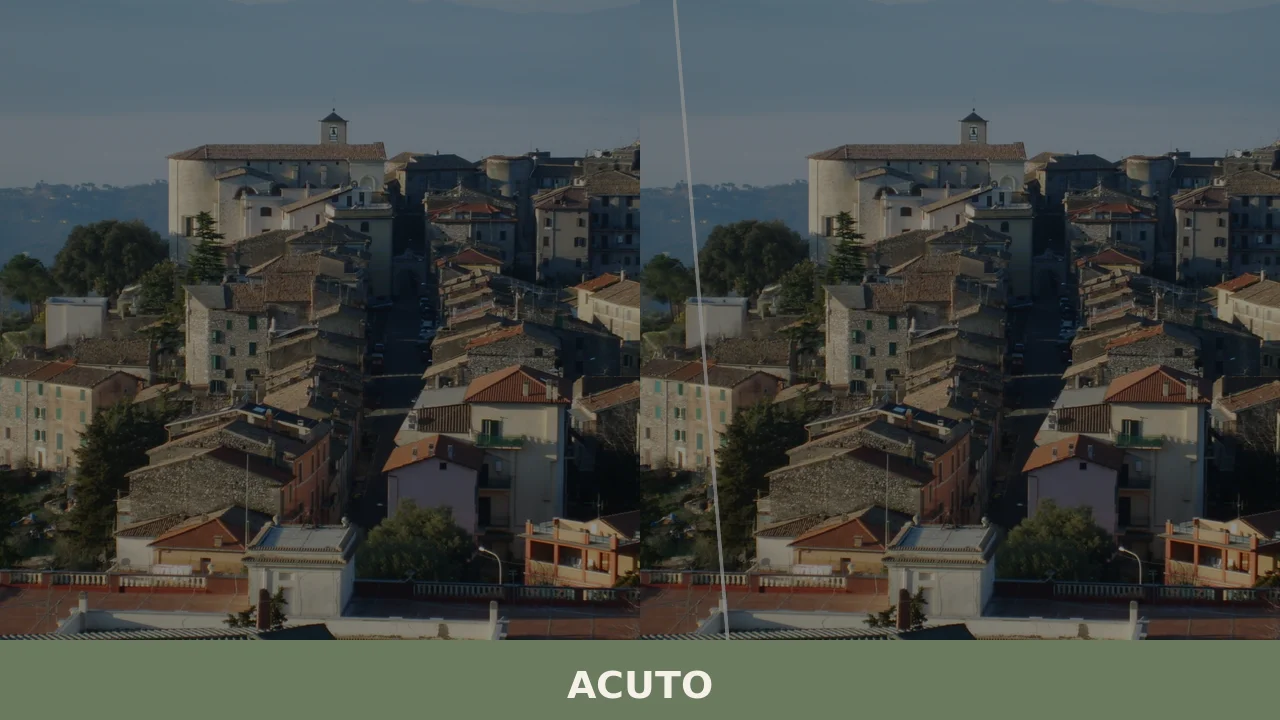
Acuto
 Mountain
What to see in Acuto, Lazio, Italy: explore a hilltop village at 680 m with the birthplace of a Catholic founder and Monti Ernici views. Discover it all here.
Discover Acuto
A ridge of the Monti Ernici carries the houses of Acuto at roughly 680 m (2,231 ft) above sea level, the stone profiles of its older buildings facing east toward Frosinone across a landscape of upland pasture and forest.
The village sits between Anagni, Ferentino, Fiuggi, and Piglio — four municipalities whose limits press in on all sides — giving the settlement a precise geographic identity that is easier to read on a topographic map than from any single vantage point.
With 1,937 inhabitants, it is not a large place, but its ridge position means the horizon is always wide and the air, even in July, carries altitude.
For visitors planning a trip through central Lazio, knowing what to see in Acuto means understanding a village shaped by two realities: its physical position on a high spine of limestone and volcanic rock, and a documented history that produced at least one figure of international religious significance.
Acuto, Lazio, Italy sits roughly 60 km (37 mi) east of Rome and 20 km (12 mi) northwest of Frosinone, making it a realistic destination for a day trip from the capital.
The Acuto highlights include its connection to the founder of a worldwide Catholic congregation, its medieval urban fabric along the ridge, and the landscape of the Monti Ernici that frames every view from the village streets.
History of Acuto
The name Acuto derives from the Latin acutus, meaning sharp or pointed, a direct reference to the elongated ridge on which the settlement stands. In the local dialect the village is called Aùto, a phonetic compression that drops the hard consonant but preserves the vowel structure.
This kind of toponym — derived from the physical form of the land rather than from a founder or a saint — is consistent with medieval settlement patterns across the Lazio uplands, where communities formed along defensible ridgelines during periods of repeated territorial conflict between papal, Norman, and local baronial powers.
The Province of Frosinone, within which Acuto falls, encompasses the historical territory known as Ciociaria, a zone whose boundaries were repeatedly contested during the medieval period.
Acuto’s position on the Monti Ernici ridge placed it within reach of Anagni, a city of considerable ecclesiastical importance as the birthplace of several popes and the site of a dramatic confrontation between Pope Boniface VIII and the agents of Philip IV of France in 1303.
The village’s proximity to Anagni almost certainly drew it into the orbit of Anagni’s political and religious influence during the high medieval period, though the specific administrative history of Acuto itself tracks through the gradual consolidation of the Papal States and later the unified Italian state after 1861.
The most internationally documented event in Acuto’s history is the founding, in the village itself, of the Adorers of the Blood of Christ — a Catholic religious congregation established by Maria De Mattias, who was born in Acuto in 1805.
De Mattias founded the congregation in 1834 and was later canonised as Saint Maria De Mattias, a process that placed Acuto on the map of Catholic pilgrimage destinations in the Lazio region.
The village also gave birth to Umberto Guidoni, a physicist and astronaut who became a member of the European Parliament, representing one of the more unusual intersections of a small upland municipality with international public life.
These two figures — a 19th-century religious founder and a late 20th-century astronaut-turned-politician — frame the village’s documented contribution to broader Italian and international history.
What to see in Acuto, Lazio: top attractions
The Birthplace of Saint Maria De Mattias
The house associated with the birth of Maria De Mattias in 1805 stands within the old fabric of the village and represents the most documented point of historical interest in Acuto for visitors arriving with a specific cultural or religious purpose.
De Mattias founded the Adorers of the Blood of Christ in 1834, a congregation that now operates across multiple continents, and her canonisation by the Catholic Church gave the site a significance that extends well beyond the Province of Frosinone.
Standing at the address, visitors see a building type typical of the Monti Ernici uplands: thick load-bearing walls, small window openings designed to manage the cold at altitude, and stonework that reflects local quarrying traditions.
The site draws pilgrims throughout the year, with visits concentrated in spring and late summer.
The Historic Ridge Settlement and Medieval Urban Fabric
The elongated plan of Acuto follows the line of the Monti Ernici ridge, and walking the length of the old settlement from one end to the other covers a distance of several hundred metres at a consistent elevation of approximately 680 m (2,231 ft).
The arrangement of buildings along this spine — with streets that drop steeply on both flanks — is characteristic of defensive medieval planning in the Lazio uplands, where controlling the high ground was a practical priority.
Stone facades in the older sections of the village show courses of local limestone laid without mortar ornamentation, a construction method that gives the walls a texture noticeably different from the tufa-block villages of the Tuscia region to the north.
The best time to walk the ridge is morning, when low-angle light defines the surface of the stonework and the views toward Frosinone are unobstructed by haze.
Views over the Monti Ernici and Surrounding Municipalities
From several points along the upper section of the village, the line of sight extends across the territories of four bordering municipalities: Anagni, Ferentino, Fiuggi, and Piglio.
The elevation of 680 m (2,231 ft) is sufficient to place the observer above the tree canopy of the lower slopes and to reveal the geometry of the valleys below, including the agricultural land between Acuto and Ferentino to the south.
Fiuggi, the spa town known for its mineral water springs, lies within direct visual range to the northeast. This panoramic quality is not incidental — the ridge position that made Acuto a defensible medieval site now functions as its most immediate geographic offering to the visitor.
Clear days in autumn, when atmospheric humidity drops across the Apennine foothills, produce the longest visible distances.
The Church of Acuto
The parish church of Acuto occupies a position consistent with its role as the civic and spiritual centre of a ridge-top settlement, with a facade orientation and massing that close the end of the main street in a manner typical of Lazio hill-village planning.
The interior follows the single-nave format common in smaller Ciociaria communities, with lateral chapels added during the 17th and 18th centuries as confraternities accumulated the resources to commission them.
Local devotion to Saint Maria De Mattias, who was born in the village in 1805, means the church functions not only as a parish space but as a point of convergence for visitors and pilgrims connected to the Adorers of the Blood of Christ congregation she founded.
Visiting during a weekday morning gives access to the interior without the compressed schedules of Sunday liturgical services.
The Surrounding Landscape of the Monti Ernici
The Monti Ernici ridge that carries Acuto extends for several kilometres in both directions, and the footpaths descending from the village into the surrounding territory cover terrain that changes from open ridge-top pasture to dense mixed woodland within a vertical drop of 200 m (656 ft).
The proximity of Fiuggi — the spa municipality to the northeast — means that the broader area around Acuto intersects with a landscape that has been documented for its mineral water sources since at least the medieval period.
For those exploring the Monti Ernici on foot, Acuto serves as a fixed reference point at altitude, with the road network connecting it to the SS155 state road that links Anagni and Frosinone.
Paths are uneven and require appropriate footwear; the terrain is not suitable for pushchairs or wheeled mobility aids.
Local food and typical products of Acuto
The food culture of Acuto belongs to the broader gastronomic tradition of the Ciociaria — the historical subregion covering much of the Province of Frosinone and parts of the neighbouring provinces of Rome and Latina.
This is an upland cuisine shaped by altitude, seasonal isolation, and the pastoral economy that characterised the Monti Ernici zone for centuries.
Grain, legumes, preserved pork, sheep’s milk cheese, and foraged vegetables formed the structural base of the local diet, and these ingredients remain present in the cooking of the restaurants and domestic kitchens of the area today.
The proximity of Fiuggi, a town with a longer tradition of receiving external visitors due to its thermal waters, means that the immediate area around Acuto has some exposure to a slightly broader culinary offer than many equivalent upland villages.
Among the dishes associated with the Ciociaria tradition, pasta e fagioli — a dense soup of egg pasta and dried borlotti beans, finished with local olive oil and sometimes enriched with pork rind — appears consistently across the household cooking of the Frosinone uplands.
Agnello alla cacciatora, a slow-cooked lamb preparation using white wine, rosemary, and garlic, reflects the pastoral economy of the Monti Ernici and is a fixture of festive meals in the area.
Polenta, made from stone-ground maize and served with braised pork or wild mushroom sauce, has historical roots in the subsistence diet of upland Lazio and remains a cold-season staple.
These dishes use techniques that prioritise long, low-heat cooking — braises, soups, and oven-finished preparations — suited to kitchens that historically relied on wood-burning hearths.
No certified PDO or PGI products are documented specifically for Acuto in the available sources. The broader Frosinone province does participate in the production of Pecorino cheese from sheep’s milk, a product widespread across the Apennine uplands of central Italy, though specific certification boundaries for varieties produced in the immediate Acuto area are not confirmed in the available data.
Visitors interested in local dairy products are best directed to markets and small producers in Anagni and Ferentino, the two largest neighbouring municipalities, where the supply of locally made cheeses and cured meats is better documented.
Locally produced goods are most reliably available at the periodic village market and during the summer months, when the population in the Monti Ernici villages increases with returning residents and visitors from Rome and Frosinone.
Carrying cash is practical for smaller purchases at village stalls, as card payment infrastructure in smaller outlets across the Province of Frosinone is variable.
English is not widely spoken in village shops; basic Italian or a translation application on a phone is a useful practical tool.
Festivals, events and traditions of Acuto
The most documented point of convergence between Acuto’s community calendar and the wider Catholic world is the veneration of Saint Maria De Mattias, the village-born founder of the Adorers of the Blood of Christ.
Her feast day on 20 August draws members of the congregation and pilgrims connected to the religious community she established in 1834, and the occasion is marked in the parish church with formal liturgical celebration.
The broader tradition of the sagra — a food-centred community festival tied to a local agricultural product or seasonal event — is common across the Ciociaria, and villages in the Frosinone uplands typically hold their major outdoor events between June and September, when the altitude makes the climate workable for evening gatherings.
Summer is also the period when the village’s expatriate population — residents who have moved to Rome, Frosinone, or further afield — returns for extended visits, and this concentration of people in July and August generates an informal social calendar of outdoor events, music performances in the piazza, and communal meals.
These are not formally documented tourist events with fixed international-facing programmes, but they give the village a noticeably different rhythm in high summer compared to the quieter months of March and April.
For visitors interested in the religious calendar specifically, the days around 20 August represent the most concentrated period of organised activity in Acuto.
When to visit Acuto, Italy and how to get there
The best period to visit Acuto is late spring, specifically May and June, and early autumn in September and October. At 680 m (2,231 ft), the village avoids the oppressive heat that affects Rome and the Lazio coastal plain during July and August, making it a functional destination for those who want to explore central Lazio during summer without the thermal discomfort of lower-altitude sites.
September combines mild temperatures with clear air and reduced tourist pressure across the Monti Ernici, while May offers the full green of the upland landscape before the dry season sets in. Winter visits are possible but the village is quiet and some local businesses operate reduced hours between November and March.
Getting to Acuto by car from Rome takes approximately one hour via the A1 motorway (Autostrada del Sole), exiting at Anagni-Fiuggi and then following the SS155 state road toward Fiuggi before turning onto the provincial road that climbs to the village.
The distance from Rome is approximately 60 km (37 mi).
From Frosinone, the journey covers roughly 20 km (12 mi) and takes around 25 minutes by car via the provincial road network. The nearest major railway station is Frosinone, served by Trenitalia regional services from Roma Termini; from Frosinone station, onward travel to Acuto requires a car or local bus connection, as the village is not served by a direct rail link. The nearest international airport is Rome Fiumicino Leonardo da Vinci, approximately 100 km (62 mi) from Acuto, with a transfer time of roughly 90 minutes by car under normal traffic conditions.
For those planning a day trip from Rome, Acuto is a realistic single-day destination: the drive of 60 km (37 mi) allows for a late-morning departure, several hours in the village and surrounding landscape, and a return to Rome before evening.
Combining Acuto with a stop in Anagni — 15 km (9.3 mi) to the west, and significantly larger, with a documented Romanesque cathedral — makes geographical sense and adds archaeological and architectural depth to the itinerary.
International visitors should carry some euro cash, as smaller establishments in upland Frosinone villages do not always accept card payments. English-language assistance in shops and cafes is limited; basic Italian phrases or a translation application will make practical interactions easier.
Visitors extending their time in the Lazio uplands might consider a stop at Borgo Velino, a village in the Rieti province that shares the upland Apennine character of the Monti Ernici zone, or explore Colle di Tora, situated above the Turano reservoir in northern Lazio and reachable as part of a broader circuit through the region’s interior.
Both villages sit within the same broad landscape category as Acuto — small ridge-top or hillside settlements at altitude in central Lazio — and together they allow a coherent reading of how the Apennine foothills of the region have been inhabited from the medieval period to the present.
Villa San Giovanni in Tuscia, in the volcanic Tuscia area northwest of Rome, represents a contrasting landscape — tufa rather than limestone, Etruscan rather than medieval Roman in its earliest layers — and pairs usefully with an Acuto visit for travellers wanting to understand the geographic diversity of Lazio’s interior villages.
Frequently asked questions about Acuto
What is the best time to visit Acuto?
Autumn is the finest season for Acuto: clear skies after September deliver the longest panoramic views across the Monti Ernici and toward Frosinone, while temperatures at 724 m remain comfortable for walking the ridge. Late summer is marked by the feast of the patron saint San Maurizio on 22 September, the most significant local celebration of the year. Spring is also pleasant, with mild temperatures and wildflowers on the upland pastures. July and August are warm but rarely oppressive at altitude, and pilgrim visits to the birthplace of Saint Maria De Mattias peak in spring and late summer.
What are the historical origins of Acuto?
The name Acuto derives from the Latin acutus, meaning sharp or pointed, referring directly to the elongated limestone ridge on which the village stands. In local dialect it is called Aùto. The settlement developed during the medieval period along a defensible ridgeline in the territory of Ciociaria, within the historical sphere of influence of Anagni — a city of major papal significance just a few kilometres away. The village entered international Catholic history in 1805 with the birth of Maria De Mattias, who founded the Adorers of the Blood of Christ in 1834 and was later canonised.
What to see in Acuto? Main monuments and landmarks
The primary site is the birthplace of Saint Maria De Mattias (born 1805), founder of the Adorers of the Blood of Christ, which attracts Catholic pilgrims year-round. The parish church at the top of the main street functions both as a place of worship and a pilgrimage reference point connected to De Mattias. Walking the full length of the medieval ridge settlement reveals well-preserved limestone facades and the characteristic steeply dropping side streets of Lazio hill-village planning. No admission fee is required to walk the village; check locally for church opening times before visiting.
What are the main natural or scenic attractions of Acuto?
Acuto sits on the Monti Ernici ridge at 724 m, offering open views across the territories of four neighbouring municipalities: Anagni, Ferentino, Fiuggi, and Piglio. Footpaths from the village descend through upland pasture into dense mixed woodland within a vertical drop of around 200 m. The terrain is uneven and requires appropriate walking footwear; it is not suitable for pushchairs or wheeled mobility aids. The nearby spa town of Fiuggi lies within direct visual range to the northeast, and the SS155 state road connecting Anagni and Frosinone provides access to the broader Monti Ernici landscape.
Where to take the best photos in Acuto?
The upper section of the village ridge offers the clearest sightlines across the Monti Ernici toward Frosinone to the east and toward Fiuggi to the northeast. Morning light is recommended: low-angle sun in the early hours defines the texture of the local limestone stonework along the older street facades. Autumn days with low atmospheric humidity produce the greatest visible distances across the Apennine foothills. The steep side streets dropping from the main ridge also provide compressed perspectives typical of medieval Lazio hill villages and are well suited to architectural photography.
What can you do in Acuto? Activities and experiences
Visitors can walk the length of the medieval ridge settlement, follow footpaths into the surrounding Monti Ernici landscape, and make a pilgrimage visit to the birthplace of Saint Maria De Mattias. The feast of San Maurizio on 22 September is the main annual village event. The proximity of Fiuggi — a documented spa and mineral water town — means a combined itinerary covering both Acuto and Fiuggi in a single day is practical. The area is also suitable for food-focused visits centred on Ciociaria cuisine, including local lamb dishes and legume-based pasta typical of the Frosinone uplands.
Who is Acuto suitable for?
Acuto suits Catholic pilgrims tracing the life of Saint Maria De Mattias, founder of the Adorers of the Blood of Christ and a canonised saint born here in 1805. It appeals to walkers and hikers seeking uncrowded Apennine ridge terrain at altitude with panoramic views. History and architecture enthusiasts interested in medieval Lazio hill-village planning will find the ridge settlement well preserved. Couples and independent travellers looking for an authentic, uncommercialized village within day-trip distance of Rome (approximately 60 km) will find it a rewarding stop. It is less suited to families with very young children due to steep, uneven streets.
What to eat in Acuto? Local products and specialties
Acuto's food culture belongs to the Ciociaria tradition of the Province of Frosinone. Key dishes include pasta e fagioli — a thick egg-pasta and borlotti bean soup finished with local olive oil, sometimes enriched with pork rind — and agnello alla cacciatora, a slow-cooked lamb with white wine, rosemary, and garlic that reflects the pastoral economy of the Monti Ernici. Sheep's milk cheeses, preserved pork products, and foraged vegetables are structural elements of the local diet. Polenta also features in the upland cooking of the area. Local olive oil from the broader Ciociaria zone completes the flavour profile.
Nearby Villages near Acuto

In Lazio More villages to discover
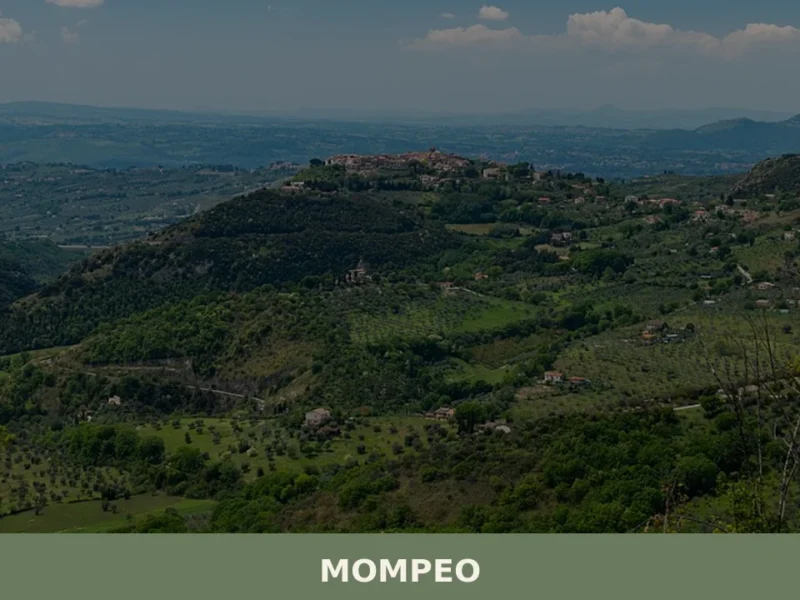
Mompeo
 Hills
Hills
Discover Mompeo, a charming village in Lazio, Italy. Explore its rich history, stunning landscapes, and authentic Italian culture off the beaten path.
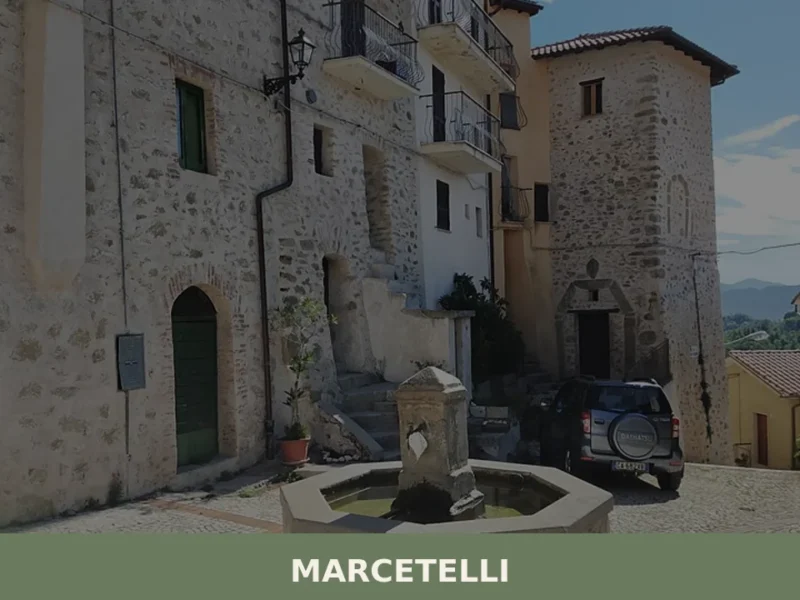
Marcetelli
 Lake
Mountain
Lake
Mountain
What to see in Marcetelli, a village at 930m in Rieti province with 82 residents. Explore Lago del Salto, the Church of San Venanzio and PAT-certified Guanciale amatriciano. Plan your visit now.
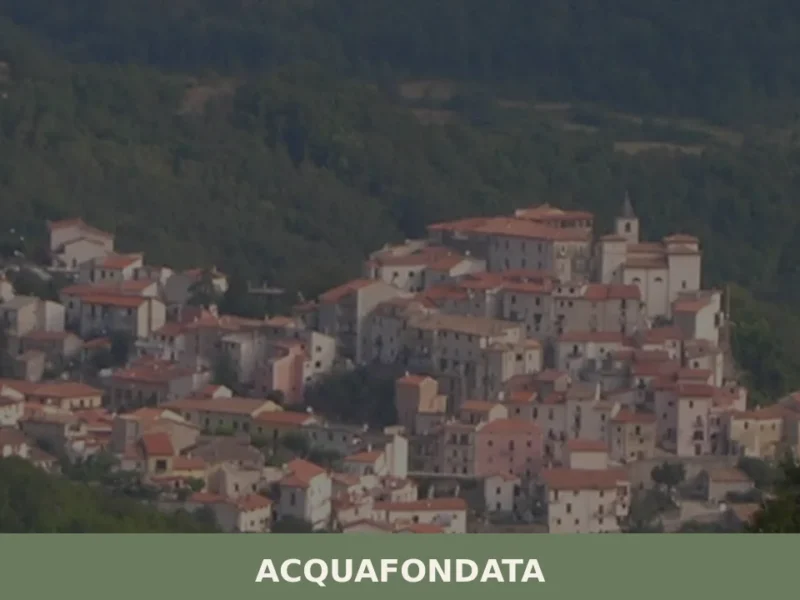
Acquafondata
Mountain
What to see in Acquafondata: discover 5 attractions in this Lazio village, from historic churches to views over the Aurunci Mountains. Plan your visit.
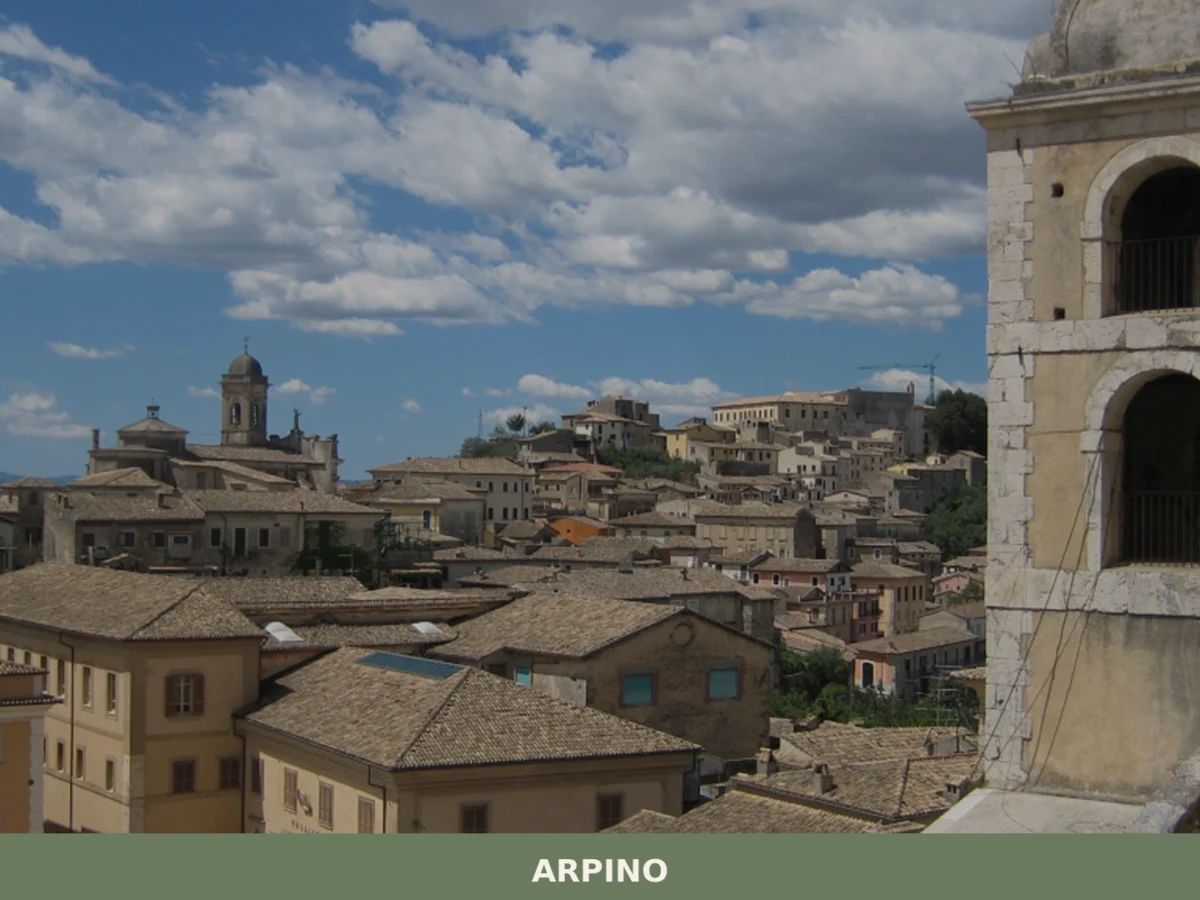
Arpino
Hills
What to see in Arpino, Lazio, Italy: polygonal walls, Cicero's birthplace, and Roman history 100 km from Rome. Discover the top attractions and how to get there.
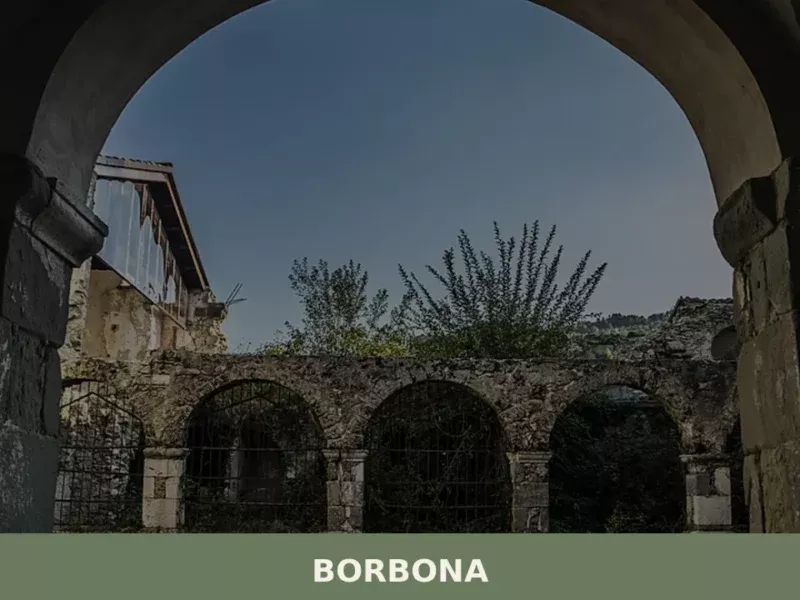
Borbona
Mountain
What to see in Borbona: a mountain village at 760m in the province of Rieti with 643 residents. Discover the stone historic centre, 3 PAT products, and the 27 May patron feast.
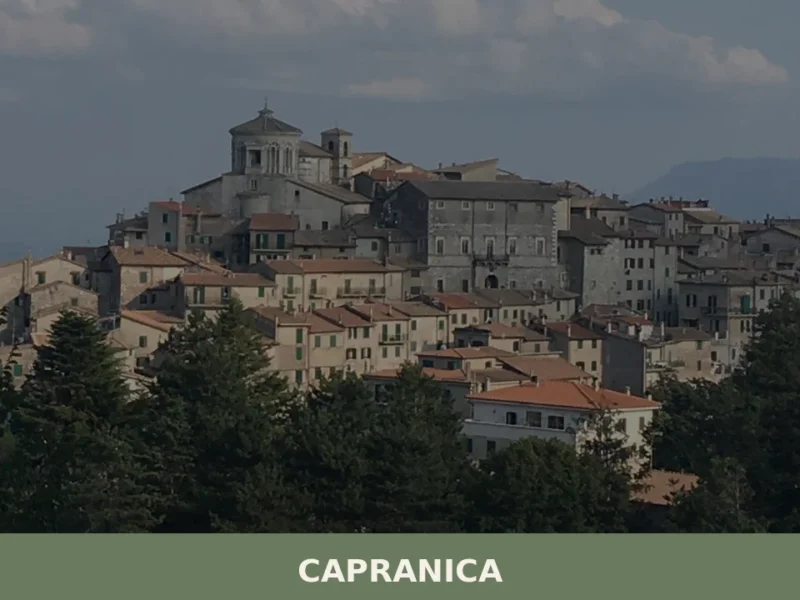
Capranica
Hills
Capranica, a Lazio village between history and nature: discover what to see, how to get there and the top places to visit. Plan your trip with this guide.
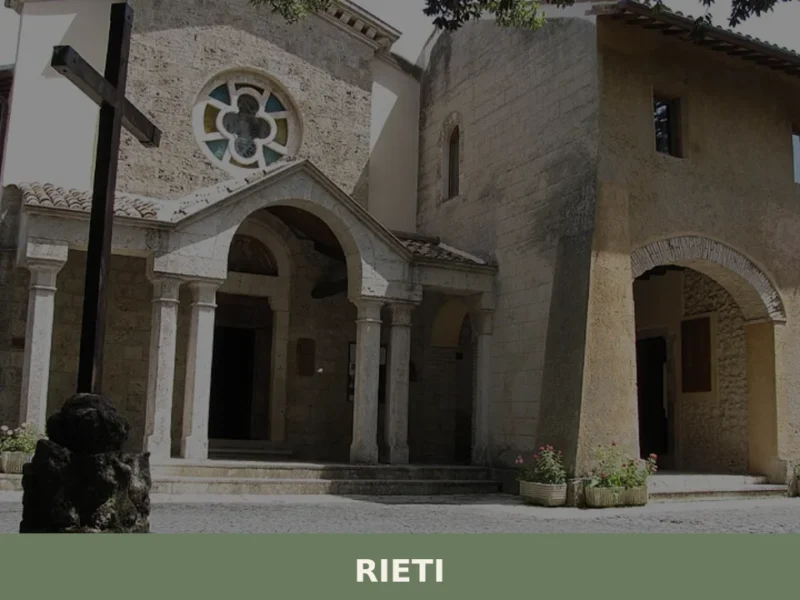
Rieti
Hills
What to see in Rieti: from the medieval walls to the Cathedral, discover the top 5 attractions. Complete guide to visiting Rieti in one day.
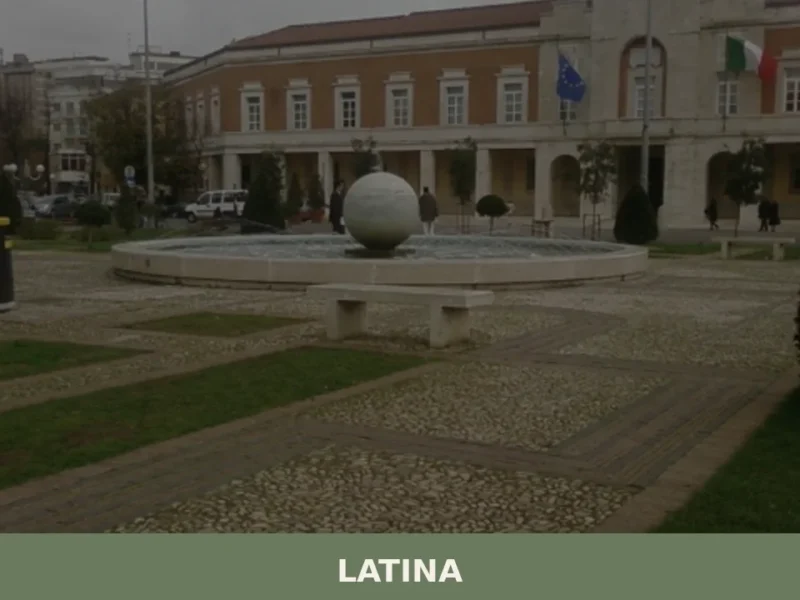
Latina
 Sea
Sea
What to see in Latina: discover the 5 top attractions in this Lazio village, from monuments to the historic centre. Plan your visit with this guide.
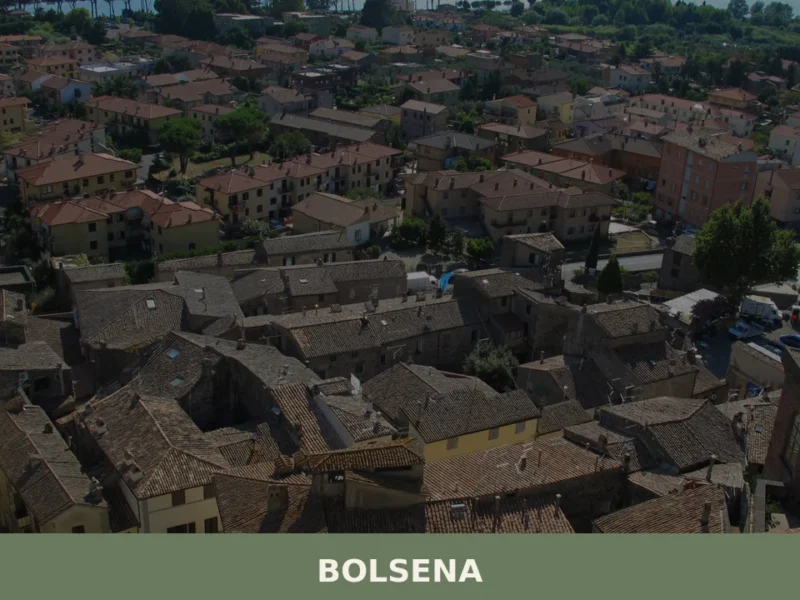
Bolsena
Hills
Lake
What to see in Bolsena, Lazio, Italy: the 1263 Eucharistic Miracle, Basilica of Santa Cristina, Lake Bolsena at 350 m. Discover history, food and how to get there.
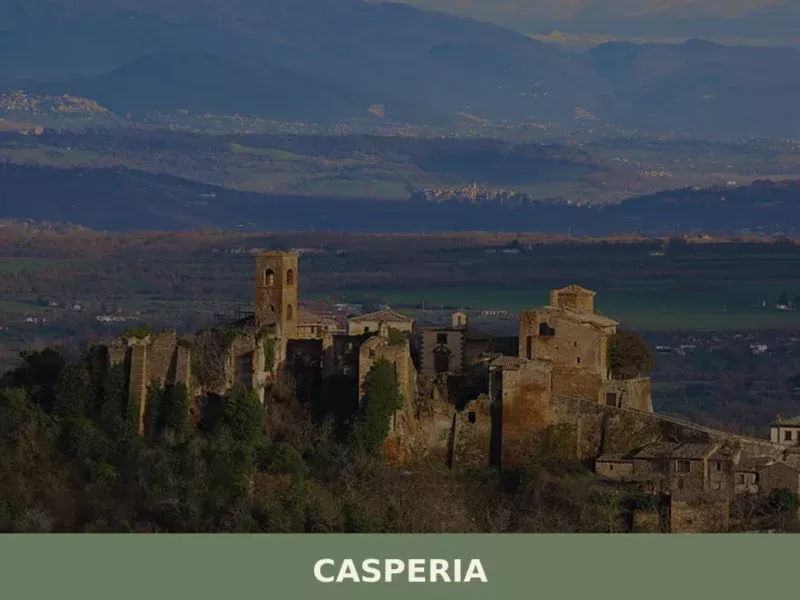
Casperia
Hills
What to see in Casperia, a hilltop village at 397 m in Rieti province: medieval centre, 3 PAT-certified products including guanciale. Plan your visit and where to stay.





🏡 Know Acuto better than we do?
If you’re a local or have been there, your knowledge matters: add what’s missing or fix a detail on this page.