


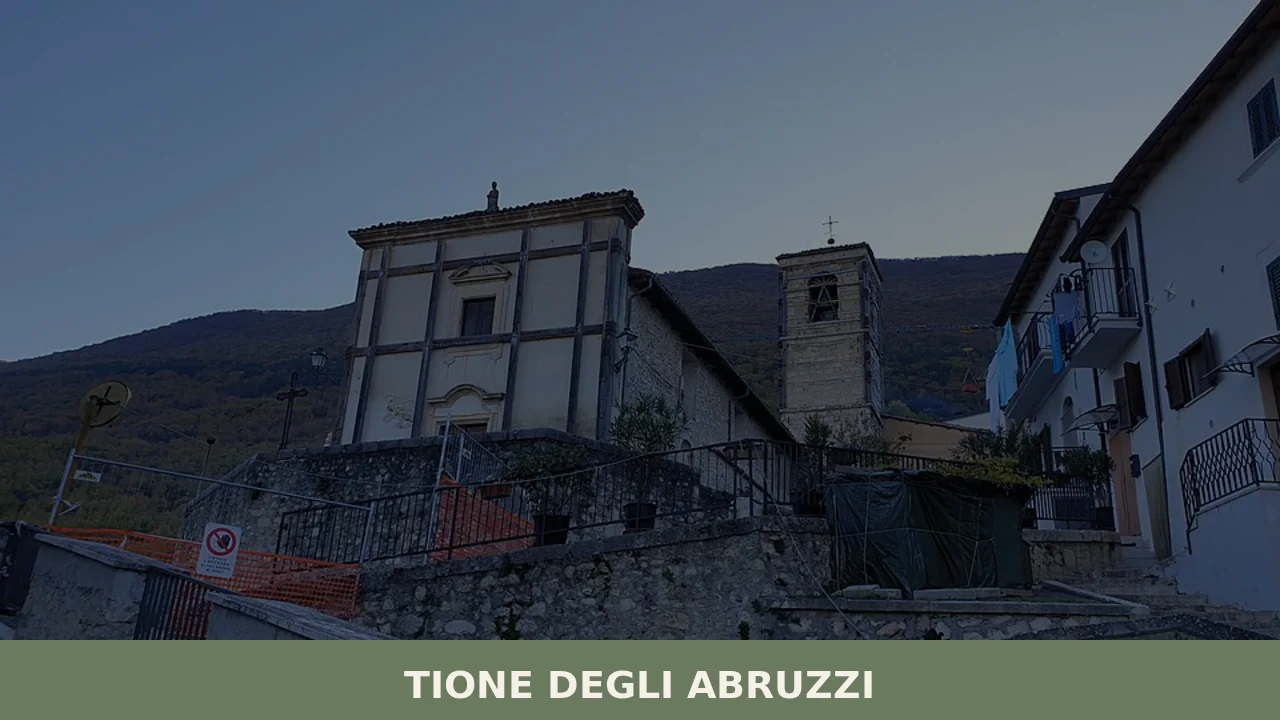
Tione degli Abruzzi
 Mountain
What to see in Tione degli Abruzzi, Italy includes its 322 inhabitants and railway connection. Discover the village and its Abruzzese culture. Explore this L’Aquila comune.
Discover Tione degli Abruzzi
The quiet rhythm of life in a small Italian village offers a distinct experience for visitors seeking a different pace. With a recorded population of just 322 inhabitants, Tione degli Abruzzi presents itself as one such settlement, a comune nestled within the mountainous heartland of the Abruzzo region.
This small community, known locally as U Tionë in the Abruzzese dialect, maintains its connection to the regional landscape and traditions.
For those planning what to see in Tione degli Abruzzi, the village offers a unique perspective on life in the L’Aquila province.
Visitors to Tione degli Abruzzi can explore its compact residential areas and observe the daily routines of a community shaped by its environment. The highlights of Tione degli Abruzzi include its role as a regional transport hub via the Terni–Sulmona railway line, providing convenient access to other significant towns like L’Aquila and Sulmona.
History of Tione degli Abruzzi
As a comune within the province of L’Aquila, Tione degli Abruzzi holds an administrative identity that reflects centuries of regional organization in Italy.
While specific founding dates or detailed historical chronicles for Tione degli Abruzzi are not available in the provided sources, its designation as U Tionë in the Abruzzese language points to a long-standing local identity.
This linguistic variation suggests a deep-rooted cultural heritage, common among communities in the Abruzzo region, where local dialects often preserve historical nuances and connections to the land.
The broader history of the Abruzzo region itself often involves pastoralism, agriculture, and resilience in the face of natural challenges, shaping the character of its many small settlements.
Tione degli Abruzzi, by virtue of its location in this mountainous territory, would have historically been influenced by these overarching economic and social patterns. The development of such villages typically involved the establishment of residential clusters around central points, supporting a community that relied on its immediate surroundings for sustenance and livelihood.
A notable aspect of Tione degli Abruzzi’s modern history, as confirmed by available data, is its integration into the regional transport network through the Terni–Sulmona railway. This connection facilitated movement for residents and goods, linking the village to larger urban centers like L’Aquila and Sulmona.
The presence of a railway stop indicates a period of infrastructure development that brought Tione degli Abruzzi into closer contact with broader regional developments, offering opportunities for trade and communication that were vital for its continued existence as a distinct community.
What to see in Tione degli Abruzzi, Abruzzo: top attractions
The Village Centre of Tione degli Abruzzi
The core of Tione degli Abruzzi, a compact settlement with 322 inhabitants, provides a direct experience of a traditional Abruzzese comune.
Visitors can observe the layout of residential structures, typically built from local materials, which line the narrow streets and small squares. This arrangement reflects centuries of communal living and a practical approach to construction in a mountainous environment, where space and resources were often managed efficiently. The absence of grand monuments allows for an appreciation of the everyday architecture and the quiet life of the community.
Terni–Sulmona Railway Stop
A functional and historical point of interest, the Tione degli Abruzzi stop on the Terni–Sulmona railway line serves as a crucial link for the village.
The platform and station building, while modest, represent a significant piece of regional infrastructure that dates back to the late 19th or early 20th century, providing vital connectivity for over a century. This railway allows for direct travel to L’Aquila, the provincial capital, and Sulmona, another important Abruzzese town, facilitating both local commerce and passenger movement.
For those interested in regional transport history, observing the trains pass or arrive offers a tangible connection to the past.
Abruzzese Linguistic Heritage
The local designation of the village as U Tionë highlights the enduring presence of the Abruzzese dialect, a significant cultural marker for the region.
This linguistic variation, distinct from standard Italian, is a living testament to the area’s historical isolation and the strong community ties that have preserved local traditions over generations. Engaging with the local language, even through simple greetings or observing spoken interactions, offers a unique insight into the cultural fabric of Tione degli Abruzzi. This aspect of local identity provides a deeper understanding of the community’s heritage beyond its physical structures.
Views of the Abruzzo Landscape
While specific panoramic viewpoints within Tione degli Abruzzi are not detailed in the provided information, the village’s location in the Abruzzo region ensures a backdrop of compelling natural scenery. The mountainous terrain, characteristic of the L’Aquila province, typically features rolling hills, forested slopes, and distant peaks that define the horizon. This natural environment has shaped the lives and architecture of communities across the region for thousands of years.
Visitors can appreciate these broad vistas from various points around the village, offering a sense of the scale and natural beauty of central Italy.
Regional Exploration from Tione degli Abruzzi
Tione degli Abruzzi serves as a practical starting point for exploring the wider Abruzzo region, especially given its railway connection.
The ability to travel by train to centers like L’Aquila and Sulmona opens opportunities to visit their historical sites, local markets, and cultural events. This connectivity makes Tione degli Abruzzi a suitable base for those interested in day trips to surrounding areas, allowing for a broader understanding of the region’s diverse offerings. Many Abruzzese villages, such as Castelvecchio Subequo, share similar historical and geographical characteristics, making them worthwhile extensions to a visit.
Local food and typical products of Tione degli Abruzzi
While specific culinary traditions attributed directly to Tione degli Abruzzi are not detailed in the available sources, the village’s location within the Abruzzo region places it within a rich gastronomic landscape.
Abruzzese cuisine is generally characterized by its strong connection to the land, utilizing ingredients from both mountain and coastal areas, though Tione’s inland position would emphasize more rustic, pastoral influences. Traditional cooking often involves simple, robust flavors derived from sheep farming, wild herbs, and locally grown vegetables, reflecting centuries of self-sufficiency.
Typical dishes found across the Abruzzo region include hearty preparations that make use of readily available ingredients.
For instance, maccheroni alla chitarra, a square-cut pasta traditionally made with a specific instrument, often served with a rich lamb or mixed meat ragù, is a staple. Another example is Agnello alla brace, grilled lamb, which showcases the region’s strong tradition of sheep farming. These dishes embody the rural heritage and the importance of simple, high-quality ingredients in the regional diet, providing sustenance for communities like Tione degli Abruzzi.
The provided information does not specify any certified products or unique local specialties exclusive to Tione degli Abruzzi.
However, many products from the wider Abruzzo region hold protected designations, such as various cheeses, cured meats, and olive oils. These regional products, while not explicitly tied to Tione in the sources, reflect the quality and tradition of Abruzzese agriculture and craftsmanship. Visitors exploring the area might encounter these broader regional offerings in local markets or eateries in nearby towns, showcasing the collective culinary identity of the province of L’Aquila and the Abruzzo region.
Festivals, events and traditions of Tione degli Abruzzi
The available sources do not provide specific details regarding festivals, events, or unique traditions held within Tione degli Abruzzi.
However, it is a common characteristic of small Italian villages, particularly within the Abruzzo region, to celebrate religious holidays and local patron saints with annual festivals. These events typically involve processions, community gatherings, music, and often a sagra, a traditional local food festival, where residents and visitors can sample regional dishes.
Such gatherings serve as vital expressions of community identity and cultural continuity.
Without specific dates or descriptions for Tione degli Abruzzi, one can infer that any local celebrations would likely follow patterns observed in neighboring Abruzzese communities, possibly featuring traditional folk music or local craft displays. These events are crucial for social cohesion, bringing together the 322 inhabitants and any returning former residents. For those interested in experiencing the authentic rhythms of Italian village life, even without a specific festival, observing daily routines in a place like Tione degli Abruzzi can offer a quiet insight into local traditions and community spirit.
When to visit Tione degli Abruzzi, Italy and how to get there
The best time to visit Abruzzo, and consequently Tione degli Abruzzi, largely depends on the activities planned, though spring (April to June) and autumn (September to October) generally offer the most pleasant weather.
During these months, the climate is mild, ideal for exploring the village and its surrounding natural environment without the intense heat of summer or the chill of winter.
Summer (July and August) can be warm, but the higher altitude of many Abruzzese areas, including the L’Aquila province where Tione is located, often provides a welcome respite compared to coastal regions. Winter months (November to March) bring colder temperatures and potential for snow, appealing to those interested in winter landscapes, though some local services may be more limited.
For those considering what to see in Tione degli Abruzzi as part of a broader Italian journey, understanding accessibility is key. The village is directly connected by the Terni–Sulmona railway line, which provides regular train services to L’Aquila and Sulmona. This makes Tione degli Abruzzi readily accessible for visitors traveling by rail from other parts of Italy.
To check schedules and plan your journey, consult the official website of Trenitalia, Italy’s national railway company.
Travelers arriving by air would typically fly into a major regional airport, though specific distances and travel times from these airports to Tione degli Abruzzi are not available in the provided sources. From L’Aquila or Sulmona, local buses or taxis would be required to reach destinations not directly on the rail line, offering further exploration into the Abruzzese landscape.
When preparing for a visit to Tione degli Abruzzi, especially for international travelers, it is advisable to carry some Euros cash, as smaller shops and services in a village of 322 inhabitants may have limited card payment options. While Italian is the primary language, some English may be understood in tourist-oriented establishments in larger towns, but less so in smaller, more traditional communities.
Planning ahead for transportation from the nearest main railway stations will ensure a smoother arrival and departure experience.
Visitors to Tione degli Abruzzi seeking to extend their exploration of the Abruzzo region will find many other communities that share similar characteristics and offer further insights into local life.
For instance, a visit to Bolognano reveals another village deeply connected to the region’s agricultural past, while Cugnoli offers additional examples of traditional Abruzzese architecture. Similarly, Castilenti presents another unique community shaped by its historical context and the surrounding natural landscape.
Frequently asked questions about Tione degli Abruzzi
What is the best time to visit Tione degli Abruzzi?
The optimal times to visit Tione degli Abruzzi are spring (April to June) and autumn (September to October), when the mild climate is ideal for exploring the village and its natural surroundings. Summer (July and August) offers warmth with the benefit of higher altitude relief compared to coastal areas. While winter (November to March) brings colder temperatures and potential snow, appealing for winter landscapes, some local services might be more limited. Consider planning your visit around December 6th to potentially experience celebrations for the village's patron, San Nicola di Bari, adding a unique cultural dimension to your stay.
What to see in Tione degli Abruzzi? Main monuments and landmarks
Visitors to Tione degli Abruzzi can immerse themselves in the authentic atmosphere of its Village Centre, characterized by traditional residential structures, narrow streets, and small squares that showcase centuries of communal living and practical Abruzzese architecture. While grand monuments are absent, the charm lies in observing daily village life. Additionally, the Terni–Sulmona Railway Stop serves as a functional and historical landmark, representing a vital piece of regional infrastructure that has connected the village to larger centers like L'Aquila and Sulmona for over a century, offering a glimpse into regional transport history.
What can you do in Tione degli Abruzzi? Activities and experiences
In Tione degli Abruzzi, visitors can engage in quiet exploration of the compact village center, observing the daily routines and appreciating the traditional architecture shaped by its mountainous environment. A unique activity is to experience the Terni–Sulmona railway, observing trains pass or arrive, or using the line for regional exploration. Tione serves as an excellent base for day trips by train to larger Abruzzese towns such as L'Aquila, the provincial capital, and Sulmona, allowing for broader discovery of the region's historical sites and cultural offerings.
Who is Tione degli Abruzzi suitable for? Families, couples, hikers, solo travelers?
Tione degli Abruzzi is ideal for travelers seeking tranquility, an authentic Italian village experience, and a slower pace of life away from bustling tourist hubs. It appeals to solo travelers, couples, and families who appreciate observing local traditions and everyday architecture. Its mountainous backdrop and railway connectivity make it suitable for those interested in gentle exploration of the Abruzzo landscape and using the village as a strategic base for day trips to nearby historical towns like L'Aquila and Sulmona, offering a blend of quiet village charm and regional accessibility.
📷 Photo Gallery — Tione degli Abruzzi
Nearby Villages near Tione degli Abruzzi
In Abruzzo More villages to discover

Borrello
Mountain
At 804 metres above sea level, on the eastern slope of the Majella massif, 338 inhabitants watch over a settlement that in the eighteenth century counted more than two thousand residents. Anyone looking into what to see in Borrello will find a territory shaped more by geology than by human hands: the Cascate del Verde, […]

Montelapiano
Mountain
What to see in Montelapiano, a village of 75 inhabitants at 740 m above sea level. Discover the Church of San Bonifacio and the Colle Belvedere. Plan your visit to Abruzzo!
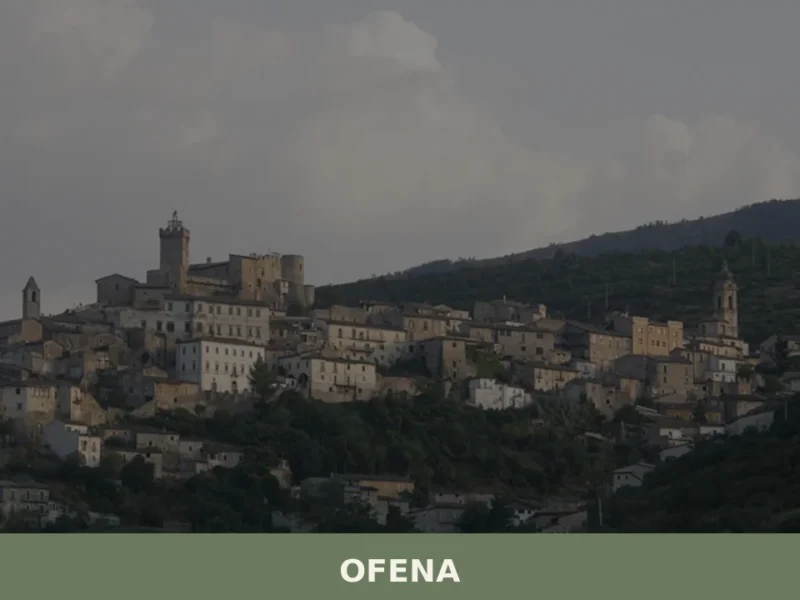
Ofena
Mountain
What to see in Ofena, Italy: Explore its historical significance as Aufinium and the Gran Sasso e Monti della Laga National Park. This village of 517 inhabitants offers a journey into Abruzzo's past. Read our guide.
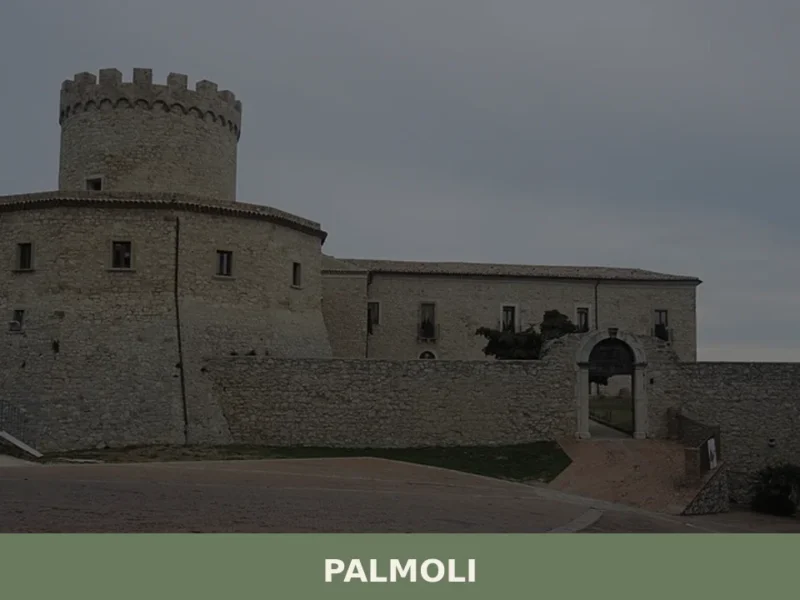
Palmoli
Mountain
What to see in Palmoli: explore the village at 727 meters above sea level. Discover the Marchesale Castle and the Church of San Valentino. Plan your visit today!
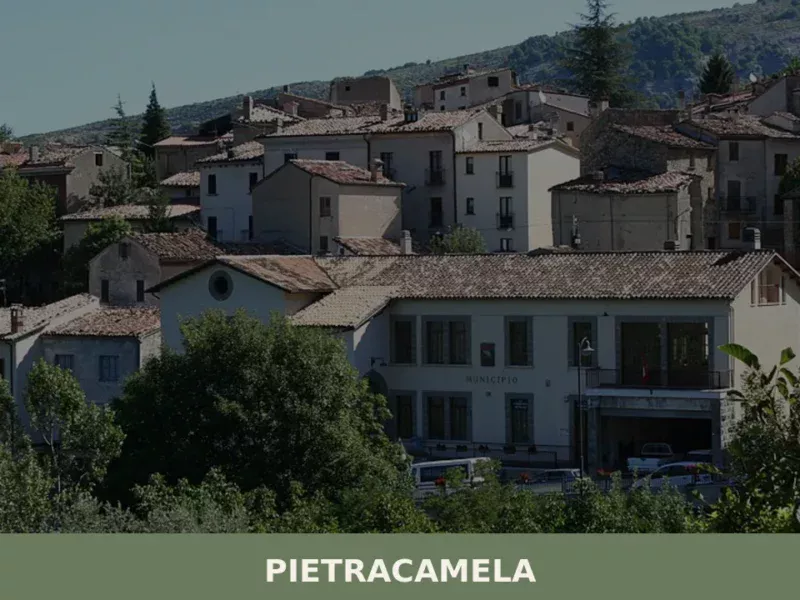
Pietracamela
Mountain
what to see in pietracamela, Italy. Discover its top attractions, events, and culinary delights. Explore attractions like Gran Sasso and experience local festivals. A complete guide to this Abruzzo gem.
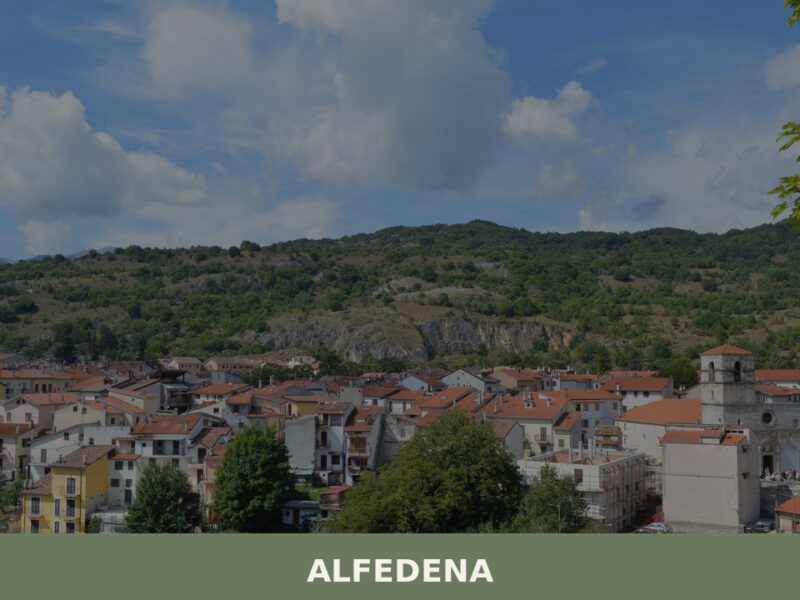
Alfedena
Mountain
Morning light falls across a line of limestone rooftops, turning them the colour of raw honey. A church bell marks the hour — its sound rolls downhill, across empty streets still cool from the night, and fades into the forested slopes of the upper Sangro valley. Alfedena sits at roughly 914 metres above sea level […]
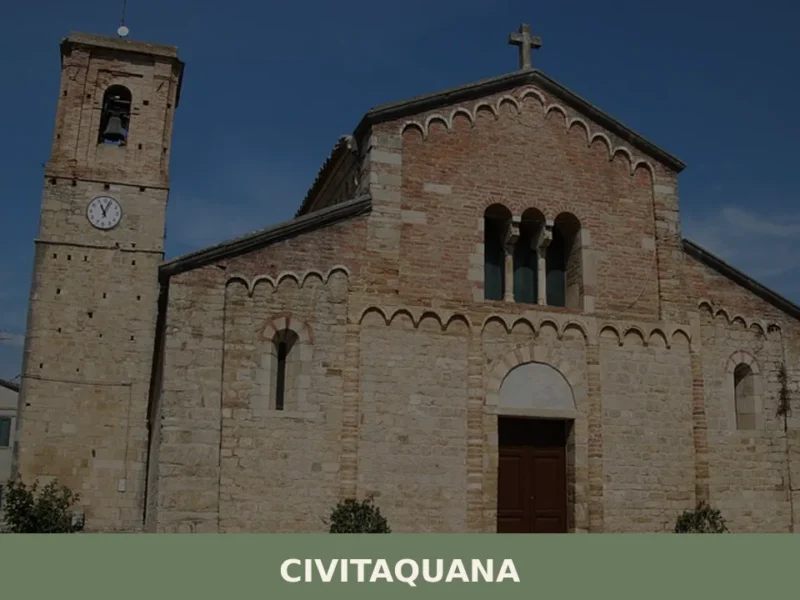
Civitaquana
 Hills
Hills
At 550 metres above sea level, on the eastern slope of the Gran Sasso descending towards the Pescara hills, Civitaquana is home to 1,146 inhabitants spread between the historic centre and the surrounding hamlets. The village’s very name — documented in medieval sources as Civitas Aquanae — reveals an origin linked to the presence of […]
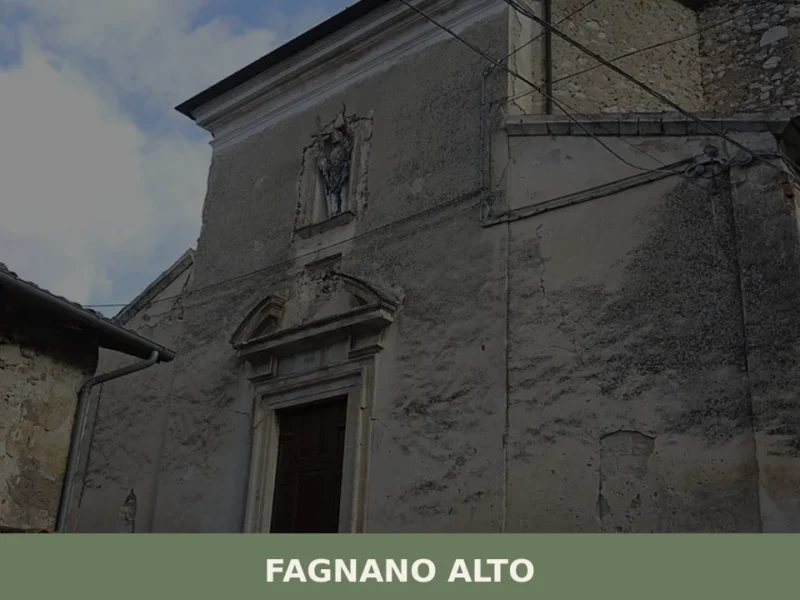
Fagnano Alto
Mountain
Fagnano Alto is not a single village but a scattered municipality: 363 inhabitants spread across twelve hamlets between 560 and 900 metres above sea level, on the eastern slope of the middle Aterno valley, in the province of L’Aquila. The administrative centre is Vallecupa, dedicated to San Donato, but each hamlet has its own patron […]

Arsita
Hills
Until 1905, this village was called Bacucco, a name likely derived from the Latin bacuca, which referred to olives that had fallen to the ground — a direct reference to the agricultural character of the area. Situated at 470 metres above sea level on the hills of the Teramo province, Arsita and its 733 inhabitants […]
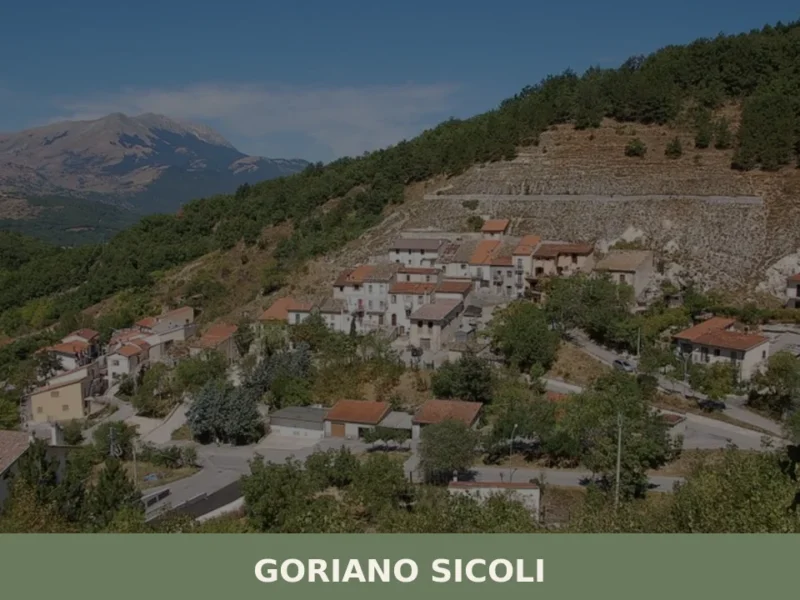
Goriano Sicoli
Mountain
At 720 metres above sea level, in the Valle Subequana along the course of the Aterno river, Goriano Sicoli has just 511 inhabitants today — less than a fifth of the population recorded in the 1901 census. The village, in the province of L’Aquila, owes the second part of its name to the Roman colony […]






🏡 Know Tione degli Abruzzi better than we do?
If you’re a local or have been there, your knowledge matters: add what’s missing or fix a detail on this page.