


Acquapendente
 Hills
Hills
What to see in Acquapendente, Lazio, Italy: cathedral dating to 1149, Monte Rufeno Reserve and local pottery. Population 5,619. Discover the full travel guide.
Discover Acquapendente
The Paglia river marks a boundary here. On one side lies Tuscany; on the other, the northernmost edge of Lazio.
Small waterfalls drop from the rock shelf above the old town, and it is those falls that gave the place its name — acqua pendente, meaning hanging water — first recorded in a document signed by Emperor Otto I in 964 AD.
The town stands at 420 m (1,378 ft), its medieval cathedral visible from the road long before the road arrives.
Deciding what to see in Acquapendente is easier than the town’s relative obscurity might suggest.
At 5,619 inhabitants and positioned in the province of Viterbo, Acquapendente, Lazio, Italy holds a 12th-century cathedral, a hilltop natural reserve with documented wildlife, a frazione listed among the most beautiful villages in Italy, and a pottery tradition that has run uninterrupted for generations.
Visitors to Acquapendente find a place that was once a papal administrative centre, a stop on the medieval pilgrim road, and the birthplace of a pioneering Renaissance anatomist.
History of Acquapendente
Archaeological finds confirm that the area was settled during the Etruscan period, well before Rome consolidated control over the region.
The earliest written record of a settlement on this site dates from the 9th century AD, when a town called Farisa or Arisa is documented along the Via Francigena, the pilgrim and merchant route running from Canterbury to Rome.
That road made Acquapendente a transit point of strategic importance for centuries, channelling movement between northern Europe and the papal capital.
The name Acquapendentem appears for the first time in 964, in a document issued by Emperor Otto I. In the early 14th century, Saint Roch made Acquapendente his first stop on Italian soil during his travels, reportedly spending several days at the local hospital treating plague victims.
The city subsequently formed part of the March of Tuscany and, between the late 14th and early 15th centuries, came under the authority of the commune — later Republic — of Siena.
In 1449 it was established as an independent centre within the Papal States, a status that gave it both administrative weight and ecclesiastical importance.
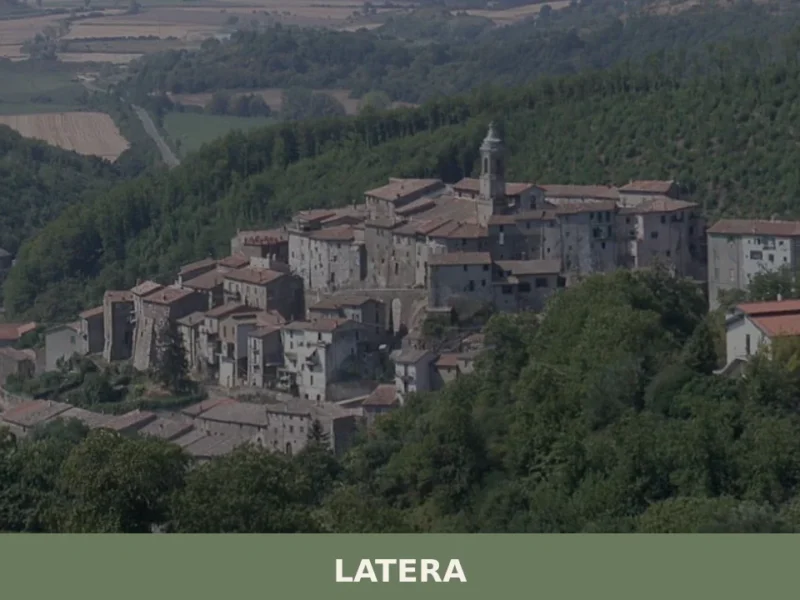
Villages across the same northern Lazio corridor, including Latera, a hilltown in the Viterbo area, share this layered Papal States heritage, which shaped settlement patterns and local governance across the whole zone.
After the complete destruction of Castro, Lazio in 1649, Acquapendente absorbed the defunct diocese of Castro and became the seat of a new, enlarged diocese.
That diocese functioned until 27 March 1986, when its territory was incorporated into the diocese of Viterbo.
The Catholic Church today lists Aquipendium — the Latin form of the name — as a titular see rather than a residential bishopric.
Among the notable figures born here, Hieronymus Fabricius (1537–1619) stands out: an anatomist and surgeon whose work on venous valves directly influenced William Harvey’s later description of blood circulation.
What to see in Acquapendente, Lazio: top attractions
Acquapendente Cathedral
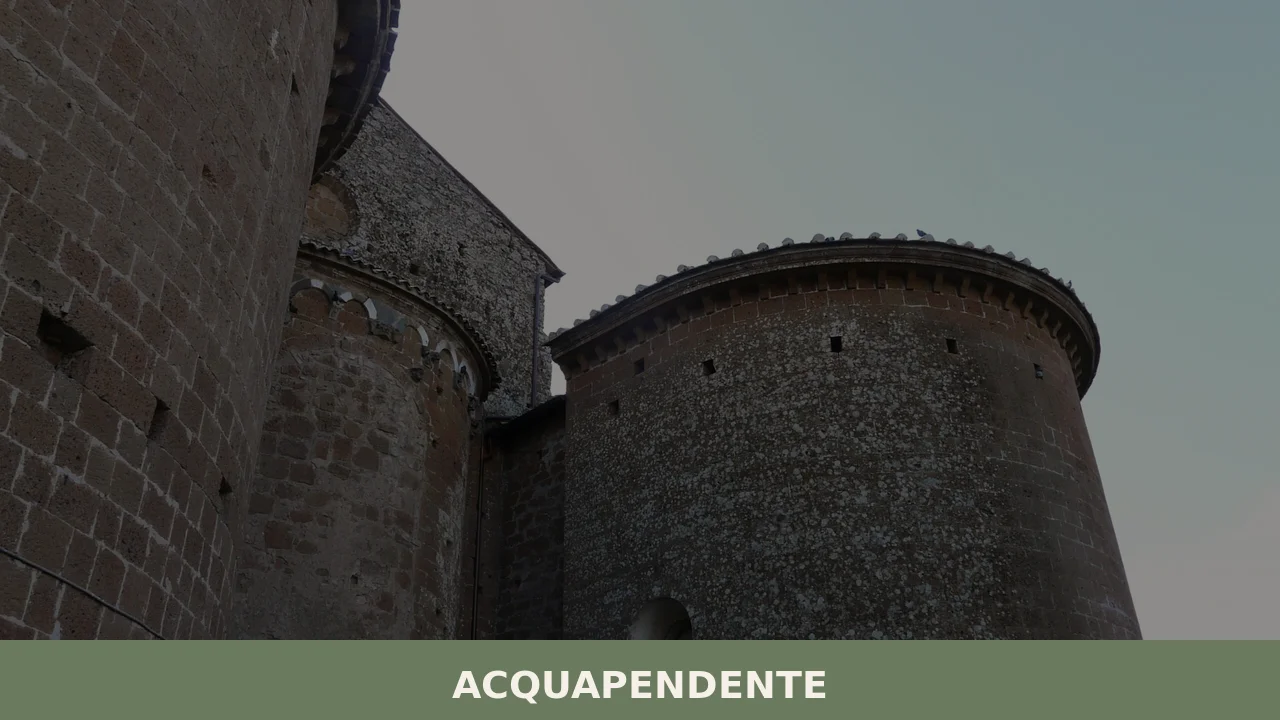
The cathedral’s foundations were laid in 1149, making it one of the oldest intact ecclesiastical structures in the province of Viterbo.
The building sits near the centre of the old town and its stonework reflects Romanesque construction methods common to this stretch of the Via Francigena.
Standing inside, the nave proportions and the low stone vaulting convey the structural logic of 12th-century sacred architecture without later Baroque overlays obscuring the original plan.
The cathedral is directly tied to the pilgrim road that passes through Acquapendente, and understanding that function — shelter and spiritual station for travellers coming from the north — makes the building’s plainness legible rather than austere.
It is accessible on foot from the main square and worth examining at close range for the quality of the cut stone.
Monte Rufeno Natural Reserve
The reserve begins 2 km (1.2 mi) north of the town centre, rising to an elevation of 748 m (2,454 ft) across a landscape of beech and oak woodland. Documented species within the reserve include wild boar, Eurasian eagle-owls, turtles and beech martens — a range that reflects the ecological continuity between the Apennine foothills and the volcanic plateau of northern Lazio.
The woodland is dense enough that light filters unevenly through the canopy, and the paths are well-defined but uneven underfoot, so walking boots are a practical necessity.
Spring, when the understorey is in leaf and bird activity peaks, and autumn, when the beech turns, are the two seasons that reward the most effort.
The reserve is managed as a protected natural area and provides marked trails of varying lengths.
Torre Alfina Castle and Village
The frazione of Torre Alfina, a dependency of Acquapendente municipality, holds a castle whose central tower — the cassero — was originally built by Desiderius, the Lombard king who ruled northern Italy in the 8th century.
The castle entered documented military history in 1527, when the Neapolitan condottiero Fabrizio Maramaldo seized it during the Sack of Rome — yet the garrison retained control of the cassero itself throughout the assault.
Torre Alfina is listed among I Borghi più belli d’Italia, the national register of Italy’s most historically significant small villages, a designation that reflects the integrity of its medieval street layout and stone architecture.
The village sits within easy reach of Acquapendente by car and makes a logical combined visit with the main town.
The Watch Tower and Imperial Castle Remains
The watch tower is what survives of the imperial castle that once controlled the high ground above the Paglia valley.
Its walls are constructed from the local stone typical of this volcanic zone, and the structure’s position on the ridge makes the defensive logic immediately clear — from the top, the approach roads from both the Tuscan and Umbrian sides are visible simultaneously.
The castle’s history is bound up with the city’s role as a frontier post between competing territorial powers: Sienese, papal and imperial interests all competed for this border zone between the 11th and 15th centuries. The remains are accessible from the historic centre and provide the clearest vantage point over the lower town and the river valley below.
The Church of St.
Augustine
Built in the 16th century, the church of St.
Augustine represents the later ecclesiastical layer of Acquapendente’s religious heritage, distinct from the Romanesque grammar of the cathedral.
The 16th century was a period of significant patronage activity in the Papal States, and the building’s proportions reflect the more expansive approach to interior volume that characterised that era’s sacred architecture in central Italy.
The church stands within the historic town fabric and can be reached on foot from the cathedral in a few minutes, making the two buildings a natural pairing for anyone tracing the architectural development of the town across four centuries. When to see in Acquapendente these interior spaces is a practical question: both churches are generally accessible in the morning hours.
Local food and typical products of Acquapendente
Acquapendente’s agricultural base shapes its table in direct ways. The municipality is documented as a centre for vegetable production and wine cultivation — both reflecting the volcanic soils of the Viterbo province that retain moisture and mineral content in ways that influence the flavour of what grows in them.
The broader Tuscia food tradition, shared across northern Lazio, draws on centuries of rural self-sufficiency: preserved meats, legumes, coarse breads baked in wood-fired ovens, and freshwater fish from the lakes and rivers nearby.
That tradition does not disappear at administrative borders, and Acquapendente’s kitchen belongs to the same continuum as the villages of the Lago di Bolsena basin to the south.
Among the documented local preparations, fregnaccia is the dish most closely identified with Acquapendente.
It is a pasta made from flour and water, cut into rough irregular squares and dressed with a sauce that varies by household but typically involves tomato, local cured pork, and sharp sheep’s cheese. The roughness of the pasta surface is deliberate — it catches the sauce and holds it.
The name itself is colloquial Laziale dialect, and the dish is the centrepiece of the town’s main food festival.
Bread and legume soups, particularly those based on farro or lentils grown on the surrounding hillside farms, appear regularly on local tables in the colder months when the altitude makes the climate noticeably sharper than on the coast.
Wine production in the municipality adds another dimension to the local food economy.
The province of Viterbo contains several DOC wine zones, and the vineyards around Acquapendente benefit from the same volcanic terrain that characterises the Orvieto and Est! Est!! Est!!! production areas just across the regional border into Umbria and into the Viterbo flatlands respectively.
Local pottery — the craft tradition documented for Acquapendente — historically provided the vessels in which wine, oil and preserved foods were stored, meaning the artisan and agricultural economies were functionally linked for much of the town’s history.
The Sagra della Fregnaccia is the town’s most prominent food event, dedicated specifically to the pasta dish described above.
It draws visitors from the surrounding communes each year and represents one of the clearest opportunities to eat the dish prepared according to local practice rather than in a restaurant interpretation.
The festival is also referenced in regional tourism listings as an event that takes place in Acquapendente, giving it documented recognition beyond local word of mouth.
Visitors planning a trip around food should verify the exact dates with the official municipality of Acquapendente website before travelling, as festival calendars can shift between years.
Festivals, events and traditions of Acquapendente
The patron saint of Acquapendente is Ermete martire, and the feast day falls on 28 August each year.
Late August in northern Lazio sits at the tail end of the summer season, when the harvest is approaching and the evenings are beginning to shorten, and the feast brings the local community together in the historic centre for religious observance followed by civic celebration.
Processions through the old streets are the structural core of the day, with the saint’s image carried through the town in a sequence that follows routes established over generations.
Beyond the patron saint feast, the Sagra della Fregnaccia stands as the other major recurring event.
It centres on the communal preparation and consumption of the town’s signature pasta dish, with large outdoor cooking and tables set up in public spaces.
The pottery craft tradition, documented as part of Acquapendente’s cultural identity, surfaces at local markets and artisan fairs where hand-thrown ceramic work is available directly from producers. Both the religious and food calendars give international visitors concrete reasons to align their travel dates with specific events rather than arriving at a neutral moment.
When to visit Acquapendente, Italy and how to get there
The best time to visit Lazio’s northern highlands, including Acquapendente, falls in two windows: late spring from mid-April through June, and early autumn from September through October.
In spring, the Monte Rufeno reserve is at its most active ecologically, temperatures at 420 m (1,378 ft) are moderate, and the town is not yet crowded with summer visitors.
Autumn brings the beech forests into colour and coincides with the harvest period that underpins the local food economy.
The summer months are functional but the altitude provides only partial relief from the heat that builds across central Italy in July and August; the patron saint feast on 28 August falls at the very end of this warmer window.
Acquapendente sits approximately 140 km (87 mi) north of Rome, making it a realistic day trip from the capital by car.
The most direct road connection uses the A1 motorway — the Autostrada del Sole — with the exit at Orvieto (in Umbria, just across the regional boundary) placing the town roughly 20 km (12.4 mi) from the exit.
Alternatively, the Orte exit on the same motorway provides access from the south.
By train, the nearest mainline station with regular connections is at Orvieto, served by Trenitalia intercity services from Rome Termini in approximately 75 minutes; from Orvieto station, Acquapendente is reachable by local bus or taxi.
The nearest airport with international connections is Rome Fiumicino (Leonardo da Vinci), approximately 170 km (106 mi) to the south.
For international visitors: English is not widely spoken in smaller shops and local bars, and carrying Euro cash remains practical as card acceptance is inconsistent in village-scale businesses.
Travellers arriving from Florence will find Acquapendente roughly 160 km (99 mi) to the south via the A1, a drive of around 90 minutes without stops.
The position on the Lazio-Tuscany border means the town works equally well as a stop within a broader northern Lazio itinerary or as a first entry point into the region when travelling south from Tuscany.
Those covering the area over multiple days might also consider stopping at Castel di Tora, a lakeside village in Rieti province, which sits further south in Lazio and extends a northern Lazio itinerary toward the Turano lake basin.
Travellers with an interest in Lazio’s medieval village network can round out a stay in this part of the province by visiting Castelnuovo di Farfa, located in the Sabina area of Rieti province and documented for its medieval layout, or the compact hilltop settlement of Morro Reatino, which shares the same northern Lazio upland geography and offers a comparable scale of historic fabric with a different geological character — limestone rather than the volcanic tufa that defines the Viterbo zone.
Frequently asked questions about Acquapendente
What is the best time to visit Acquapendente?
Spring (April–June) and autumn (September–October) are the most rewarding seasons. Spring brings peak wildlife activity in Monte Rufeno Natural Reserve and lush woodland colour; autumn turns the beech forest gold and coincides with local food traditions. The patron saint feast of Sant'Ermete Martire falls on 28 August, making late summer another worthwhile window. The Sagra della Fregnaccia attracts visitors from surrounding communes and is the town's main food event. At 420 m altitude, summers are milder than the coast but winters can be sharp.
What are the historical origins of Acquapendente?
The area was settled in the Etruscan period before Roman consolidation. The first written record of a settlement here dates to the 9th century AD, when a town called Farisa or Arisa is documented along the Via Francigena pilgrim route. The name Acquapendentem appears in 964 in a document signed by Emperor Otto I. In 1449 it became an independent centre within the Papal States. After Castro's destruction in 1649, Acquapendente absorbed its diocese. The anatomist Hieronymus Fabricius (1537–1619), whose work influenced Harvey's theory of blood circulation, was born here.
What to see in Acquapendente? Main monuments and landmarks
The 12th-century Romanesque cathedral, founded in 1149, is the town's centrepiece — accessible on foot from the main square. The surviving watch tower of the imperial castle offers panoramic views over the Paglia valley and the approach roads from Tuscany and Umbria. The 16th-century Church of St. Augustine represents a later ecclesiastical layer and is reachable from the cathedral in a few minutes on foot. The frazione of Torre Alfina, listed among I Borghi più belli d'Italia, adds a well-preserved medieval village and Lombard-era castle to any itinerary.
What are the main natural or scenic attractions of Acquapendente?
Monte Rufeno Natural Reserve begins just 2 km north of the town centre and rises to 748 m through dense beech and oak woodland. Marked trails of varying lengths cross terrain inhabited by wild boar, Eurasian eagle-owls, turtles and beech martens. Walking boots are essential as paths are well-defined but uneven. Spring is best for birdwatching and flowering understorey; autumn for beech colour. The reserve represents one of the most ecologically significant protected areas in the northern Viterbo province.
Where to take the best photos in Acquapendente?
The watch tower on the ridge above the old town provides the clearest panoramic vantage point, with simultaneous views over the Paglia valley, the lower town and the approach roads from both Tuscany and Umbria. The medieval street layout and stone architecture of the frazione Torre Alfina, listed among Italy's most beautiful villages, offers excellent compositional subjects. The small waterfalls dropping from the rock shelf above the old town — the feature that gave the town its name, acqua pendente — are a distinctive local subject most photogenic after rain or in spring.
Are there museums, churches or historic buildings to visit in Acquapendente?
The cathedral (founded 1149) is the primary ecclesiastical monument, notable for its intact Romanesque nave, low stone vaulting and direct historical connection to the Via Francigena. The Church of St. Augustine, built in the 16th century, provides an architectural counterpoint with its more expansive interior proportions. Both churches are generally accessible in the morning hours. The remains of the imperial castle and watch tower are accessible from the historic centre. Torre Alfina castle, with its 8th-century Lombard cassero, is reachable by car as a combined day visit.
What can you do in Acquapendente? Activities and experiences
Hiking the marked trails of Monte Rufeno Natural Reserve is the main outdoor activity, with routes suited to different fitness levels through beech and oak woodland. A combined visit to Torre Alfina — medieval village, castle and listed borgo — pairs well with the main town. Food-focused visitors can attend the Sagra della Fregnaccia, the town's principal annual food festival dedicated to its signature pasta. Wine produced on the volcanic soils around the municipality adds a food-and-wine dimension, with the broader Tuscia tradition of cured meats, legume soups and wood-fired bread available at local tables.
Who is Acquapendente suitable for? Families, couples, hikers, solo travelers?
Acquapendente suits hikers and nature lovers drawn to Monte Rufeno Natural Reserve's woodland trails and documented wildlife. History and architecture enthusiasts will find the Via Francigena heritage, Romanesque cathedral and imperial castle remains genuinely substantive. Couples and slow-travel visitors looking for an uncrowded, border-zone hill town with authentic Laziale food traditions will appreciate the Sagra della Fregnaccia and local pottery culture. Families combining a nature reserve visit with the medieval borgo of Torre Alfina have a full day's programme without crowds. It is not a beach or spa destination.
What to eat in Acquapendente? Local products and specialties
Fregnaccia is the dish most closely identified with Acquapendente: a rough-cut flour-and-water pasta dressed with tomato, local cured pork and sharp sheep's cheese, with the irregular surface designed to hold the sauce. Bread and legume soups based on farro or lentils from surrounding hillside farms are standard cold-weather fare. Wine from volcanic soils neighbouring the Orvieto and Est! Est!! Est!!! DOC zones is produced locally. The broader Tuscia tradition — preserved meats, coarse wood-fired bread, freshwater fish — extends naturally to this table. The Sagra della Fregnaccia is the best opportunity to eat the dish prepared to local practice.
Nearby Villages near Acquapendente
In Lazio More villages to discover
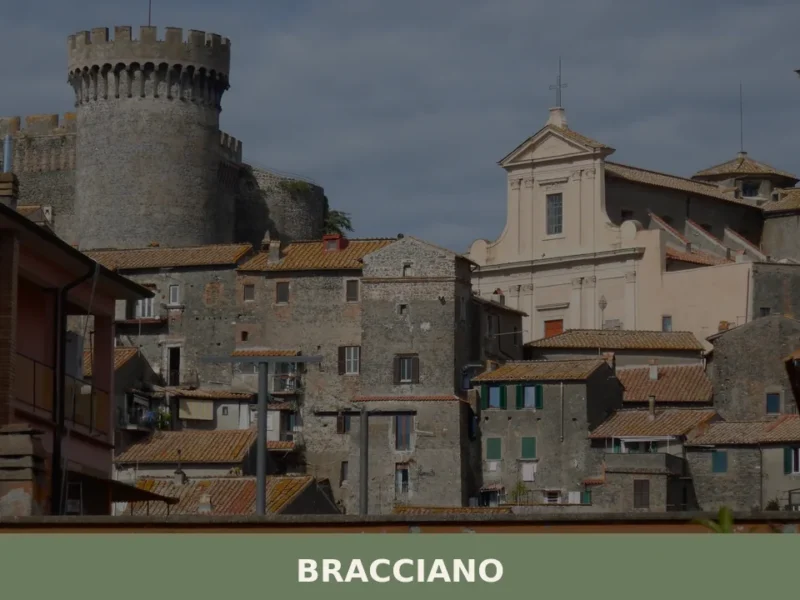
Bracciano
Hills
 Lake
Lake
What to see in Bracciano, Italy: Discover its medieval castle and volcanic lake. Located 30 km (19 mi) from Rome, explore this Lazio village for a memorable day trip.
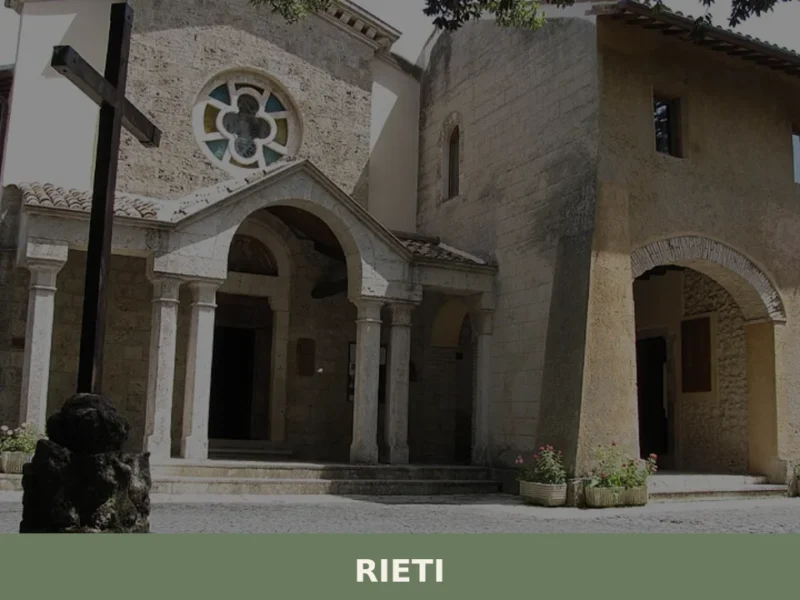
Rieti
Hills
What to see in Rieti: from the medieval walls to the Cathedral, discover the top 5 attractions. Complete guide to visiting Rieti in one day.
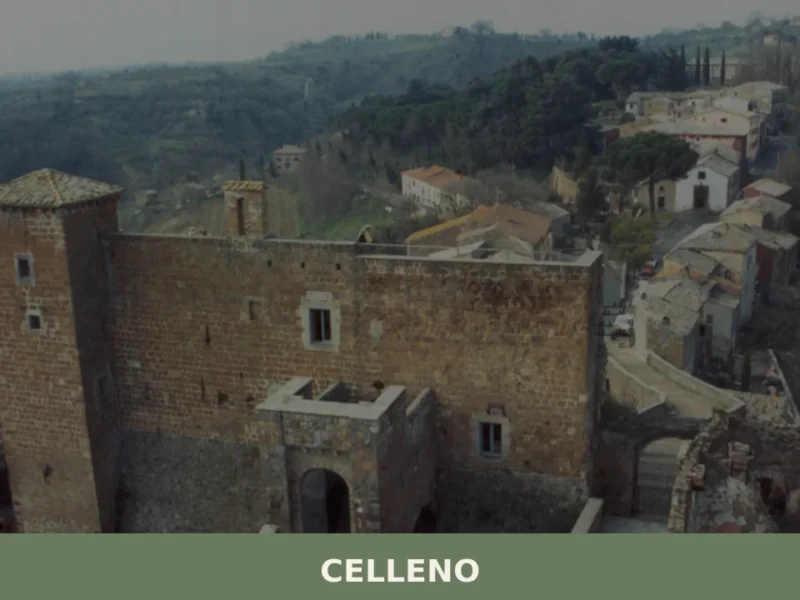
Celleno
Hills
what to see in celleno, Italy? Explore this Lazio village at 407 m altitude. Discover its WWII history and the feast of San Donato d'Arezzo. Read our guide.
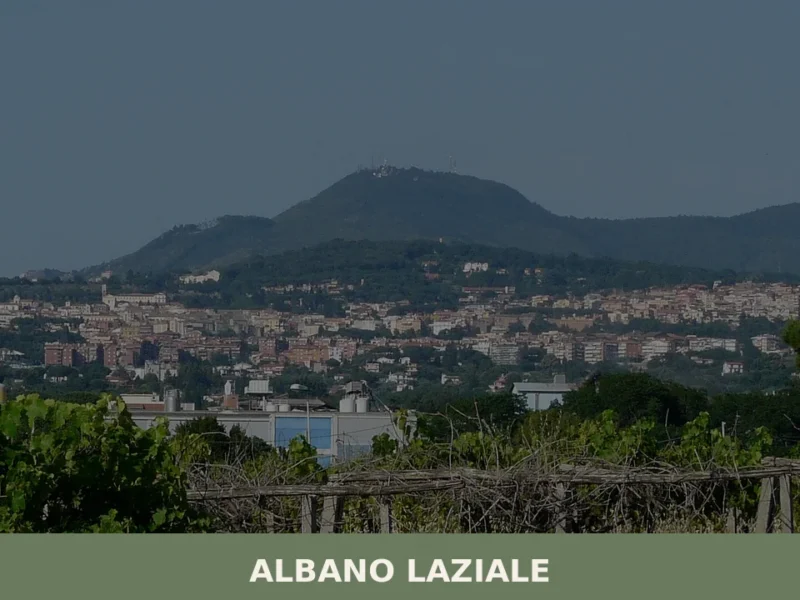
Albano Laziale
Hills
Lake
What to see in Albano Laziale, Italy: Lake Albano, Roman catacombs, and the Cathedral of St. Pancras at 400 m. Explore 38,983-inhabitant Lazio hill town. Discover now.
Bassano in Teverina
Hills
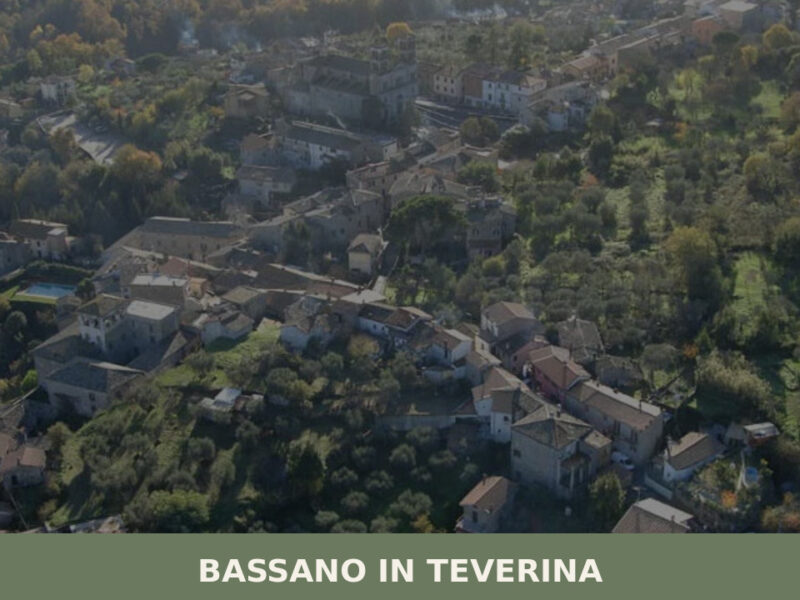
Standing at 304 metres above sea level, with a population of 1,260, Bassano in Teverina occupies a tuff plateau overlooking the Tiber valley in the province of Viterbo. The village owes the second part of its name to the river that flows just a few kilometres to the east — a geographical reference that distinguishes […]
Cellere
Hills
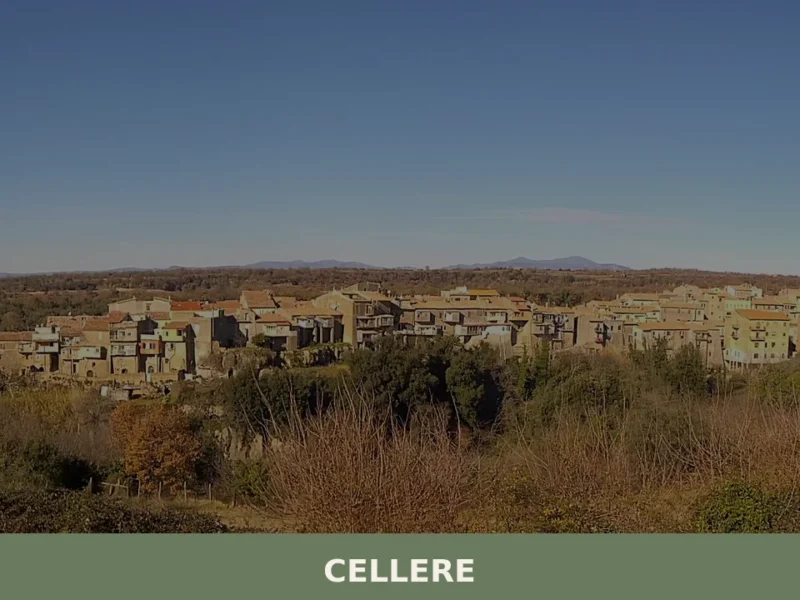
what to see in cellere, Italy. Explore this Viterbo province village, 344 m high. Discover the Church of Sant'Egidio and local traditions. Read our guide!
Arlena di Castro
Hills
With its 839 registered inhabitants and an elevation of 260 metres above sea level, Arlena di Castro occupies a tuff plateau in the Tuscia area of the Viterbo province, just a few kilometres from the border with the Lazio Maremma. The municipal territory preserves traces of Etruscan presence documented by necropolises and ceramic materials found […]
Lubriano
Hills
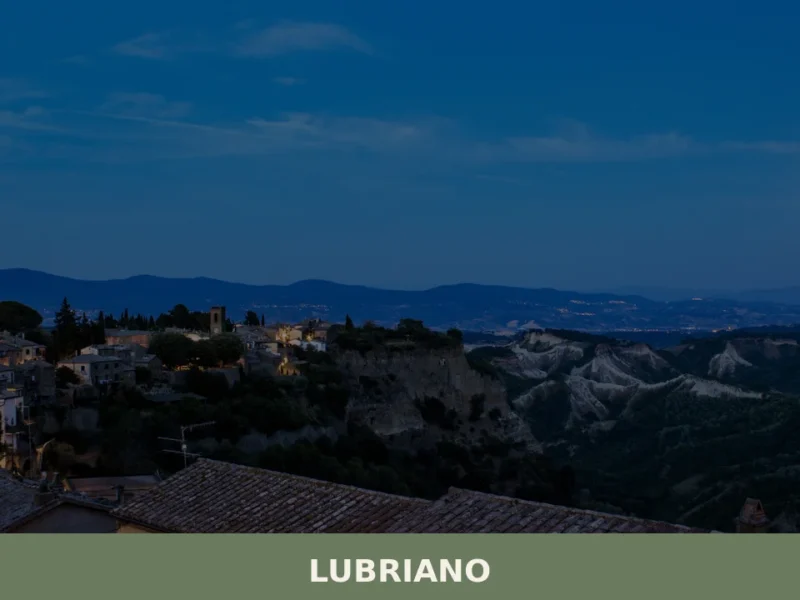
Lubriano has 864 inhabitants and occupies a tuff plateau at 441 metres above sea level, separated from the more famous Civita di Bagnoregio by a calanchi valley nearly two hundred metres deep. The municipal boundary runs along the edge of a gorge that geologists classify as one of the most active in Tuscia for erosion. […]
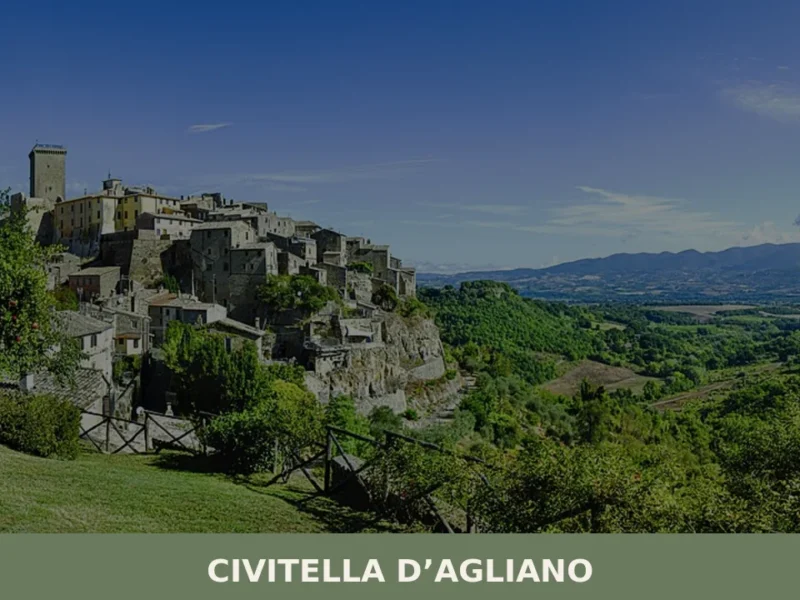
Civitella d’Agliano
Hills
What to See in Civitella d'Agliano: Tower, Castle, Festival. Discover the historic attractions of the village! Experience culture and flavors.
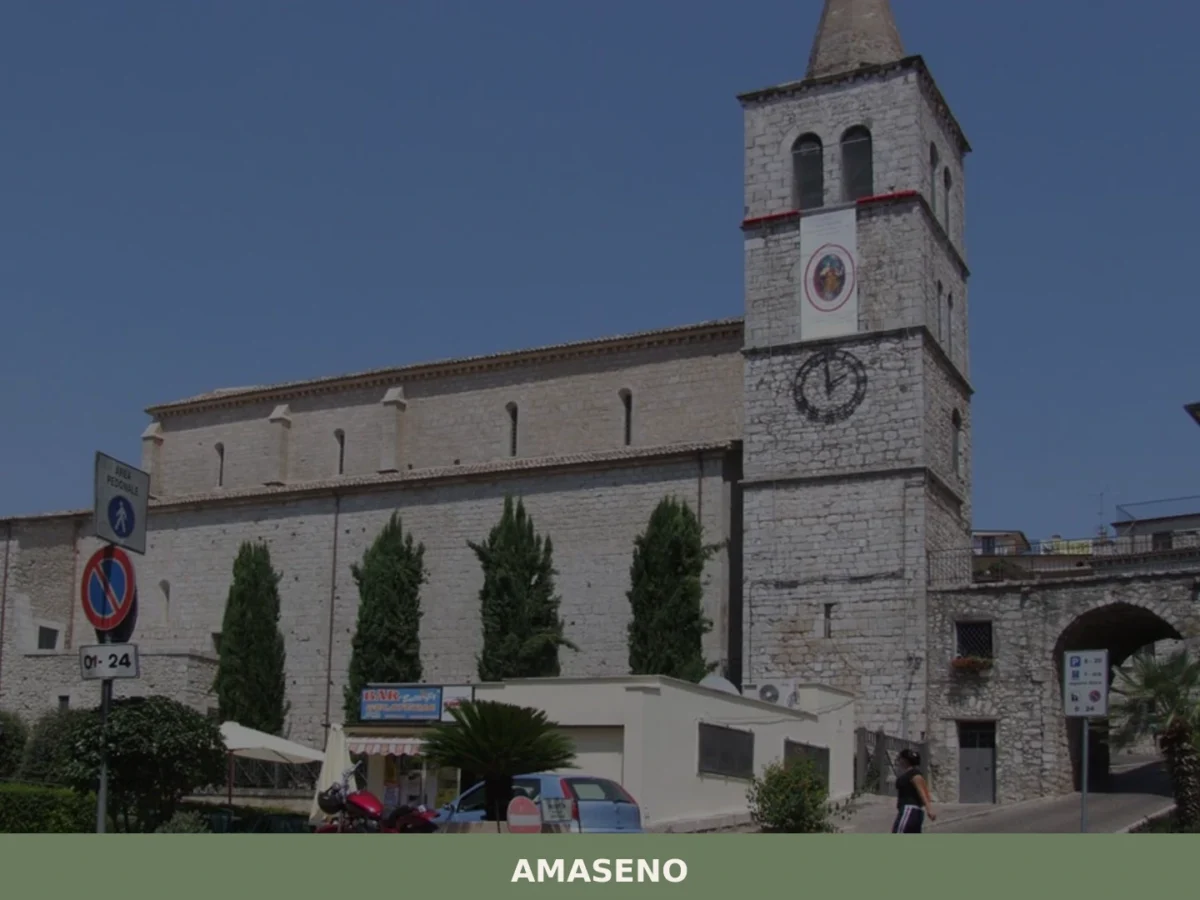
Amaseno
Hills
What to see in Amaseno: visit the 5 top attractions in this Lazio village, from the Madonna Sanctuary to Palazzo Caetani. Discover the complete guide.





🏡 Know Acquapendente better than we do?
If you’re a local or have been there, your knowledge matters: add what’s missing or fix a detail on this page.