


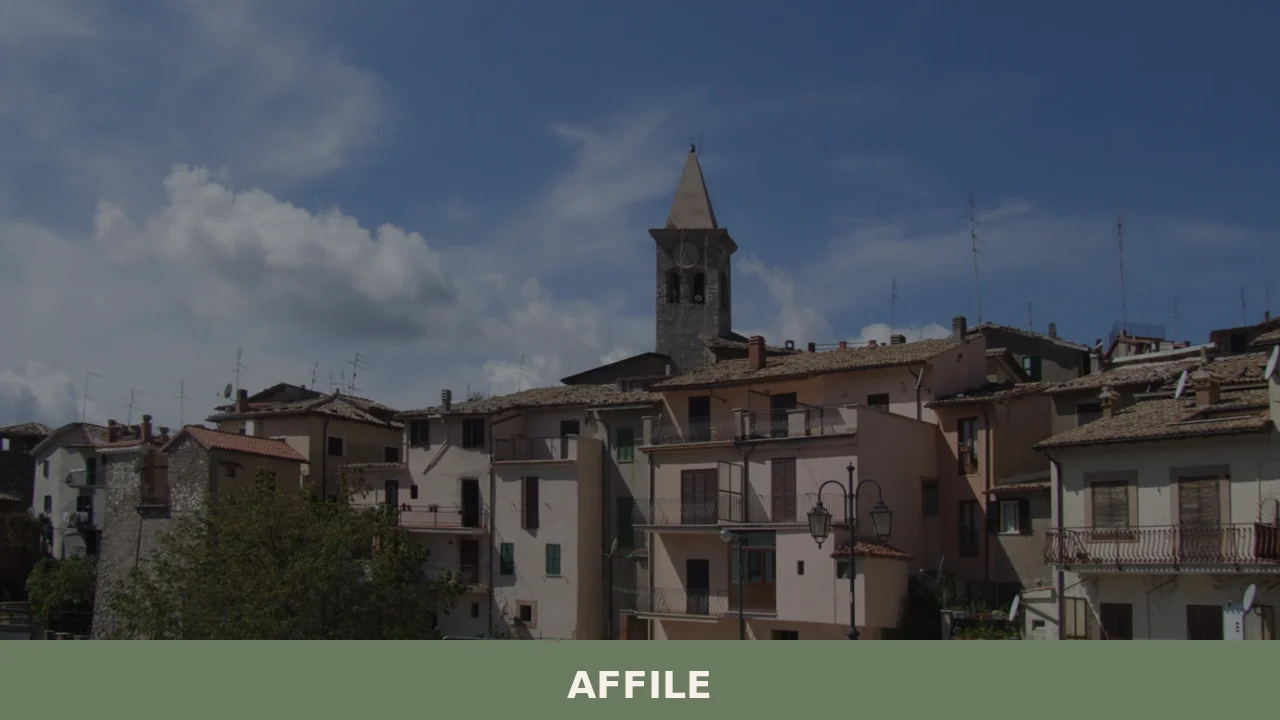
Affile
 Mountain
What to see in Affile, Lazio, Italy: discover 5 key attractions at 684 m altitude, from Roman cisterns to medieval churches. Explore history, food and how to get there.
Discover Affile
A Roman cistern cuts into the hillside at 684 m (2,244 ft) above sea level, its stonework predating the medieval village that grew up around the church of St. Peter in the 10th century.
The road that once connected this settlement to the wider Lazio hill country — the Via Sublacense, an ancient Roman route linking Rome to Subiaco — still traces roughly the same corridor through the mountains east of the capital.
Affile, with its 1,563 inhabitants and a documented history running from pre-Roman territory through papal cessions and noble lordships, carries the physical evidence of each of those layers in its walls, its churches, and its hillside topography.
Deciding what to see in Affile is a question with clear, concrete answers rooted in the municipality’s verified record of monuments.
Located about 50 km (31 mi) east of Rome in the Metropolitan City of Rome, Lazio, Italy, the village holds five documented main sights: a Roman cistern, three historic churches, and the remains of a medieval castrum — a fortified enclosure.
Visitors to Affile find a compact settlement where each site is physically distinct in age and character, making even a single day sufficient to cover the main points of historical and architectural interest.
History of Affile
The earliest evidence of settlement at Affile predates Roman administration entirely.
Archaeological findings confirm a pre-Roman centre on the border between the territories of the Hernici and the Aequi, two Italic peoples who occupied the central Apennine foothills before Roman expansion absorbed the region.
The site occupied a strategic position along what would become the Via Sublacense, and its elevated position at over 680 m (2,231 ft) gave it natural defensive advantages that later builders would continue to exploit across different centuries and different ruling powers.
By the 1st century AD, the settlement was documented in written Latin sources.
The Roman surveyor and writer Frontinus refers to it as oppidum Afile, confirming it held the status of a fortified town within the Roman administrative system. Centuries later, in 999, the Holy Roman Emperor Otto III founded a church at the site — a structure that had already disappeared by the 16th century, leaving no physical trace.
By the 10th century a village had reconstituted itself around the church of St. Peter within the former Roman oppidum, and in 1013 a castrum — a formal fortified enclosure — was officially recorded in documents relating to Affile. In 1109, Pope Paschal II ceded the castle to the Abbey of St.
Scholastica of Subiaco, drawing the settlement into the extensive network of monastic landholdings that shaped much of the Lazio hill country during the medieval period.
Affile subsequently passed through the hands of two prominent Roman noble families: the Altieri and the Braschi. Both families left administrative marks on the territory, though the physical fabric of the village reflects primarily its ecclesiastical and pre-feudal origins rather than any single moment of noble patronage.
In the modern era, the village attracted international attention in 2012 when a publicly funded mausoleum to Rodolfo Graziani — a convicted Italian war criminal responsible for large-scale atrocities in Ethiopia and Libya — was unveiled on the town’s highest hill.
The construction, which cost 127,000 euros drawn from regional public funds, prompted condemnation from historians, foreign governments, and civil society organisations across Europe and Africa.
In 2017, the town’s mayor, Ercole Viri, and two councillors were convicted in an Italian court of apologia del fascismo — the crime of glorifying fascism — and sentenced to eight and six months’ imprisonment respectively. The mausoleum has not been removed and remains on the hill in a deteriorated state.
What to see in Affile, Lazio: top attractions
Roman Cistern
The Roman cistern is among the oldest surviving structures in Affile, representing a direct material link to the period when Frontinus recorded the settlement as oppidum Afile in the 1st century AD. Roman cisterns of this type were built to collect and store rainwater for communities dependent on upland water management, and this example survives as one of the verifiable remnants of the pre-medieval built environment.
Standing at the cistern, a visitor can assess the scale of Roman hydraulic engineering applied to a hilltop settlement at over 680 m (2,231 ft) elevation. It is accessible within the village perimeter and best examined in the morning light when the stonework is most legible.
Church of St.
Peter
The Church of St.
Peter has been documented since the early 6th century, making it the oldest continuously referenced religious building in Affile. It served as the focal point of the 10th-century village that formed within the earlier Roman oppidum, and its position on the original hill of settlement gives it a topographic prominence that remains legible today.
The building underwent its last significant renovation in the 15th century, and the fabric visitors see reflects that late-medieval intervention overlaying an older structural core. For those interested in the spatial logic of medieval village formation, the church’s relationship to the surrounding streets and to the nearby castrum site illustrates how Affile’s settlement pattern was organised around religious and defensive nodes rather than commercial ones.
Church of St. Mary
The Church of St. Mary appears in written records from 1005, placing it among the earliest documented buildings of the post-Roman village period.
Its interior contains frescoes from two distinct phases: the 13th century and the 16th to 17th centuries, providing a visible record of how devotional art in small Lazio hill communities evolved across roughly four hundred years.
The contrast between the two fresco cycles — medieval iconography and early modern compositional conventions — is visible to any attentive visitor without specialist knowledge.
The church’s documented age of over one thousand years and its surviving painted decoration make it the most layered artistic site in the village. Plan to arrive with adequate natural light, as interior illumination in small rural churches of this type is often minimal.
Church of Santa Felicita
The Church of Santa Felicita dates to the 13th century and is directly connected to the village’s patron saints: Felicita e figli, honoured each year on 23 November.
The building’s dedication reflects a devotional tradition that has remained continuous from the medieval period to the present, making the church an active site of community religious practice rather than a purely archaeological one.
Its 13th-century origin places it within the same broad period of ecclesiastical construction visible across Lazio’s hill towns, when local communities formalised their religious identities through permanent stone structures.
The church is the logical starting point for understanding the patron saint festival that animates the village every November, and its façade and immediate surroundings fill with the community during that annual celebration.
The Castrum Site
The castrum — first officially recorded in 1013 — occupied a separate hill from the original Roman-period settlement around St. Peter’s church, a topographic separation that reflects deliberate medieval strategic planning.
Documented in 1109 when Pope Paschal II transferred it to the Abbey of St.
Scholastica of Subiaco, the fortification once featured numerous towers, gates, and heavy defensive walls; today only limited traces of those structures survive.
Walking the perimeter of what remains, a visitor can identify the logic of the site’s position: it commands views over the surrounding valley while maintaining a defensible distance from the ecclesiastical core. The visible fragments — sections of wall, ground-level courses of dressed stone — reward careful attention even in their reduced state. The site is on open ground and can be reached on foot from the village centre.
Local food and typical products of Affile
Affile sits within the Lazio Apennine foothills, a zone where mountain pastoral traditions, upland agriculture, and proximity to the Aniene river valley have historically shaped cooking. The settlements in this corridor — running east from Rome toward Subiaco and the upper Aniene — share a culinary register built around preserved meats, legumes, foraged ingredients, and pasta forms that require minimal equipment and store well through winter months.
At 684 m (2,244 ft), the growing season is shorter than in the Roman plain, and traditional cooking reflects the constraints and resources of an elevated agricultural economy.
The Abbey of St.
Scholastica at Subiaco, which held Affile’s castle from 1109, was also a node of agricultural organisation in this territory, influencing land use and therefore diet across the communities it administered.
The upland table in this part of Lazio is built around a small number of structurally important preparations. Pasta e fagioli — pasta cooked in a broth of dried beans, often with pork rind or pancetta — is a staple whose basic form has not changed significantly across centuries; the beans absorb the fat slowly, and the pasta is added only at the final stage to prevent it from overcooking.
Polenta with slow-cooked pork or wild mushroom ragù appears frequently in colder months, the grain cooked in a copper pot until it pulls away from the sides.
Abbacchio — milk-fed lamb, slaughtered young and roasted with rosemary, garlic, and white wine — is the principal meat dish tied to the spring season, when shepherding communities in these hills traditionally marked the end of winter.
Pecorino cheeses produced in the broader area, aged for varying periods on wooden boards in cool stone cellars, accompany most meals as a table cheese or are grated over pasta.
No certified designation of origin products (DOP, IGP, or STG) are recorded in the available data specifically for Affile. The food products associated with the wider Subiaco valley and Aniene corridor — including local honey, cured meats, and semi-aged cheeses — are available in small shops and at periodic village markets in the area.
For visitors, the most direct access to local products is through the small food retailers within the village or through agriturismi in the surrounding municipality.
Carrying cash is advisable, as card payment terminals are not universal in rural Lazio hill communities of this size.
The harvest season from September through October, and the weeks surrounding the patron feast on 23 November, are the periods when food preparation most visibly marks public life in Affile.
Autumn produce — chestnuts, mushrooms, late-season legumes — appears in both home cooking and any local market activity during those weeks. International visitors should note that English is rarely spoken in village food shops, and that Italian remains the practical working language for all transactions.
Festivals, events and traditions of Affile
The central annual event in Affile is the feast of Felicita e figli, the village’s patron saints, celebrated on 23 November.
The date places the feast in late autumn, when the surrounding hills are past the harvest season and the weather at 684 m (2,244 ft) is consistently cold.
The feast follows the established format of Catholic patron saint celebrations in Lazio’s smaller hill communities: a religious ceremony centred on the church of Santa Felicita, which bears the saint’s name and has served as the focus of this devotion since the 13th century.
Processions through the village streets, the public recitation of prayers, and the gathering of the community around the church mark the day as distinct from the ordinary liturgical calendar.
Beyond the patron feast, the November date also aligns with the period when autumn food traditions are most active in this part of Lazio, and the two overlap in village life without being formally organised as a combined event in the available records. The feast of Felicita represents the single confirmed annual event for Affile documented in the sources available for this guide.
No additional formally documented festivals, food fairs, or civic events are recorded for the municipality beyond this patron celebration.
When to visit Affile, Italy and how to get there
The best time to visit Affile depends on what a traveller prioritises. Late spring — from May through June — offers mild temperatures at this altitude, with the surrounding hills in full leaf and road conditions reliable after the winter. September and October bring the autumn colour of the Apennine foothills and align with harvest activity in the area, making them practical and atmospheric months for a day visit.
The patron feast on 23 November draws the local community together and gives a November visit a specific cultural anchor, though temperatures will be low and daylight short.
Summer months at 684 m (2,244 ft) are cooler than Rome by several degrees, which makes Affile a viable upland excursion on days when the capital is at peak summer heat. Winter visits outside the feast period are quiet and the village is largely in its working routine rather than any tourist mode.
Affile is located about 50 km (31 mi) east of Rome, and a day trip from the capital is the standard way international visitors approach the village.
By car, the most practical route follows the SS5 Tiburtina east from Rome toward Tivoli and Subiaco, then takes secondary roads south into the Simbruini hills toward Affile. The total drive from central Rome takes approximately 75 to 90 minutes depending on traffic on the Tiburtina in the urban stretch. The nearest significant town on this route is Subiaco, 10 km (6.2 mi) to the north, which also serves as a practical base for exploring this area of Lazio.
Travellers using public transport from Rome can reach Subiaco by Trenitalia regional services to Tivoli followed by COTRAL bus connections, though the final stretch from Subiaco to Affile requires either a local bus or private transport.
The nearest international airport is Rome Fiumicino (FCO), approximately 80 km (50 mi) to the west, with a total transfer time of around two hours by car.
Visitors arriving from Rome should plan to combine Affile with other points along the Aniene valley, such as a stop at Subiaco’s Abbey of St. Scholastica, to make the journey efficient. For practical planning, the official municipality website of Affile provides current administrative and access information.
Those travelling through the broader region of Lazio and building a multi-day itinerary can position Affile alongside other hill communities.
The medieval city of Viterbo, in northern Lazio, represents a different register of the same regional history — a major episcopal centre rather than a small hilltop comune — and the contrast between the two is instructive for understanding the range of settlement scales that Lazio’s geography has sustained.
International visitors should carry euros in cash, as smaller shops and local services in villages the size of Affile do not consistently offer card payment facilities, and English-language assistance is limited outside the main tourist infrastructure of the region.
Travellers interested in exploring the Lazio lakeside towns can extend their Lazio itinerary to include Capodimonte, a village on the shore of Lake Bolsena in northern Lazio, which offers a markedly different landscape from the Apennine hills around Affile but falls within a manageable driving circuit for those with several days in the region.
Frequently asked questions about Affile
What is the best time to visit Affile?
Late spring (May–June) and early autumn (September–October) offer the most pleasant conditions for visiting Affile, with mild temperatures at 684 m elevation and clear light ideal for exploring the village's monuments. Summer is cooler than the Roman plain, making July and August viable. The highlight of the festive calendar is 23 November, when the village honours its patron saints Felicita e figli — the Church of Santa Felicita and its surrounding streets form the centre of celebrations. Avoid January and February if road conditions in the Lazio Apennines are a concern.
What are the historical origins of Affile?
Affile has pre-Roman roots on the border between Hernici and Aequi territories in the central Apennine foothills. The Roman writer Frontinus documented it as oppidum Afile in the 1st century AD. By the 10th century a medieval village had formed around the Church of St. Peter, and in 1013 a formal castrum was officially recorded. In 1109, Pope Paschal II transferred the castle to the Abbey of St. Scholastica at Subiaco. The village later passed through the hands of the Altieri and Braschi noble families before entering the modern era.
What to see in Affile? Main monuments and landmarks
Affile has five documented main sights. The Roman cistern, cut into the hillside, is one of the oldest surviving structures and best viewed in morning light. The Church of St. Peter, referenced since the early 6th century, anchors the original medieval settlement. The Church of St. Mary (documented from 1005) contains frescoes from the 13th and 16th–17th centuries. The Church of Santa Felicita dates to the 13th century and is linked to the village's patron saints. Finally, the castrum site — first recorded in 1013 — preserves wall fragments on a separate hill accessible on foot.
Are there museums, churches or historic buildings to visit in Affile?
Affile contains three historic churches open to visitors. The Church of St. Peter is the oldest continuously referenced religious building in the village, renovated in the 15th century. The Church of St. Mary, documented since 1005, holds two distinct fresco cycles — 13th century and 16th–17th century — making it the most layered artistic interior in the village; bring a torch as natural light inside is limited. The Church of Santa Felicita, 13th century, remains an active place of worship tied to the annual patron saint festival on 23 November.
What to eat in Affile? Local products and specialties
Affile's cooking reflects upland Lazio Apennine traditions. Pasta e fagioli — pasta in a broth of dried beans with pork rind or pancetta — is a cornerstone of the local table. In colder months, polenta with slow-cooked pork or wild mushroom ragù is common. Spring brings abbacchio, milk-fed lamb roasted with rosemary, garlic, and white wine, a dish tied to the seasonal pastoral economy of these hills. Foraged mushrooms and legumes remain structurally important ingredients across the cooking of the Aniene valley corridor in which Affile sits.
What can you do in Affile? Activities and experiences
Affile rewards a focused walking visit: the five main sites — Roman cistern, three churches, and the castrum — are all accessible on foot from the village centre and can be covered in a single day. The castrum hill offers views over the surrounding valley. The village sits along the Via Sublacense corridor east of Rome toward Subiaco, making it a natural stop on a broader itinerary through the Lazio Apennine hill towns. Attending the 23 November patron saint feast around the Church of Santa Felicita is the main recurring community event.
Who is Affile suitable for? Families, couples, hikers, solo travelers?
Affile suits travellers with an interest in layered history — Roman, medieval, and ecclesiastical — in an unrestored, authentic hill-village setting. With a population of around 1,432, it is compact and quiet, appealing to couples and solo visitors seeking off-the-beaten-track Lazio rather than tourist infrastructure. History enthusiasts will find the concentration of documented sites — spanning pre-Roman through 17th-century phases — unusually rich for a village of this size. It is less suited to families seeking organised activities or visitors requiring extensive accommodation options within the village itself.
Nearby Villages near Affile
In Lazio More villages to discover
Mompeo
 Hills
Hills
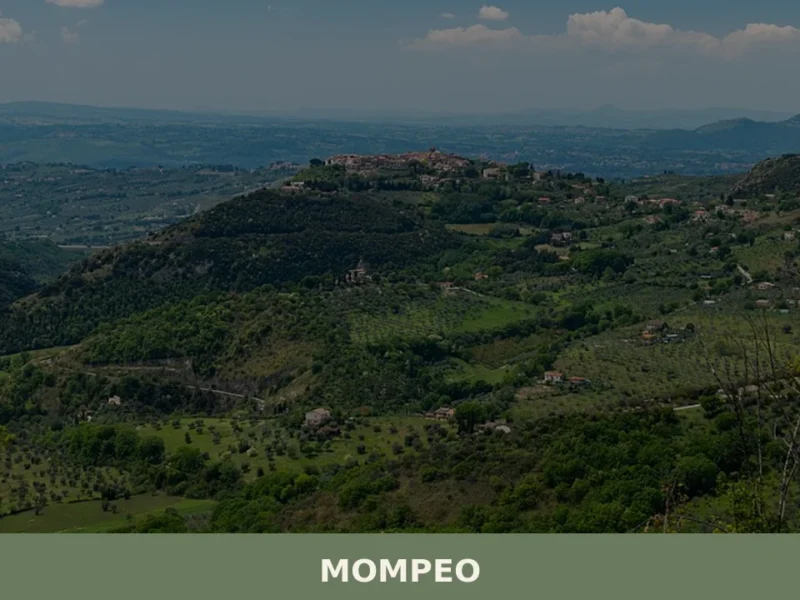
Discover Mompeo, a charming village in Lazio, Italy. Explore its rich history, stunning landscapes, and authentic Italian culture off the beaten path.
Alvito
Mountain
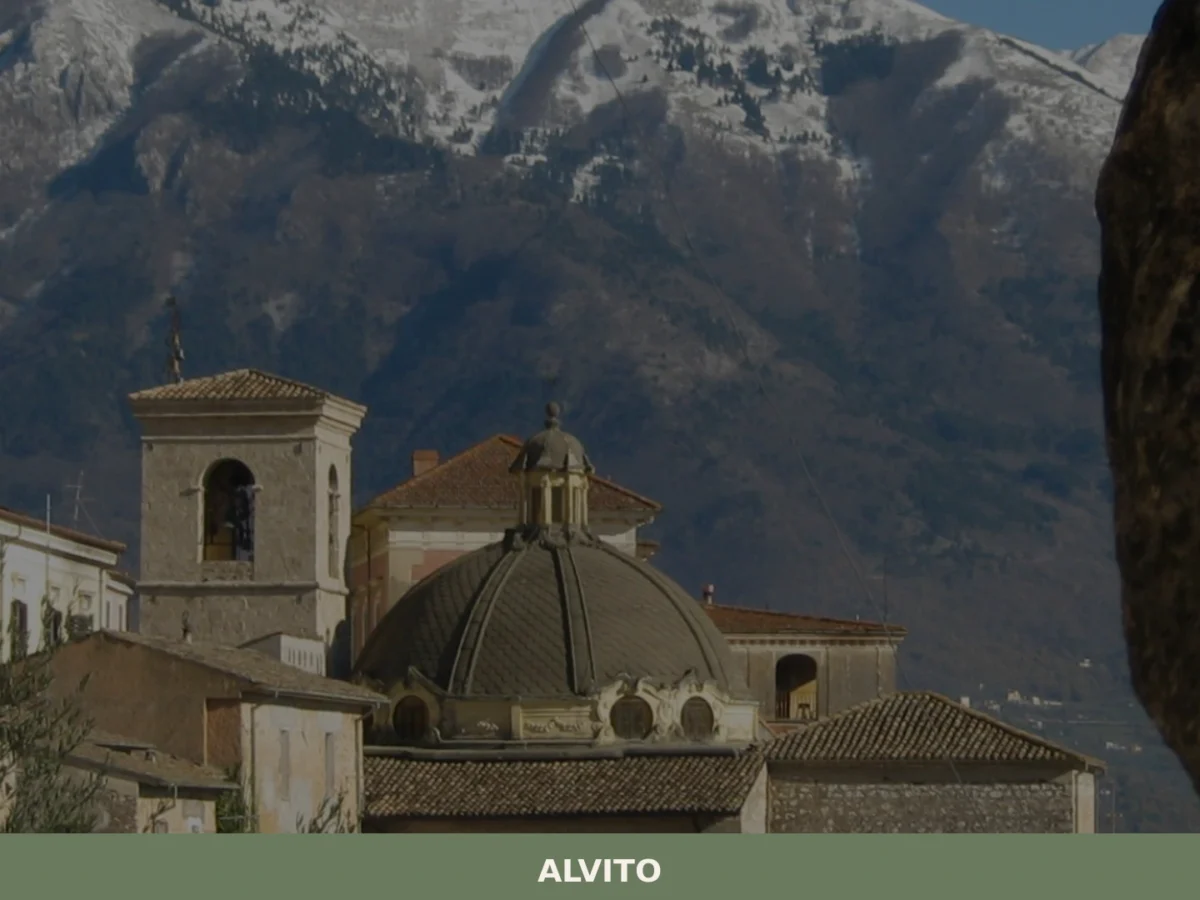
What to see in Alvito: discover the 5 top attractions in this Lazio village, from the castle to the Cathedral. Plan your visit with this complete guide.
Civita di Bagnoregio
Hills
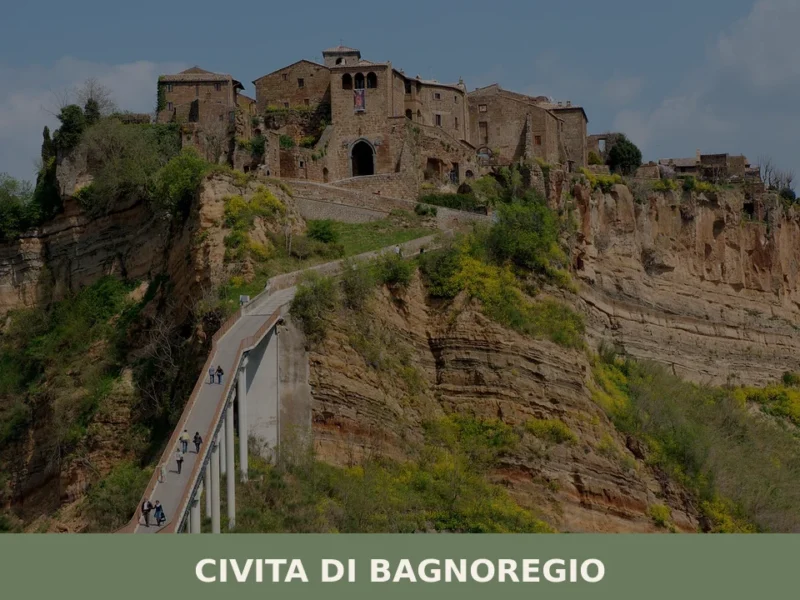
What to see in Civita di Bagnoregio, Italy: explore 5 top attractions, the Etruscan founding history, and a village of just 11 residents. Discover how to get there.
Belmonte in Sabina
Mountain
What to see in Belmonte in Sabina: a hilltop village at 756 m in Rieti province with 644 residents. Explore the medieval centre, PAT guanciale and cacio fiore cheese. Plan your visit now.
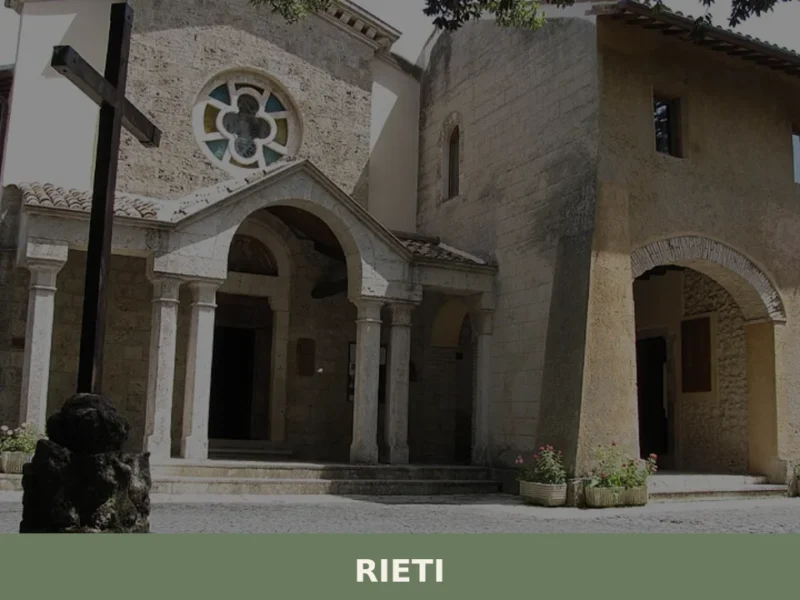
Rieti
Hills
What to see in Rieti: from the medieval walls to the Cathedral, discover the top 5 attractions. Complete guide to visiting Rieti in one day.
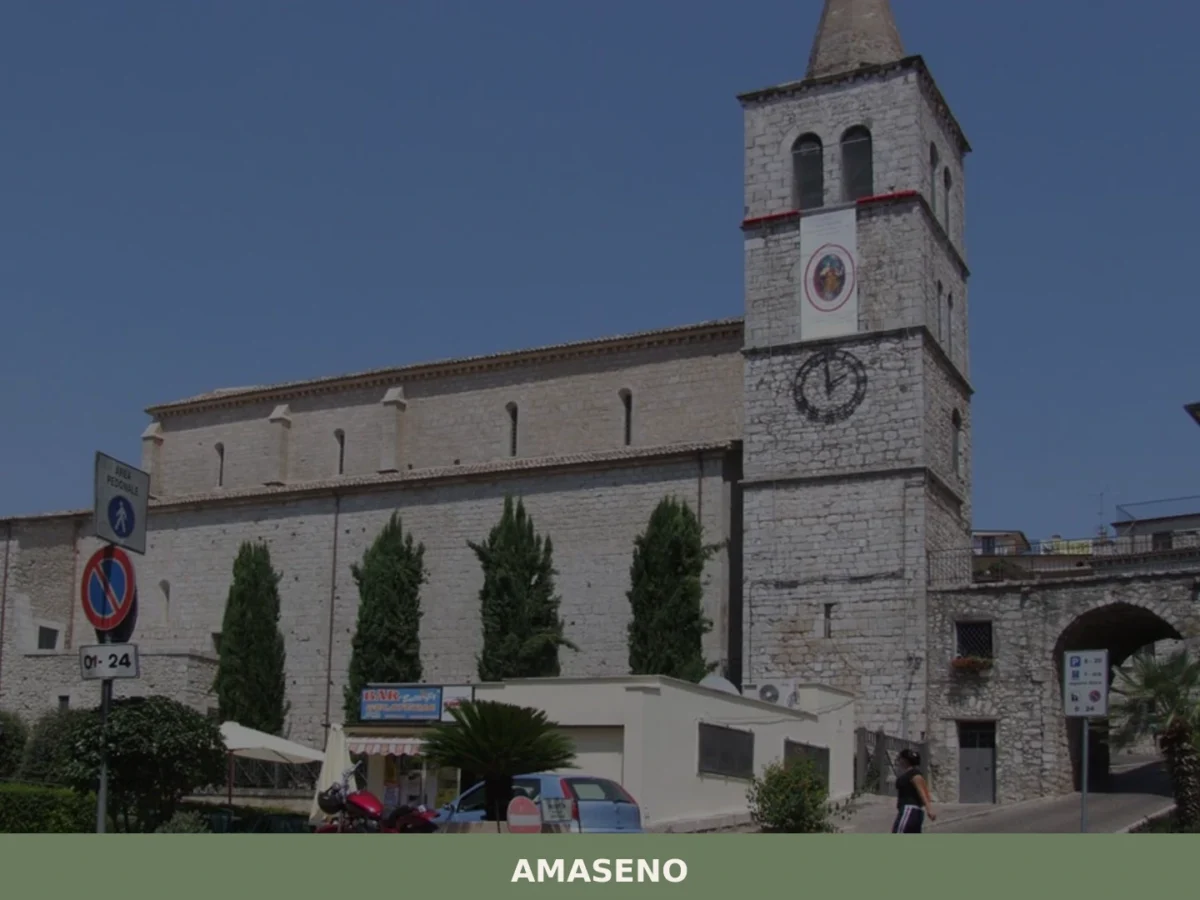
Amaseno
Hills
What to see in Amaseno: visit the 5 top attractions in this Lazio village, from the Madonna Sanctuary to Palazzo Caetani. Discover the complete guide.
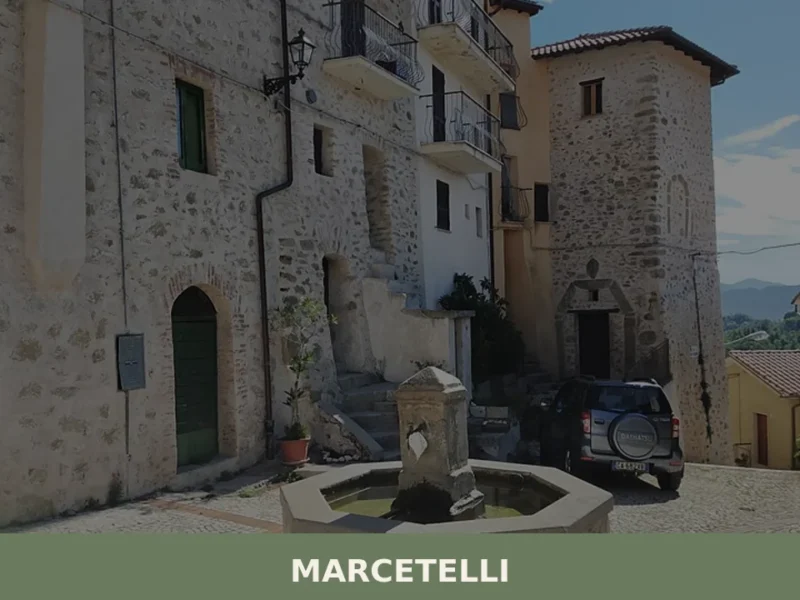
Marcetelli
 Lake
Mountain
Lake
Mountain
What to see in Marcetelli, a village at 930m in Rieti province with 82 residents. Explore Lago del Salto, the Church of San Venanzio and PAT-certified Guanciale amatriciano. Plan your visit now.
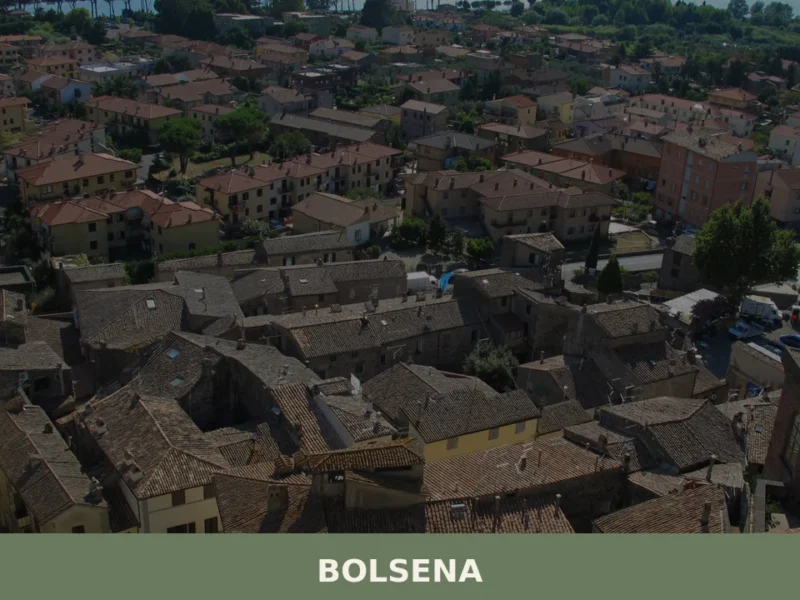
Bolsena
Hills
Lake
What to see in Bolsena, Lazio, Italy: the 1263 Eucharistic Miracle, Basilica of Santa Cristina, Lake Bolsena at 350 m. Discover history, food and how to get there.
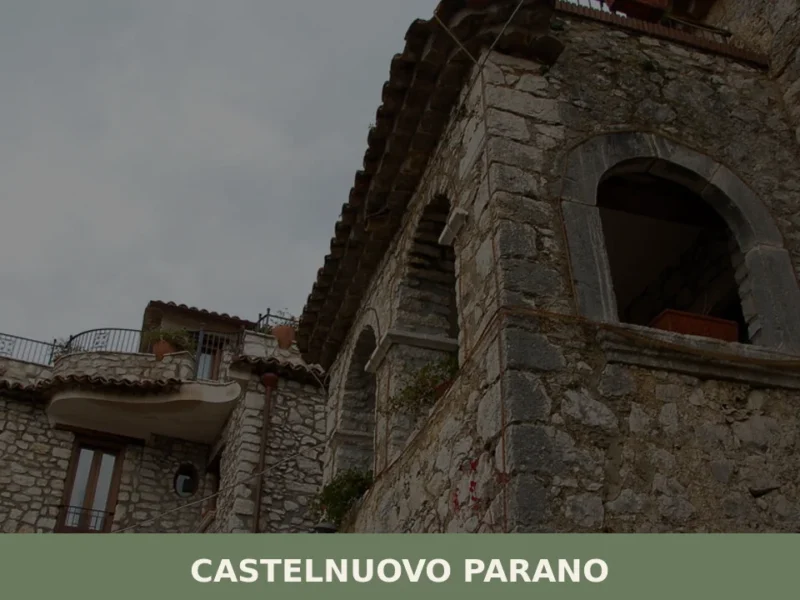
Castelnuovo Parano
Hills
What to see in Castelnuovo Parano, Lazio, Italy: a village of 885 at 310 m. Discover the 1059 castle origins, Gustav Line history and local hilltop culture.
Castelnuovo di Farfa
Hills
What to see in Castelnuovo di Farfa: 1,032 inhabitants at 358 m in the Sabina. Explore the medieval castle, San Nicola church and PDO cacio fiore. Plan your visit now.



🏡 Know Affile better than we do?
If you’re a local or have been there, your knowledge matters: add what’s missing or fix a detail on this page.