


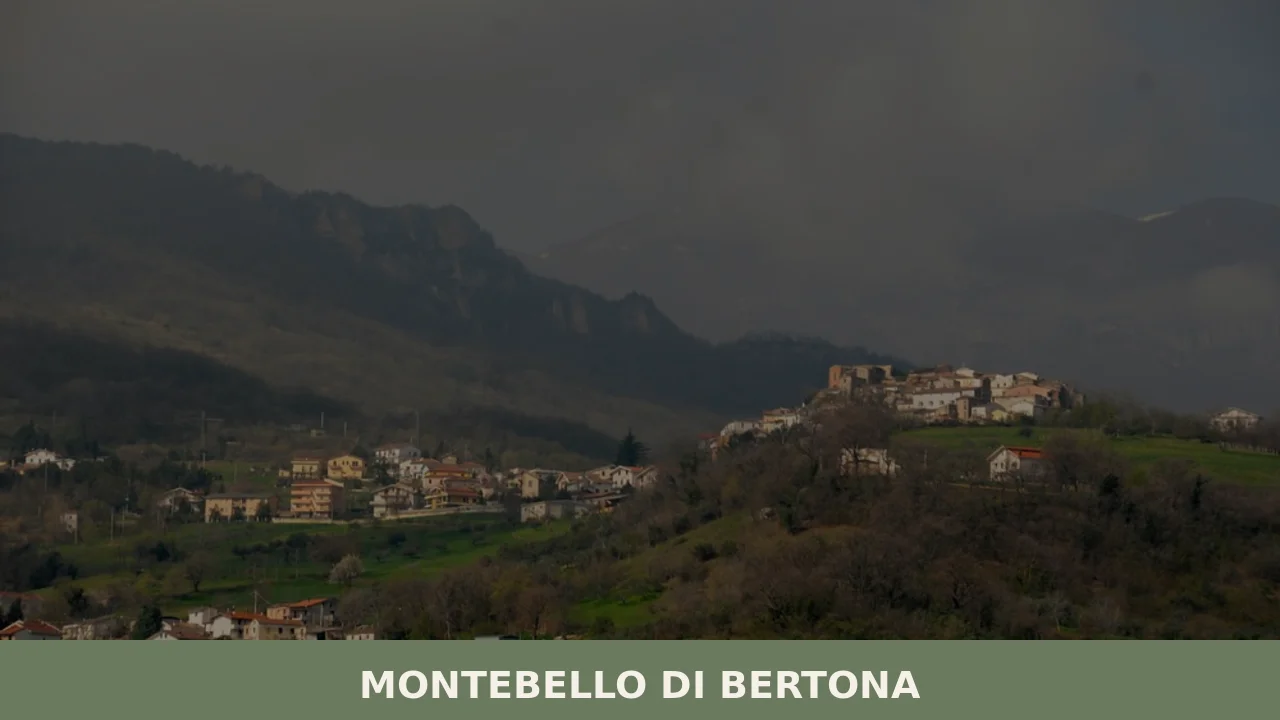
Montebello di Bertona
 Mountain
What to see in Montebello di Bertona, Italy: Discover a village of 994 inhabitants in Gran Sasso National Park. Explore historic sites and natural trails. Read our guide.
Discover Montebello di Bertona
The bells of a village church, though unheard in the provided data, would echo through a landscape defined by the towering peaks of the Gran Sasso e Monti della Laga National Park.
This natural setting frames Montebello di Bertona, a municipality within Italy’s Abruzzo region, distinguished by its integration into one of the country’s most significant protected areas.
Its position suggests a rich interplay between human settlement and the wild, untamed nature of the Apennine mountains.
For those planning what to see in Montebello di Bertona, this guide offers practical insights into a village with a population of 994 inhabitants. Visitors to Montebello di Bertona find opportunities to explore the historic core and engage with the natural environment of the Gran Sasso e Monti della Laga National Park.
The Montebello di Bertona highlights include panoramic vistas and access to unique regional traditions.
History of Montebello di Bertona
The origins of Montebello di Bertona are deeply connected to its geographical placement within the province of Pescara in Abruzzo, Italy. The name itself, “Montebello,” suggests a “beautiful mountain” or “hill,” reflecting the visual appeal of its elevated position within a rugged territory. Local dialect refers to the town as Mundibbèlle, indicating a long-standing identity shaped by the regional language and culture.
As a comune and town, Montebello di Bertona has evolved over centuries, likely serving as a strategic point or a rural agricultural hub within the broader Abruzzese landscape.
While specific founding dates or key historical figures are not detailed in the provided sources, the presence of an established municipality implies a history stretching back to medieval or even Roman times, typical of many Italian settlements.
The continuity of its name and administrative status points to a resilient community adapting through various historical periods.
The modern era sees Montebello di Bertona firmly established within the Abruzzo region, maintaining its administrative identity in the province of Pescara. Its inclusion in the Gran Sasso e Monti della Laga National Park marks a contemporary focus on environmental preservation and sustainable tourism.
This designation shapes its recent development, emphasizing its role as a gateway to the park’s natural wonders rather than an industrial or urban center, reflecting a shift towards appreciating its ecological and scenic value.
What to see in Montebello di Bertona, Abruzzo: top attractions
Gran Sasso e Monti della Laga National Park
The primary draw for visitors to Montebello di Bertona is its direct integration into the vast .
This protected area, established in 1991, spans approximately 1,413 square km (546 sq mi) across three regions, offering diverse ecosystems from alpine peaks to lush valleys. Exploring the park allows for immersion in pristine natural landscapes, providing opportunities for hiking, wildlife observation, and photography throughout the year.
Panoramic Views from the Village
Montebello di Bertona’s elevated position, characteristic of many settlements in the Apennines, grants visitors extensive panoramic views of the surrounding valleys and the distant Gran Sasso peaks. From various points within the village, one can observe the intricate tapestry of cultivated fields, dense forests, and the rugged mountain profiles that define the Abruzzo region.
These vistas offer a sense of the scale of the landscape and the strategic importance of such settlements in earlier times, often revealing horizons extending for dozens of kilometers.
Historic Core of Montebello di Bertona
A walk through the historic core of Montebello di Bertona reveals the architectural simplicity and resilience typical of a mountain village.
The narrow streets, often paved with local stone, wind between traditional houses that have stood for generations. While specific dates for individual buildings are not documented in the sources, the overall layout and construction methods reflect centuries of local building practices, with some structures potentially dating back several hundred years. This area provides a tangible sense of the village’s enduring character and offers a quiet experience of daily life.
Parish Church of Montebello di Bertona
Every Italian village, regardless of its size, typically features a central parish church, serving as a focal point for community life and spiritual gatherings.
While the specific name or architectural details of Montebello di Bertona’s church are not available in the provided data, such a structure would undoubtedly possess historical significance and reflect local artistic and religious traditions. These churches often house modest artworks and provide a glimpse into the community’s heritage, with construction frequently spanning several centuries from their initial foundations.
Local Trails and Outdoor Activities
Given its location within the Gran Sasso e Monti della Laga National Park, Montebello di Bertona serves as an excellent base for accessing various hiking and nature trails.
These paths cater to different levels of experience, from gentle walks around the village perimeter to more challenging treks into the higher elevations of the Gran Sasso massif.
Opportunities for outdoor pursuits are abundant, including birdwatching, exploring local flora, and simply enjoying the tranquility of the mountain environment, with numerous trails starting within a few kilometers of the village center.
Local food and typical products of Montebello di Bertona
The gastronomic tradition of Montebello di Bertona is intrinsically linked to the broader culinary heritage of Abruzzo, a region celebrated for its hearty and rustic cuisine. This tradition is shaped by the mountain environment and a history of pastoralism and self-sufficiency, relying on local ingredients and time-honored preparation methods. The flavors are robust, reflecting the seasonal availability of produce, meats, and cheeses from the surrounding countryside.
Typical dishes in this area often feature lamb, pork, and sheep’s milk products, alongside legumes, pasta, and wild herbs.
Examples include Arrosticini, skewers of tender lamb cooked over an open flame, a staple of Abruzzese culinary identity. Another common preparation is Maccheroni alla Chitarra, a fresh egg pasta with a square cross-section, often served with rich meat ragù made from pork, beef, or lamb.
These dishes represent the region’s commitment to using simple, high-quality ingredients to create deeply satisfying meals.
While specific certified products unique to Montebello di Bertona are not detailed in the provided sources, the village’s location suggests it shares in Abruzzo’s renowned regional specialties. These often include various sheep and goat cheeses, such as pecorino, and cured meats. The local agriculture would support the production of olive oil, legumes, and seasonal vegetables that form the backbone of the daily diet, reflecting a strong connection to the land and its resources.
Local markets, if present, would typically offer fresh produce, cheeses, and cured meats from nearby farms.
While no specific food fairs or festivals for Montebello di Bertona are mentioned in the available data, many Abruzzese villages host seasonal sagre, traditional local food festivals, celebrating specific harvests or products, often during the summer and early autumn months.
Visitors interested in local produce can inquire at village shops about regionally sourced items.
Festivals, events and traditions of Montebello di Bertona
Specific details regarding festivals and traditional events unique to Montebello di Bertona are not provided in the available sources. However, as is common throughout Italy, most communities observe a patron saint’s day with religious ceremonies, processions, and often secular celebrations. These events typically involve local music, traditional foods, and sometimes fireworks, serving as important communal gatherings that reinforce local identity and heritage.
In the absence of specific event listings for Montebello di Bertona, visitors can generally expect that village life follows the rhythms of the agricultural calendar and religious observances.
While no documented food fairs are specified for this particular village, the broader Abruzzo region frequently hosts seasonal celebrations that highlight local produce and culinary traditions, especially during the summer and harvest periods.
These regional events provide a window into the cultural fabric of the area, offering opportunities to experience local customs and community spirit.
When to visit Montebello di Bertona, Italy and how to get there
The best time to visit Montebello di Bertona, Abruzzo, Italy largely depends on the desired activities. Spring (April to June) and autumn (September to October) offer mild temperatures, making them ideal for hiking and exploring the without the intense heat of summer or the snow of winter. During these shoulder seasons, the landscapes are particularly vibrant, with blooming wildflowers in spring and rich foliage colors in autumn, and crowds are generally smaller. Summer (July and August) is popular for those seeking warmer weather and longer daylight hours, though it can be busy.
Montebello di Bertona, like many mountain villages, features uneven terrain and narrow, sometimes steep, streets, which may present challenges for visitors with limited mobility or strollers.
Practical advice for international visitors includes carrying some Euros cash, as smaller shops and establishments may not always accept card payments, and English proficiency can be limited.
For those interested in extending their exploration of Abruzzo, the nearby village of Civitaquana, located in the same province, offers additional insights into the region’s historical and architectural heritage, providing another perspective on what to see in Montebello di Bertona’s vicinity.
To reach Montebello di Bertona, travelers can utilize a combination of air, rail, and road transport. The nearest major airport is Abruzzo Airport (PSR) in Pescara, approximately 35 km (21.7 mi) away, with a driving time of about 45-50 minutes. The closest main train station is Pescara Centrale, situated approximately 30 km (18.6 mi) from the village, requiring a car journey of around 40-45 minutes.
For those driving from major Italian cities, Montebello di Bertona is accessible via the A25 motorway, typically exiting towards Pescara.
From Rome, the journey covers roughly 180 km (112 mi) and takes approximately 2 hours by car, making it a feasible day trip from the capital. Exploring the area further, visitors might consider a stop in Castel di Sangro, a larger town in the Abruzzo region that offers a different scale of experience within a similar natural context.
Frequently asked questions about Montebello di Bertona
What is the best time to visit Montebello di Bertona?
The ideal times to visit Montebello di Bertona are spring (April to June) and autumn (September to October). These 'shoulder seasons' offer mild temperatures perfect for hiking in the Gran Sasso e Monti della Laga National Park, with vibrant wildflowers in spring and rich foliage in autumn, and fewer crowds. Summer (July and August) is also popular for warmer weather and longer days. Notably, June 29th marks the Feast of San Pietro, the patron saint, a significant local event featuring religious ceremonies and community celebrations, offering a unique cultural experience.
What to see in Montebello di Bertona? Main monuments and landmarks
In Montebello di Bertona, visitors can explore its charming Historic Core, characterized by narrow, stone-paved streets and traditional houses reflecting centuries of local building practices. The central Parish Church, while its specific name isn't detailed, serves as a focal point for community life, offering a glimpse into local religious and artistic heritage. From various points within the village, you can also enjoy spectacular Panoramic Views of the surrounding valleys and the distant Gran Sasso peaks, showcasing the area's natural beauty. These sites are freely accessible for exploration during daylight hours.
What are the main natural or scenic attractions of Montebello di Bertona?
Montebello di Bertona is primarily defined by its direct integration into the Gran Sasso e Monti della Laga National Park, offering vast natural landscapes for hiking, wildlife observation, and photography. Within the village itself, the elevated position provides extensive Panoramic Views of the surrounding valleys and the majestic Gran Sasso peaks. Additionally, the area boasts numerous Local Trails, accessible directly from the village, catering to various experience levels for walking, birdwatching, and exploring the rich mountain flora and fauna.
Where to take the best photos in Montebello di Bertona?
For the best photographic opportunities in Montebello di Bertona, focus on the Panoramic Views available from various elevated points within the village. These vantage points offer stunning vistas of the surrounding valleys, the intricate tapestry of cultivated fields and dense forests, and the rugged profiles of the distant Gran Sasso peaks, especially during sunrise or sunset when the light enhances the landscape.
Are there museums, churches or historic buildings to visit in Montebello di Bertona?
Yes, Montebello di Bertona offers its Historic Core, a collection of traditional houses and narrow, stone-paved streets that reflect centuries of local building practices and provide a tangible sense of the village's enduring character. Additionally, the central Parish Church serves as a significant historic building and a focal point for the community, showcasing local religious traditions and modest artworks, though its specific name is not provided. There are no documented museums within the village.
What can you do in Montebello di Bertona? Activities and experiences
In Montebello di Bertona, visitors can immerse themselves in outdoor activities, primarily exploring the Gran Sasso e Monti della Laga National Park through hiking, wildlife observation, and nature photography. The village also serves as a base for various local trails suitable for birdwatching and enjoying the mountain's tranquility. Within the village, you can stroll through its historic core, appreciate the panoramic views, and experience the local Abruzzese culinary traditions, savoring typical dishes like Arrosticini and Maccheroni alla Chitarra.
Who is Montebello di Bertona suitable for? Families, couples, hikers, solo travelers?
Montebello di Bertona is particularly suitable for hikers, nature lovers, and solo travelers or couples seeking tranquility and an authentic mountain experience. Its direct access to the Gran Sasso e Monti della Laga National Park makes it ideal for outdoor enthusiasts interested in hiking, wildlife observation, and photography. While families who enjoy nature walks would appreciate it, visitors with limited mobility or young children in strollers might find the village's uneven and steep streets challenging.
What to eat in Montebello di Bertona? Local products and specialties
In Montebello di Bertona, you can savor the hearty and rustic flavors of Abruzzese cuisine. Local specialties include Arrosticini, tender lamb skewers cooked over an open flame, and Maccheroni alla Chitarra, a traditional square-cut egg pasta often served with rich meat ragù made from pork, beef, or lamb. The area also offers excellent sheep and goat cheeses like pecorino, various cured meats, local olive oil, and seasonal vegetables, reflecting the region's strong connection to its land and pastoral traditions.
📷 Photo Gallery — Montebello di Bertona
Getting there
Piazza Sandro Pertini, 65010 Montebello di Bertona (PE)
Nearby Villages near Montebello di Bertona

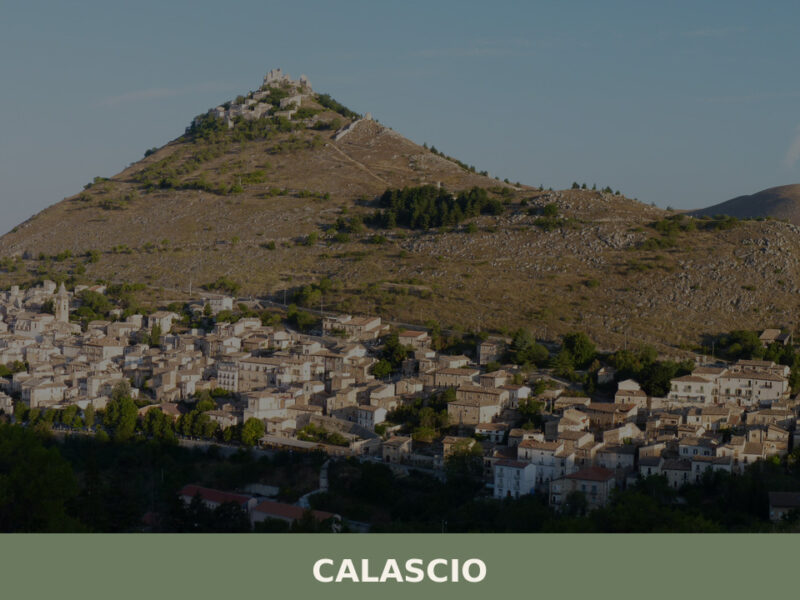
In Abruzzo More villages to discover
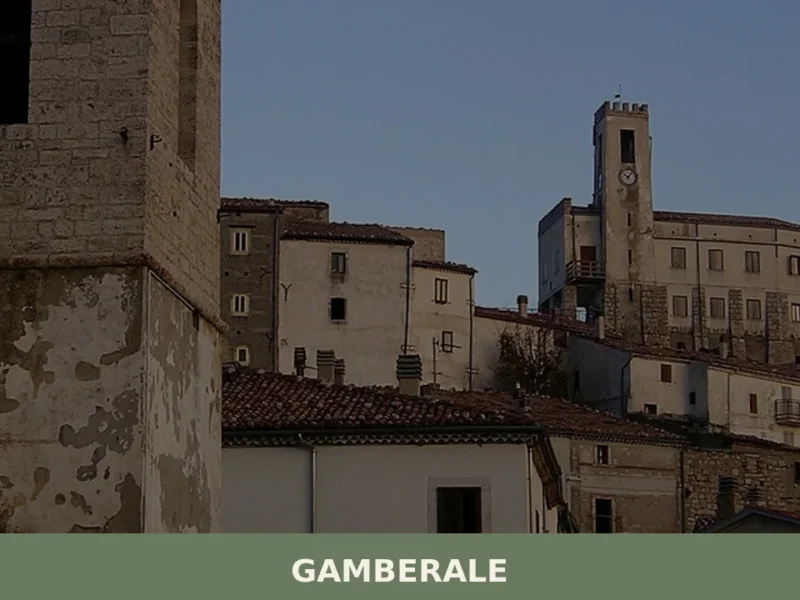
Gamberale
Mountain
At 1,343 metres above sea level, along the eastern ridge of the Majella mountains where the slopes descend towards the Sangro valleys, 277 residents keep alive a settlement that the catasto onciario of the Kingdom of Naples already recorded in the eighteenth century as a community of shepherds and charcoal burners. Visitors arriving in Gamberale […]
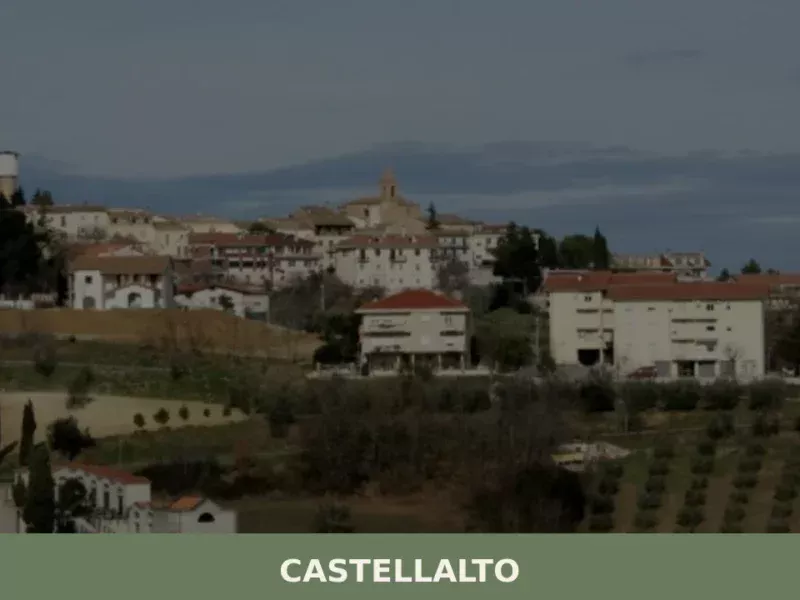
Castellalto
 Sea
Sea
Scopri cosa vedere a Castellalto: borghi medievali, panorami mozzafiato e tesori nascosti dell'Abruzzo. La guida completa alle 5 tappe imperdibili!
Arielli
 Hills
Hills
Arielli, a small village in the province of Chieti: discover its origins, what to see, and how to get there. A practical guide to this Abruzzo village.
Fresagrandinaria
Hills
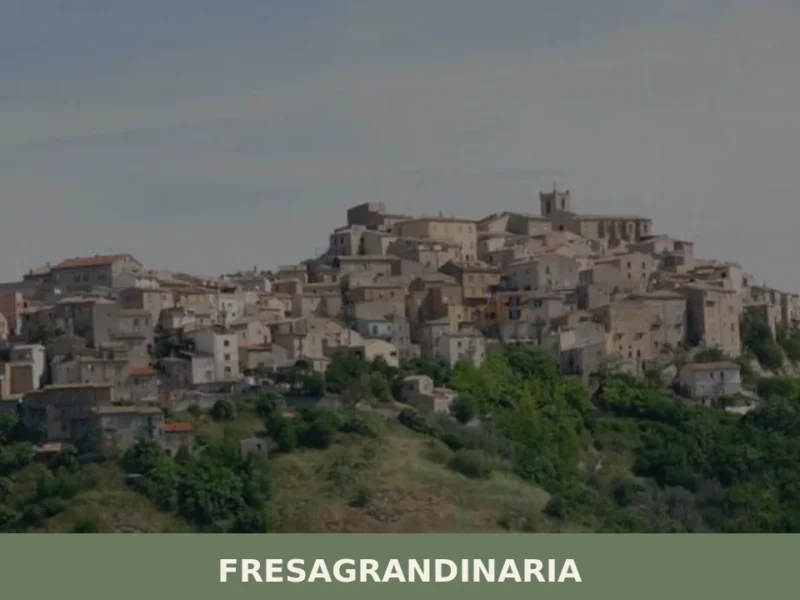
Nine hundred and twenty-three inhabitants, a hilltop ridge at 391 metres above sea level, and a double name that joins two distinct medieval communities: Fresa and Grandinaria, merged into a single settlement at least since the fifteenth century. Anyone arriving from the Treste valley floor immediately notices the compact outline of houses built in local […]
Roccaspinalveti
Mountain
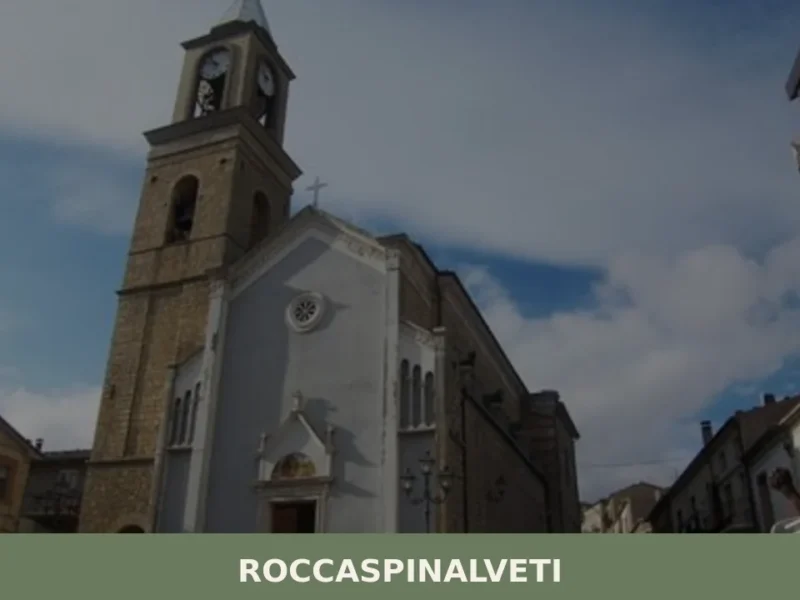
What to see in Roccaspinalveti? Discover 5 must-see attractions in this Abruzzese village. Guide covers things to do & how to get there. Plan your visit!
Vittorito
Mountain
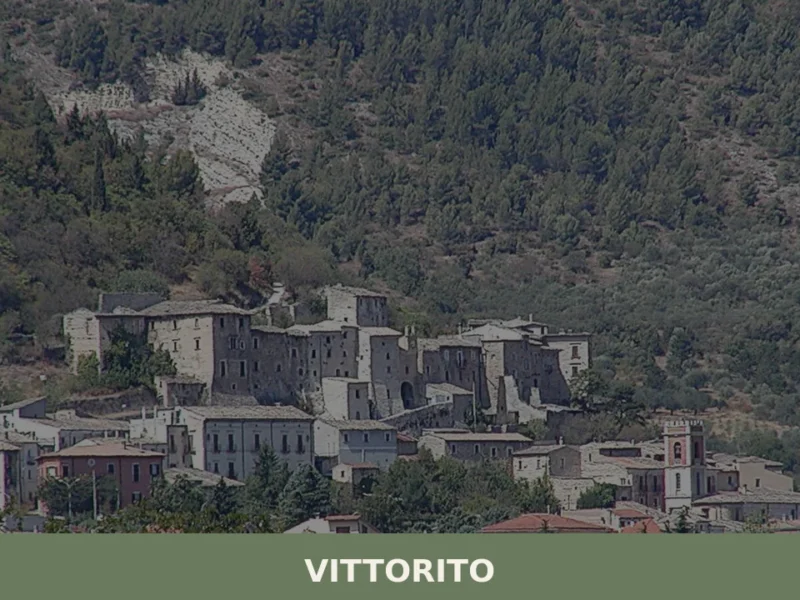
What to see in Vittorito: 5 attractions in this Abruzzo village, including the Church of San Pietro, the castle, and the historic centre. Discover the full guide.
Prata d’Ansidonia
Mountain
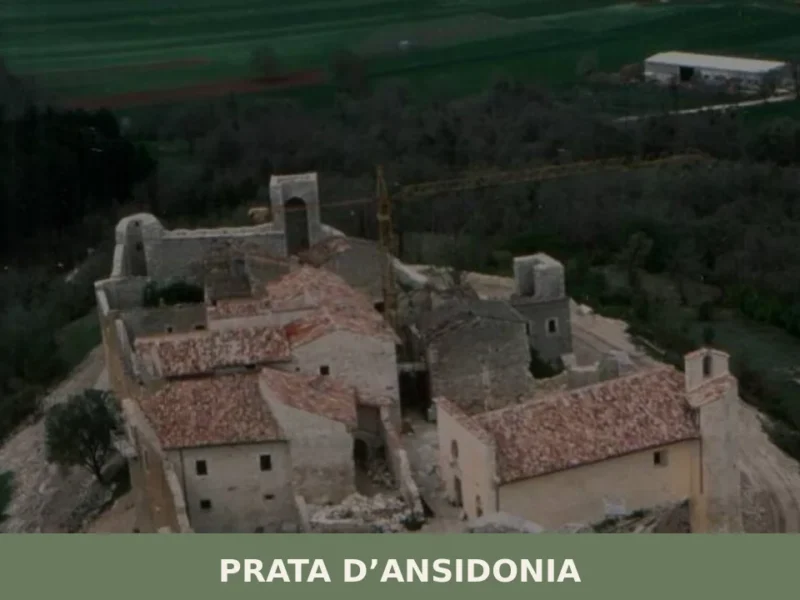
What to see in Prata d’Ansidonia? Discover the 5 must-see historic attractions of this village in Abruzzo. Plan your visit and immerse yourself in local history.
Canistro
Mountain
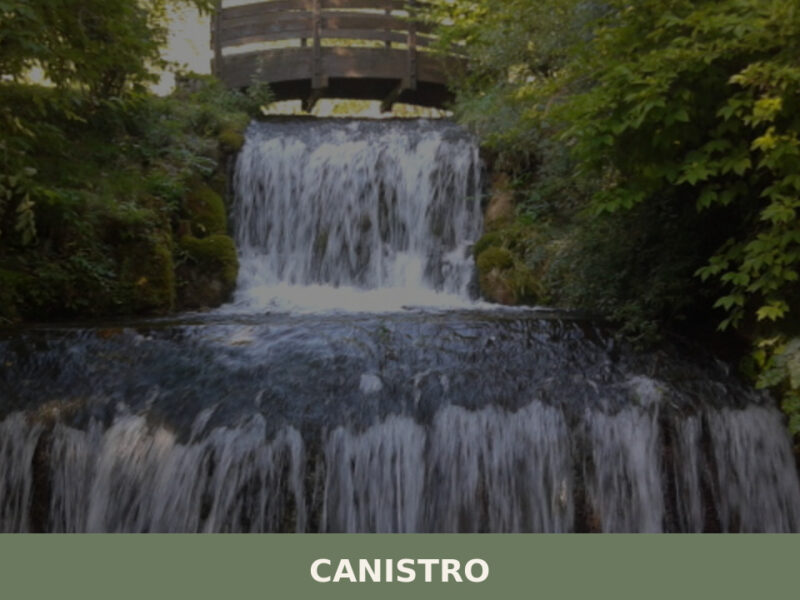
A village of mineral springs and stone alleys split between two elevations in the Valle Roveto. Here is what to see in Canistro, Abruzzo.
Ovindoli
Mountain
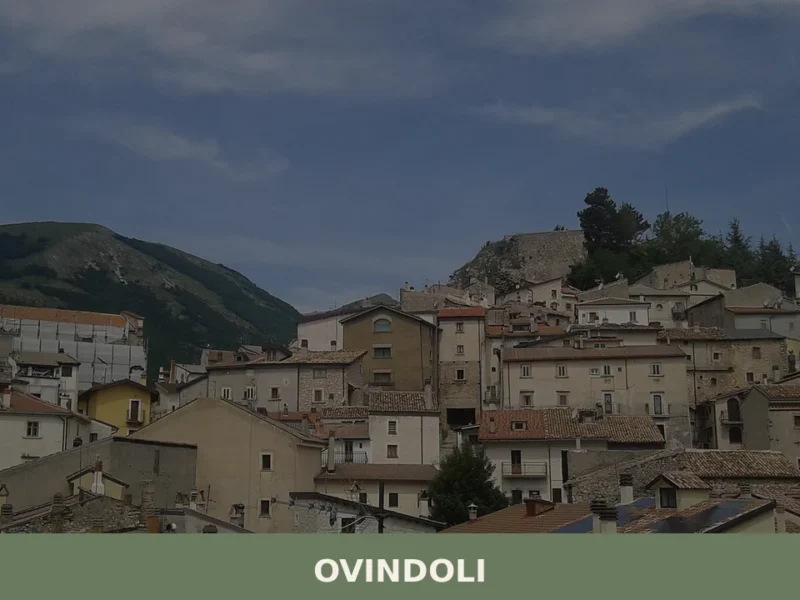
What to see in Ovindoli, Italy: ski slopes on Monte Magnola, hiking in Sirente-Velino park, 1,203 inhabitants. Discover top attractions and how to get there.
Dogliola
Hills
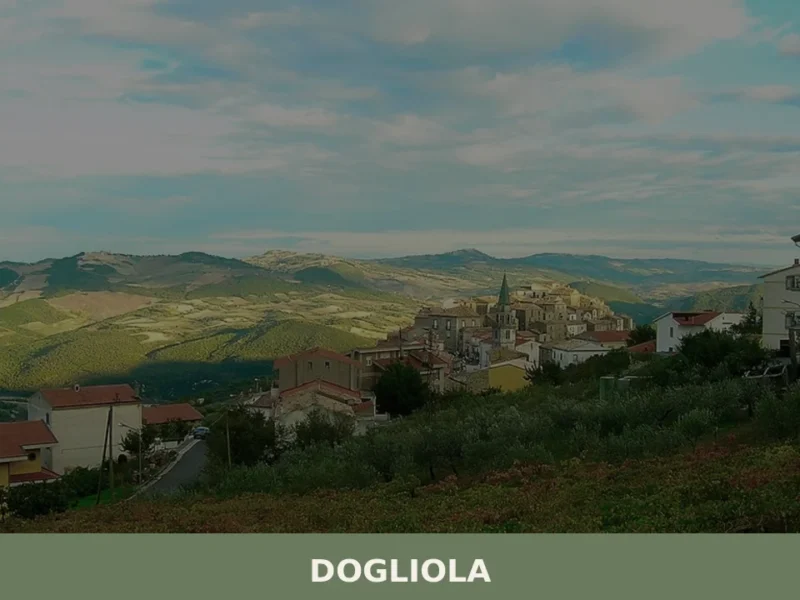
what to see in dogliola, Italy: Discover the 445 m elevation, 311 residents, and San Rocco festival. Explore rich history and stunning landmarks.



🏡 Know Montebello di Bertona better than we do?
If you’re a local or have been there, your knowledge matters: add what’s missing or fix a detail on this page.