


Arba
 Plains
What to see in Arba: Explore Italy’s Arba, a village at 210 meters altitude. Discover its historic church and vibrant patron saint festival on September 29. Read more.
Discover Arba
At an altitude of 210 m (689 ft) above sea level, the village of Arba emerges from the flat expanse of the Friulian plain. Its modest population of 1,260 inhabitants maintains a quiet rhythm dictated by the agricultural cycles of the surrounding landscape. The architecture reflects centuries of rural life, with buildings constructed from local materials that withstand the seasonal shifts of the region.
For those wondering what to see in Arba, this compact village offers a focused experience within the Regional decentralization entity of Pordenone. Visitors to Arba find a welcoming community, centered around its historic parish church and the annual festivities honoring its patron saint.
The village provides a genuine insight into traditional life in Friuli-Venezia Giulia, Italy.
What to see in Arba, Friuli-Venezia Giulia: a complete guide
History of Arba
The historical presence of Arba, known in Standard Friulian as Darbe and in Western Friulian as Darba, is deeply tied to its geographical setting in the Friuli-Venezia Giulia region. Positioned approximately 25 km (16 mi) northeast of Pordenone and 100 km (62 mi) northwest of Trieste, the village’s development was historically influenced by its location on the extensive Friulian plain. This strategic positioning meant it was often traversed by routes connecting larger regional centers, shaping its early character.
Over centuries, Arba has evolved from an agrarian settlement within the broader historical context of Friuli. Its administrative designation as a comune (municipality) places it within the Regional decentralization entity of Pordenone, reflecting the administrative reorganizations characteristic of Italian governance.
The village shares its borders with neighboring municipalities such as Cavasso Nuovo, Fanna, Maniago, Sequals, Spilimbergo, and Vivaro, indicating a network of interconnected local communities that often shared resources and cultural practices throughout their development. Visitors interested in the broader Friulian context might also explore Campoformido, another community in the region with its own distinct history.
The modern identity of Arba, with its current population of 1,260 inhabitants, continues to be rooted in its agricultural heritage and local traditions. The village maintains its distinct character while contributing to the wider cultural and economic fabric of Friuli-Venezia Giulia. Its history is not marked by grand battles or noble families, but rather by the enduring resilience of its inhabitants who have shaped the land and preserved their community over generations.
What to see in Arba, Friuli-Venezia Giulia: top attractions
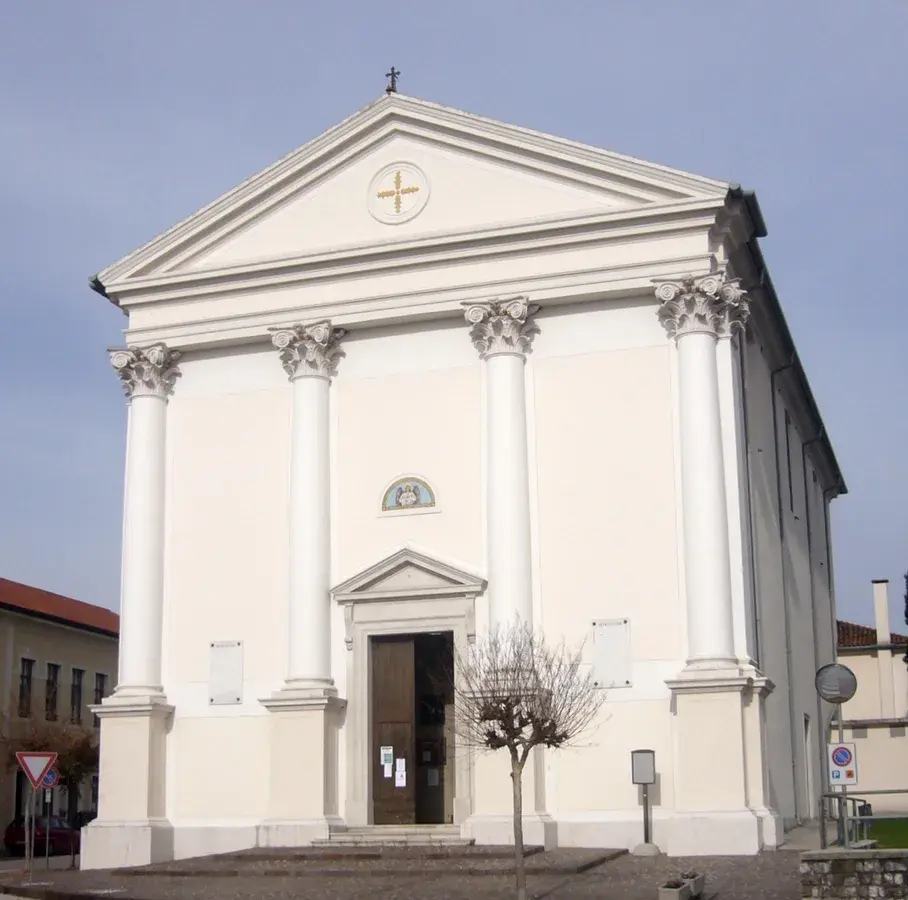
Parish Church of San Michele Arcangelo
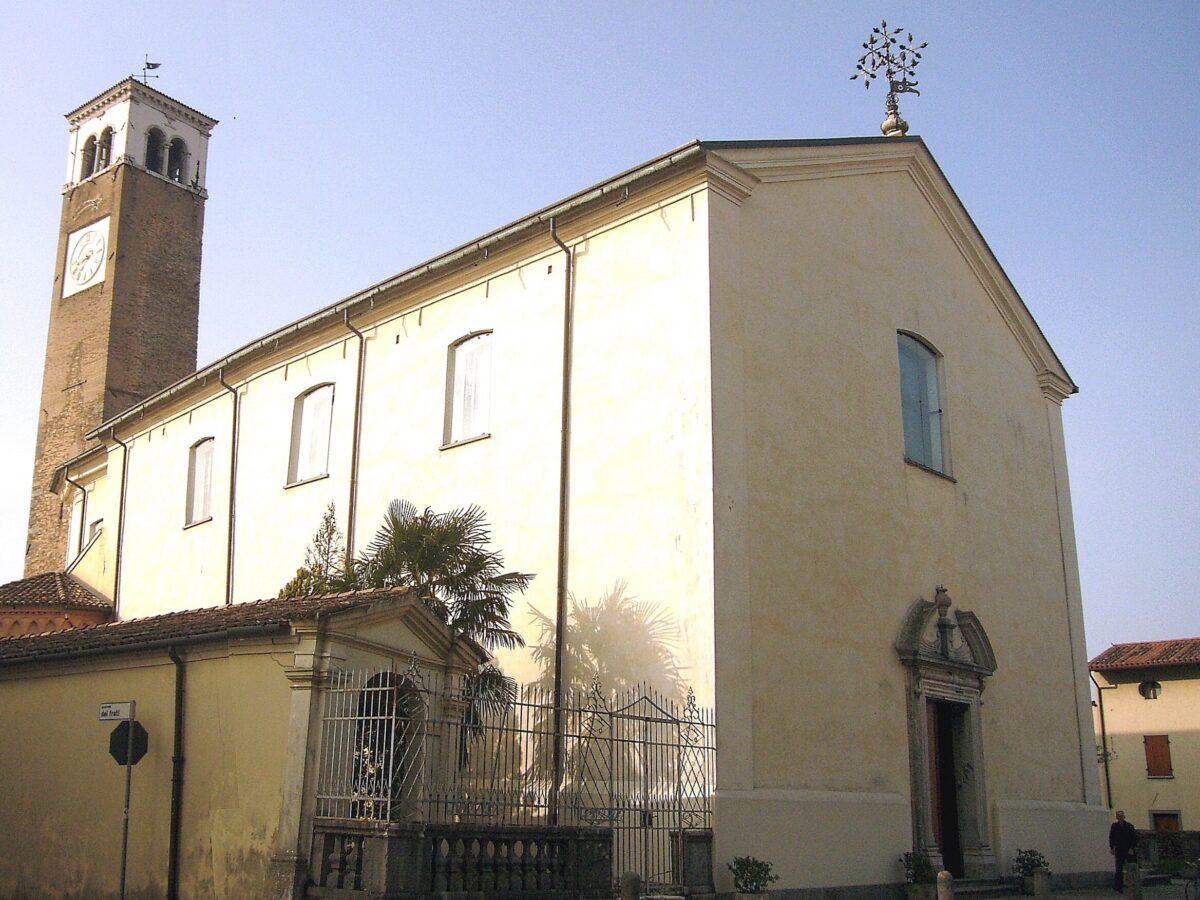
The robust stone facade of the Parish Church of San Michele Arcangelo stands as a central landmark in Arba.
Dedicated to Saint Michael the Archangel, the village’s patron saint, this church serves as the spiritual heart of the community. Its construction dates back several centuries, with modifications and restorations likely occurring over time, a common practice in many Italian religious buildings.
Visitors can observe the architectural details, which often blend elements from different historical periods, reflecting the ongoing life of the structure. Inside, the nave typically offers a peaceful space for contemplation, adorned with religious art and statuary. The church is particularly significant on September 29th, the feast day of San Michele, when it becomes the focal point for local celebrations.
The Historic Village Core
The compact historic core of Arba, characterized by its traditional buildings and narrow lanes, offers a glimpse into the village’s past.
Many structures here exhibit construction techniques and materials typical of the Friulian plain, such as rough-hewn stone and plaster facades. Walking through these streets, one can appreciate the continuity of residential life that has persisted for hundreds of years within these walls.
The layout of the village reflects a practical approach to community living, designed to protect inhabitants and facilitate daily activities. This area, located at an altitude of 210 m (689 ft), invites exploration on foot, revealing small details like wrought-iron balconies or ancient doorways. The architectural consistency provides a visual narrative of Arba’s enduring identity.
Views Across the Friulian Plain
From various points around Arba, particularly on the edges of its developed area, expansive views across the Friulian plain unfold.
This vast agricultural landscape, extending for many kilometers, is a defining feature of the region and offers a sense of open space. On clear days, the distant peaks of the Carnic Prealps and the Dolomites can be discerned on the northern horizon, providing a dramatic backdrop to the flatlands.
The altitude of 210 m (689 ft) grants a slightly elevated perspective, allowing visitors to appreciate the geometric patterns of cultivated fields and the meandering course of local waterways. This panorama emphasizes the village’s deep connection to its agrarian environment, a relationship that has shaped its economy and lifestyle for centuries.
It’s a view that speaks to the agricultural richness of Friuli-Venezia Giulia.
Rural Paths and Agricultural Surroundings
Beyond the immediate village boundaries, a network of rural paths extends into Arba’s agricultural surroundings. These routes traverse fields of corn, wheat, and vineyards, characteristic crops of the Friulian plain. Exploring these paths provides a direct experience of the landscape that sustains the local community, offering an understanding of traditional farming practices that have been carried out for generations.
The flat terrain makes these paths accessible for leisurely walks or cycling, allowing visitors to immerse themselves in the quiet countryside. The silence is often broken only by the sounds of farm machinery or birdsong, providing a contrast to urban environments.
These excursions offer a different perspective on what to see in Arba, highlighting its connection to the natural and cultivated world.
The Town Hall and Piazza
The building housing Arba’s Municipio, or Town Hall, typically anchors a central piazza, serving as a focal point for civic life. While not a grand palace, this structure represents the administrative continuity and community governance that have been in place for decades. The surrounding piazza often functions as a gathering space, particularly during local events and market days.
This civic area, often paved with local stone, provides a tangible link to the daily rhythm of the village. It is where official announcements are made and where residents congregate for social interactions. The simplicity of the architecture reflects the practical nature of a working village, with the Town Hall overseeing the welfare of its 1,260 inhabitants.
Local food and typical products of Arba
The culinary traditions of Arba, like much of Friuli-Venezia Giulia, are deeply rooted in its agricultural landscape and historical influences.
The region’s position at the crossroads of Latin, Germanic, and Slavic cultures has shaped a robust and hearty cuisine, prioritizing local ingredients such as grains, cured meats, and dairy products. The flat plains surrounding Arba historically provided a bounty of produce, which formed the basis of the local diet for centuries, much like in Caneva, another Friulian village known for its agricultural heritage.
Typical dishes reflect this reliance on seasonal and regional ingredients. Hearty soups and stews often feature prominently, alongside preparations of polenta, a versatile cornmeal staple. Another regional specialty often found is Frico, a savory dish made from cheese, potatoes, and sometimes onions, which showcases the area’s strong dairy tradition.
Cured meats, such as various types of salame and prosciutto, are also integral to the Friulian table, reflecting a long history of preservation techniques.
Regarding certified products specifically attributed to Arba, the available sources do not list any unique designations such as DOP or IGP. However, the broader Friuli-Venezia Giulia region is renowned for several high-quality products. These include the famous Prosciutto di San Daniele DOP, though associated with its namesake town, and various regional wines, such as Friulano and Ribolla Gialla, which are cultivated across the wider territory. Visitors can often find these regional specialties in local shops.
Festivals, events and traditions of Arba
The most significant annual event in Arba is the celebration of its patron saint, San Michele Arcangelo, held every year on September 29th. This feast day is a deeply ingrained tradition, reflecting the spiritual and communal life of the village. The day typically begins with a solemn mass at the Parish Church of San Michele Arcangelo, where residents gather to honor their protector.
Following the religious ceremonies, the festivities often extend into the village piazza and surrounding streets.
These celebrations usually feature a procession, where a statue of the saint is carried through the village, accompanied by music and local participants. It is common for such events to include a small market offering local produce and crafts, alongside food stalls where traditional Friulian fare can be sampled, fostering a strong sense of community and shared heritage.
When to visit Arba, Italy and how to get there
The best time to visit Friuli-Venezia Giulia, and Arba specifically, largely depends on your interests, though spring (April-May) and early autumn (September-October) are generally ideal. During these months, the climate is mild and pleasant, making it perfect for exploring the rural paths and enjoying outdoor activities without the intense heat of summer.
Autumn also brings the harvest season, offering local culinary experiences, while spring showcases the blooming countryside, similar to what you might find in Buttrio, a village famed for its wine production.
Arba is situated in the flatlands, making its village core relatively easy to navigate on foot, suitable for most visitors. It is well-positioned for a day trip from nearest major city centers like Pordenone, which is only 25 km (16 mi) away. For those traveling by car, Arba can be reached via the A28 motorway, exiting at Pordenone and continuing on local roads. The journey from Pordenone typically takes about 30 minutes by car.
The nearest major train station is in Pordenone, which offers connections to larger Italian cities via the Trenitalia network. From Pordenone station, local bus services or a taxi can complete the journey to Arba. The closest international airport is Trieste Airport (TRS), located approximately 80 km (50 mi) to the southeast, while Venice Marco Polo Airport (VCE) is about 100 km (62 mi) to the southwest.
For international visitors, it is advisable to carry some Euros cash, as smaller establishments in villages like Arba may have limited card facilities, and English may not be widely spoken in all local shops. Further information about the municipality can be found on the Official Arba Municipality website.
Beyond Arba, the Friuli-Venezia Giulia region offers many other captivating destinations for travelers. For those who appreciate natural beauty and unique local ecosystems, a visit to Bordano, often referred to as the ‘Butterfly Village,’ presents a different facet of the region’s diverse appeal.
Nearby Villages near Arba
 Mountain
In Friuli-Venezia Giulia More villages to discover
Cassacco
Plains
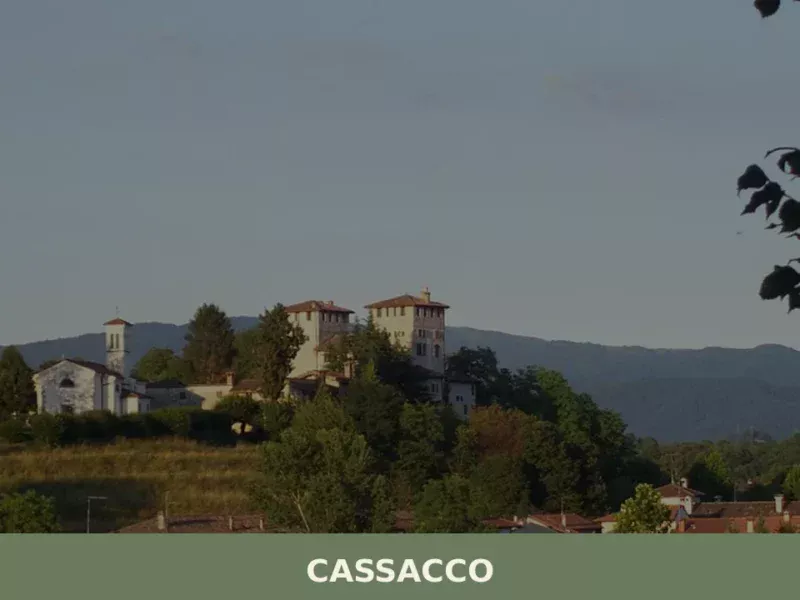
The Castle of Cassacco appears in documents of the Patriarchate of Aquileia as early as 1158, when Patriarch Ulrich II confirmed its possession to the local lords. Since then, that manor in a commanding position over the Friulian plain has shaped the life of an entire rural territory, defined by cultivated fields, rows of vines […]
Castions di Strada
Plains
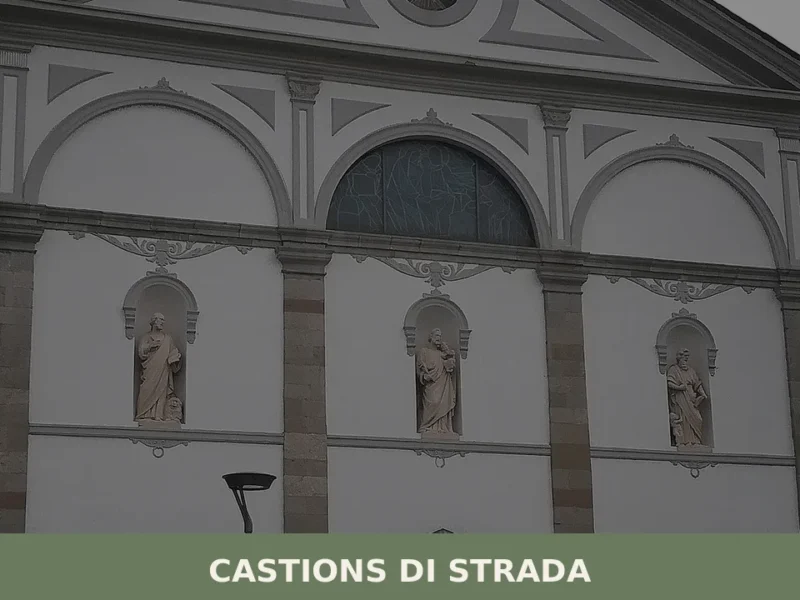
A straight road cuts across the Friulian plain at twenty-three metres above sea level, and along that route — the ancient road that connected Aquileia to Concordia Sagittaria — a settlement grew whose very name declares its reason for being. Castions di Strada owes its identity to that Roman road, to a network of drainage […]
Camino al Tagliamento
Plains
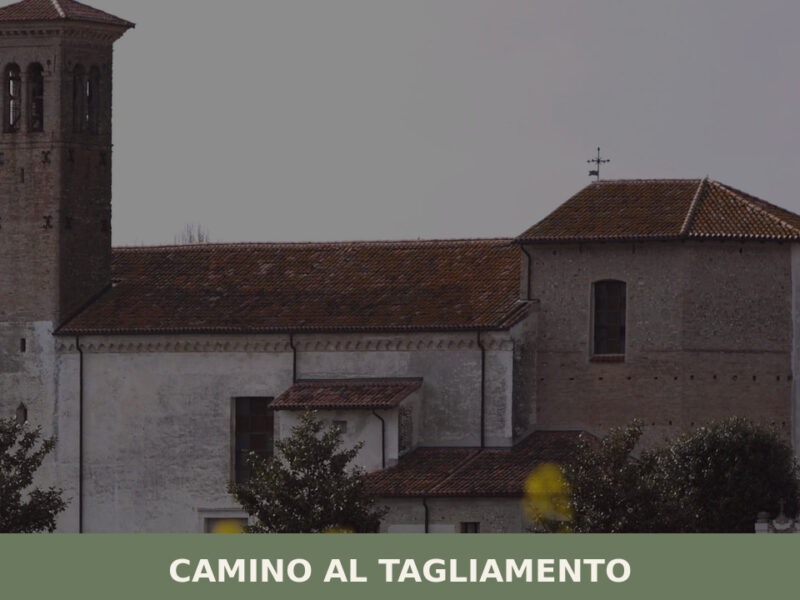
A guide to Camino al Tagliamento in Friuli Venezia Giulia — its medieval parish church, the Tagliamento riverbed, rural hamlets, and Friulian food traditions.
Chiopris-Viscone
Plains
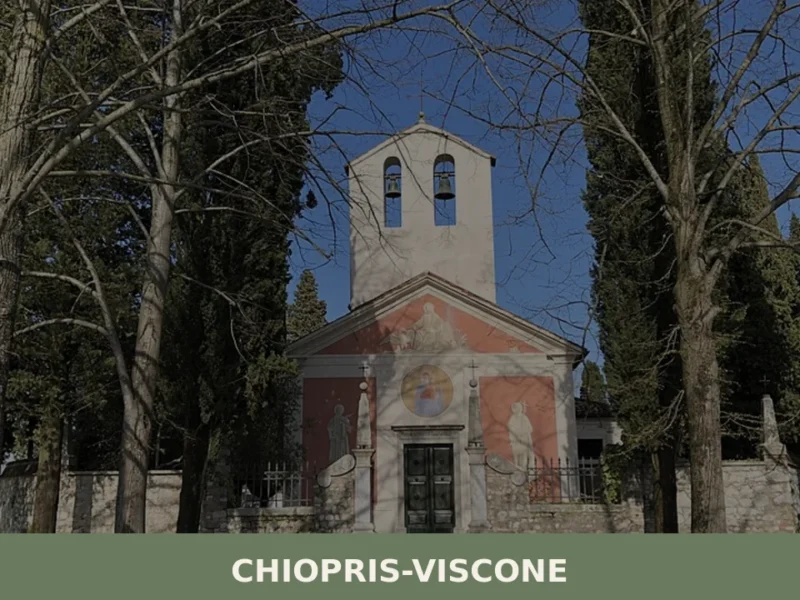
Two hamlets, two bell towers, two patron saints — and a single road running through both, the provincial route from Palmanova towards the Slovenian border. Anyone arriving in Chiopris-Viscone for the first time immediately notices this duality: the municipality, created in 1928 through the administrative merger of two distinct settlements, still retains a twin-centre layout, […]
Latisana
Plains
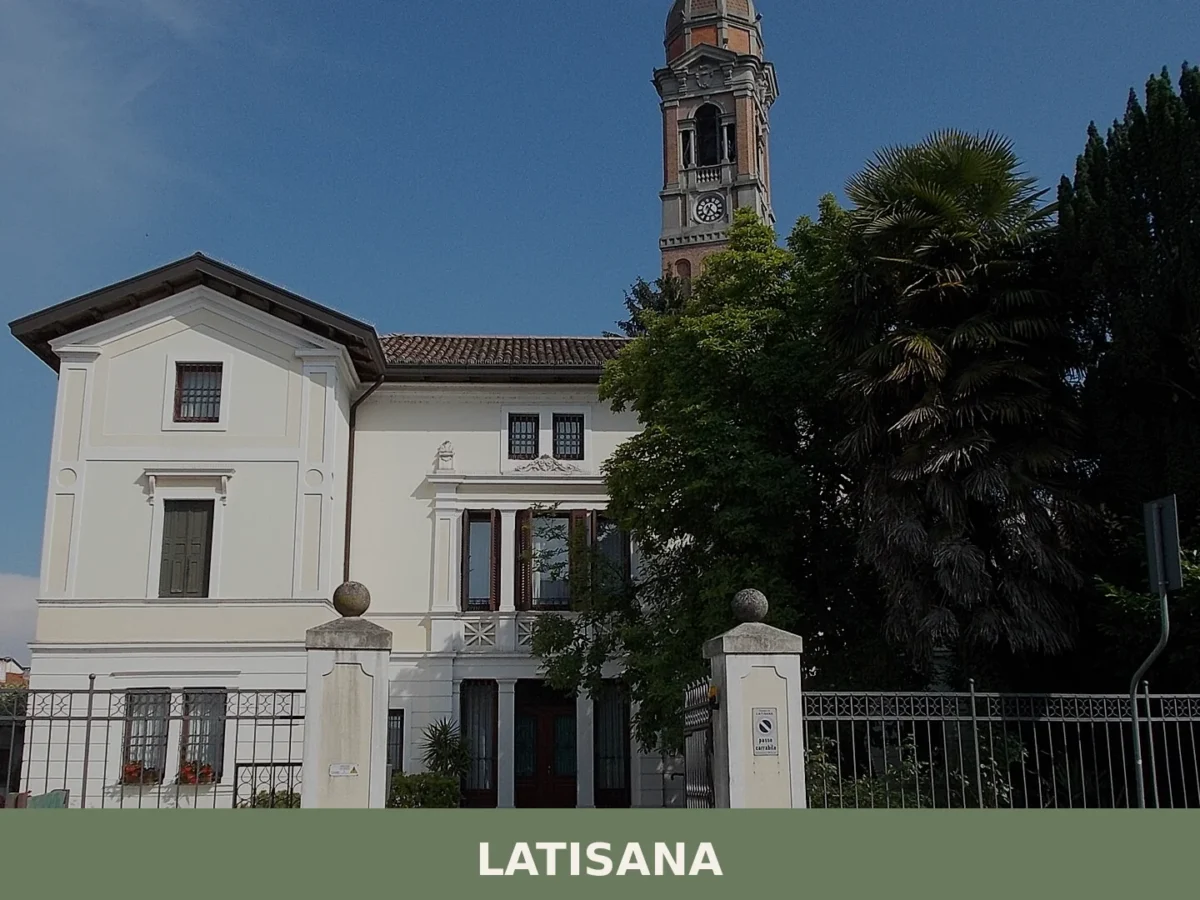
Latisana shaped medieval trade along the Tagliamento River for centuries. Visit for its Venetian architecture, ancient port history, and the lagoon at Aprilia Marittima.
Bertiolo
Plains
The earliest documented mention of the name Bertiolo dates back to 1219, in a notarial deed linked to the properties of the Patriarchate of Aquileia. Arriving today along the road that leads south from Codroipo, visitors encounter a compact urban centre laid out along a grid of orderly streets, surrounded by fields of maize and […]
Udine
Plains
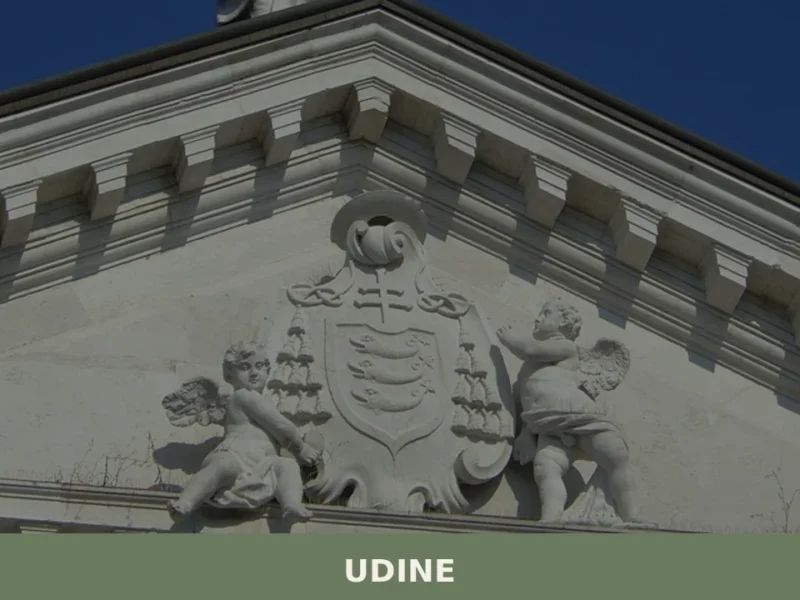
what to see in udine, home to 98,780 residents. Discover the historic Castle, Piazza della Libertu00e0, and Tiepolo Galleries. Explore its rich heritage.
Pordenone
Plains
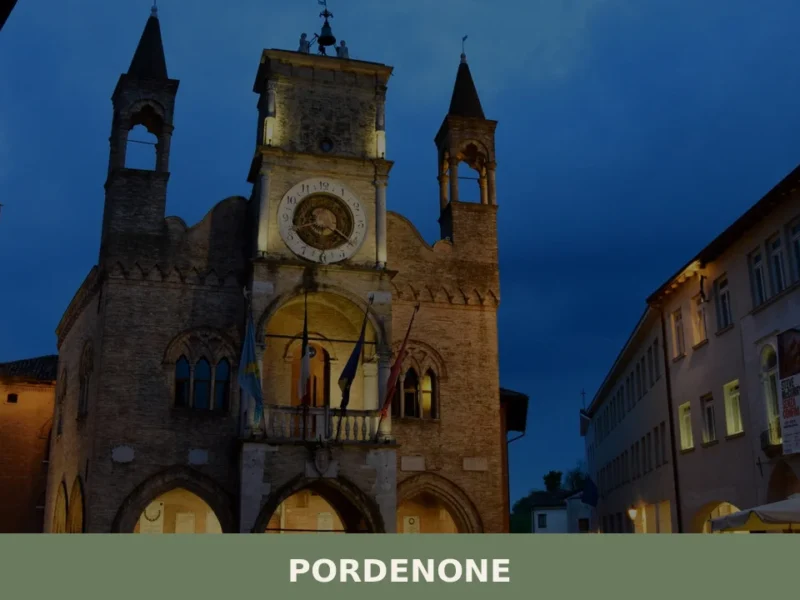
What to see in Pordenone, Italy: explore its 79-meter bell tower and Venetian porticoes. Discover its rich history and cultural events. Read our guide for your trip.
Trieste
 Sea
Sea
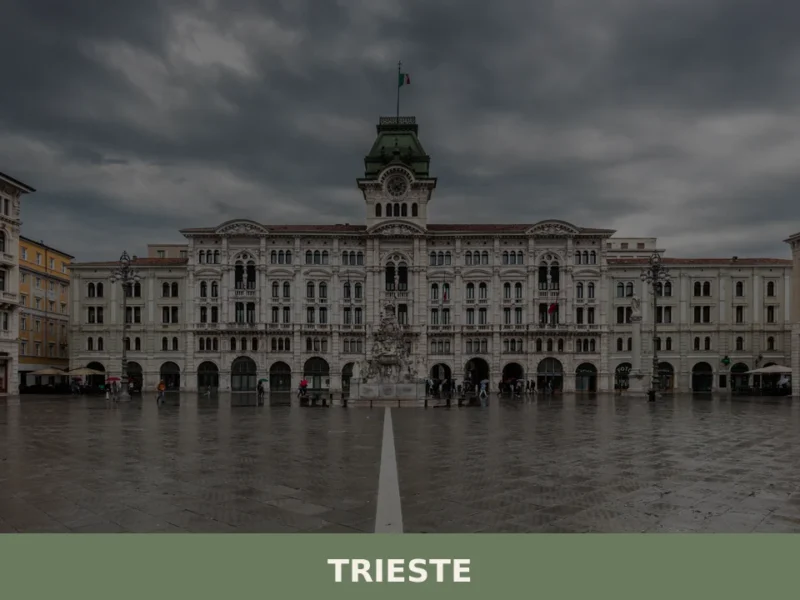
What to see in Trieste, a city with over 200,000 inhabitants? Discover 5 main attractions and savor local cuisine like Jota and Presnitz. Explore its unique history.
Buttrio
Plains
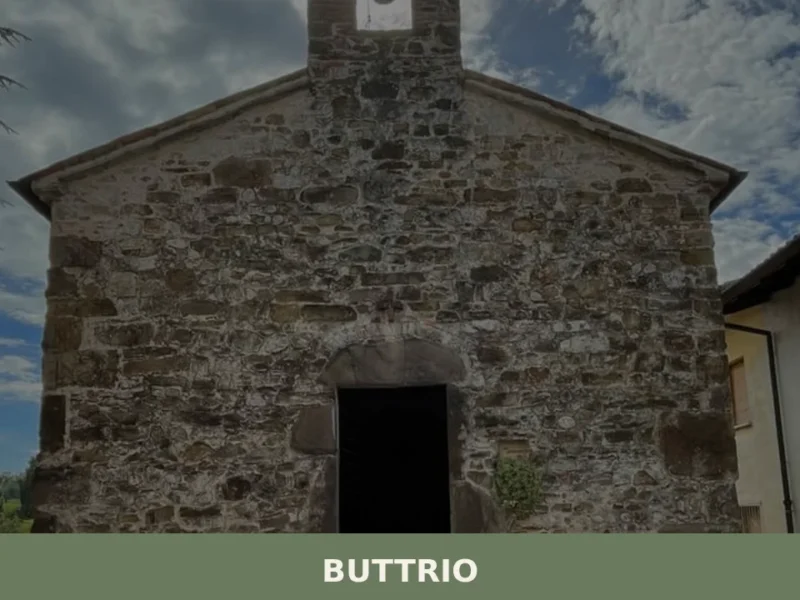
In 1031 a document issued by Emperor Conrad II mentioned for the first time the name Butrium, referring to a hilltop settlement where grapevines had already been cultivated for centuries. Today that nucleus has become a municipality of 4,040 inhabitants in the province of Udine, standing at 79 metres above sea level and surrounded by […]

🏡 Know Arba better than we do?
If you’re a local or have been there, your knowledge matters: add what’s missing or fix a detail on this page.