


Andreis
 Mountain
What to see in Andreis, a village of 242 residents in the Friulian Dolomites Park: attractions, local food, how to get there and when to visit.
Discover Andreis
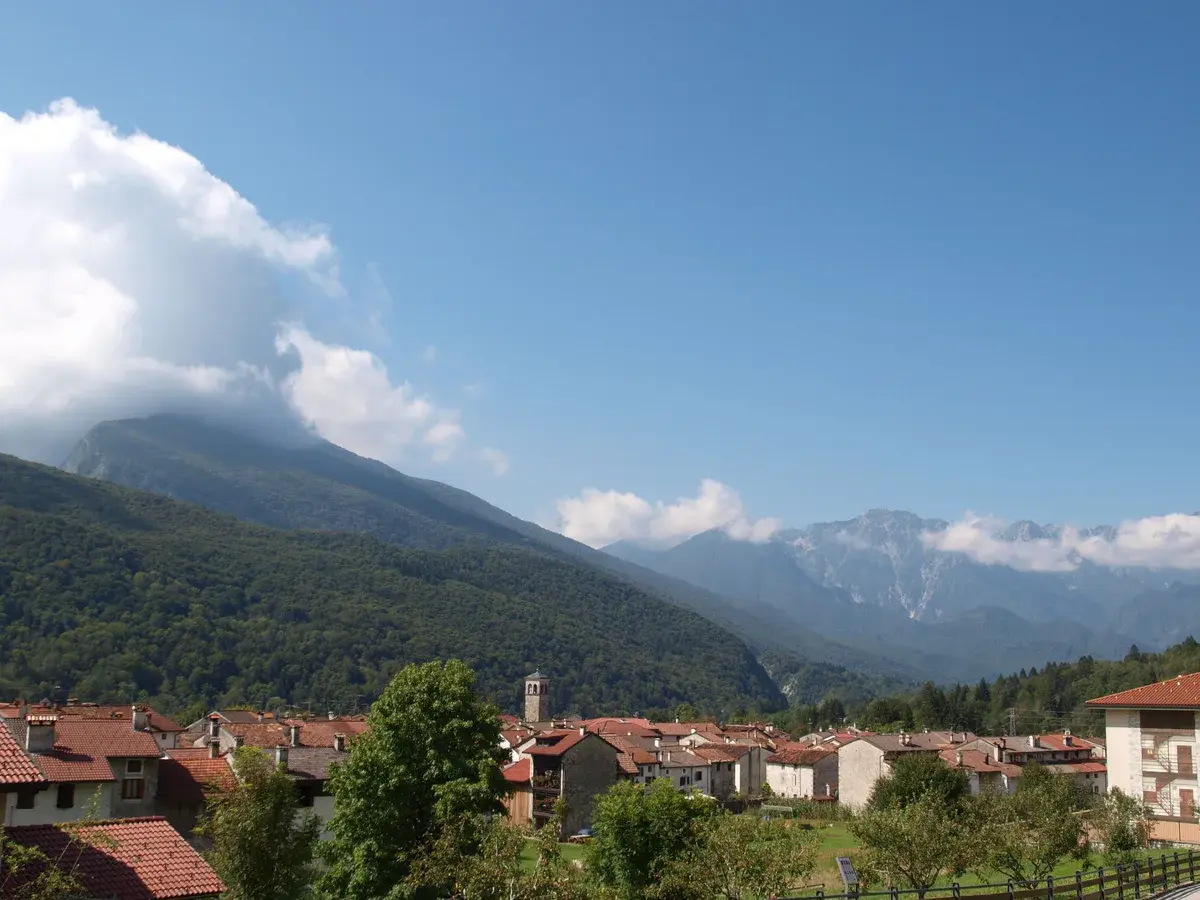
Andreis has a population of 242 and sits at 455 metres above sea level, in the eastern sector of the Friulian Dolomites Regional Nature Park. That single fact — a very small community set within one of the largest protected parks in Friuli — already defines the character of the place better than any description could. Anyone wanting to know what to see in Andreis should start with this dual identity: a settlement that has maintained continuous habitation while shrinking to a few hundred residents, in a landscape that the mountains have always shaped in decisive ways.
History and origins of Andreis
The place name Andreis almost certainly derives from the Latin personal name Andreas, which spread throughout the medieval period through devotion to Saint Andrew the Apostle. It follows a naming pattern common in western Friuli, where villages took their names from landholdings or medieval settlement centres. The earliest documented references to the village date from the medieval period, when the territory fell under the feudal jurisdictions competing for control of the pre-Alpine valleys of the Pordenone area. The Meduna valley — named after the stream that flows below — was strategically important as a route connecting the Friulian plain with the Alpine valleys.
In administrative and political terms, Andreis was for centuries part of the patriarchal feudal system, before passing under the rule of the Republic of Venice in 1420, when Venice absorbed much of western Friuli. This transition brought changes to how the mountain territory was organised: communities in the Meduna valley retained forms of self-management over forest resources and pastures, practices known in Friuli as vicinie or village communities. The local economy was based on forestry, livestock farming, and a limited subsistence agriculture made difficult by altitude and terrain.
During the nineteenth century, following annexation to the Kingdom of Italy and the subsequent administrative reorganisation, Andreis became an autonomous municipality within the province of Udine, later reorganised in the post-war period. The establishment of the Friulian Dolomites Regional Nature Park in 1996 brought the most recent major structural change to the village: the shift from a marginal mountain economy to a protected and environmentally valued territory, with direct consequences for land management and for rural and tourism development.
What to see in Andreis: 5 key attractions
1. The Church of the Madonna delle Grazie
This is the village’s patronal place of worship, dedicated to the Madonna delle Grazie and celebrated every year on 8 September. The building serves as the religious and community focal point of the settlement. The date of the patronal feast coincides with the Nativity of the Virgin, a widely observed occasion in many mountain communities of Friuli as a moment of gathering at the close of summer.
2. The Friulian Dolomites Regional Nature Park
Andreis is one of the municipalities within the boundaries of the regional park, established in 1996 and now part of the UNESCO World Heritage Site as part of the Dolomites. The municipal territory includes limestone formations, beech and fir forests, and areas of high biodiversity. The park offers a network of marked trails, several of which begin near the village.
3. The Meduna Stream and the Meduna Valley
The Meduna flows through the valley below the village and forms the geographical axis around which human settlement developed in the area. The stream’s waters have a distinctive blue-green colour, caused by the mineral composition of the limestone rocks they pass through. The valley floor can be explored on foot along paths that follow the watercourse.
4. Hiking Trails into the Friulian Dolomites
From the Andreis area, trails lead into the more remote parts of the park, reaching altitudes above 2,000 metres. These routes cross varied terrain — mixed woodland, high-altitude meadows, and rocky slopes — and are used by day walkers and mountaineers heading towards the mountain huts in the Pordenone Dolomites.
5. The Historic Village Centre
The built-up area of Andreis retains the typical layout of a Friulian mountain settlement: local stone buildings, enclosed courtyards, and covered passageways between houses. The structure of the village reflects the need for compactness — both for defensive purposes and to preserve agricultural land — a characteristic shared by other villages in the Meduna valley and the pre-Alpine valleys of the Pordenone area.
Local food and typical products
The gastronomic tradition of Andreis and the Meduna valley belongs to the broader tradition of Friulian mountain cooking, built around ingredients that for centuries represented the main food resources of these communities. The most representative dish across the whole area is polenta, eaten alongside wild mushrooms gathered in the park’s forests — particularly porcini and chanterelles — or with aged mountain cheeses. Game has always played an important role in the local diet, prepared according to recipes passed down locally, often slow-cooked with mountain herbs.
Among the products of the Friulian territory that also feature in the local traditions of the Pordenone area are Montasio PDO, a semi-hard cheese produced in Friuli-Venezia Giulia with European recognition, and cured meats from the Friulian tradition such as Prosciutto di San Daniele PDO and Pitina, the latter included in the national register of Traditional Italian Food Products. Pitina is a cured meat made from sheep or goat, smoked and aged, typical of the pre-Alpine valleys of the Pordenone area and recognisable by its spherical shape and strong flavour.
When to visit Andreis: the best time of year
Summer, from June to September, is when the area is most accessible: the park trails are open, temperatures at 455 metres are moderate compared to the plain below, and the patronal feast on 8 September provides an opportunity to take part in one of the village’s most important religious and community occasions. Autumn, between October and November, turns the beech forests through a range of colours that makes the trails particularly interesting for nature photography and wildlife walking.
Winter partially isolates the village due to road conditions at altitude, while spring — from April onwards — brings renewed vegetation and relatively low visitor numbers. Those who prefer to visit without heavy trail traffic should consider May or the first half of June. For up-to-date information on events and accessibility, the reference point is the official website of the Municipality of Andreis.
How to get to Andreis
Andreis is best reached by car, as public transport connections to the pre-Alpine valleys of the Pordenone area are limited. The village is in the province of Pordenone, approximately 50 kilometres from the provincial capital.
- By car from Pordenone: take the SS251 state road towards Spilimbergo, then continue up the Meduna valley to Andreis. The journey takes approximately 50–60 minutes.
- Motorway exit: the nearest is Pordenone on the A28 motorway (Pordenone–Conegliano), about 45 km from the village.
- Nearest airport: Venice Marco Polo International Airport is approximately 120 km away, while Trieste–Ronchi dei Legionari Airport is around 130 km.
- By train: the nearest railway station is Pordenone, served by the Venice–Trieste line. From Pordenone, onward travel by car or local bus services is required.
- From Udine: approximately 90 kilometres, mainly on ordinary roads via Spilimbergo.
Where to stay in Andreis
Accommodation options in Andreis are limited, in keeping with the size of the village. The most common type of lodging is family-run: rooms to let, holiday homes, and a few agriturismo properties in the Meduna valley area. Those looking for a base near the park may also want to consider accommodation in neighbouring municipalities in the valley, which offer a convenient starting point for excursions across the area. The Touring Club Italiano identifies the zone as a destination for nature-based tourism, with accommodation spread across the valley as a whole rather than concentrated in the village itself.
Booking in advance is advisable in July and August, when pressure on the park from visitors increases and small properties fill up quickly. For autumn or spring stays, last-minute bookings are generally feasible. Larger groups or those seeking independent arrangements will find self-catering holiday homes the most practical option, given the limited number of restaurants in the village.
Other villages to explore in Friuli-Venezia Giulia
Friuli-Venezia Giulia has a network of small mountain and hillside settlements that share with Andreis the same historical foundations: communities that developed along Alpine communication routes, shaped by a forestry economy and collective resource management. Visitors travelling through the Pordenone pre-Alpine area can easily reach Clauzetto, a village in the Cosa valley that spreads across a plateau between 440 and 600 metres, with a settlement structure similar to that of Andreis, and Vito d’Asio, a municipality in the Arzino valley that shares the same province and a comparable geographical profile.
Extending the range to other provinces of the region, Stregna is worth attention: a small municipality in the Natisone Valleys in the province of Udine, an area with a strong Slovenian identity that represents one of the most complete examples of border culture in Friuli. To the west, in the hills between Friuli and the Veneto, Polcenigo offers a different kind of experience: a village with karst springs, a documented medieval castle, and a continuous record of settlement going back to the Iron Age, according to archaeological research carried out in the area.
—
Frequently asked questions about Andreis
What is the best time to visit Andreis?
The best time to visit Andreis is during summer (June to September), when park trails are fully accessible and temperatures are pleasant. This period culminates with the traditional patronal feast of the Madonna delle Grazie on September 8th, a significant religious and community event. Autumn (October-November) is ideal for nature photography, offering stunning foliage. For a quieter experience with renewed vegetation, consider May or early June. Winter can bring road access challenges, so always consult the official Municipality of Andreis website for current conditions and event schedules.
What to see in Andreis? Main monuments and landmarks
Andreis invites exploration of its natural and historical character. Visit the Church of the Madonna delle Grazie, the village's spiritual heart, especially vibrant around its patronal feast on September 8th. Wander through the historic village centre, admiring its unique Friulian mountain architecture, characterised by local stone buildings, enclosed courtyards, and covered passageways. The village also serves as a gateway to the Friulian Dolomites Regional Nature Park, a UNESCO World Heritage site, offering breathtaking landscapes and numerous marked trails for all levels of outdoor enthusiasts.
Where to take the best photos in Andreis?
For captivating photographs, explore Andreis's historic village centre, capturing its distinctive local stone architecture and charming traditional courtyards. The Meduna Stream, with its striking blue-green waters, offers picturesque natural scenes, particularly when followed along its valley paths. During autumn, from October to November, the beech forests within the Friulian Dolomites Regional Nature Park transform into a spectacular array of colours, providing exceptional opportunities for landscape and nature photography along the numerous marked trails.
Are there museums, churches or historic buildings to visit in Andreis?
Yes, visitors can explore the Church of the Madonna delle Grazie, the village's patronal church and a central community landmark. While specific opening hours for small village churches may vary, it is generally accessible during daylight or for services. The entire historic village centre itself is a key attraction, preserving the typical layout of a Friulian mountain settlement with its well-maintained stone buildings, enclosed courtyards, and characteristic covered passageways, offering a genuine glimpse into traditional life. No dedicated museums are mentioned for Andreis.
What can you do in Andreis? Activities and experiences
Andreis is a paradise for outdoor activities, especially hiking within the Friulian Dolomites Regional Nature Park. Numerous marked trails cater to all levels, from leisurely walks along the Meduna Stream to challenging routes reaching over 2,000 metres, ideal for day walkers and mountaineers. Autumn is perfect for nature photography and wildlife observation amidst the vibrant foliage. Culturally, visitors can experience the local community spirit, particularly during the Madonna delle Grazie feast on September 8th, and indulge in the rich local gastronomy, including polenta, wild mushrooms, aged cheeses, and the unique Pitina cured meat.
Who is Andreis suitable for? Families, couples, hikers, solo travelers?
Andreis is perfectly suited for nature enthusiasts, hikers, and those seeking a serene, authentic mountain experience. It appeals to solo travelers and couples desiring to immerse themselves in the tranquility and beauty of the Friulian Dolomites Regional Nature Park, offering diverse trails. Families who appreciate outdoor adventures and a quiet environment will also find it a rewarding destination. Given its small size and focus on natural landscapes, Andreis is ideal for visitors prioritizing genuine connection with nature and local culture over extensive amenities or bustling tourist attractions.
What to eat in Andreis? Local products and specialties
Indulge in Andreis's rich Friulian mountain cuisine, centred around polenta, often served with wild porcini or chanterelle mushrooms gathered from the park, or alongside delicious aged mountain cheeses. Game, prepared with local herbs, is a traditional staple. Be sure to sample Montasio PDO, a renowned semi-hard cheese from Friuli-Venezia Giulia. Among cured meats, look for Prosciutto di San Daniele PDO and, uniquely, Pitina – a spherical, smoked, and aged sausage made from sheep or goat meat, distinctive to the Pordenone pre-Alpine valleys for its strong flavour.
Nearby Villages near Andreis
In Friuli-Venezia Giulia More villages to discover
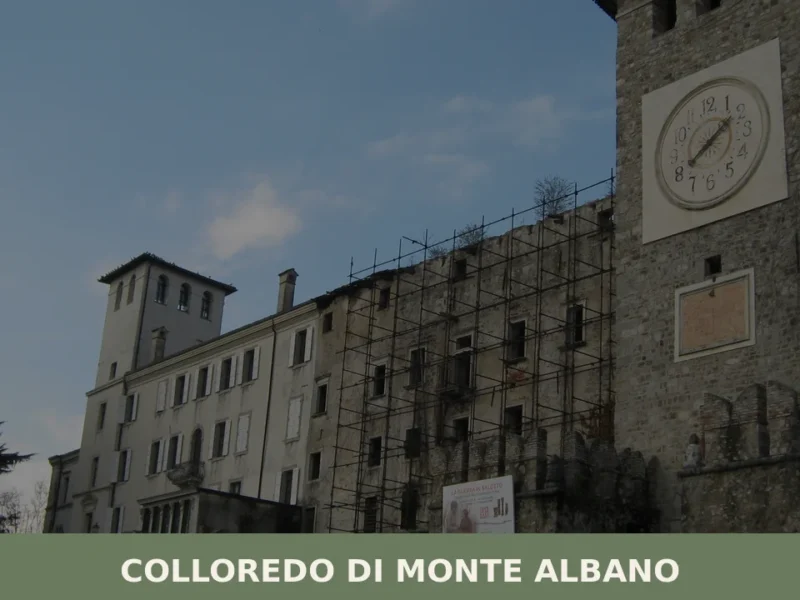
Colloredo di Monte Albano
 Hills
Hills
The earthquake of 6 May 1976 split the history of Colloredo di Monte Albano in two: before and after. The castle of the Counts of Colloredo, one of the most imposing noble residences in Friuli, largely collapsed that evening, and with it shattered an architectural heritage built over seven centuries. Today, after decades of restoration, […]
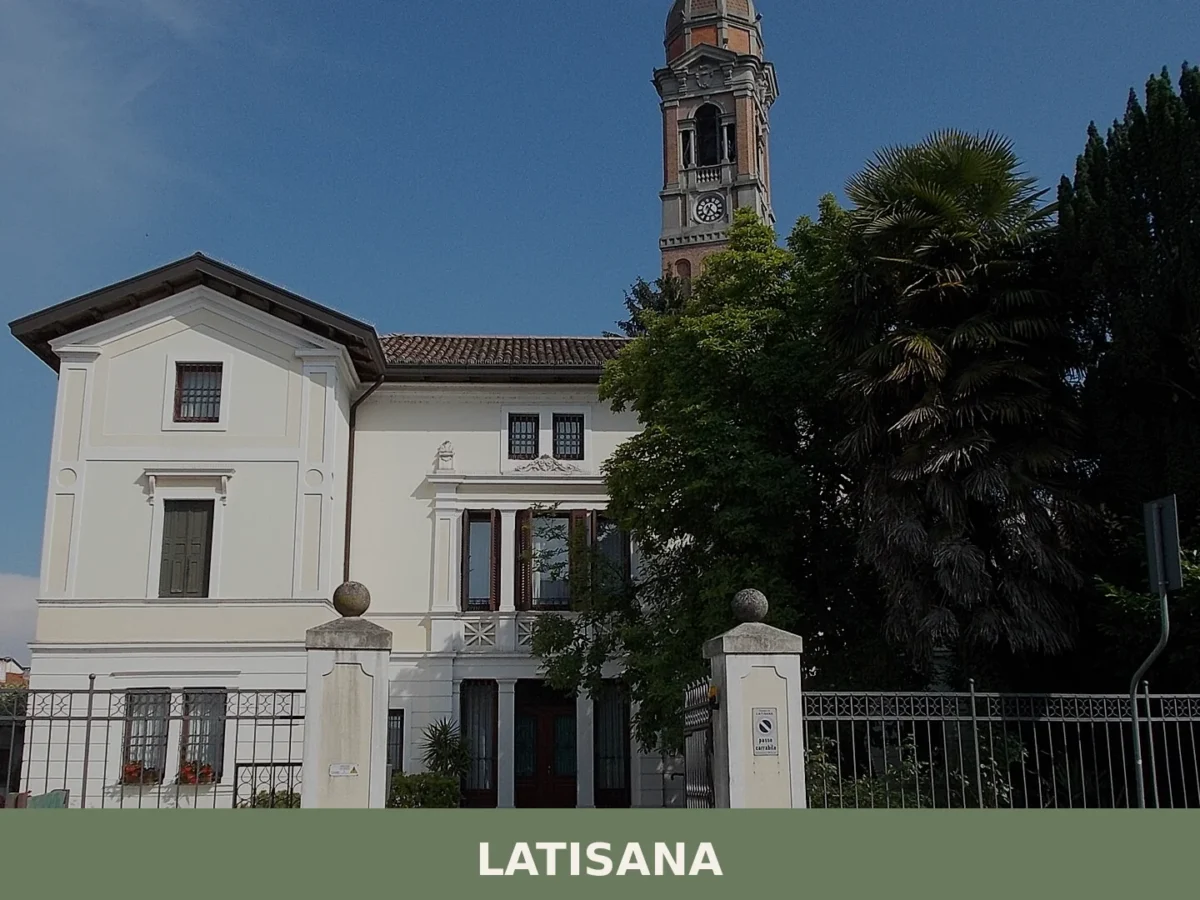
Latisana
 Plains
Latisana shaped medieval trade along the Tagliamento River for centuries. Visit for its Venetian architecture, ancient port history, and the lagoon at Aprilia Marittima.
Comeglians
Hills
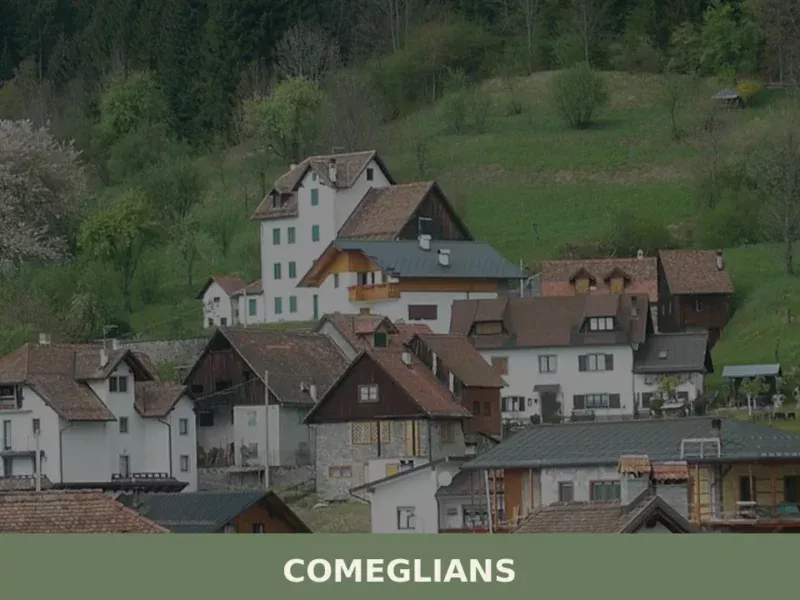
In the valley of the Degano torrent, along the road that climbs from Tolmezzo toward the Monte Croce Carnico pass, Comeglians marks a precise point on the map of Carnia: 553 metres above sea level, 533 inhabitants spread across the main village and the hamlets of Povolaro, Maranzanis, Tualis, and Calgaretto. The municipality is documented […]
Amaro
Hills
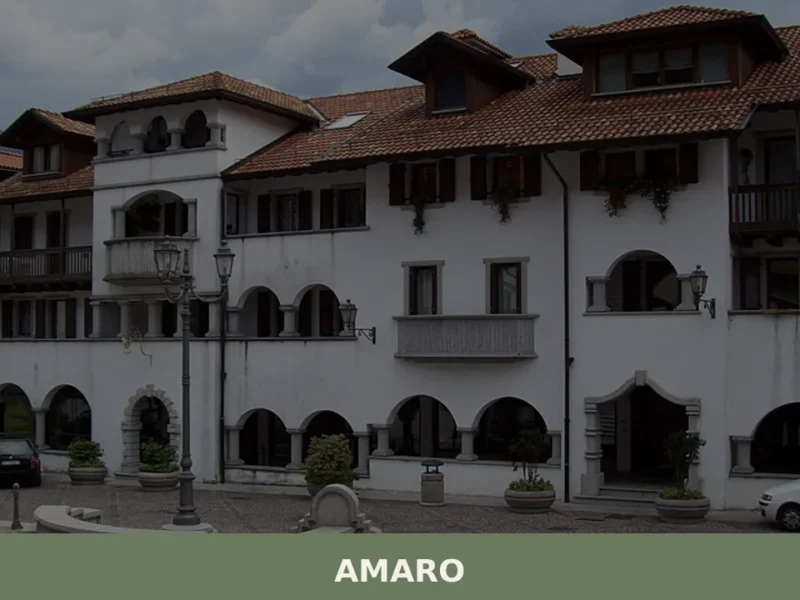
What to see in Amaro, Italy: Discover this Friuli-Venezia Giulia village at 296 m (971 ft) altitude. Explore local traditions and planning your visit.
Chiusaforte
Hills
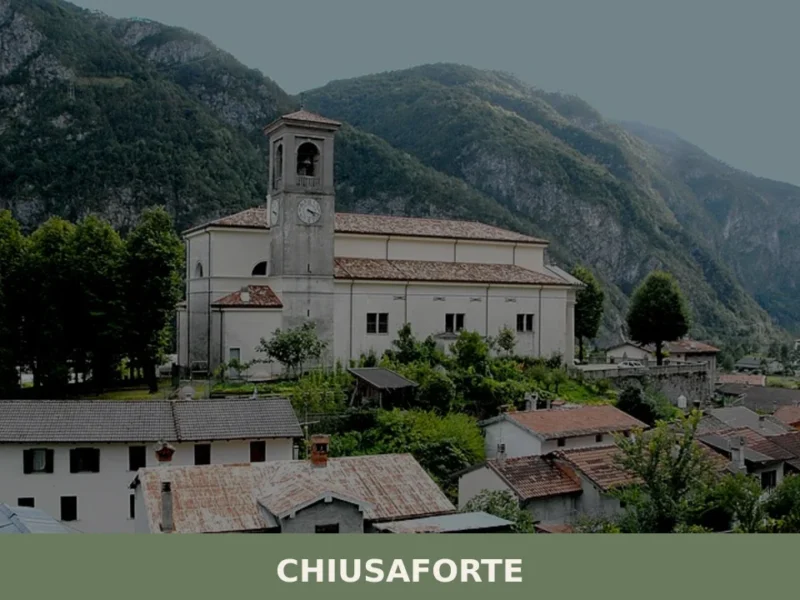
Anyone travelling along the A23 motorway towards the Austrian border will notice, quite suddenly, the Fella valley narrowing between sheer rock walls. Right at that point stands Chiusaforte, a settlement of 684 inhabitants at 391 metres above sea level, whose name — from “chiusa forte,” meaning “strong barrier” — declares without ambiguity the military and […]
Doberdò del Lago
Plains
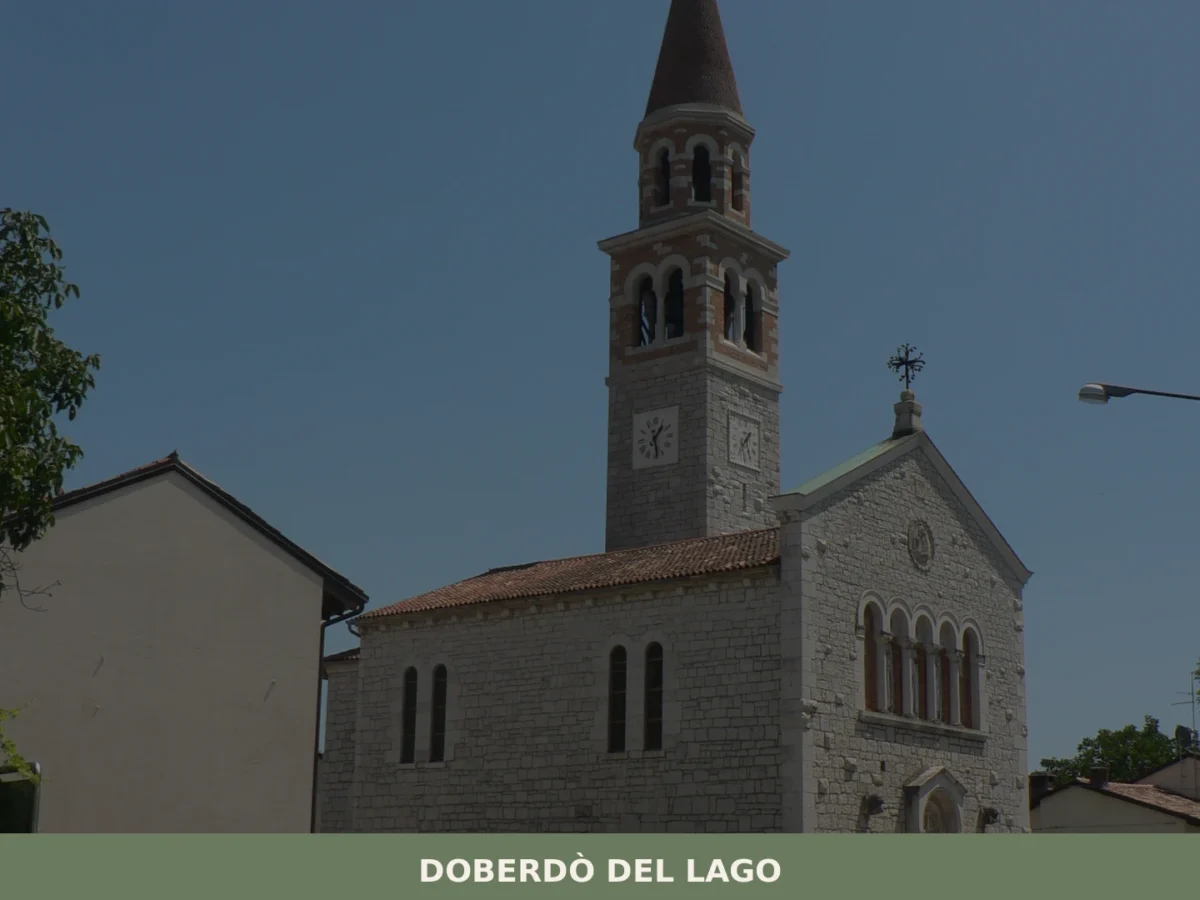
What to see in Doberdò del Lago, Italy, a village with 1,340 inhabitants. Discover the unique Karst Plateau and explore significant WWI sites. Plan your visit to Friuli-Venezia Giulia.
Ampezzo
Hills
A documentary-style guide to Ampezzo in Carnia, covering its history, key attractions, Carnic cuisine, and how to reach this quiet alpine village in Friuli Venezia Giulia.
Corno di Rosazzo
Plains
In 1070, a deed of donation by the Patriarch of Aquileia mentioned the name Corno di Rosazzo for the first time, linking it to a parish church and a territory already organized around viticulture and cereal farming. Today that territory extends over just twenty square kilometres across the Colli Orientali del Friuli, at 88 metres […]
Cercivento
Mountain
Discover what to see in Cercivento: a 635-soul village in the Carnic Alps of Friuli Venezia Giulia, with historic churches, mosaics, and alpine trails.
Attimis
Plains
Twin castle ruins, a medieval archaeological museum, and the secluded mountain hamlet of Porzûs — Attimis reveals Friuli's layered history in a quiet valley near Udine.


🏡 Know Andreis better than we do?
If you’re a local or have been there, your knowledge matters: add what’s missing or fix a detail on this page.