


Argelato
 Plains
What to see in Argelato? Explore the 5 main attractions of this Emilian village. Our complete guide awaits for your trip. Read now!
Discover Argelato
The flat land north of Bologna stretches without interruption, fields of wheat and maize laid out in long rectangles between drainage canals and straight provincial roads.
At the edge of one such road, the railway line for freight cuts through the landscape at Funo, where one of the largest wholesale trade centres in Europe occupies a sprawling complex visible from the elevated embankment.
This is the northern Bolognese plain: productive, organised, measured in straight lines rather than contours.
Knowing what to see in Argelato means understanding a comune of eight hamlets spread across the Metropolitan City of Bologna, roughly 15 km (9.3 mi) north of the city centre. Visitors to Argelato find a territory shaped by centuries of agricultural management, a network of small villages each with its own identity, and the remarkable commercial infrastructure of the hamlet of Funo.
The Argelato highlights include its rural parish churches, the canal landscape of the Po plain, and proximity to Bologna’s food and market culture.
History of Argelato
The name Argelato derives from the Latin argilla, meaning clay, a direct reference to the heavy, waterlogged soil that characterised this stretch of the Po plain for centuries.
The territory sat within the broad flood zone of the Reno river, and the soil’s composition — rich in clay deposits left by repeated inundations — defined both its agricultural potential and its limitations.
Early medieval settlements in this zone were modest and dispersed, built on slight elevations above the surrounding wetlands, which were only gradually reclaimed through drainage works carried out from the medieval period onward.
During the communal and later the signorial periods, the territory of Argelato fell within the political and economic sphere of Bologna.
The Bentivoglio family, who dominated Bologna through much of the fifteenth century, held influence over the surrounding countryside, and the rural communes of the northern plain supplied grain and labour to the city.
The hamlets that now constitute the comune — among them Casadio, Funo, Malacappa, Volta Reno, San Donnino and San Giacomo — developed as individual agricultural settlements, each organised around a parish church and the farmsteads of local landowners. The mezzadria system, a sharecropping arrangement widespread across Emilia-Romagna, structured rural life here well into the twentieth century.
The twentieth century brought significant transformation.
Land reclamation projects completed in the early decades of the 1900s made the territory more productive and accessible. Later, the postwar industrial expansion of the Bologna metropolitan area extended its economic gravity northward, and the hamlet of Funo became the site of large-scale infrastructure. The construction of the CenterGross — a wholesale trade centre established in the 1970s — positioned Funo as the second largest facility of its kind in Italy, after the CIS of Nola in Campania, and one of the largest in Europe.
Industrial facilities, including those of the company Guaber, and a large freight railway station reinforced Funo’s role as a logistics node within the broader Bologna metropolitan economy.
What to see in Argelato, Emilia-Romagna: top attractions
CenterGross, Funo
The CenterGross occupies a vast complex in the hamlet of Funo, covering hundreds of thousands of square metres of wholesale trade space.
Established in the 1970s, it ranks as the second largest wholesale centre of its kind in Italy and one of the largest in Europe, drawing buyers and operators from across the continent.
Standing at the perimeter of the complex, the scale of the warehousing and logistics infrastructure communicates immediately the economic weight this facility carries within the regional economy. For visitors with a professional or commercial interest in Italian trade, the CenterGross represents a concrete illustration of how Bologna’s metropolitan area functions as a distribution hub.
Access is primarily vehicular, and visits are most relevant during weekday trading hours.
Parish Church of Argelato
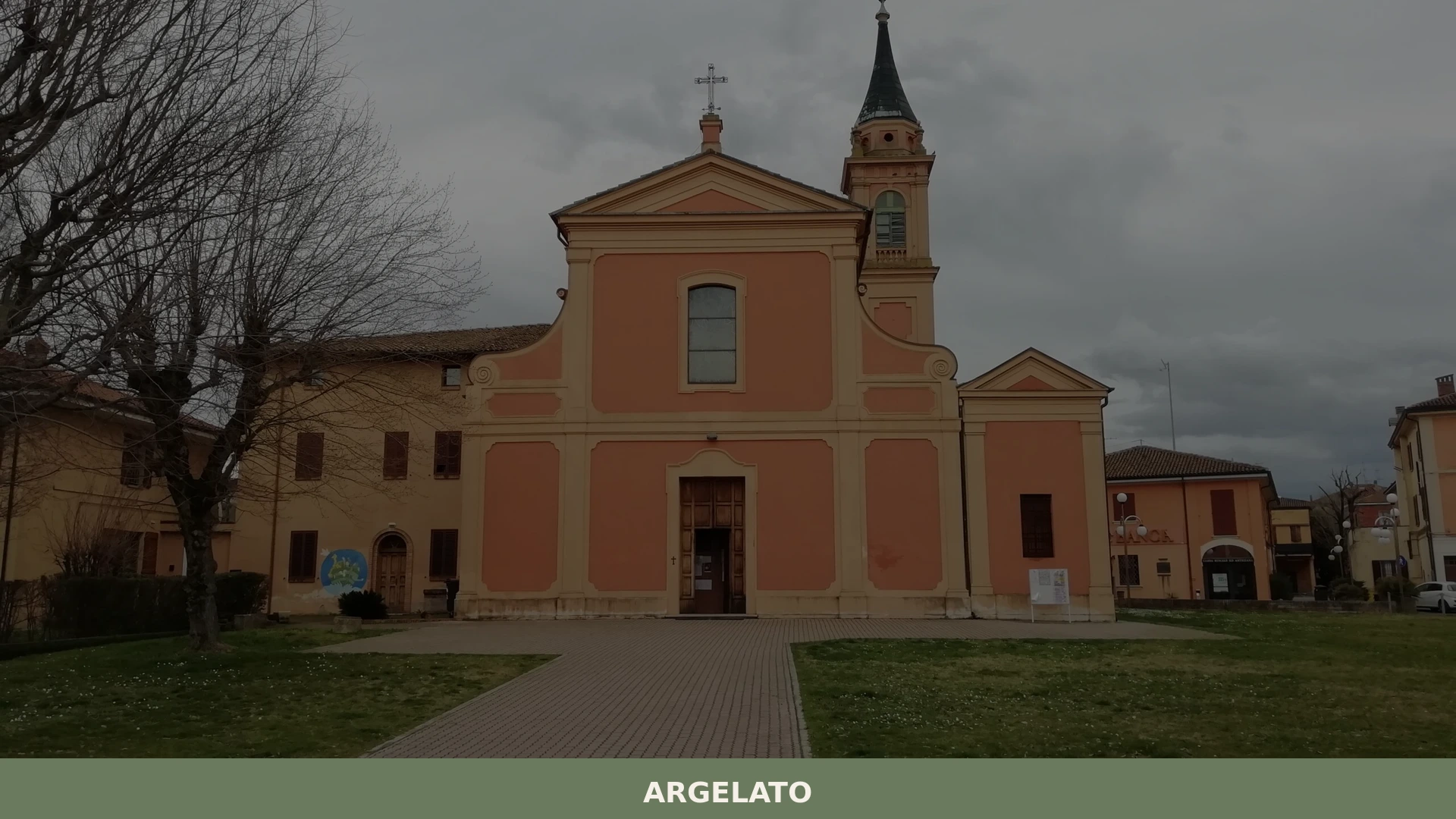
The parish church in the main village of Argelato stands as the religious focal point of the settlement, its brick facade typical of the lowland Emilian construction tradition that favoured fired clay over stone, given the absence of local quarryable rock on the Po plain.
Brick construction in this area dates to at least the medieval period, when local kilns processed the abundant clay soil — the same argilla that gave the village its name — into building material. Inside, the church follows the standard layout of rural Emilian parishes: a single nave with side altars and a presbytery separated from the nave by a low rail.
The church is most accessible during morning hours and on Sundays; it is worth checking the notice board outside for local event schedules.
The Reno Canal Landscape around Volta Reno
The hamlet of Volta Reno — whose name records the bend, or volta, once described by the Reno river at this point — sits within a landscape defined by hydraulic engineering spanning several centuries.
The network of canals, embankments and drainage channels visible from local roads represents systematic water management work begun in the medieval period and extended substantially in the nineteenth and early twentieth centuries.
Walking or cycling along the embankment roads, the geometry of the reclaimed plain becomes apparent: fields laid out in rectangles, farmhouses positioned on minimal elevations, the horizon unbroken for kilometres in every direction. The flat terrain makes this area particularly suited for cycling; distances between hamlets rarely exceed 3 km (1.9 mi).
Freight Railway Station at Funo
The large freight railway station at Funo is an industrial landmark of the northern Bolognese plain, directly connected to the logistics needs of the CenterGross and the surrounding industrial facilities.
Freight infrastructure of this scale is rare at the level of a small frazione, or hamlet, and its presence illustrates the specific economic geography of this part of Emilia-Romagna.
The station handles goods movement rather than passenger traffic at significant volume, and its position alongside the industrial zone of Funo makes it a point of reference for understanding how the area’s commercial functions are physically organised.
Observers interested in industrial geography will find the relationship between the rail terminal, the warehousing complex and the road network instructive.
The Hamlets of San Donnino and San Giacomo
The smaller hamlets of San Donnino and San Giacomo, which form part of the Argelato comune, retain the structure of traditional lowland Emilian settlements: a central road, a parish church, a cluster of farmhouses and more recent residential construction at the periphery.
San Donnino takes its name from the early Christian martyr venerated across Emilia-Romagna, a dedication found in numerous villages throughout the province of Bologna.
San Giacomo similarly reflects the medieval devotional geography of the region.
Both hamlets sit within a few kilometres of the main village of Argelato, and exploring them by bicycle on the network of minor roads gives a ground-level sense of how agricultural settlement was organised on the plain over several centuries. Spring, when the fields are at their most active and the light on the flat land is clear, is a practical time to visit.
Local food and typical products of Argelato
The gastronomic tradition of Argelato belongs to the broader culinary culture of the Bolognese plain, one of the most documented food-producing territories in Italy. The province of Bologna sits at the centre of a region whose agricultural output — wheat, pork, dairy, vine — has shaped Italian cooking over centuries. The flat land around Argelato produced grain for pasta and fodder for the pigs whose cured meat became the foundation of the local table.
Bologna, just 15 km (9.3 mi) to the south, established the institutional frameworks — guilds, market regulations, denominazione protections — that formalised many of these products.
On the table in this part of the Bolognese plain, pasta made by hand dominates the first course.
Tagliatelle al ragù is the canonical preparation: egg pasta rolled to approximately 8 mm wide when cooked, served with a meat sauce built from a base of beef, pork, soffritto of onion, carrot and celery, white wine and a small quantity of tomato.
The ratio of meat to tomato in the ragù is regulated by a recipe deposited with the Bologna Chamber of Commerce in 1982. Tortellini in brodo, small pasta rings filled with a mixture of pork loin, raw ham, mortadella, Parmigiano Reggiano and nutmeg, served in a clear capon broth, represents the festive dish of the area.
Mortadella di Bologna, the large cooked pork sausage produced with finely minced pork and whole peppercorns, is perhaps the most internationally recognised product of this territory.
The area around Argelato falls within the production zones of several protected designation products of the Emilia-Romagna region. Parmigiano Reggiano PDO, produced from the milk of cows raised in defined provinces including Bologna, is the foundational aged cheese of the local diet, consumed at every stage of a meal from grated over pasta to eaten in flakes with local cured meats.
Mortadella Bologna PGI covers a broad production area that includes the province of Bologna.
Prosciutto di Parma PDO and Culatello di Zibello PDO, while produced further west, are present on every local salumeria counter and form part of the standard cold cuts board served across the area.
Visitors travelling through Cadelbosco di Sopra, a comune in the Reggio Emilia province, will recognise the same cured meat and cheese traditions continuing across the plain.
Local markets in the hamlets of the Argelato comune operate on weekly schedules typical of the Bolognese area, usually on one morning per week. The markets stock fresh pasta from local producers, seasonal vegetables from the surrounding fields, and the full range of regional cured meats.
Autumn, when the new season’s Parmigiano Reggiano wheels begin to be sold and local pork processing begins, is a particularly good time to visit the food counters of the area.
Festivals, events and traditions of Argelato
The religious and civic calendar of the Argelato comune follows the pattern established across the rural Bolognese plain, centred on the feast days of the patron saints of each hamlet’s parish church.
San Donnino, venerated on 9 October according to the Roman calendar, is celebrated in the hamlet that bears his name with a parish mass and the informal gathering that follows.
San Giacomo, whose feast day falls on 25 July, is similarly marked at the hamlet of San Giacomo. These observances are local in scale, attended primarily by residents of the respective hamlets, and involve the parish liturgy as their core element.
Summer in the Argelato area brings the cycle of outdoor events common across Emilia-Romagna’s agricultural communes.
The sagra, a traditional local food festival typically organised by parish or civic associations, is the format through which communities gather around specific local products. In the hamlets of the Argelato area these events tend to focus on the grilled meats and pasta dishes of the Bolognese tradition, held in outdoor settings during July and August when the heat of the plain makes evening gatherings practical.
Precise dates vary year to year and are posted on the notice boards of the respective hamlets and on the municipal website of Argelato.
When to visit Argelato, Italy and how to get there
The best time to visit the Argelato area and the wider Emilia-Romagna plain is spring, specifically April and May, or early autumn in September and October.
During these months the temperature on the flat land sits between 15°C and 22°C (59°F and 72°F), the fields are active, and the heat that settles over the Po plain in July and August has not yet arrived or has already passed.
Winter on the plain is cold and frequently foggy, with temperatures dropping below 0°C (32°F) on many nights between December and February; the fog, known locally as nebbia, is a characteristic condition of the Bolognese lowlands in winter.
Those visiting primarily for food markets and local agricultural products will find October particularly productive, as the autumn harvests and the beginning of the salumi-making season coincide.
Argelato is straightforward to reach from Bologna. By car, take the A13 motorway (Bologna–Padova) and exit at Argelato, from which the main village is approximately 2 km (1.2 mi). The drive from Bologna city centre takes around 20 minutes in ordinary traffic. By rail, the nearest passenger station is Bologna Centrale, served by high-speed and regional trains from across Italy; from there, local bus services of the TPER regional transport network connect to the hamlets of the Argelato comune.
From Milan, Bologna is approximately 210 km (130 mi) by motorway and around 65 minutes by high-speed train; from Florence, the distance is roughly 105 km (65 mi) and the high-speed train journey takes under 40 minutes, making Argelato accessible as a day trip from either city.
Bologna Guglielmo Marconi Airport lies approximately 18 km (11.2 mi) southwest of Argelato; the drive from the airport to the comune takes around 25 minutes.
International visitors should note that English is not widely spoken in smaller local shops and on market stalls; carrying euro cash is practical, as card payment is not accepted everywhere in the smaller hamlets.
Those planning to visit Ravenna, located approximately 75 km (46.6 mi) east of Argelato along the Via Emilia axis, can combine both destinations in a day using the A14 motorway.
Visitors extending their trip further into the Emilian countryside might consider a stop at Calendasco, a commune in the Piacenza province that shares the flat riverine geography of the Po system, or at Coli in the Piacenza Apennines, where the terrain shifts abruptly from the plain to the first ridgelines of the northern Apennines. Both destinations illustrate, in contrasting ways, the geographic range contained within Emilia-Romagna’s boundaries.
Frequently asked questions about Argelato
What is the best time to visit Argelato?
The ideal time to visit Argelato is during spring (March to May) or early autumn (September to October). Spring offers pleasant temperatures, active agricultural fields, and clear light, perfect for cycling along the canal landscapes and exploring the hamlets of San Donnino and San Giacomo. The flat terrain is particularly inviting for outdoor activities. In late September, visitors can experience the local atmosphere during the Festa Patronale on September 29th, celebrating San Michele Arcangelo. Summers can be warm, while winters tend to be cold and occasionally foggy.
What are the historical origins of Argelato?
Argelato's name originates from the Latin 'argilla', meaning clay, a direct reference to the heavy, waterlogged soil characteristic of the Po plain. Historically situated within the Reno river's flood zone, the area's rich clay deposits shaped its agricultural potential. Early medieval settlements were modest and dispersed, gradually reclaimed through drainage works. The territory fell under Bologna's political and economic influence, particularly during the Bentivoglio family's dominance in the 15th century. Its hamlets developed as agricultural centres, with the mezzadria sharecropping system structuring rural life until the 20th century.
What to see in Argelato? Main monuments and landmarks
In Argelato, visitors can explore the Parish Church of Argelato, a brick-built religious focal point typical of lowland Emilian construction, accessible during morning hours and on Sundays. In the hamlet of Funo, the CenterGross is a significant landmark, ranking as one of Europe's largest wholesale trade centres. While primarily for professional interest, its vast scale illustrates the region's economic geography; visits are relevant during weekday trading hours. Additionally, the Reno Canal Landscape around Volta Reno showcases centuries of hydraulic engineering, ideal for cycling and appreciating the reclaimed plain's geometry.
What are the main natural or scenic attractions of Argelato?
The primary natural and scenic attraction in Argelato is the Reno Canal Landscape around Volta Reno. This area showcases centuries of hydraulic engineering, with a network of canals, embankments, and drainage channels defining the geometry of the reclaimed Po plain. The flat, open terrain, with fields laid out in rectangles and farmhouses on slight elevations, offers an expansive horizon. It is particularly suited for cycling, allowing visitors to appreciate the agricultural landscape and the systematic water management that has shaped this part of Emilia-Romagna over centuries.
Where to take the best photos in Argelato?
For captivating photographs in Argelato, focus on the Reno Canal Landscape, particularly around the hamlet of Volta Reno. The embankment roads offer excellent vantage points to capture the geometric precision of the reclaimed plain, with its rectangular fields, isolated farmhouses, and an unbroken horizon stretching for kilometres. The unique interplay of canals and agricultural land provides a distinctive Emilian rural aesthetic. Spring, when the fields are vibrant and the light is clear, is highlighted as an especially practical time for photography, showcasing the landscape at its most active.
Are there museums, churches or historic buildings to visit in Argelato?
Yes, Argelato offers historical and religious sites to visit. The main Parish Church of Argelato is a key religious focal point, featuring a brick facade typical of the Emilian lowland tradition. It is generally accessible during morning hours and on Sundays. Additionally, the smaller hamlets forming the comune, such as San Donnino and San Giacomo, each retain their traditional structure centered around rural parish churches. These provide insights into the medieval devotional geography and agricultural settlement patterns of the region, and are best explored by bicycle.
What can you do in Argelato? Activities and experiences
Argelato offers several engaging activities focused on its unique flat landscape and cultural heritage. Cycling is a prime activity, with the flat terrain and network of minor roads perfect for exploring the Reno Canal Landscape and the traditional hamlets like San Donnino and San Giacomo. Visitors can also immerse themselves in the rich culinary culture of the Bolognese plain, tasting local specialties and PDO/PGI products. For those with professional interests, a visit to the CenterGross in Funo offers insight into one of Europe's largest wholesale trade centres and the region's logistics infrastructure.
Who is Argelato suitable for? Families, couples, hikers, solo travelers?
Argelato is ideally suited for visitors interested in authentic rural Emilia-Romagna, particularly cyclists eager to explore the flat, agricultural landscapes and canal networks. It appeals to history enthusiasts keen to understand the region's agricultural past and settlement patterns. Food lovers will appreciate its proximity to Bologna's renowned culinary scene and local PDO/PGI products. It's also suitable for business travelers with commercial interests in the CenterGross, and for solo travelers or couples seeking a quiet, immersive experience away from typical tourist crowds, with a focus on local culture and nature.
What to eat in Argelato? Local products and specialties
In Argelato, the culinary experience is deeply rooted in the Bolognese plain's rich gastronomic tradition. Essential first courses include Tagliatelle al ragù, a classic egg pasta with a meat sauce prepared according to a specific recipe, and Tortellini in brodo, small pasta rings filled with a savory mix, traditionally served in capon broth for festive occasions. Renowned local cured meats include Mortadella di Bologna PGI, a finely minced pork sausage, and the foundational aged cheese, Parmigiano Reggiano PDO, produced from local cow's milk. Prosciutto di Parma PDO and Culatello di Zibello PDO are also widely available.
📷 Photo Gallery — Argelato
Nearby Villages near Argelato
In Emilia-Romagna More villages to discover
Cerignale
 Mountain
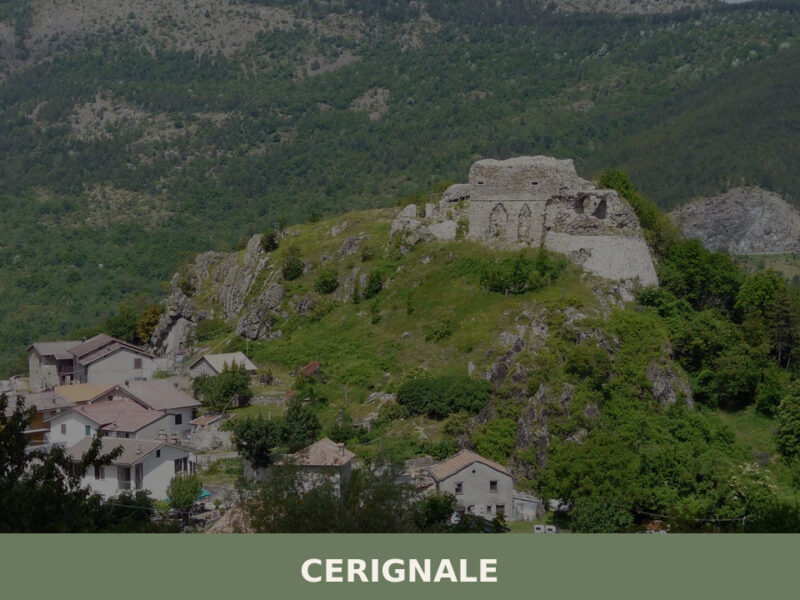
Cerignale, a 117-resident village at 725 metres in the Piacenza Apennines, holds medieval ruins, a geological elephant, and the silence of the upper Val Trebbia.
Alto Reno Terme
Mountain
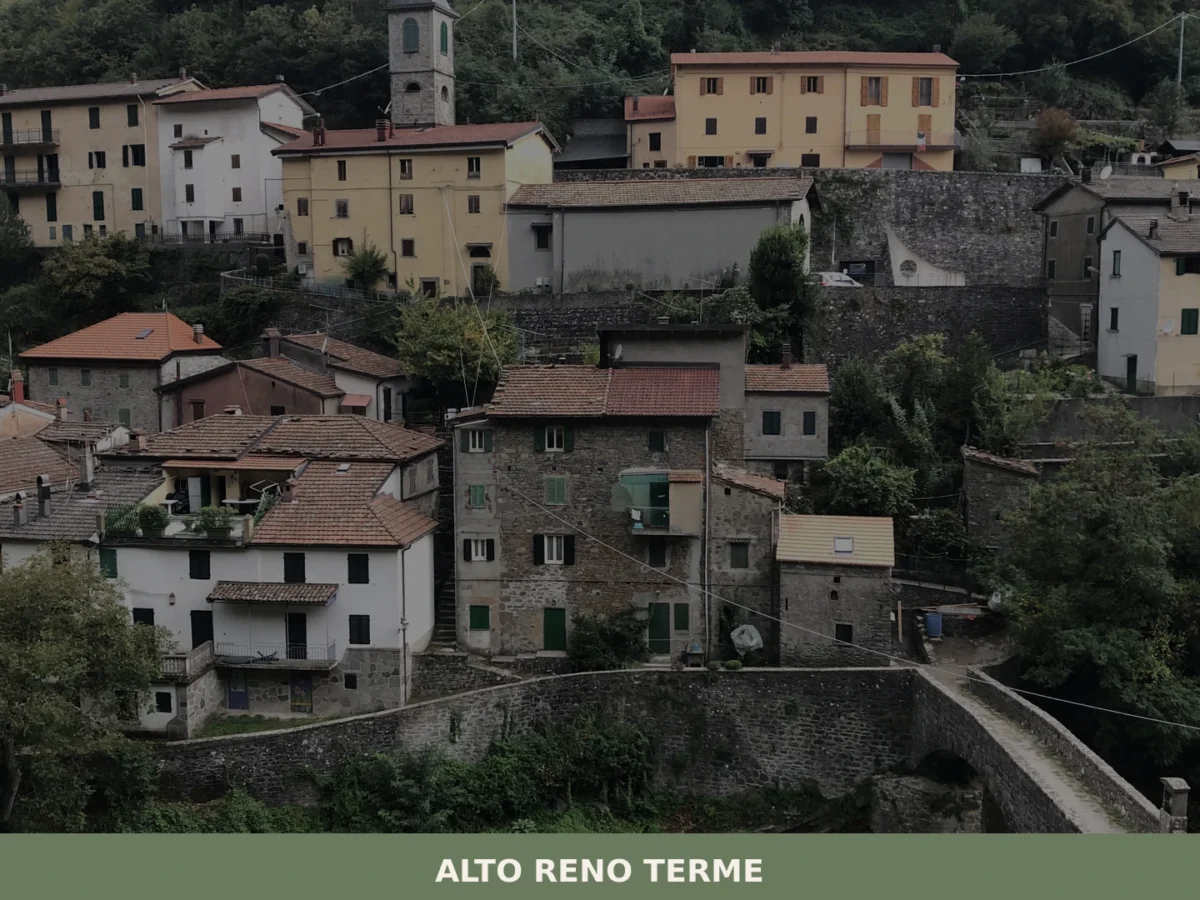
What to see in Alto Reno Terme: 5 unmissable attractions, from thermal baths and historic villages to Apennine nature. Discover the complete guide to plan your visit.
Piacenza
Plains
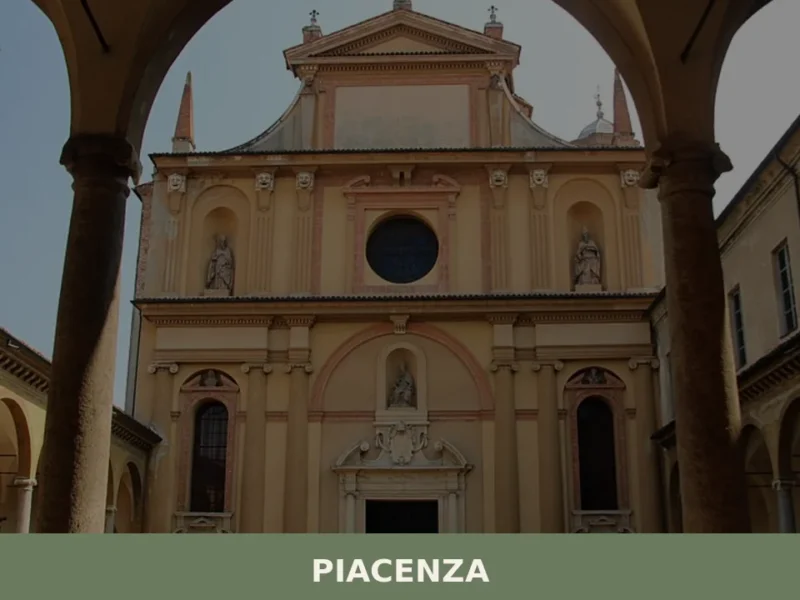
Piacenza, with its 100,843 inhabitants and an altitude of 62 m a.s.l., presents itself as a significant urban center in the heart of Emilia-Romagna, strategically positioned among the communication routes connecting Northern Italy. In this article History and Origins of Piacenza What to see in Piacenza: main attractions Typical cuisine and products of Piacenza Festivals, […]
Villanova sull’Arda
Plains
In 1813, in the hamlet of Sant’Agata, Giuseppe Verdi was born — the composer who would rewrite the history of European melodrama. Villanova sull’Arda, home to 1,894 inhabitants in the Bassa Piacentina lowlands, still bears the marks of that bond: the villa where Verdi lived for over half a century with soprano Giuseppina Strepponi stands […]
Fontanelice
Plains
The provincial road climbing the Santerno valley passes through Imola and, after a few kilometres, reaches a compact settlement along the right bank of the river: this is Fontanelice, a municipality of 1,951 inhabitants at 165 metres above sea level, in the province of Bologna. The very name of the village refers to water — […]
Cervia
 Sea
Sea
A coastal settlement built atop ancient salines, Cervia preserves nine centuries of salt heritage and 9 km of protected beaches in the Ravenna province.
Coli
Mountain
A documentary-style guide to Coli in the Trebbia valley. History, attractions, local food, and practical tips for visiting this Piacenza Apennine village.
Bettola
 Hills
Hills
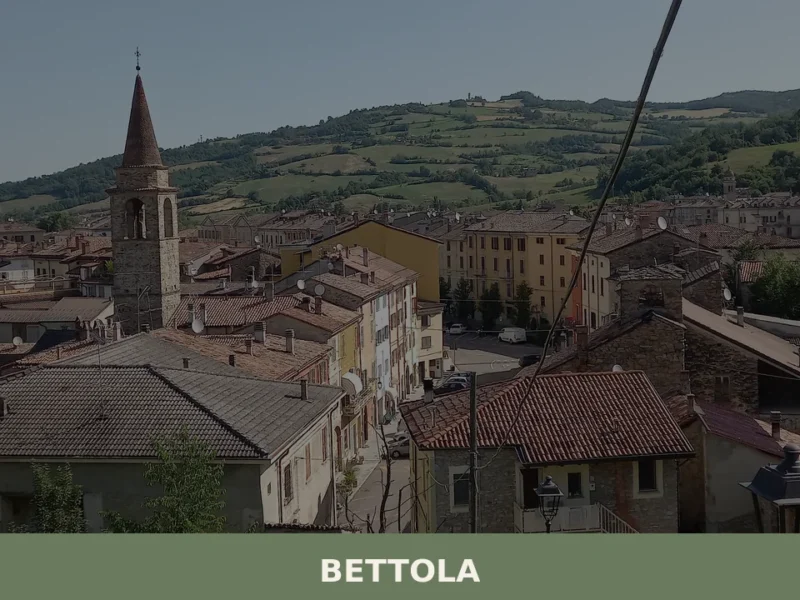
What to see in Bettola: a Val Nure village at 329 m with 2,983 residents. Discover the Sanctuary of the Madonna della Quercia, Piacenza DOP cured meats and how to get there.
Campagnola Emilia
Plains
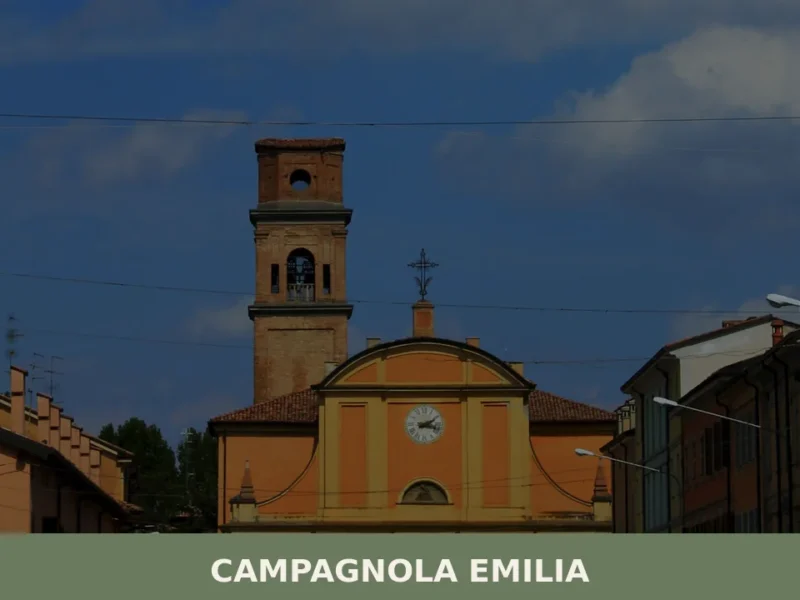
What to see in Campagnola Emilia, Italy: explore a Po Plain comune at 22 m altitude, 25 km from Reggio Emilia. Discover local festivals and food. Read the guide.
Budrio
Plains
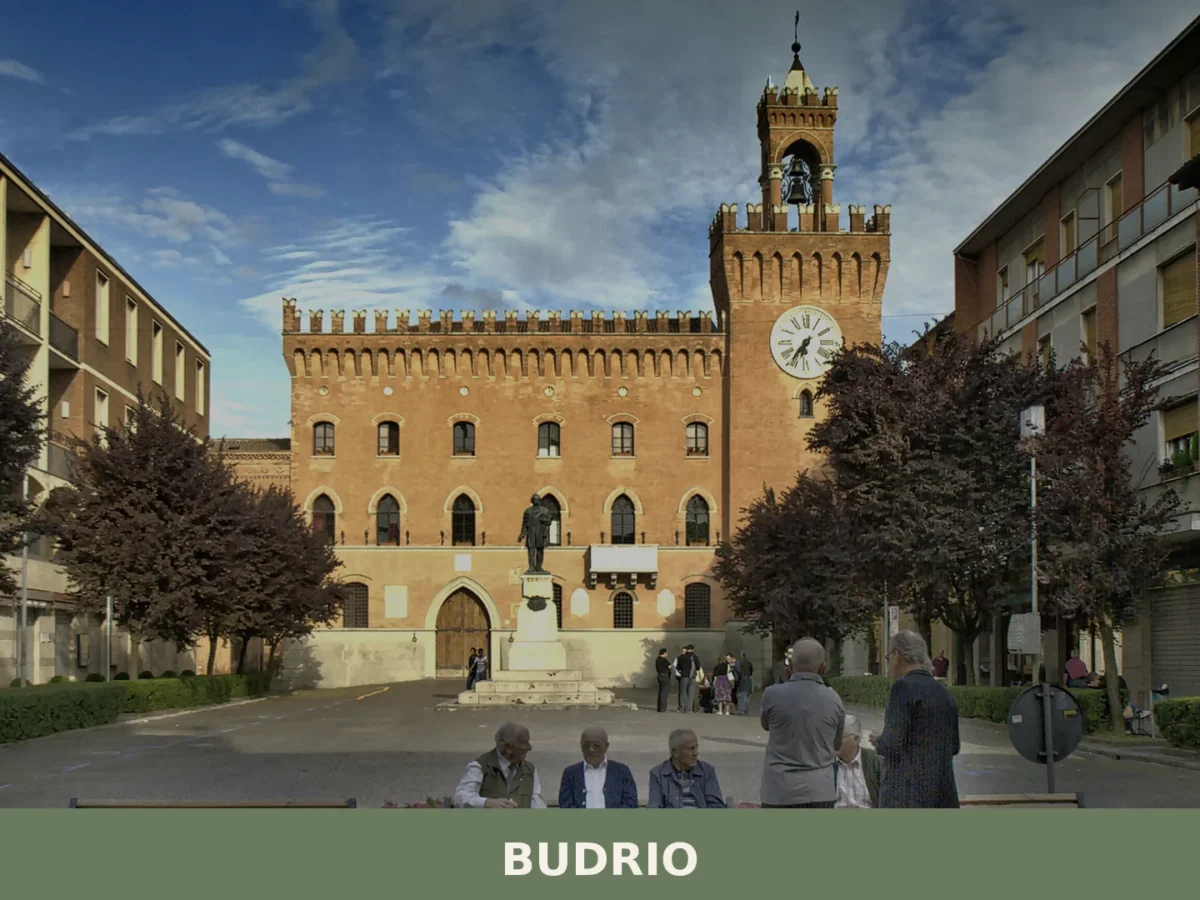
Budrio is a historic town of around 18,400 inhabitants near Bologna, known worldwide as the birthplace of the ocarina and home to an exceptional cluster of museums within its fourteenth-century fortif



🏡 Know Argelato better than we do?
If you’re a local or have been there, your knowledge matters: add what’s missing or fix a detail on this page.