


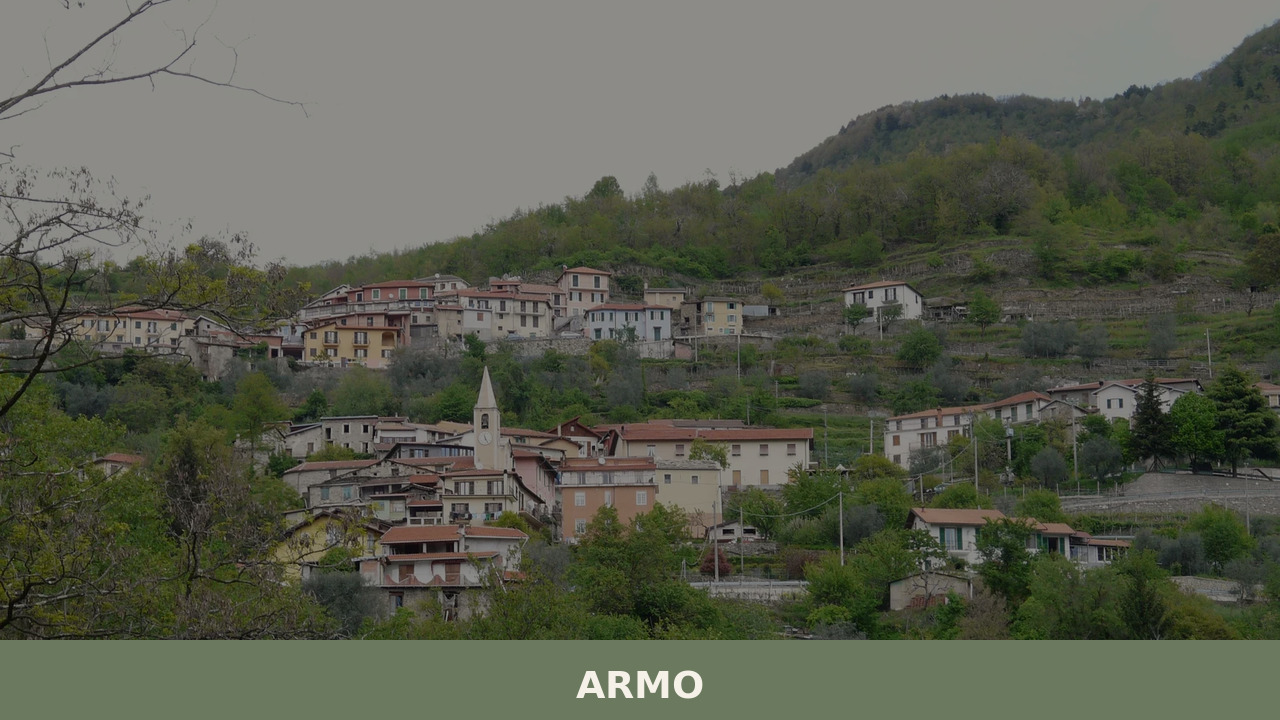
Armo
 Hills
Hills
Armo, a village of 120 inhabitants above the Petrace valley in Calabria, rewards visitors with stone lanes, ancient olive terraces, and Aspromonte trails.
Discover Armo
Morning light reaches Armo in slow degrees, sliding across the terraced slopes of the Calabrian Aspromonte until the handful of stone houses — 120 souls at last count — catch the sun above the Petrace valley. At 273 metres above sea level, the air carries resin and wild oregano. If you are wondering what to see in Armo, the answer begins with an honest admission: this is not a village that performs for visitors. It simply exists, tenaciously, as it has for centuries.
History of Armo
Armo’s origins are difficult to pin to a single founding date, a common trait among the small settlements scattered across the province of Reggio Calabria. The name likely derives from the Greek or Latin root associated with a fortified or elevated place — a pattern seen in many Aspromonte villages that served as watchtowers or refuges during the Byzantine and Norman periods. By the medieval era, Armo functioned as a rural hamlet tied to the feudal system that governed southern Calabria under successive Angevin and Aragonese rulers.
The village never grew into a market town or administrative centre. Its purpose was agricultural: olive groves, goat pasture, vegetable terraces carved into the hillside. The population contracted sharply in the twentieth century, a casualty of the same southern Italian emigration — to Argentina, the United States, northern Italy — that hollowed out hundreds of Calabrian communities. What remains today is a place defined more by continuity than by monuments.
Armo is now a frazione of the municipality of Reggio Calabria, absorbed into the metropolitan sprawl on paper but separated from it in every practical sense. The road from the coast climbs steeply, and the distance — measured in minutes of silence rather than kilometres — is considerable.
What to see in Armo: 5 must-visit attractions
Armo, being a village focused on its natural heritage and tenacious existence, offers sights primarily of natural beauty and historical resilience. Visitors can explore the ancient stone houses, narrow alleyways, and the remnants of its agricultural past. The surrounding Aspromonte National Park provides opportunities for hiking and enjoying panoramic views of the Petrace valley.
The parish church, though modest, often holds a simple beauty typical of mountain villages, dedicated to a local saint. Its architecture reflects centuries of local craftsmanship. A walk through the terraced olive groves also offers a profound connection to the landscape and the rhythm of traditional Calabrian life.
/h2>1. The Parish Church
Armo’s small parish church stands at the centre of the settlement, its proportions modest and its façade unadorned. The interior holds a handful of devotional statues and simple altarpieces typical of rural Calabrian churches from the seventeenth and eighteenth centuries. It functions as the social and spiritual fulcrum of village life, particularly during feast days.
2. The Stone Lane Network
The village’s layout is its own attraction: narrow stone lanes, many of them too tight for a car, connect clusters of houses built from local granite and river stone. Exterior staircases, arched doorways, and weathered wooden shutters repeat at irregular intervals. Walking these passages is the most direct way to understand how the village was constructed around terrain rather than imposed upon it.
3. The Olive Terraces
Below the village, dry-stone retaining walls hold centuries of soil in place, supporting olive trees of considerable age. Some of these terraces have been maintained continuously for generations. The engineering is practical, not decorative, and the groves produce the pungent, green-gold oil characteristic of the lower Aspromonte foothills.
4. Panoramic Views Toward the Strait of Messina
From the higher edges of Armo, the terrain falls away toward the Tyrrhenian coast. On clear days, the Strait of Messina and the eastern coast of Sicily are visible. The viewpoint requires no platform or railing — it is simply where the village ends and the valley begins, offering an unobstructed line of sight across the Calabrian coastal plain.
5. The Surrounding Aspromonte Trails
Armo sits at the lower margin of the Aspromonte National Park. Mule tracks and footpaths lead uphill into chestnut and holm oak forest. These trails once connected Armo to neighbouring hamlets for trade and seasonal grazing. Today they serve hikers exploring the park’s western slopes, though signage remains sparse and a good map is essential.
Local food and typical products
The cuisine of Armo belongs to the broader tradition of the Aspromonte foothills: spare, seasonal, and built around what the land and the animals provide. Olive oil is the foundation — pressed locally and used liberally in every dish. Goat and pork dominate the proteins: capretto alla calabrese (young goat slow-roasted with herbs), soppressata and ‘nduja from home-raised pigs, and aged cheeses made from mixed goat and sheep milk. Pasta is often handmade — fileja, a twisted shape served with tomato and ricotta salata, or maccaruni al ferretto with a slow-cooked ragù of pork ribs.
Wild greens — chicory, borage, fennel shoots — are gathered from the surrounding fields and prepared simply with oil and chilli. Bergamot, the fragrant citrus grown almost exclusively in the province of Reggio Calabria, flavours local desserts and liqueurs. There is no restaurant in Armo itself; visitors eat at agriturismi or trattorias in the surrounding comuni, or they are fortunate enough to be invited to a kitchen table. The food here is not curated. It is inherited.
Best time to visit Armo
Spring — late March through May — is the most rewarding season. The terraces are green, wildflowers cover the hillsides, and temperatures sit comfortably between 15 and 24 degrees Celsius. Autumn, particularly October and November, brings the olive harvest, when the village shows its most purposeful face. Summer is hot and dry, with temperatures frequently exceeding 35°C on the coastal side, though Armo’s modest elevation provides slight relief. Winter is quiet and occasionally cold, with fog settling into the valley.
Village feast days, tied to the patron saint and harvest calendar, are the moments when Armo most resembles the community it once was. Exact dates vary, so enquiring locally or checking with the municipal offices in Reggio Calabria ahead of your visit is advisable. Come with no fixed itinerary. The village does not reward urgency.
How to get to Armo
Armo lies roughly 12 kilometres inland from the centre of Reggio Calabria. By car, follow the roads climbing east from the city toward the Aspromonte foothills; the drive takes approximately 25 minutes depending on traffic and road conditions. The nearest motorway is the A2 (Autostrada del Mediterraneo), with the Reggio Calabria exit providing the most direct access.
Reggio Calabria Centrale is the main railway station, served by Trenitalia’s long-distance and regional services. From the station, a car — either rental or taxi — is necessary to reach Armo, as public bus connections to the smaller frazioni are infrequent and unreliable. The nearest airport is Reggio Calabria’s Tito Minniti Airport (REG), located roughly 15 kilometres away. Lamezia Terme International Airport (SUF), about 160 kilometres to the north, offers a wider selection of domestic and European flights.
More villages to discover in Calabria
Southern Italy’s coastal and inland villages share a common history of isolation, resilience, and quiet beauty, but each interprets that story differently. If Armo appeals for its stripped-back authenticity, consider venturing further afield to places where similar forces have shaped distinct communities. The Isole Tremiti, far to the north in Puglia’s Adriatic waters, offer a completely different register — maritime, windswept, defined by the sea rather than the mountain — yet the same sense of a community existing at the edge of something larger.
Closer in spirit, though geographically in another southern province, Sant’Agata di Puglia shares Armo’s hilltop vantage and feudal past, but on a grander scale — with a Norman-Swabian castle dominating a larger settlement. Comparing the two reveals how differently size and strategic importance shaped the built environment of southern Italian villages. Both deserve the unhurried attention that places like Armo quietly demand.
Frequently asked questions about Armo
What is the best time to visit Armo?
The most rewarding seasons are spring (late March to May), when wildflowers cover the terraces and temperatures range between 15–24°C, and autumn (October–November), coinciding with the olive harvest. The feast of the patron saint San Giovanni Nepomuceno is celebrated on 16 May, making mid-May an ideal time to experience village life at its most animated. Summer can be hot, with coastal temperatures exceeding 35°C, though Armo's elevation at 273 m offers some relief. Winter is quiet and occasionally foggy.
What are the historical origins of Armo?
Armo's origins likely date to the Byzantine and Norman periods, when elevated settlements across the Aspromonte served as refuges and watchtowers. The name is believed to derive from a Greek or Latin root denoting a fortified or elevated place. Through the medieval era, the village functioned as a feudal agricultural hamlet under Angevin and Aragonese rule. It never grew into a market town; its economy centred on olives, goats, and terraced vegetable plots. Twentieth-century emigration — to Argentina, the United States, and northern Italy — reduced the population to its current 120 residents.
What to see in Armo? Main monuments and landmarks
Armo's main points of interest include its central parish church, which contains devotional statues and altarpieces typical of rural Calabrian baroque; the network of narrow stone lanes too tight for cars, connecting granite and river-stone houses with arched doorways and exterior staircases; and centuries-old dry-stone olive terraces below the village. From the upper edges of the settlement, on clear days you can see across the Calabrian coastal plain as far as the Strait of Messina and the eastern coast of Sicily. No admission fees apply; all sites are freely accessible.
What are the main natural or scenic attractions of Armo?
Armo sits at the lower margin of the Aspromonte National Park. Historic mule tracks and footpaths lead uphill into chestnut and holm oak forest, connecting the village to neighbouring hamlets along routes once used for trade and seasonal grazing. These trails are now used by hikers exploring the park's western slopes. Signage is sparse, so carrying a detailed map is essential. The olive terraces below the village, held in place by dry-stone retaining walls, represent a striking example of traditional Calabrian agricultural landscape engineering.
Where to take the best photos in Armo?
The upper edge of the village, where the stone houses give way to open hillside, offers an unobstructed panoramic view toward the Tyrrhenian coast and, on clear days, the Strait of Messina and eastern Sicily — no platform or infrastructure required. The narrow stone lanes in the village centre, with their arched doorways, exterior staircases, and weathered shutters, provide strong compositional subjects. The dry-stone olive terraces below the village, particularly during the golden light of early morning or late afternoon, are especially photogenic in spring and during the autumn harvest.
What can you do in Armo? Activities and experiences
Visitors can walk the village's stone lane network to appreciate its organic, terrain-led architecture, and explore the ancient olive terraces below. Hikers can access Aspromonte National Park trails directly from the village, following former mule tracks through chestnut and holm oak forest toward neighbouring hamlets. In October and November, the olive harvest is the dominant activity and gives the village its most purposeful seasonal character. Attending the feast of San Giovanni Nepomuceno on 16 May offers a rare window into the social rhythms of a working Calabrian community.
Who is Armo suitable for? Families, couples, hikers, solo travelers?
Armo suits slow travelers, hikers, and anyone seeking authentic southern Italian village life without tourist infrastructure. Hikers will find direct access to Aspromonte National Park trails. Photographers and lovers of rural architecture will appreciate the stone lanes, terraces, and panoramic views. Couples looking for quiet, unhurried experiences will find the atmosphere genuinely remote. It is less suited to families expecting amenities or activities for children, or to visitors on a tight itinerary. There is no restaurant in the village itself, so self-sufficiency or proximity to nearby comuni is necessary.
What to eat in Armo? Local products and specialties
The food tradition of Armo belongs to the Aspromonte foothill repertoire. Local olive oil — pungent and green-gold — is the culinary foundation. Meat dishes centre on capretto alla calabrese (slow-roasted young goat with herbs), and cured pork products including soppressata and 'nduja. Handmade pasta shapes such as fileja with tomato and ricotta salata, and maccaruni al ferretto with slow-cooked pork rib ragù, are typical. Wild greens including chicory, borage, and fennel are prepared simply with oil and chilli. Bergamot, a Reggio Calabria DOP citrus, flavours local desserts and liqueurs. There is no restaurant in Armo; the nearest options are agriturismi and trattorias in surrounding comuni.
Nearby Villages near Armo
In Liguria More villages to discover
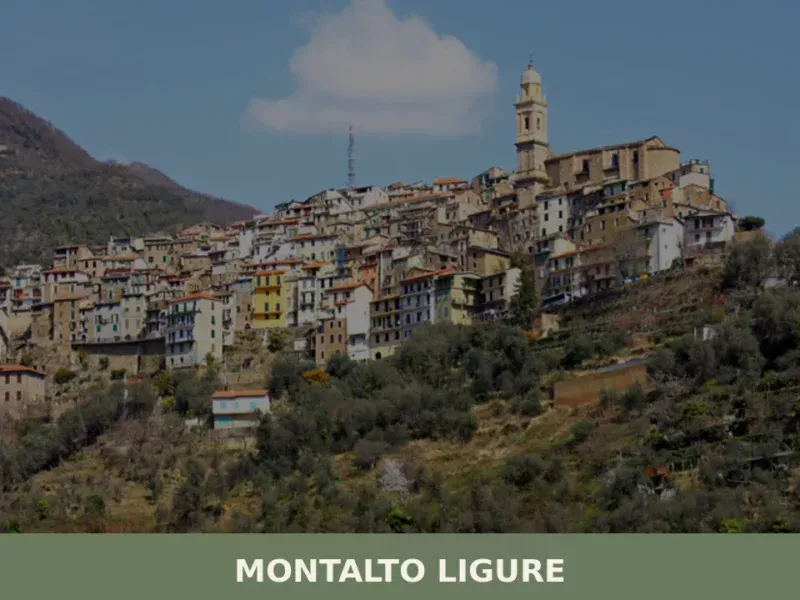
Montalto Ligure
Hills
What to see in Montalto Ligure, Italy: Explore its 13.9 km² former territory and administrative history. Discover its unification in 2018.
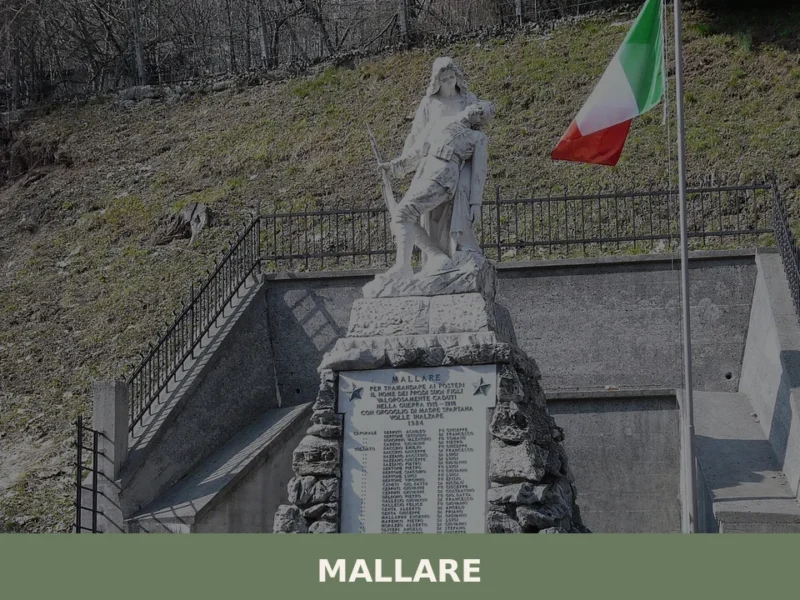
Mallare
 Mountain
What to see in Mallare, Liguria, Italy: explore 5 attractions, local food traditions, and festivals in this 1,193-inhabitant village near Savona. Discover it now.
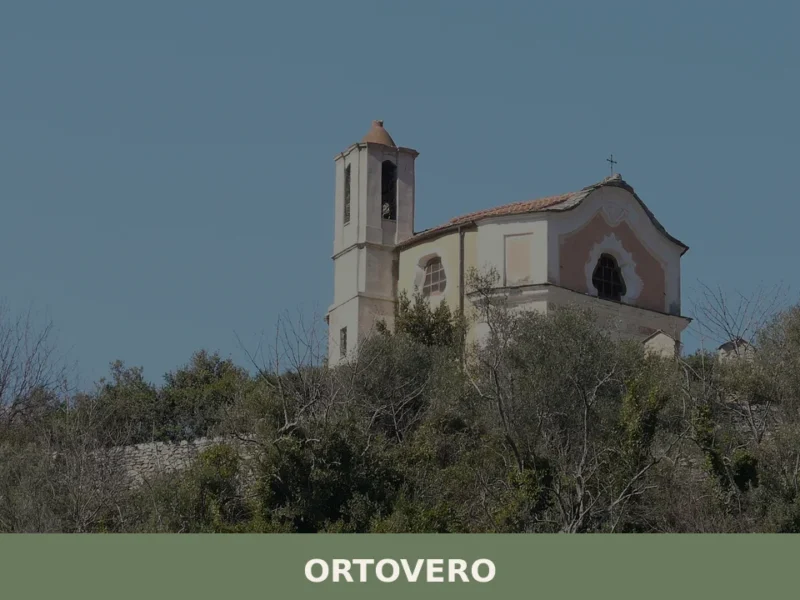
Ortovero
Hills
what to see in ortovero: Explore Italy's Ligurian coast. Located 40 km (25 mi) from Savona, discover historic Ligurian architecture and regional culinary traditions. Read on for travel tips.
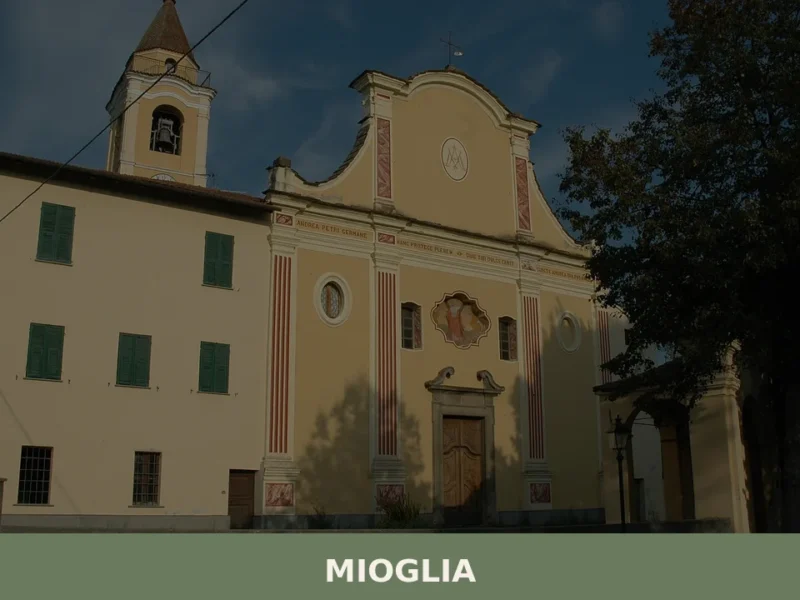
Mioglia
Mountain
What to see in Mioglia, Italy: a village of 538 inhabitants 40 km from Genoa. Discover top attractions, local food, festivals and how to get there.
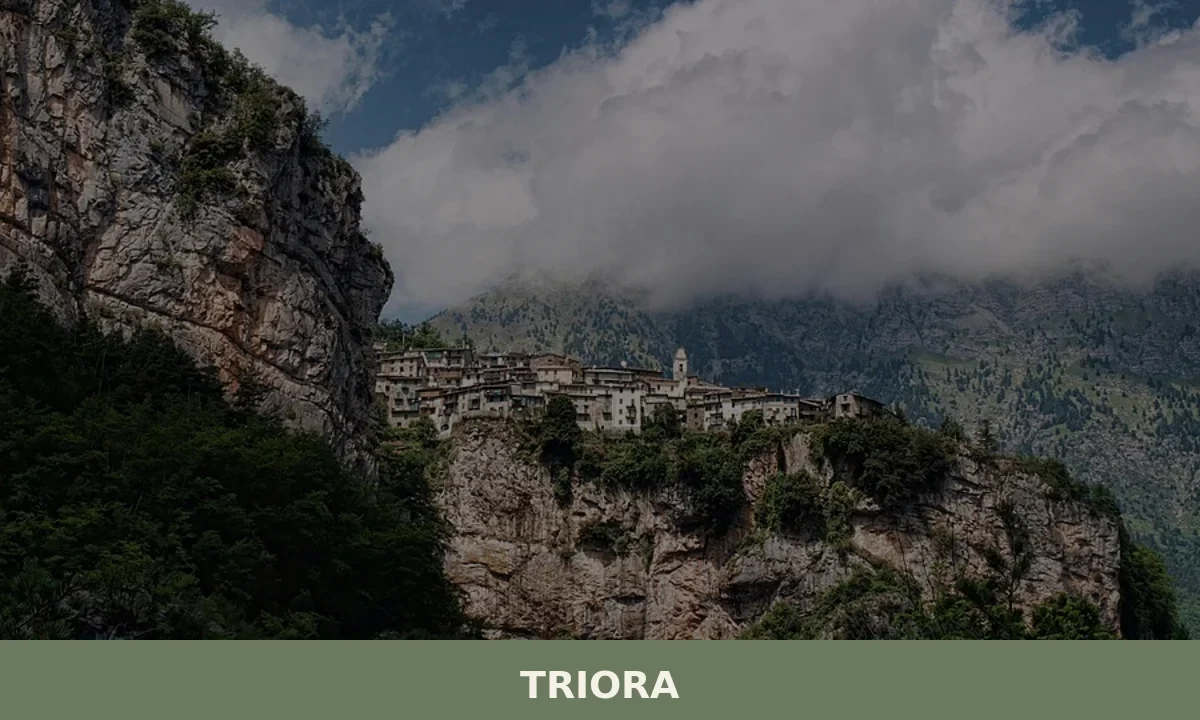
Triora
Mountain
what to see in triora, Italy: Explore this historic village, home to 416 residents, and discover its ancient witch trials history and vibrant August festival. Plan your visit today.
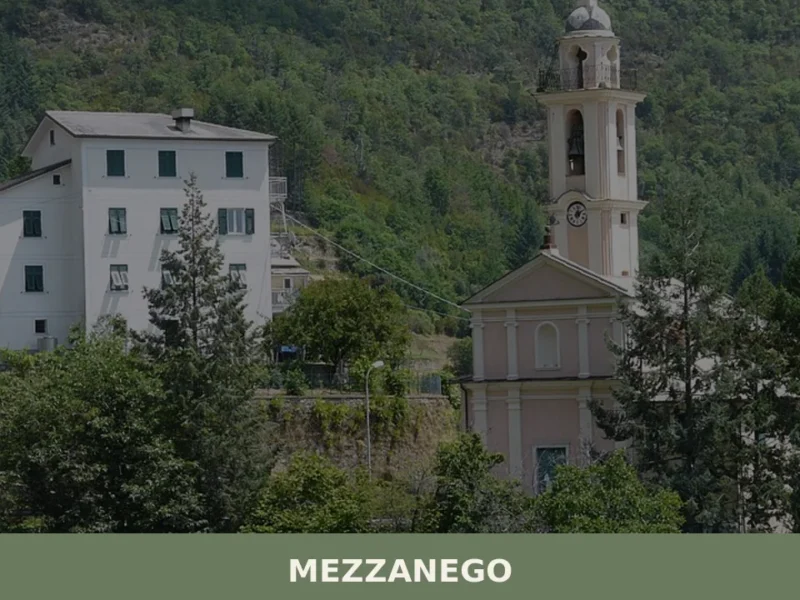
Mezzanego
 Plains
What to see in Mezzanego? Discover the 5 main attractions, from historic churches to the Slate Museum. Plan your trip and visit this Ligurian village.
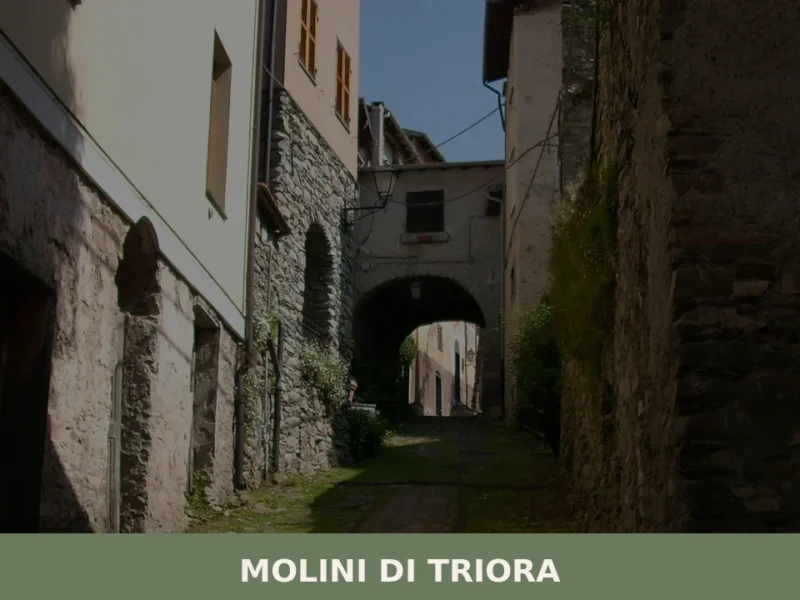
Molini di Triora
Hills
What to see in Molini di Triora, Italy: a village at 460 m in Liguria. Discover top attractions, local food, festivals and how to get there. Read the guide.
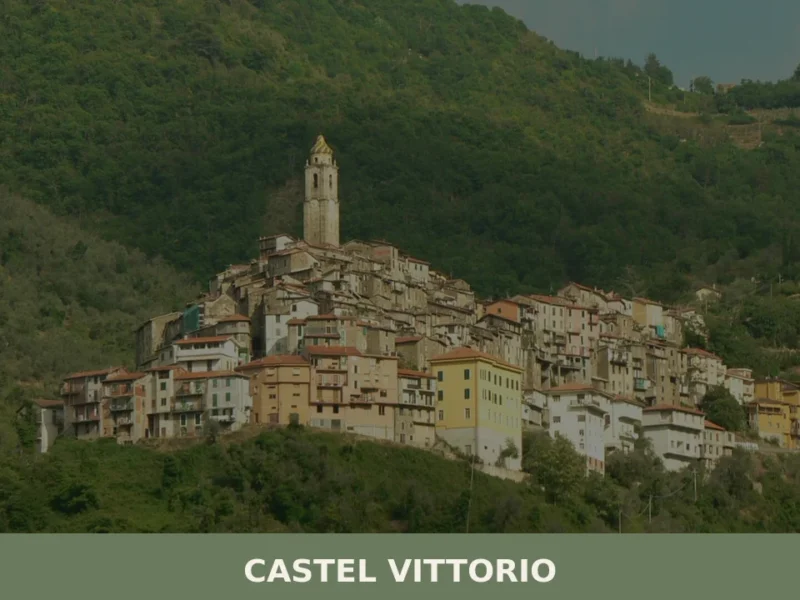
Castel Vittorio: Liguria’s Enduring Stone Village
Hills
What to see in Castel Vittorio, Liguria, Italy: at 420 m altitude, 261 inhabitants, parish art by Venusti & Maragliano. Discover top attractions & travel tips.
Murialdo
Mountain
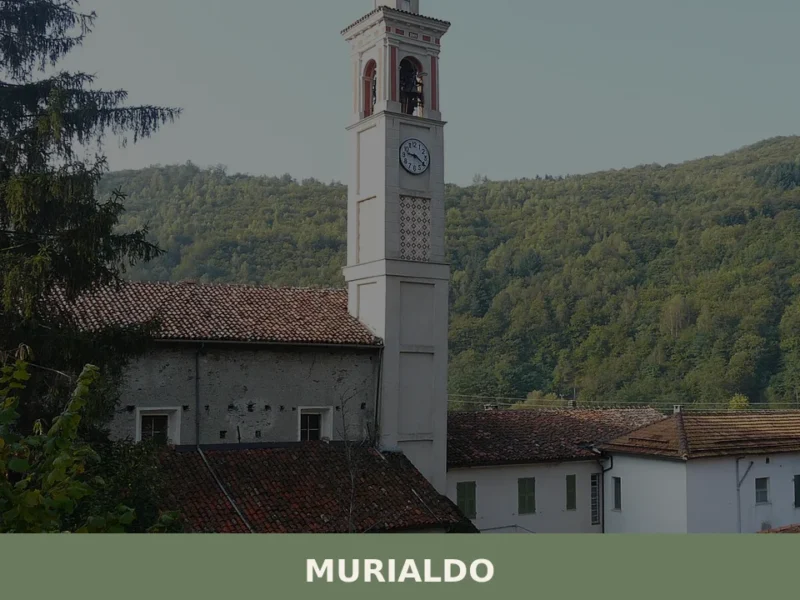
What to see in Murialdo, Liguria, Italy: 8 borgate, Monte Camulera, and local cuisine across 37.5 sq km. Discover top attractions, events, and how to get there.
Vendone
Hills
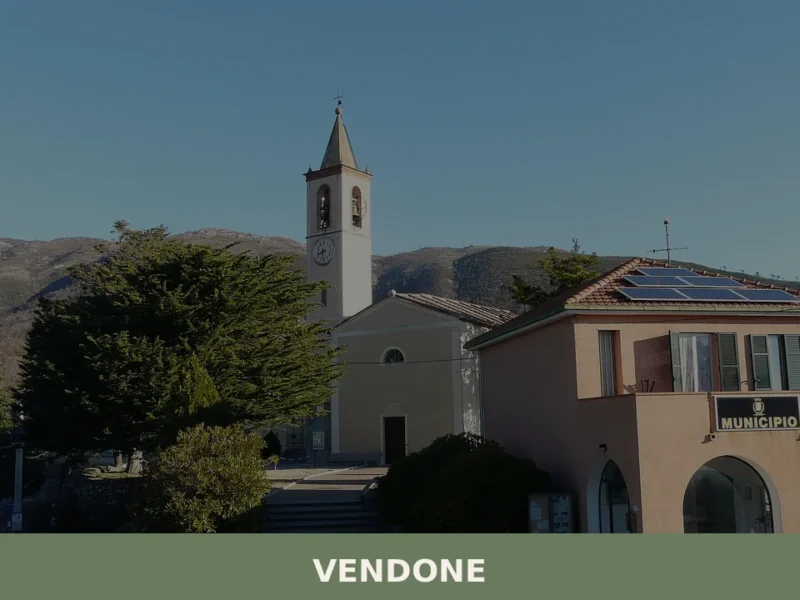
What to see in Vendone, Liguria, Italy: 5 attractions, local food, festivals and how to get there. 401 inhabitants, 80 km from Genoa. Discover it now.


🏡 Know Armo better than we do?
If you’re a local or have been there, your knowledge matters: add what’s missing or fix a detail on this page.