


Pornassio
 Mountain
What to see in Pornassio, Liguria, Italy: 5 top attractions, local food, and how to get to this 629-inhabitant village 90 km from Genoa. Discover it now.
Discover Pornassio
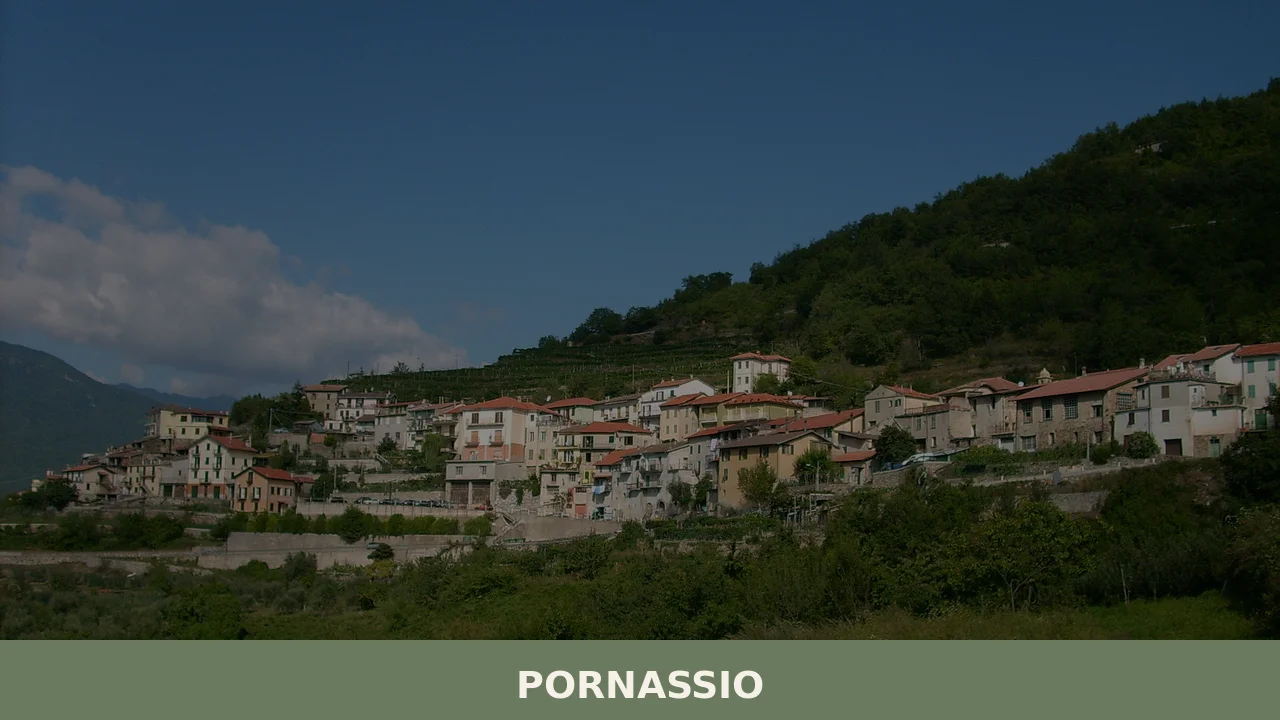
The valley of the Arroscia river cuts through limestone ridges at roughly 680 m (2,231 ft) above sea level, and the houses of Pornassio follow the contours of the slope in tight rows of stone and rendered walls.
Six municipalities border this commune — Armo, Cosio di Arroscia, Montegrosso Pian Latte, Ormea, Pieve di Teco, and Rezzo — forming a compact highland territory of 27.7 square kilometres (10.7 sq mi) in the Province of Imperia.
Deciding what to see in Pornassio becomes easier once you understand the village’s position: 90 km (56 mi) southwest of Genoa and 25 km (16 mi) northwest of Imperia, at the edge of where coastal Liguria gives way to the pre-Alpine interior.
With a population of around 629 inhabitants, the commune is compact, but its territory covers a varied landscape of ridgelines, river corridors, and agricultural terraces. Visitors to Pornassio find a coherent ensemble of vernacular architecture, an inland Ligurian food tradition built around olive oil and pulses, and a network of paths connecting to neighbouring valley communities.
History of Pornassio
The Ligurian name for the village, Purnasce, preserves a phonetic form that predates standard Italian administrative usage, suggesting the settlement has roots older than its first written documentation.
The commune sits within the broader Arroscia valley system, a corridor that in the medieval period functioned as an inland route linking the coastal towns of the Ligurian Riviera to the Piedmontese hinterland. Control of such routes gave modest strategic value even to small upland communities, and the physical layout of Pornassio — with its clustered buildings positioned above the valley floor — reflects the logic of that period’s settlement patterns.
The Province of Imperia, within which Pornassio falls today, was only constituted in 1923 through the merger of the former provinces of Porto Maurizio and Sanremo.
Before that reorganisation, the village and its neighbours in the Arroscia valley fell under different administrative arrangements that shifted across centuries of Ligurian, Savoyard, and later unified Italian governance.
The six bordering municipalities — Armo, Cosio di Arroscia, Montegrosso Pian Latte, Ormea, Pieve di Teco, and Rezzo — each preserve their own documentary records of this layered administrative history, and Pornassio shares the broad outlines of that regional trajectory. The proximity of Pieve di Teco, historically a more significant market centre in the valley, shaped the economic and social life of smaller communes like Pornassio throughout the early modern period.
Population records for Pornassio show a figure of 642 inhabitants as of 31 December 2004, declining to approximately 629 in more recent counts. This downward demographic trend mirrors patterns across inland Ligurian villages, where out-migration to coastal cities accelerated during the twentieth century.
The territory of 27.7 sq km (10.7 sq mi) that the commune administers today includes not only the main village nucleus but also the dispersed agricultural and forested land that historically sustained its inhabitants through a combination of olive cultivation, cereal farming, and animal husbandry adapted to the pre-Alpine climate.
What to see in Pornassio, Liguria: top attractions
The historic village nucleus and its stone architecture
The core of Pornassio presents a compact arrangement of stone-built houses whose facades show the grey-green local limestone characteristic of the Arroscia valley.
The settlement’s street pattern follows the natural gradient of the hillside, producing narrow passages between buildings that funnel light and frame views toward the surrounding ridges. Standing at the upper edge of the village, the visitor can trace the agricultural terracing that descends toward the valley floor — retaining walls constructed without mortar in many sections, a technique documented across pre-Alpine Ligurian territories for several centuries. The best time to observe the stonework in clear detail is during the lower-angled light of autumn mornings, when shadows articulate the texture of the walls.
The Arroscia river valley and its natural landscape
The Arroscia river corridor runs through the territory of Pornassio as the dominant physical feature of the landscape, dropping in elevation as it moves southeast toward Pieve di Teco and eventually toward the coast.
The valley sits at the boundary between the Mediterranean climatic influence from the coast, roughly 25 km (16 mi) to the south, and the cooler, wetter conditions of the pre-Alpine north. This transition produces a flora that shifts noticeably within a short distance: holm oak and olive give way to chestnut and beech as altitude increases across the commune’s 27.7 sq km (10.7 sq mi). Walking routes along the valley floor and the bordering ridgelines offer direct evidence of this ecological gradient throughout the spring and early autumn months.
The municipal territory’s border communities
Pornassio borders six distinct municipalities, and understanding this web of neighbours clarifies the village’s geographical logic.
Ormea to the north sits at the boundary with Piedmont, a market town that historically served the trans-Apennine routes.
Pieve di Teco to the southeast, at approximately 9 km (5.6 mi) by road, preserves a notable loggiato — a covered arcade lining its main street — dating from the fourteenth century, making it the most architecturally documented centre in the immediate area. Cosio di Arroscia and Rezzo occupy the higher western ridges, while Armo and Montegrosso Pian Latte close the eastern and northern flanks. For visitors based in Pornassio, this network of closely spaced communes represents half-day excursions across a radius of roughly 15 km (9.3 mi).
The agricultural terraces and olive cultivation areas
At approximately 680 m (2,231 ft) in its upper sections, Pornassio sits near the upper altitudinal limit for olive cultivation in inland Liguria. The terraced slopes below the village nucleus carry evidence of sustained agricultural use across multiple generations, with dry-stone retaining walls and channel systems designed to manage the limited rainfall of this pre-Alpine interior.
The olive groves, though smaller in scale than those of the coastal strip, produce fruit adapted to cooler conditions — a characteristic that gives the resulting oil a different aromatic profile compared to oils pressed from trees grown at lower elevations closer to the coast.
Visiting the terraces during the October and November harvest period, when picking typically occurs by hand, provides direct access to this agricultural practice.
The surrounding ridge paths and inter-valley routes
The network of paths crossing the ridges above Pornassio connects the Arroscia valley to adjacent valleys and to the higher terrain approaching the Ligurian-Piedmontese watershed. Several of these routes follow alignments that predate modern road construction, having served as mule tracks between the coast and the Piedmontese plain for centuries.
The paths gain elevation rapidly from the village, reaching ridge crests above 1,200 m (3,937 ft) within a few kilometres, where views extend on clear days to the Maritime Alps to the north and, in the opposite direction, toward the coastal hills above Imperia.
These itineraries are accessible to fit walkers and are best attempted between May and October, when snow has cleared from the higher sections and the ground is dry enough for stable footing.
Local food and typical products of Pornassio
The food tradition of inland Liguria around the Arroscia valley rests on ingredients that reflect both the altitude and the distance from the coast. Unlike the coastal strip between Imperia and Sanremo — where fish, pesto, and farinata (a flatbread made from chickpea flour baked in a wood-fired oven) dominate — the upland communes around Pornassio developed a kitchen centred on pulses, chestnuts, cured meats, and the locally pressed olive oil that the lower terraces of the territory yield.
This differentiation was shaped primarily by altitude and the seasonal economy: winters at around 680 m (2,231 ft) are colder and longer than on the coast, and preserved foods played a proportionally greater role in the diet.
Among the dishes most directly associated with this territory, minestrone alla ligure takes a form heavier and more pulse-laden than its coastal equivalent, often incorporating dried borlotti beans, potatoes, and seasonal vegetables bound with a spoonful of the local oil rather than a basil paste.
Polenta, made from locally grown maize flour, appears as a winter staple, served alongside braised meats or simply dressed with oil and aged cheese. Trofie al pesto does cross into the upland tradition, though the basil grown at higher elevations has smaller leaves and a more resinous, less sweet flavour profile than varieties cultivated at sea level. Cured pork products — in particular salame di Sant’Olcese in its broader Ligurian form — accompany most antipasto presentations across the valley communes.
Olive oil from the Province of Imperia holds the Riviera Ligure DOP designation, which covers oil produced from the Taggiasca cultivar across a defined production area in Liguria.
While Pornassio’s upper terraces approach the altitudinal ceiling of viable oil production, the lower sections of the commune’s territory fall within the broader zone where this variety is cultivated. The Taggiasca olive is small, with a thin skin and a high oil content; the resulting oil is typically low in bitterness and relatively mild on the palate, characteristics that distinguish it from Tuscan or southern Italian oils of higher polyphenol concentration.
Local agricultural and food products from the Arroscia valley communes are most readily available at the periodic markets held in Pieve di Teco, approximately 9 km (5.6 mi) from Pornassio.
That town’s market, held on scheduled days through the year, draws producers from across the surrounding communes and represents the most practical point of purchase for visitors seeking oil, cured meats, and seasonal produce from this part of the Province of Imperia.
Autumn, from late September through November, is the period when the widest range of local products — including freshly harvested chestnuts, new-season oil, and dried legumes — is simultaneously available.
Festivals, events and traditions of Pornassio
Religious and civil calendar events in Pornassio follow the patterns common to small communes in the Province of Imperia, centred on the feast of the local patron saint and on the agricultural rhythms of the olive and chestnut harvest seasons. The sources available do not specify the exact date of the patron saint’s feast or the full programme of associated celebrations; what is documented is that such events in comparable Ligurian inland communes typically involve a processione, a formal religious procession through the village streets carrying the image of the patron saint, followed by a communal meal or outdoor market in the square.
These events generally take place in the warmer months and draw back former residents who have relocated to the coast or to the cities.
The broader Arroscia valley area holds a number of sagre — traditional local food festivals dedicated to a specific seasonal product — during the autumn months, coinciding with the olive harvest and the chestnut season.
Pornassio, as one of the six bordering communes connected to Pieve di Teco, participates in the cultural and festive calendar that links these valley communities. Visitors planning a trip specifically to coincide with local events are advised to consult the municipal notice board or the Province of Imperia’s tourism resources in advance, as scheduling and formats can vary from year to year.
When to visit Pornassio, Italy and how to get there
The most practical period for visiting Pornassio spans from late April through early November. Spring brings lower crowds and the full flowering of the terrace vegetation; summer temperatures at 680 m (2,231 ft) remain notably cooler than on the coast 25 km (16 mi) to the south, which makes the village a reasonable inland option during the hottest weeks of July and August when the coastal towns of the Riviera are heavily occupied. Autumn, particularly October, combines good walking conditions with the active harvest period on the terraces, giving visitors direct contact with the agricultural calendar.
Winter access is possible but the higher ridge paths above 1,200 m (3,937 ft) may carry snow from December through March.
Reaching Pornassio by car from Imperia takes approximately 35 to 40 minutes via the SS28 state road, which follows the Arroscia valley northward from the coast. From Genoa, the drive covers roughly 90 km (56 mi) and takes between 1 hour 15 minutes and 1 hour 30 minutes depending on traffic through the coastal corridor.
Travellers arriving by rail should note that the nearest station with regular connections is Imperia Porto Maurizio, served by Trenitalia regional services from Genoa and from Ventimiglia near the French border; from Imperia Porto Maurizio, bus services on the SS28 corridor connect to Pieve di Teco and the Arroscia valley, though frequency is limited outside school hours.
The nearest international airport is Genova Cristoforo Colombo Airport, approximately 105 km (65 mi) east of Pornassio; Nice Côte d’Azur Airport in France is a practical alternative at roughly 90 km (56 mi) to the west, from which the A10 motorway and then the SS28 provide road access. International visitors should carry euros in cash, as smaller shops and local producers in this part of the Province of Imperia do not reliably accept card payments, and English is not widely spoken outside of tourist facilities in Imperia itself.
Pornassio makes a feasible day trip from Imperia or from the coastal towns between Sanremo and Albenga, but the distance from Genoa — the largest city in Liguria — makes it more suited to a two-night base if visitors intend to explore the valley network thoroughly.
Those travelling from Turin, approximately 150 km (93 mi) to the north via the A6 motorway and then the SS28 from Ceva, will find the route straightforward and can reach Pornassio in under two hours under normal conditions.
Visitors to Pornassio can also extend their itinerary to include Borghetto di Vara, another inland Ligurian commune that shares a similar profile of valley landscape and stone-built settlement architecture, or travel to the coast to explore Savona, the nearest major port city to the east with onward rail and road connections.
Travellers interested in comparing Pornassio’s inland character with other Ligurian village typologies may find it useful to also look at Lorsica, a small commune in the Fontanabuona valley northeast of Genoa that similarly preserves a fabric of terraced agricultural land and stone housing, and at Castiglione Chiavarese in the eastern Riviera, which offers a contrasting coastal-upland position within the same regional context.
Frequently asked questions about Pornassio
What is the best time to visit Pornassio?
Spring (May–June) and early autumn (September–October) offer the most rewarding conditions. May brings wildflowers to the ridge paths and stable walking weather; October and November coincide with the olive harvest on the lower terraces, when you can observe hand-picking in progress. Winter is quieter and colder at 630 m, but the village celebrates its patron saint Dalmazio on 5 December, providing a glimpse of local tradition. Summer is mild compared to the coast and suitable for hiking the higher ridge routes above 1,200 m.
What are the historical origins of Pornassio?
The village's Ligurian name, Purnasce, predates standard Italian administrative usage, indicating roots older than its earliest written records. Pornassio developed along the medieval Arroscia valley corridor, an inland route linking the Ligurian Riviera to the Piedmontese hinterland. Its clustered, hillside layout reflects the defensive and logistical logic of that period. Administratively, the village passed through Ligurian, Savoyard, and unified Italian governance before being incorporated into the newly formed Province of Imperia in 1923, following the merger of the former provinces of Porto Maurizio and Sanremo.
What to see in Pornassio? Main monuments and landmarks
The principal attraction is the historic village nucleus itself: a compact cluster of grey-green limestone buildings following the hillside gradient, with narrow passages framing views of the surrounding ridges. The dry-stone agricultural terraces descending toward the Arroscia valley floor are a key feature, best observed in autumn morning light when low-angled shadows articulate the stonework. A worthwhile half-day excursion leads 9 km southeast to Pieve di Teco, whose fourteenth-century loggiato — a covered arcade lining the main street — is the most architecturally documented medieval structure in the immediate area.
What are the main natural or scenic attractions of Pornassio?
The Arroscia river valley is the dominant natural feature, offering a visible ecological transition from Mediterranean holm oak and olive at lower elevations to chestnut and beech higher up — all within the commune's 27.7 sq km. Ridge paths above the village climb from 630 m to crests above 1,200 m, with clear-day views reaching the Maritime Alps to the north and the coastal hills above Imperia to the south. Walking routes along both the valley floor and the bordering ridgelines are best between May and October, when higher sections are snow-free.
Where to take the best photos in Pornassio?
The upper edge of the village nucleus offers the clearest sightlines across the dry-stone terracing and down toward the Arroscia valley floor — particularly effective in autumn morning light, when low-angle shadows define the texture of the unmortared retaining walls. The ridge crests above 1,200 m, reachable on foot within a few kilometres, provide elevated panoramas extending toward the Maritime Alps and the coastal hills above Imperia on clear days, making them the best wide-angle viewpoints accessible from the village.
What can you do in Pornassio? Activities and experiences
Hiking is the primary activity: ridge paths above the village follow pre-modern mule-track alignments toward the Ligurian-Piedmontese watershed, suitable for fit walkers between May and October. During October and November, visitors can observe the olive harvest on the lower terraces, where picking is carried out by hand. The network of six bordering municipalities — including Pieve di Teco, Ormea, Cosio di Arroscia, and Rezzo — supports half-day excursions within a 15 km radius, combining walking with exploration of the broader Arroscia valley food and architectural traditions.
Who is Pornassio suitable for?
Pornassio suits hikers and walkers who prefer quiet inland Ligurian terrain over beach tourism: ridge routes climbing above 1,200 m offer genuine physical challenge and Alpine panoramas. Couples and slow-travel visitors drawn to vernacular stone architecture, agricultural landscapes, and upland food traditions will find the village compelling. Food enthusiasts interested in Taggiasca olive oil, pulse-based cooking, and the contrast between coastal and inland Ligurian cuisine have specific reasons to visit. The village is less suited to families seeking organised children's activities or visitors requiring a wide range of accommodation and dining options.
What to eat in Pornassio? Local products and specialties
The upland Arroscia valley kitchen centres on pulses, chestnuts, cured meats, and local olive oil rather than the fish and pesto of the coast. Minestrone alla ligure here is pulse-heavy, with dried borlotti beans and potatoes dressed with local oil. Polenta with braised meats is a winter staple. Trofie al pesto appears, though highland basil is more resinous than coastal varieties. The area falls within the Riviera Ligure DOP zone for oil from the Taggiasca cultivar — a small olive yielding mild, low-bitterness oil distinct from Tuscan or southern Italian styles.
📷 Photo Gallery — Pornassio
Nearby Villages near Pornassio
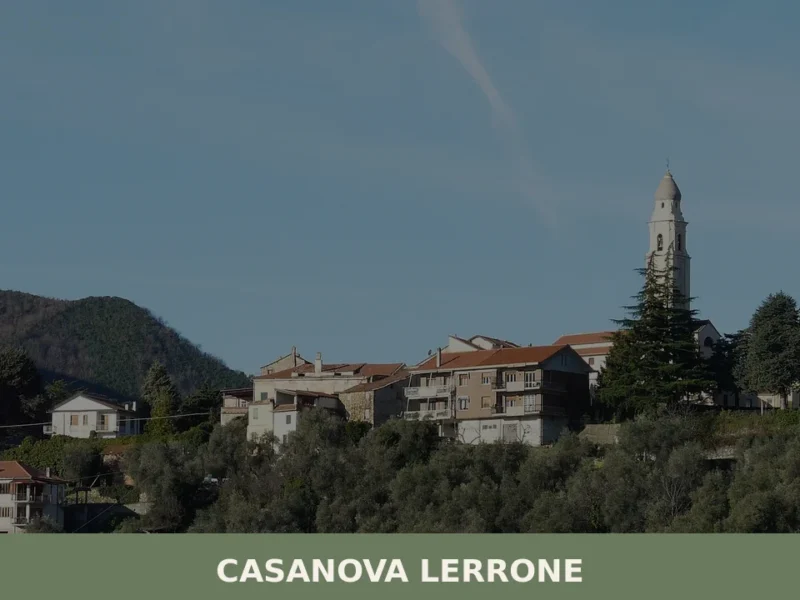
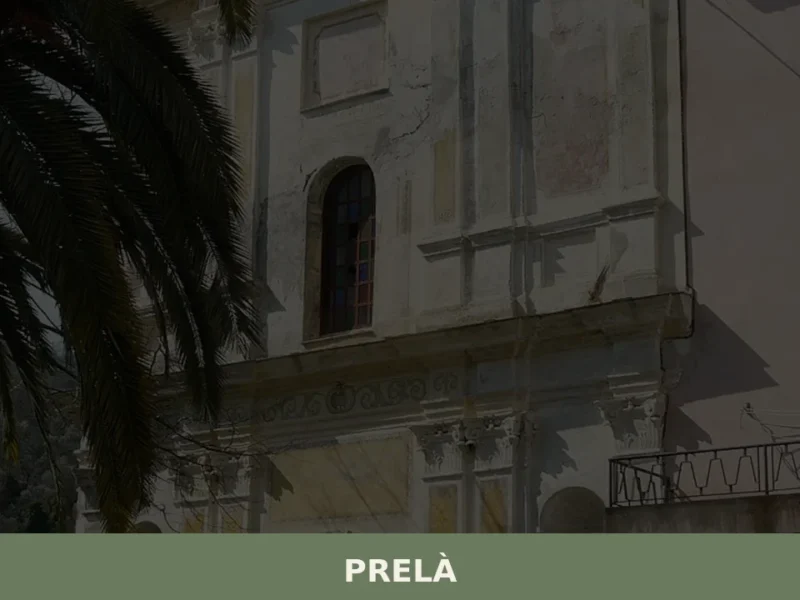
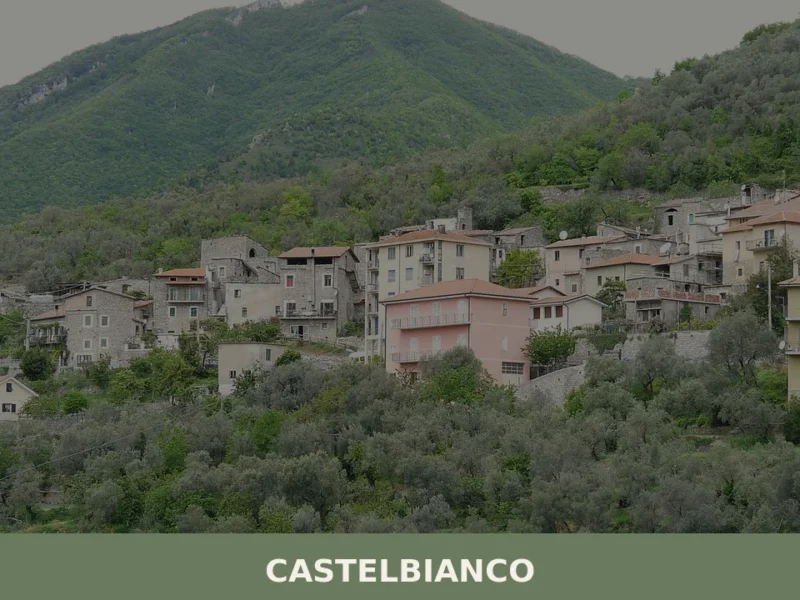
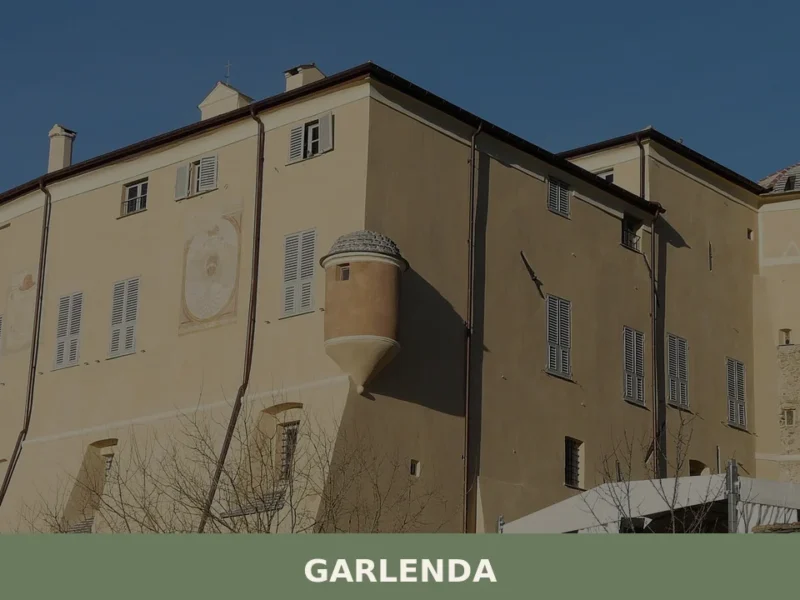
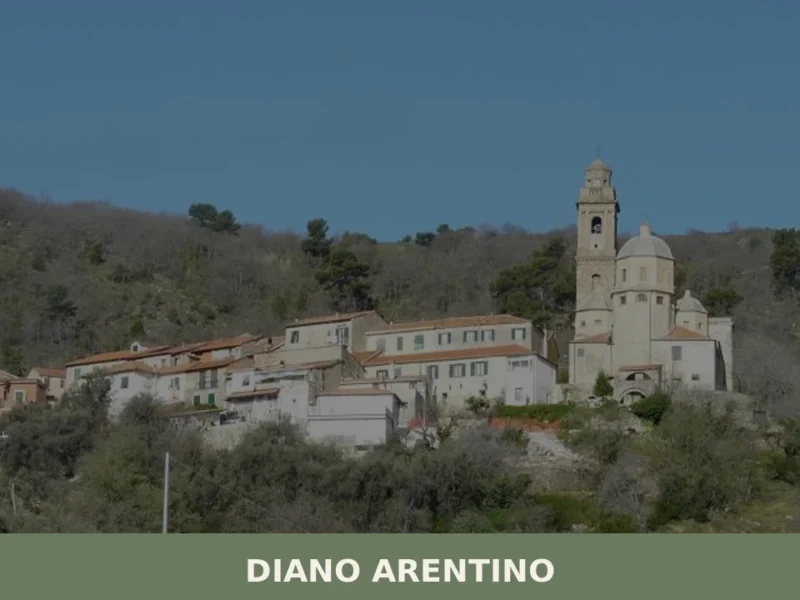
In Liguria More villages to discover
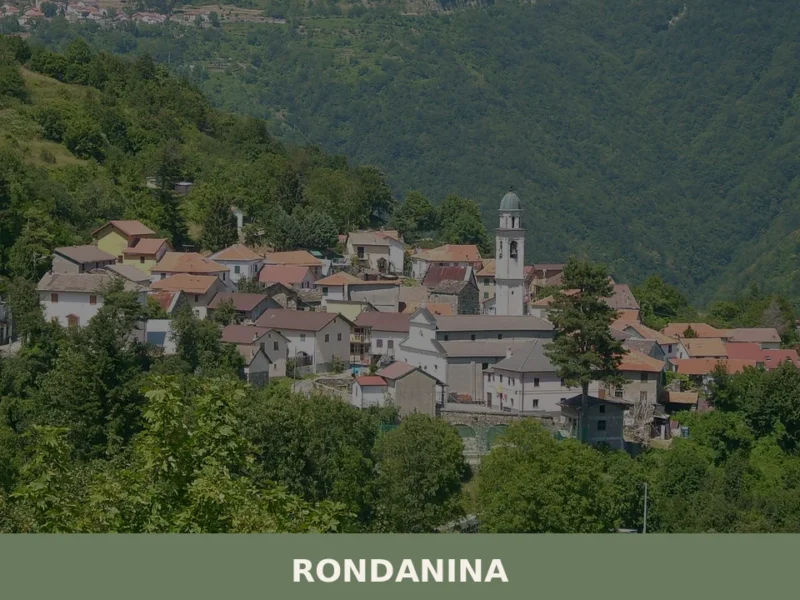
Rondanina
Mountain
What to see in Rondanina, Italy: 67 inhabitants, 30 km from Genoa, inside Parco dell'Antola. Discover top attractions, local food and how to get there.
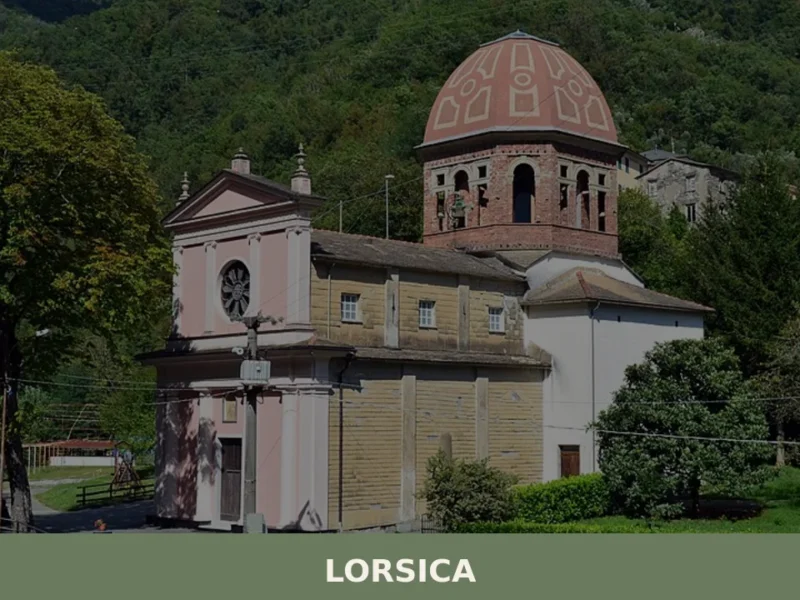
Lorsica
 Hills
Hills
What to see in Lorsica: a Ligurian village at 343 m with 395 residents. Explore historic churches, Val Sturla trails and local food. Plan your visit today.
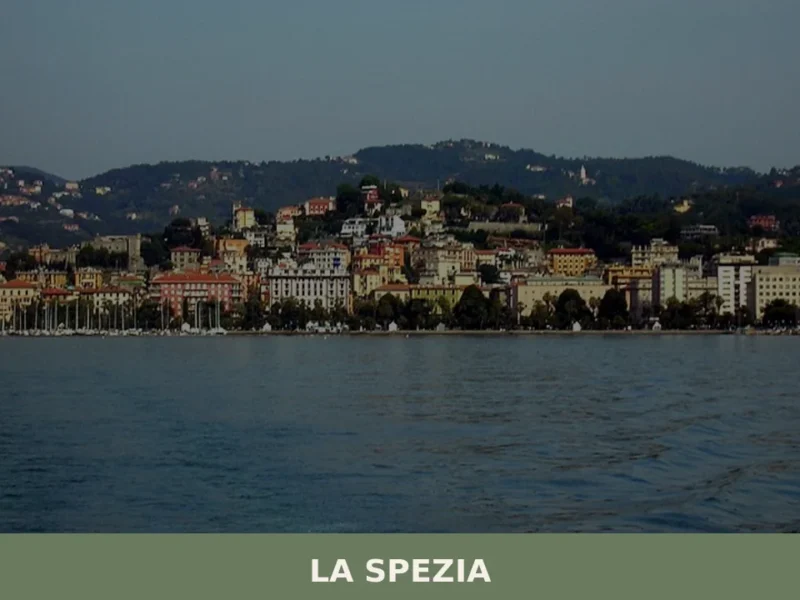
La Spezia
 Sea
Sea
What to see in La Spezia, Italy: explore the Castle of San Giorgio, 10 museums, the Palio del Golfo and Cinque Terre links. Discover La Spezia's top highlights.
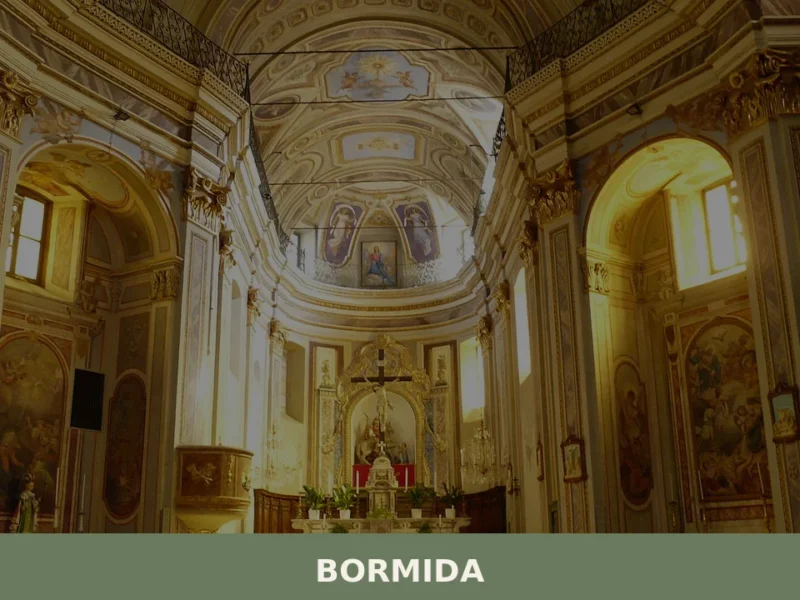
Bormida
Hills
The Bormida di Pallare runs cold through the upper valley, cutting between the flanks of Monte Settepani at 1,386 m (4,547 ft) and Ronco di Maglio at 1,108 m (3,635 ft). Iron was worked here for centuries, and the name of at least one surviving building still carries that industrial memory. The village covers 22.4 […]
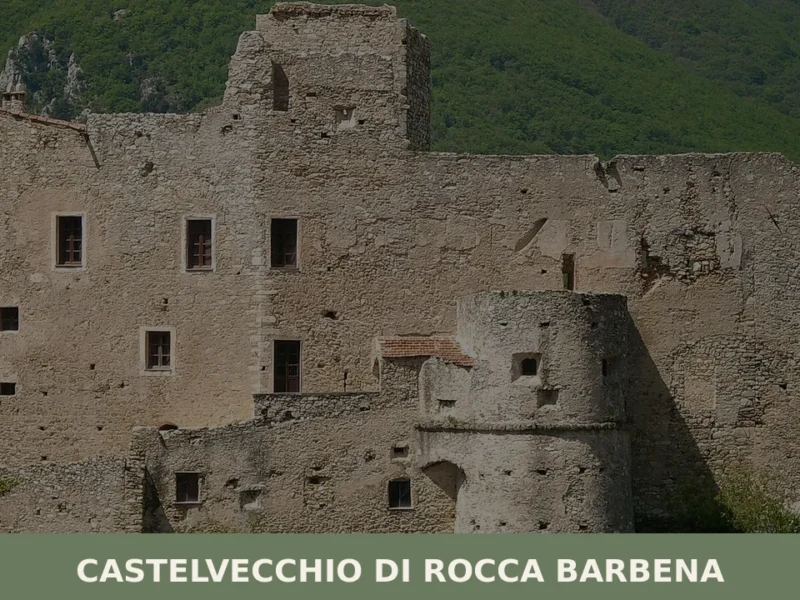
Castelvecchio di Rocca Barbena
Mountain
What to see in Castelvecchio di Rocca Barbena, Liguria, Italy: explore a 9th-century castle, 166 inhabitants, 70 km from Genoa. Discover top attractions and travel tips.
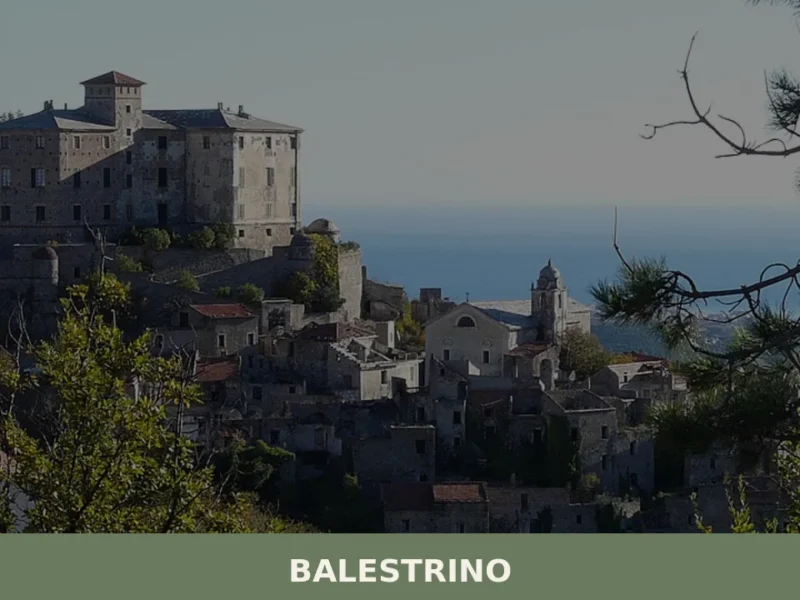
Balestrino
Hills
In 1963 a landslide forced the evacuation of the upper part of Balestrino, leaving the old village uninhabited and intact in its sixteenth- and seventeenth-century structure. Today the municipality has 530 residents, spread between the modern settlement in the valley below and the hillside hamlets, at 371 metres above sea level on the ridge separating […]
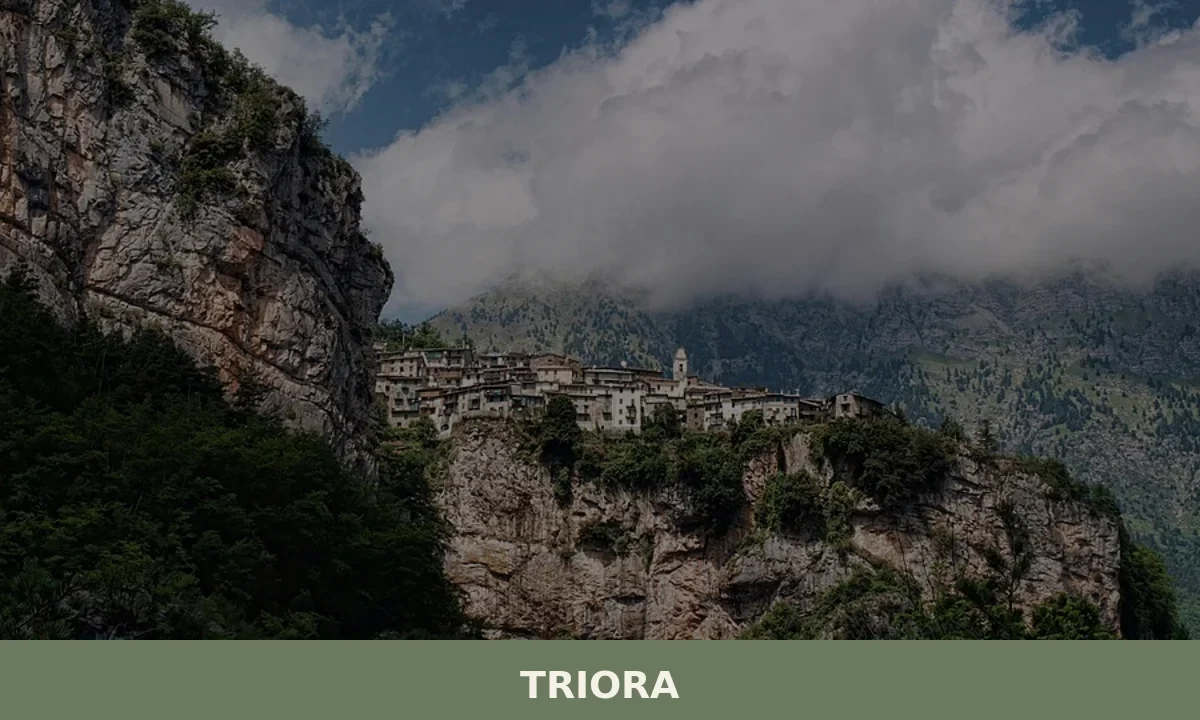
Triora
Mountain
what to see in triora, Italy: Explore this historic village, home to 416 residents, and discover its ancient witch trials history and vibrant August festival. Plan your visit today.
Orco Feglino
Mountain
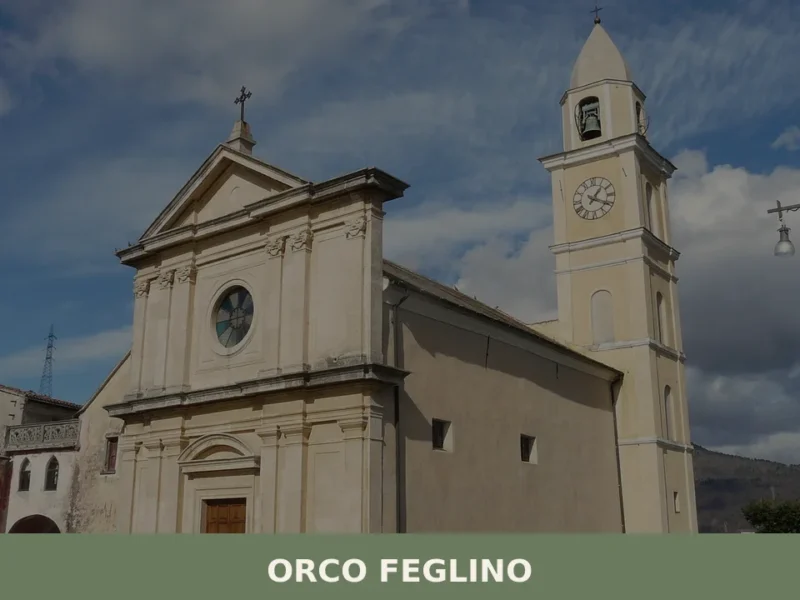
What to see in Orco Feglino, Italy? Located 50 km (31 mi) from Genoa, this village of 889 inhabitants offers castle ruins and historic churches. Explore its rich past.
Ceriana: A Ligurian Hill Village Guide
Hills
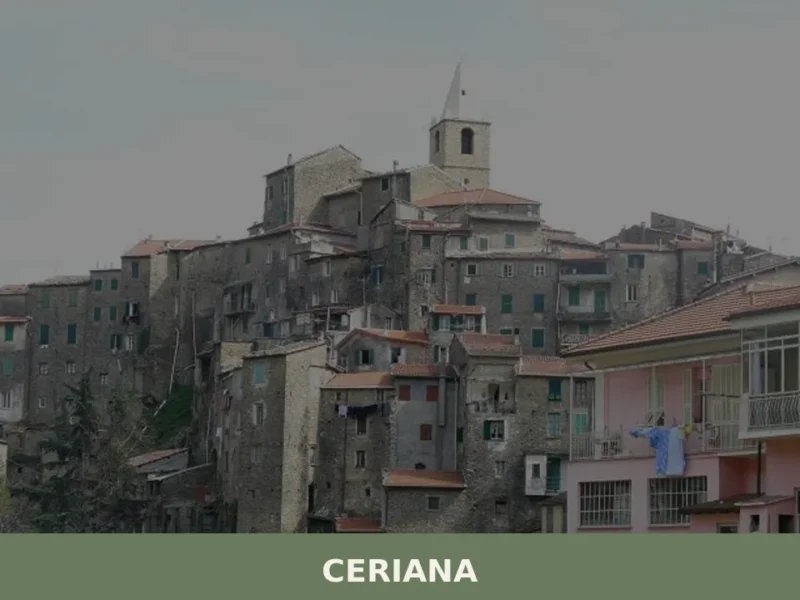
What to see in Ceriana, Italy: Explore this Ligurian village at 369 m (1,211 ft) altitude. Discover historical sites and lively festivals. Read our guide.
Santo Stefano d’Aveto
Mountain
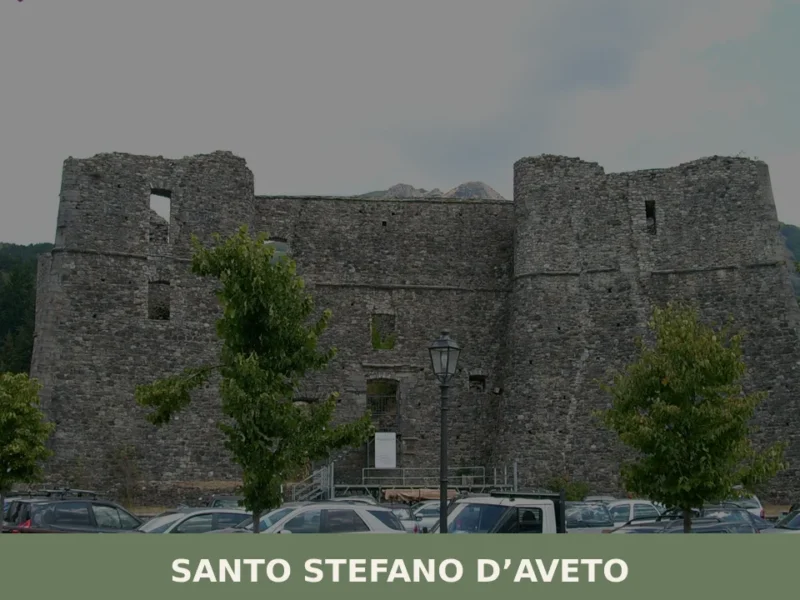
What to see in Santo Stefano d'Aveto? Discover the castle, hikes, and nearby villages with our complete guide to the Ligurian hinterland. Plan your trip now!


🏡 Know Pornassio better than we do?
If you’re a local or have been there, your knowledge matters: add what’s missing or fix a detail on this page.