


Deiva Marina
 Sea
Sea
What to see in Deiva Marina, Italy: 5 top attractions, hiking trails, Cinque Terre day trips, and travel tips for this Ligurian village of 1,409 inhabitants. Discover now.
Discover Deiva Marina
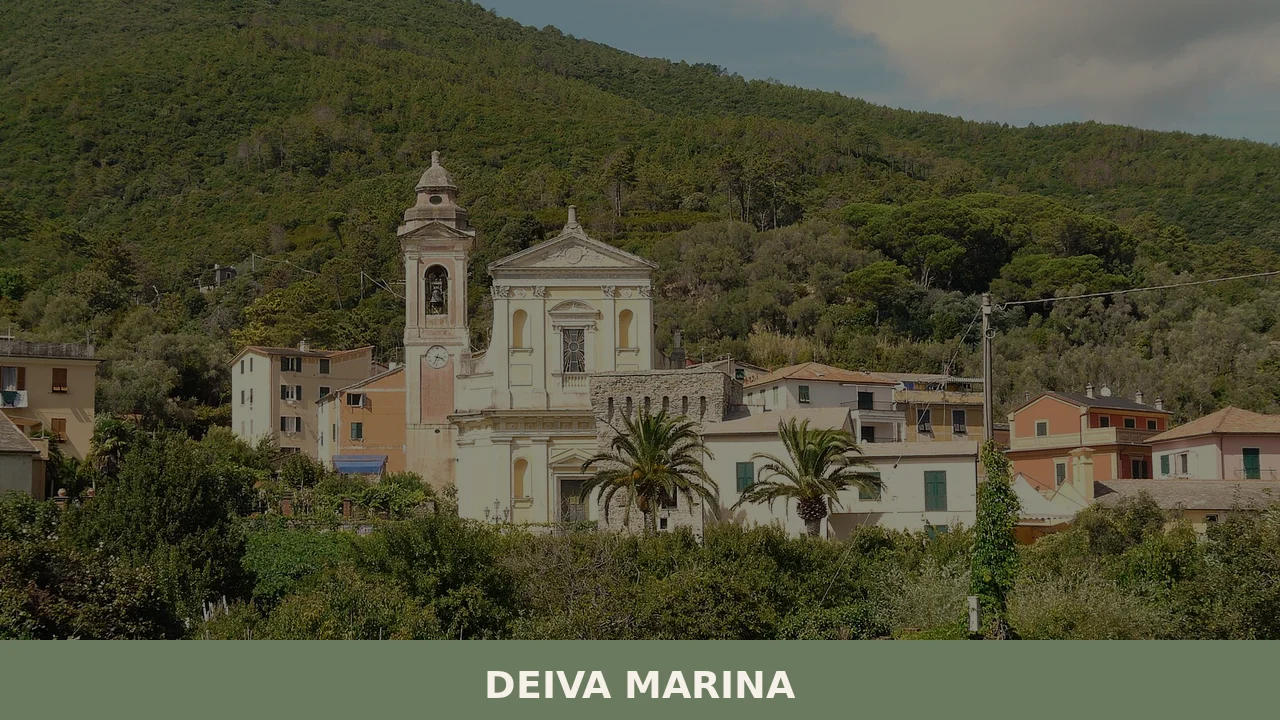
Two watch towers mark the silhouette of Deiva Marina: a square one standing about 1 km (0.6 mi) from the shoreline, its stone restored and intact, and a round one near the sea, partially brought down by a flash flood in 1852.
Both appear in the municipal coat of arms today, carrying the record of a coastline where, for centuries, fishing families retreated inland each night rather than risk sleeping within reach of the water.
Knowing what to see in Deiva Marina means starting with those towers and working outward: sandy beaches, rocky coves accessible only by boat, nature trails threading through maquis and chestnut woods, and a railway that puts the Cinque Terre National Park — a UNESCO World Heritage Site — just 15 minutes away.
The village has a population of 1,409 and holds membership in I Borghi più belli d’Italia, the national register of Italy’s most beautiful villages. Visitors to Deiva Marina find a base that is compact enough to cover on foot yet well connected by road, rail, and sea.
History of Deiva Marina
Settlement in this stretch of the Ligurian Riviera di Levante goes back at least to the Carolingian period, when documents first mention the territory.
The geography was double-edged: the Apennine ridges rising sharply behind the coast made overland access slow and difficult, while the absence of a natural harbour meant the sea offered no easy entry either. Small villages scattered the inland slopes, and the people who worked the water as fishermen still walked back uphill each evening to the historic centre of Deiva, gathered around its church.
The threat that drove that nightly retreat was concrete.
Barbary pirates, operating from North African ports under Muslim command, raided the Ligurian coast with enough regularity to make any permanent seafront settlement dangerous. The two towers built in the 16th century — one square, one round — were the community’s main defensive architecture. The square tower near the church survives in restored condition; the round tower, closer to the water, lost part of its structure when a flash flood struck in 1852.
Their silhouettes still appear in the coat of arms of the municipality, a direct link between the built record and the current civic identity.
The shift toward the modern resort came in stages, each driven by infrastructure. In 1874 the railway running along the Ligurian coast was completed, and access improved enough for a few buildings to appear near the new station, including an inn recorded as Albergo Savoia. The decisive change arrived in 1932, when the railway line and its station were moved approximately 1 km (0.6 mi) inland, freeing a wide strip of seafront for other uses.
Postwar construction accelerated through the 1960s and 1970s, when the Autostrada A12 motorway and the conversion of abandoned railway tunnels into road connections made Deiva accessible from the major Italian cities, prompting a wave of apartment buildings intended as second residences. The Art Nouveau Villa Schiaffino, built in the first half of the 20th century, remains the sole architecturally notable structure from the earlier coastal phase.
What to See in Deiva Marina, Liguria: Top Attractions
The Square Watch Tower
The square tower stands roughly 1 km (0.6 mi) from the shoreline, its stone walls restored to a condition that makes the original 16th-century construction legible.
It was built as a lookout and refuge against coastal raids, and its position close to the village church placed it at the centre of community life after dark. Today visitors can read the relationship between the tower and the surrounding historic fabric — the narrow lanes of the inland centro storico, the modest scale of the houses — as evidence of how the settlement organised itself around the threat of attack. The tower features in the municipal coat of arms alongside its demolished companion near the sea.
It is best approached on foot from the railway station, following the road inland toward the church.
The Beaches and Rocky Bays
Deiva Marina’s coastline divides into several distinct zones: wide sandy beaches visible from the seafront promenade, stretches of rocky shore accessible on foot, and a series of small bays that open only to boats.
The transformation of the seafront into usable public space dates precisely to 1932, when the relocated railway left a broad strip of land between the new tracks and the water. The seawater carries a clean-water designation, and fishing activity continues throughout the year rather than being confined to a single season. For those arriving by sea, the smaller inlets to the east and west reward slow navigation along the cliff base. The sandy sections are most practical between June and September, while the rocky areas and bays are accessible year-round for fishing excursions and shorter cruises.
Falesia della Sfinge
The Falesia della Sfinge is a rock face in the hills above Deiva Marina used for technical climbing. It represents the upper end of the range of outdoor activity available in the area, sitting well above the maquis-covered slopes that characterise the lower trails. The climbing routes vary in difficulty, making the site relevant both to experienced climbers and to those building technical skills.
Access involves a hike from the village, gaining elevation through the Ligurian scrubland. No fixed season is required, though the rock dries fastest in the warmer months between April and October.
It is worth noting that this is not a casual viewpoint: visitors come specifically to climb, and the site offers no infrastructure beyond the rock face itself.
Nature Trails to Framura and Moneglia
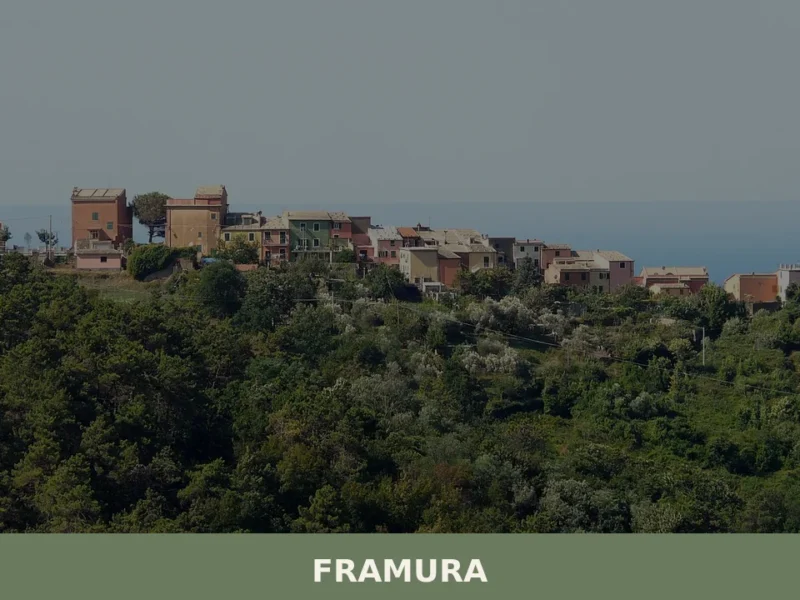
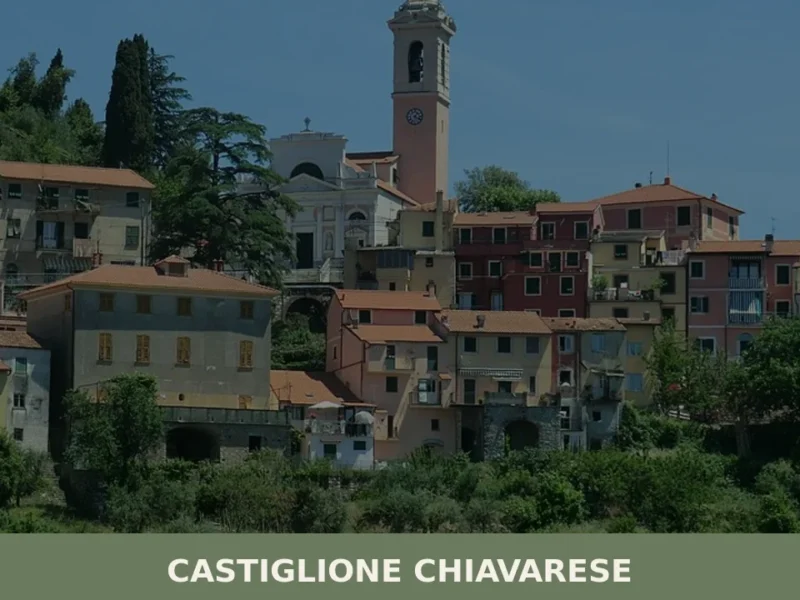
Two marked trails leave Deiva Marina and run parallel to the coastline, one heading toward the inland hills above Castiglione Chiavarese and the other linking the village to Framura and Moneglia along a route through vineyard terraces, maquis shrubland, and stands of chestnut and maritime pine.
The trails provide repeated open viewpoints over the sea, with the cliff edge dropping away to the right on the coastal stretches. Elevation gain is moderate on both routes but sustained, requiring decent footwear. A third set of trails climbs further inland toward the Apennine ridge. Spring — from late March through May — offers the clearest combination of mild temperatures, dry ground, and visible wildflowers on the hillside. The trails are signposted from the village centre.
Day Trips to Cinque Terre and Portofino
Deiva Marina’s position on the main Ligurian rail line makes two of the Riviera’s best-known destinations straightforward to reach by train. The Cinque Terre — five coastal villages within a protected national park and UNESCO World Heritage Site — is 15 minutes by rail from Deiva Marina station. Portofino, the small harbour town on the headland west of Rapallo, is reachable in approximately 30 minutes.
Both connections operate throughout the year on the standard Trenitalia regional schedule.
The marina of Lavagna is also close, offering an alternative for those arriving or departing by boat. Whale-watching and fishing cruises depart from Deiva as well: since 2018 the municipality has been a formal partner of the Pelagos Sanctuary for Mediterranean Marine Mammals, a commitment that includes restrictions on high-speed motorboat competitions and active measures against marine and land-based pollution.
Local Food and Typical Products of Deiva Marina
Deiva Marina sits within the broader Ligurian culinary territory defined by the Riviera di Levante. The coastline has historically produced fishing communities whose diet combined what the sea offered with the dry, terraced agriculture of the inland slopes. The vine terraces visible on the trail to Moneglia and Framura speak to a cultivation pattern that has shaped local eating for generations: thin-soiled, sun-exposed hillsides producing grapes and olives alongside plots of vegetables and herbs.
Ligurian cooking at this latitude leans on a small set of key preparations.
Focaccia genovese — a flat, olive-oil-soaked bread baked at high heat until the surface blisters and the interior stays open and chewy — appears in every bakery along the coast and is as much a practical food as a regional one: fishermen carried it out before dawn.
Trofie al pesto pairs the short, twisted pasta native to Liguria with a sauce of fresh basil leaves, garlic, pine nuts, Parmigiano Reggiano, Pecorino, and Ligurian olive oil ground together without heat. The ratio of basil to fat and the absence of cooking are what distinguish the Ligurian version from imitations.
Along the seafront, fritto misto di pesce — a mixed fry of whichever small fish, squid, and shrimp the morning catch provided — appears on most restaurant menus, battered lightly and fried in hot oil until the exterior is dry and the interior barely set.
The hills around Deiva Marina fall within the production zone for Riviera Ligure DOP olive oil, a Protected Designation of Origin product whose rules specify the use of local olive varieties and traditional cold-pressing methods. The oil is pale gold, low in acidity, and used both raw as a condiment and as the base fat in most local preparations.
No additional certified products specific to Deiva Marina are documented in available sources beyond the broader Ligurian DOP designations.
The fishing tradition documented in the village’s history — with local people working as fishermen year-round — means fresh catch is available directly from the port for much of the year.
Markets and small local shops in the village centre stock seasonal produce from the terraced farms above the coast, with the widest selection running from late spring through early autumn.
Festivals, Events and Traditions of Deiva Marina
Deiva Marina’s calendar has historically been anchored to its fishing and religious life. The village church, which formed the focal point of the original inland settlement alongside the square watch tower, remains the centre of the main patron saint celebrations. The sources available do not specify the exact date of the patron saint festival or the precise liturgical calendar followed, so no date is stated here.
What the documentary record does confirm is the long continuity of the connection between the church, the tower, and the community, with the seafront only fully joining that civic life after 1932.
Until recently Deiva Marina served as the starting point for two cycling competitions: the Granfondo 5 Terre and the Mediofondo 5 Terre, both of which followed circuits through the Cinque Terre countryside.
These events drew competitive cyclists from outside the region and placed the village’s road network within a recognised sporting context. The municipality’s status as a Pelagos Sanctuary partner since 2018 has also introduced an environmental commitment into the public calendar, with pollution-prevention measures forming part of the official institutional activity each year.
When to Visit Deiva Marina, Italy and How to Get There
The best time to visit Liguria’s Riviera di Levante for beach use falls between June and September, when sea temperatures are at their highest and the wide sandy beaches of Deiva Marina are fully operational. Spring — particularly April and May — suits hiking: the trails to Framura and Moneglia are dry and well-defined, the maquis is in flower, and the coastal viewpoints are unobstructed.
Autumn extends the hiking season into October and November with reduced visitor numbers.
Winter is mild by northern Italian standards but quiet: most seafront facilities close, though the village and the rail connections remain active. International visitors planning a day trip from Genoa will find the 65 km (40 mi) distance manageable in either direction, with the train journey from Genova Brignole taking roughly one hour on regional services.
By car, the closest motorway exit on the Autostrada A12 is signposted “Deiva Marina.” An alternative is to exit at Sestri Levante and follow the coastal road through Riva Trigoso and Moneglia — most of this route uses one-way tunnels where traffic direction alternates every 20 minutes.
By train, Trenitalia regional services connect Genova and La Spezia to Deiva Marina station directly; the station is now located approximately 1 km (0.6 mi) inland from the beach following the 1932 realignment.
The nearest airports are Genoa Cristoforo Colombo (GOA) at 59 km (37 mi), Pisa Galileo Galilei (PSA) at 92 km (57 mi), Parma Giuseppe Verdi (PMF) at 90 km (56 mi), and Milan Linate (LIN) at 136 km (85 mi). For international visitors, English is not always spoken in smaller shops and local bars; carrying some euro cash is practical, as card payment is not universal in the village.
Where to Stay Near Deiva Marina
Deiva Marina developed primarily as a second-home destination through the 1960s and 1970s, when the combination of the A12 motorway and restored road tunnels made the village accessible from Milan and Genoa within a reasonable drive. The result is a stock of apartment buildings available for short-term rental alongside a smaller number of hotel and guesthouse options along the seafront.
The village’s first documented inn, the Albergo Savoia, opened near the original railway station in 1874. Today the accommodation range runs from self-catering apartments — the dominant form — to small hotels and bed-and-breakfast properties. Stays of three to seven nights are the standard pattern in high season.
Visitors extending their itinerary along the Riviera di Levante can also consider basing themselves in nearby villages.
The hill village of Lorsica, set in the Ligurian Apennines above the coast, offers a quieter inland alternative within the same provincial territory. Those travelling further west toward the Ligurian hinterland may find the village of Lumarzo a useful stop, positioned in the hills of the Genoa province where the Apennine landscape shifts from coastal scrub to denser forest cover.
Frequently asked questions about Deiva Marina
What is the best time to visit Deiva Marina?
The ideal time to visit Deiva Marina depends on your preferred activities. For beachgoers, the wide sandy sections are most practical between June and September, offering warm, clean waters. Hikers will find spring (late March to May) perfect, with mild temperatures, dry trails, and abundant wildflowers on the hillsides. Climbers can enjoy the Falesia della Sfinge from April to October. Culturally, consider visiting on January 17th for the feast day of Sant'Antonio Abate, the village's patron saint, offering a glimpse into local traditions during the quieter winter season.
What are the historical origins of Deiva Marina?
Deiva Marina's history traces back at least to the Carolingian period, with initial settlements developing inland due to the constant threat of Barbary pirate raids from North Africa. This danger led to the construction of defensive structures, notably two 16th-century watchtowers, which remain symbols of the village's resilience. The shift towards a modern resort began to take shape with the arrival of the railway in 1874, and significantly accelerated after 1932 when the railway line was moved inland, freeing up the seafront for development and tourism.
What to see in Deiva Marina? Main monuments and landmarks
The primary landmark in Deiva Marina is the Square Watch Tower, a restored 16th-century defensive structure located approximately 1 km inland, near the village church. This tower offers a tangible link to the village's history of protection against pirate raids and provides insight into the historic center's organization. It's best explored on foot, following the road inland from the railway station towards the church. While the nearby round tower is partially ruined, both feature prominently in the municipal coat of arms, symbolizing Deiva Marina's enduring heritage.
What are the main natural or scenic attractions of Deiva Marina?
Deiva Marina boasts a diverse coastline featuring wide sandy beaches, accessible rocky shores, and secluded coves reachable by boat, all designated with clean water status. Inland, the Falesia della Sfinge offers a rock face for technical climbing amidst the hills. For hikers, marked nature trails lead to Framura and Moneglia, winding through vineyards, maquis, and chestnut woods, providing stunning open viewpoints over the sea. The village is also a partner of the Pelagos Sanctuary for Mediterranean Marine Mammals, highlighting its commitment to marine conservation.
Where to take the best photos in Deiva Marina?
For panoramic vistas, the nature trails leading towards Framura and Moneglia offer numerous open viewpoints overlooking the Ligurian Sea and the dramatic cliff edges. The historic center, particularly around the restored Square Watch Tower and the village church, provides charming architectural backdrops. Along the seafront promenade, the wide sandy beaches and the distinctive silhouette of the remaining tower elements against the clear waters make for classic coastal shots, especially during sunrise or sunset. The smaller inlets to the east and west also reward slow navigation for scenic boat photography.
Are there museums, churches or historic buildings to visit in Deiva Marina?
Deiva Marina features several points of historical and architectural interest. The most prominent is the Square Watch Tower, a well-preserved 16th-century defensive structure located inland near the village church, which itself is central to the historic fabric. While not a museum, the tower offers a glimpse into the village's past. The Art Nouveau Villa Schiaffino, built in the first half of the 20th century, remains the sole architecturally notable structure from the earlier coastal phase. There are no documented museums in the village.
What can you do in Deiva Marina? Activities and experiences
Deiva Marina offers a range of activities. You can relax on the wide sandy beaches or explore rocky coves, some accessible only by boat. Enthusiasts can tackle technical climbing routes at the Falesia della Sfinge. Nature lovers can hike scenic trails towards Framura and Moneglia, offering sea views and inland exploration. The village is also an excellent base for day trips, with Cinque Terre just 15 minutes and Portofino 30 minutes away by train. Additionally, whale-watching and fishing cruises depart regularly from Deiva Marina.
Who is Deiva Marina suitable for? Families, couples, hikers, solo travelers?
Deiva Marina is ideal for a diverse range of visitors. Families will appreciate the clean, sandy beaches and the village's compact, walkable nature. Hikers and outdoor enthusiasts can explore extensive nature trails and the Falesia della Sfinge climbing site. Couples will enjoy the charming Ligurian atmosphere, scenic coastal views, and easy access to romantic day trips like Cinque Terre and Portofino. Its excellent rail connections also make it a convenient and engaging base for solo travelers looking to explore the Riviera di Levante, offering both relaxation and adventure.
What to eat in Deiva Marina? Local products and specialties
Deiva Marina's culinary offerings reflect the broader Ligurian Riviera di Levante. Must-try specialties include Focaccia Genovese, a delicious olive-oil-soaked bread perfect for any time of day. Trofie al pesto features the region's signature twisted pasta paired with a vibrant, uncooked basil pesto. Along the seafront, enjoy Fritto Misto di Pesce, a fresh mixed fry of local catch. The area is also known for Riviera Ligure DOP olive oil, a pale gold, low-acidity product made from local varieties using traditional cold-pressing methods, essential in local cuisine.
📷 Photo Gallery — Deiva Marina
Nearby Villages near Deiva Marina
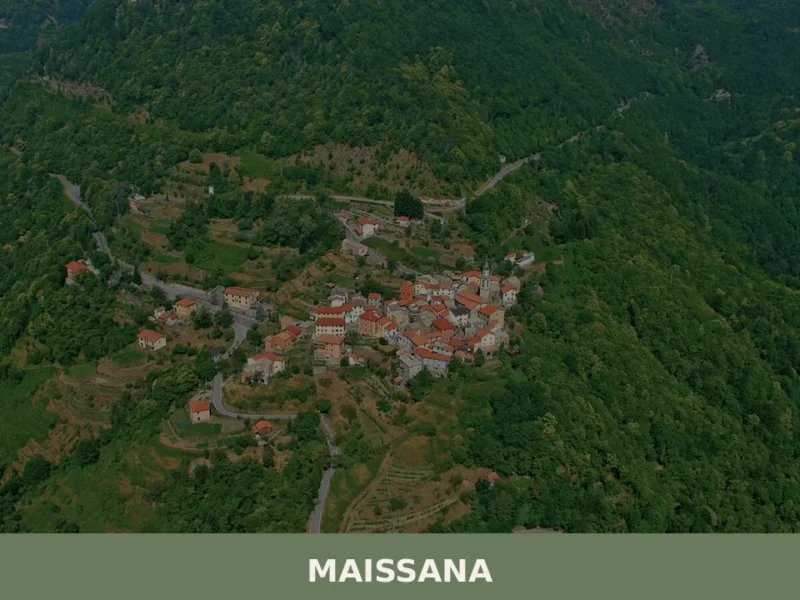
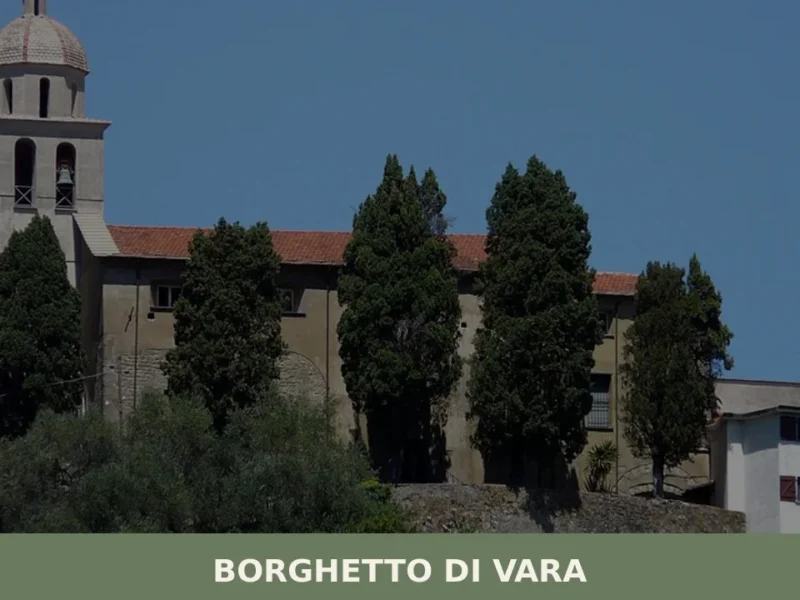
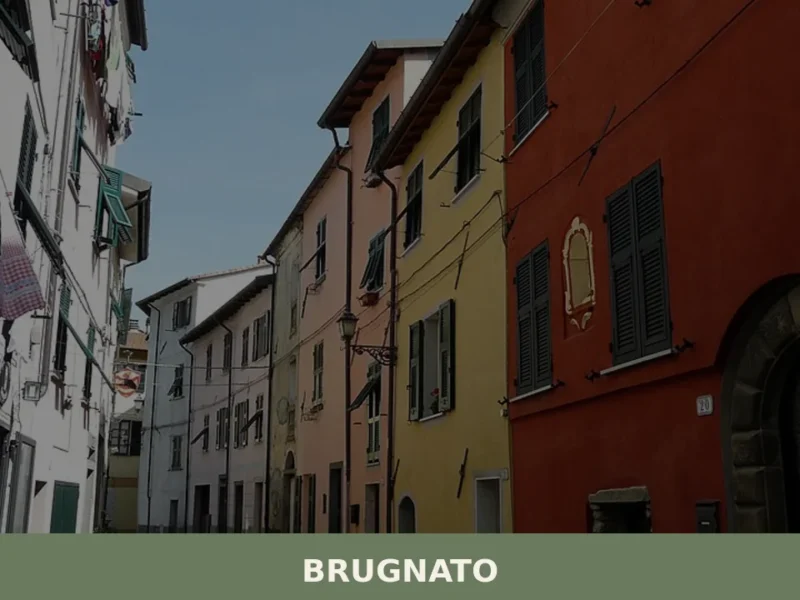
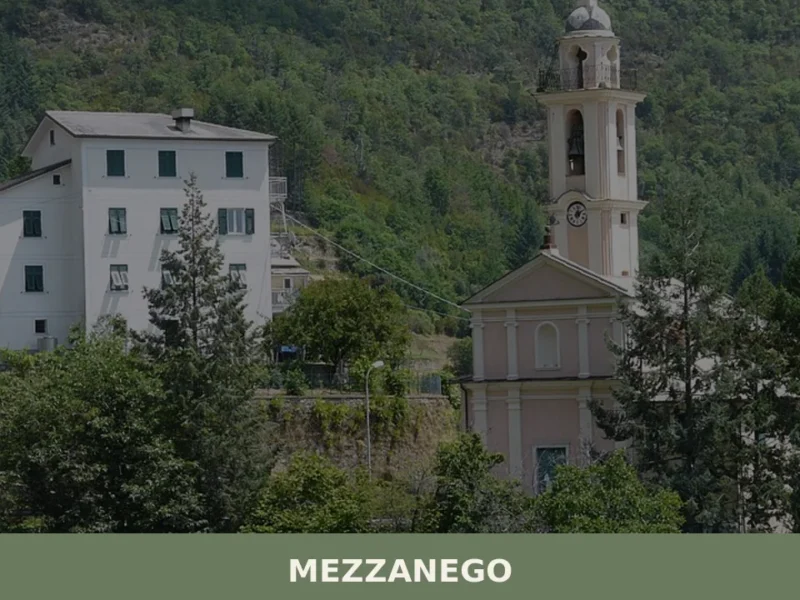
In Liguria More villages to discover
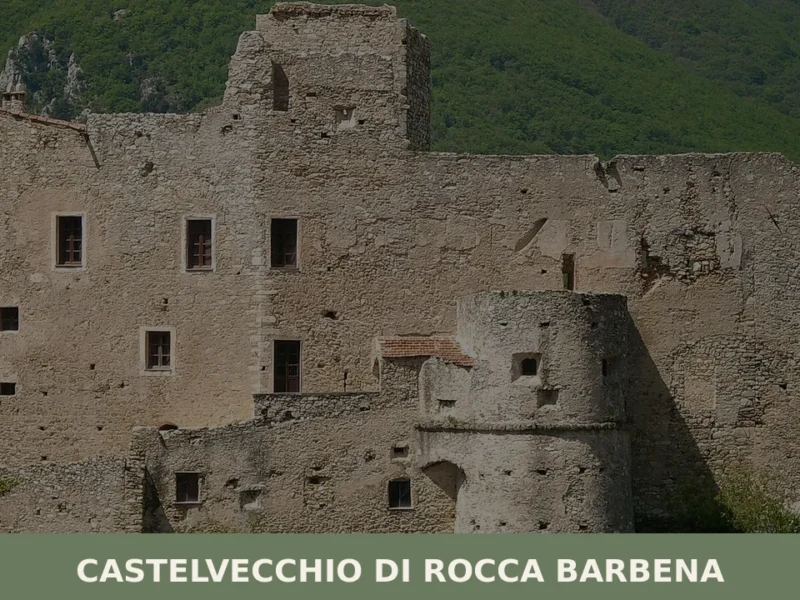
Castelvecchio di Rocca Barbena
 Mountain
What to see in Castelvecchio di Rocca Barbena, Liguria, Italy: explore a 9th-century castle, 166 inhabitants, 70 km from Genoa. Discover top attractions and travel tips.
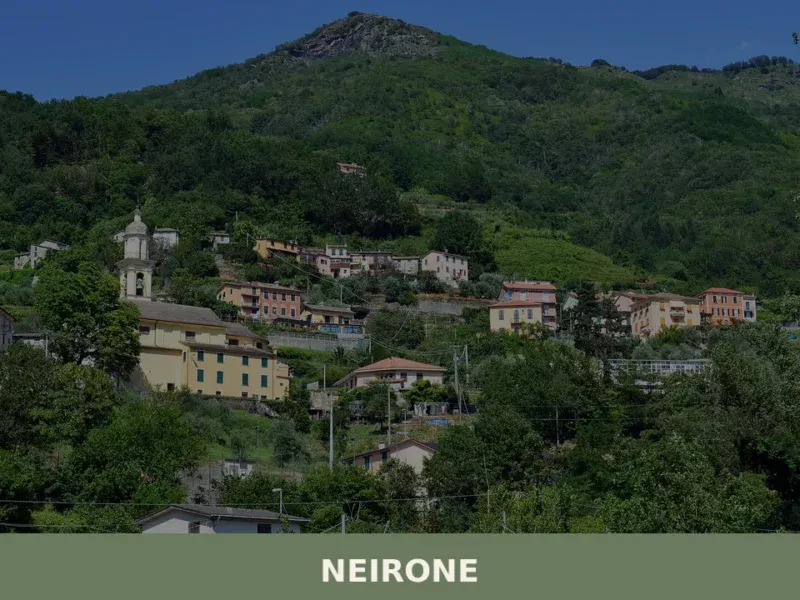
Neirone
Mountain
what to see in neirone explores this Ligurian village of 954 inhabitants in Italy. Discover local landscapes and general Ligurian cuisine.
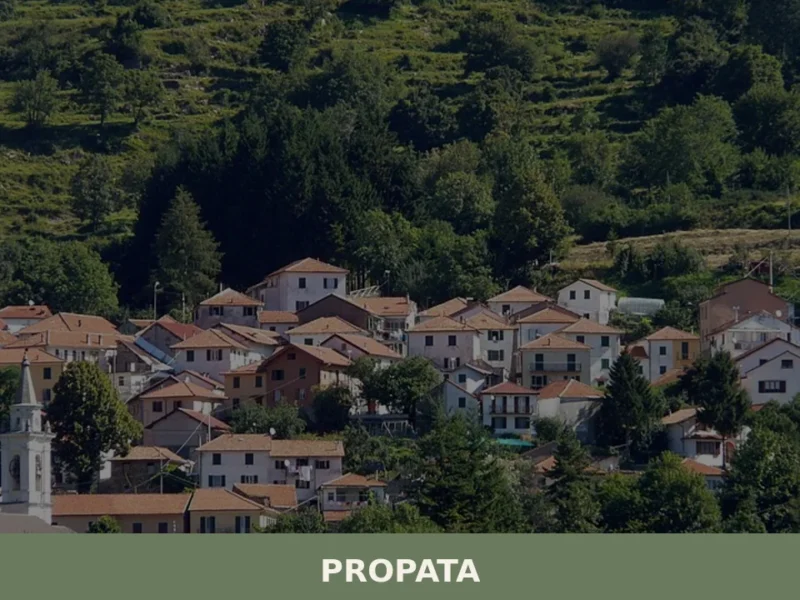
Propata
Mountain
What to see in Propata, Italy: Discover the parish church and its Maragliano statue in this Ligurian village of 156 inhabitants. Explore its history.
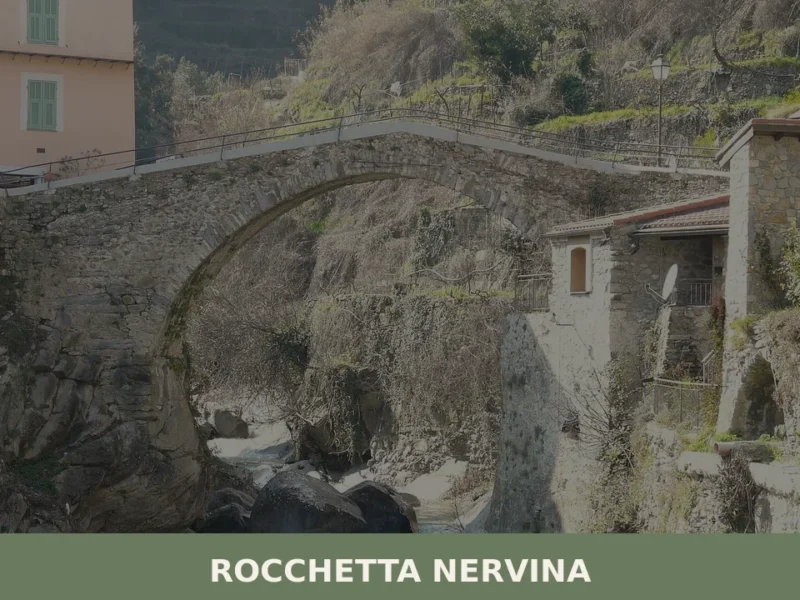
Rocchetta Nervina
Mountain
What to see in Rocchetta Nervina, Italy: discover the village (population 275) near the Ligurian Alps Regional Park. Explore its unique location bordering France and the Barbaira stream.
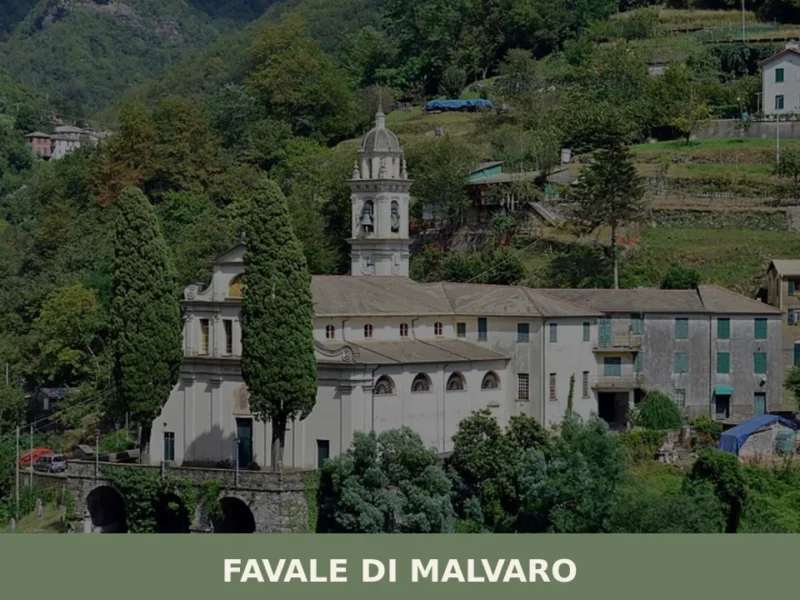
Favale di Malvaro
 Hills
Hills
In 1892, Amadeo Pietro Giannini left Favale di Malvaro for America. The son of Ligurian emigrants, he went on to found the Bank of Italy in San Francisco in 1904, which later became Bank of America — for decades the largest banking institution in the world. This small village in the Fontanabuona valley, home to […]
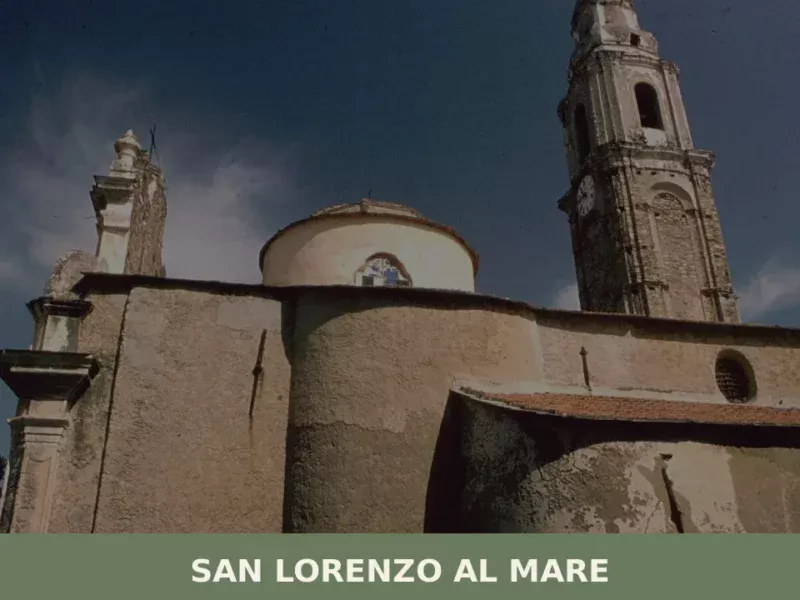
San Lorenzo al Mare
Sea
What to see in San Lorenzo al Mare, Italy: Discover its 1,380 inhabitants and coastal charm. Explore historic sites and the scenic Riviera dei Fiori. Plan your Ligurian trip.
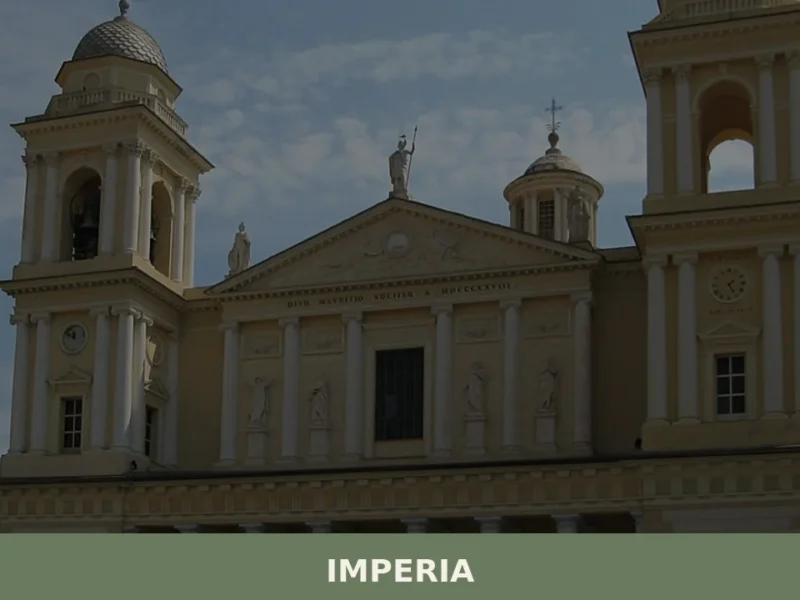
Imperia
Sea
What to see in Imperia: dual city rising to 534 m in Liguria. Explore the Parasio, the free Olive Museum and sardenaira. Plan your visit now.
Orero
Mountain
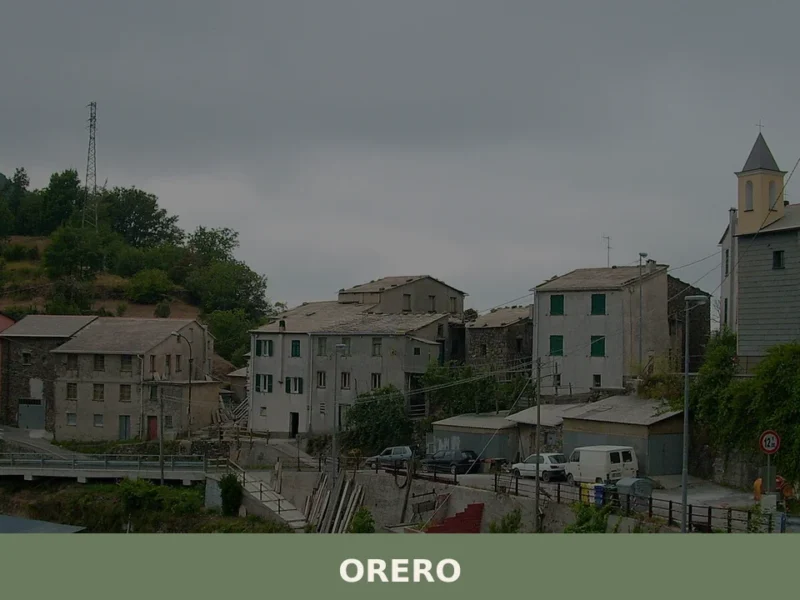
What to see in Orero, Italy: Explore a Ligurian village at 400 m (1,312 ft) altitude. Discover the 17th-century Sant'Ambrogio Church and the autumn Chestnut Festival. Read our guide.
Davagna
Hills
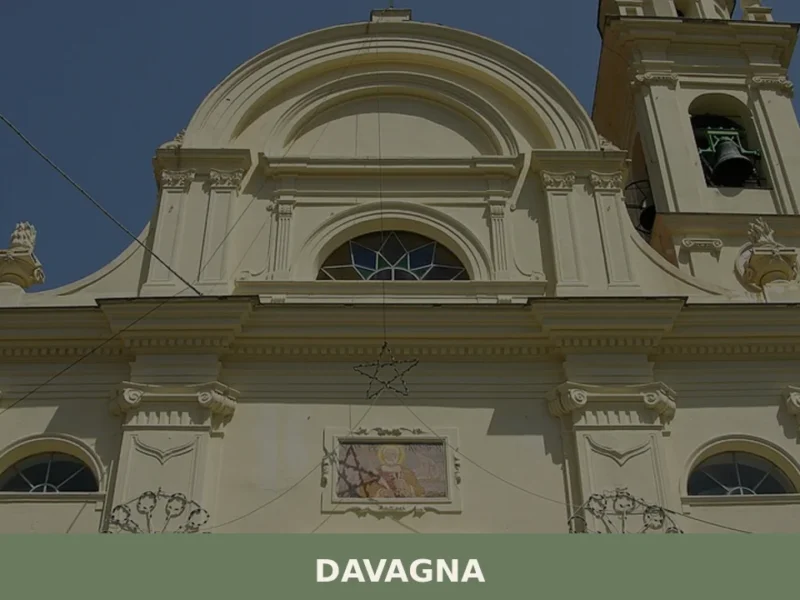
At 552 meters above sea level, Davagna is a scattered municipality in the Genoese hinterland, comprising a main town and numerous hamlets spread across the slopes of the Bisagno Valley. Its geographical location, a short distance from the Ligurian capital, has historically influenced the economic and social dynamics of the area. For those wishing to […]

Arenzano
Sea
What to see in Arenzano, Liguria, Italy: explore a 16th-century patrician villa, a Saracens' Tower, and a coastal sanctuary. Population 11,445. Discover it all.


🏡 Know Deiva Marina better than we do?
If you’re a local or have been there, your knowledge matters: add what’s missing or fix a detail on this page.