


La Spezia
 Sea
Sea
What to see in La Spezia, Italy: explore the Castle of San Giorgio, 10 museums, the Palio del Golfo and Cinque Terre links. Discover La Spezia’s top highlights.
Discover La Spezia
The hull of the Kaiser Franz Josef, a trans-Atlantic liner launched in Trieste in 1911 for the Austrian Lloyd company and confiscated by Italy in 1919, sank in La Spezia harbour in 1944. That single fact concentrates the city’s centuries of layered use: a working port that has absorbed Roman settlers, Genoese administrators, a Royal Italian Navy arsenal commissioned in 1861, and, between the summer of 1945 and the spring of 1948, more than 23,000 Jewish displaced persons who boarded ships here for the Palestine Mandate.
On Israeli maps, La Spezia carries a second name — Sha’ar Zion, Hebrew for “Gateway to Zion.”
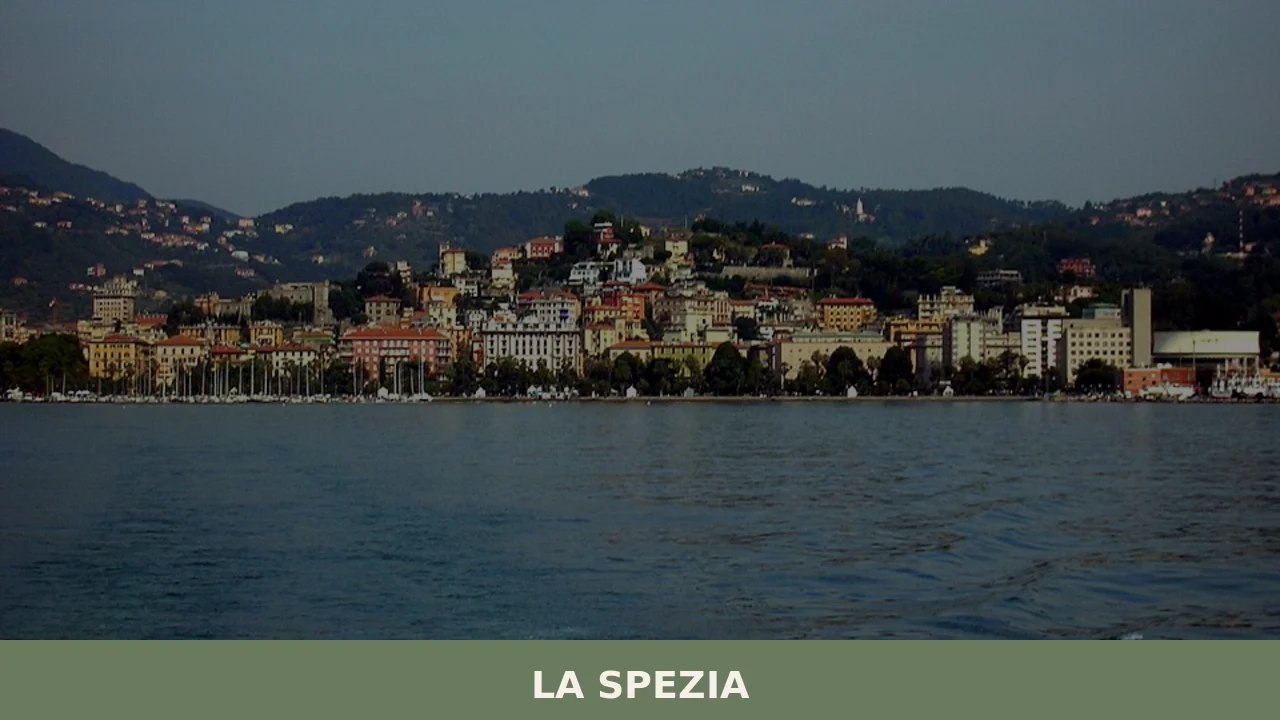
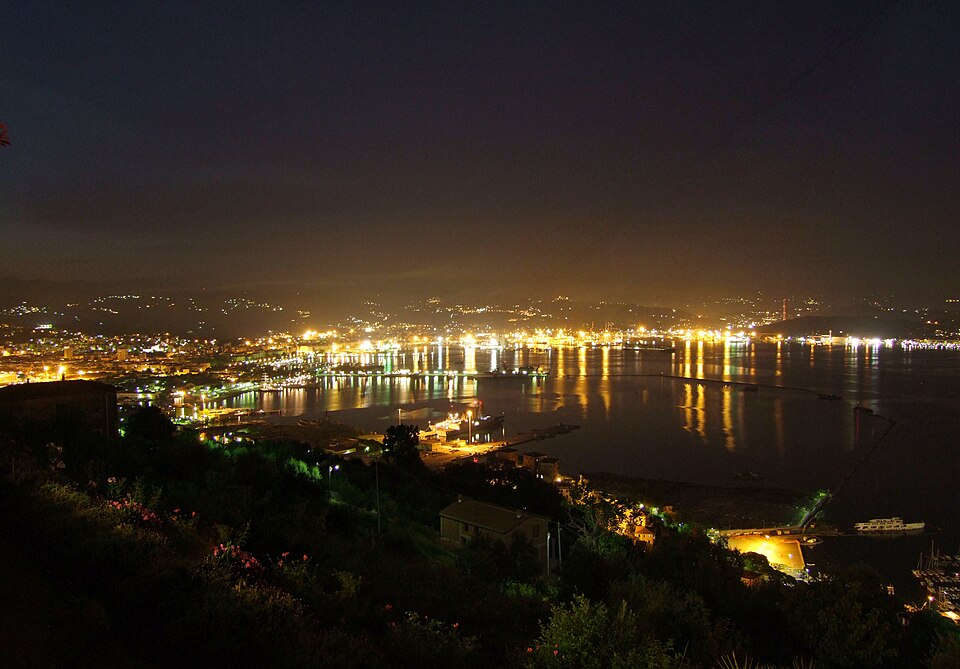
Deciding what to see in La Spezia means navigating a city of 92,711 inhabitants that functions simultaneously as Italy’s principal naval base, a commercial port, a railway junction, and the main departure point for the Cinque Terre villages, reachable in 15 km (9.3 mi) by train or boat. Visitors to La Spezia find a concentrated historic centre with a medieval castle, ten or more museums ranging from civic art to naval technology, documented Art Nouveau villas, and a Futurist mosaic inside the central post office. The city sits at the head of the Gulf of La Spezia in the eastern part of Liguria, roughly midway between Genoa and Pisa on the Ligurian Sea.
History of La Spezia
Settlement in the territory of La Spezia and its province reaches back to prehistoric times. During the Roman period, the dominant urban centre in this stretch of the Ligurian coast was not La Spezia itself but Luni, located not far from the inland town of Sarzana. La Spezia entered documented political history in the thirteenth century when it became the capital of the short-lived signoria of Niccolò Fieschi, a lordship that lasted from 1256 to 1273.
That episode tied the city closely to Genoese power: in 1273 the Republic of Genoa destroyed the fortification that Fieschi had built in 1262, and the city was absorbed into the Genoese sphere. The influence of Genoa on La Spezia’s urban fabric remained legible for centuries, visible today in the layout of its streets and in the narrow carrugio — the central lane that divides the Old Town — called Via del Prione, a name derived from pietrone, the large stone where public announcements were once read aloud.
From 1273, La Spezia followed the political trajectory of Liguria’s capital. The Republic of Genoa held it as an independent state until 1797, and the city’s building types and decorative patterns continued to reflect that relationship throughout the early modern period. The decisive moment in La Spezia’s modern growth came in 1861, when the Royal Italian government commissioned the construction of a great naval arsenal there. The city expanded rapidly in population and infrastructure around this facility, which transformed it from a coastal settlement into one of Italy’s primary military and commercial harbours. The Republic of Genoa had already begun adding a second castle structure at San Giorgio starting from 1607, layering military architecture onto the medieval core.
The twentieth century brought further episodes that defined La Spezia’s place in broader history.
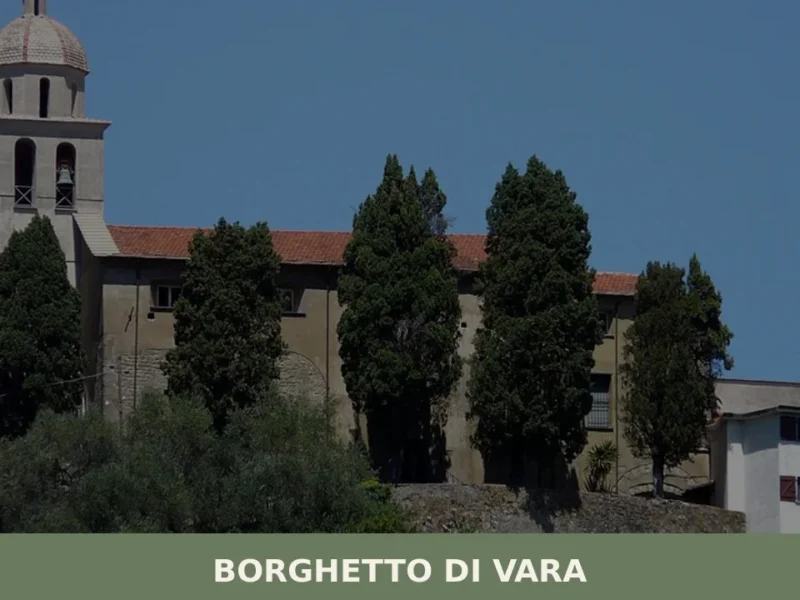
In September 1943, following Italy’s capitulation to the Allied forces, the Italian Navy departed from La Spezia harbour under orders to surrender to British command at Malta — the Germans arrived too late to intercept the fleet. Italian troopships also sailed from the port during the war years, including the Kaiser Franz Josef, which was ultimately sunk here in 1944. After liberation, the harbour became a point of departure for Holocaust survivors. The ships Fede, Fenice, and Komemiut carried displaced persons from the gulf toward the Palestine Mandate, a clandestine operation that gave La Spezia its Hebrew name. The nearby Ligurian coast, including villages such as Borghetto di Vara, which lies inland along the Vara river valley, shared the wartime pressures that shaped this entire stretch of eastern Liguria.
What to see in La Spezia, Liguria: top attractions
Castle of San Giorgio
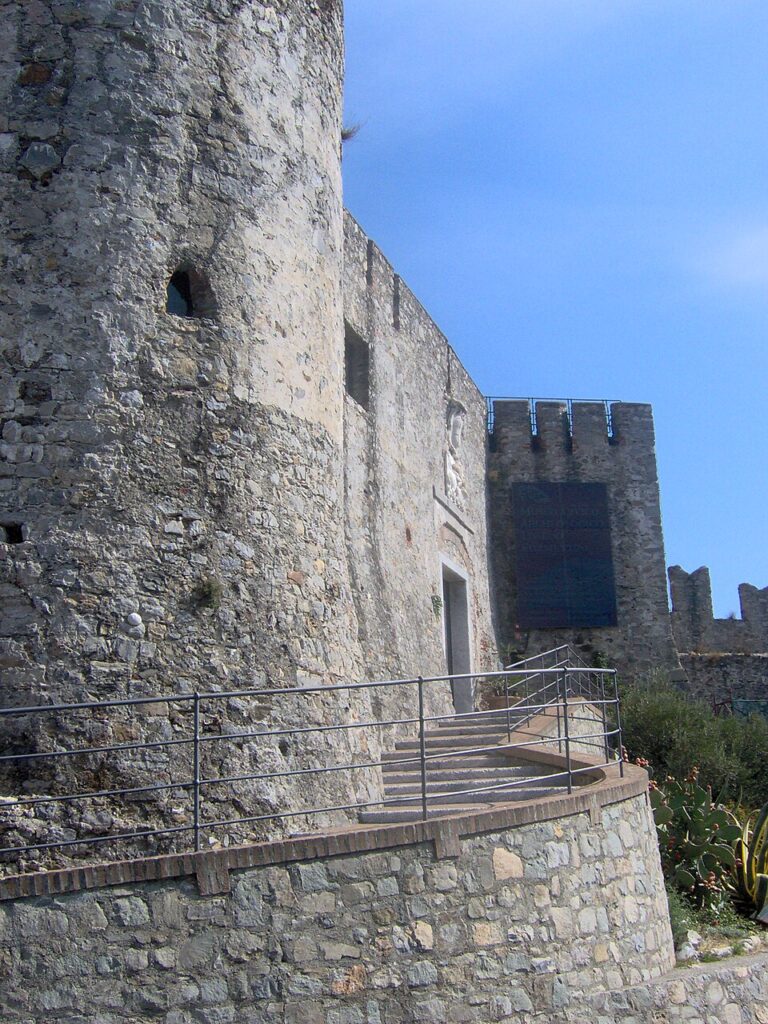
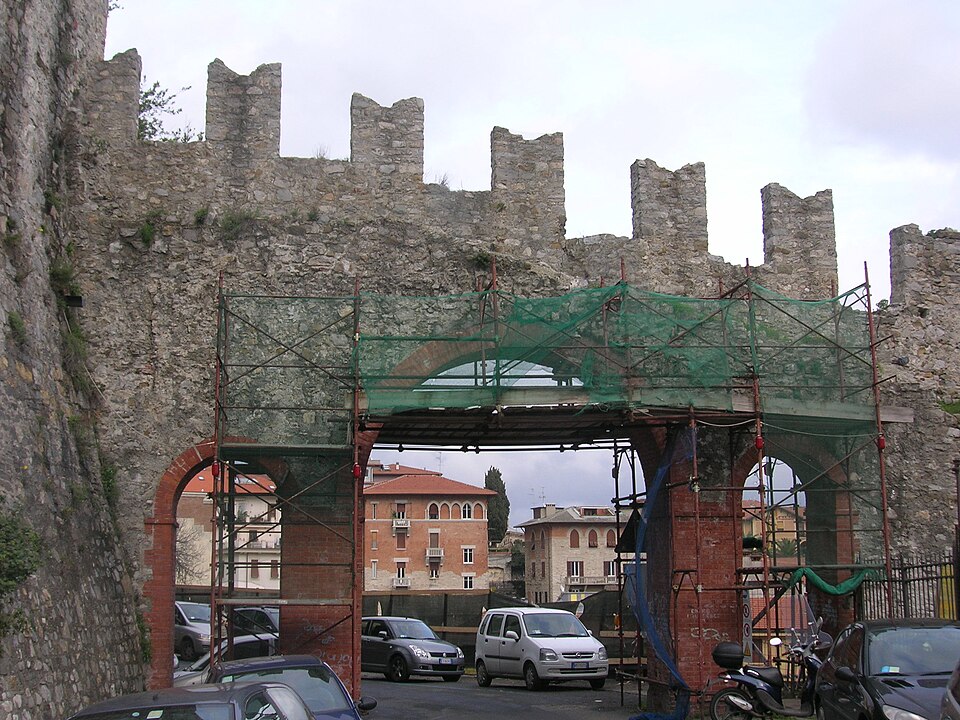
The Castle of San Giorgio occupies a promontory above the old town, its stone walls built in successive campaigns across four centuries. The first documented fortification on this site was erected by Niccolò Fieschi in 1262; the Genoese destroyed it in 1273 and a new structure, along with a fresh line of walls, was raised by the local podesteria from 1371. The Republic of Genoa added a further castle block starting from 1607.
Recently restored, the complex now houses the Ubaldo Formentini Civic Museum, which holds collections relevant to the archaeology and history of the gulf. The castle is the most direct point from which to read La Spezia’s territorial history as a sequence of power shifts compressed into a single site. It is accessible on foot from the city centre and merits a visit in the morning, when the light falls across the restored stonework from the east.
Amedeo Lia Museum
The Amedeo Lia Museum holds one of the more substantial collections of European paintings and decorative arts in Liguria. Its contents span medieval illuminated manuscripts through to works by Renaissance and Baroque masters, assembled by collector Amedeo Lia and donated to the city. For those working through what to see in La Spezia on a limited itinerary, this museum offers a concentrated encounter with Italian panel painting and metalwork in a single building. The collection includes items of considerable art-historical value rather than the incidental provincial accumulations more common in smaller Italian civic museums.
Check current opening hours before visiting, as seasonal schedules can vary.
Technical Naval Museum
La Spezia’s role as Italy’s principal naval base is documented in concrete terms at the Technical Naval Museum, which holds ship models, instruments, weaponry, and archival material relating to the Italian Navy from the nineteenth century onward. The arsenal commissioned in 1861 forms the institutional backdrop for the museum’s core collection. Scale models of warships allow visitors to trace the evolution of Italian naval engineering across the period when La Spezia replaced other ports as the country’s primary military harbour. The museum occupies a building within the naval zone, and access procedures reflect the site’s ongoing military function; visitors should confirm entry requirements before arriving.
Abbey Church of Santa Maria Assunta
The Abbey Church of Santa Maria Assunta, dating from the thirteenth century, holds a documented series of artworks that arrived partly from suppressed religious institutes during the post-Napoleonic redistribution of ecclesiastical property. Among the confirmed works inside are an Incoronation of the Virgin by Andrea della Robbia, the Multiplication of Bread by Giovanni Battista Casoni, and St.
Bartholomew’s Martyrdom by Luca Cambiaso. Each of these names represents a distinct strand of Ligurian and central Italian artistic production. The della Robbia work, in particular, connects La Spezia’s local religious practice to the Florentine workshop tradition that produced glazed terracotta across the Italian peninsula. The church is in the old town and can be combined with a walk along Via del Prione.
The Cathedral of Cristo Re dei Secoli and the Futurist Post Office Mosaic
Two twentieth-century works of applied architecture define La Spezia’s engagement with Italian modernism. The cathedral of Cristo Re dei Secoli, consecrated in 1975, was designed by Adalberto Libera, an architect whose career spanned rationalism and the postwar period. The building represents a deliberate formal break from the region’s ecclesiastical tradition.
A few streets away, inside the central post office, a Futurist mosaic by Enrico Prampolini presents a radically different visual language from the same century. Prampolini was a key figure in Italian Futurism, and his mosaic here is an institutional commission of art-historical significance. For those interested in twentieth-century Italian design, both works reward close attention and are accessible in the city centre without special arrangements.
Local food and typical products of La Spezia
La Spezia sits at the eastern boundary of Liguria, where the region’s culinary tradition meets influences from the Lunigiana to the east and the farming valleys of the Apennine foothills to the north. The city’s position as a major port historically brought in ingredients and techniques from across the Mediterranean, layering them onto the base of Ligurian cooking, which relies heavily on olive oil, dried pasta, legumes, anchovies, and locally grown aromatic herbs. The fishing activity in the gulf has long supplied the tables of La Spezia with fresh catch, while the surrounding hillsides produce the olives and herbs that underpin the regional flavour profile.
Among the dishes associated with this part of Liguria, mesciüa holds a particular place. This thick soup combines chickpeas, borlotti beans, and wheat berries, dressed with olive oil at the table — a dish that originated, according to local food history, from the practice of gathering spilled grain and legumes from the port warehouses.
It requires long slow cooking and carries a dense, earthy texture from the mixed legumes. Farinata, a flat pancake made from chickpea flour, water, olive oil, and salt, baked at high heat in a wide copper pan, is common across Liguria but closely associated with the city’s street food habits. Testaroli, a pasta form typical of the neighbouring Lunigiana, is made from a batter of flour and water cooked on a flat iron testo, then cut into triangles and briefly boiled before being dressed with pesto or olive oil. It appears regularly in restaurants in the La Spezia area and in villages of the inland valleys, including those of Fontanigorda and the wider Ligurian Apennine zone.
The province of La Spezia produces the white wine Colli di Luni DOC, which covers vineyards in the eastern Ligurian hills and extends into neighbouring Tuscan territory. The designation covers both white wines based on Vermentino and red wines based on Sangiovese. Vermentino from this zone tends to express a mineral salinity consistent with coastal proximity.
For those pairing wine with the legume-based dishes typical of the city, a dry Vermentino from the Colli di Luni is the standard local choice.
The covered market in the city centre operates daily and concentrates local producers of vegetables, fish, and cured meats from the province. It is the most direct way to observe what the seasonal supply looks like at any given point in the year, and to source ingredients that do not always reach the restaurant menus.
Festivals, events and traditions of La Spezia
The most documented recurring event in La Spezia is the Palio del Golfo, a rowing race held on the gulf each year in August. The race involves teams representing the various villages and districts around the Gulf of La Spezia, each rowing a standard craft across a set course. The competition has deep roots in the maritime culture of the gulf communities and draws large crowds to the waterfront. It is one of the defining public events of the Ligurian summer calendar in this part of the region and represents a direct expression of the competitive identity maintained by the coastal settlements of the gulf.
The feast of Nostra Signora del Pianto, associated with the small church of the same name in the city, falls on Pentecost Sunday each year.
The occasion is tied to an image of the Blessed Virgin Mary housed in the church, which is the focus of local devotional practice. Beyond the Palio and the Marian feast, La Spezia’s calendar reflects its port character: the summer months bring the highest concentration of visitors using the city as a base for boat and rail access to the Cinque Terre, and the waterfront hosts related events during this period. The football club Spezia Calcio, promoted to Serie A for the first time in 2020, generates a significant annual rhythm of events and matches at Stadio Alberto Picco that form part of the city’s public life.
When to visit La Spezia, Italy and how to get there
The best period to visit La Spezia, Liguria, Italy is from late April through June and again in September. July and August are the warmest months — July averages a maximum of 29 °C (84 °F) — but also the most crowded, as the Cinque Terre connection draws large numbers of tourists. Spring and early autumn offer temperatures in the comfortable range for walking the city on foot, with lower visitor density.
The climate is classified as borderline humid subtropical and Mediterranean: winters are chilly and damp, with January maxima averaging 11 °C (52 °F), while heavy snowfall is exceptional — only in 1985 was accumulation exceeding 50 cm (20 in) recorded. International visitors arriving for a day trip from Genoa, 75 km (46.6 mi) to the northwest, will find spring and autumn the most practical seasons, avoiding the peak summer pressure on rail connections to the Cinque Terre.
La Spezia is directly connected to the national rail network at La Spezia Centrale railway station, the main hub for both regional and intercity services. Direct trains from Genoa take approximately one hour; from Florence, services require around two hours via Pisa. From Rome, the journey is roughly three to three and a half hours on fast intercity connections through Pisa. The city lies on the A12 motorway (Autostrada dei Fiori / Liguria–Tuscany corridor); the La Spezia exit provides direct access to the urban centre.
There is no commercial airport in La Spezia itself; the nearest international airport is Pisa Galileo Galilei, approximately 75 km (46.6 mi) south, with frequent train connections. Cristoforo Colombo Airport in Genoa, 80 km (49.7 mi) northwest, is the alternative. International visitors should note that English is widely spoken in hotels and larger restaurants, but less common in smaller food shops and markets; carrying cash in Euros is advisable for market purchases and smaller establishments.
From La Spezia Centrale, trains reach the Cinque Terre villages in under 15 minutes, and the boat service departing from the city’s pier calls at Lerici and Portovenere before rounding the headland toward the five coastal villages. The Cinque Terre are 15 km (9.3 mi) from the central station. For travellers extending their stay into the Ligurian interior, the villages of the Vara valley are accessible by local bus from the La Spezia bus terminal. The province shares its western Ligurian context with Savona, further along the coast, which offers a comparable mix of port history and Ligurian civic architecture for those covering more of the region by rail.
Where to Stay near La Spezia
La Spezia functions as a practical base for the wider gulf and Cinque Terre area, and accommodation within the city includes hotels concentrated around the central station and the waterfront zone, as well as smaller guesthouses and holiday rental apartments in the residential neighbourhoods.
The city’s transport connections make an overnight stay in La Spezia itself more convenient than basing in the smaller Cinque Terre villages, particularly during the summer months when those villages operate under visitor access restrictions. For those who prefer a quieter setting, the villages of the Vara valley to the north — including those in the Favale di Malvaro area of the Ligurian Apennines — offer rural accommodation options within reach of La Spezia by regional transport.
Frequently asked questions about La Spezia
What is the best time to visit La Spezia?
Late spring (May–June) and early autumn (September–October) offer mild temperatures, manageable crowds, and the most pleasant conditions for exploring the city and the Gulf. July and August are busy and hot, though ideal for coastal visits. On 19 March, the city celebrates its patron saint San Giuseppe with local festivities. Easter and summer also see heavy traffic toward the Cinque Terre, so arriving midweek outside peak months helps significantly. Winter is quiet but perfectly viable for museum visits and the historic centre.
What are the historical origins of La Spezia?
La Spezia entered documented history in 1256 when it became capital of the short-lived signoria of Niccolò Fieschi. The Republic of Genoa destroyed Fieschi's fortification in 1273 and absorbed the city, shaping its urban layout for centuries — including Via del Prione, the central carrugio whose name derives from pietrone. The decisive modern turning point came in 1861 when the Royal Italian government built the naval arsenal here, transforming a coastal settlement into Italy's primary military harbour. After World War II, over 23,000 Jewish displaced persons departed from La Spezia toward Palestine, earning it the Hebrew name Sha'ar Zion.
What to see in La Spezia? Main monuments and landmarks
The Castle of San Giorgio (first built 1262, expanded 1371 and 1607) dominates the old town and houses the Ubaldo Formentini Civic Museum. The Amedeo Lia Museum holds major Renaissance and Baroque paintings and medieval manuscripts. The Technical Naval Museum documents Italian naval history since 1861. The Abbey Church of Santa Maria Assunta contains works by Andrea della Robbia, Luca Cambiaso, and Giovanni Battista Casoni. The central post office features a Futurist mosaic by Enrico Prampolini, and the cathedral of Cristo Re dei Secoli was designed by rationalist architect Adalberto Libera. Check each venue individually for current opening hours.
What are the main natural or scenic attractions of La Spezia?
La Spezia sits at the head of the Gulf of La Spezia on the Ligurian Sea, offering direct access to one of the most sheltered and scenic bays on the Italian Riviera. The Cinque Terre villages are reachable in approximately 15 km by train or boat, making La Spezia the natural base for exploring the coastal national park. The surrounding Ligurian Apennine foothills provide walking opportunities through olive groves and hillside villages. The gulf itself is well suited to boat excursions along the eastern Ligurian coast.
Where to take the best photos in La Spezia?
The Castle of San Giorgio offers elevated views over the city's rooftops and the gulf — morning light from the east is particularly favourable on the restored stonework. The harbour waterfront provides wide-angle views across the Gulf of La Spezia toward the hills. Via del Prione, the historic carrugio of the old town, captures the layered Genoese urban fabric. For broader coastal panoramas, the ferry or boat route toward the Cinque Terre departing from La Spezia gives unobstructed views of the Ligurian shoreline.
Are there museums, churches or historic buildings to visit in La Spezia?
La Spezia has an unusually dense museum offer for a city of its size. The Amedeo Lia Museum (medieval manuscripts through Baroque painting), the Ubaldo Formentini Civic Museum inside the Castle of San Giorgio (local archaeology and history), and the Technical Naval Museum (naval engineering from 1861 onward) form the core circuit. The Abbey Church of Santa Maria Assunta holds documented works by Andrea della Robbia and Luca Cambiaso. The Futurist mosaic by Enrico Prampolini in the central post office and Adalberto Libera's cathedral of Cristo Re dei Secoli (1975) complete a twentieth-century architectural itinerary. Verify hours and access requirements locally.
What can you do in La Spezia? Activities and experiences
La Spezia functions as the main gateway to the Cinque Terre, with frequent train and boat connections covering the 15 km stretch of coastline. The harbour supports boat excursions across the Gulf of La Spezia. The city's ten-plus museums allow a full cultural itinerary independent of the coast. Walking Via del Prione through the old town connects the main churches, the castle, and the covered market. The 19 March feast of patron saint San Giuseppe brings local celebrations to the city centre. Food-focused visitors can explore mesciüa, farinata, and other eastern Ligurian specialities in the city's traditional osterie.
Who is La Spezia suitable for? Families, couples, hikers, solo travelers?
La Spezia suits a wide range of visitors. Families benefit from the city's flat historic centre, accessible museums, and easy train connections to the Cinque Terre beaches. Couples and culture-focused travellers will find the Amedeo Lia Museum, the castle, and the Art Nouveau and Futurist architectural heritage rewarding. History enthusiasts with interests in naval, military, or twentieth-century Jewish history will find material that few comparable Italian cities can offer. Hikers use La Spezia as a base for Cinque Terre trails. The city's railway junction status makes it equally convenient for solo travellers combining multiple Ligurian destinations.
What to eat in La Spezia? Local products and specialties
Mesciüa is the dish most closely identified with La Spezia: a thick soup of chickpeas, borlotti beans, and wheat berries, dressed with olive oil, said to originate from grain and legumes gathered at the port warehouses. Farinata — a flat chickpea-flour pancake baked at high heat in a copper pan — is a staple across Liguria and widely available here. The gulf's fishing tradition supplies fresh anchovies and other seasonal catch. The surrounding hillsides produce the olive oil and aromatic herbs that underpin the broader Ligurian flavour profile. Eastern Ligurian influences from the Lunigiana are also present in local cooking.
📷 Photo Gallery — La Spezia
Nearby Villages near La Spezia
In Liguria More villages to discover
Laigueglia
Sea
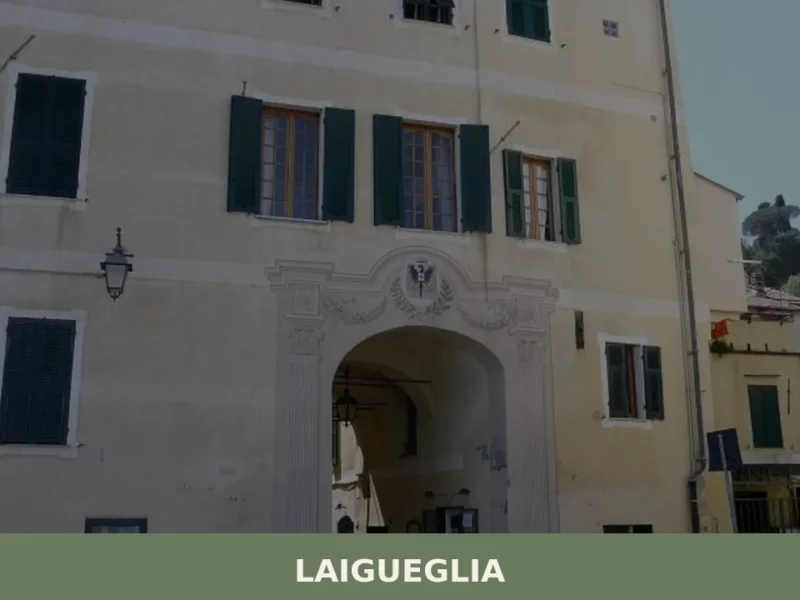
What to see in Laigueglia, Italy: explore 5 top attractions, local food, and festivals in this Ligurian coastal village of 1,738 inhabitants. Discover the guide.
Bonassola
Sea
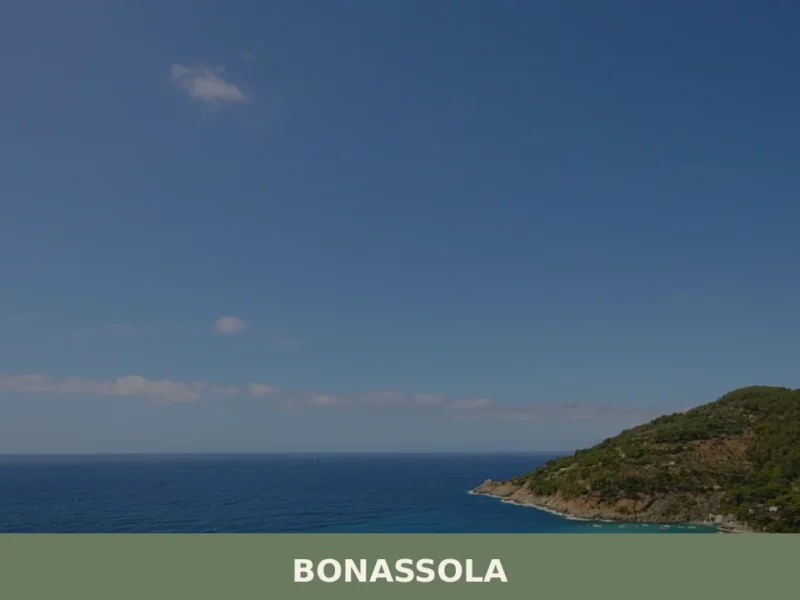
Bonassola’s single-track railway station, opened in 1874 as part of the Genoa–La Spezia line, brought the first outsiders to a coastal settlement that had survived for centuries on olive oil, wine, and anchovies. Today this compact village of 794 inhabitants sits at six metres above sea level along the Riviera di Levante, its beach one […]
Casanova Lerrone
 Hills
Hills
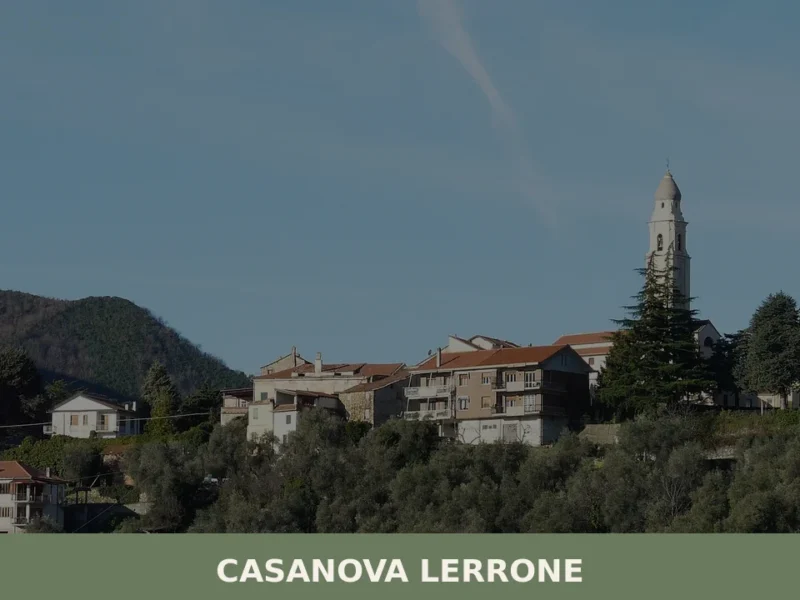
What to see in Casanova Lerrone, Italy: 752 inhabitants, 10 bordering municipalities. Discover top attractions, local food and how to get there. Explore now.
Davagna
Hills
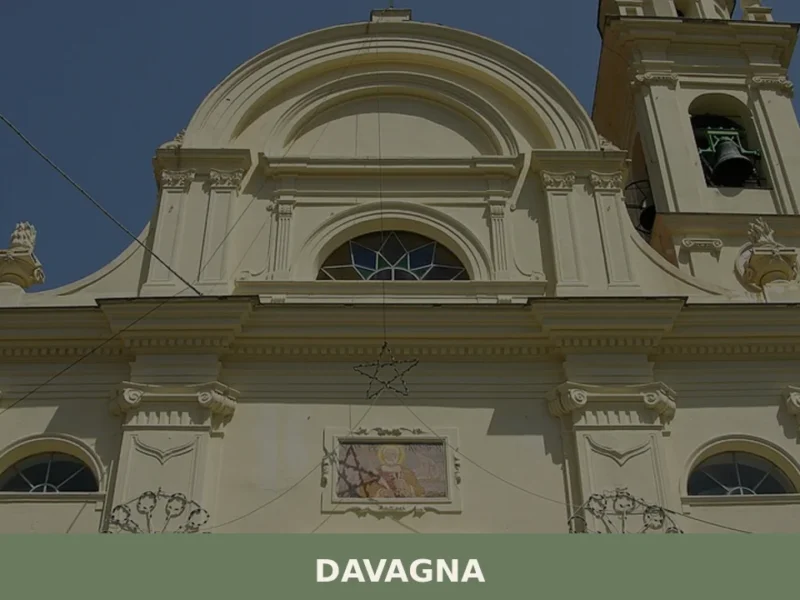
At 552 meters above sea level, Davagna is a scattered municipality in the Genoese hinterland, comprising a main town and numerous hamlets spread across the slopes of the Bisagno Valley. Its geographical location, a short distance from the Ligurian capital, has historically influenced the economic and social dynamics of the area. For those wishing to […]
Neirone
 Mountain
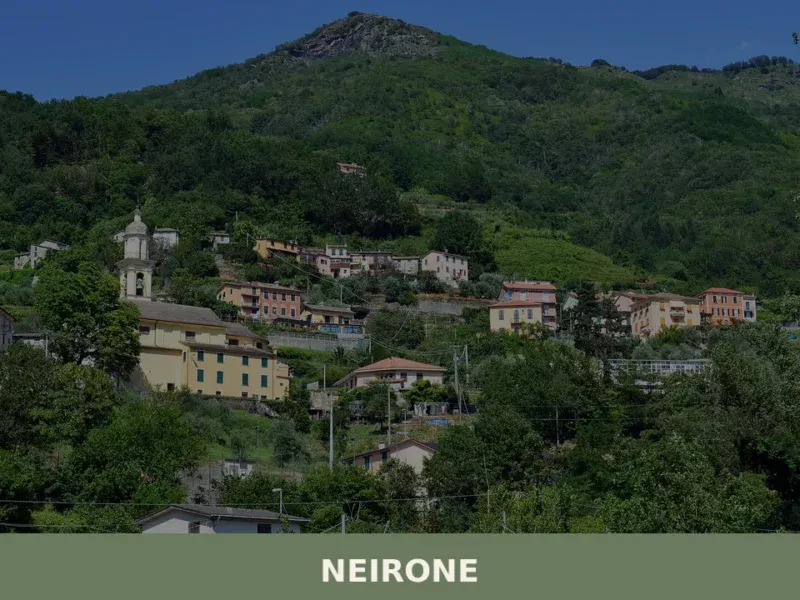
what to see in neirone explores this Ligurian village of 954 inhabitants in Italy. Discover local landscapes and general Ligurian cuisine.
Garlenda
Hills
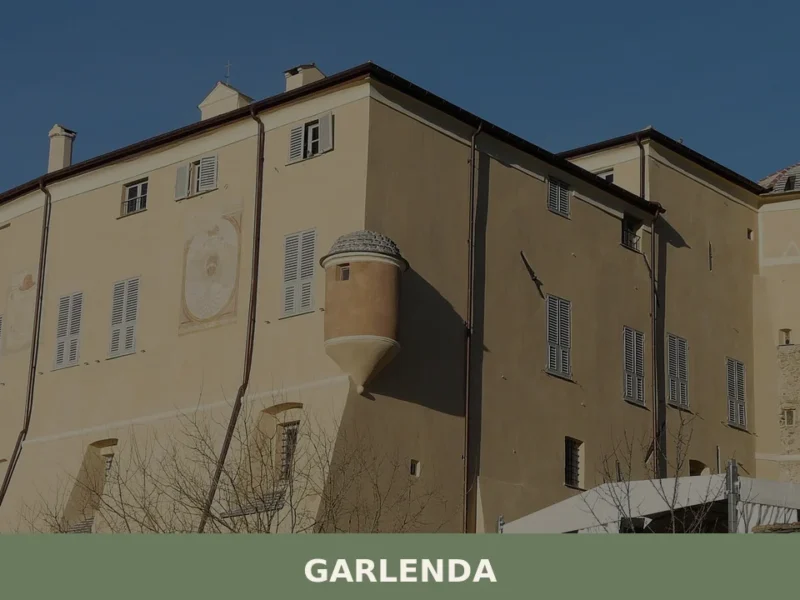
What to see in Garlenda, Liguria, Italy: explore a village of 1,200 inhabitants 80 km from Genoa. Discover top attractions, local food, and how to get there.
Airole
 Plains
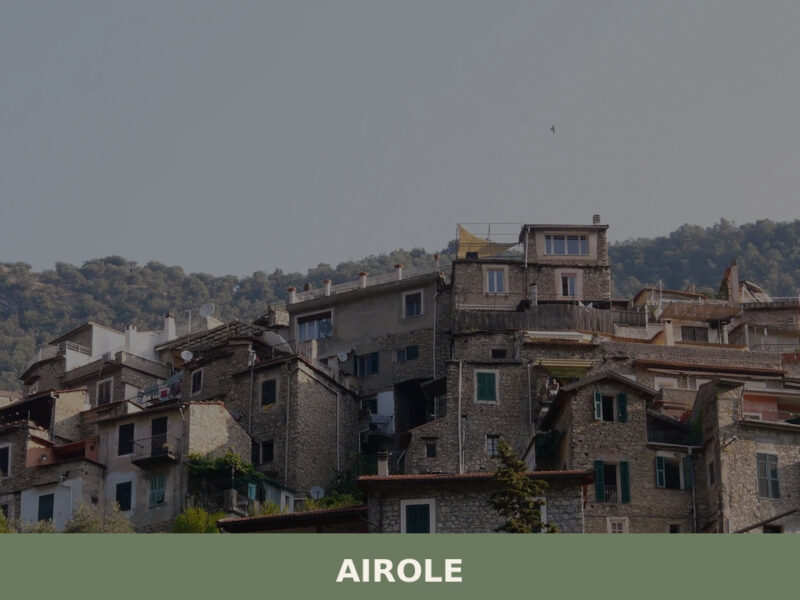
A compact Ligurian hill village of 365 inhabitants in the Roia valley. Discover what to see in Airole, from medieval stone alleys to terraced olive groves.
Mezzanego
Plains
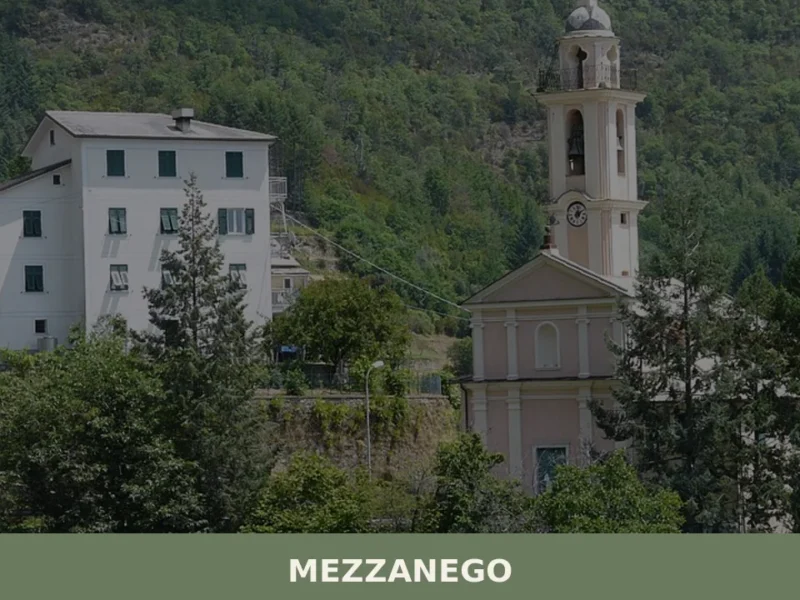
What to see in Mezzanego? Discover the 5 main attractions, from historic churches to the Slate Museum. Plan your trip and visit this Ligurian village.
Vendone
Hills
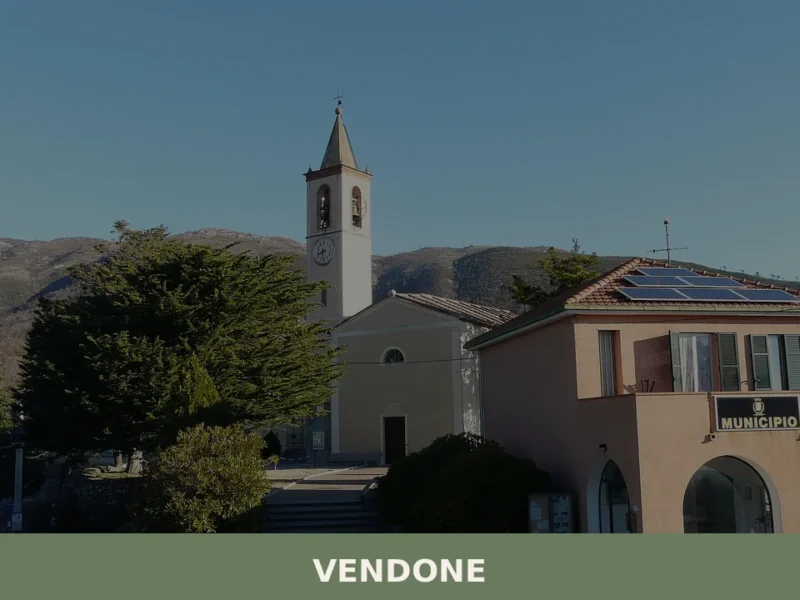
What to see in Vendone, Liguria, Italy: 5 attractions, local food, festivals and how to get there. 401 inhabitants, 80 km from Genoa. Discover it now.
Magliolo
Mountain
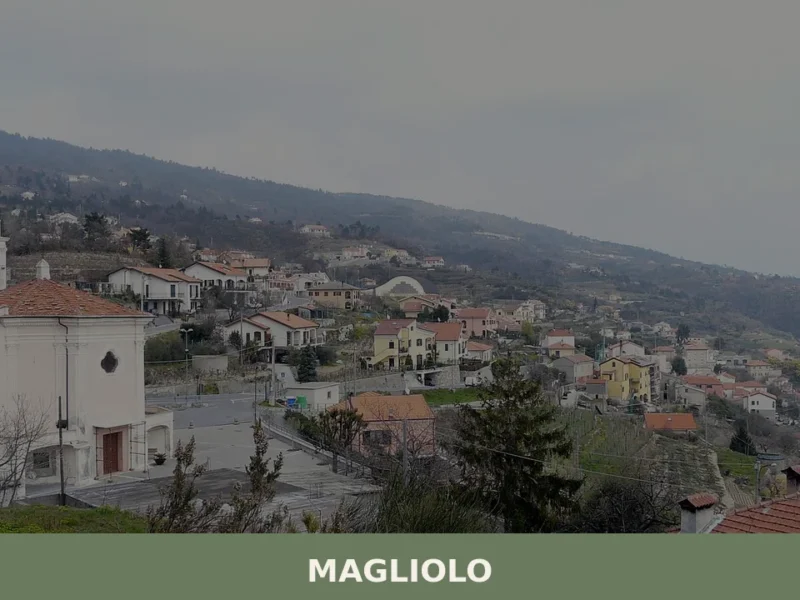
What to see in Magliolo, Italy: 947 inhabitants, Ligurian valleys, local food traditions and how to get there. Discover the best of this Savona Province village.

🏡 Know La Spezia better than we do?
If you’re a local or have been there, your knowledge matters: add what’s missing or fix a detail on this page.