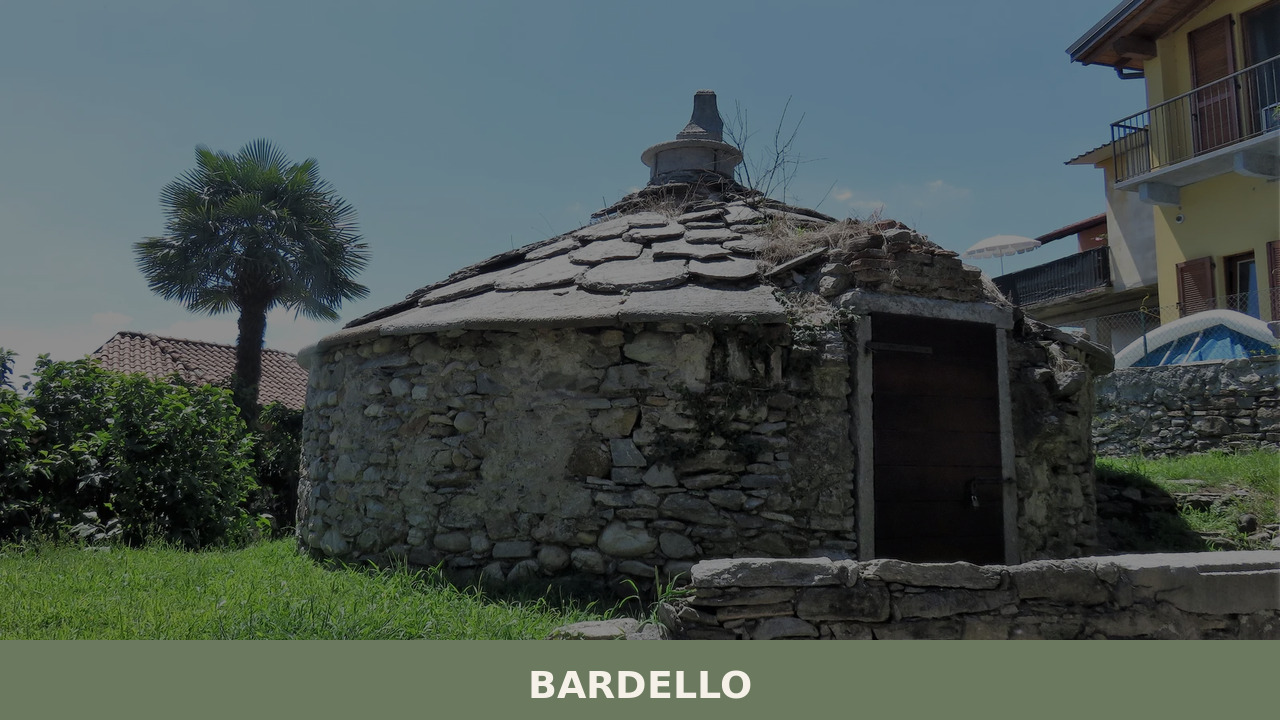
Bardello
Morning mist lifts off the Bardello river in thin, slow ribbons, revealing a low-slung village of roughly 1,553 inhabitants pressed against the southern shore of Lake Varese. A church bell counts seven. A heron stands motionless in the reeds along the waterway that gives this settlement its name. If you are wondering what to see […]
Discover Bardello
Morning mist lifts off the Bardello river in thin, slow ribbons, revealing a low-slung village of roughly 1,553 inhabitants pressed against the southern shore of Lake Varese. A church bell counts seven. A heron stands motionless in the reeds along the waterway that gives this settlement its name. If you are wondering what to see in Bardello, the answer begins here — at the quiet seam where water, stone, and daily Lombard life meet without ceremony, in a province that rarely raises its voice.
History of Bardello
The name Bardello likely derives from the river that threads through its centre, a watercourse connecting Lake Varese to Lake Maggiore via the Bardello torrent. Some etymologists trace the root to a Lombardic or late-Latin word related to “bard,” meaning muddy bank or embankment — an apt description for this flat, marshy terrain that has defined settlement patterns here for centuries. Archaeological evidence from the broader Varese lake district confirms human presence dating to prehistoric pile-dwelling cultures, though Bardello’s own documented history begins firmly in the medieval period.
By the Middle Ages, the village functioned as a modest agricultural and milling community, its economy tethered to the river’s current. The waterway powered small mills and sustained fishing. Ecclesiastical records from the Diocese of Milan reference the parish as early as the late medieval centuries, situating Bardello within the spiritual and administrative orbit of the Milanese church. Under successive lordships — Visconti, then Sforza — the village shared the fate of most minor settlements in the province of Varese: governed from afar, taxed routinely, largely left to its own seasonal rhythms.
The nineteenth century brought modest industrialisation to the Bardello river valley, with small factories exploiting the watercourse for energy. Yet the village never swelled into an industrial centre. It retained a rural character that persists today, its population hovering in the low thousands, its streets still scaled to foot traffic and the unhurried cadence of provincial Lombardy.
What to see in Bardello: 5 must-visit attractions
1. The Bardello River and Its Banks
The torrent Bardello, roughly 13 kilometres long, connects Lake Varese to Lake Maggiore and forms the village’s natural spine. Walking the riverbanks offers close encounters with grey herons, coots, and native freshwater vegetation. The path is flat, unpaved in stretches, and best followed in the early morning when birdlife is most active and the water surface carries reflections of the surrounding willows.
2. Church of San Martino
The parish church dedicated to San Martino stands as Bardello’s primary architectural landmark. Its origins reach back several centuries, though the current structure reflects later renovations. Inside, the nave holds modest altarpieces and devotional statues characteristic of Lombard parish churches. The bell tower, visible from the main road, serves as the village’s most recognisable vertical element against a predominantly horizontal landscape.
3. The Historic Village Centre
Bardello’s old nucleus clusters around narrow lanes paved in river stone, with houses built from local materials — plastered masonry, timber shutters painted in muted ochre and green. Courtyards open unexpectedly behind arched entryways. This is not monumental architecture; it is the architecture of everyday Lombard life, preserved less by policy than by the village’s gentle pace of change.
4. Lake Varese Southern Shore Access
Bardello sits near the southern edge of Lake Varese, and paths from the village lead to the lake’s cycling and walking circuit — a roughly 28-kilometre loop that encircles the entire body of water. The lake, a designated Ramsar Convention wetland area, supports significant populations of waterfowl, making it a point of interest for naturalists and bird-watchers rather than swimmers, as the lake’s ecological status limits recreational bathing.
5. The Surrounding Morainic Landscape
The terrain around Bardello was sculpted by glacial retreat, leaving a rolling morainic topography dotted with small lakes, wooded hillocks, and wetlands. Short walks south and west of the village cross this landscape, passing through mixed deciduous forest — oak, chestnut, birch — and offering elevated views back toward Lake Varese and, on clear days, the Alpine foothills to the north.
Local food and typical products
The cuisine of the Varese lake district draws on freshwater fish, polenta, and the robust dairy tradition of pre-Alpine Lombardy. In and around Bardello, menus at local trattorie feature lake fish such as persico (perch) and lavarello (whitefish), often fried simply or served in risotto. Polenta — prepared in the dense, firm Lombard style — remains a staple accompaniment. Formagella del Luinese, a soft goat’s cheese produced in the broader province of Varese and carrying a DOP designation, appears regularly on cheese boards and in local markets.
Autumn brings an emphasis on mushrooms foraged from the surrounding woodlands, alongside chestnuts roasted or ground into flour for cakes. Honey production is a small but notable local activity, with varieties reflecting the wildflower meadows and chestnut groves of the morainic hills. Dining options in Bardello itself are limited — this is a village of just over 1,500 — but the neighbouring towns along Lake Varese offer a wider selection of restaurants and agriturismi where these provincial dishes are served without pretension.
Best time to visit Bardello
Spring — specifically late April through June — brings the most rewarding conditions. The Bardello river runs full, migratory birds return to Lake Varese, and the morainic woodlands fill with wildflowers. Temperatures are moderate, typically between 14°C and 24°C, and the humidity that can weigh on the lake basin in July and August has not yet settled in. Autumn, particularly October, offers a second window: the forests turn copper and gold, fog drifts across the lake at dawn, and the pace of village life slows further as the tourist season, such as it is, ends.
Summer can be warm and humid, with temperatures occasionally exceeding 30°C. Winter is cold and damp, with grey skies common from November through February; frost is routine, and occasional snow covers the landscape briefly. There are no major festivals specific to Bardello that draw outside visitors in large numbers, but the village participates in the patron saint celebrations and the seasonal sagre (food festivals) common throughout the Varese province, typically held in late summer and early autumn.
How to get to Bardello
Bardello lies in the Province of Varese, in western Lombardy. By car, the village is accessible from the A8 motorway (Milan–Varese), exiting at Buguggiate or Varese and following provincial roads westward toward the lake. The drive from central Milan covers approximately 65 kilometres and takes around one hour, depending on traffic conditions.
The nearest railway station with regular service is in Gavirate, a few kilometres north, on the Varese–Laveno line operated by Trenord. From Varese station, which connects to Milan’s Porta Garibaldi via the suburban rail network, local buses serve the lake district villages including Bardello. Milano Malpensa Airport, the closest major international airport, is roughly 35 kilometres to the south — a drive of approximately 40 minutes. Visitors arriving from Switzerland can cross at the Gaggiolo or Ponte Tresa border points, both within 30 kilometres.
More villages to discover in Lombardia
The western Lombardy lake district rewards slow, incremental exploration — each village separated from the next by a few kilometres of morainic woodland or lakefront road, each carrying its own particular character. From Bardello, the territory opens outward toward communities that share its quiet, provincial identity but offer distinct points of interest worth a detour.
To the north along Lake Varese, consider visiting Gavirate, a slightly larger town known for its lakefront promenade and traditional pipe-making heritage. Further afield, toward the hills that separate the Varese basin from Lake Como, the village of Casalzuigno offers the remarkable Villa Della Porta Bozzolo, a patrician country estate managed by the FAI (Italy’s national trust). Together, these villages compose a picture of Lombardy that operates well outside the circuits of mass tourism — unhurried, undramatic, and deeply rooted in its landscape.
Getting there
21020
Photo Gallery of Bardello
Do you have photos of Bardello?
Share your photos of the village: the best ones will be added to the official gallery, with your credit.
Send your photosNearby Villages near Bardello
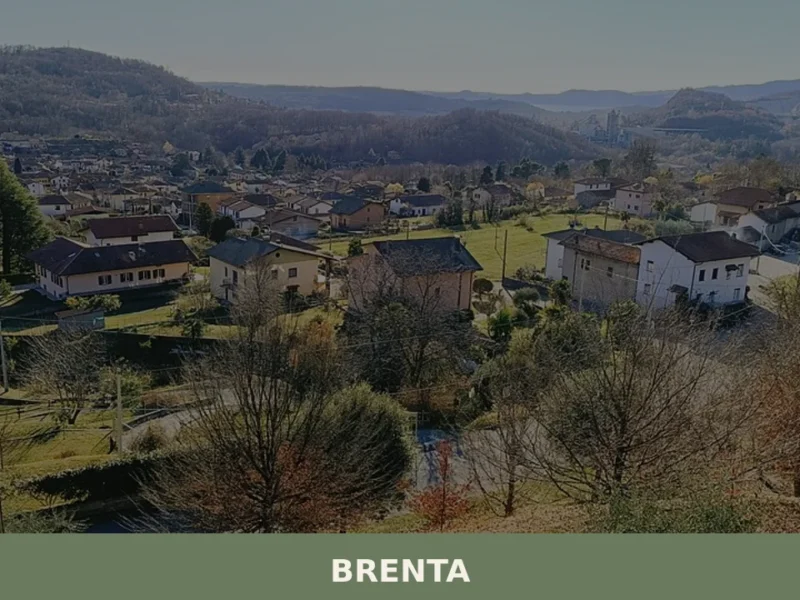
In Lombardia More villages to discover
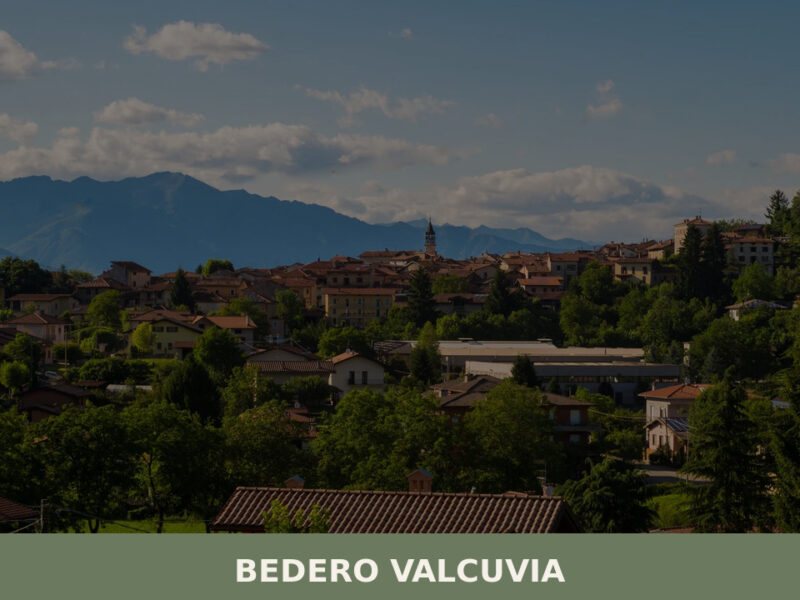
Bedero Valcuvia
Morning light reaches Bedero Valcuvia in stages — first the bell tower of the parish church, then the stone walls along Via Roma, and finally the gardens where fig trees press against iron railings. The village holds 680 residents in the broad green trough of the Valcuvia, a valley running between Lake Maggiore and Lake […]
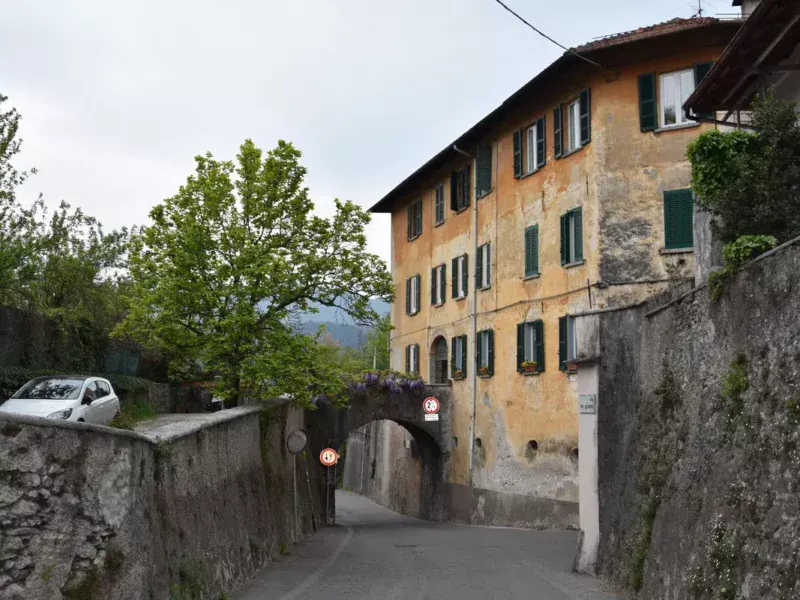
Cassano Valcuvia
What to see in Cassano Valcuvia: discover this village of 660 inhabitants amidst history and nature. Explore its historic center and hillside trails.

📝 Incorrect information or updates?
Help us keep the Bardello page accurate and up to date.