


Bevagna
 Hills
Hills
What to see in Bevagna, Umbria, Italy: explore 5 key attractions, Romanesque churches, Roman ruins, and local food. Population 5,130. Discover the full guide.
Discover Bevagna
The travertine blocks of the façade of San Michele Arcangelo face the same square as San Silvestro, two Romanesque churches built by the same architect — a plaque on San Silvestro’s right flank names maestro Binello and gives the date 1195. Between them, the medieval paving of Piazza Silvestri holds its level without a slope, sitting almost exactly on the grid of the ancient Roman street plan below.
The Topino river runs less than 1.6 km (1 mi) from the walls, and in Roman times the Clitunno ran close enough to the city that its harbour was recorded in early Christian martyrology.
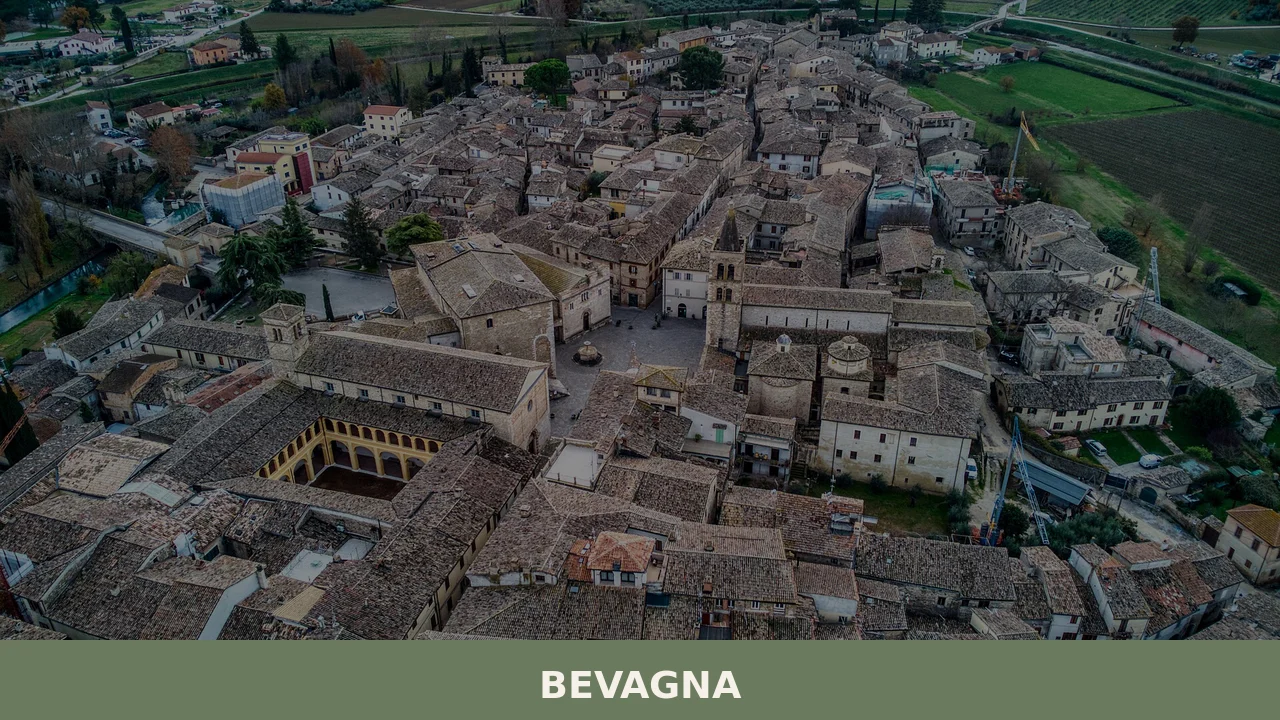
Deciding what to see in Bevagna is straightforward once you understand the town’s compact scale: everything of historical significance sits within a walkable medieval circuit of roughly 5,130 inhabitants and two millennia of layered occupation.
Visitors to Bevagna find intact Roman mosaic floors, two facing Romanesque churches dated to the 12th and 13th centuries, and a rich documentary trail connecting the site to the Via Flaminia, the consular road that once ran through the centre of ancient Mevania. The altitude of 210 m (689 ft) keeps the town on flat ground in the Umbrian Valley, making the historic centre easy to cover on foot in a single day.
History of Bevagna
Long before its medieval walls were raised, the site was known as Mevania, an Umbrian city of strategic weight on the Via Flaminia, the Roman consular road connecting Rome to the Adriatic.
Classical writers documented its importance: Strabo counted it among the strongest Umbrian cities, Pliny described it as enclosed by brick walls, and the Antonine Itinerary listed it as a mansio — an official road station — on the Flaminia. Pliny also recorded that the territory, the Mevanias ager, produced a prized wine called Irtia, noted for its quality across the region. As early as 308 BC, Umbrian forces were stationed here when the Roman consul Fabius advanced against them.
The medieval centuries brought alternating damage and recovery. Barbarian incursions caused serious destruction in the 6th century.
After the 11th century Bevagna reorganised as a free municipality governed by consuls. In 1249, Pope Innocent IV granted the community the right to choose its own chief magistrate — a formal recognition of civic autonomy — but that same year imperial forces under Thomas I of Aquino, Count of Acerra, besieged and badly damaged the city while pressing Frederick II’s claim to the Duchy of Spoleto.
Recovery was slow but documented. The Blessed Giacomo of Bevagna is credited in local accounts with rallying the dispersed population and overseeing the rebuilding of the walls on a reduced but functional scale. Between 1371 and 1439 the Trinci family of Foligno held lordship over the town, after which Cardinal Giovanni Vitelleschi returned the territory to the direct rule of the Holy See in 1439.
The early modern period layered further political changes over the medieval structure. From 1503 to 1519 Bevagna fell under the government of Perugia, and from 1562 to 1566 it was administered by Cardinal Charles Borromeo as governor of Spoleto. Pope Pius V placed it under direct Holy See authority in 1567, appointing Cardinal Ferdinando de’ Medici as lifetime governor.
In 1825 Pope Leo XII granted Bevagna the formal title of city.
Earthquakes damaged the town in 1832. By the mid-19th century the population stood at 4,024, divided between 2,087 within the built-up area and 1,937 in the surrounding rural district. Bevagna joined the Kingdom of Italy in 1860, within the Province of Umbria, reaching today’s population of 5,130 inhabitants spread across the municipality and its outlying localities.
What to see in Bevagna, Umbria: top attractions
Church of San Michele Arcangelo
The façade of San Michele Arcangelo is built entirely of small travertine blocks and dates to the first years of the 13th century, making it one of the earlier Romanesque stone fronts in the Umbrian Valley. Three portals open at ground level; the central one reuses Roman mouldings as jambs, with sculpted figures at the springing of the arch that include the winged bust of Saint Michael holding a spear and an open book, and a dragon attempting to bite the weapon below.
An inscription names Rodulfus and Binellus as makers of these works.
The bell tower was built at the end of the 12th century and modified later using reused masonry from a preceding structure. Between 1951 and 1957 a systematic restoration removed Baroque-era stucco and camorcanna vaulting applied in the 17th century, returning the interior to its basilican layout with a raised presbytery and columns carrying transverse arches. In the crypt, which comprises twelve bays defined by six slender columns, two 14th-century frescoes survive. The sacristy holds an oil painting of the Last Supper attributed to the Venetian school and dated 1590.
Church of San Silvestro
San Silvestro stands directly across Piazza Silvestri from San Michele, and its right-flank plaque — dated 1195 — names maestro Binello as architect, the same figure associated with the portal sculptures of San Michele. The façade remains incomplete and is interpreted as a planned two-storey composition, possibly intended to be crowned by a bell tower.
Below a horizontal cornice carved with hunting scenes, dragons, and human and animal protomes, three windows punctuate the stone surface: a central triple-light window supported by paired reused marble columns with vegetal decoration, flanked by two double-light windows resting on twisted colonnettes whose bases are inverted capitals.
At ground level the recessed portal carries vine scrolls and animals in combat. Inside, the three naves rest on stocky columns; the lateral aisles have semi-barrel vaulting, a structural feature documented as rare among Umbrian religious buildings. The presbytery rises markedly above the crypt, a single hall with two columns carrying ribbed groin vaults.
Roman Mosaics and Archaeological Remains
Below the current street level, Bevagna preserves physical evidence of its Roman past in the form of mosaic floors that came to light during excavations in the historic centre. The town’s ancient street plan, aligned with the Roman grid of Mevania, underlies the medieval layout and remains partially legible in the orientation of current streets.
The Clitunno, which ancient sources describe as navigable with boats in two tiers, ran close enough to the ancient walls to allow a harbour — a fact recorded in the Acts of Saint Vincent the Martyr, the patron of Bevagna, whose feast falls on 6 June.
Inscriptions recovered from the site confirm that Mevania belonged to the tribus Aemilia and that its municipal structure included quattuorviri, the four-man magistracy standard in Roman municipia. For visitors with an interest in Roman urbanism, these layers are most legible in the archaeological section of the local museum, where mosaic fragments and stone finds from the Forum area are displayed in documented context.
Church of San Francesco and the Field of Birds
The Church of San Francesco holds a documented artistic programme across several chapels. In the penultimate chapel on the right, a Crucifix between two angels and Saint Francis is attributed to Dono Doni, a painter active in Assisi in the 16th century. The last chapel was designed by the Perugian architect Galeazzo Alessi; its vault carries terracotta bas-reliefs, and the altar presents a depiction of Mary with Jesus executed in a manner that deliberately imitates Byzantine conventions.
To the left of the apse, a painting of the Virgin with Jesus crowning a young member of the Ciccoli family is also attributed, tentatively, to Dono Doni.
In the sacristy a fragment of a 14th-century tempera panel showing God blessing survives alongside remains of 14th-century frescoes in an adjacent ancient chapel. Outside the church, the Ciccoli Chapel preserves the stone on which Francis of Assisi is said to have stood when preaching to the birds in a field immediately outside Bevagna — a site referenced in Franciscan hagiographic tradition and documented in local sources.
Church of Beato Giacomo and Medieval Civic Quarter
The Church of Beato Giacomo preserves a main doorway dating from the 14th century, its semicircular upper lunette decorated with a Sienese-school fresco of Mary with the Child, Angels, and Saints. Inside, on the left, stands the tomb of the Blessed Giacomo Bianconi, who died in 1301 and is credited in historical accounts with the post-siege rebuilding of Bevagna in the mid-13th century.
The chapel on the right contains a 13th-century wooden carved crucifix, while the left chapel holds a wooden sculpture of the Madonna and Child also dated to the 13th century.
Together with the two Romanesque churches on Piazza Silvestri, this church completes a circuit of medieval religious architecture that documents the town’s recovery and consolidation between the 13th and 15th centuries. Visitors who follow this route on foot will also pass through the segment of the ancient Roman street grid that archaeology has confirmed beneath the medieval paving, giving the walk a spatial dimension that maps and guidebooks alone cannot convey.
Local food and typical products of Bevagna
The agricultural landscape around Bevagna has been recorded as productive since Roman times. Pliny noted the quality of Irtia wine from the Mevanias ager, and 19th-century sources confirm that the territory continued to yield cereals, vines, olives, flax, and hemp. The Umbrian Valley floor, irrigated by the Timia and the Attone stream, supported intensive cultivation, while the hills to the west of the town carried flourishing olive groves.
Hemp cloth was a documented local manufacture, reportedly significant enough to sustain considerable trade in table linen before declining in the late 19th century.
Today the food culture of Bevagna reflects the broader Umbrian tradition of central Italy, shaped by the valley’s grain and olive production and the surrounding hill terrain suitable for legumes and game.
Strangozzi al tartufo nero — thick hand-rolled pasta dressed with black truffle shaved directly over the plate — is a standard of the local restaurant circuit, with black truffle sourced from the wooded areas of the surrounding municipality referred to locally as il Monte. Palomba alla ghiotta, wood pigeon cooked slowly with capers, olives, and anchovies in a reduced sauce, represents the game-cooking tradition of inland Umbria.
Legume soups based on lenticchie (lentils) and farro (emmer wheat), both cultivated in the Umbrian uplands, appear on tables throughout the cooler months, often finished with local olive oil.
The olive oil produced in this part of the Perugia province falls within the broader Umbrian DOP framework, though Bevagna itself sits at the valley floor where olives are grown primarily on the surrounding hillsides rather than in the flat plain. Wine production in the area connects historically to the DOC zones of Montefalco, 7 km (4.3 mi) to the south-south-east, where Sagrantino — a thick-skinned red grape variety — produces structured wines with documented presence in the region since at least the medieval period.
Visitors to local osterie and family-run restaurants will find these wines regularly paired with the game and truffle dishes described above.
The municipality hosts the Mercato delle Gaite, a medieval-themed market and competition held annually in June, during which the four historical districts of the town — called gaite — recreate medieval crafts, food production, and trade.
The event involves documented reproduction of period techniques including dyeing, glassblowing, candle-making, and bread-baking using historical methods. Food produced during the event is prepared and sold according to documented medieval recipes. The June timing coincides with the feast of the patron saint, San Vincenzo, on 6 June, making this the primary festival period for Bevagna.
Festivals, events and traditions of Bevagna
The feast of San Vincenzo, patron saint of Bevagna, falls on 6 June each year and marks the focal point of the town’s ceremonial calendar. The historical record connecting this feast to the site is substantial: the Acts of Saint Vincent the Martyr describe his attempted drowning at the harbour of ancient Mevania, linking the saint directly to the local topography of the Clitunno and its confluence with the Topino.
The feast involves religious ceremonies and civic observances that frame the broader June programme of the Mercato delle Gaite.
The Mercato delle Gaite is the town’s principal annual event and runs across several days in June.
The four gaite — the historical neighbourhood divisions of medieval Bevagna — compete against each other in the reconstruction of medieval life, including crafts, trades, and food production verified against documentary sources from the period. Each gaita is judged on the accuracy of its historical reconstruction, creating a format that combines public spectacle with documented historical research. Visitors attending in June will find the medieval street circuit animated by working artisans, open workshops, and market stalls operating under rules that prohibit modern materials and processes in the public competition areas.
When to visit Bevagna, Italy and how to get there
The best time to visit Bevagna, Italy for those combining sightseeing with the town’s main cultural event is June, when the Mercato delle Gaite and the feast of San Vincenzo coincide. Spring from April to early June brings mild temperatures across the Umbrian Valley and lower visitor numbers than the peak summer months.
September and early October are equally practical: the harvest cycle is active in the surrounding olive groves and vineyards, temperatures drop from the July-August peak, and the light across the flat valley floor is well suited to the long sight lines between Bevagna and the surrounding hill towns.
Winter is quiet and cold; several smaller restaurants and accommodation options reduce their hours between November and February. International visitors who prefer to avoid crowds will find May and early October the most functional windows.
Bevagna sits 25 km (15.5 mi) south-east of Perugia, 8 km (5 mi) west of Foligno, and 16 km (9.9 mi) south of Assisi, making it a practical stop on any circuit of central Umbria. From Rome, Foligno is reachable in approximately 2 hours by train on the Rome–Ancona line; from Foligno, Bevagna is 8 km (5 mi) by road. By car from Rome, the A1 motorway towards Florence connects to the E45 at Orte, then continues via Terni towards Foligno — total driving time from Rome is approximately 2 hours depending on traffic. The nearest airport with regular international connections is Perugia San Francesco d’Assisi Airport, approximately 35 km (21.7 mi) from Bevagna by road. Florence Peretola Airport is approximately 180 km (112 mi) to the north.
For rail connections, the nearest station with regular services is Trenitalia‘s Foligno station, from which Bevagna is reachable by local bus or taxi.
The official municipal website of Bevagna carries current information on local transport links and seasonal services. International visitors should be aware that English is not widely spoken in smaller shops and local bars; carrying Euro cash is advisable as card terminals are not universal in the smaller establishments of the historic centre. Travellers continuing west from Bevagna may find it worth adding Montone, a hill village in the Perugia province with a similarly intact medieval circuit, to their itinerary.
Day trips to Bevagna from Perugia are straightforward: the 25 km (15.5 mi) distance by the SS75 and connecting roads is manageable in under 40 minutes by car. From Assisi, 16 km (9.9 mi) to the north, the drive takes approximately 20 minutes. Bevagna’s flat historic centre, built on the old Roman valley plain at 210 m (689 ft) above sea level, involves no significant gradients within the medieval circuit, which makes movement through the town considerably easier than in most Umbrian hill towns.
Those based in Terni, approximately 50 km (31 mi) to the south, can reach Bevagna via Foligno and use the town as a starting point for a wider Umbrian Valley loop.
Where to stay near Bevagna
Accommodation around Bevagna is dominated by agriturismi — farm-stay operations on the agricultural land surrounding the town — which reflect the territory’s continued reliance on olive cultivation and viticulture.
The locality of Torre del Colle, one of the municipality’s named subdivisions, and the rural areas between Bevagna and Montefalco to the south hold several documented farm-stay properties. Within the historic centre itself, smaller bed and breakfast operations and holiday rental apartments in restored medieval buildings provide accommodation close to the main monuments.
For visitors attending the Mercato delle Gaite in June, advance booking is strongly recommended as demand from both Italian and international visitors concentrates in that period.
Those looking to extend their time in this part of Umbria and explore its lesser-visited corners might consider basing themselves further afield: the village of Poggiodomo, in the higher Apennine terrain to the east of the Umbrian Valley, offers a sharply different landscape from Bevagna’s flat river plain and forms part of the same provincial territory.
Frequently asked questions about Bevagna
What is the best time to visit Bevagna?
Spring (April–June) and early autumn (September–October) offer the most pleasant conditions, with mild temperatures suited to exploring the compact historic centre on foot. The feast of the patron saint San Vincenzo falls on 6 June, making late May to early June a particularly lively period. Summer is warm but manageable at 210 m in the flat Umbrian Valley. July brings the Mercato delle Gaite, Bevagna's major medieval re-enactment festival, which draws visitors from across the region and is best booked well in advance.
What are the historical origins of Bevagna?
Bevagna was the ancient Umbrian city of Mevania, documented on the Via Flaminia as early as 308 BC. Strabo listed it among the strongest Umbrian cities; Pliny described its brick walls and noted its prized local wine, Irtia. The Antonine Itinerary recorded it as an official road station. After medieval decline and a siege in 1249 under imperial forces, the town was rebuilt on a reduced scale. It passed through Trinci and papal rule before Pope Leo XII granted it the formal title of city in 1825.
What to see in Bevagna? Main monuments and landmarks
The historic centre is compact and walkable. Piazza Silvestri is the centrepiece, framed by two 12th–13th-century Romanesque churches — San Michele Arcangelo and San Silvestro — both linked to the architect maestro Binello. San Michele houses a 12th-century bell tower and a crypt with 14th-century frescoes. San Francesco contains works attributed to Dono Doni and a chapel designed by Galeazzo Alessi. The Church of Beato Giacomo preserves a Sienese-school fresco and the 13th-century tomb of Blessed Giacomo Bianconi. Roman mosaic floors and archaeological finds are displayed in the local museum.
Where to take the best photos in Bevagna?
Piazza Silvestri offers the most photogenic setting: the medieval stone paving, the facing façades of San Michele Arcangelo and San Silvestro, and the 13th-century Palazzo dei Consoli create a remarkably intact Romanesque composition. Early morning light on the travertine facades of both churches is particularly effective. The field outside the Church of San Francesco — traditionally associated with Francis of Assisi's sermon to the birds — provides an open rural backdrop within steps of the medieval walls.
Are there museums, churches or historic buildings to visit in Bevagna?
Bevagna's main religious and civic monuments are concentrated in the historic centre. San Michele Arcangelo and San Silvestro on Piazza Silvestri are the principal Romanesque buildings, with San Michele's crypt open to visitors. The Church of San Francesco houses attributed works by Dono Doni and a Galeazzo Alessi-designed chapel. The Museo Civico di Bevagna holds Roman mosaic fragments, inscriptions, and archaeological finds from the ancient Forum area of Mevania. For current opening hours and admission fees, check the Comune di Bevagna or the ProLoco website before visiting.
What can you do in Bevagna? Activities and experiences
Walking the medieval circuit of the historic centre takes roughly half a day and covers two millennia of layered history, from Roman mosaic floors to Romanesque churches. The Mercato delle Gaite, held each July, recreates medieval guild life across the town's four historic quarters with craftspeople, markets, and a competitive banquet. The surrounding Umbrian Valley offers cycling on flat terrain between Bevagna, Foligno, and Spello. Food and wine itineraries linking Bevagna to the Montefalco wine zone — home of Sagrantino DOCG — are well-established and documented by regional tourism bodies.
Who is Bevagna suitable for? Families, couples, hikers, solo travelers?
Bevagna suits couples and culturally curious travellers most naturally: the compact, flat historic centre rewards slow exploration, and the density of Romanesque architecture in a single piazza is exceptional for a town of under 5,000 inhabitants. Families with older children interested in history will appreciate the Roman and medieval layers. Solo travellers find it manageable and unhurried. It is less suited to dedicated hikers seeking mountain terrain, as it sits at 210 m on flat valley ground, but cyclists benefit from the level landscape connecting it to nearby Umbrian towns.
What to eat in Bevagna? Local products and specialties
Bevagna sits within the Montefalco wine zone, making Sagrantino di Montefalco DOCG and Montefalco Rosso DOC the most documented wines associated with the area. The broader Umbrian Valley around Bevagna is part of the DOP territory for Umbrian extra-virgin olive oil. Local trattorie serve Umbrian staples including strangozzi pasta, black truffle preparations sourced from the surrounding hills, and cured meats typical of the province of Perugia. For the most current list of local producers and seasonal menus, consult the ProLoco di Bevagna or the Strada del Sagrantino itinerary.
Nearby Villages near Bevagna
In Umbria More villages to discover
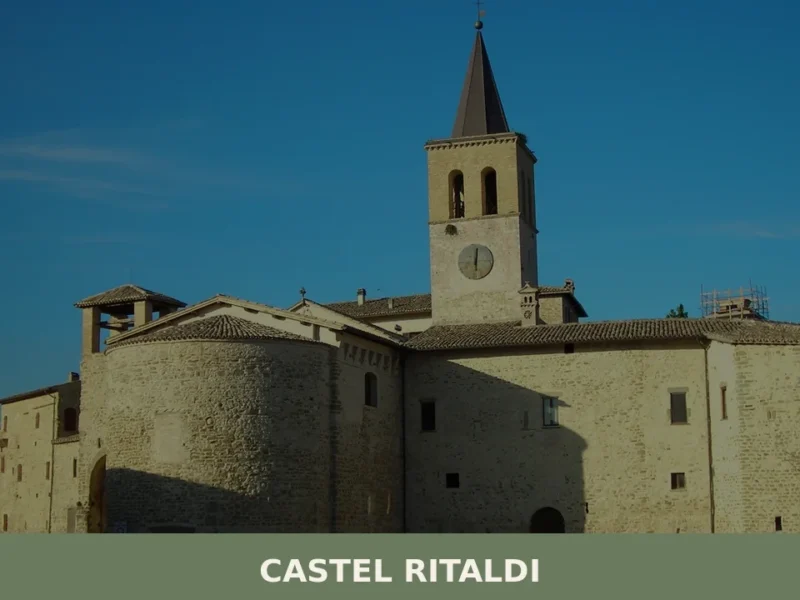
Castel Ritaldi
Hills
What to see in Castel Ritaldi, Italy: 5 top attractions, local food, and travel tips for this Umbrian village at 297 m. Discover frescoes, medieval churches & more.
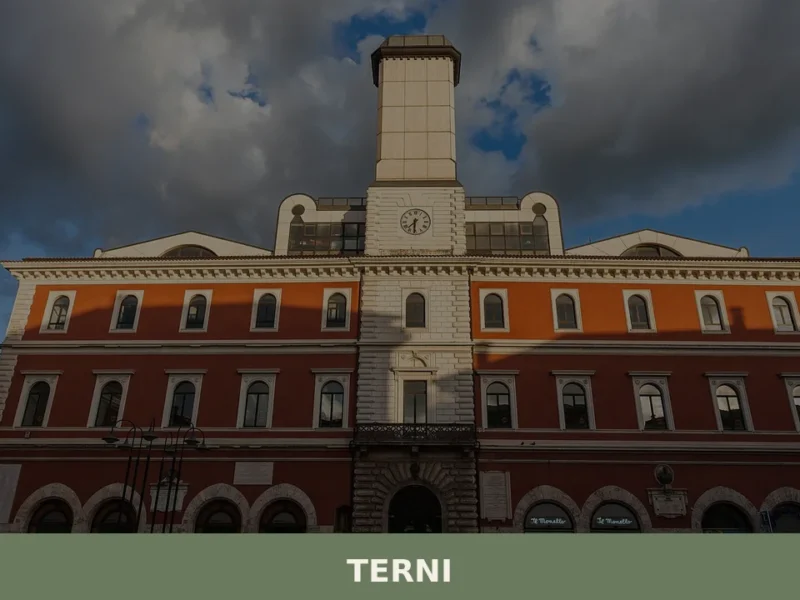
Terni
 Lake
Lake
 Plains
What to see in Terni: from the Marmore Falls to the historic center, discover the 5 top attractions. Plan your visit with the complete travel guide.
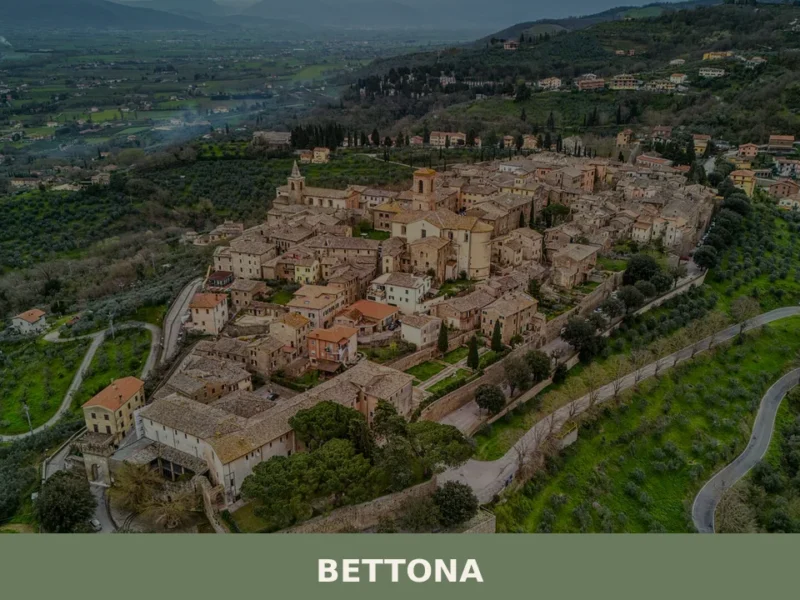
Bettona
Hills
What to see in Bettona, Umbria, Italy: Etruscan walls, Perugino paintings and a Pinacoteca at 353 m altitude. Discover top attractions and how to get there.
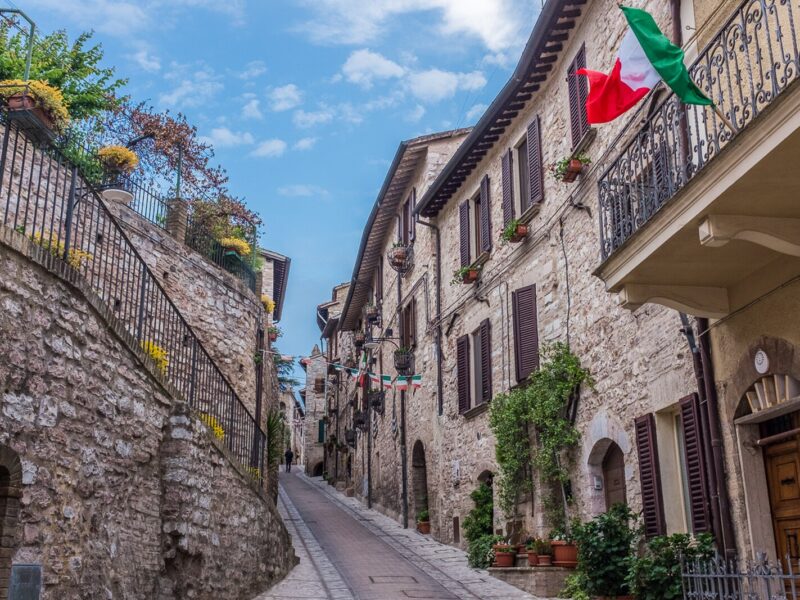
Spello
 Sea
Sea
What to see in Spello, Umbria, Italy: Roman gates, mosaic villa, medieval walls at 314 m. Discover top attractions, local food and how to get there.
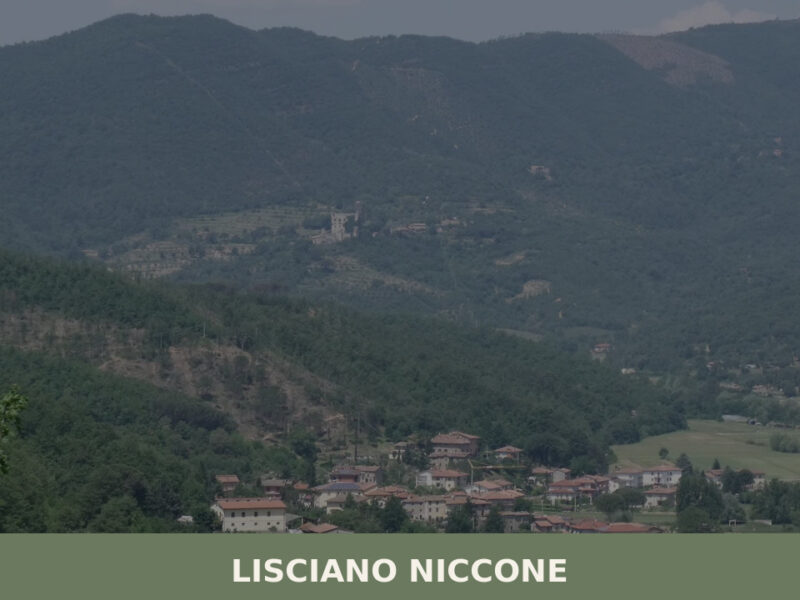
Lisciano Niccone
Hills
A 601-inhabitant village on the Umbria-Tuscany border. Discover what to see in Lisciano Niccone: its medieval core, valley trails, and traditional food.
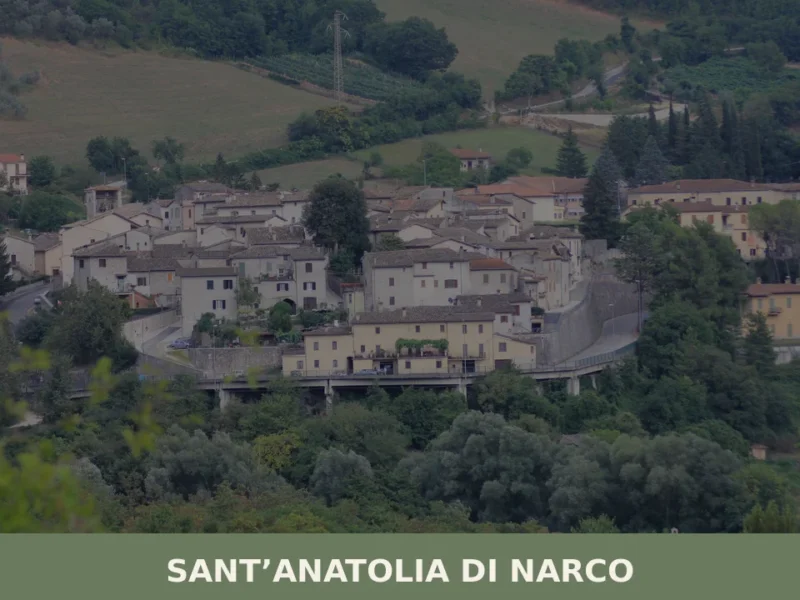
Sant’Anatolia di Narco
Plains
In 1213, a document from the Abbey of San Felice recorded for the first time the castrum of Sant’Anatolia, a fortified settlement on the left bank of the River Nera in the southern Valnerina. Today the municipality has 555 inhabitants spread between the main village and a handful of hamlets scattered across the wooded slopes […]
Citerna
Hills
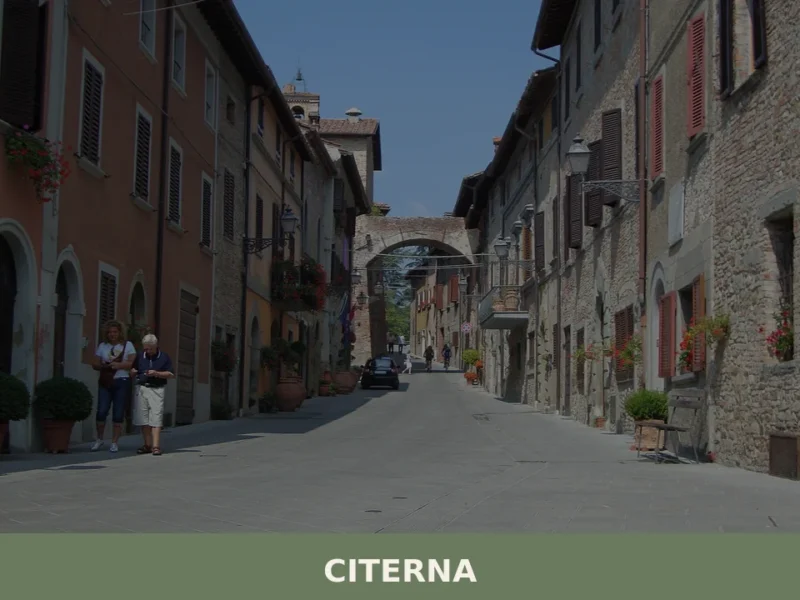
What to see in Citerna, Umbria, Italy: explore 5 top attractions, a Donatello terracotta, and the medieval walls at 480 m. Discover the full travel guide.
Monteleone di Spoleto
 Mountain
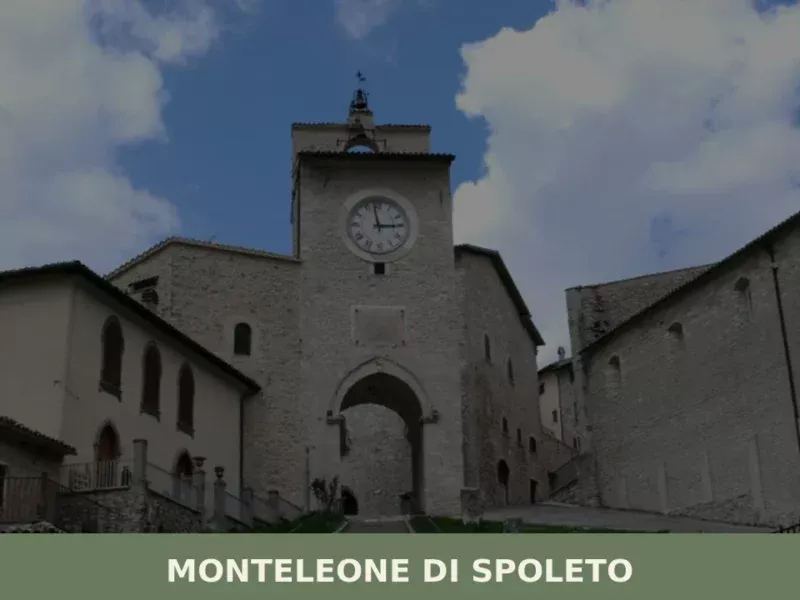
Monteleone di Spoleto: discover the history and art of this Umbrian village. Visit the museum and the Church of San Francesco. Plan your visit now!
Monte Castello di Vibio
Hills
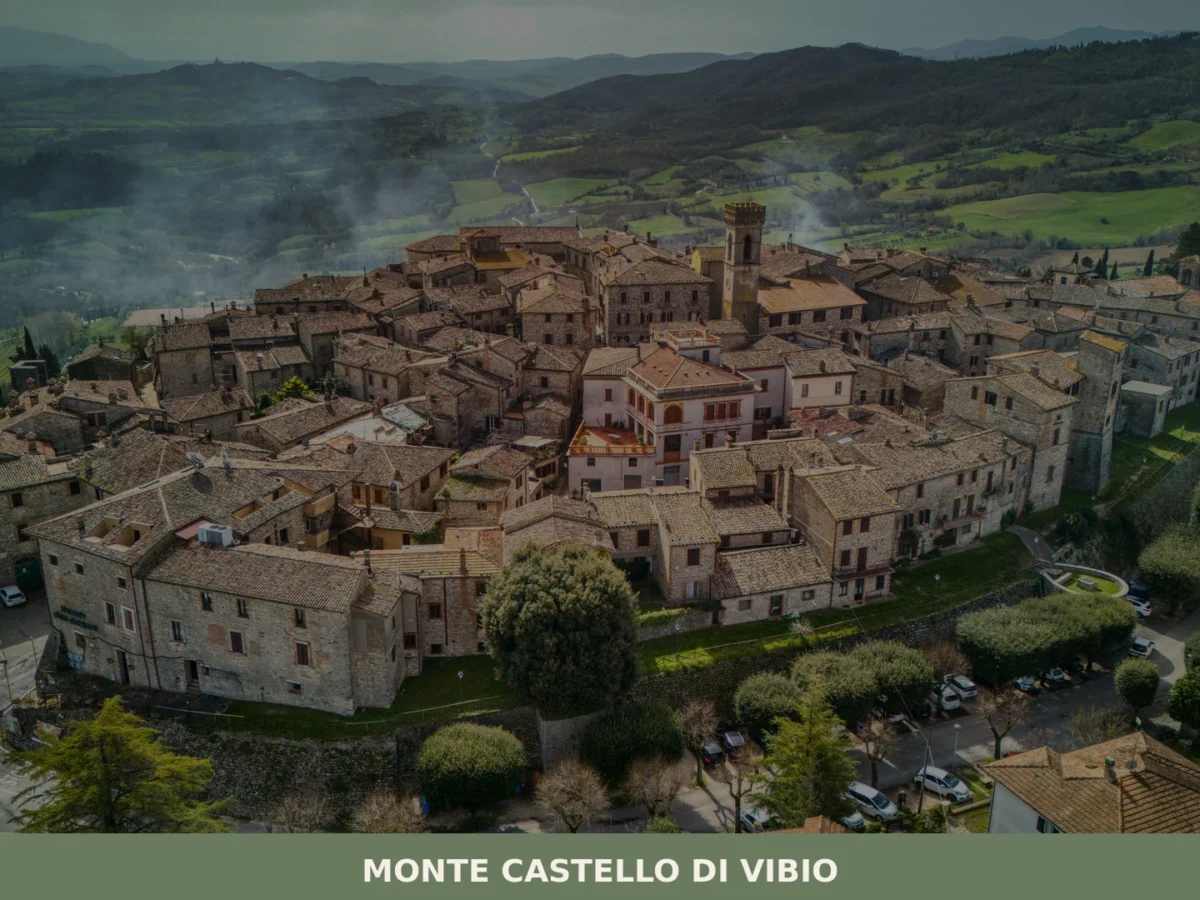
Monte Castello di Vibio holds the world's smallest theatre and an intact medieval centre above the Tiber valley. A complete guide to its history, attractions, and local food.
Assisi
Hills
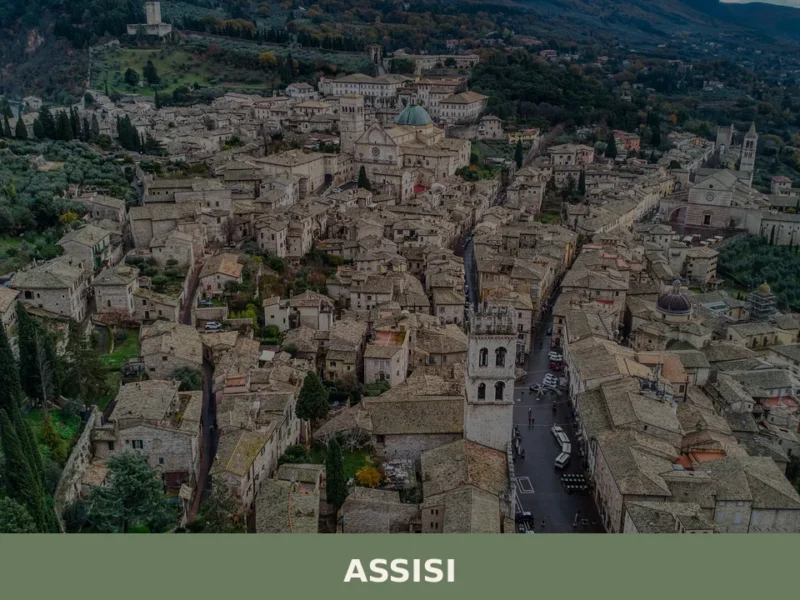
What to see in Assisi, Umbria, Italy: explore the UNESCO Basilica of San Francesco, Rocca Maggiore, and 27,721-inhabitant hilltop town. Discover festivals and travel tips.

🏡 Know Bevagna better than we do?
If you’re a local or have been there, your knowledge matters: add what’s missing or fix a detail on this page.