


Terni
 Lake
Lake
 Plains
What to see in Terni: from the Marmore Falls to the historic center, discover the 5 top attractions. Plan your visit with the complete travel guide.
Discover Terni
At 130 meters above sea level, Terni extends into its namesake basin, where the Nera and Velino rivers have shaped its landscape and history.
The city, known for its deep industrial roots, developed a strong identity linked to iron and steel and mechanical production since the late 19th century.
Traces of this heritage coexist with evidence of a much older past, rooted in Roman and even pre-Roman times, offering a complex and fascinating picture to visitors.
If you’re wondering what to see in Terni, the city offers a blend of ancient history, modern art, and natural wonders that make it an interesting destination in Umbria.
With a population of over 109,000 inhabitants, Terni presents tangible attractions such as the impressive Marmore Falls and the ancient Basilica of Saint Valentine.
Visitors to Terni will find an itinerary ranging from Roman ruins to Renaissance palaces, not forgetting green spaces and hiking opportunities.
History and Origins of Terni
The origins of Terni date back to ancient times, with Umbrian settlements attested as early as the Bronze Age.
The city experienced its first major development with the Romans, who officially founded it in 672 BC with the name Interamna Nahars, meaning “city between two rivers,” referring to the Nera and the Serra, a now-underground tributary of the Nera.
Its strategic position along the Via Flaminia and the fertility of the territory made it an important agricultural and commercial center, as evidenced by the numerous archaeological finds discovered in the area.
During the Roman period, Interamna Nahars prospered, becoming a flourishing municipality and giving birth to illustrious figures such as Emperor Marcus Claudius Tacitus and his successor Florian.
The hydraulic works carried out in Roman times, including the diversion of the Velino river which led to the creation of the Marmore Falls, were fundamental for land reclamation and agricultural expansion.
After the fall of the Roman Empire, the city suffered barbarian invasions and was contested between Lombards and Byzantines, later becoming part of the Duchy of Spoleto.
In the Middle Ages, Terni established itself as a free commune, often in conflict with neighboring cities and under the influence of the Papal States, while maintaining a certain autonomy.
The Renaissance saw the construction of important buildings and the development of the arts, but it was with the Industrial Revolution, starting from the late 19th century, that the city underwent a radical transformation.
The abundance of water resources and its strategic position favored the establishment of iron and steel, chemical, and mechanical industries, making it an industrial hub of primary importance and earning it the nickname “Italian Manchester,” a period of great development that shaped its urban and social structure.
What to see in Terni: main attractions
Marmore Falls
The Marmore Falls stand as an imposing work of hydraulic engineering and a natural spectacle of rare beauty, with its waters plunging 165 meters divided into three drops.
Created by the Romans in 271 BC to reclaim the Rieti plain, this artificial waterfall channels the waters of the Velino River into the Nera, regulating the flow for hydroelectric purposes.
Visitors can explore the Nera River Park through various trails that offer privileged viewpoints on the different levels of the falls and the impetuous force of the water.
A picturesque path leads to the Lovers’ Balcony (Balcone degli Innamorati), a panoramic viewpoint offering a close-up view of the second drop of the waterfall, enveloping visitors in a cloud of water vapor.
The water flow is regulated and opened at predetermined times, offering a controlled spectacle of great visual and auditory impact.
It is advisable to consult the official website of the Marmore Falls to check opening times for the flow and plan your visit, especially for those who wish to admire the maximum flow.
Basilica of Saint Valentine
The Basilica of Saint Valentine, a place of worship and pilgrimage destination, stands on the hill of the same name, guarding the relics of the Patron Saint of Terni.
The current building, with its 17th-century Baroque facade, is the result of reconstructions and enlargements of an original early Christian structure from the 4th century, built on the martyr’s burial site.
The interior of the basilica, with a single nave, is sober but rich in history, with altars and decorations that tell centuries of devotion.
At the center of the basilica is the urn containing the body of Saint Valentine, bishop and martyr, whose memory is celebrated on February 14th, the day of the patronal feast.
The crypt below, accessible to the faithful, preserves further testimonies of the history of the cult.
The elevated position of the basilica also offers a panoramic view of the city of Terni and its surroundings, making it a point of interest not only religious but also scenic, easily reachable from the city center.
Fausto Amphitheater
The Fausto Amphitheater, erected in 32 BC by the will of Fausto Liberale, testifies to the importance of Interamna Nahars in Roman times.
Its ruins, although partially incorporated into subsequent structures and modified over the centuries, still allow one to perceive the original grandeur of the building, which could host thousands of spectators for gladiatorial games and public spectacles.
The elliptical structure, typical of Roman amphitheaters, is still recognizable in the urban fabric of Terni, located in the heart of the city.
Today, the amphitheater area has undergone restoration and enhancement, making it accessible to the public and using it as a venue for cultural events, concerts, and theatrical performances.
Walking among the remains of the seating tiers and perimeter walls offers a direct immersion into the daily life of the ancient Roman city.
The amphitheater represents an ideal starting point for exploring the historic center of Terni, which developed around these ancient foundations, and is located a short distance from other important city attractions.
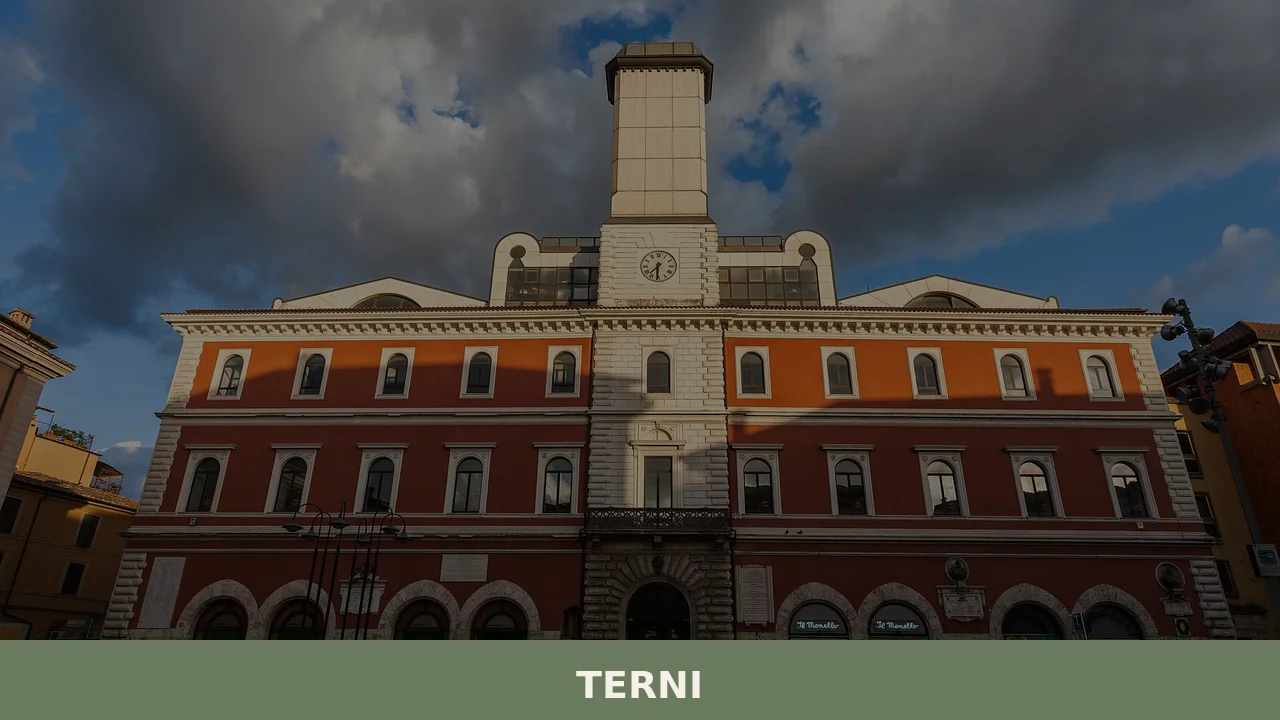
Palazzo Spada
Palazzo Spada, a majestic sixteenth-century building, is the seat of the Municipality of Terni and a significant example of local Renaissance architecture.
It was commissioned by Duke Giovan Battista Spada and the project is attributed to Antonio da Sangallo the Younger, one of the great masters of the Italian Renaissance.
Its stone facade, with classical decorative elements and a porticoed inner courtyard, reflects the taste and elegance of the era, standing out in Terni’s urban landscape.
Inside, the palace preserves valuable frescoes and decorations, although much of its function today is related to city administration.
The historic halls, when accessible, allow one to appreciate the richness of the interiors and the importance of the palace throughout the centuries.
Its central location makes it an easily visitable landmark and an excellent example of Renaissance civil architecture, offering a glimpse into the city’s noble and administrative history.
Cathedral (Cathedral of Santa Maria Assunta)
The Cathedral of Santa Maria Assunta, Terni’s Duomo, is the city’s main place of worship and a crossroads of architectural styles that tell its long history.
The current building, predominantly Baroque following a 17th-century reconstruction, stands on the foundations of an early Christian church and a Roman temple.
The exterior facade features a 12th-century Romanesque portal, the only surviving element of the medieval structure, which contrasts with the later lines.
The interior of the cathedral, with three naves, houses works of art from various eras, including fres
frescoes, canvases and sculptures that enrich the side chapels.
Of particular interest is the crypt, dating back to the 11th century, which preserves elements of the ancient Romanesque structure and testifies to the architectural evolution of the complex.
The bell tower, with its massive tower, helps define the historic center’s skyline, making the Duomo a focal point for anyone wishing to explore Terni’s artistic and religious heritage.
Typical Cuisine and Products of Terni
The cuisine of Terni, deeply rooted in Umbrian tradition, stands out for its simplicity and the genuine quality of its ingredients, often sourced from local land and farms.
Terni’s gastronomy reflects the history of a region that has successfully valorized its local products, offering hearty dishes and bold flavors.
Influences come both from peasant cuisine, which favors the use of legumes and cereals, and from hunting and pastoral traditions, with high-quality meats and cured meats.
Among the most representative dishes of Terni’s tradition are the Ciriole alla Ternana, a fresh pasta similar to spaghetti but without eggs, seasoned with a simple sauce based on garlic, extra virgin olive oil, chili pepper, and sometimes fresh tomato.
Another typical dish is Palombaccio alla Ghiotta, which involves cooking pigeon with aromatic herbs, olives, wine, and sometimes lard, a dish with an intense and characteristic flavor.
Pork-based preparations, such as porchetta, and lamb, often cooked “a scottadito” (grilled quickly) or stewed, are also common.
Although there are no specific DOP or IGP certified products for the municipality of Terni in the provided database, the province of Terni is renowned for its extra virgin olive oil, produced in various varieties that express the character of the territory.
The Umbria region is also famous for its legumes, such as Castelluccio lentils, and for truffles, both black and white, which enrich many local dishes.
Artisanal cured meats, such as prosciutto and sausage, are produced using traditional methods and represent a gastronomic excellence, often available in local markets.
For those wishing to savor typical products and dishes, Terni offers various trattorias and restaurants that serve traditional cuisine.
Throughout the year, especially in spring and autumn, it’s possible to find local festivals (sagre) and food and wine events in the surrounding areas, such as the Sagra della Ciriole, which celebrate local specialties and offer the opportunity to taste the authentic flavors of the region.
These events are an excellent occasion to discover agricultural and artisanal products, often accompanied by music and local folklore.
Festivals, Events, and Traditions of Terni
The most significant festival for Terni is undoubtedly the one dedicated to its patron saint, Saint Valentine of Terni, celebrated annually on February 14th.
This observance, which has international resonance thanks to the figure of the saint protector of lovers, is deeply felt by the local community.
The celebrations include solemn religious rites at the Basilica of San Valentino, with processions and moments of prayer culminating in the blessing of lovers.
The festival is accompanied by civil events, including the traditional Saint Valentine’s Fair, artisan markets, and cultural performances that liven up the city center’s streets.
In addition to the patron saint celebrations, Terni hosts various events throughout the year.
Among these, the “Settimana Valentiniana” (Valentine’s Week) precedes February 14th, with a rich calendar of cultural, sporting, and gastronomic events, including the “Cioccolentino” competition, dedicated to artisan chocolate.
The city is also a venue for musical, theatrical, and cinematic events, such as the “Terni Film Festival,” which take place in different seasons, attracting a diverse audience.
These initiatives help keep traditions alive and valorize the city’s cultural heritage, offering visitors an additional reason to explore Terni and its surroundings, a context similar to that of Perugia, which is also rich in cultural events.
What to see in Terni: itineraries and tips
For those wishing to explore the wealth of what to see in Terni and its immediate surroundings, the city lends itself to various thematic itineraries.
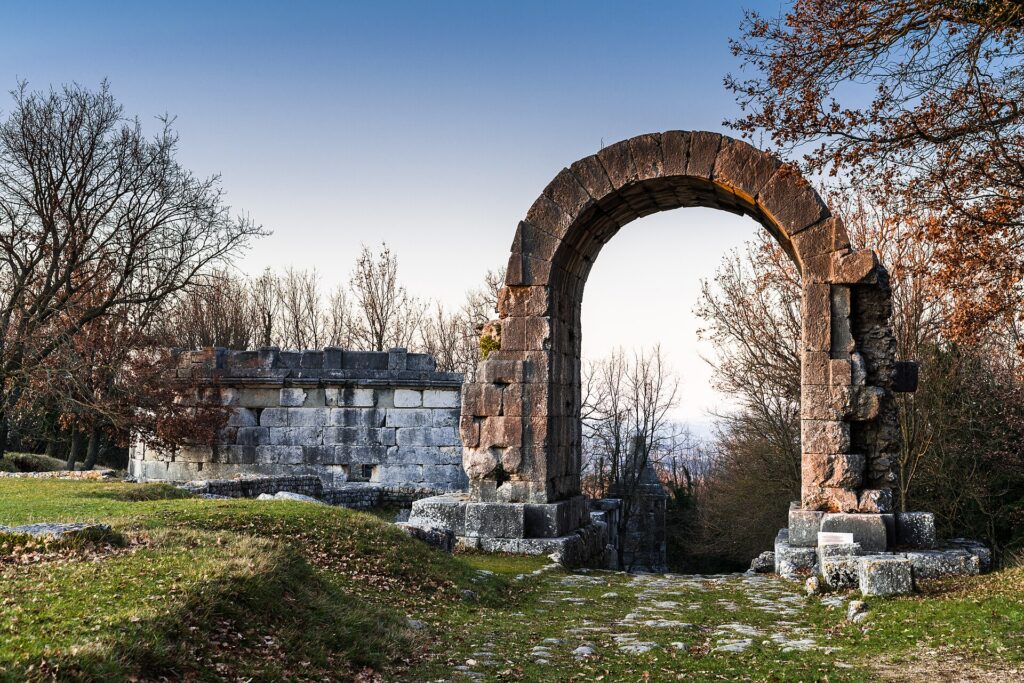
One route could focus on Roman remains, starting from the Fausto Amphitheater and continuing towards the Carsulae Archaeological Park, just a few kilometers from the center, which offers a complete immersion in a well-preserved ancient Roman city.
Another itinerary could be dedicated to industrial Terni, visiting the Steel Museum and the areas that marked the city’s iron and steel development, discovering a lesser-known but fundamental side of its identity.
Nature and outdoor activity lovers can dedicate an entire day to the Marmore Falls, exploring the paths of the Nera River Park and practicing sports like rafting or canyoning along the river.
From Terni, it’s also easy to reach other Umbrian villages of great historical and scenic interest, such as Sant’Anatolia di Narco, a small medieval center overlooking the Valnerina.
These itineraries offer a comprehensive view of the territory, combining culture, history, and nature in a single travel experience.
When to visit Terni and how to get there
The best time to visit Terni and its attractions, particularly the Marmore Falls, is from spring to late autumn.
In April, May, June, and September, temperatures are mild and ideal for excursions and outdoor walks, avoiding the intense summer heat.
During these periods, the surrounding nature is lush and longer days allow for full enjoyment of visits.
For those interested in events related to the Patron Saint, February 14th offers a unique experience, although the weather may be colder.
Terni is well-connected and easily reachable from various directions.
By car, you can take the A1 motorway, exiting at Orte and continuing on the Orte-Terni highway connection (SS675) for a journey of about 20 km.
For those who prefer the train, Terni railway station is an important hub on the Rome-Ancona line, with frequent connections from Rome (approximately 1 hour) and other Umbrian cities.
The nearest airport is Perugia San Francesco d’Assisi, about 80 km away, while Rome Fiumicino and Ciampino airports are about 120-150 km away.
For detailed information on timetables and connections, it is advisable to consult the official website of the Municipality of Terni or transport portals.
| Starting Point | Distance | Estimated Time |
|---|---|---|
| Rome | 100 km | 1h 30m |
| Perugia | 80 km | 1h 10m |
| Florence | 200 km | 2h 30m |
Where to stay in Terni
In Terni, visitors find various accommodation options that suit different needs and budgets, from hotel facilities in the city center to solutions more immersed in the surrounding nature.
The historic center offers hotels and bed & breakfasts that allow you to reach the main attractions and services on foot.
Many of these structures are located in historic buildings, combining modern comforts with a characteristic atmosphere.
For those who prefer tranquility and a more direct contact with the Umbrian landscape, agriturismos and holiday homes can be found in the immediate vicinity of Terni and along the Valnerina.
These solutions, often converted from ancient rural dwellings, offer a more authentic experience, with the possibility of tasting local products and enjoying the peace of the countryside.
It is advisable to book in advance, especially during high season or in conjunction with significant events, to ensure the best accommodation.
Those looking for alternatives can also consider options available in neighboring villages like Monteleone di Spoleto or Scheggia e Pascelupo, which offer traditional hospitality.
Frequently asked questions about Terni
What is the best time to visit Terni?
Spring (April–June) and early autumn (September–October) offer mild temperatures and lush scenery, ideal for exploring both the city and the Marmore Falls. February 14th is particularly special: as the feast day of Saint Valentine, patron of Terni, the city celebrates with events, processions, and ceremonies at the Basilica of Saint Valentine, drawing visitors from across Italy and abroad. Summer can be warm in the Terni basin, but the falls remain a refreshing destination. Avoid August if you prefer smaller crowds in the historic center.
What are the historical origins of Terni?
Terni was officially founded by the Romans in 672 BC as Interamna Nahars, meaning 'city between two rivers,' referring to the Nera and a now-underground tributary. Umbrian settlements in the area date back to the Bronze Age. The city flourished as a Roman municipality along the Via Flaminia, producing notable figures including Emperor Marcus Claudius Tacitus. After Rome's fall, it passed through Lombard and Byzantine control before joining the Duchy of Spoleto and later the Papal States. Its industrial transformation began in the late 19th century, earning it the nickname 'Italian Manchester.'
What to see in Terni? Main monuments and landmarks
Top attractions include the Marmore Falls (check official opening times at cascadellemarmore.it, as water flow is regulated), the Basilica of Saint Valentine housing the saint's relics, the Fausto Amphitheater (32 BC, now open to the public and used for cultural events), Palazzo Spada (16th-century town hall attributed to Antonio da Sangallo the Younger), and the Cathedral of Santa Maria Assunta with its 12th-century Romanesque portal and 11th-century crypt. The historic center is compact and walkable, making it easy to visit multiple sites in one day.
What are the main natural or scenic attractions of Terni?
The Marmore Falls, created by the Romans in 271 BC, are Terni's most iconic natural landmark: at 165 meters they rank among Europe's tallest waterfalls. Located within the Nera River Regional Park, they are accessible via multiple trails with viewpoints at different levels, including the famous Balcone degli Innamorati overlooking the second drop. The park also offers hiking and outdoor activities along the Nera River. The Terni basin itself, shaped by the confluence of the Nera and Velino rivers, provides scenic green surroundings easily reachable from the city.
Where to take the best photos in Terni?
The Balcone degli Innamorati (Lovers' Balcony) at the Marmore Falls offers dramatic close-up shots of the second drop, with mist creating atmospheric effects — best captured when water flow is at maximum. The elevated position of the Basilica of Saint Valentine provides a panoramic view over Terni's rooftops and the surrounding valley. The Romanesque portal of the Cathedral and the porticoed courtyard of Palazzo Spada are excellent for architectural photography. For the falls, morning light or the opening of maximum flow produces the most spectacular images.
Are there museums, churches or historic buildings to visit in Terni?
Yes. The Basilica of Saint Valentine (4th-century origins, Baroque facade) preserves the relics of the patron saint in its urn and features an accessible crypt. The Cathedral of Santa Maria Assunta houses a Romanesque 12th-century portal, artworks across three naves, and an 11th-century crypt. The Fausto Amphitheater (32 BC) has been restored and is open to visitors. Palazzo Spada, seat of the municipality, was designed by Antonio da Sangallo the Younger and features frescoed interiors. For specific opening hours and admission fees, check the official Terni tourism resources before visiting.
What can you do in Terni? Activities and experiences
Terni offers a varied range of experiences: hiking the trails of the Nera River Regional Park to reach the Marmore Falls viewpoints, exploring Roman ruins at the Fausto Amphitheater, and visiting Renaissance palaces. February 14th brings city-wide celebrations for Saint Valentine's feast, with events and pilgrimages. The falls area is popular for outdoor activities including walking and photography. Food lovers can enjoy traditional Umbrian cuisine at local restaurants, while wine and olive oil enthusiasts can explore the surrounding province, known for quality extra virgin olive oil and truffle-based products.
Who is Terni suitable for? Families, couples, hikers, solo travelers?
Terni suits a wide range of visitors. Couples are drawn by the romantic symbolism of Saint Valentine's birthplace and the Balcone degli Innamorati at the Marmore Falls. Families will enjoy the spectacular waterfall, the Roman amphitheater, and the accessible park trails. History enthusiasts can trace layers from Bronze Age settlements to Roman, medieval, and industrial heritage. Hikers and nature lovers benefit from the Nera River Regional Park. Solo travelers and cultural visitors will appreciate the compact historic center with its churches, palaces, and archaeological remains — all within easy walking distance.
What to eat in Terni? Local products and specialties
Terni's table is rooted in Umbrian peasant and hunting traditions. The signature dish is Ciriole alla Ternana — egg-free fresh pasta dressed with garlic, extra virgin olive oil, and chili pepper. Palombaccio alla Ghiotta (pigeon braised with herbs, olives, and wine) is another local classic. Porchetta and lamb, often grilled 'a scottadito,' are widely available. The province is known for quality extra virgin olive oil and black and white truffles that enrich pasta and meat dishes. Artisanal cured meats including prosciutto and sausage are produced locally using traditional methods.
📷 Photo Gallery — Terni
Nearby Villages near Terni
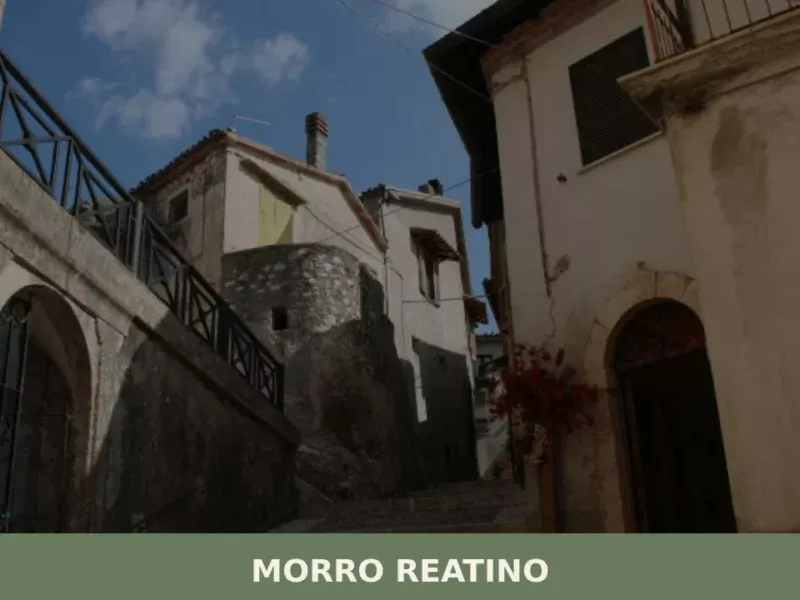
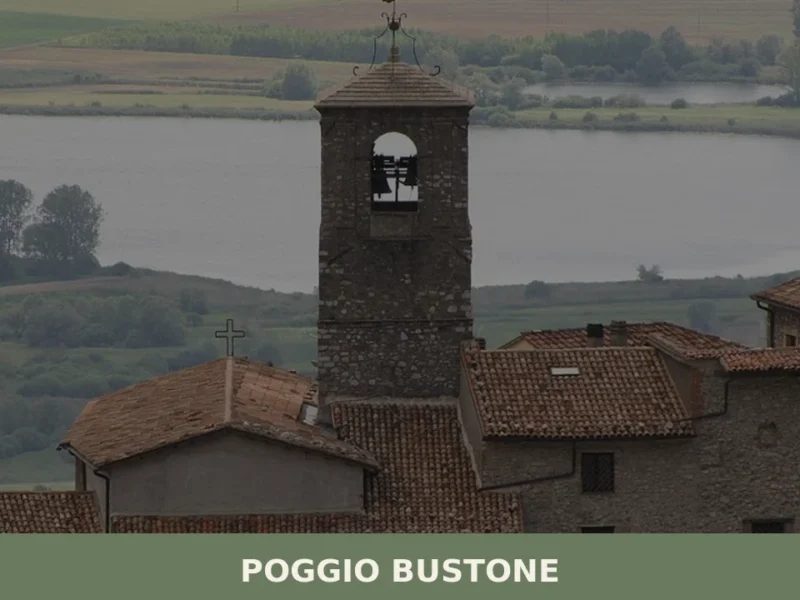
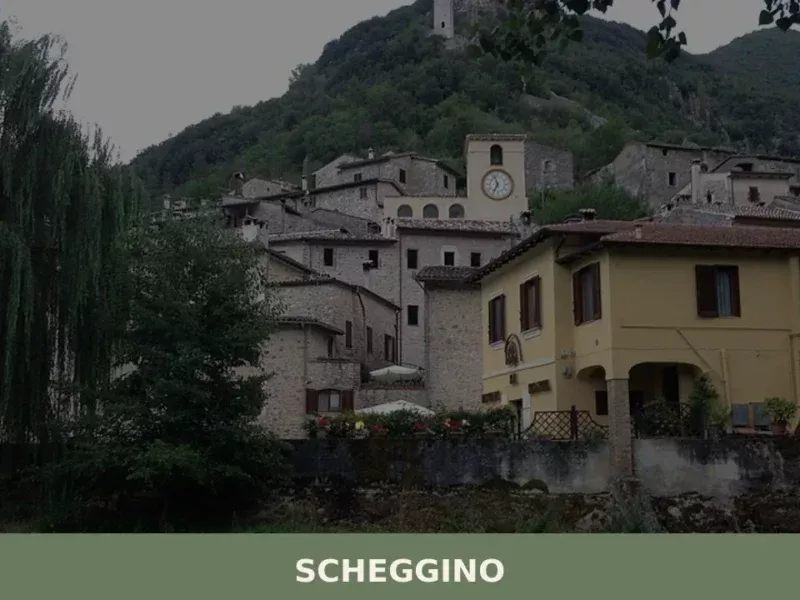
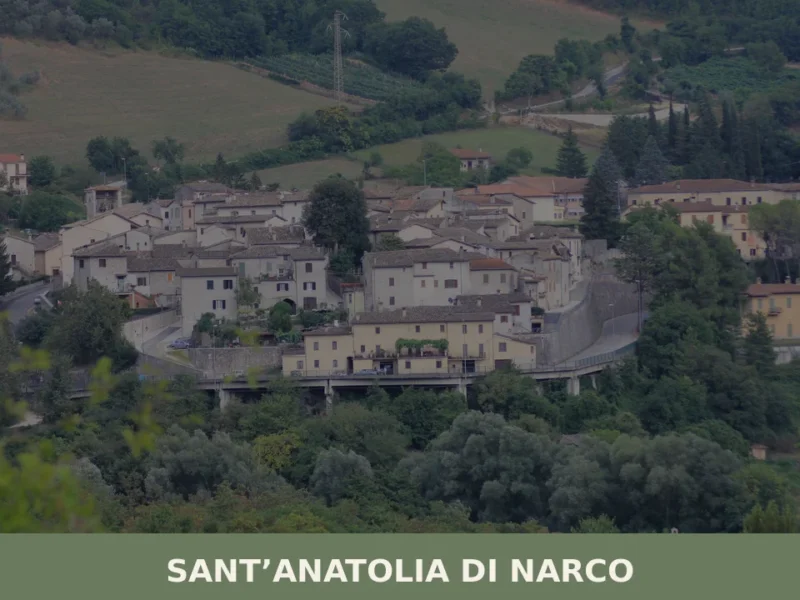
In Umbria More villages to discover
Campello sul Clitunno
 Hills
Hills
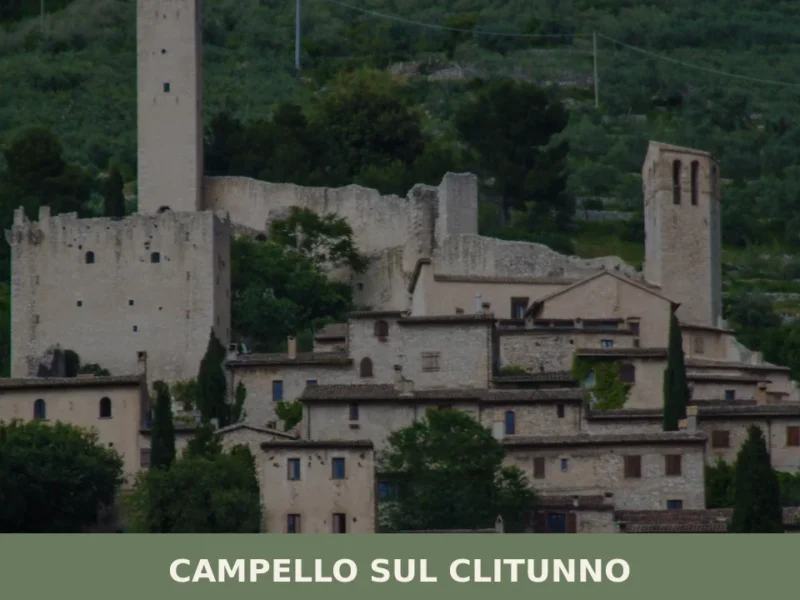
What to see in Campello sul Clitunno, Umbria, Italy: a UNESCO temple, medieval castle, and springs producing 1,500 l/s. Discover the complete travel guide.
Assisi
Hills
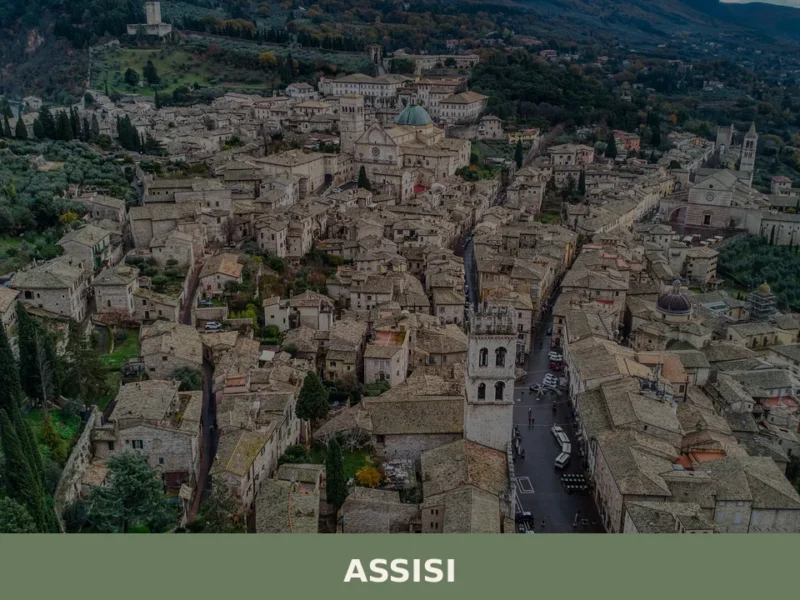
What to see in Assisi, Umbria, Italy: explore the UNESCO Basilica of San Francesco, Rocca Maggiore, and 27,721-inhabitant hilltop town. Discover festivals and travel tips.
Poggiodomo
 Mountain
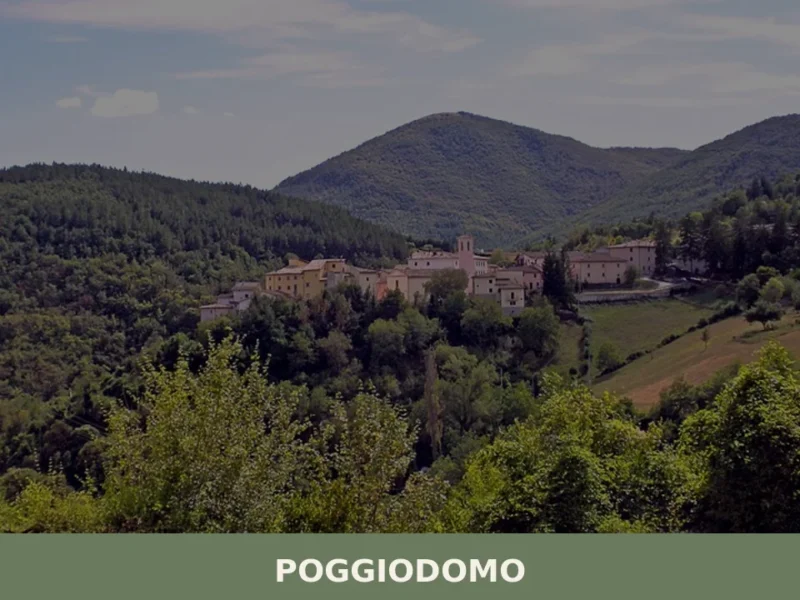
What to see in Poggiodomo, Italy? Explore this Umbrian village, situated at 974 m, and discover the historic Church of San Carlo Borromeo and the Hermitage of Madonna della Stella.
Scheggia e Pascelupo
Hills
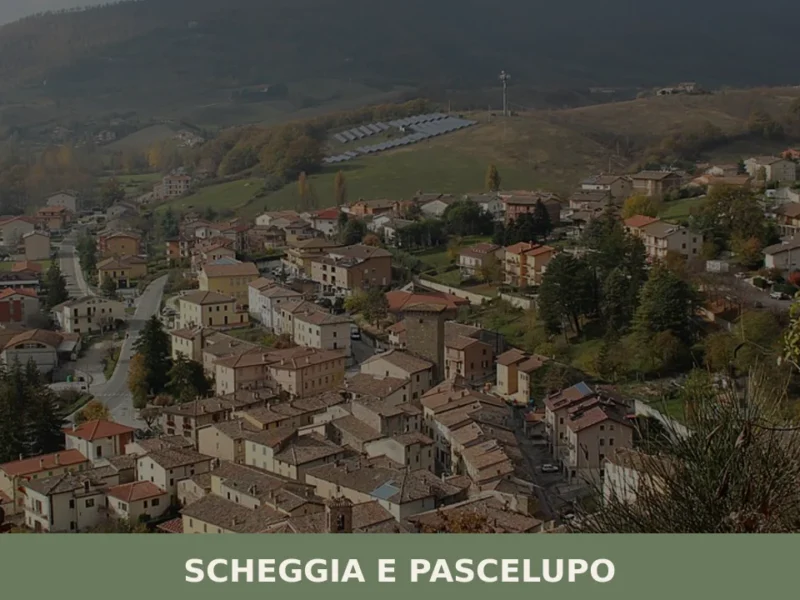
Scheggia e Pascelupo sits at 580 metres above sea level along the ancient Via Flaminia, the Roman consular road that connected Rome to Rimini from 220 BC. The municipality, formed by merging two distinct settlements in 1879, counts 1,232 inhabitants across a territory of deep gorges and limestone ridges in the province of Perugia. For […]
Fratta Todina
Hills
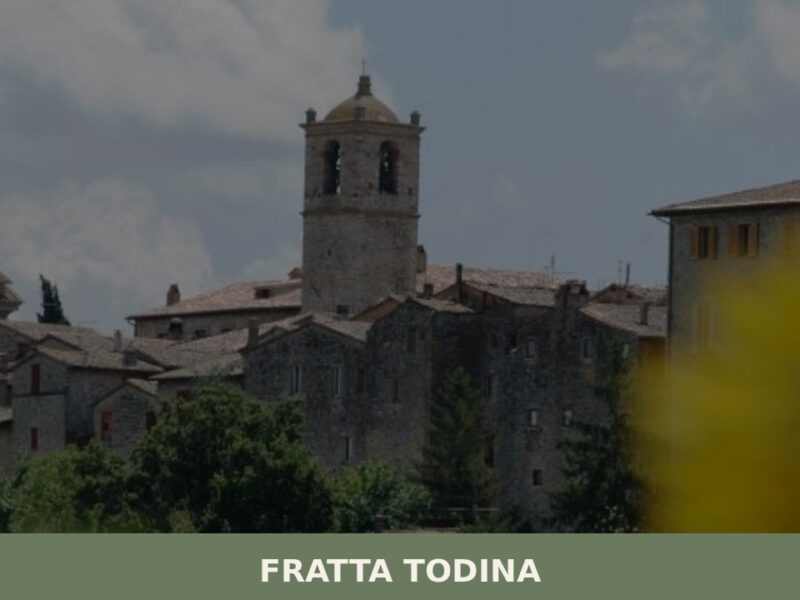
Morning light falls across a line of stone façades, turning the tufa walls the colour of raw honey. A church bell marks the hour from somewhere above the rooftops, its sound carrying across the Tiber valley below. Fratta Todina sits on a low hill in the province of Perugia, home to just 1,817 residents — […]

Orvieto
Hills
Orvieto stands on a dramatic tufa mesa above the Paglia Valley, home to a great Gothic cathedral and over 3,000 years of layered history. A essential destination in southern Umbria.
Costacciaro
Hills
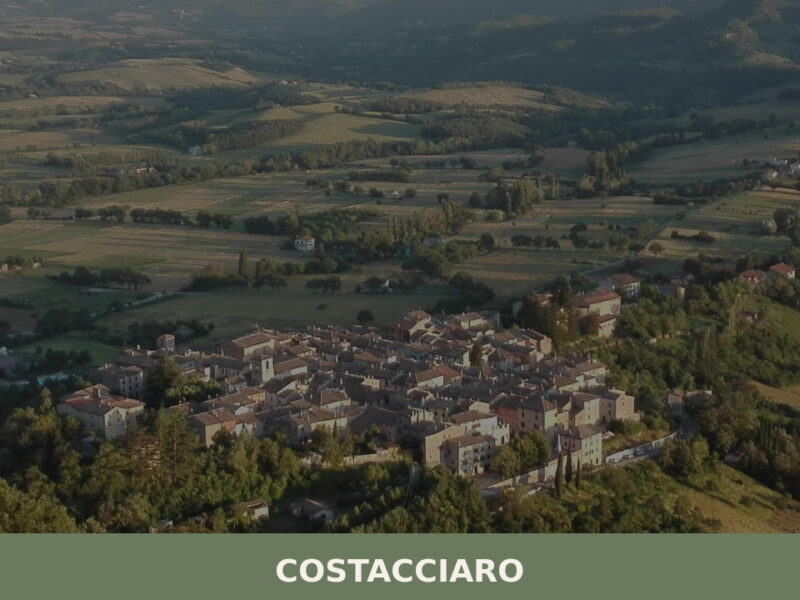
Morning light reaches Costacciaro slowly, filtered through the mass of Monte Cucco before it spills across stone facades and narrow lanes still damp from overnight mountain air. At 1,280 inhabitants, this is a village measured not in monuments but in texture — the grain of limestone walls, the sound of water channelled from karst springs, […]
Bevagna
Hills
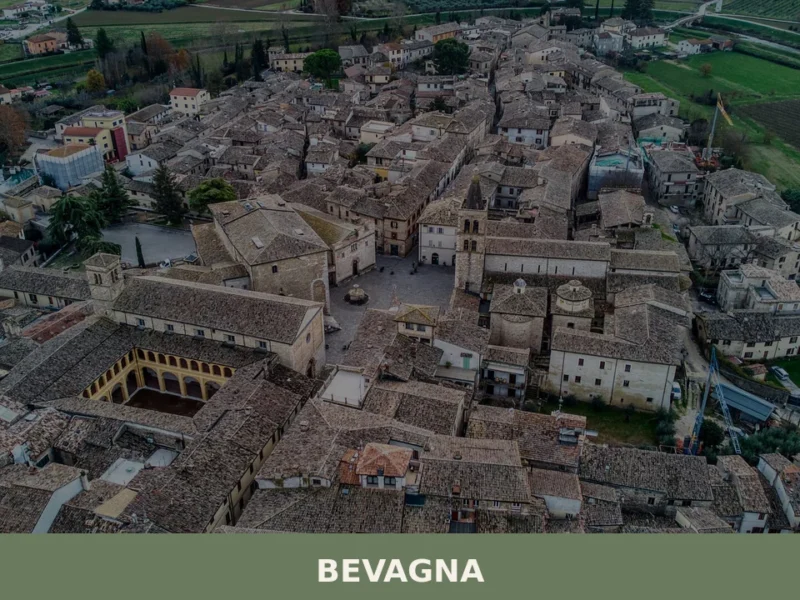
What to see in Bevagna, Umbria, Italy: explore 5 key attractions, Romanesque churches, Roman ruins, and local food. Population 5,130. Discover the full guide.
Perugia
Hills
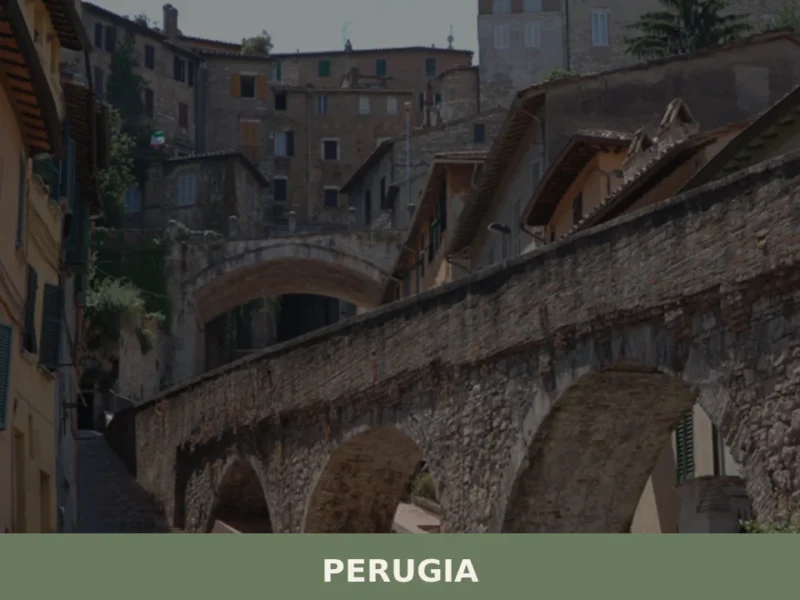
What to see in Perugia: discover 5 main attractions, from Fontana Maggiore to Rocca Paolina. Plan your trip and visit the heart of Umbria.
Castel Ritaldi
Hills
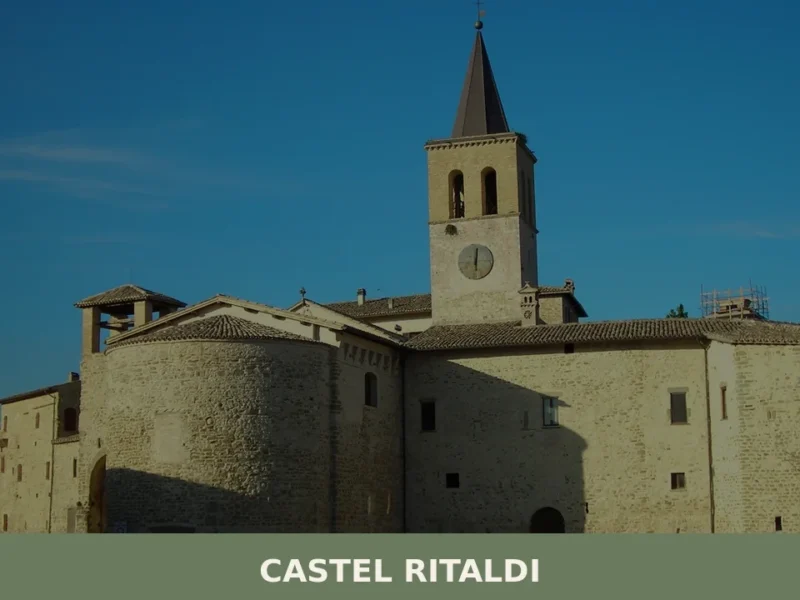
What to see in Castel Ritaldi, Italy: 5 top attractions, local food, and travel tips for this Umbrian village at 297 m. Discover frescoes, medieval churches & more.






🏡 Know Terni better than we do?
If you’re a local or have been there, your knowledge matters: add what’s missing or fix a detail on this page.