


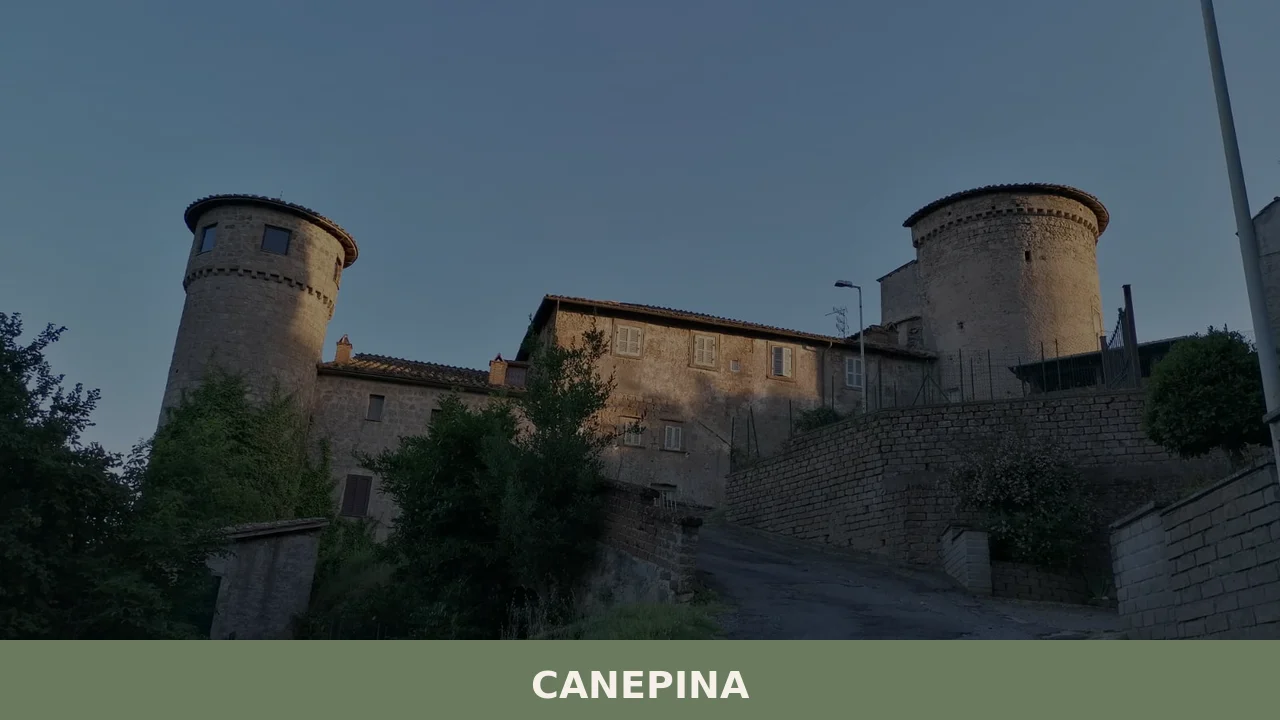
Canepina
 Hills
Hills
What to see in Canepina, Lazio, Italy: explore this 3,127-inhabitant hill village 60 km from Rome. Discover its hemp heritage, patron saint feast and local cuisine.
Discover Canepina
Hemp once covered the fields that slope away from this hill town in the Province of Viterbo. The plant gave the place its name, its economy and — for several centuries — its identity: a raw material processed into cloth so white it was noted specifically in historical records.
At 501 m (1,644 ft) above sea level, the settlement sits on a ridge where the Cimini Hills tilt toward the volcanic plain, and the town’s compact stone core still follows the tight geometry of a defensive medieval layout.
Deciding what to see in Canepina becomes easier once you understand the village’s scale and position.
Home to 3,127 inhabitants and located about 60 km (37 mi) northwest of Rome and 11 km (7 mi) southeast of Viterbo, Canepina, Lazio, Italy belongs to the borghi di collina category — the hill-village typology that defines much of northern Lazio’s landscape.
Visitors to Canepina find a medieval centre organised around its parish church, a calendar anchored by the feast of Saints Vittore and Corona on 14 May, and a food culture rooted in the Cimini forest and its produce.
History of Canepina
The name Canepina derives directly from canapa, the Italian word for hemp. Hemp cultivation in this part of Lazio was not incidental: it was the economic foundation of the settlement for an extended period, and the specific quality of the fibre produced here — noted for its exceptionally pure white colour — distinguished it from the output of neighbouring areas. This agricultural specialisation shaped both the local economy and the layout of the land, with fields dedicated to cultivation and processing running alongside the residential core.
The town developed within the broader historical framework of the Tuscia region, the area of northern Lazio that was formerly Etruscan territory and later absorbed into the Papal States.
The Province of Viterbo, of which Canepina is part, contains dozens of hill settlements that share a common medieval morphology: a compact nucleus on elevated ground, built for defensive purposes and oriented around a central religious structure.
Canepina follows this pattern precisely, and its position on the Cimini Hills ridge reinforced its role as a point of territorial control in the landscape between Viterbo and the Tiber valley.
The nearby city of served historically as the dominant urban centre for this entire subregion, and Canepina’s institutional and ecclesiastical life was organised in relation to it.
The dedication of the village to Saints Vittore and Corona as patron saints reflects a cult widespread in central Italy during the early medieval period. The feast on 14 May has been observed continuously and remains the principal collective event in the village calendar.
By the modern period, the hemp economy had declined as industrial textile production changed the market for raw fibre, and Canepina transitioned toward the mixed agricultural and small-service economy typical of Lazio’s inland hill towns.
Its population of 3,127 places it firmly among the medium-small comuni of the province, large enough to sustain local services but compact enough that the historic fabric of the centre remains legible and largely intact.
What to see in Canepina, Lazio: top attractions
The Historic Centre and Medieval Street Layout
The stone-built core of Canepina preserves the defensive geometry imposed by its hilltop position at 501 m (1,644 ft): narrow parallel lanes, short connecting alleys and building faces that align to minimise exposed surfaces.
Walking through the centre, visitors read the logic of a settlement designed before wheeled traffic, where passage widths were calculated for foot movement and the occasional pack animal. The materials are local — volcanic stone and lime render — and the variation in surface texture between older and later construction phases is visible to anyone who looks at wall heights and bond patterns.
Early morning, before traffic noise from the provincial road reaches the upper streets, is the most useful time to move through the centre and observe the spatial sequence undisturbed.
Parish Church of the Patron Saints Vittore and Corona
The parish church dedicated to Saints Vittore and Corona stands as the institutional and visual anchor of the village, its facade oriented to the main gathering space of the historic centre.
The cult of these two martyrs has a documented presence across central Italy dating to the early medieval period, and the choice of this dedication places Canepina within a specific network of devotional practice that connected smaller settlements to wider ecclesiastical structures.
Inside, the organisation follows the standard single-nave typology common to rural Lazio churches built and rebuilt between the 13th and 17th centuries. The feast of 14 May, when the patron saints are celebrated, draws the largest annual gathering and is the occasion when the church’s liturgical furnishings and vestments are used in full processional context.
Views Across the Cimini Hills
From the upper margins of the village, the terrain drops away toward the volcanic plain that extends south and west toward Viterbo, 11 km (7 mi) distant by road.
The Cimini Hills — a compact range of volcanic origin reaching elevations above 1,000 m (3,281 ft) at their highest points — define the eastern horizon, and the forested slopes visible from Canepina’s belvedere points are dominated by chestnut and turkey oak.
These woodlands have supplied timber, fuel and forage for the surrounding settlements since at least the medieval period. The best light for observing the landscape falls in the late afternoon, when the sun is behind the viewer and the graduated relief of the hills becomes fully readable.
The Agricultural Perimeter and Hemp Heritage
The fields on the lower slopes outside the historic centre mark the productive land that once supported Canepina’s hemp economy.
Although large-scale canapa cultivation ended decades ago, the field geometry — long rectangular strips oriented to drainage — still reflects the organisation imposed by fibre crop cultivation, which requires consistent water access and regular flooding of the retting pits used to separate fibres from the plant stalk.
No physical retting infrastructure survives above ground, but the topographic logic of the lower terrain makes the former use legible to a visitor who knows what to look for.
The derivation of the village name from this crop is the most direct link between the settlement’s identity and its agricultural past, and it situates Canepina within a broader network of hemp-producing communities that once operated across northern Lazio and southern Tuscany.
The Surrounding Territory and Hill-Village Network
Canepina sits within a cluster of hill settlements in the Province of Viterbo that share common historical, geological and architectural characteristics.
The territory between the Cimini Hills and the Tiber valley contains several borghi — small historic municipalities — each positioned on a defensible elevation and connected by secondary roads that follow the ridge lines rather than the valley floors.
The village of Castel di Tora, situated further east in the Rieti province near the Turano reservoir, represents a comparable example of the hilltop settlement type found across this part of Lazio.
For visitors exploring what to see in Canepina, the surrounding road network offers access to this broader territorial context within a radius of 30–40 km (18–25 mi).
Local food and typical products of Canepina
The food culture of the Cimini Hills area draws on the resources that the landscape has consistently supplied: chestnut from the forested upper slopes, pork from small-scale pig rearing, legumes from the field rotations, and foraged ingredients from the woodland margins.
Canepina’s position at the edge of the Cimini forest means that seasonal availability drives the local table more directly than in lowland settlements, and the rhythm of the agricultural year — chestnut harvest in October, pig slaughter in November and December, spring vegetable growth from March onward — still organises much of the food activity in and around the village.
Among the dishes associated with this part of northern Lazio, acquacotta occupies a central place: a bread-thickened soup built on wild vegetables, olive oil, onion and egg, originally a field worker’s preparation that required no expensive ingredients and could be assembled with foraged greens.
Fagioli con le cotiche — dried beans slow-cooked with pork rind — is a preparation common across the inland Viterbo area and reflects the same logic of using the whole animal and combining preserved pork fat with stored legumes through the winter months. Chestnut flour, ground from the dried nuts harvested in October, appears in both flatbreads and in a porridge called polenta di castagne, which was a caloric staple before wheat became more affordable.
The olive oil of this part of Lazio tends toward a grass-green colour at pressing in November and a pronounced bitter-peppery finish that distinguishes it from the milder oils produced further south.
No certified PDO, PGI or TSG product is specifically attributed to Canepina in the available data.
The broader Province of Viterbo is home to several certified products — including the Nocciola Romana PGI hazelnut, which is cultivated across large parts of the Cimini and Sabatini Hills — but no direct certification attaching to the Canepina municipality specifically is confirmed by the sources consulted for this guide.
Visitors should verify current product certifications through the official municipality of Canepina or through regional food authorities.
Local food shopping in Canepina operates on a small-scale village economy model.
Markets and periodic fairs aligned with the agricultural calendar — particularly in autumn, when chestnut and oil harvests generate local commerce — are the most practical occasions for purchasing produce directly. Cash payment is standard at small local vendors and periodic markets, and English is not widely spoken in small shops; carrying euro notes in small denominations is practical for any visitor planning to buy food or provisions in the village.
Festivals, events and traditions of Canepina
The central event in Canepina’s annual calendar is the feast of Santi Vittore e Corona, observed on 14 May.
The celebration follows the structure standard to patron saint feasts in central Italian hill towns: a solemn Mass in the parish church, a procession through the historic centre carrying the saints’ images, and an outdoor gathering in the main public space of the village.
The May date places the feast in the spring season, when the weather across northern Lazio is typically stable enough for outdoor processions and the village population — including residents who have moved to Rome or Viterbo — returns for the occasion.
The feast is both a liturgical observance and a social event that reconcentrates the extended community in the village for at least one day in the year.
Beyond the patron saint feast, the agricultural calendar of the Cimini Hills area generates informal seasonal gatherings tied to specific harvests, particularly in autumn.
The chestnut harvest of October and November has historically produced collective work activity and associated food preparation that constitutes a seasonal tradition, even when not formalised as a named sagra — a traditional local food festival.
Visitors planning a trip around food and seasonal events will find the October–November window more active in terms of local produce availability and informal food culture than the summer months, when the heat reduces outdoor activity and many local food products are out of season.
When to visit Canepina, Italy and how to get there
The best periods to visit Canepina, Italy are late spring (May, when the patron saint feast takes place on the 14th) and autumn (October–November, aligned with the chestnut and olive harvest season in the Cimini Hills). Summer brings reliable dry weather but also heat, and the village’s hilltop position at 501 m (1,644 ft) provides some mitigation compared to the Roman lowlands. Winter visits are feasible but shorter in daylight and quieter in terms of local activity.
For those travelling specifically to explore what to see in Canepina in the context of the surrounding hill-village landscape, the soft light of late October and the green-gold colour of the chestnut canopy provide the clearest visibility across the valley terrain.
Canepina lies approximately 60 km (37 mi) northwest of Rome, making it reachable as a day trip from the capital by car in under 90 minutes depending on traffic.
The most direct route from Rome uses the A1 motorway (Autostrada del Sole) to the Orte exit, then the SS204 and provincial roads northwest toward the Cimini Hills; total driving time from central Rome is approximately 70–90 minutes.
From Viterbo, 11 km (7 mi) to the northwest, the drive takes under 20 minutes on the SP18. The nearest major rail hub is Viterbo, served by regional trains from Roma Ostiense via the Trenitalia Roma Nord line (Ferrovia Roma Nord), with a journey time of approximately 2 hours; from Viterbo, a local bus or taxi covers the remaining 11 km (7 mi) to Canepina.
The nearest international airport is Rome Fiumicino (Leonardo da Vinci), approximately 100 km (62 mi) to the south, from which a hire car is the most practical option for reaching the village.
International visitors should note that English is rarely spoken in smaller shops and restaurants in Canepina, and carrying euro cash in small denominations is advisable.
Travellers combining Canepina with a wider tour of northern Lazio can extend the itinerary to include Labro, a compact hill village in the Rieti area with a comparable medieval centre, or Casaprota, another small borgo in the same regional landscape. Both villages lie within the broader area of inland Lazio accessible from the same road network and can be included in a multi-day circuit without significant additional distance.
Frequently asked questions about Canepina
What is the best time to visit Canepina?
Late spring is ideal: mild temperatures at 501 m make walking the medieval centre comfortable, and 14 May brings the feast of patron saints Vittore and Corona — the village's principal annual gathering, with a procession and liturgical celebrations centred on the parish church. October is equally rewarding for the chestnut harvest season across the Cimini Hills, when the surrounding forest is at its most vivid and local food traditions come into focus. Avoid August weekends if you prefer quieter streets, as day visitors from the Viterbo area increase noticeably.
What are the historical origins of Canepina?
Canepina takes its name directly from canapa — Italian for hemp — reflecting its founding economic identity. The village developed within the Tuscia region, formerly Etruscan territory later absorbed into the Papal States, following the classic medieval hill-town model of northern Lazio: a compact defensive nucleus on elevated ground organised around a central religious structure. The quality of its hemp fibre, noted for exceptional whiteness, distinguished Canepina's output from neighbouring areas and shaped both the layout of the land and the settlement's historical identity within the Province of Viterbo.
What to see in Canepina? Main monuments and landmarks
The two key sights are the medieval historic centre and the parish church of Saints Vittore and Corona. The stone-built centro storico preserves its defensive street geometry — narrow parallel lanes, short connecting alleys — best explored on foot in the early morning. The parish church, the institutional anchor of the village, follows the single-nave typology common to rural Lazio and is most fully experienced during the 14 May patronal feast when liturgical furnishings are used in full processional context. Both sites are freely accessible; no admission charge applies.
What are the main natural or scenic attractions of Canepina?
Canepina sits at the edge of the Cimini Hills, a compact volcanic range with forested slopes dominated by chestnut and turkey oak. From the village's upper margins, the terrain drops toward the volcanic plain extending to Viterbo, 11 km away. The Cimini Hills reach elevations above 1,000 m at their highest points and the forested landscape is particularly striking during the October chestnut harvest. The broader hill-village network of the Province of Viterbo is accessible within a 30–40 km radius via secondary roads that follow the ridge lines.
Where to take the best photos in Canepina?
The belvedere points on the upper margins of the village offer the clearest views across the Cimini Hills to the east and the volcanic plain toward Viterbo to the west. Late afternoon light is best: with the sun behind the viewer, the graduated relief of the hills becomes fully readable and the forested slopes show strong tonal contrast. The medieval street lanes of the centro storico — particularly the narrow connecting alleys between the main parallel lanes — reward wide-angle photography in the soft light of early morning.
Who is Canepina suitable for? Families, couples, hikers, solo travelers?
Canepina suits travellers who value authenticity over infrastructure: the village is compact and walkable, making it accessible for couples and solo visitors seeking a genuine northern Lazio hill-town experience away from tourist circuits. Food-oriented travellers will find it rewarding during the October chestnut season and around the May patronal feast. It works well as a half-day stop for families road-tripping through the Viterbo province. Independent hikers using it as a base for Cimini Hills exploration will appreciate its position, though they should verify trail access locally before arrival.
What to eat in Canepina? Local products and specialties
The local table follows the Cimini Hills seasonal calendar. Acquacotta — a bread-thickened soup of wild vegetables, olive oil, onion and egg — is the emblematic dish of this part of northern Lazio, originating as a field worker's preparation. Fagioli con le cotiche (dried beans slow-cooked with pork rind) is common through winter months. Chestnut flour from the October harvest appears in flatbreads and polenta di castagne. The local olive oil, pressed in November, tends toward grass-green colour with a pronounced bitter-peppery finish. The Nocciola Romana PGI hazelnut is cultivated across the broader Cimini Hills area.
Nearby Villages near Canepina
In Lazio More villages to discover
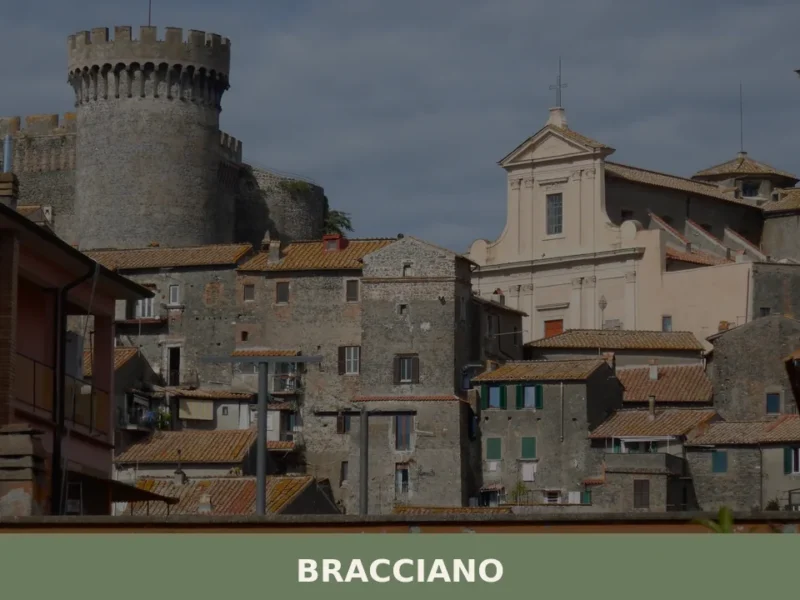
Bracciano
Hills
 Lake
Lake
What to see in Bracciano, Italy: Discover its medieval castle and volcanic lake. Located 30 km (19 mi) from Rome, explore this Lazio village for a memorable day trip.
Castelnuovo di Farfa
Hills
What to see in Castelnuovo di Farfa: 1,032 inhabitants at 358 m in the Sabina. Explore the medieval castle, San Nicola church and PDO cacio fiore. Plan your visit now.
Onano
Hills
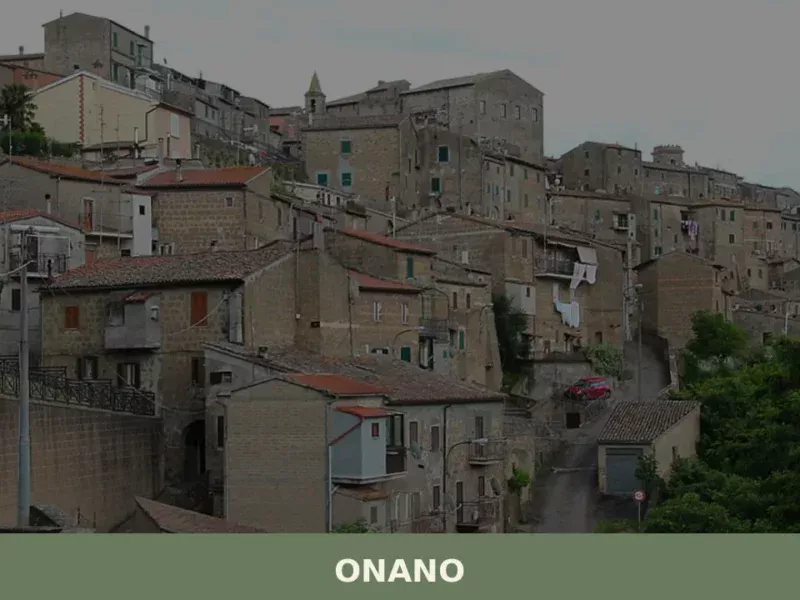
Onano has 898 inhabitants and sits at 485 metres above sea level on the southern slopes of Lake Bolsena, in the province of Viterbo. The municipal territory, stretching across lentil fields and oak groves, borders both Umbria and Tuscany — a point of triple regional convergence that has shaped the town’s economic and linguistic history. […]
Belmonte in Sabina
 Mountain
What to see in Belmonte in Sabina: a hilltop village at 756 m in Rieti province with 644 residents. Explore the medieval centre, PAT guanciale and cacio fiore cheese. Plan your visit now.

Roma
 Sea
Sea
The capital of Italy and the Lazio region, Roma encompasses 1287 km² and 2.7 million inhabitants, making it Europe's largest commune and a global center of political, religious and cultural influence.
Barbarano Romano
Hills
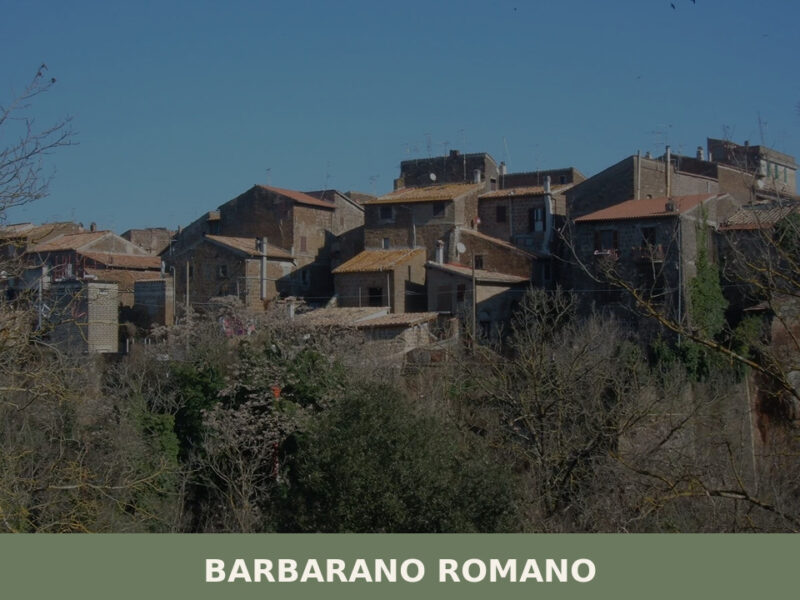
Morning light catches the volcanic tufa in shades of ochre and rust, and the only sound rising from the gorge below is the intermittent call of a jay echoing off ancient rock. Barbarano Romano sits on a plateau in the province of Viterbo, a settlement of barely a thousand souls whose streets still follow the […]
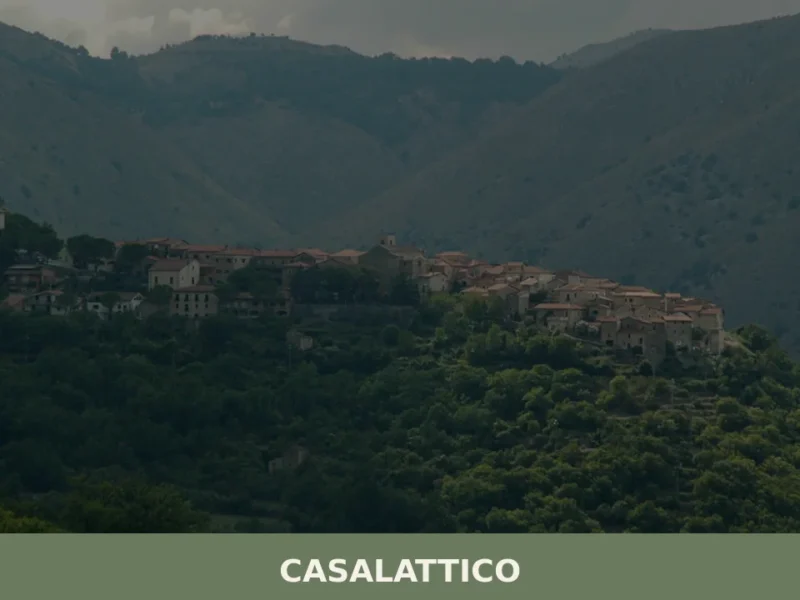
Casalattico
Hills
What to see in Casalattico, Lazio, Italy: a village at 420 m with a Norman tower, a Benedictine monastery from 780 AD and an Irish festival. Discover it now.
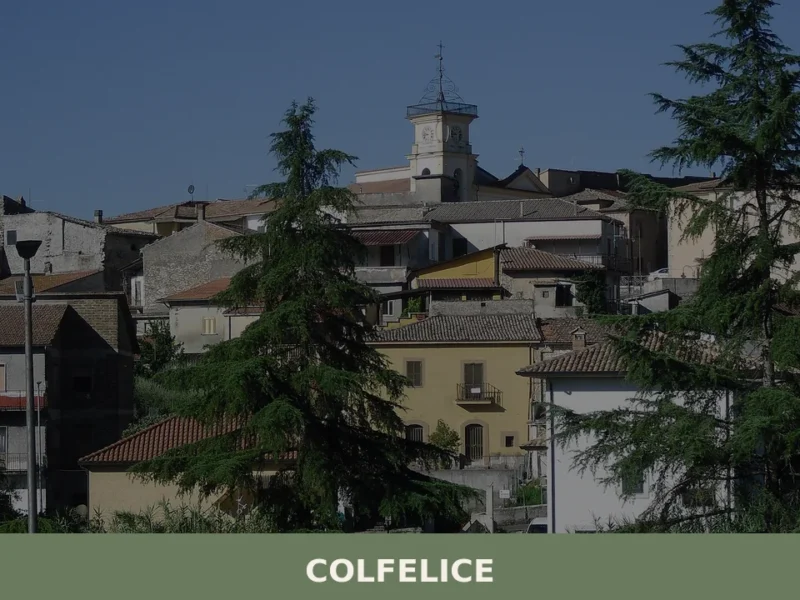
Colfelice
 Plains
What to see in Colfelice, Lazio, Italy: 1,910 inhabitants, 158 m altitude, 100 km from Rome. Discover the feast of San Gaetano and the Liri Valley plain. Read more.
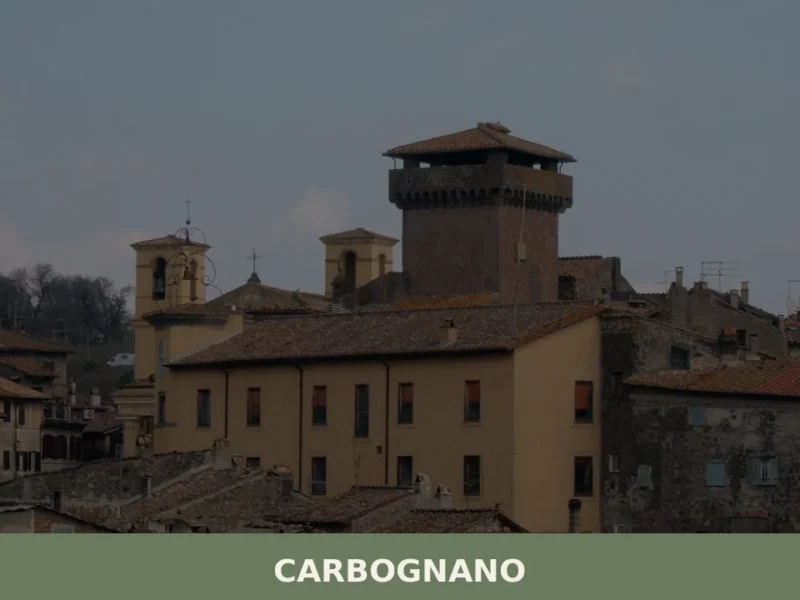
Carbognano
Hills
What to see in Carbognano, Italy: a hilltop village at 394 m, 50 km from Rome. Explore its churches, local food, and festivals. Discover Viterbo province.
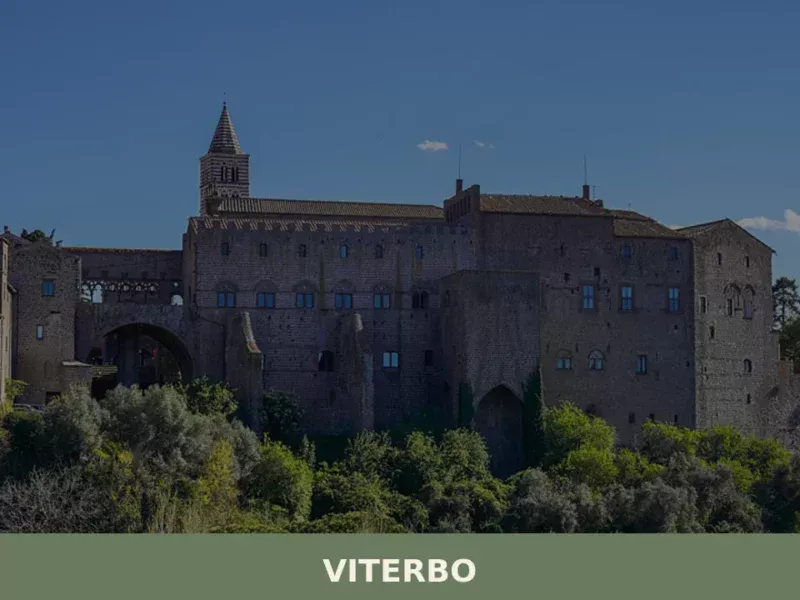
Viterbo
Hills
What to see in Viterbo: Palazzo dei Papi, San Pellegrino, Terme del Bullicame and the UNESCO festival of Santa Rosa. Practical guide with info on how to get there and when to visit.



🏡 Know Canepina better than we do?
If you’re a local or have been there, your knowledge matters: add what’s missing or fix a detail on this page.