


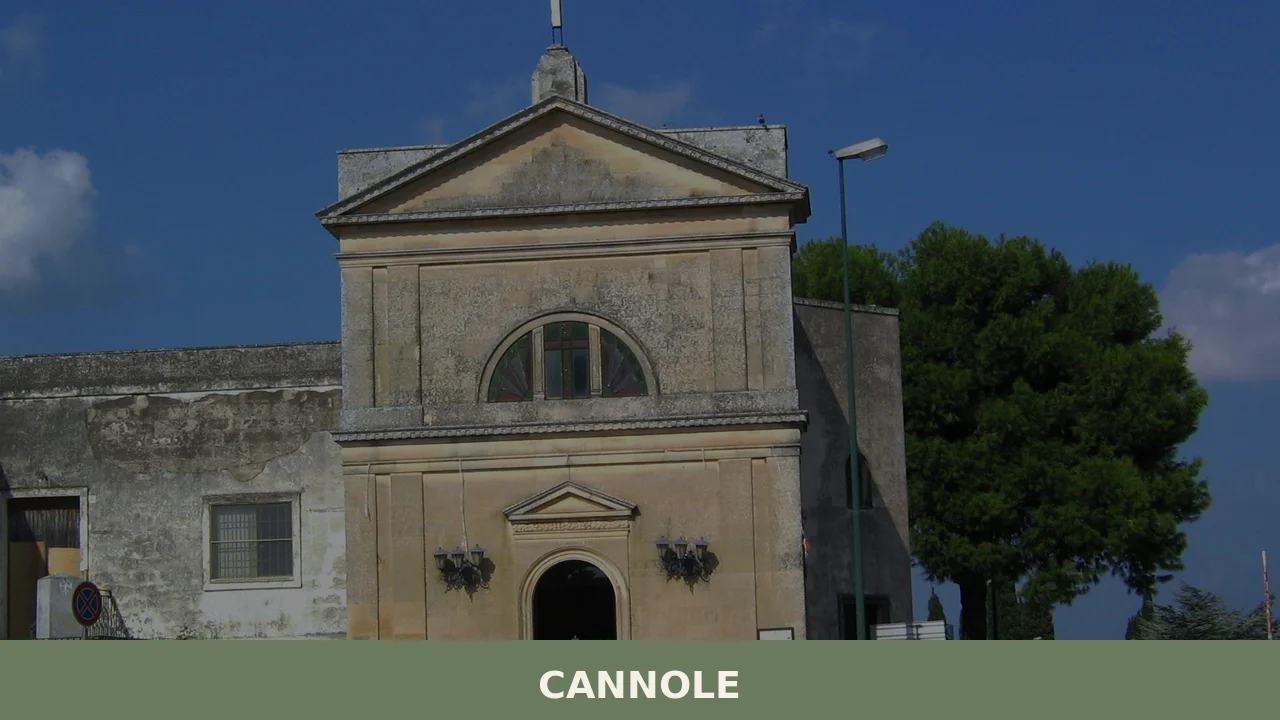
Cannole
 Plains
With its 1,631 inhabitants spread across a plateau at 100 metres above sea level in the interior of the Salento, Cannole is one of the smallest municipalities in the province of Lecce. The settlement is organised around a compact core of Lecce stone houses, with a central square that still serves as a daily point […]
Discover Cannole
With its 1,631 inhabitants spread across a plateau at 100 metres above sea level in the interior of the Salento, Cannole is one of the smallest municipalities in the province of Lecce. The settlement is organised around a compact core of Lecce stone houses, with a central square that still serves as a daily point of reference. Asking what to see in Cannole means preparing to read the territory through its religious architecture, the remains of fortified farmsteads, and an agricultural tradition that still marks the civic calendar of the town.
History and origins of Cannole
The place name Cannole most likely derives from the Latin cannula, a reference to the marsh reeds that once grew in the wetlands of the surrounding plain.
The first documentary record of the hamlet dates to the Norman period, when the Salento territory was reorganised into minor fiefs following Robert Guiscard’s conquest in the 11th century. Like many centres in the lower Salento, Cannole passed through a succession of feudal lordships — from the Normans to the Swabians, from the Angevins to the Aragonese — without ever reaching a size large enough to appear in the major chronicles.
In the 16th and 17th centuries, the village experienced a period of relative stability under various feudal families. The current urban layout preserves the plan from that period: a network of narrow streets converging towards the mother church and the baronial palace. The local economy was based on the cultivation of olives and tobacco, the latter introduced on a large scale in the 18th century and remaining central until the second half of the 20th century.
The cult of San Vincenzo Ferreri, patron saint of the town, became established in the post-Tridentine era and remains the community’s principal identity-defining event.
During the 20th century, Cannole suffered the emigration phenomenon that emptied much of the villages of the interior Salento. The population, which exceeded three thousand residents in the 1950s, halved within a few decades. Today the town maintains a cohesive social structure, tied to agricultural cycles and religious festivals.
What to see in Cannole: 5 main attractions
1. Mother Church of San Vincenzo Ferreri
The main religious building in the village, dedicated to the patron saint whose feast falls on the last Sunday of July. The Lecce stone façade features late-Baroque elements, with a decorated portal and a bell tower visible from several points across the surrounding plain. Inside, lateral altars in local stone and canvases from the Salento school dating to the 17th and 18th centuries are preserved.
2.
Baronial Palace
Located in the historic centre, the feudal palace represents the nucleus around which the settlement developed. The structure, altered several times between the 16th and 18th centuries, retains an entrance portal with a noble coat of arms and an internal courtyard. The building attests to the role of the feudal lord in managing the surrounding agricultural territory.
3. Chapel of the Madonna di Costantinopoli
A small devotional church linked to the Marian cult of Byzantine origin, widespread throughout the Salento. The building, modest in size, retains a simple layout with a single nave. The dedication to the Madonna di Costantinopoli is a feature common to dozens of Apulian centres and documents the persistence of the Greek rite in the region until the late Middle Ages.
4.
Underground olive presses
Beneath the historic centre lie olive presses carved into the limestone rock, used until the 19th century for pressing olives. These underground structures, found throughout the Salento, exploited the constant subterranean temperature to facilitate processing. Some have been restored and opened to visitors, offering a direct reading of the olive oil economy that sustained the village for centuries.
5. Rural landscape and olive groves
The countryside around Cannole is marked by dry-stone walls, pajare (rural stone structures similar to trulli), and expanses of olive trees. The flat terrain, unlike the coastal areas, retains an evident agricultural vocation. Walking the dirt roads between rural properties allows you to observe a system of land organisation that has remained functional in its basic structure.
Traditional cuisine and local products
The table in Cannole reflects the peasant cooking of the interior Salento, based on legumes, wild greens, handmade pasta, and extra virgin olive oil.
The most common dishes include sagne ‘ncannulate — fresh rolled pasta dressed with tomato sauce and cacioricotta — fave e cicorie (broad bean purée with chicory), pezzetti di cavallo (horse meat pieces) in sauce, and pittule, fried dough fritters prepared especially during feast days. The local olive oil comes from the Cellina di Nardò and Ogliarola leccese varieties, although production has been severely hit by Xylella fastidiosa in recent years.
The town does not have an established tourist dining scene: meals are eaten at the few local trattorias or at farmsteads in the surrounding area offering Salento cuisine. The weekly market and patron saint festivals remain the best occasions to taste home-prepared dishes. The Festa della Municeddha (the snail festival), a gastronomic event held in summer, is a significant occasion that draws visitors from neighbouring municipalities and celebrates an ingredient central to the Salento peasant diet.
What to see in Cannole and surroundings: when to visit the village
The best period to visit Cannole runs from May to October.
On the last Sunday of July, the feast of San Vincenzo Ferreri mobilises the entire town with a procession, illuminations, and brass band concerts in keeping with the tradition of Salento patron saint festivals. The Festa della Municeddha, in August, is the other peak moment of activity. In spring the countryside is at its best: the olive trees that survived Xylella, the cultivated fields, and the low scrubland offer a sharp landscape under a light that in the interior Salento is particularly dry and defined.
Summer brings temperatures that regularly exceed 35 degrees, but the absence of coastal humidity makes the heat more bearable compared to the littoral strip. Winter is mild, with rare frosts, and the town takes on an even slower rhythm. For those wishing to explore the village without the coincidence of festivals, the weeks of May and June guarantee long days and a territory easily covered on foot or by bicycle, given the flat nature of the terrain.
Updated information on events and services is available on the official website of the Municipality of Cannole.
How to get to Cannole
Cannole is located in the central Salento, approximately 25 kilometres south of Lecce. The nearest airport is Brindisi-Salento, about 75 kilometres away, connected to major Italian cities and some European destinations. From Brindisi, Cannole can be reached by car via the Brindisi-Lecce dual carriageway and then continuing on provincial roads towards Maglie-Otranto.
By train, the reference railway station is Lecce, served by Trenitalia and Italo. From Lecce, the Ferrovie del Sud Est (FSE) connect several centres in the interior Salento, but Cannole does not have its own station: the nearest stop is Calimera or Martano, from where it is necessary to continue by private transport. By car from Lecce the journey takes approximately 30 minutes along the SP362. From Bari, the distance is around 190 kilometres, coverable in two and a half hours via the A14 motorway and the dual carriageway to Lecce.
Other villages to discover in Puglia
Puglia is a region where the distances between radically different landscapes are measured in just a few hours of travel.
From the karst plain of the Salento where Cannole is located, heading north you enter the Subappennino Dauno, a hilly and seldom-visited territory. Casalnuovo Monterotaro, in the province of Foggia, is an example of a village in the Apulian Apennine hinterland: altitude, climate, and agrarian landscape have nothing in common with the Salento, yet the social structure — a small community tied to the land, the patron saint festival as a pivotal event — follows a recognisable pattern.
At the opposite end of the region, the Tremiti Islands offer yet another dimension: an archipelago in the central Adriatic, far from the mainland, with a history linked to political exile and Benedictine monasteries. The distance between Cannole and the Tremiti Islands — over 400 kilometres — gives the measure of the geographical and cultural variety that a single region can contain. For those visiting Puglia with the intention of understanding its complexity, juxtaposing such different realities is a necessary exercise.
Frequently asked questions about Cannole
What is the best time to visit Cannole?
The best period to visit Cannole runs from May to October. May and June offer long days, mild temperatures, and a countryside at its most vivid — ideal for exploring on foot or by bicycle across the flat terrain. The feast of San Vincenzo Ferreri, patron saint of the village, is celebrated on the last Sunday of July with a procession, illuminations, and brass band concerts. August brings the Festa della Municeddha, a popular snail festival that draws visitors from across the Salento. Summer heat regularly exceeds 35°C but remains manageable given the absence of coastal humidity.
What are the historical origins of Cannole?
The place name Cannole most likely derives from the Latin cannula, a reference to the marsh reeds that once grew in the surrounding plain. The village is first documented during the Norman period, following Robert Guiscard's conquest of the Salento in the 11th century. It subsequently passed through Swabian, Angevin, and Aragonese feudal control. The current urban layout — narrow streets converging on the mother church and baronial palace — dates largely to the 16th and 17th centuries. Olive cultivation and tobacco farming formed the economic backbone of the community from the 18th century onwards.
What to see in Cannole? Main monuments and landmarks
Cannole's five main attractions are: the Mother Church of San Vincenzo Ferreri, with its late-Baroque Lecce stone façade and 17th–18th century canvases; the Baronial Palace in the historic centre, featuring a noble coat of arms portal and internal courtyard; the Chapel of the Madonna di Costantinopoli, a small single-nave devotional church of Byzantine origin; the underground olive presses carved into the limestone bedrock, some restored and open to visitors; and the rural landscape of dry-stone walls, pajare, and ancient olive groves accessible along the dirt roads surrounding the village.
What are the main natural or scenic attractions of Cannole?
Cannole sits on a flat limestone plateau at 100 metres above sea level, surrounded by an agricultural landscape typical of the interior Salento. The countryside features dry-stone walls, pajare (drystone rural shelters similar to trulli), and expanses of ancient olive groves. The flat terrain makes the area particularly accessible for walking and cycling along rural tracks between farmsteads. The light in the interior Salento, dry and clearly defined, gives the landscape a sharp quality especially in spring. The olive trees that survived the Xylella fastidiosa outbreak add a sense of historical continuity to the scenery.
Are there museums, churches or historic buildings to visit in Cannole?
The historic centre of Cannole preserves several buildings of interest. The Mother Church of San Vincenzo Ferreri contains lateral altars in local Lecce stone and paintings from the Salento school dating to the 17th and 18th centuries. The Baronial Palace retains its entrance portal with a noble coat of arms and an internal courtyard. The Chapel of the Madonna di Costantinopoli documents the persistence of Byzantine Marian devotion in the region. The underground olive presses beneath the historic centre, some restored and accessible, offer direct insight into the village's centuries-old olive oil economy. Specific opening hours should be verified with the Municipality of Cannole.
What can you do in Cannole? Activities and experiences
Cannole lends itself to slow, low-key tourism centred on the territory and local traditions. The flat terrain makes it ideal for cycling and walking along rural dirt roads between olive groves, dry-stone walls, and pajare. Visiting the restored underground olive presses provides a hands-on reading of the local agricultural heritage. The Festa della Municeddha in August offers a direct encounter with Salento peasant food culture. The weekly market and patron saint festival in late July are further occasions to taste home-prepared dishes and observe the social life of a small interior Salento community.
Who is Cannole suitable for? Families, couples, hikers, solo travelers?
Cannole suits visitors seeking an authentic, unhurried experience of the interior Salento, away from the coastal tourist circuit. The flat terrain is ideal for families with children, older travellers, and cycling enthusiasts. Couples interested in rural heritage, Baroque religious architecture, and local food traditions will find the village rewarding. Solo travellers drawn to slow tourism and lesser-known destinations will appreciate the compact historic centre and the accessible countryside. It is not suited to those expecting a busy resort atmosphere or an established tourist infrastructure — the appeal lies precisely in its unmediated, everyday character.
What to eat in Cannole? Local products and specialties
The cuisine of Cannole reflects the peasant cooking of the interior Salento. Key dishes include sagne 'ncannulate, fresh rolled pasta served with tomato sauce and cacioricotta cheese; fave e cicorie, a purée of broad beans paired with wild chicory; pezzetti di cavallo, horse meat pieces braised in tomato sauce; and pittule, fried dough fritters traditionally prepared during feast days. Local extra virgin olive oil, produced from Cellina di Nardò and Ogliarola leccese varieties, is central to the table, though production has been severely impacted by the Xylella fastidiosa outbreak. The Festa della Municeddha celebrates snails, a staple of the local peasant diet.
Nearby Villages near Cannole
In Apulia More villages to discover
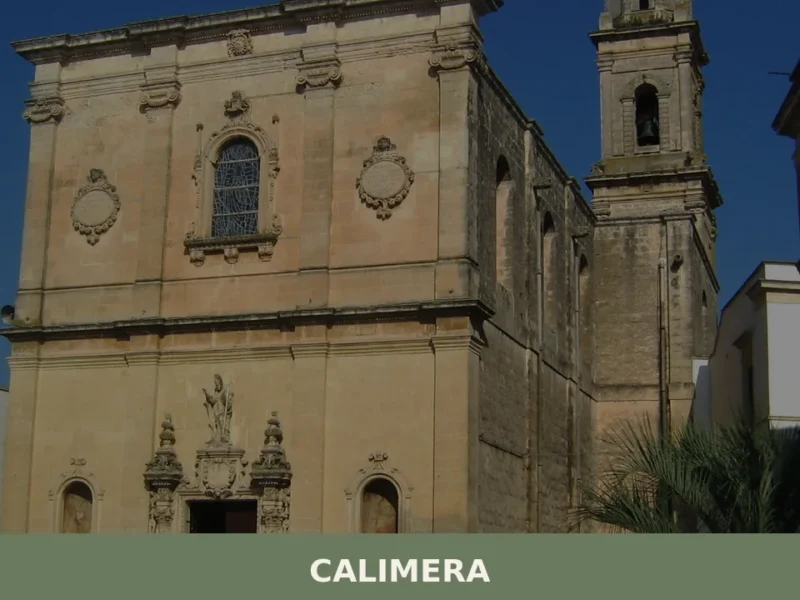
Calimera
Plains
Discover what to see in Calimera, the Puglia village at the heart of the Grecu00eca Salentina u2014 Griko culture, historic architecture, olive oil and local festivals.
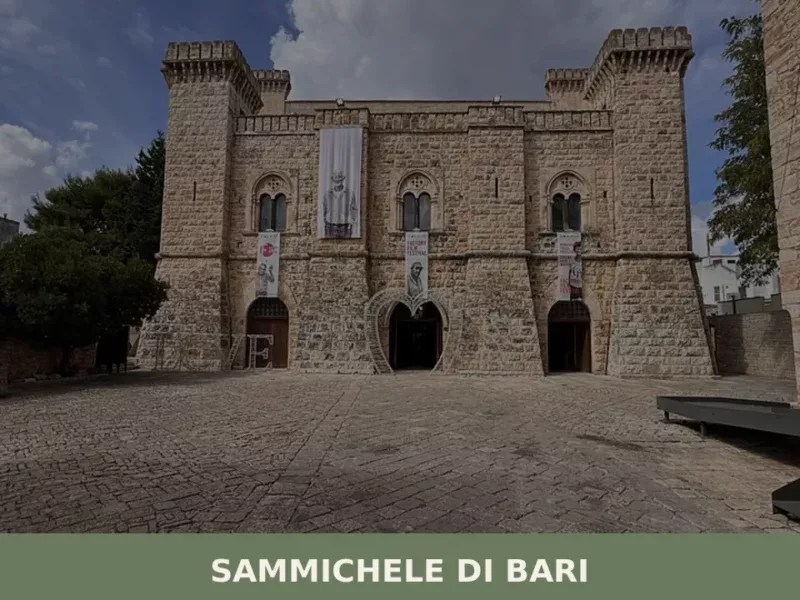
Sammichele di Bari
 Hills
Hills
Sammichele di Bari, a settlement of 6,656 inhabitants, is located 280 meters above sea level, in the heart of the Murgia dei Trulli and the Canale di Pirro. Its geographical position, on a rise overlooking the surrounding plain, has defined its role throughout the centuries. Officially founded in the 17th century by the will of […]
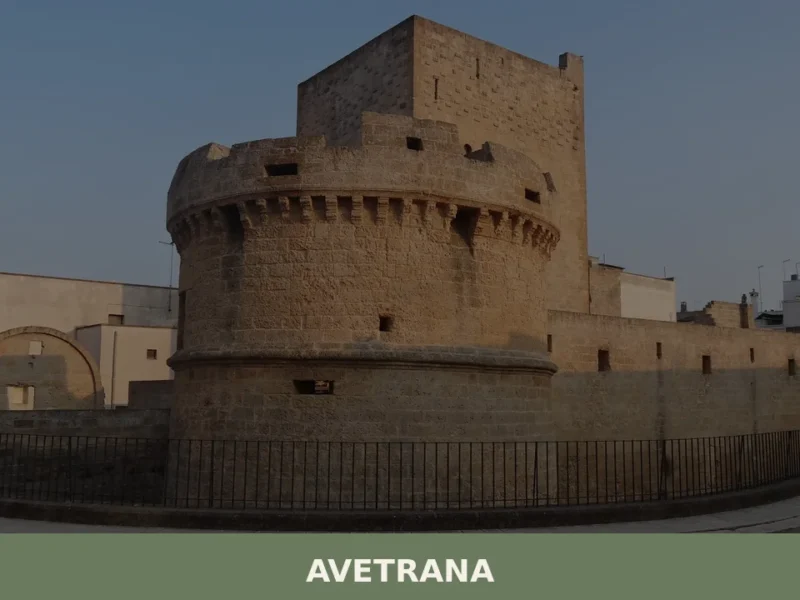
Avetrana
Plains
What to see in Avetrana, Italy: explore a 13th-century castle, the Chiesa Madre and Palazzo Imperiali. Population 6,277. Discover festivals, food and how to get there.
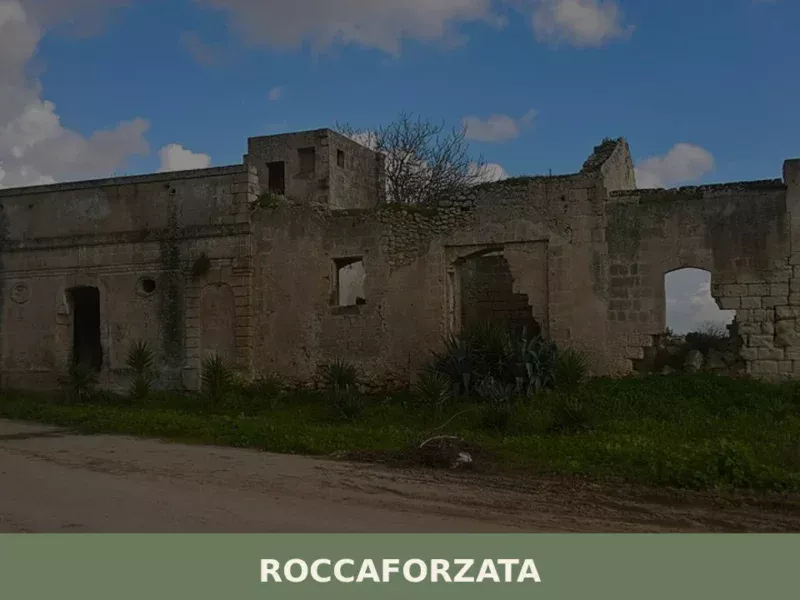
Roccaforzata
Plains
Roccaforzata is home to 1,762 inhabitants, spread across a plateau at 145 metres above sea level in the eastern Taranto countryside. The municipal territory covers just 6.67 square kilometres, making it one of the smallest in the province of Taranto. Anyone looking into what to see in Roccaforzata will find a compact urban centre, developed […]
Rocchetta Sant’Antonio
 Mountain
Discover what to see in Rocchetta Sant'Antonio: a Foggia province village in the Daunia hills, with history, local food, travel tips and how to get there.
Fasano
 Sea
Sea
Discover what to see in Fasano, Puglia: ancient Egnazia ruins, the Valle d'Itria, Adriatic coast, local food and practical tips for visiting this Brindisi-province town.
Faggiano
Plains
Discover what to see in Faggiano, a Taranto province comune in Puglia: history, food, best time to visit, and how to get there.
Minervino Murge
Hills
Discover what to see in Minervino Murge, Puglia: Alta Murgia national park, historic centre, drove roads, local food and practical travel tips.
Carosino
Plains
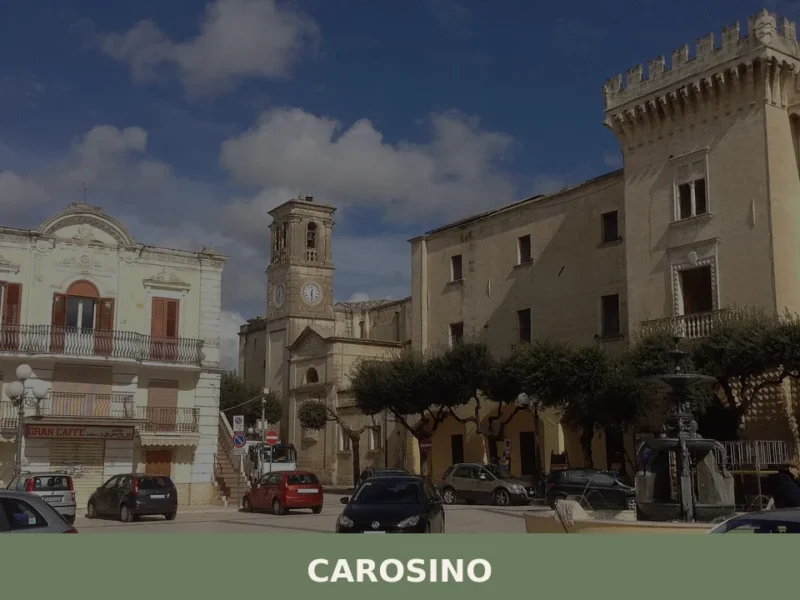
Carosino is a comune of 6,371 inhabitants in the province of Taranto, positioned in the Ionian arc of Puglia where the landscape flattens into olive groves and vineyards before reaching the coast. Known locally by its Salentine dialect name Carusinu, the town sits within a territorial context defined by centuries of agricultural production and the […]
Deliceto
Hills
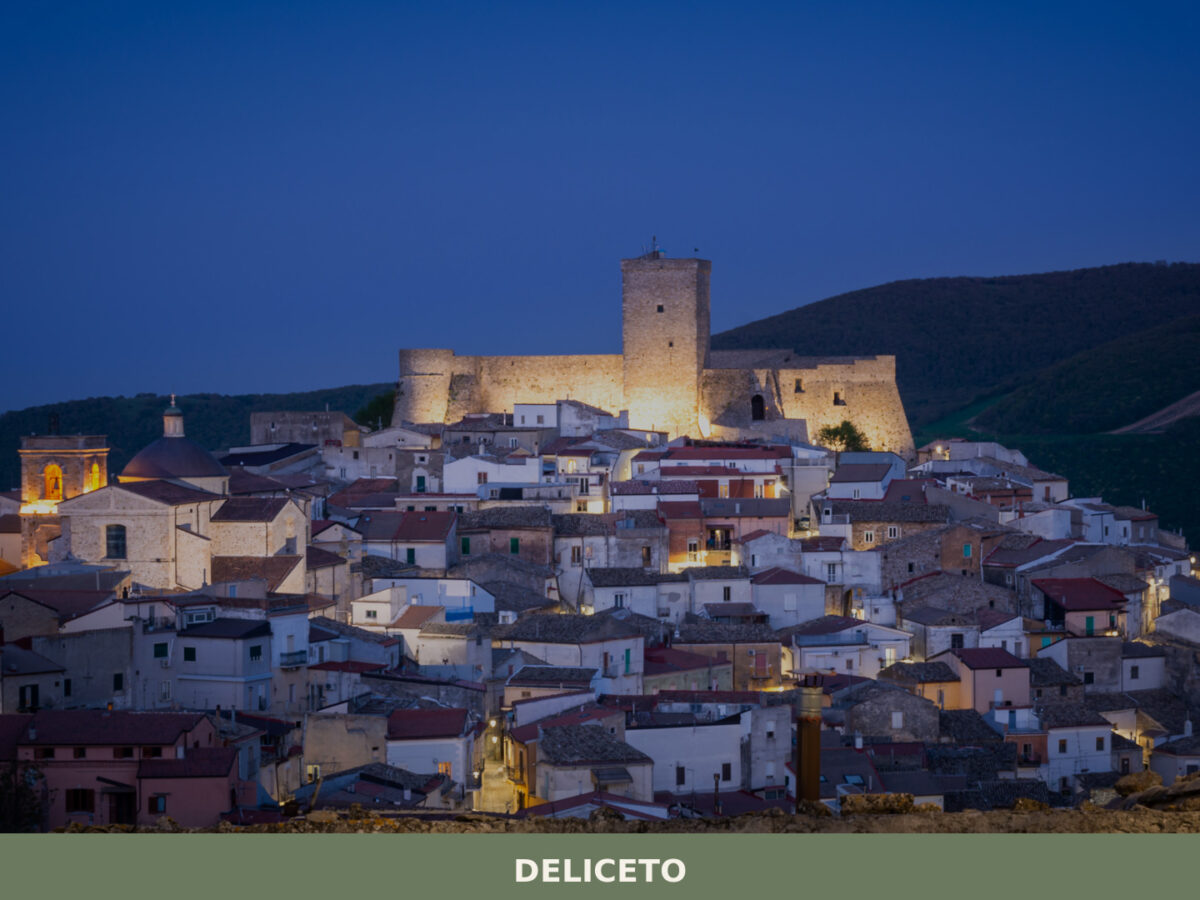
Deliceto rises at 575 metres on a ridge of the Subappennino Dauno, commanding the Tavoliere plain. A Norman castle, layered churches, and a stone-built historic centre define this compact Puglia hill village.
🏡 Know Cannole better than we do?
If you’re a local or have been there, your knowledge matters: add what’s missing or fix a detail on this page.