


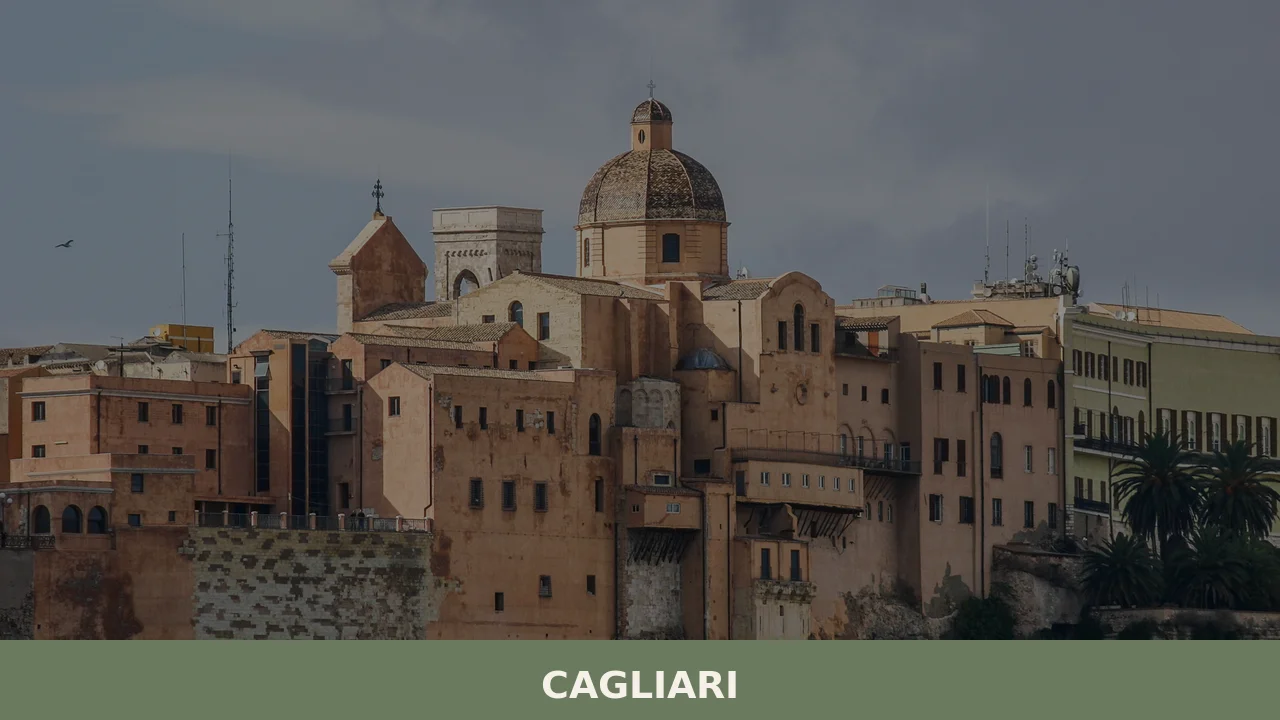
Cagliari
Discover Cagliari, a charming village in Sardegna, Italy. Explore its rich history, stunning landscapes, and local culture in the heart of Sardinia.
Discover Cagliari
Cagliari is the regional capital of Sardinia and one of the oldest urban centres in the western Mediterranean, with roots going back to prehistoric settlements and later Phoenician, Punic and Roman occupation.
With a population of 149,575 and an average elevation of 6 metres above sea level, the city spreads along the southern coast of the island, facing the Gulf of Cagliari.
Anyone exploring what to see in Cagliari will encounter a density of historical layers rarely found in such a compact area: the Castello district, the bastions, medieval and Romanesque churches, the historic port and the Molentargius wetlands together make up a whole that rewards every kind of visit, from a single day to an extended stay.
History and Origins of Cagliari
Cagliari’s origins go back a very long way.
The site was already frequented during the Nuragic period, as confirmed by archaeological finds in the urban area and surrounding territory. The Phoenicians established a port settlement that the Carthaginians developed from the 6th century BC, naming it Krly or Karalis — a term interpreted in the Semitic linguistic tradition as a reference to an elevated place or a rock.
Karalis became one of the most active commercial hubs in the southern Mediterranean, thanks to the strategic position of the gulf and the availability of salt in the surrounding lagoons, already exploited in ancient times for trade.
With the Roman conquest in 238 BC, at the end of the First Punic War, Karalis was transformed into a municipium and later a colony.
During the imperial period the city expanded considerably: an amphitheatre, baths, villas and necropolises were built, remains of which still survive within the urban fabric. Among the documented historical figures of this period stands out Saturninus of Cagliari, a Christian martyr venerated as the city’s patron saint, executed according to tradition during the persecutions of Diocletian at the end of the 3rd century AD.
His memory has remained alive in the city’s place names and liturgical calendar, with the patron saint’s feast day set on 30 October.
In the Middle Ages Cagliari passed through phases of Vandal, Byzantine, then Judicature rule — as the capital of the Giudicato di Cagliari — and finally Pisan and Aragonese domination.
In the 13th century the Pisans built the Castello district, with its defensive towers and city walls that are still partially preserved. With the transfer to the Crown of Aragon in 1326, and then to Spain, the city became established as a major military and commercial port in the western Mediterranean.
In 1720 Cagliari passed to the House of Savoy along with the rest of Sardinia, becoming the capital of the Kingdom of Sardinia until Italian unification in 1861. The twentieth century brought severe destruction during the Second World War bombing campaigns, which heavily struck the historic centre and port areas between 1943 and 1944, making extensive post-war reconstruction necessary.
What to See in Cagliari: Main Attractions
The Castello District
The Castello district occupies the top of the hill that rises above the city and the gulf.
Built by the Pisans in the 13th century as a military fortress, it contains the cathedral, noble palaces and two of the original towers still standing: the Tower of San Pancrazio and the Tower of the Elephant, both erected in 1307 by the architect Giovanni Capula. The medieval walls and bastions offer views across the entire urban area and the gulf. Within the district are the Palazzo Regio, the historic seat of the Spanish viceroy, and several historic churches.
Walking through Castello’s streets means passing through seven centuries of architectural layering within a few hundred metres.
The Cathedral of Santa Maria di Castello
The Cathedral of Santa Maria, at the centre of the Castello district, was built in Pisan Romanesque style in the 13th century and extensively remodelled during the Baroque period.
The current façade, reconstructed in the 20th century, incorporates original Romanesque elements.
Inside, the Pulpit of Guglielmo is preserved — carved between 1159 and 1162 and donated by the Municipality of Pisa, it is one of the masterpieces of Romanesque sculpture in Sardinia. The crypt holds the tombs of the Sardinian royal family and numerous early Christian sarcophagi. The building is open to visitors and is one of the most well-documented sites for anyone researching what to see in Cagliari.
The Roman Amphitheatre
The Roman Amphitheatre of Cagliari, partially carved into the limestone rock of the Buon Cammino hill, is the best-preserved monument of the imperial period in Sardinia. Dating to the 2nd century AD, it could accommodate an estimated 10,000 to 15,000 spectators according to archaeologists.
The arena was used for gladiatorial combat and animal shows.
Today the amphitheatre is open to visitors and is used during the summer months as a venue for theatrical performances and concerts — a function that maintains a living connection between the ancient site and the city’s contemporary cultural life.
The National Archaeological Museum of Cagliari
The National Archaeological Museum of Cagliari, located in the Cittadella dei Musei complex in the Castello district, holds the most significant collection of Sardinian artefacts from the Nuragic period through to the Middle Ages.
Among the most important pieces are the celebrated Nuragic bronze figurines, Punic busts, Roman objects and coins from across the regional territory. The museum is managed by the Ministry of Culture and is considered the primary scientific reference point for understanding Nuragic civilisation.
A visit to the museum is recommended before exploring the archaeological sites of the surrounding area, to gain orientation within Sardinia’s long historical sequence.
Molentargius Pond and Regional Natural Park
The Molentargius-Saline Regional Natural Park, extending between Cagliari and the neighbouring municipalities of Quartu Sant’Elena and Quartucciu, is one of the most ecologically significant wetland areas in the Mediterranean.
The system of ponds and salt flats covers approximately 1,600 hectares and supports a permanent colony of pink flamingos, along with dozens of other waterbird species. The salt flats were already exploited during the Punic and Roman periods for salt extraction. The park is crossed by cycling paths and walking trails and is accessible from the city centre.
Visitors to Cagliari looking for a contrast to the historic centre will find here a natural environment of considerable ecological interest.
Traditional Food and Products of Cagliari
Cagliari’s cuisine reflects the city’s geographical position: a Mediterranean port, a meeting point between plains and lagoons, a centre of commercial exchange for centuries.
Culinary influences have overlapped in well-documented ways — an ancient Sardinian base, Phoenician and Punic contributions linked to fish preservation and salt use, Roman tradition, and later Spanish influence during nearly four centuries of Aragonese-Hispanic rule.
The result is a cuisine that brings together produce from the sea, the land and livestock farming in often elaborate preparations, with preservation techniques rooted in the historical necessity of storing food in a warm climate.
Among the most documented dishes of the Cagliari tradition is burrida a sa casteddaia, a preparation of dogfish marinated in vinegar and dressed with walnuts and the fish’s own liver, of medieval origin and still found in restaurants in the historic centre.
Fritto misto di paranza — a mixed fry of small fish — is another characteristic preparation, tied to the activity of the fishing boats working the Gulf of Cagliari.
Among the first courses, malloreddus, small semolina dumplings shaped by hand or with purpose-made tools, are found throughout Sardinia, but in the Cagliari version they are traditionally dressed with sausage ragù and saffron.
Sebadas, or seadas, are fried pastries filled with fresh cheese and lemon zest, served with honey, and appear across Sardinian gastronomy in various regional forms.
The database consulted records no DOP, IGP or DOC certifications specifically assigned to the municipality of Cagliari alone for any agri-food product.
Sardinia does, however, have certified productions recognised at regional or inter-regional level, including Sardegna DOP extra virgin olive oil and Cannonau di Sardegna DOC, both available in the city’s restaurants and food shops.
Pecorino Sardo DOP and Pecorino Romano DOP, produced within the regional territory, can be found in city markets — in particular at the Mercato di San Benedetto, the largest covered market in Sardinia by floor area, located in the district of the same name.
The Mercato di San Benedetto is open every weekday morning and is the most direct place to observe local food production: stalls of fresh fish from the Gulf, vegetables from the Campidano plain, cheeses, and traditional breads such as pane carasau alongside classic Sardinian sweets.
In autumn, coinciding with the grape harvest and olive oil production, several producers from the province bring their goods to the city markets. The city also hosts various food and wine events throughout the year dedicated to the promotion of regional products.
Festivals, Events and Traditions in Cagliari
The patron saint of Cagliari is Saturninus of Cagliari, a Christian martyr of the late 3rd century, whose feast day falls on 30 October.
The commemoration includes liturgical services at the basilica dedicated to him — the Basilica of San Saturnino, one of the oldest early Christian buildings in Sardinia, constructed in the 5th to 6th century in Byzantine style in the Villanova district.
The basilica is open to the public and is considered one of the most significant monuments of early medieval religious architecture on the island. The patron feast of 30 October maintains a predominantly religious character, with participation from the city’s historic confraternities.
The most widely known popular event in Cagliari is the Procession of Sant’Efisio, held every year on 1 May.
Documented without interruption since 1657, when it was first organised to give thanks to the saint for the end of a plague epidemic, it is considered one of the longest religious processions in Europe: the statue of the saint is carried in procession from Cagliari to Nora, in the municipality of Pula, approximately 30 kilometres away, and brought back over the following days.
The procession is marked by the participation of folk groups in traditional costume from all over Sardinia, with decorated horses, carts and representatives from hundreds of villages. During the days of the procession, Cagliari hosts one of the largest and most thoroughly documented gatherings of traditional Sardinian dress in existence.
When to Visit Cagliari and How to Get There
The most favourable period to visit Cagliari runs from late spring to early autumn, with May and June combining mild temperatures, a sea already warm enough for swimming and fewer visitors than in July and August.
September and October suit those who prefer to explore the historic centre without the concentration of summer tourists, and the climate stays pleasant through to November.
Winter is mild by Italian mainland standards, with average temperatures that rarely drop below 10 degrees, making the city worth visiting year-round for those primarily interested in museums, monuments and food. On 1 May, during the Procession of Sant’Efisio, the city is particularly lively but also very crowded: anyone planning a visit on that date should book accommodation well in advance.
Cagliari is accessible by air through Cagliari-Elmas International Airport, located approximately 7 kilometres from the city centre.
The airport is connected to the centre by a regional rail line operated by ARST, with a journey time of around 10 minutes. By car, Cagliari can be reached from the island’s interior via the State Road 131 Carlo Felice, which connects the regional capital with Sassari via Oristano.
There are no motorways in the strict sense in Sardinia, but the SS 131 has a dual carriageway for most of its length.
Cagliari railway station is connected to the main Sardinian cities via the Trenitalia network and ARST regional services. Those wishing to explore northern Sardinia may consider a stop at Tempio Pausania, the main centre of the Gallura region reachable by heading north along the SS 131, or at the nearby village of Aggius, in the Gallura hinterland just a few kilometres from Tempio.
Where to Stay in Cagliari
Cagliari offers a wide range of accommodation options, documented across the main booking platforms and on the official website of the Municipality of Cagliari.
The Castello district has a number of small properties, including B&Bs and holiday apartments in historic buildings with views over the gulf or the city rooftops.
The Stampace district and the Poetto seafront have hotels across various categories, from family-run guesthouses to higher-end properties.
Those who prefer proximity to the sea can opt for the Poetto shoreline, about 5 kilometres from the centre and served by urban public transport. The availability of accommodation increases considerably in the surrounding metropolitan municipalities, where farm stays and rural properties can also be found.
Those looking to extend their itinerary into the villages of the Sardinian interior may consider a visit to Ardara, in the Sassari area, known for the medieval altarpiece preserved in the church of Santa Maria del Regno, or to Bessude, a small centre in the Meilogu area that shares with Ardara a commitment to preserving examples of the island’s medieval religious architecture.
Both villages are accessible from the SS 131 corridor, making it possible to plan a northward route that passes through some of Sardinia’s historically richest areas.
Knowing what to see in Cagliari is a first step, but the network of historic centres and monuments across the island offers itineraries that extend well beyond the regional capital.
In Sardinia More villages to discover
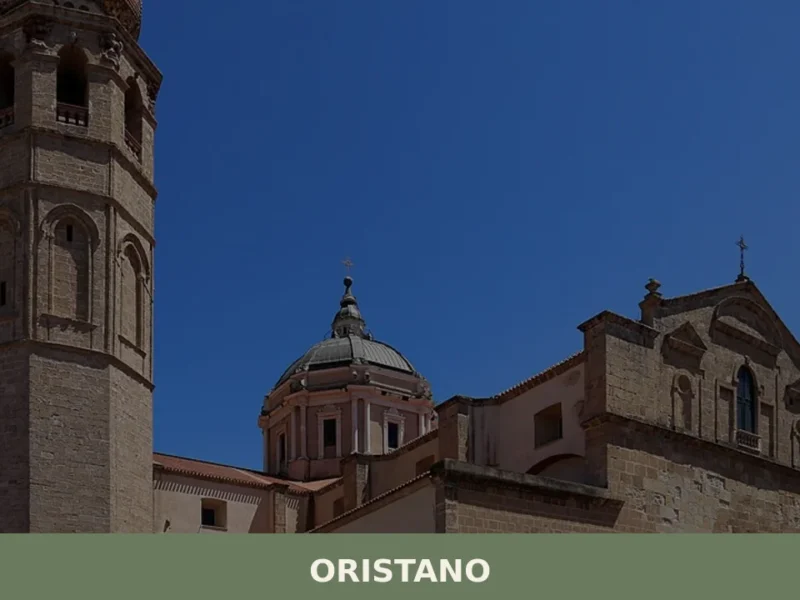
Oristano
What to see in Oristano: 31,095 inhabitants, medieval Giudicato history, the Sartiglia festival and Cabras bottarga. Discover towers, museums and the cathedral. Plan your visit now.
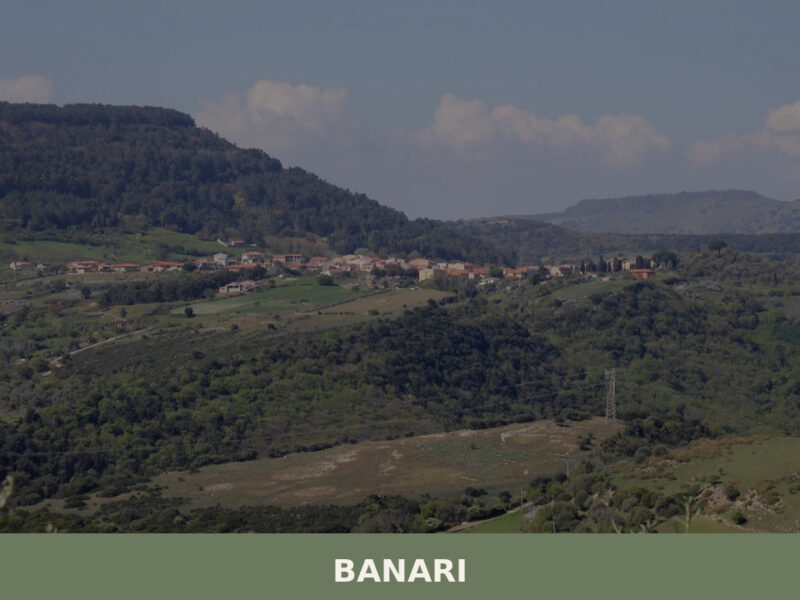
Banari
Morning light catches the limestone facades along Via Roma, turning them the colour of raw honey. A rooster calls from behind a courtyard wall. Somewhere below, the Meilogu plain stretches north toward Sassari, its patchwork of olive groves and grain fields still holding the night’s mist. Banari — population 516, perched at 419 metres above […]
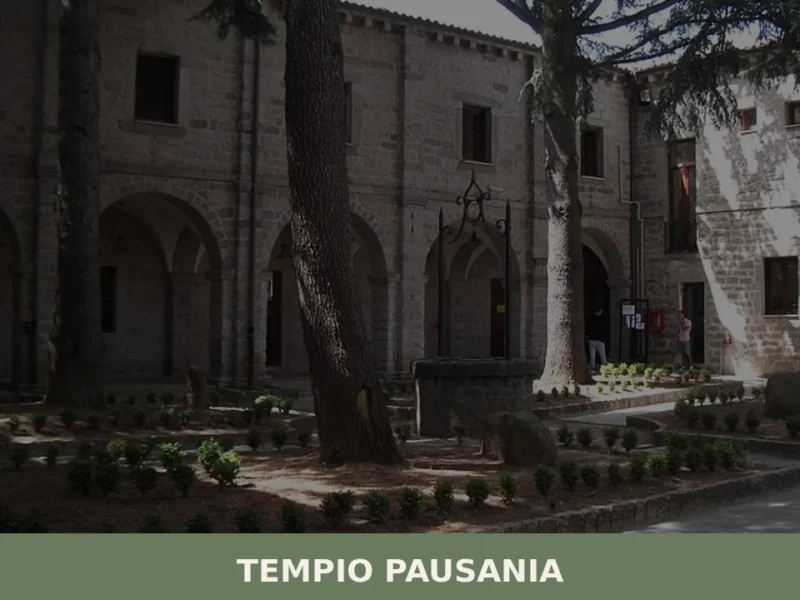
Tempio Pausania
What to see in Tempio Pausania: granite city at 566m, 13,196 residents. Discover the Gothic cathedral, Monte Limbara, suppa cuata and Sardinia's only DOCG wine.

📝 Incorrect information or updates?
Help us keep the Cagliari page accurate and up to date.