


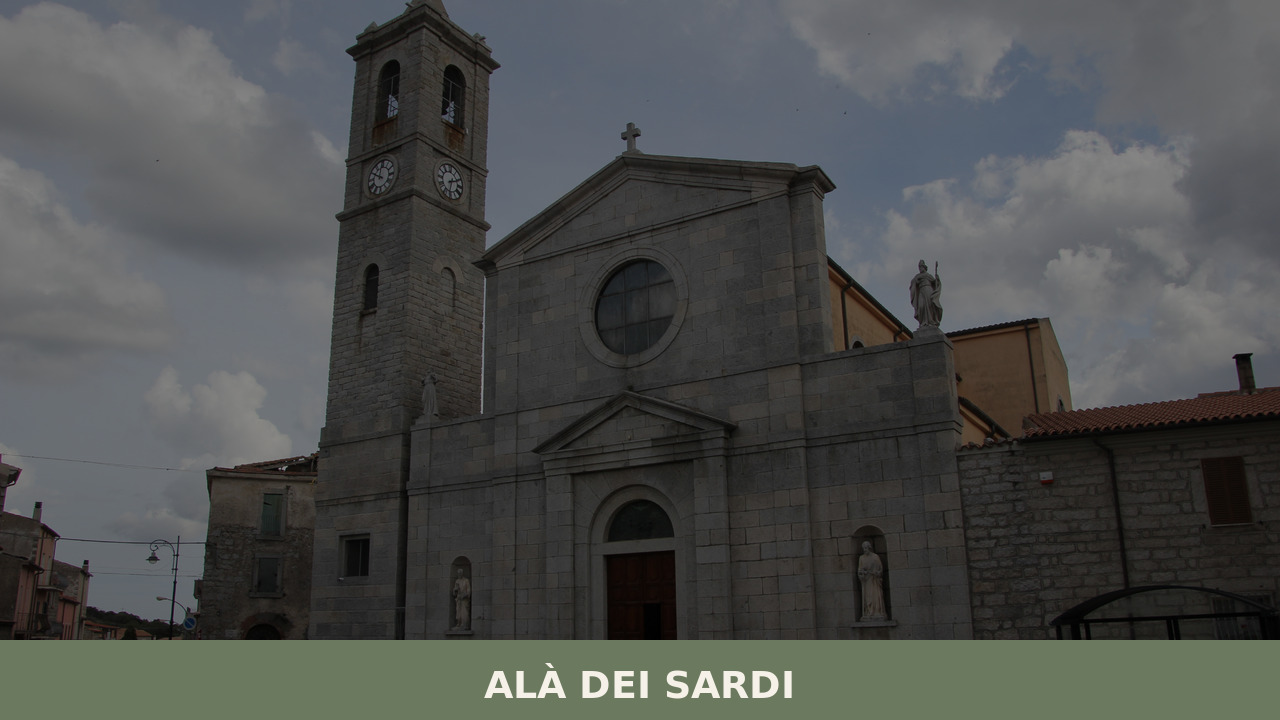
Alà dei Sardi
 Mountain
Morning mist rolls off the granite plateau and settles in the narrow streets, carrying the smell of woodsmoke and fresh bread from a communal oven that has not changed position in two centuries. At 663 metres above sea level, the air here is thinner, cooler, and quieter than on the coast below. Alà dei Sardi […]
Discover Alà dei Sardi
Morning mist rolls off the granite plateau and settles in the narrow streets, carrying the smell of woodsmoke and fresh bread from a communal oven that has not changed position in two centuries. At 663 metres above sea level, the air here is thinner, cooler, and quieter than on the coast below. Alà dei Sardi — population 1,760 — occupies a stretch of high ground in the province of Sassari where the interior of Sardegna reveals a landscape of wind-bent oaks, ancient stone, and a silence that demands attention. Knowing what to see in Alà dei Sardi begins with understanding this austere, compelling terrain.
History of Alà dei Sardi
The name “Alà” likely derives from the pre-Roman root ala, a term connected to sacred or elevated ground in the languages of Sardegna’s earliest inhabitants. The suffix “dei Sardi” was appended after Italian unification in 1861 to distinguish it from the Piedmontese town of Alà di Stura. Long before official designations, this territory was marked by human presence: the surrounding countryside holds nuraghi, domus de janas (rock-cut tombs), and other remnants of the Nuragic civilisation that shaped the island between the 18th and 2nd centuries BCE.
During the medieval period, Alà fell within the Giudicato di Gallura, one of the four independent kingdoms that governed Sardegna from roughly the 9th to the 15th century. When Gallura was absorbed into the Kingdom of Sardinia, the village passed through feudal hands — Aragonese, then Spanish, then Savoyard — each leaving traces in law, language, and architecture but never quite breaking the pastoral identity of the community. Cattle herding and subsistence farming defined centuries of daily life.
Well into the 19th century, Alà dei Sardi was known across the island for the phenomenon of the bardana — organised cattle raids conducted by groups of mounted men against neighbouring territories. The last documented bardana took place in 1870, an event so significant to local memory that it has been commemorated in public art on the village walls. This was not mere banditry; it was a codified social practice rooted in a pastoral economy where livestock represented wealth, honour, and survival.
What to see in Alà dei Sardi: 5 must-visit attractions
1. Chiesa di Sant’Agostino
The parish church of Sant’Agostino stands at the centre of the village, its stone facade worn to a warm grey by centuries of highland weather. The building combines late-Gothic and Renaissance elements typical of Sardinian ecclesiastical architecture. Inside, a single nave leads to a barrel-vaulted ceiling. The church serves as the focal point for the village’s principal religious festivals, drawing the community together in a rhythm that has not substantially altered in generations.
2. Graniti di Senalonga
A few kilometres outside the village, the granite formations of Senalonga rise from the scrubby plateau like the bones of the island itself. Wind and water have sculpted these tafoni — naturally hollowed rocks — into shapes that shift with the light. The site offers an unmediated encounter with the geological forces that built central Sardegna, and it is accessible on foot via unpaved tracks through cork oak woodland.
3. Murales of the Last Bardana
Painted on a wall in the village centre, this mural depicts the 1870 bardana — the final organised cattle raid from Alà dei Sardi. The artwork captures mounted riders moving livestock across open terrain. It functions as both public art and historical document, a visual marker of the village’s pastoral past. Unlike the more famous murals of Orgosolo, these paintings remain relatively unknown, which lends them an unvarnished authenticity.
4. Panoramic Viewpoints of the Altopiano
From several points along the village’s edges and the surrounding roads, the high plateau unfolds to the horizon — a patchwork of grazing land, maquis scrub, and wind farms whose modern turbines turn slowly against a backdrop of ancient topography. On clear days, the view reaches toward Monte Limbara to the north. The elevation and open terrain produce light conditions — sharp, raking, Mediterranean — that shift dramatically from dawn to dusk.
5. Archaeological Sites in the Surrounding Territory
The countryside around Alà dei Sardi contains scattered remnants of Nuragic and pre-Nuragic occupation, including nuraghi (stone towers) and domus de janas (prehistoric chamber tombs carved into rock). Many of these sites are unmarked and require local knowledge to locate, which makes them all the more rewarding. The Sardinia Tourism Board provides regional guides to archaeological itineraries in the area.
Local food and typical products
The cuisine of Alà dei Sardi belongs to the pastoral tradition of inland Sardegna. Roast suckling pig (porceddu), prepared over aromatic wood — myrtle, juniper, holm oak — remains the centrepiece of festive meals. Sheep’s milk cheeses are produced locally, ranging from fresh ricotta to aged pecorino; Sardegna’s Pecorino Sardo DOP and Fiore Sardo DOP are both widely available in the area. Bread-making follows old forms: pane carasau, the paper-thin flatbread, and the thicker pane frattau layered with tomato, egg, and cheese are staples.
Home-made pasta includes malloreddus (small semolina gnocchi) and culurgiones (stuffed pasta parcels with potato and mint filling). Local honey, harvested from bees that forage on the plateau’s wild herbs, carries the flavour of rosemary and thistle. Wine from the surrounding region tends toward robust Cannonau reds. Dining options in the village are limited to a small number of trattorie and agriturismi in the surrounding countryside, where meals are served communally and menus follow the season rather than a printed card.
Best time to visit Alà dei Sardi
Late spring — May and June — brings wildflowers to the plateau and temperatures that hover between 18°C and 25°C, ideal for walking the granite formations and archaeological sites without the oppressive heat that blankets lower elevations in July and August. Autumn, particularly October, offers warm days, cooler evenings, and the start of mushroom-foraging season in the surrounding cork oak woods. The feast day of Sant’Agostino, the patron saint, is the village’s principal community event, involving processions, traditional costumes, and communal meals that expose the social fabric of the place more clearly than any museum could.
Winter at 663 metres is cold by Sardinian standards — temperatures can drop near freezing at night — but the village gains a stark, depopulated beauty. Fog and low cloud wrap around the granite outcrops, and the few visitors who come in this season will have the landscape almost entirely to themselves. Practical note: limited accommodation means booking ahead is advisable in any season. A car is essential.
How to get to Alà dei Sardi
The nearest airport is Olbia Costa Smeralda, approximately 60 kilometres to the northeast — roughly one hour by car. From Olbia, take the SS 597 westward toward Monti, then follow the SP 24 south to Alà dei Sardi. From Sassari, the provincial capital, the drive is approximately 100 kilometres southeast via the SS 597, taking around 90 minutes. From Cagliari, the island’s capital, the distance is roughly 230 kilometres — a drive of approximately three hours via the SS 131 and SS 389.
There is no railway station in Alà dei Sardi. The nearest rail connection is at Ozieri-Chilivani, about 40 kilometres to the northwest, served by Trenitalia regional services from Sassari and Cagliari. ARST buses connect Alà dei Sardi to Olbia and other regional centres, though services are infrequent, particularly on weekends. Renting a car at Olbia airport is the most practical option for reaching the village and exploring the surrounding territory.
More villages to discover in Sardegna
The interior of Sardegna rewards slow, deliberate exploration. From Alà dei Sardi, the territory opens into a network of small communities, each with its own geological character and cultural inheritance. To the south, the village of Buddusò shares the same high granite plateau and a long tradition of pastoral life; its renowned granite quarries have supplied building material across the island and beyond, and the drive between the two villages passes through cork oak forest and, increasingly, the white towers of the Alà-Buddusò wind farm.
Heading northwest toward the coast, the village of Monti marks the transition from highland to lowland, sitting at the edge of the Vermentino di Gallura wine-producing zone. The shift in altitude, vegetation, and light between Alà dei Sardi and Monti — barely 30 kilometres apart — illustrates how dramatically Sardegna’s landscape can change within a single hour’s drive, a fact that no map fully conveys.
Frequently asked questions about Alà dei Sardi
What is the best time to visit Alà dei Sardi?
Late spring (May–June) is ideal: wildflowers cover the granite plateau, temperatures stay between 18°C and 25°C, and the terrain is perfect for walking without coastal summer heat. October brings warm days, cool evenings, and mushroom-foraging season in the cork oak woods. The most important community event is the Feast of Sant'Agostino on 28 August, featuring processions, traditional costumes, and communal meals — the best occasion to experience the village's living culture. Winter is cold and atmospheric but requires preparation, as temperatures can drop near freezing at night.
What are the historical origins of Alà dei Sardi?
The name derives from the pre-Roman root ala, linked to sacred or elevated ground in ancient Sardinian languages. The suffix 'dei Sardi' was added after Italian unification in 1861 to distinguish it from Alà di Stura in Piedmont. The surrounding territory holds Nuragic and pre-Nuragic remains — nuraghi and domus de janas — dating to between the 18th and 2nd centuries BCE. In the medieval period, Alà belonged to the Giudicato di Gallura. The village was historically known for the bardana, a codified form of organised cattle raiding; the last documented episode occurred in 1870.
What to see in Alà dei Sardi? Main monuments and landmarks
The Chiesa di Sant'Agostino, in the village centre, is the main architectural landmark: a stone parish church combining late-Gothic and Renaissance elements, with a single nave and barrel-vaulted ceiling. The Mural of the Last Bardana, painted on a wall in the village centre, depicts the 1870 cattle raid and serves as both public art and historical document. Outside the village, the granite formations of Senalonga — wind-sculpted tafoni rising from the plateau — are accessible on foot through cork oak woodland. Scattered Nuragic sites in the surrounding countryside complete the archaeological picture.
What are the main natural or scenic attractions of Alà dei Sardi?
The Graniti di Senalonga are the standout natural feature: granite outcrops sculpted by wind and water into tafoni formations, set within cork oak woodland a few kilometres from the village. The high plateau (altopiano) at 663 metres offers open views toward Monte Limbara to the north, with light that shifts dramatically from dawn to dusk. Autumn brings mushroom-foraging season to the surrounding woods. The landscape between Alà dei Sardi and Buddusò — cork oak forest and wind farm — is particularly striking and easily explored by car.
Where to take the best photos in Alà dei Sardi?
The Graniti di Senalonga offer the most dramatic photographic conditions: wind-sculpted tafoni rocks against open sky, best in early morning or late afternoon when the Mediterranean light rakes across the granite surfaces. The panoramic viewpoints along the village's edges and surrounding roads frame the plateau stretching toward Monte Limbara — especially photogenic at dawn when mist settles in the valley below. The Mural of the Last Bardana in the village centre provides a striking subject combining pastoral history and public art in a single composition.
Are there museums, churches or historic buildings to visit in Alà dei Sardi?
The Chiesa di Sant'Agostino is the village's principal historic building: a stone church in the centre combining late-Gothic and Renaissance elements, active as a place of worship and focal point for the 28 August patron saint festivities. The Mural of the Last Bardana, depicting the 1870 bardana on a village-centre wall, functions as an open-air historical document. The archaeological sites in the surrounding countryside — nuraghi and domus de janas — represent the oldest built heritage; many are unmarked and best visited with local guidance or regional archaeological itineraries from the Sardinia Tourism Board.
What can you do in Alà dei Sardi? Activities and experiences
Walking and hiking the granite plateau around Senalonga via unpaved tracks through cork oak woodland is the primary outdoor activity. Autumn mushroom-foraging in the surrounding woods is a seasonal pursuit. Dining at local agriturismi offers communal, seasonal meals centred on roast porceddu and pastoral Sardinian cuisine. The Feast of Sant'Agostino on 28 August provides an immersive experience of village tradition through processions, costume, and shared meals. The drive to neighbouring Buddusò through cork oak forest and past the Alà-Buddusò wind farm makes for a rewarding half-day excursion.
Who is Alà dei Sardi suitable for? Families, couples, hikers, solo travelers?
Alà dei Sardi suits independent travellers who prefer authenticity over infrastructure. Hikers and nature enthusiasts will find rewarding terrain in the granite plateau and cork oak woodland. History and archaeology lovers can explore Nuragic sites and the village's documented bardana heritage. Couples seeking a quiet, atmospheric highland retreat — particularly in spring or autumn — will appreciate the solitude and landscape. Families should note that facilities are limited and a car is essential. The village is less suited to those expecting tourist amenities, beach access, or a lively nightlife scene.
What to eat in Alà dei Sardi? Local products and specialties
The cuisine follows inland Sardegna's pastoral tradition. Porceddu — roast suckling pig cooked over myrtle, juniper, or holm oak — is the centrepiece of festive meals. Locally produced sheep's milk cheeses include fresh ricotta and aged pecorino; Pecorino Sardo DOP and Fiore Sardo DOP are both available in the area. Pasta dishes include malloreddus (semolina gnocchi) and culurgiones (potato and mint stuffed parcels). Pane carasau and pane frattau represent the local bread tradition. Local honey from plateau-foraging bees carries flavours of rosemary and thistle. Robust Cannonau red wine accompanies most meals.
Nearby Villages near Alà dei Sardi
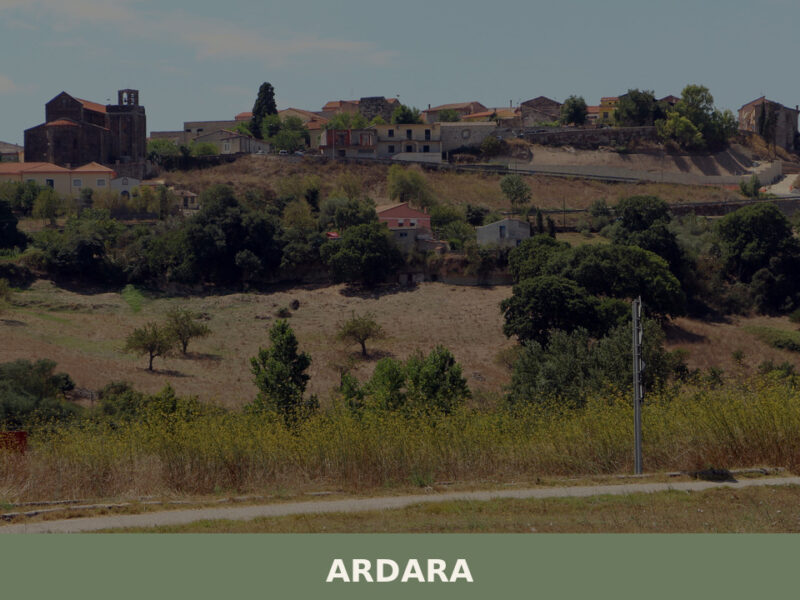
In Sardinia More villages to discover
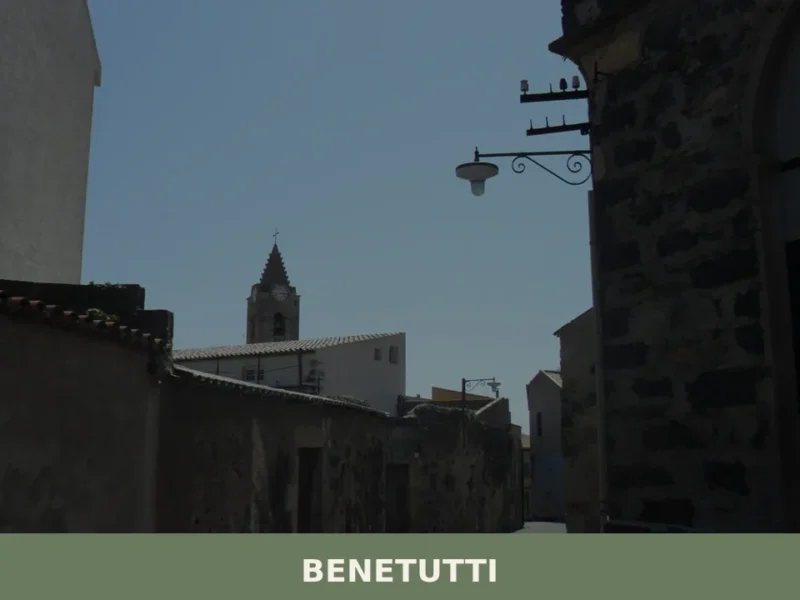
Benetutti
 Hills
Hills
The thermal springs of San Saturnino, known since Roman times for their waters emerging at 43°C, define the identity of Benetutti more than any other element. This village of 1,686 inhabitants, at 406 metres above sea level in the province of Sassari, occupies a stretch of the Rio Tirso valley between granite formations and expanses […]
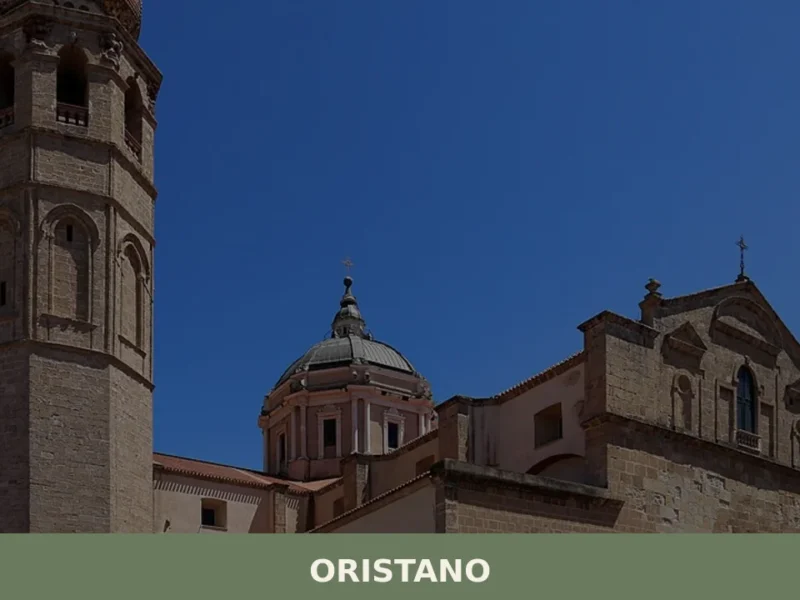
Oristano
 Sea
Sea
What to see in Oristano: 31,095 inhabitants, medieval Giudicato history, the Sartiglia festival and Cabras bottarga. Discover towers, museums and the cathedral. Plan your visit now.
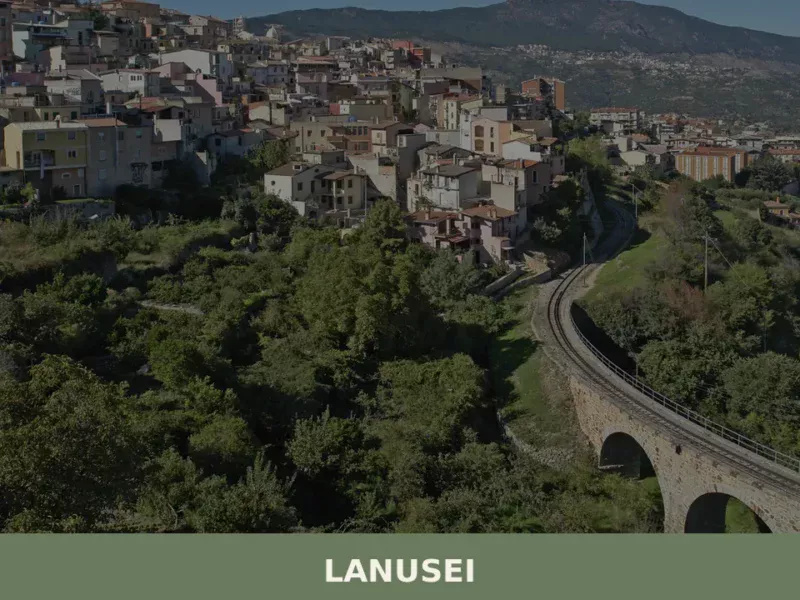
Lanusei
Sea
What to see in Lanusei, a Sardinian town at 595 m with 5,468 residents. Visit the Cathedral of Santa Maria Maddalena, the Natural History Museum and Gorropu Gorge. Plan your trip now.
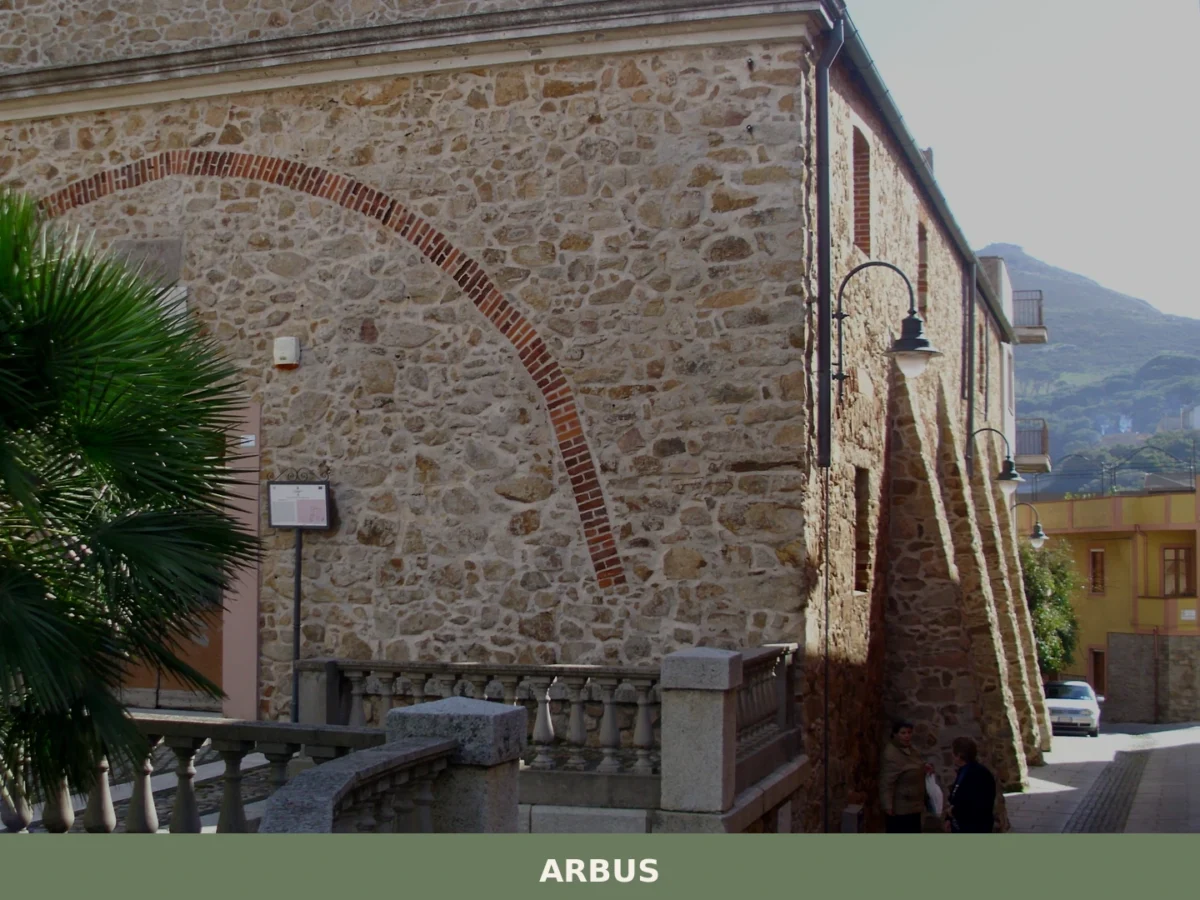
Arbus
Hills
What to see in Arbus, Sardegna, Italy: explore coastal cliffs, historic mining sites and local food traditions. Discover the best of this South Sardinia village.
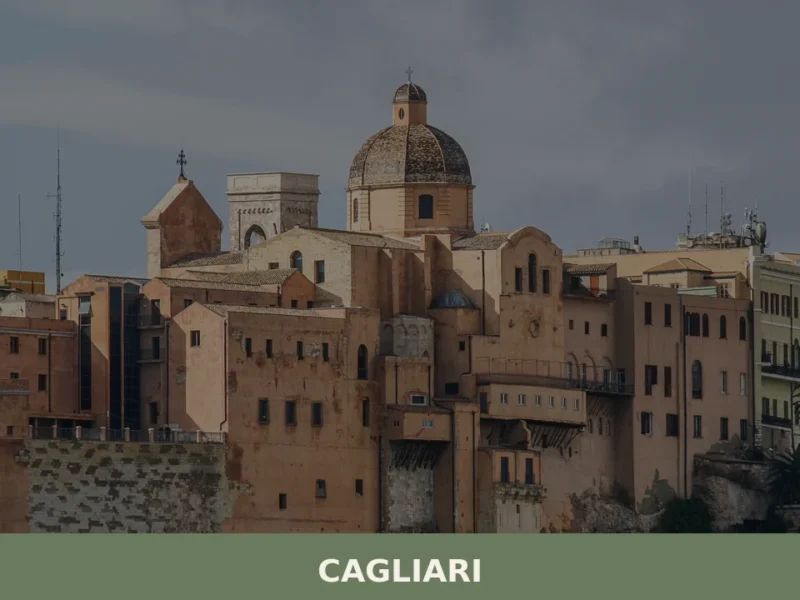
Cagliari
Sea
Discover Cagliari, a charming village in Sardegna, Italy. Explore its rich history, stunning landscapes, and local culture in the heart of Sardinia.
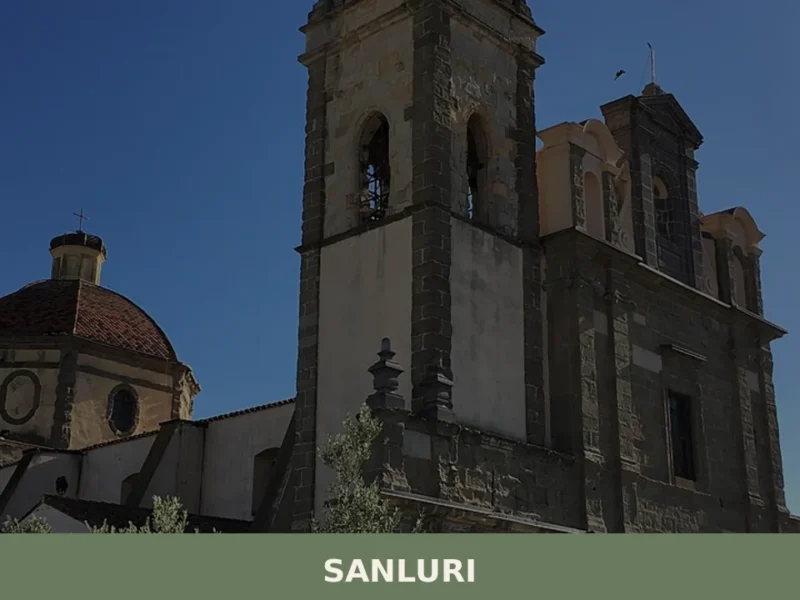
Sanluri
 Plains
Discover Sanluri, a charming village in Sardegna, Italy, rich in history, culture, and stunning landscapes. Plan your visit today!
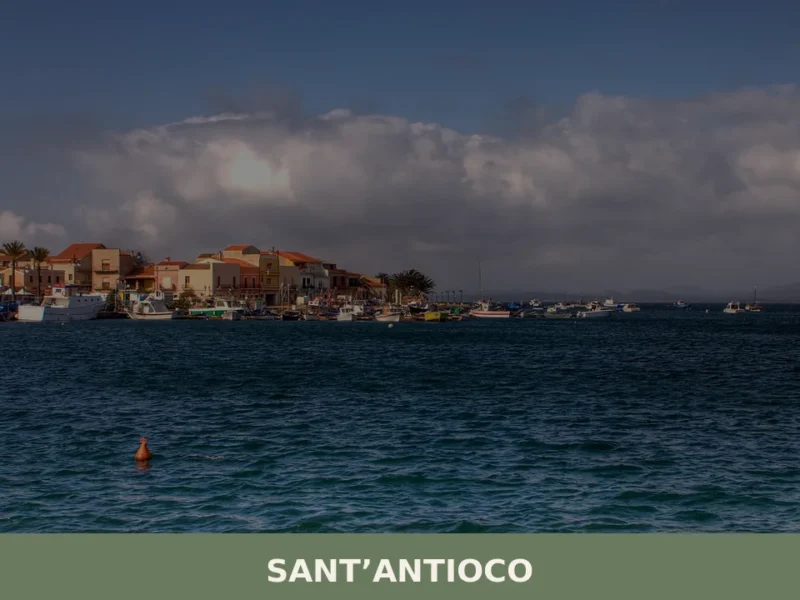
Sant’Antioco
Sea
what to see a Sant’Antioco? Scopri le 5 attractions principali, dalla Basilica alle Catacombe, per un viaggio in history e in cultura sarda.
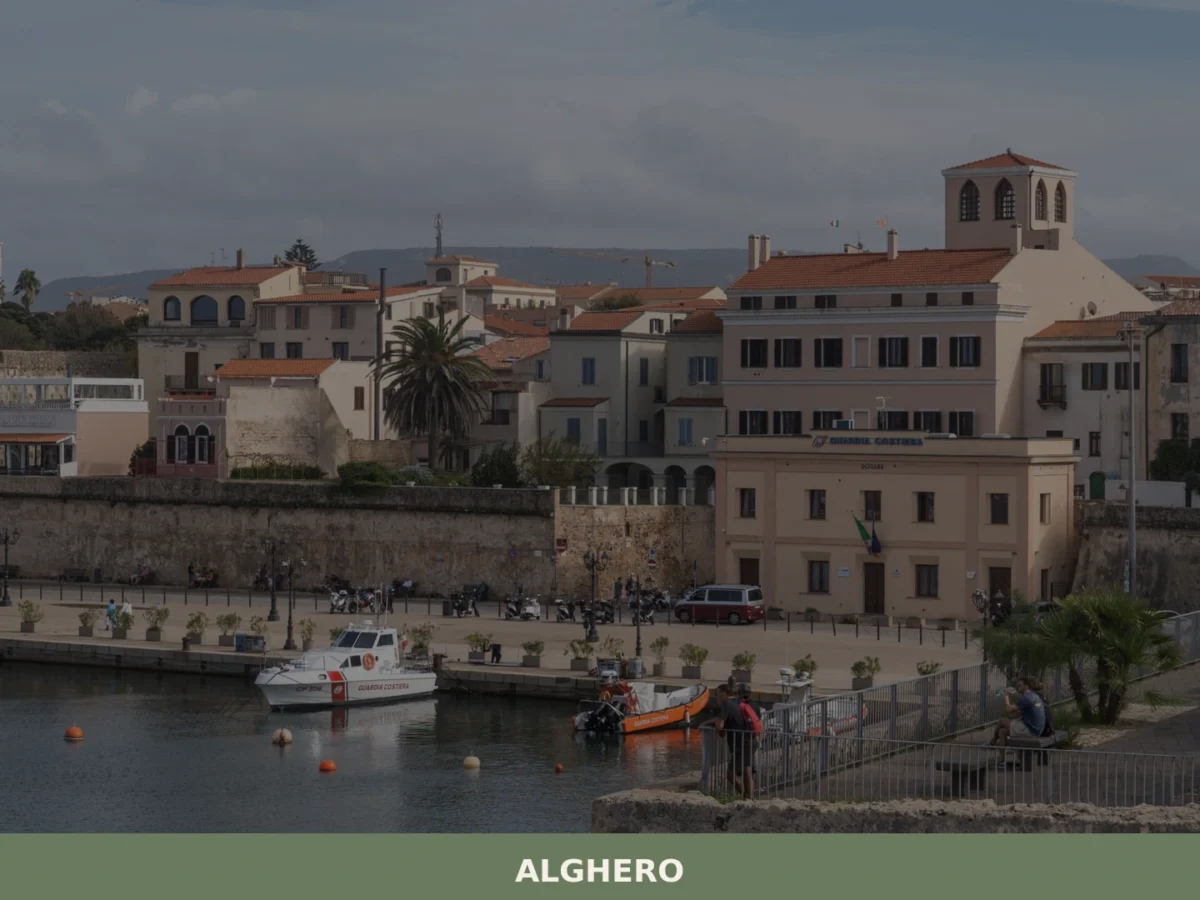
Alghero
Sea
What to see in Alghero: from the Aragonese walls to the Neptune's Grotto, discover the 5 top attractions. Read the full guide to plan your visit.
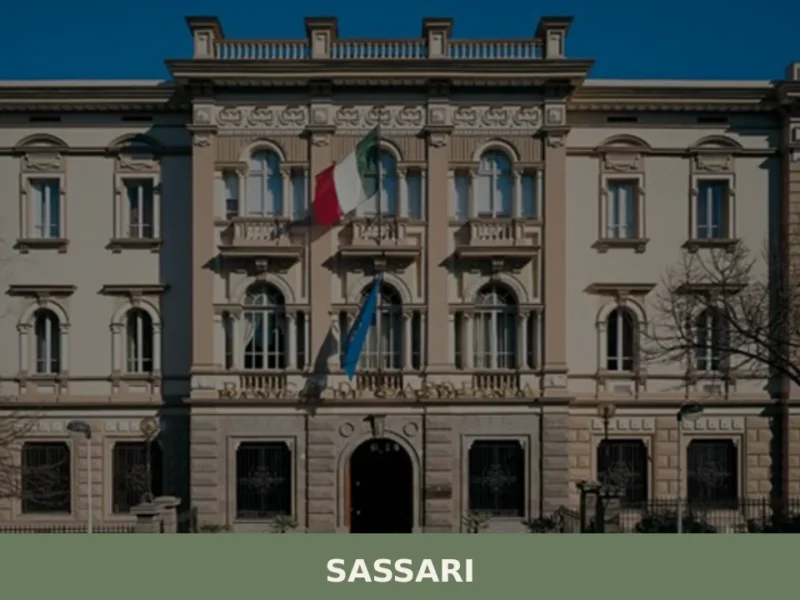
Sassari
Sea
Discover Sassari, a captivating village in Sardegna, Italy. Explore its rich history, vibrant culture, stunning architecture, and authentic Italian charm.
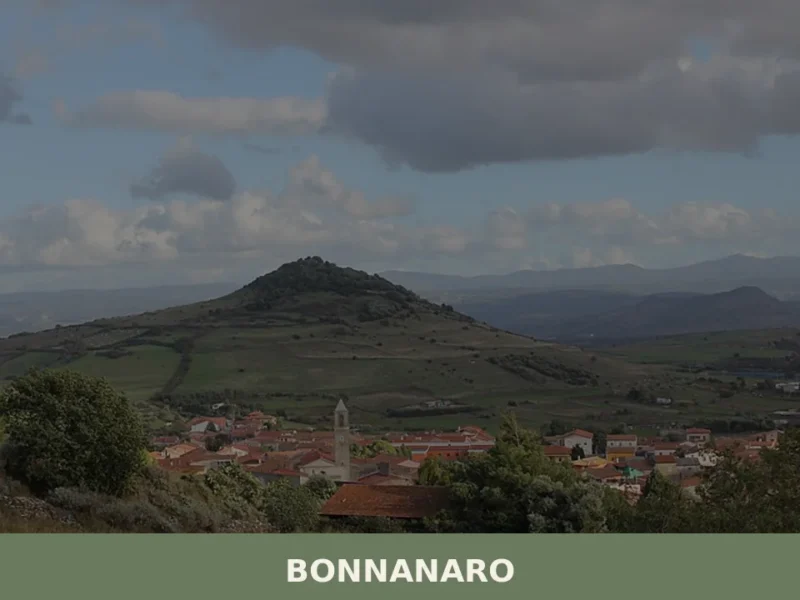
Bonnanaro
Hills
In 1388, when representatives of the Sardinian villages signed the peace treaty with the Crown of Aragon, among the signatories was the village of Bonnanaro, an agricultural centre already known for the fertility of its volcanic soils on the slopes of Monte Pelao. Today this village of 921 inhabitants, situated at 405 metres above sea […]


🏡 Know Alà dei Sardi better than we do?
If you’re a local or have been there, your knowledge matters: add what’s missing or fix a detail on this page.