


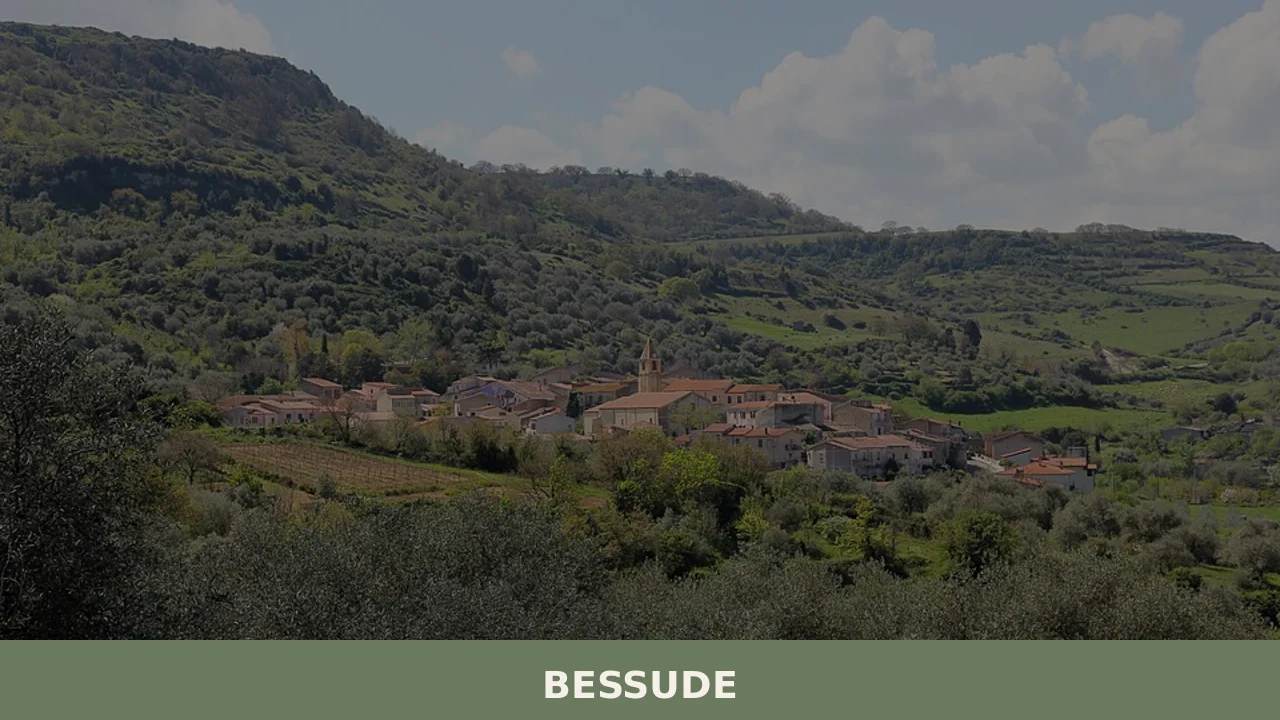
Bessude
 Hills
Hills
At 447 meters above sea level, with a population of 383 inhabitants as of 2023, Bessude is a small town in Logudoro-Meilogu, in the province of Sassari, whose existence is documented at least since 1341 in the Rationes Decimarum Sardiniae. The village, known for its hilly location and the Nuragic remnants that surround its territory, […]
Discover Bessude
At 447 meters above sea level, with a population of 383 inhabitants as of 2023, Bessude is a small town in Logudoro-Meilogu, in the province of Sassari, whose existence is documented at least since 1341 in the Rationes Decimarum Sardiniae. The village, known for its hilly location and the Nuragic remnants that surround its territory, offers a glimpse of a less-traveled part of Sardinia, yet rich in historical and cultural references. Those wondering what to see in bessude will find a context where archaeology and rural life merge, offering insights into the persistence of ancient traditions and the specific character of the Sardinian landscape.
History and Origins of Bessude
The name Bessude, according to some interpretations, might derive from the Sardinian term “bessu” or “bessudu,” indicating a place rich in mastic trees. This etymology, though not universally accepted, suggests a deep connection with the surrounding natural environment, characterized by Mediterranean scrubland. The first documented records of the inhabited center date back to the medieval period, when Bessude was part of the Curatoria di Meilogu, one of the administrative entities into which the Giudicato of Torres was divided. Its strategic position in the Sardinian interior made it a reference point for pastoral and agricultural communities over the centuries.
The territory of Bessude has been inhabited since prehistory, as evidenced by numerous archaeological findings. The Nuragic civilization left a significant mark, with the presence of several nuraghi and megalithic complexes. Subsequently, Aragonese and then Spanish control influenced the social and urban organization of the village, although its identity remained strongly tied to the island’s internal dynamics. Today, Bessude represents an example of a smaller center that maintains ties with its past, visible in the architecture of its houses and the preservation of rituals and festivities.
For more in-depth information on Sardinian history and its villages, you can consult the Bessude page on Wikipedia.
What to see in Bessude: 5 attractions
1. Church of San Martino di Tours
Dedicated to the village’s patron saint, the Church of San Martino di Tours is the main religious building in Bessude. Its structure, despite undergoing modifications over the centuries, retains elements that tell its story. Inside, the altar and sacred artworks reflect the community’s devotion. Every November 11th, the church becomes the focal point of celebrations in honor of the saint.
2. Church of Santa Croce
Located in the historic center, the Church of Santa Croce is another important testament to local faith. Smaller in size than the parish church, it features simple but significant architecture. Its origins are lost to time, and the church is often used for minor celebrations or as a gathering place for confraternities.
3. Nuraghe Lugherras
The territory of Bessude is dotted with archaeological sites. Among these, Nuraghe Lugherras stands out for its imposing size. This megalithic construction, dating back to the Bronze Age, represents one of the most significant testaments to the Nuragic civilization in the area. Observing it allows one to grasp the engineering complexity and strategic importance of these ancient structures.
4. Domus de Janas of S’Elighe de Turalva
The Domus de Janas, or “fairy houses,” are prehistoric rock-cut tombs. Those of S’Elighe de Turalva, in the territory of Bessude, offer an opportunity to understand the funerary rites and beliefs of the populations who inhabited Sardinia millennia ago. These hypogea represent an archaeological heritage of considerable interest.
5. Funtana Manna
Funtana Manna is an ancient spring that played a central role in the daily life of the village. For centuries, it served as the main water supply point and a meeting place for the community. Its stone structure, with washing basins, is an example of functional architecture linked to the needs of rural life.
Traditional Cuisine and Local Products
The cuisine of Bessude, like that of much of Logudoro, is deeply rooted in the Sardinian agro-pastoral tradition. Among the iconic products is Pecorino Sardo DOP, a hard or semi-hard cheese made from sheep’s milk, known for its strong flavor and versatility in cooking. Alongside pecorino, pane carasau, thin and crispy bread, is an indispensable accompaniment to any meal. Fresh pasta, such as malloreddus (Sardinian gnocchetti) or culurgiones (filled ravioli), often seasoned with hearty meat or tomato and pecorino sauces, represents a staple of local gastronomy.
Meats, particularly lamb and kid, are central to slow-roasted and flavorful dishes, often seasoned with Mediterranean aromatic herbs. Among desserts, seadas, fried pastries filled with fresh, tangy cheese and drizzled with honey, offer a contrast of flavors that traditionally concludes the meal. The production of extra virgin olive oil, thanks to the olive groves that characterize the hilly landscape, helps define the area’s flavor profile. Local festivals, often linked to agricultural products or holidays, offer an opportunity to taste these specialties.
When to Visit Bessude: The Best Time
The best time to visit Bessude depends on the traveler’s interests. Spring (April-May) offers a mild climate and lush nature, ideal for outdoor explorations and visits to archaeological sites, avoiding the intense summer heat. Autumn, particularly November, is significant for the Patron Saint’s Festival of San Martino di Tours, celebrated on November 11th. During this observance, the village comes alive with religious rites and social gatherings, offering a genuine experience of local traditions.
Summer can be hot, but Bessude’s hilly location can offer some relief compared to coastal areas. Winter is generally mild, although the days are shorter. For those seeking tranquility and direct contact with village life, the less crowded off-season months can be particularly rewarding.
How to Get to Bessude
Bessude is located in the interior of Sardinia and is not directly served by major public transport infrastructure. The main access is by road.
- By car: Bessude is accessible via the SS 131, Sardinia’s main road artery. From the SS 131, take the turn-offs for surrounding towns like Thiesi or Ittiri, then continue on minor provincial roads.
- Nearest airports: Alghero-Fertilia Airport (AHO) is approximately 50 km away, while Olbia-Costa Smeralda Airport (OLB) is about 120 km away. From both airports, it is advisable to rent a car to reach Bessude.
- Nearest ports: The port of Porto Torres is approximately 50 km away, and Olbia is about 120 km away.
- Distances:
- From Sassari: approximately 40 km
- From Cagliari: approximately 180 km
- From Alghero: approximately 50 km
Given the scarcity of direct public transport, a car is the most convenient way to explore Bessude and its surroundings.
Other Villages to Discover in Sardinia
The Sardinian interior holds a network of villages, each with its own specific characteristics and stories to tell. Continuing the exploration of the island’s north, to the northeast, is Aggius, a granite settlement in Gallura, known for the Oliva Carta Cannas Ethnographic Museum and its architecture that reflects the harshness and beauty of the surrounding landscape. Aggius offers an interesting contrast to the gentle hills of Logudoro, showcasing the geomorphological and cultural diversity of northern Sardinia.
Moving southeast, into the heart of Goceano, one finds Benetutti. This village is known for its thermal baths and the significant archaeological evidence that dots its territory, including nuraghi and domus de janas. Benetutti represents an example of how ancient history and natural resources can coexist and define a place’s identity, offering visitors the opportunity to deepen their knowledge of a lesser-known but equally captivating part of Sardinia.
{ “seo_title”: “What to see in Bessude: guide to the Logudoro village”, “seo_description”: “Discover what to see in Bessude, a genuine village in Logudoro-Meilogu. History, archaeological attractions like Nuraghe Lugherras, and flavors of Sardinian tradition.”, “focus_keyword”: “what to see in bessude”, “excerpt”: “Bessude, in the
Frequently asked questions about Bessude
What is the best time to visit Bessude?
Spring (April–May) is ideal for visiting Bessude thanks to mild temperatures and lush Mediterranean scrubland, perfect for exploring the archaeological sites without summer heat. Autumn is particularly significant: on November 11th, the village celebrates its patron saint, Martino di Tours, with religious rites and community gatherings that offer an authentic experience of local tradition. Summer is warm but the hilly position at 447 m provides some relief. Off-season months reward those seeking tranquility and genuine contact with village life.
What are the historical origins of Bessude?
Bessude is documented at least since 1341 in the Rationes Decimarum Sardiniae. During the medieval period it belonged to the Curatoria di Meilogu, an administrative division of the Giudicato of Torres. The name may derive from the Sardinian word 'bessu' or 'bessudu', referring to mastic trees, reflecting its deep ties to the surrounding landscape. Aragonese and later Spanish rule shaped its social organization, while Nuragic remains confirm prehistoric settlement long before written records.
What to see in Bessude? Main monuments and landmarks
Bessude offers five main points of interest: the Church of San Martino di Tours, the village's parish church central to the November 11th patron feast; the smaller Church of Santa Croce in the historic center; Nuraghe Lugherras, a Bronze Age megalithic structure of notable size; the Domus de Janas of S'Elighe de Turalva, prehistoric rock-cut tombs offering insight into ancient funerary rites; and Funtana Manna, a historic stone spring with washing basins that was the community's main water source for centuries.
Are there museums, churches or historic buildings to visit in Bessude?
Bessude has two documented churches worth visiting: the Church of San Martino di Tours, the main parish and focal point of the November 11th patron saint celebrations, and the Church of Santa Croce, a smaller building in the historic center used for minor festivities and confraternity gatherings. Both reflect the rural religious architecture typical of Logudoro. Specific opening hours and admission information are not publicly listed; it is advisable to check locally upon arrival or contact the municipal office.
What can you do in Bessude? Activities and experiences
Bessude is well suited for archaeological exploration: visiting Nuraghe Lugherras and the Domus de Janas of S'Elighe de Turalva offers direct contact with Sardinian prehistory. The hilly landscape and Mediterranean scrubland invite scenic walks in spring and autumn. The November 11th feast of San Martino di Tours provides an opportunity to participate in authentic local religious and community traditions. The surrounding Logudoro-Meilogu area can be explored by car, combining village visits with rural landscapes and local food and wine experiences.
Who is Bessude suitable for? Families, couples, hikers, solo travelers?
Bessude is best suited for travelers curious about authentic, off-the-beaten-path Sardinia. History and archaeology enthusiasts will appreciate the Nuragic sites and medieval heritage. Couples and slow travelers seeking tranquility will find the rural atmosphere and hilly landscape rewarding. Those interested in local traditions and religious festivals will value the November 11th patron saint celebrations. Families with children interested in prehistory can enjoy the accessible archaeological sites. It is not a destination for beach tourism or nightlife, but rather for cultural immersion and quiet discovery.
What to eat in Bessude? Local products and specialties
Bessude's cuisine reflects the agro-pastoral tradition of Logudoro. Key products include Pecorino Sardo DOP, a sheep's milk cheese with a strong, distinctive flavor, and pane carasau, the thin crispy flatbread emblematic of Sardinian rural culture. Fresh pasta such as malloreddus (Sardinian gnocchetti) and culurgiones (filled pasta parcels) are local staples. Lamb and kid, slow-roasted with aromatic herbs, are central meat dishes. Seadas, fried pastry filled with tangy fresh cheese and drizzled with honey, are the traditional dessert. Local extra virgin olive oil completes the flavor profile of the area.
Nearby Villages near Bessude
In Sardinia More villages to discover
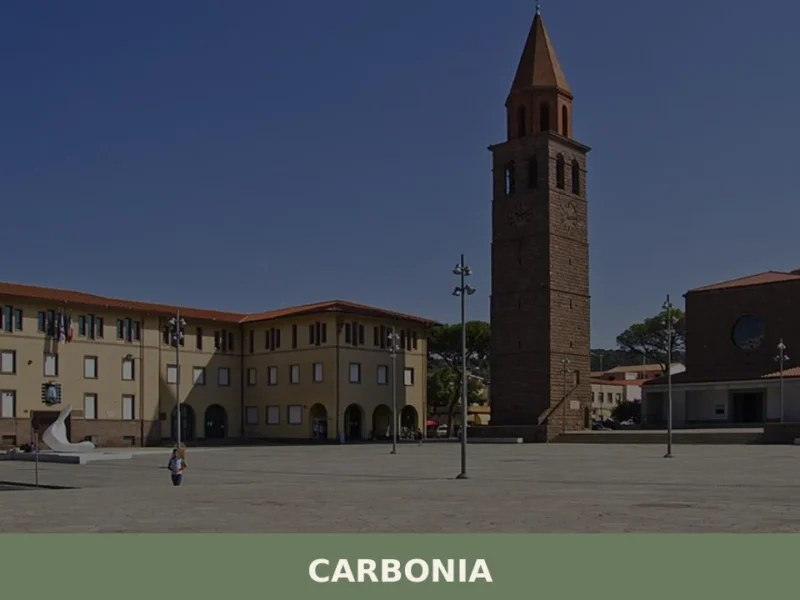
Carbonia
 Plains
What to see in Carbonia: 28,684 residents, rationalist architecture, and Nuragic sites in Sulcis Iglesiente. Plan your visit to the Coal Museum and Monte Sirai.
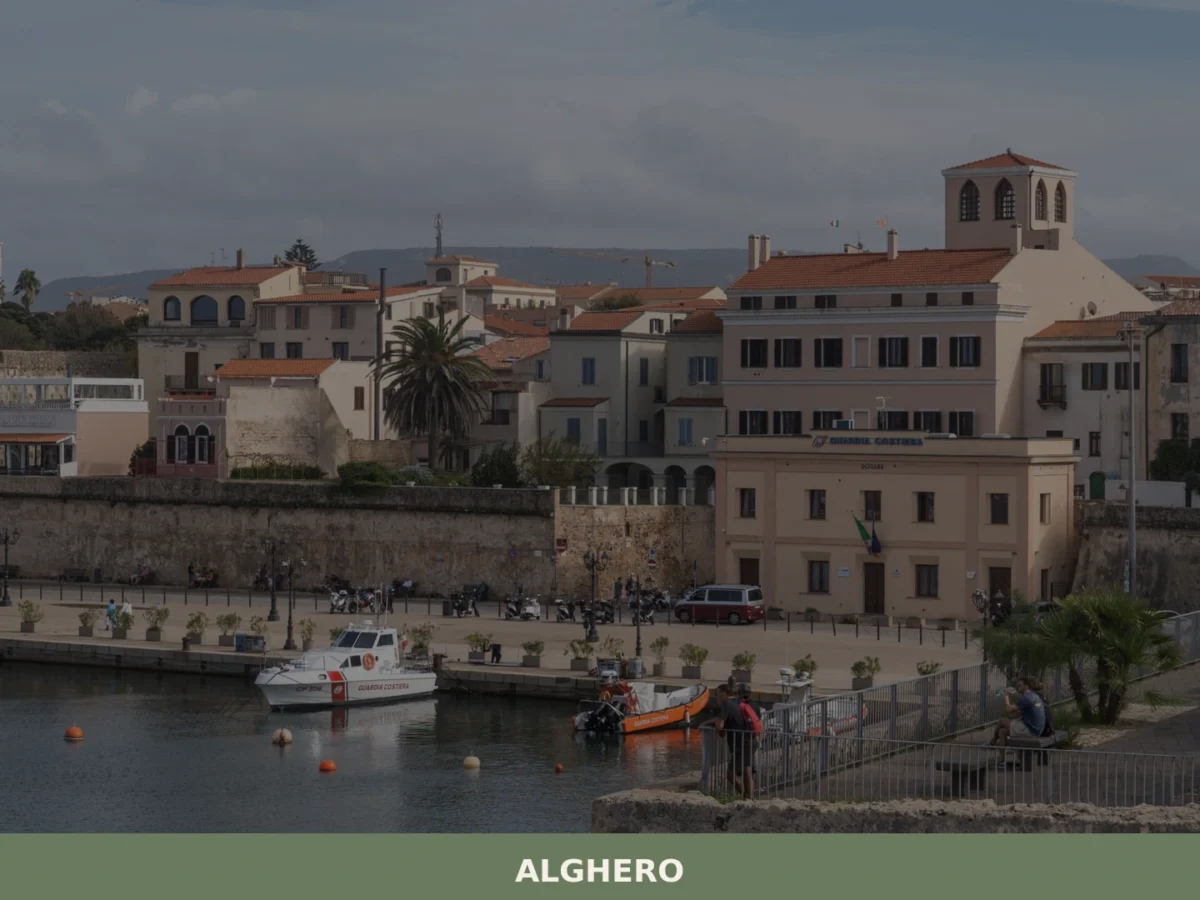
Alghero
 Sea
Sea
What to see in Alghero: from the Aragonese walls to the Neptune's Grotto, discover the 5 top attractions. Read the full guide to plan your visit.
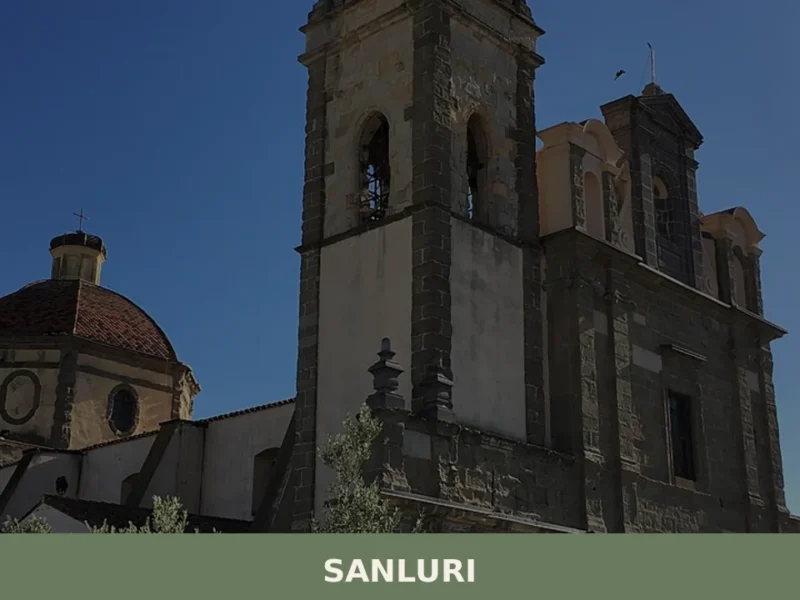
Sanluri
Plains
Discover Sanluri, a charming village in Sardegna, Italy, rich in history, culture, and stunning landscapes. Plan your visit today!

Nuraminis
Plains
Discover Nuraminis, a Sardinian village with ancient nuraghi, Byzantine treasures & a Gothic-Catalan church. Your guide to an unmissable cultural escape.
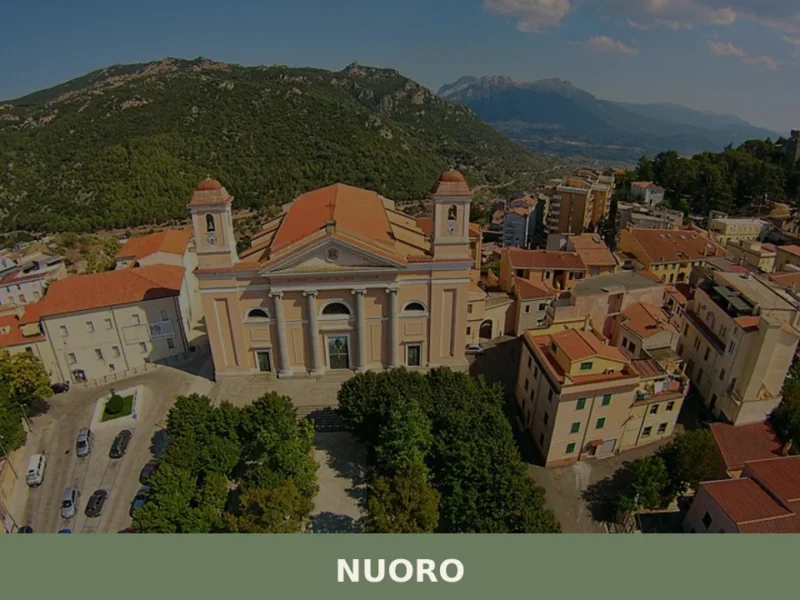
Nuoro
Hills
What to see in Nuoro: a city at 547m with 36,379 residents and birthplace of Nobel laureate Grazia Deledda. Explore museums, Monte Ortobene and Barbaricino cuisine. Plan your visit now.
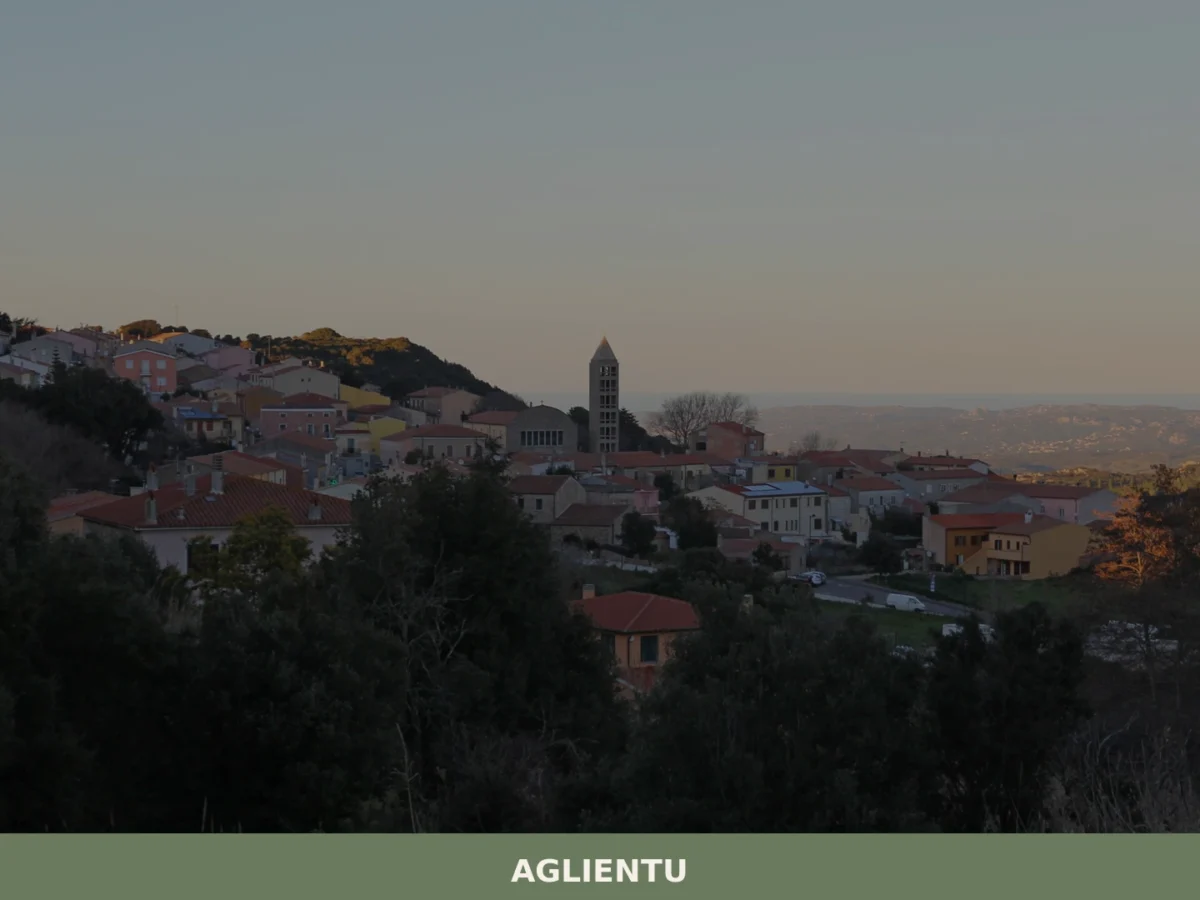
Aglientu
Sea
Discover what to see in Aglientu, a Gallura village in north Sardinia: granite coasts, cork oak landscapes, Nuragic sites, and local pecorino culture.
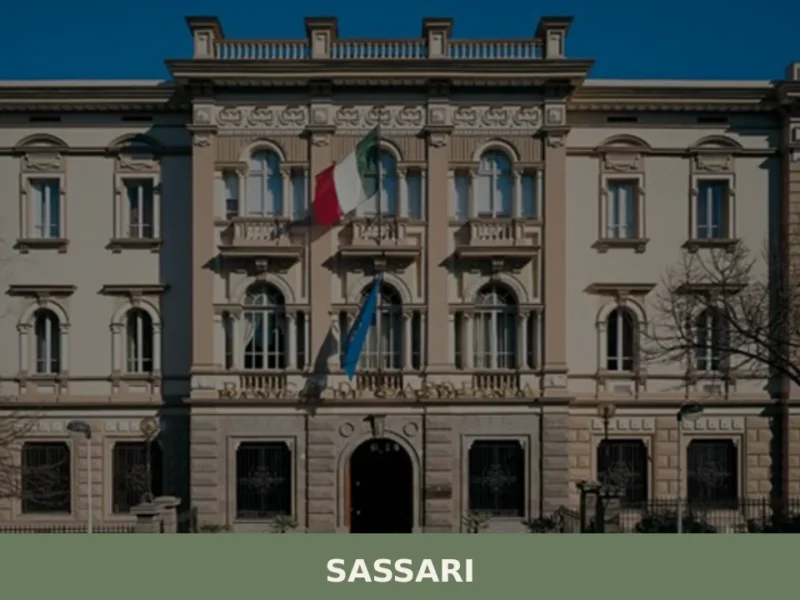
Sassari
Sea
Discover Sassari, a captivating village in Sardegna, Italy. Explore its rich history, vibrant culture, stunning architecture, and authentic Italian charm.
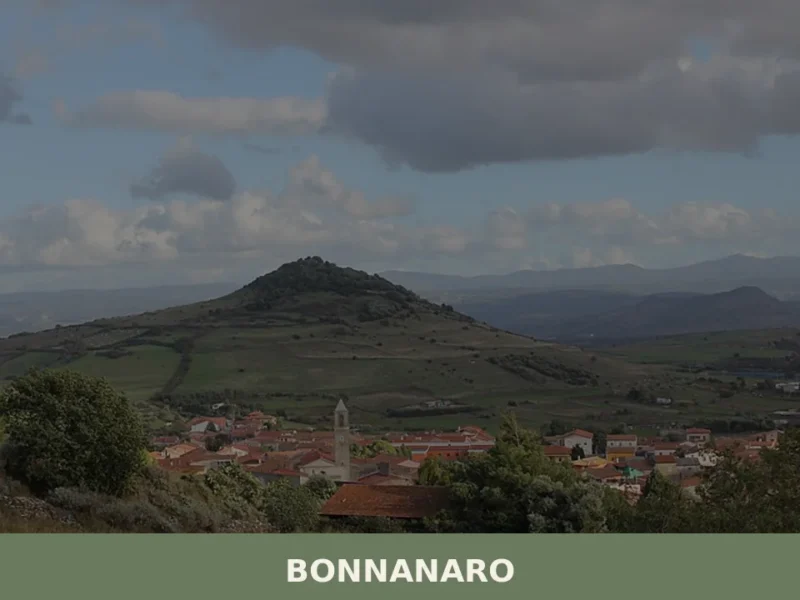
Bonnanaro
Hills
In 1388, when representatives of the Sardinian villages signed the peace treaty with the Crown of Aragon, among the signatories was the village of Bonnanaro, an agricultural centre already known for the fertility of its volcanic soils on the slopes of Monte Pelao. Today this village of 921 inhabitants, situated at 405 metres above sea […]
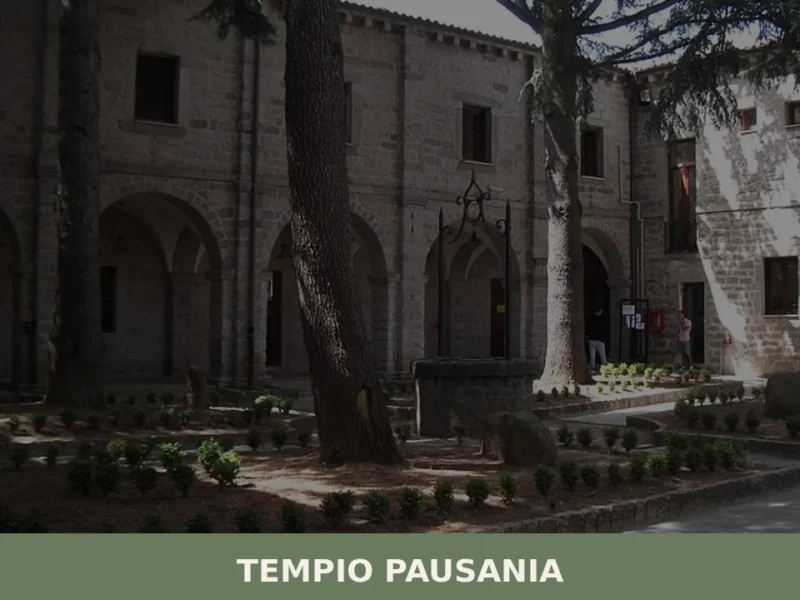
Tempio Pausania
Hills
What to see in Tempio Pausania: granite city at 566m, 13,196 residents. Discover the Gothic cathedral, Monte Limbara, suppa cuata and Sardinia's only DOCG wine.
Anela
Hills
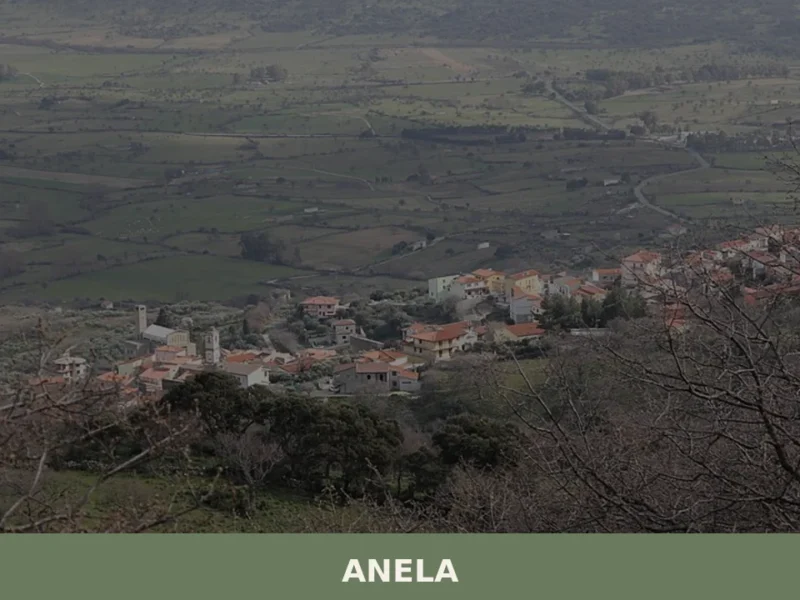
Discover what to see in Anela, Sardinia: Neolithic tombs at Sos Furrighesos, the Chiesa di San Giorgio, highland forests, and authentic pastoral cuisine.




🏡 Know Bessude better than we do?
If you’re a local or have been there, your knowledge matters: add what’s missing or fix a detail on this page.