


Oristano
 Sea
Sea
What to see in Oristano: 31,095 inhabitants, medieval Giudicato history, the Sartiglia festival and Cabras bottarga. Discover towers, museums and the cathedral. Plan your visit now.
Discover Oristano
Oristano stands just 5 metres above sea level, in the centre of the Campidano plain, and is today a city of 31,095 inhabitants that serves as the capital of its namesake province.
Anyone exploring what to see in Oristano will find an urban centre that has passed through centuries of Giudicato, Aragonese and Savoyard rule, retaining significant monuments, a walkable historic centre and a well-established cultural tradition.
The city developed near the Cabras lagoon and the Sinis coast, in a position that historically combined marine resources, intensive agriculture and commercial trade.
History and Origins of Oristano
The origins of Oristano go back to the medieval period, although the surrounding territory had already been inhabited during the Nuragic and Punic-Roman eras.
The city was founded around 1070, when the population of Tharros — the ancient Phoenician colony on the Sinis peninsula — was relocated inland for defensive reasons, driven by Saracen raids along the coast. The name Oristano derives from the medieval Latin Aristiane, a transcription that refers to an area already known in Byzantine and ecclesiastical sources from the first millennium.
This population transfer was a decisive moment in Sardinian history: Tharros, a city that had endured for over a thousand years, was gradually abandoned in favour of the new settlement.
In 1070, Oristano became the capital of the Giudicato of Arborea, one of the four independent kingdoms into which medieval Sardinia was divided.
The giudicato reached its greatest extent between the 13th and 14th centuries, when it controlled much of the island. The most celebrated figure of this period is Eleonora d’Arborea, a giudicessa who ruled from around 1383 to 1404 and who enacted the Carta de Logu, one of the most advanced legal codes in medieval Europe, which remained in force in Sardinia until 1827.
Eleonora remains the most representative historical figure of the city, and her statue stands at the centre of the main square. The Giudicato of Arborea resisted Aragonese conquest longer than any other Sardinian territory, falling definitively only in 1420 at the Battle of Sanluri.
Under Aragonese and later Spanish rule, Oristano retained its status as a major city, episcopal seat and agricultural centre of the plain.
In 1720, along with the rest of Sardinia, it passed to the House of Savoy, entering a process of modernisation that brought new infrastructure and expansion beyond the old city walls.
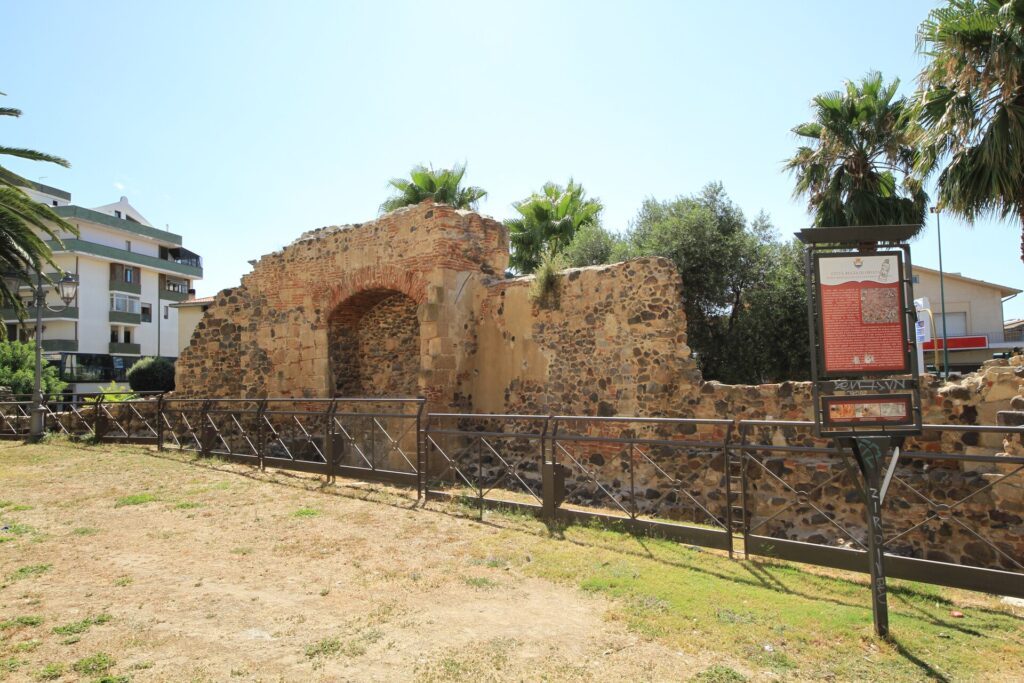
During the 19th century, much of the medieval fortifications were demolished, though the Tower of Mariano II and the Tower of Portixedda survived and remain reference points in the urban landscape today.
In 1974, Oristano became a provincial capital, a recognition that confirmed its administrative role in the west-central part of the island. Those travelling through villages in northern Sardinia, such as Ardara, will encounter traces of the same medieval historical layering that marks the history of the entire island.
What to See in Oristano: Main Attractions
Tower of Mariano II
The Tower of Mariano II, built in 1290 on the orders of Judge Mariano II d’Arborea, is the most recognisable architectural symbol of Oristano.
It stands at the end of the city’s main thoroughfare, Corso Umberto I, and rises approximately 18 metres in local limestone.
Originally an integral part of the city’s defensive system, it housed one of the three main gateways through the walls. Today the tower is open to visitors and offers a clear view of the medieval urban layout. Its square base and Gothic arches in the upper chamber make it one of the best-preserved examples of Sardinian medieval civic architecture.
Cathedral of Santa Maria Assunta
The Cathedral of Santa Maria Assunta is the city’s principal place of worship and the seat of the Archdiocese of Oristano.
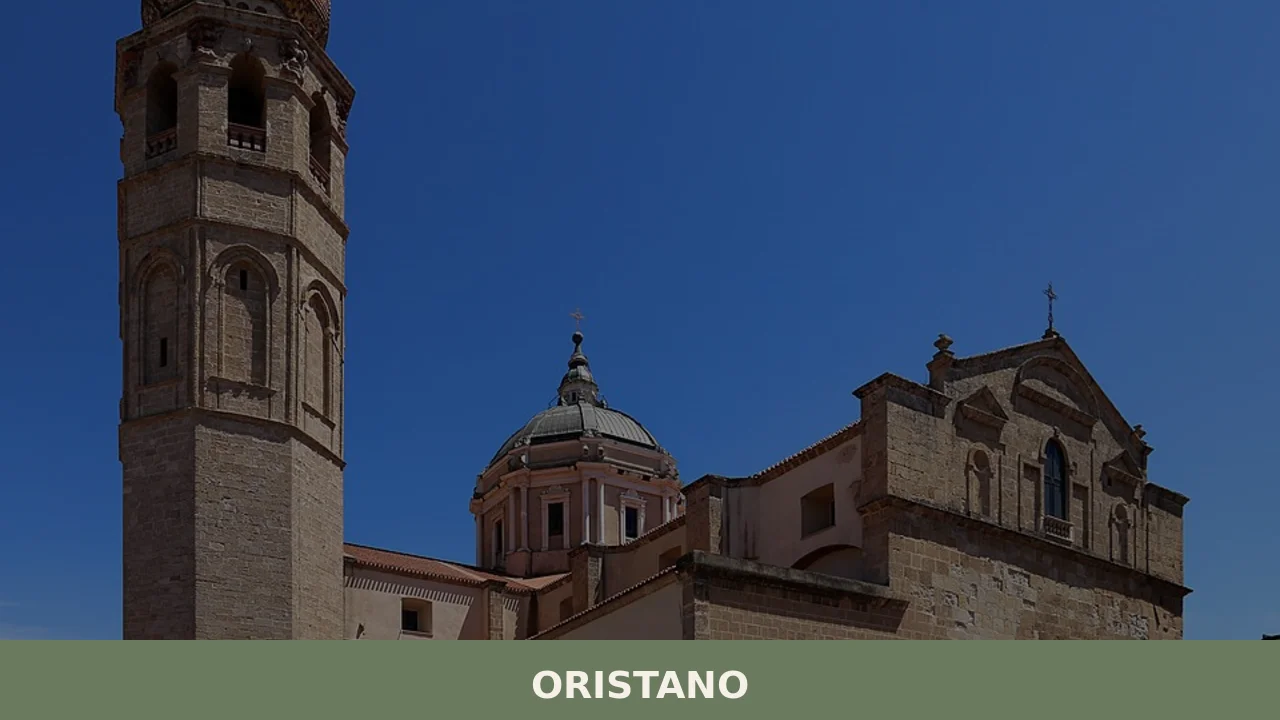
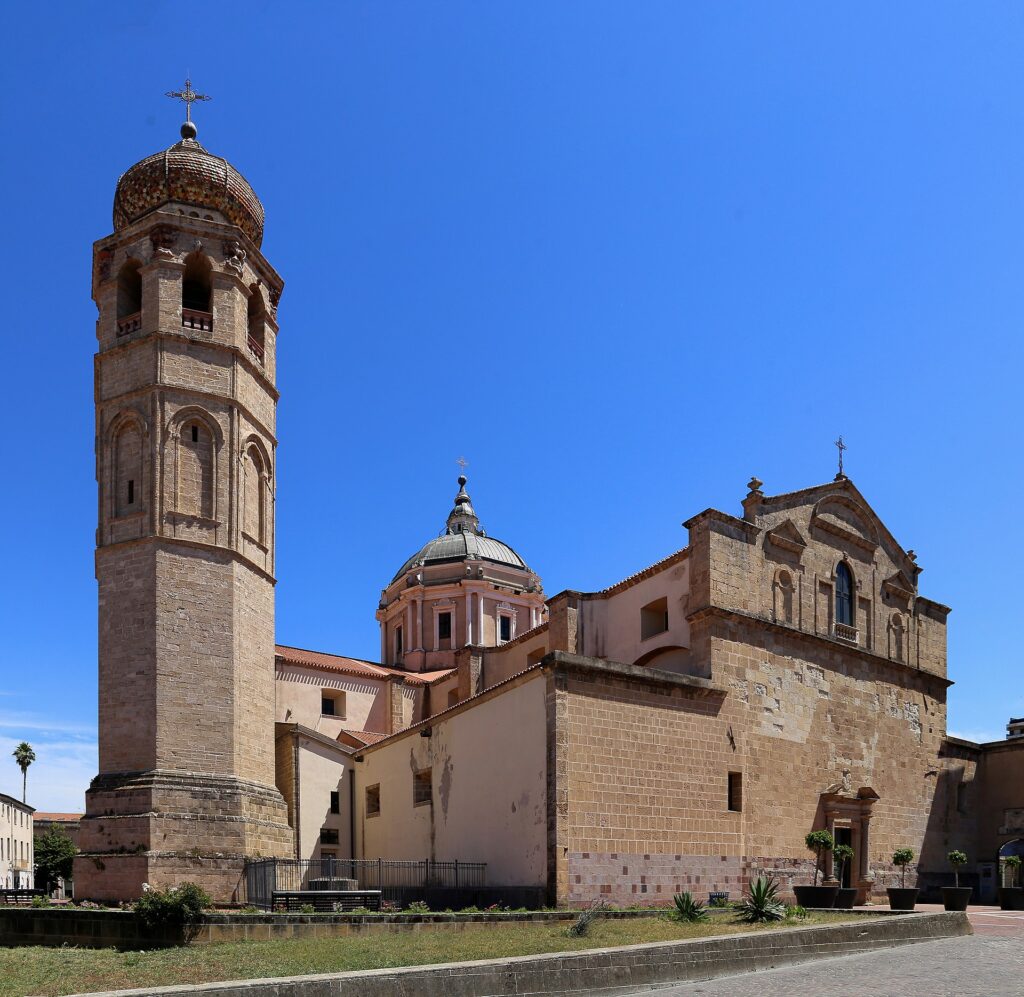
Founded in the 13th century, it was extensively rebuilt between the 18th and 19th centuries in a Baroque-Neoclassical style. Inside, it holds elements of considerable historical and artistic interest, including a 14th-century marble pulpit brought from the church of Santa Giusta and several medieval paintings. The 19th-century façade, flanked by two side turrets, dominates the square that bears the cathedral’s name.
The three-nave interior houses the Chapel of the Rimedio, containing a wooden statue of the Virgin venerated by the people of Oristano.
Antiquarium Arborense
The Antiquarium Arborense is the city’s most important civic museum, housed in the Palazzo Parpaglia in the historic centre.
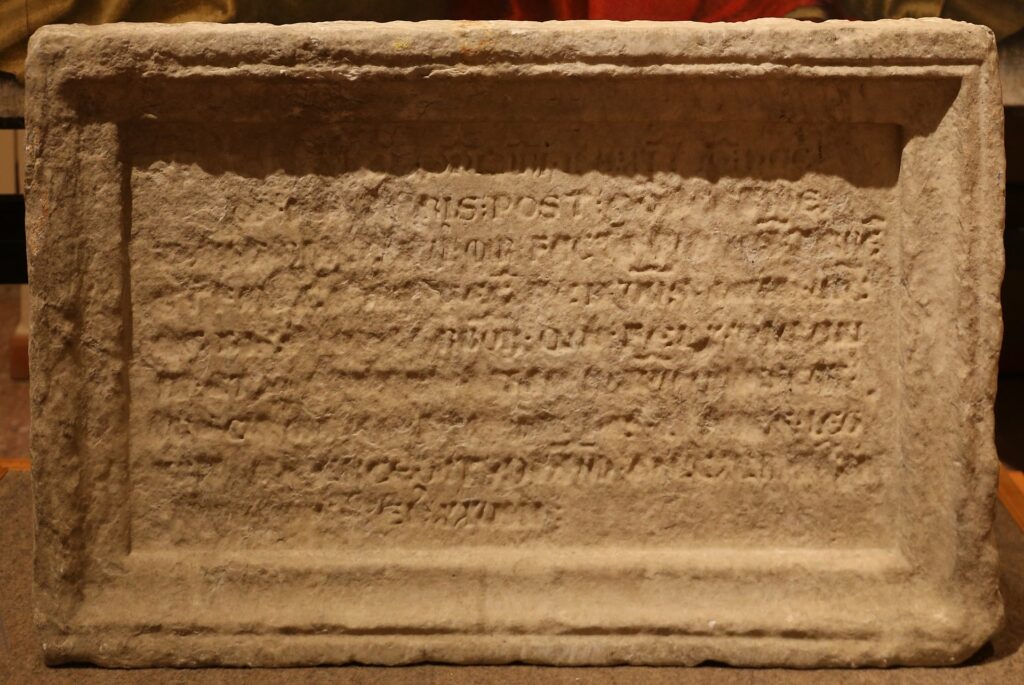
It displays archaeological finds from excavations at Tharros, Othoca and other sites in the territory: Phoenician-Punic ceramics, Nuragic bronzetti, Roman coins and funerary steles. One section is dedicated to Sardinian medieval painting, with works of notable quality attributed to the Master of Sanluri and other anonymous painters. The museum provides a coherent journey from prehistory through to the medieval period, making the entire settlement history of the Sinis and Campidano regions accessible.
For anyone seeking to understand what to see in Oristano from a historical perspective, this museum is an essential reference point.
Church of San Francesco and the Crucifix of Nicodemus
The Church of San Francesco, in the square of the same name, is one of the most visited religious buildings in Oristano.
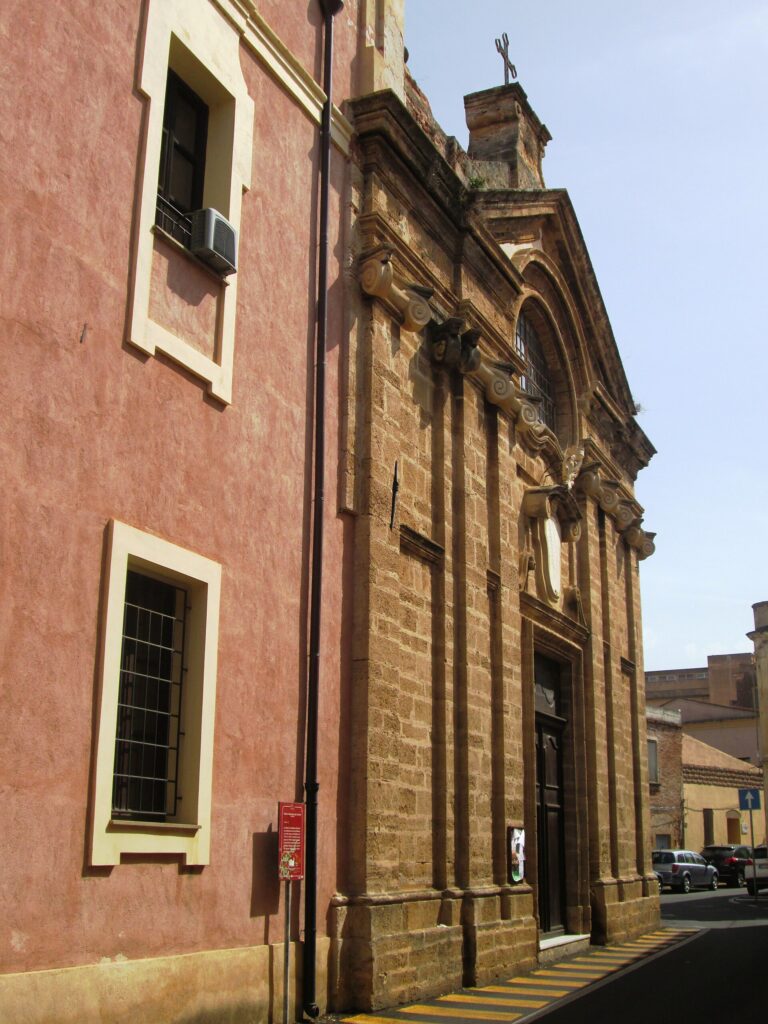
The current structure is the result of 18th-century reconstruction, but it preserves a work of extraordinary value: the Crucifix of Nicodemus, a wooden sculpture from the medieval period — dated between the 13th and 14th centuries — which tradition attributes to a craftsman of Eastern origin.
The near-life-size statue is notable for its intense expressiveness and highly skilled carving technique. Every year during Holy Week, the Crucifix is at the centre of solemn processions that draw the entire community of the city.
Piazza Eleonora d’Arborea and the Palazzo della Provincia
The main square of Oristano bears the name of the giudicessa Eleonora d’Arborea and features her marble statue, erected in 1881 to a design by sculptor Ulisse Cambi. It is the focal point of civic life and the starting point for the main routes through the historic centre.
On the northern side stands the Palazzo della Provincia, a 19th-century building that once served as the seat of local government and today houses administrative offices.
The square retains its basalt and granite paving and several Liberty-style façades that reflect the city’s urban transformation between the late 19th and early 20th centuries.
Local Cuisine and Products of Oristano
The cuisine of Oristano and its surrounding territory reflects the city’s geographical position, straddling the agricultural plain, the coastal wetlands and the pastoral inland areas.
Historical influences — Phoenician, Roman and Spanish — have left their mark on food preservation methods and on the use of ingredients such as saffron, wild fennel and olives. The Campidano plain supplies cereals and legumes; the Cabras lagoon and the Sinis coast are traditional sources of fish, shellfish and bottarga.
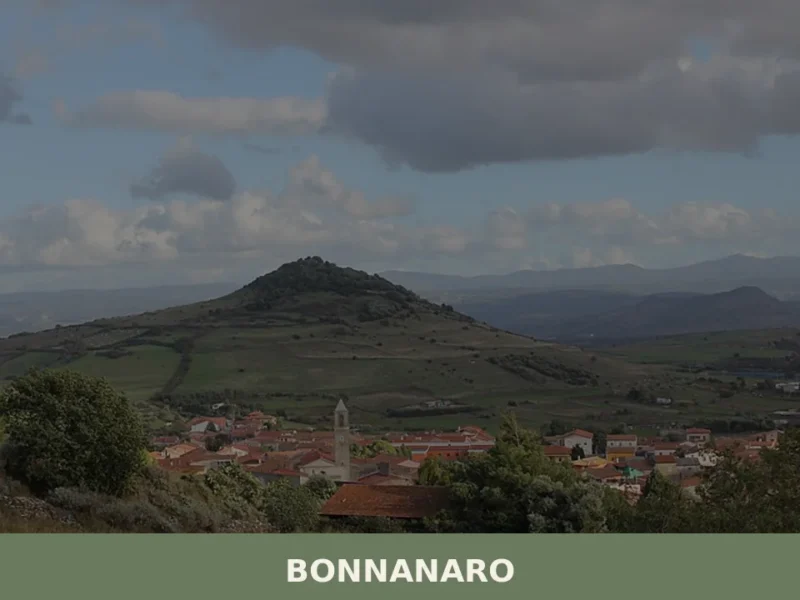
Travelling through this territory, including towards villages such as Bonnanaro, one notices how the culture of bread and cereals runs through the whole of north-central Sardinia.
Among the most firmly rooted dishes in local tradition, malloreddus — semolina gnocchetti flavoured with saffron — are served with pork sauces or with Sardinian sausage ragù.
Fregola, a granular pasta made from toasted semolina, is prepared with clams or seafood from the Cabras lagoon. Roasted mullet is one of the most representative dishes of the lagoon cuisine: the mullet, caught in the lagoon, is grilled or dried using techniques passed down through fishing families.
Bottarga di muggine from Cabras is the most nationally recognised seafood product of the area: made from dried and pressed mullet roe, it is eaten in thin slices on bread or grated over pasta.
In terms of wine, the Oristano territory has long been associated with the production of Vernaccia di Oristano, a white wine made from the native grape variety of the same name, grown in the Tirso plain.
It is an oxidative wine, aged in oak barrels, with organoleptic characteristics that place it alongside the meditation wines of the Iberian Peninsula.
Its production is governed by a designated appellation, and the wine is well documented in oenological literature as a historically rooted local product. Civraxiu bread — a large naturally leavened loaf — traditionally accompanies both fish and meat dishes on the Oristano table.
The best time to explore local gastronomy is spring, when markets and events linked to lagoon fishing and bottarga production take place.
Cabras bottarga can be bought directly at Oristano’s neighbourhood markets and in shops in the historic centre, particularly at the city’s covered market.
Those who want to explore the food traditions of northern Sardinia further can head to Bessude, a small centre in the Meilogu area where traditional dairy and cereal farming production still survives.
Festivals, Events and Traditions of Oristano
The patron saint’s feast of Oristano falls on 13 February, the day dedicated to Archelaus the Martyr, and coincides with one of the most celebrated folk events in Sardinia: the Sartiglia.
The Sartiglia is an equestrian jousting event of medieval origin that takes place during the Oristano carnival, generally between January and February, culminating on Carnival Sunday and Shrove Tuesday. Masked riders, led by a ritual figure known as Su Componidori, must spear a star hanging from a wire at full gallop.
The preparation of the Componidori is a codified ritual: the rider is dressed and masked by figures called massaieddas, following rules that have been passed down for centuries.
The Sartiglia is organised by two gremios — historical guilds of medieval origin — the Gremio of Farmers and the Gremio of Carpenters, which alternate across the two days of the event.
Beyond the Sartiglia, the civic and religious calendar of Oristano includes the Good Friday procession, during which the Crucifix of Nicodemus is carried through the streets of the historic centre with popular participation documented since the medieval period. In May, the feast of the Madonna del Rimedio is celebrated with a procession to the out-of-town sanctuary dedicated to the Virgin, a pilgrimage destination for the faithful across the province.
Summer brings cultural events centred on music, cinema and the performing arts, held in the spaces of the historic centre and in the main squares.
When to Visit Oristano and How to Get There
The most favourable time to visit Oristano is spring, between March and May, when temperatures are mild, the surrounding countryside is in bloom and mass tourism has not yet reached the Sinis coast.
Those wishing to attend the Sartiglia must plan their visit to coincide with the carnival period, between late January and mid-February.
Summer — from June to August — suits visitors who want to combine a city visit with the beaches of Is Arutas, Mari Ermi or Putzu Idu, all reachable in under thirty minutes by car. Autumn is a good season for food and wine tourism, with the Vernaccia grape harvest and local festivals.
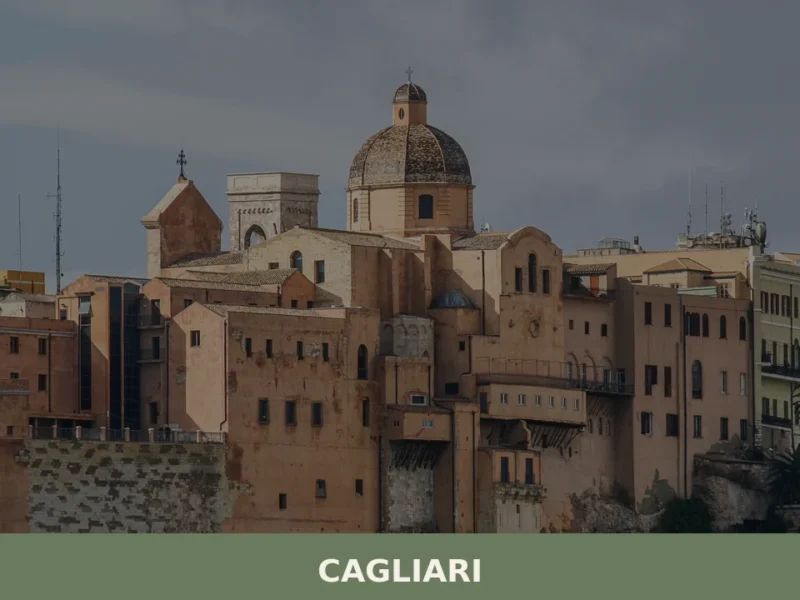
For those arriving by car, the main route is the Via Nazionale 131 Carlo Felice, which connects Cagliari to Sassari via Oristano: the nearest exit is Oristano Centro, approximately 95 km from Cagliari and 115 km from Sassari.
Oristano railway station is served by the main Cagliari–Sassari line operated by Trenitalia, with daily connections and a journey time of around one hour from Cagliari.
The nearest airport is Cagliari-Elmas (Cagliari Airport), approximately 95 km away and reachable in about one hour by car.
Up-to-date information about the city, municipal offices and public services is available on the Municipality of Oristano website.
Those looking to explore what to see in Oristano as part of a wider itinerary can easily reach Aggius, in the north of the island, where the tradition of Sardinian carpet weaving and the granite landscape offer a sharp contrast to the Oristano plain. Visitors travelling from the Logudoro area through the rural villages of north-central Sardinia will find in Oristano a key urban stop, with museums, churches and a civic life that complete the picture of the island.
Frequently asked questions about Oristano
What is the best time to visit Oristano?
The best time to visit Oristano is late winter and spring. February is unmissable: the feast of patron saint Archelaus the Martyr falls on 13 February and coincides with the Sartiglia, the city's celebrated equestrian carnival joust held on Carnival Sunday and Shrove Tuesday. Spring (April–June) brings mild temperatures, active lagoon fishing, and bottarga markets near Cabras. Summer is hot and busy along the Sinis coast. Autumn offers quieter streets and pleasant weather for walking the historic centre. Winter is calm but rewarding for cultural visits to the Antiquarium Arborense and Cathedral.
What are the historical origins of Oristano?
Oristano was founded around 1070 when the population of Tharros, an ancient Phoenician colony on the Sinis peninsula, was relocated inland due to Saracen coastal raids. The name derives from the medieval Latin Aristiane. From 1070, Oristano became capital of the Giudicato of Arborea, one of four independent medieval Sardinian kingdoms. Its most celebrated ruler, Eleonora d'Arborea, enacted the Carta de Logu around 1383–1404, a legal code that remained in force until 1827. The Giudicato fell to Aragonese rule definitively in 1420 after the Battle of Sanluri.
What to see in Oristano? Main monuments and landmarks
Key sights include: the Tower of Mariano II (1290), open to visitors, offering views over the medieval centre; the Cathedral of Santa Maria Assunta, with its 14th-century marble pulpit and Chapel of the Rimedio; the Antiquarium Arborense in Palazzo Parpaglia, housing finds from Tharros and medieval Sardinian paintings; the Church of San Francesco, home to the medieval Crucifix of Nicodemus; and Piazza Eleonora d'Arborea, with its 1881 marble statue of the giudicessa. The Antiquarium Arborense is a priority stop for understanding the region's full archaeological and medieval history.
What are the main natural or scenic attractions near Oristano?
Oristano sits alongside the Cabras lagoon and the Sinis peninsula, two of western Sardinia's most significant natural areas. The Sinis coast includes protected stretches with white sand beaches and shallow waters, and is adjacent to the archaeological site of Tharros. The Cabras lagoon is a wetland of ecological importance, supporting traditional mullet fishing and flamingo colonies. These areas are accessible by car from the city centre in under 20 minutes and are well documented by regional tourism sources and the Sardinia coastal protection authority.
Where to take the best photos in Oristano?
The most photogenic spots in Oristano include: the Tower of Mariano II from the foot of Corso Umberto I, especially at golden hour; Piazza Eleonora d'Arborea with its basalt paving and the 1881 statue of the giudicessa; the Cathedral façade in Piazza Duomo; and the interior of the Church of San Francesco with the Crucifix of Nicodemus. For wider landscape shots, the Cabras lagoon at dawn — with its mirror-flat water and frequent flamingo sightings — is one of the most documented scenic locations in the entire Province of Oristano.
Are there museums, churches or historic buildings to visit in Oristano?
Yes. The Antiquarium Arborense in Palazzo Parpaglia is the city's main civic museum, displaying Phoenician-Punic ceramics, Nuragic bronzetti, Roman coins and medieval Sardinian paintings. The Cathedral of Santa Maria Assunta and the Church of San Francesco — holding the 13th–14th century Crucifix of Nicodemus — are both open for visits. The Tower of Mariano II and the Tower of Portixedda are surviving medieval fortifications. The Torre di Mariano II is open to visitors. For current opening hours and admission fees, check the Comune di Oristano official website or the local IAT tourist office.
What can you do in Oristano? Activities and experiences
Oristano offers a range of verified experiences: guided visits to the Antiquarium Arborense and the historic centre; attending the Sartiglia equestrian joust during Carnival (January–February); exploring the Cabras lagoon by boat for birdwatching and lagoon fishing culture; visiting the archaeological site of Tharros on the Sinis peninsula; tasting Vernaccia di Oristano DOC at local wine producers in the Tirso plain; and buying Cabras bottarga di muggine at the city's covered market. The city is also a practical base for visiting Sinis coast beaches, reachable in under 20 minutes.
Who is Oristano suitable for? Families, couples, hikers, solo travellers?
Oristano suits a wide range of visitors. Couples and culture travellers will appreciate the walkable historic centre, the Cathedral, the Antiquarium Arborense and the Liberty-style architecture of Piazza Eleonora. Families benefit from the proximity of the Cabras lagoon and Sinis beaches, with calm shallow waters and natural interest. Food and wine enthusiasts will find Vernaccia di Oristano DOC and Cabras bottarga worth the visit alone. History-focused travellers have a dense itinerary from Nuragic prehistory through Giudicato medieval heritage. Carnival visitors are drawn by the Sartiglia, one of Sardinia's most dramatic folk events.
What to eat in Oristano? Local products and specialties
Oristano's table is defined by lagoon and plain produce. Bottarga di muggine from Cabras — dried pressed mullet roe — is the area's most recognised product and can be bought at the city's covered market. Fregola (toasted semolina granules) is served with Cabras lagoon clams or seafood. Malloreddus (semolina gnocchetti with saffron) appear with pork or Sardinian sausage ragù. Roasted or dried lagoon mullet is a traditional local dish. Vernaccia di Oristano DOC, an oxidative barrel-aged white wine from the native Vernaccia grape, is the territory's flagship wine with its own protected appellation. Civraxiu, a large naturally leavened bread, accompanies most meals.
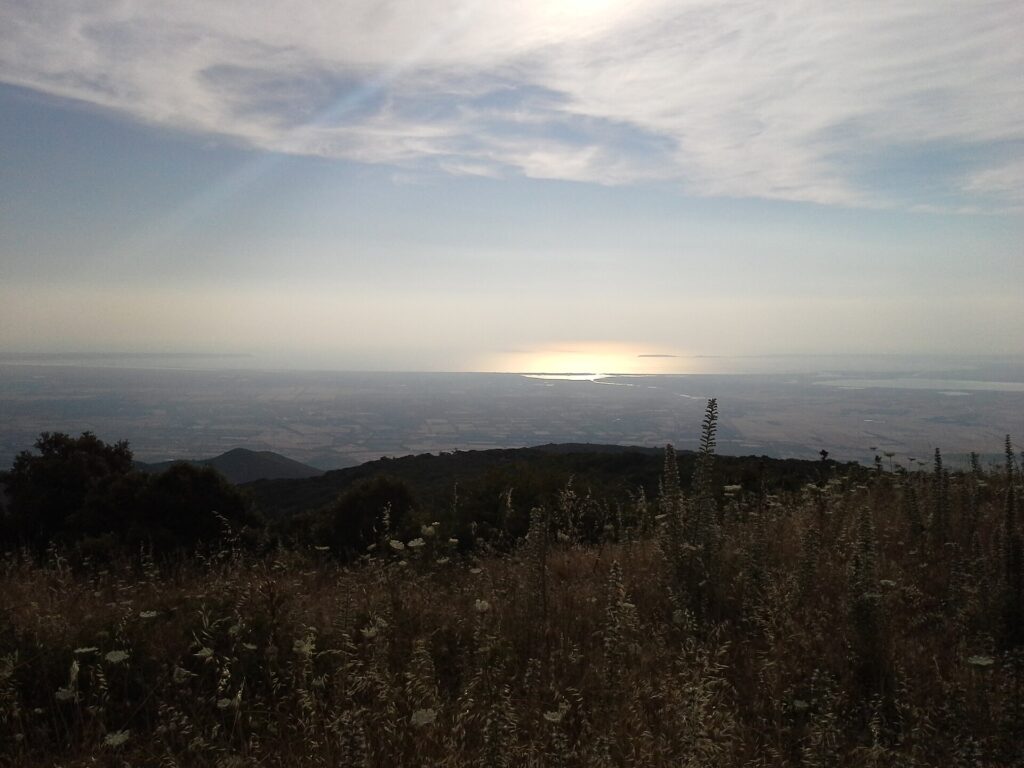
📷 Photo Gallery — Oristano

Nearby Villages near Oristano
In Sardinia More villages to discover
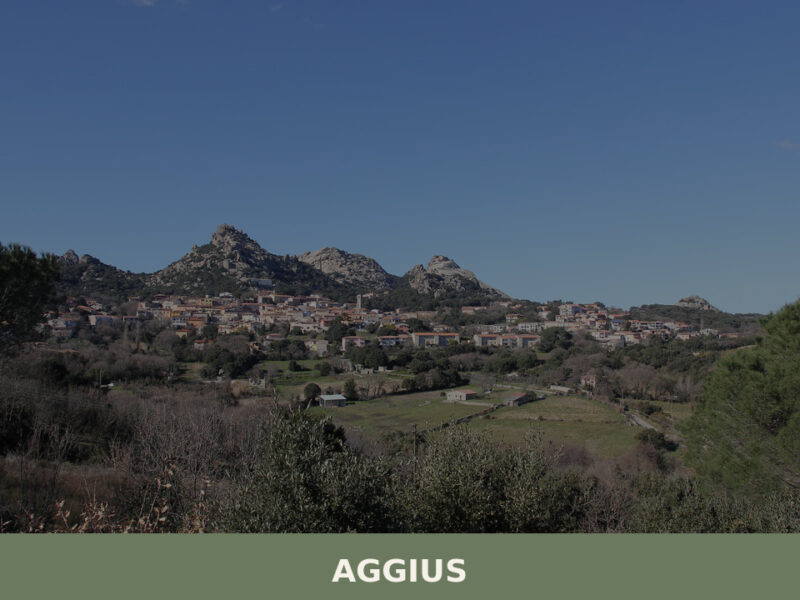
Aggius
 Hills
Hills
Granite boulders glow amber in the late afternoon, stacked like ancient sentinels across a valley floor that drops away toward the Gallura coast. Wind pushes through narrow lanes of grey stone houses, carrying the faint rhythm of a polyphonic chorus rehearsing behind closed shutters. At 514 metres above sea level, this village of just over […]
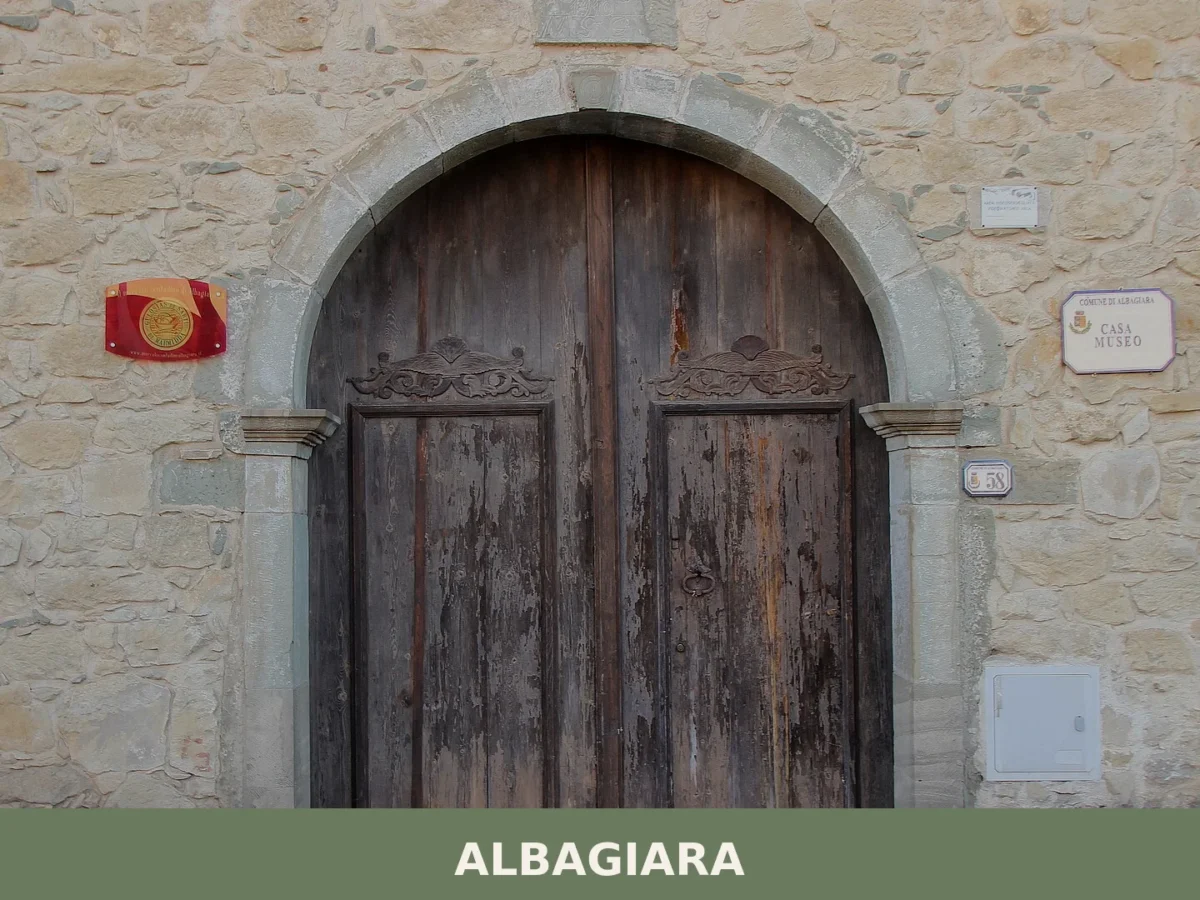
Albagiara
 Plains
A community of 273 inhabitants in the heart of Oristano province. Albagiara balances ancient archaeology with modern agricultural and artisan traditions.
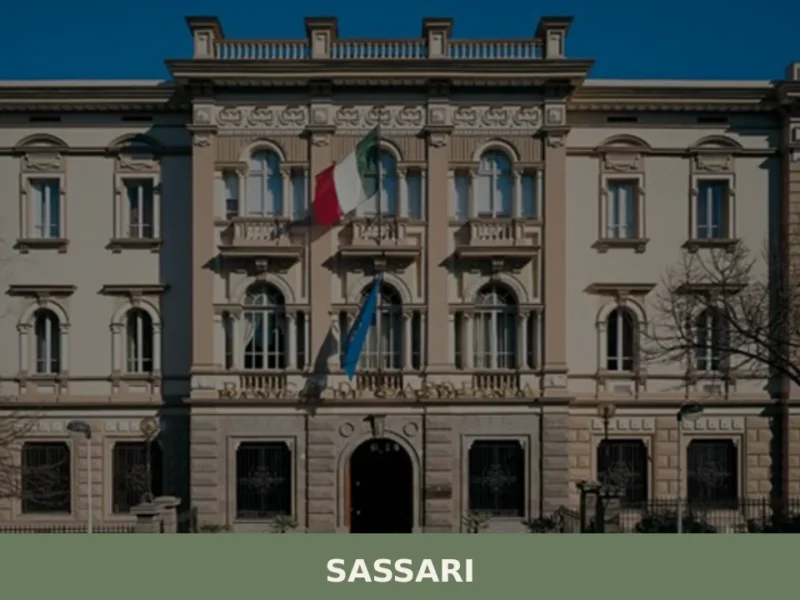
Sassari
Sea
Discover Sassari, a captivating village in Sardegna, Italy. Explore its rich history, vibrant culture, stunning architecture, and authentic Italian charm.
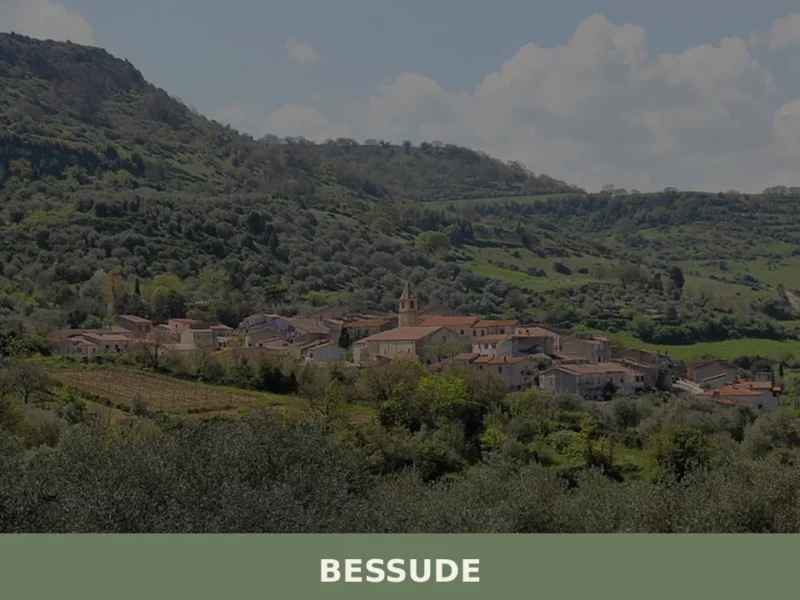
Bessude
Hills
At 447 meters above sea level, with a population of 383 inhabitants as of 2023, Bessude is a small town in Logudoro-Meilogu, in the province of Sassari, whose existence is documented at least since 1341 in the Rationes Decimarum Sardiniae. The village, known for its hilly location and the Nuragic remnants that surround its territory, […]

Nuraminis
Plains
Discover Nuraminis, a Sardinian village with ancient nuraghi, Byzantine treasures & a Gothic-Catalan church. Your guide to an unmissable cultural escape.
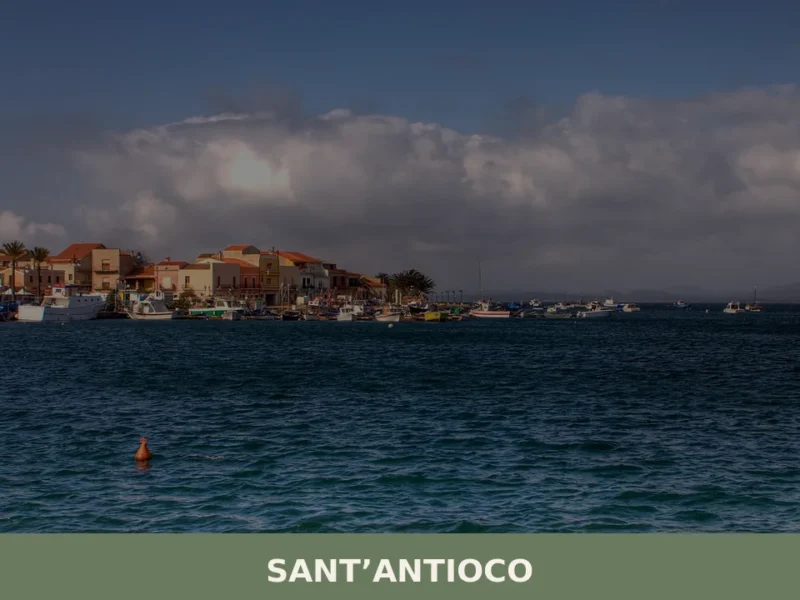
Sant’Antioco
Sea
what to see a Sant’Antioco? Scopri le 5 attractions principali, dalla Basilica alle Catacombe, per un viaggio in history e in cultura sarda.
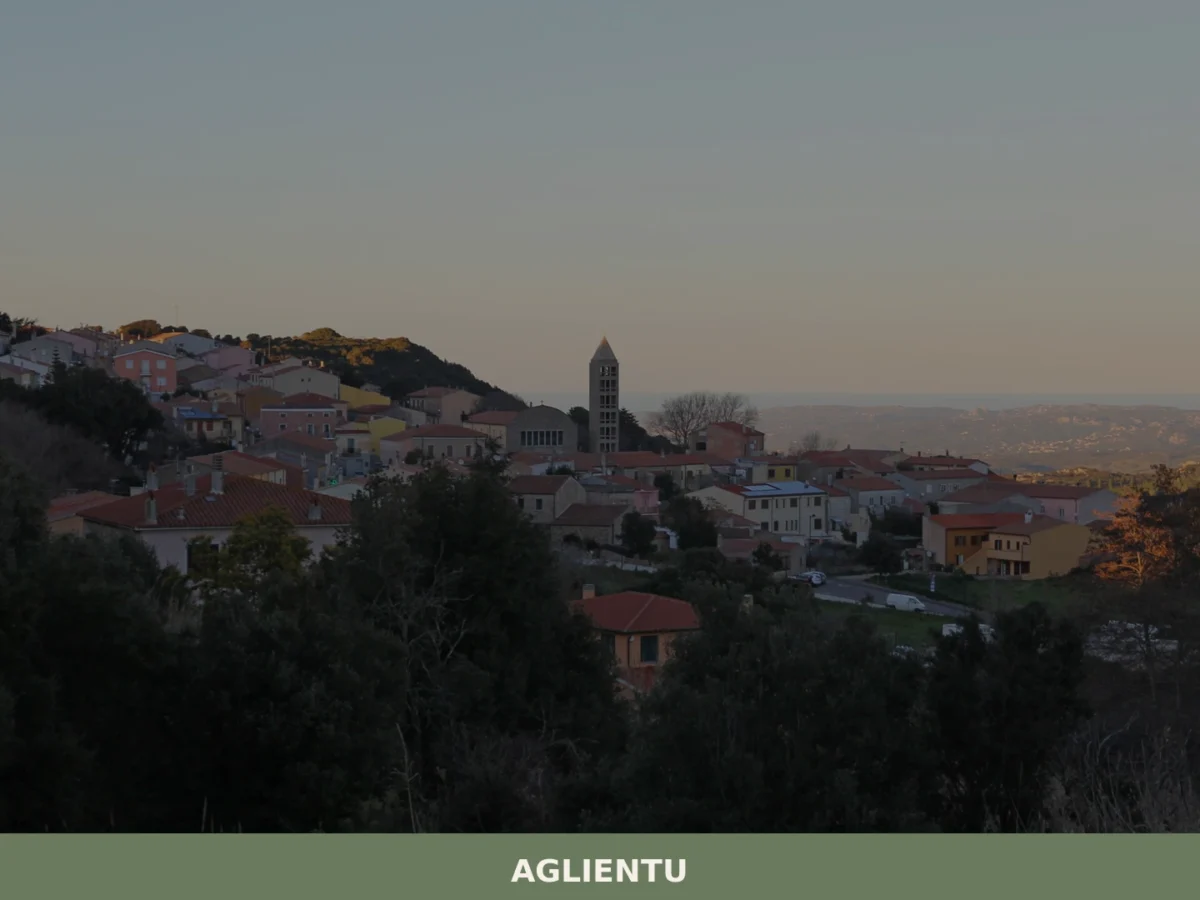
Aglientu
Sea
Discover what to see in Aglientu, a Gallura village in north Sardinia: granite coasts, cork oak landscapes, Nuragic sites, and local pecorino culture.
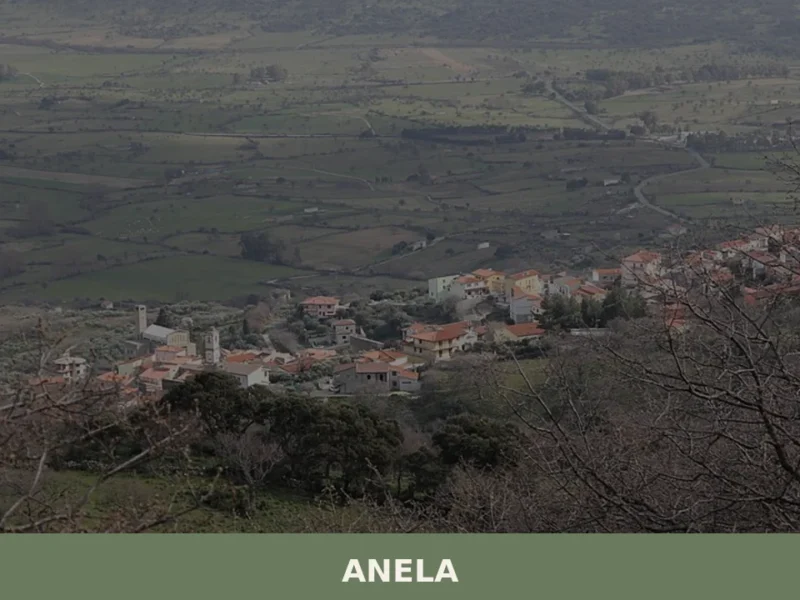
Anela
Hills
Discover what to see in Anela, Sardinia: Neolithic tombs at Sos Furrighesos, the Chiesa di San Giorgio, highland forests, and authentic pastoral cuisine.
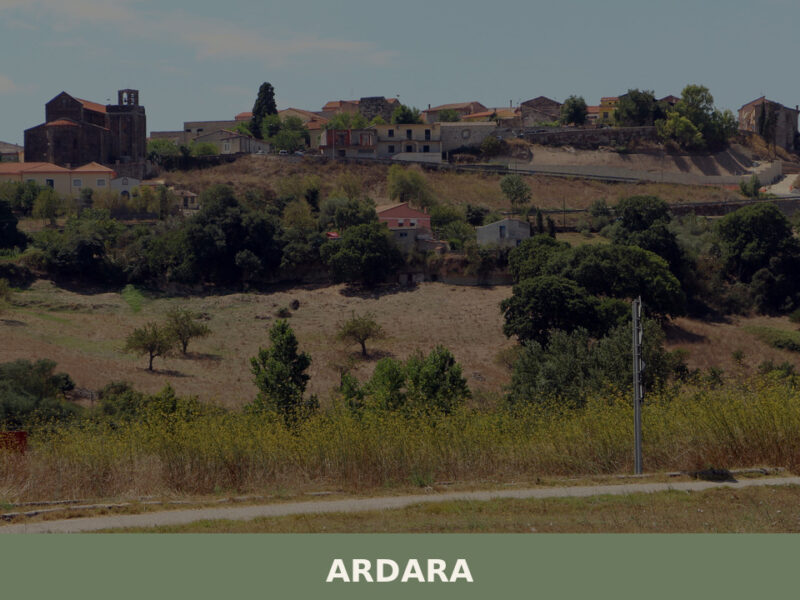
Ardara
Hills
Morning light strikes the dark basalt walls of an old church, turning the stone the colour of wet coal. A rooster calls from somewhere behind the municipio. Ardara sits on a low rise at 296 metres above sea level in the province of Sassari, a village of 729 people that once served as the capital […]
Nuoro
Hills
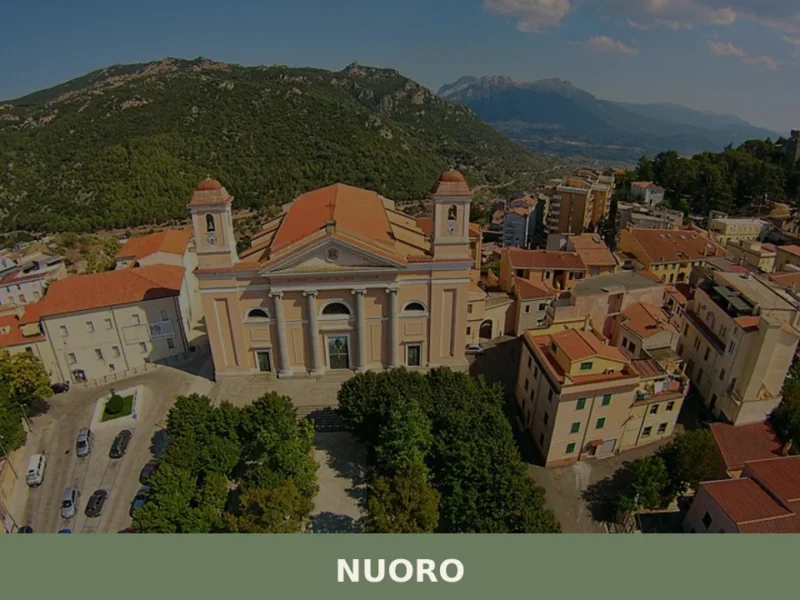
What to see in Nuoro: a city at 547m with 36,379 residents and birthplace of Nobel laureate Grazia Deledda. Explore museums, Monte Ortobene and Barbaricino cuisine. Plan your visit now.

🏡 Know Oristano better than we do?
If you’re a local or have been there, your knowledge matters: add what’s missing or fix a detail on this page.