


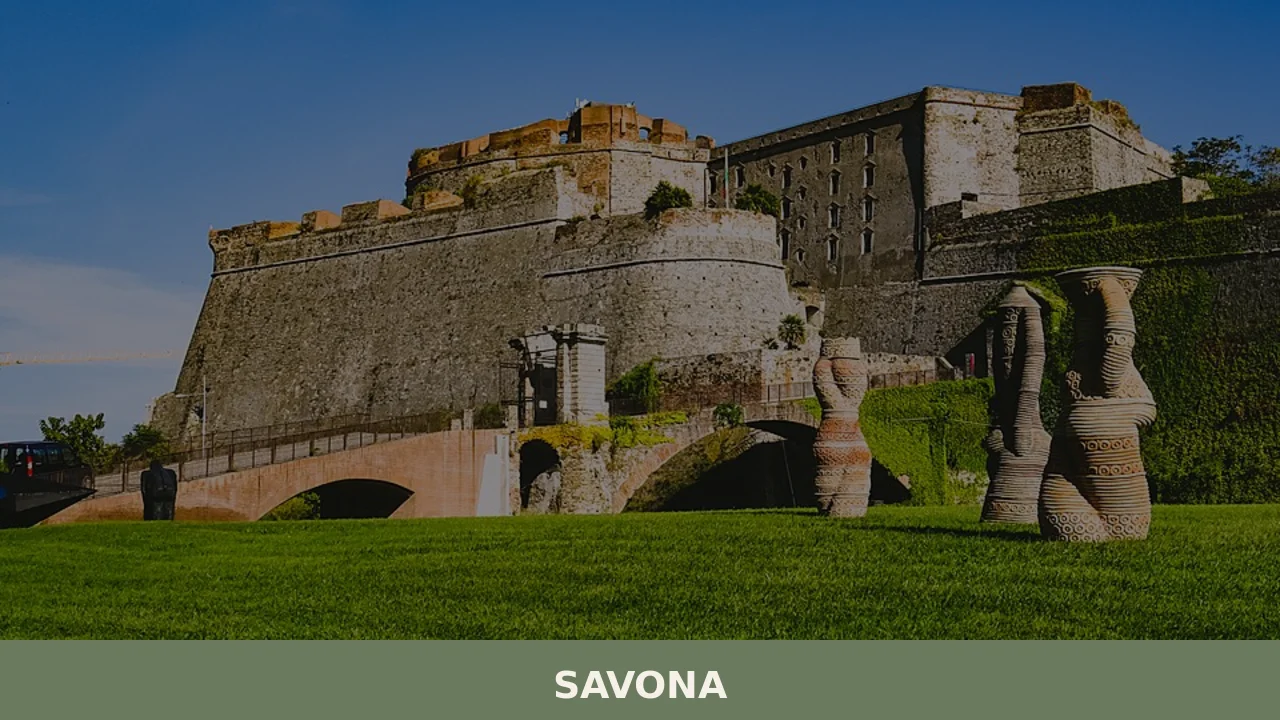
Savona
 Sea
Sea
A port town of 58,500 souls on Liguria’s western coast, Savona bridges medieval urban fabric with centuries of maritime trade and religious devotion.
Savona: A Ligurian Port Between Medieval Streets and the Tyrrhenian Sea
Savona: A Ligurian Port Between Medieval Streets and the Tyrrhenian Sea
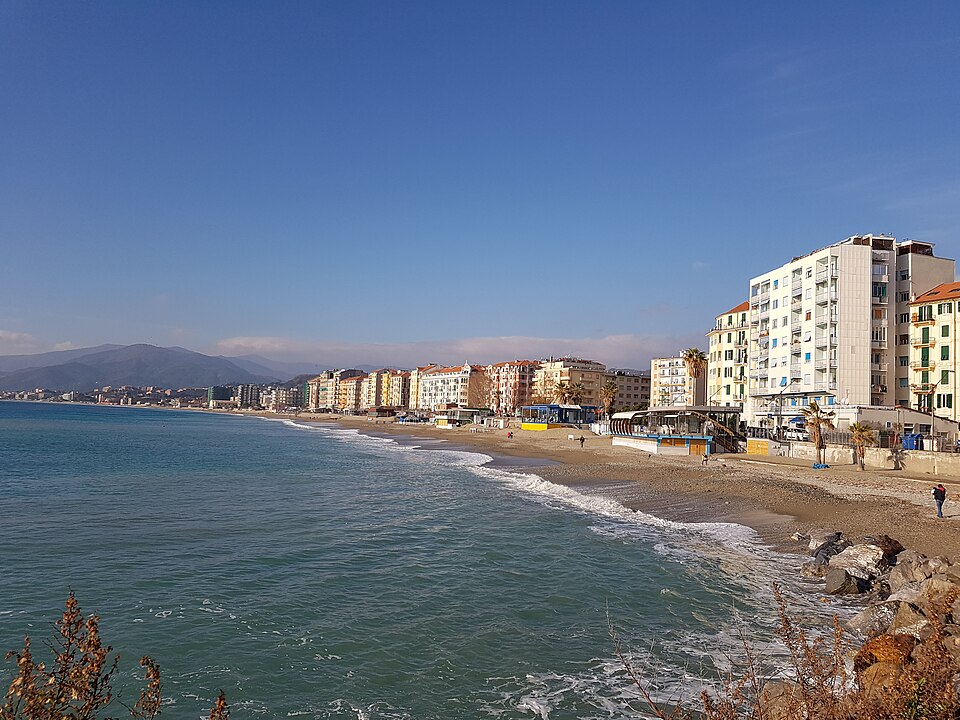
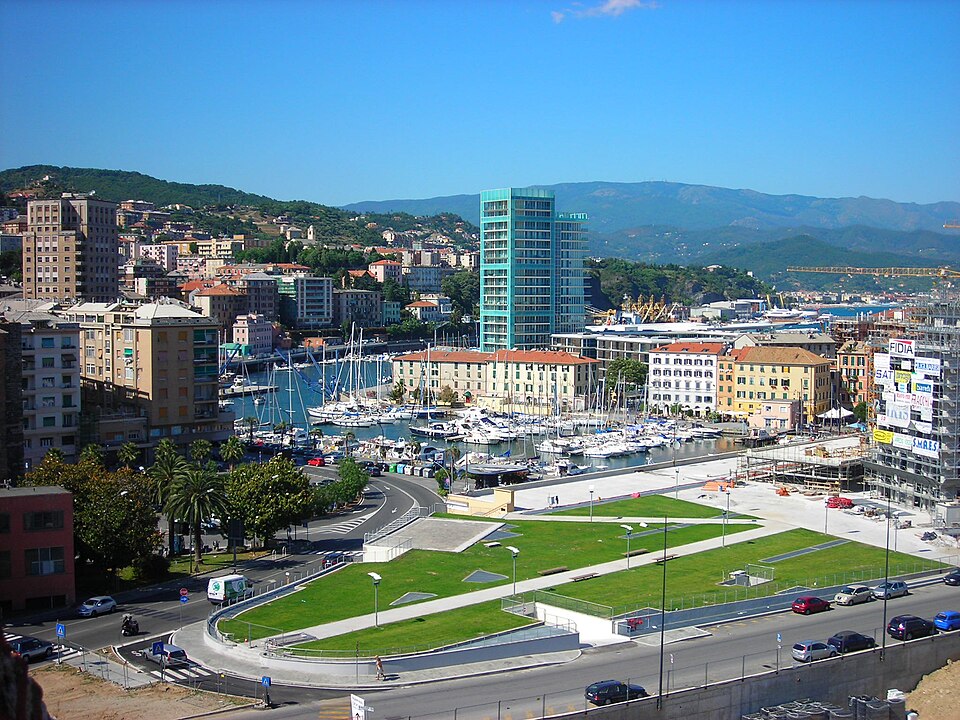
The waterfront of Savona meets the Tyrrhenian Sea at a gentle slope, where stone quays and fishing boats anchor against a backdrop of cream-coloured buildings that climb the hillside. This is not a mountain village, but a working port—4 metres above sea level—where the rhythm of Mediterranean trade pulses through narrow lanes lined with ochre façades and washing lines strung between windows.
Savona is a comune in the province of Savona, Liguria, and home to approximately 58,500 people. The town draws visitors for two primary reasons: its role as a living maritime hub where fishing and commerce remain visible daily practices, and its religious identity centred on the Madonna della Misericordia, the town’s patron saint. The medieval old town, the harbour itself, and the surrounding Ligurian coast offer a window into how coastal settlements balance history, labour and devotion.
A Medieval Port and Religious Heart
The history of Savona is inseparable from the sea. As a Ligurian port, the town developed through centuries of maritime contact—merchants, fishermen and pilgrims have left their marks on the urban fabric. The religious identity of Savona crystallized around the Madonna della Misericordia, whose presence defines the town’s spiritual geography and annual rhythms. The combination of working harbour and sacred devotion remains the most distinctive feature of Savona’s character, distinguishing it from inland villages or purely tourist-oriented coastal destinations.
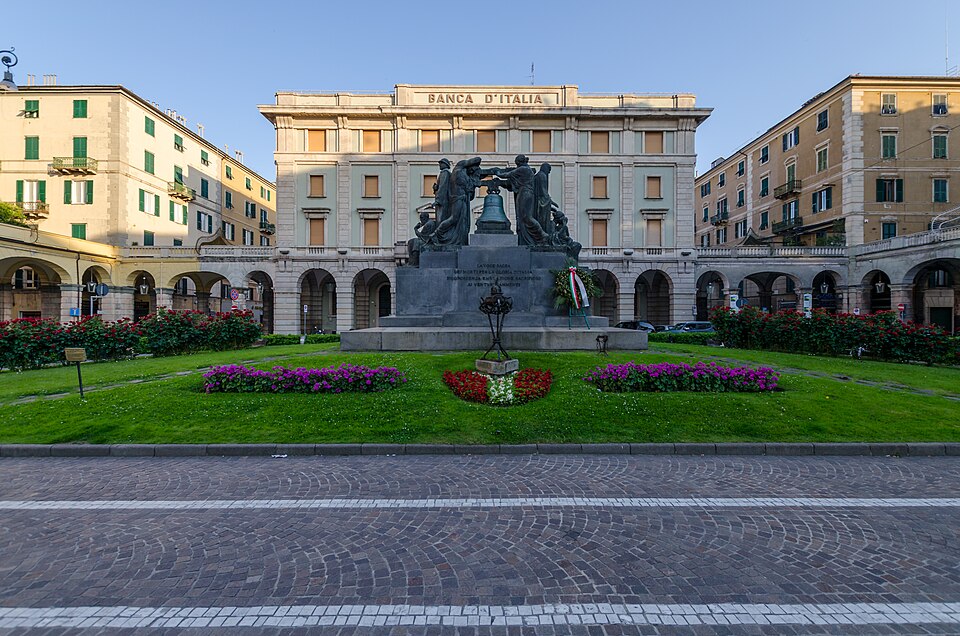
The medieval street plan survives in the old centre, where alleys narrow and widen around former residential quarters and small piazzas. This layout reflects both the pressures of medieval defence and the opportunities of port life—buildings cluster densely near the shore, then spread slightly uphill as land permits. The harbour itself has undergone transformations over centuries, yet remains functional: modern container berths and traditional fishing boats coexist along the waterfront.
The Madonna della Misericordia watches over Savona not as a distant saint, but as the town’s closest guardian—a presence woven into daily life, feast days and the collective memory of seafaring families.
Places That Speak to Savona’s Identity
The Harbour and Waterfront
Savona’s harbour is not a museum piece but an active port where commercial and artisanal fishing vessels still operate. The waterfront walk reveals the interplay between medieval stone buildings and modern port infrastructure—cranes, container depots and fishing sheds stand alongside residential quarters with laundry draping the balconies. Visitors who arrive by car or train can walk directly to the quays and observe the daily movement of boats, nets and seafaring rhythms that have defined the town for centuries.
The Old Town Lanes
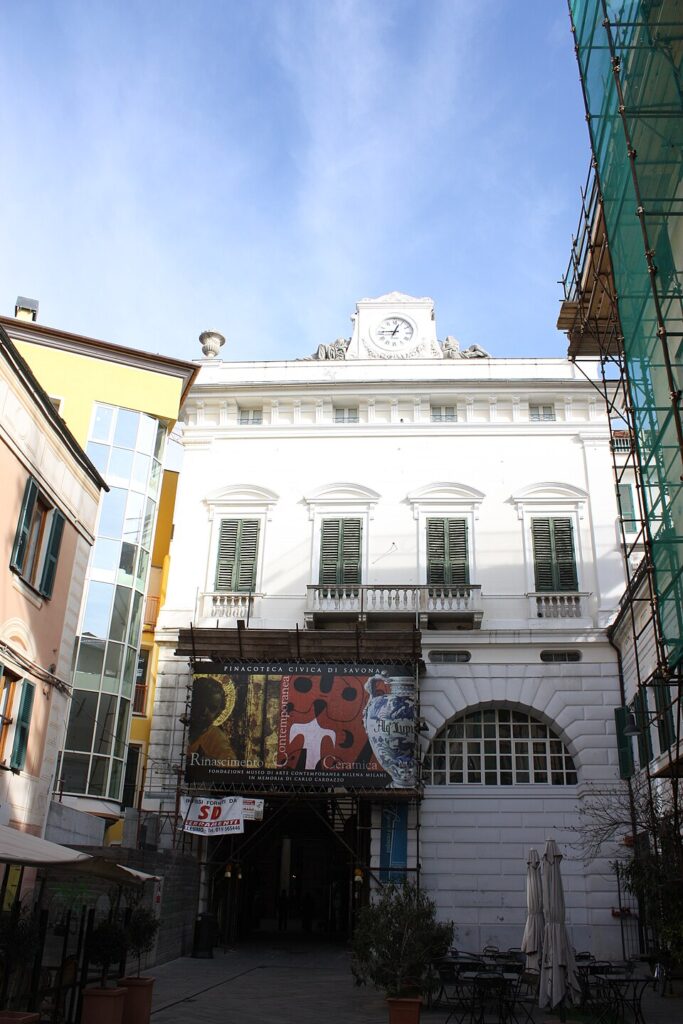
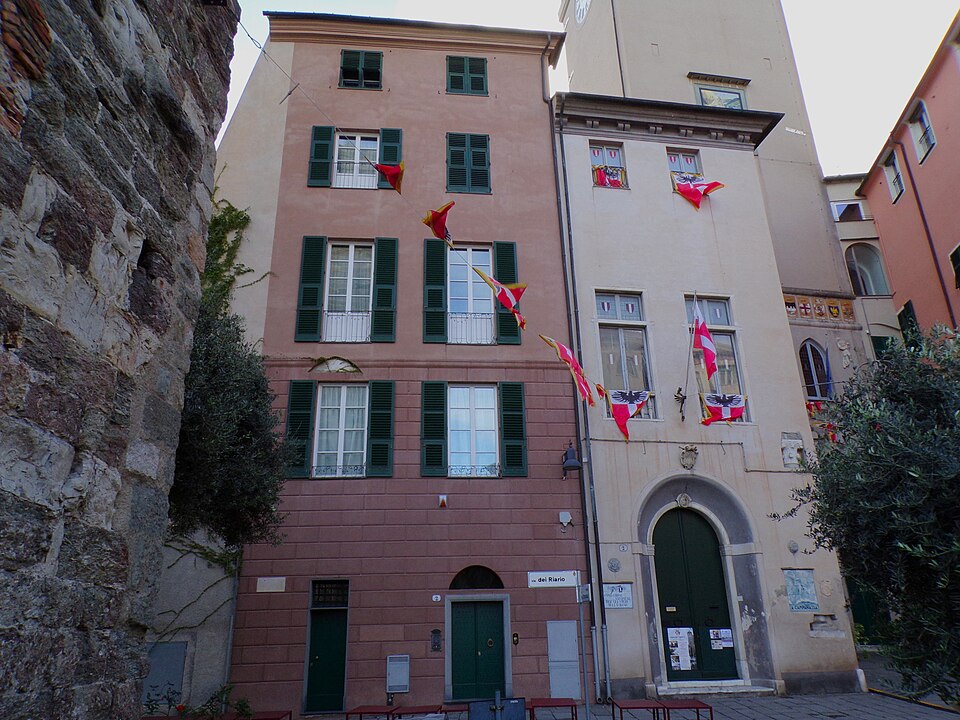
The medieval centre of Savona unfolds through a network of narrow vici (streets) characteristic of Ligurian port settlements. Stone buildings, some with faded frescoes on their facades, lean toward each other overhead, creating passages of shade and cooler air even on warm afternoons. These lanes are not preserved as tourist zones but inhabited and working—small shops, apartments and community spaces occupy the ground and upper floors. Walking through them offers a genuine sense of how medieval Savona was organized: compactly, defensively, with water access paramount.
Religious and Sacred Sites
The Madonna della Misericordia is honoured throughout Savona’s sacred spaces and in the devotional life of the community. Churches, shrines and processions mark the calendar and bind residents to centuries of faith practice. These sites reflect both the town’s spiritual identity and its medieval and early modern architectural heritage, though they remain primarily active places of worship rather than archaeological exhibitions.
Ligurian Flavours and Maritime Tradition
The cuisine of Savona reflects its position on the coast and within the Ligurian region. Fresh fish and seafood appear regularly in local kitchens, prepared in ways that respect the ingredients and the seasons. The town’s maritime heritage means that dried and salted fish, anchovies and other preserved seafood remain part of local food culture. Olives and olive oil from the surrounding Ligurian landscape also feature in the local diet, connecting the coast to the agricultural hinterland.
Dining in Savona is a matter of proximity to source: fishmongers on the harbour sell daily catches, local restaurants prepare simple seafood dishes, and family tables include products from both sea and terraced gardens of the region. Food culture here is rooted in availability and tradition rather than novelty or tourism marketing.
Planning a Visit to Savona
Savona is easily accessible by rail and road from Genoa and other Ligurian towns. The comune sits on the coast between Bergeggi to the west and Albissola Marina to the east, making it a natural halt for travellers moving along the western Ligurian coast. The town itself is compact and navigable on foot; the old centre and waterfront are the primary areas of interest for visitors seeking to understand Savona’s character.
| Departure Point | Distance | Approximate Time |
|---|---|---|
| Genoa (Brignole Station) | 45 km | 1 hour by train |
| Genoa Airport (Cristoforo Colombo) | 60 km | 1.5 hours by car |
| Ventimiglia (French border) | 130 km | 2.5 hours by train |
| Bergeggi (nearby village) | 8 km | 15 minutes by car |
The best seasons for visiting are late spring (May to June) and early autumn (September to October), when maritime light is clear, temperatures are moderate, and the summer crowds have thinned. Winter is mild by northern standards but grey; summer brings intense heat and tourism pressure on the coast. If you arrive by car, parking near the harbour or in the old town can be tight; public transport from nearby towns is often more practical. Visitors planning to explore the surrounding coast can use Savona as a base, with easy connections to Pallare, Giusvalla and other inland settlements of the Savona province by local bus or car.
Frequently asked questions about Savona
When is the best time to visit Savona?
March is particularly significant for Savona, as the Festa della Madonna della Misericordia takes place on 18 March, honouring the town's patron saint. Summer months (June–September) offer warm Mediterranean weather ideal for waterfront exploration and swimming. Spring and autumn provide pleasant temperatures without peak-season crowds, making them excellent for walking the medieval old town and enjoying the harbour atmosphere.
How do I reach Savona by train?
Savona has a main railway station (Stazione di Savona) on the Genova–Ventimiglia line, served by regional and Intercity trains. Direct connections exist to Genova (approximately 1 hour), Venice, and other Ligurian destinations. The station is centrally located, within walking distance of the medieval centre and waterfront, making train travel convenient for visitors without cars.
What should I see in Savona's medieval old town?
The medieval centre features narrow ochre-coloured lanes, historic buildings climbing the hillside, and the spiritual heart centred on the Madonna della Misericordia. Washing lines strung between windows and stone architectural details create an authentic Ligurian atmosphere. The town's layout reflects centuries of maritime heritage, with streets designed around the working port economy that remains visible today.
Is Savona suitable for a day trip?
Yes. A half-day allows exploration of the medieval old town's narrow lanes and waterfront; a full day permits deeper engagement with the harbour, local fishing culture, and religious sites dedicated to the Madonna della Misericordia. The compact, walkable layout at sea level (4 metres elevation) makes it accessible for visitors of varying mobility. Nearby Ligurian coastal destinations can extend your visit.
📷 Photo Gallery — Savona
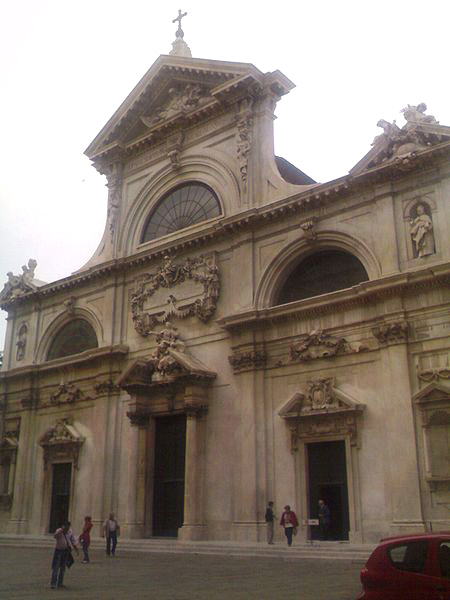
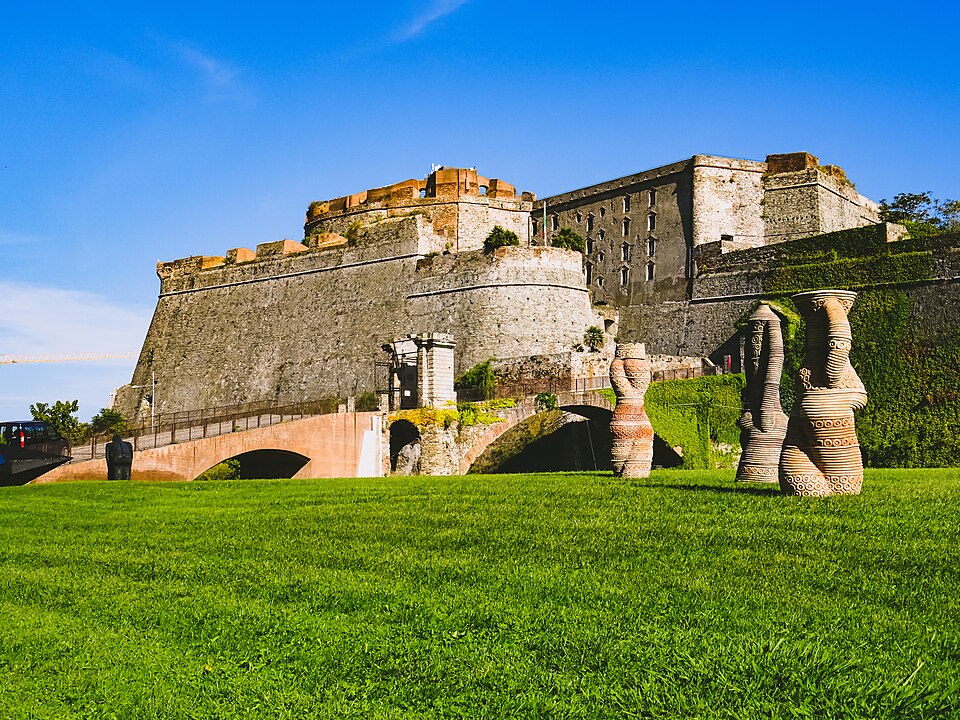
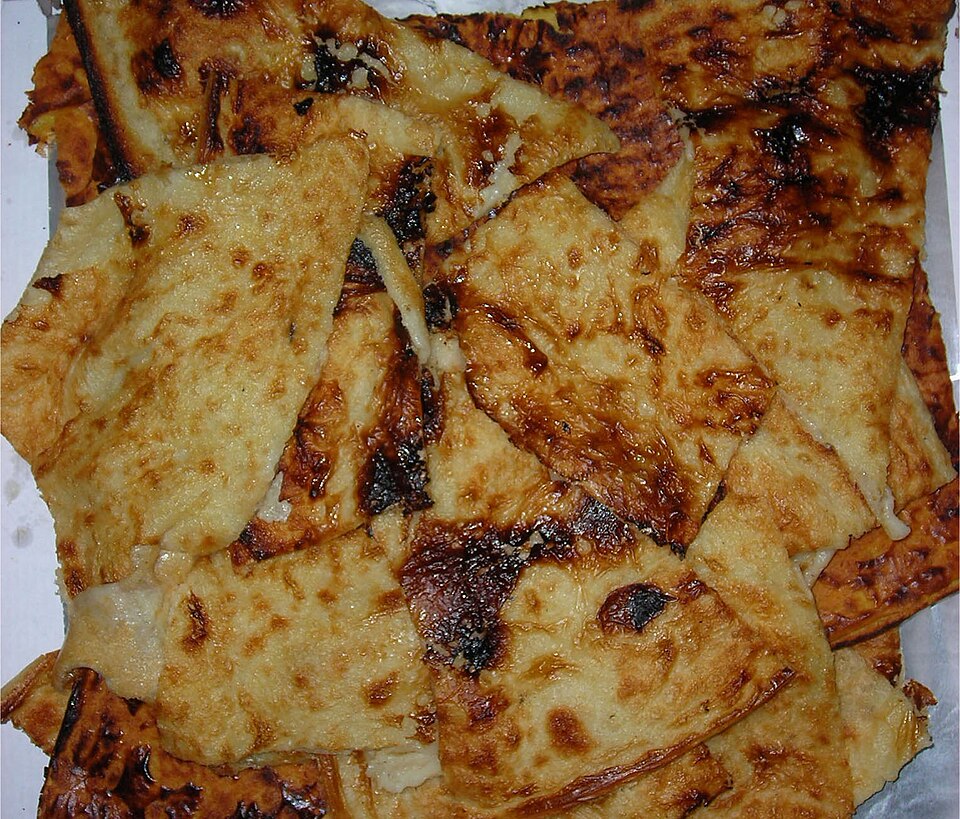
Nearby Villages near Savona
In Liguria More villages to discover
Fontanigorda
 Mountain
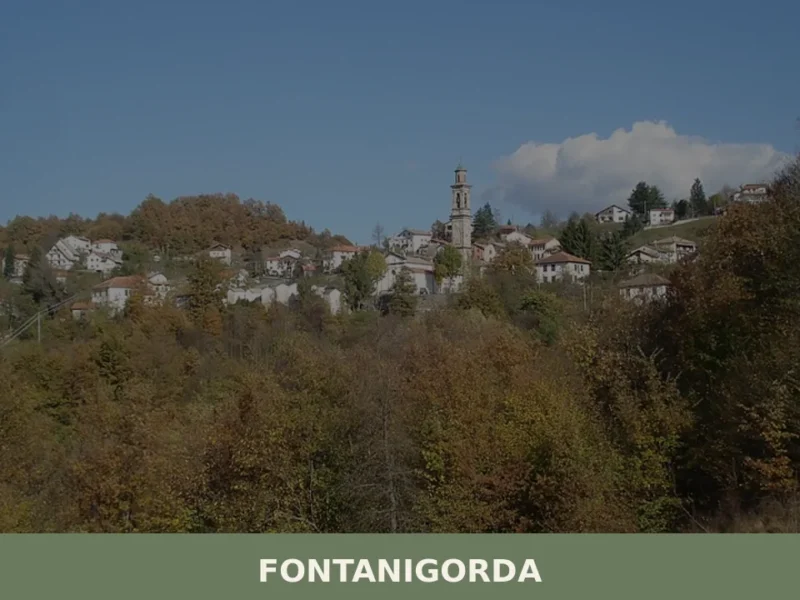
At 819 meters above sea level, in the heart of the upper Trebbia Valley, Fontanigorda appears as an alpine settlement in the province of Genoa. Its documented origin dates back to 1153, when it appears in annals as “Fontana Gordana,” a reference to the abundance of water in its territory. This village, with a population […]
Mioglia
Mountain
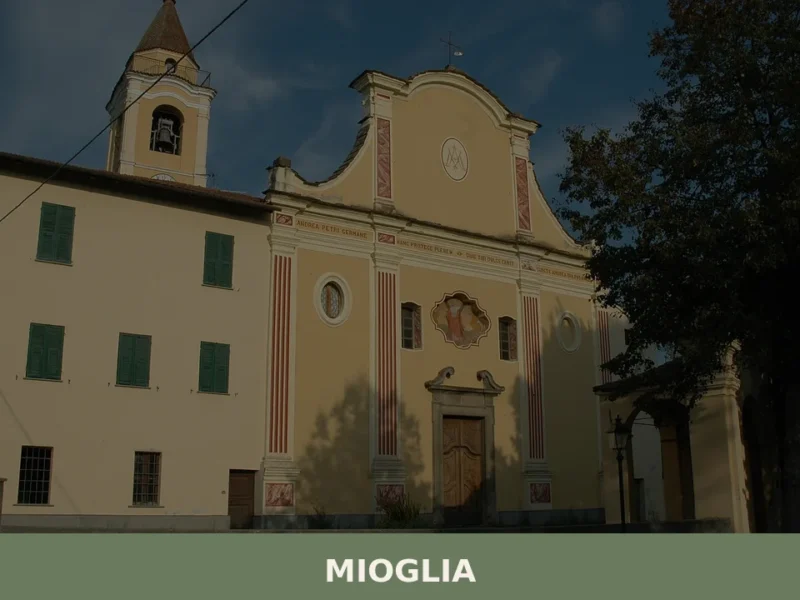
What to see in Mioglia, Italy: a village of 538 inhabitants 40 km from Genoa. Discover top attractions, local food, festivals and how to get there.
Vernazza
Sea
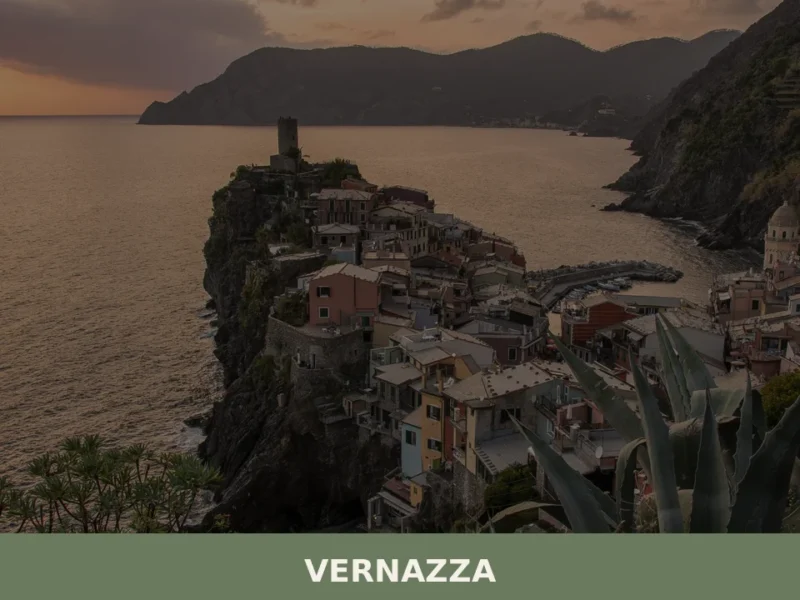
What to see in Vernazza, Liguria, Italy: Doria Castle, Santa Margherita Church and the only natural port of Cinque Terre. Explore a village of 899 inhabitants. Discover now.
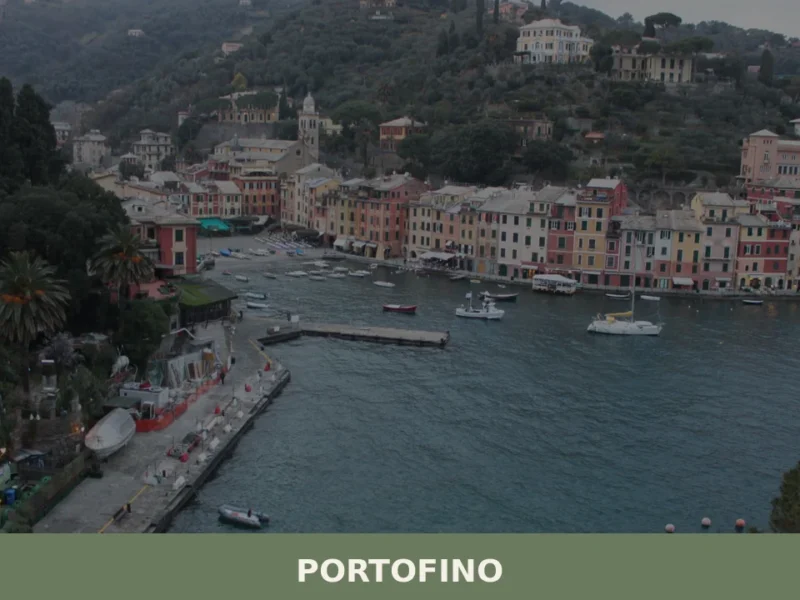
Portofino
Sea
Portofino has a population of 355 residents spread across a headland that descends to sea level. It is one of the smallest municipalities in Italy by population, yet its natural harbour appears in almost every historical guide to the Ligurian Riviera. Anyone looking into what to see in Portofino will find a compact collection of […]
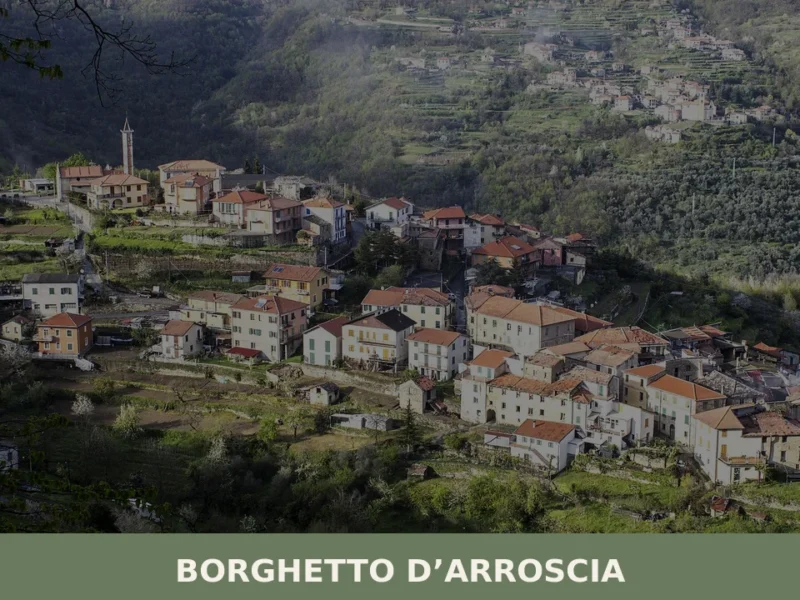
Borghetto d’Arroscia
 Plains
Along the banks of the Arroscia river, amidst centuries-old olive groves and cultivated terraces, lies the territory of Borghetto d’Arroscia, a scattered municipality in the province of Imperia. Its hamlets, such as Gavenola and Bastia, preserve the appearance of small Ligurian settlements, characterized by stone buildings and narrow streets that follow the contours of the […]
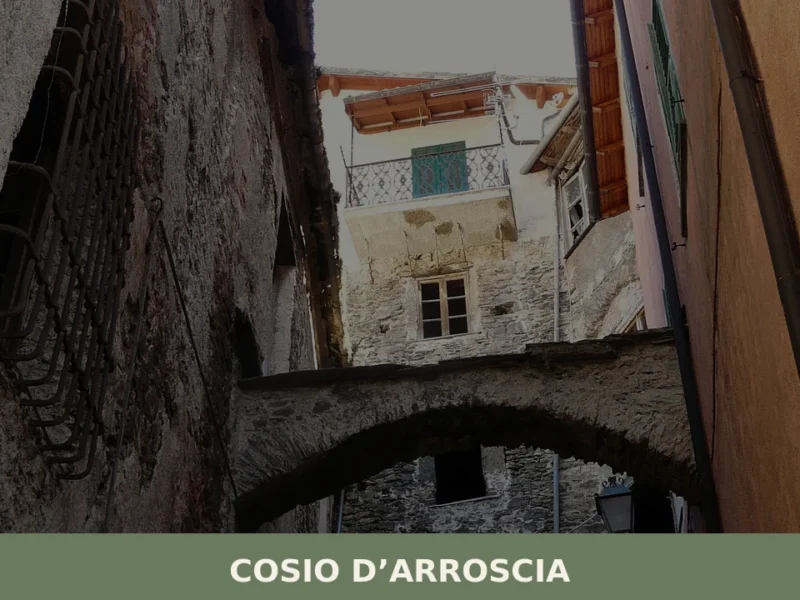
Cosio d’Arroscia
Mountain
what to see a Cosio d'Arroscia: il village ligure a 721 m s.l.m. con 171 abitanti, la chiesa dei Santi Pietro e Paolo, i hiking trails dell'Alta Via e la festa patronale del 29 giugno.
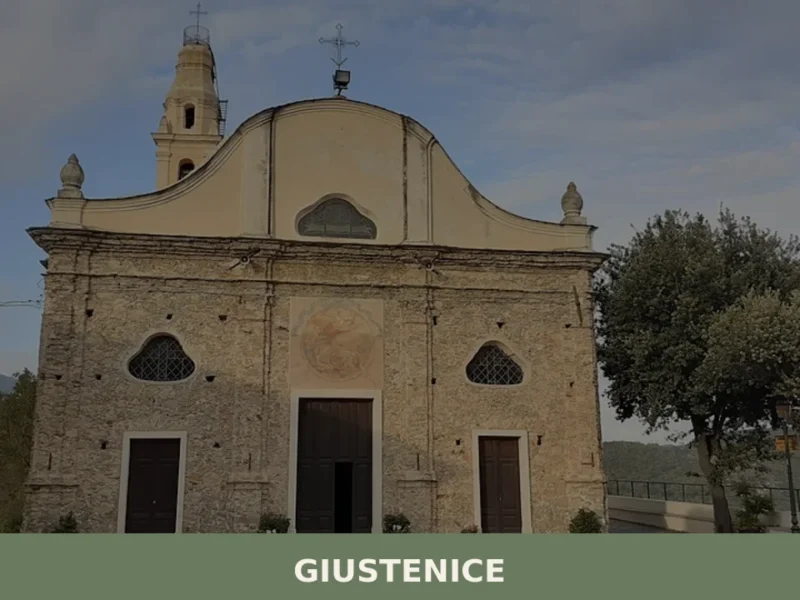
Giustenice
Sea
The Scaincio stream cuts through the Maremola Valley floor, and the path that follows it northward from San Lorenzo climbs steadily toward a ridgeline where the elevation crosses 1,200 m (3,937 ft). Above, the bulk of Monte Carmo reaches 1,389 m (4,557 ft), its limestone flanks visible for much of the valley. In this article […]
Pompeiana
Sea
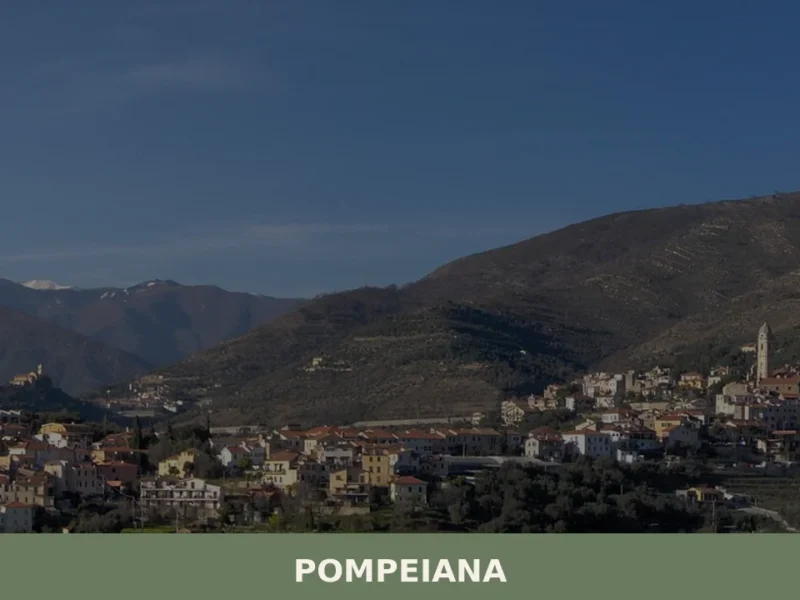
what to see in pompeiana, Italy. Discover this Imperia village of 837 residents, explore its historic center and surrounding olive terraces. Read our guide to Liguria.
Garlenda
 Hills
Hills
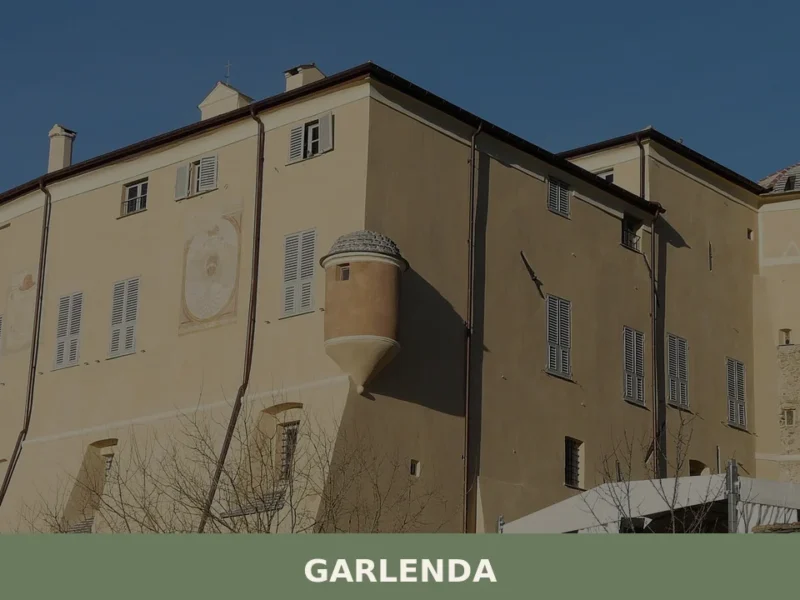
What to see in Garlenda, Liguria, Italy: explore a village of 1,200 inhabitants 80 km from Genoa. Discover top attractions, local food, and how to get there.
Pignone
Hills
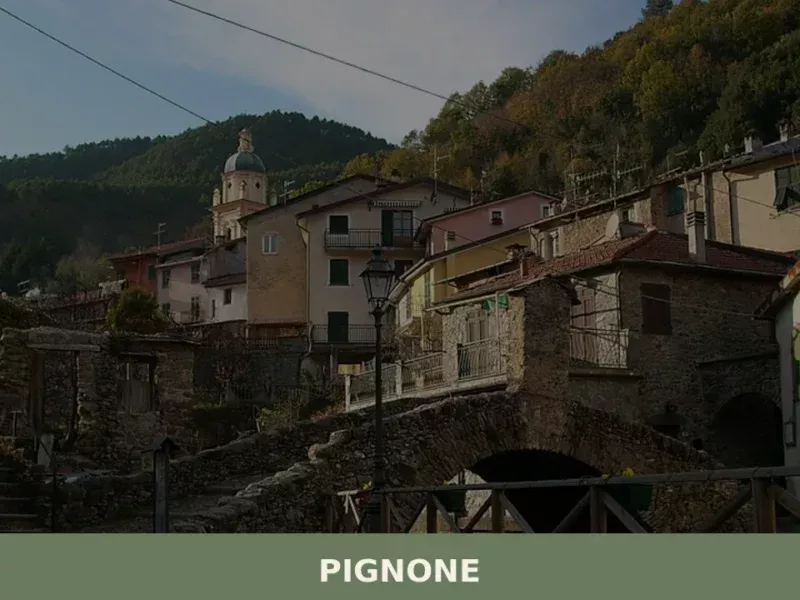
what to see in pignone provides a glimpse into Ligurian life. With a population of 654, discover its location near La Spezia, Italy and its administrative divisions. Explore its quiet charm.


🏡 Know Savona better than we do?
If you’re a local or have been there, your knowledge matters: add what’s missing or fix a detail on this page.