


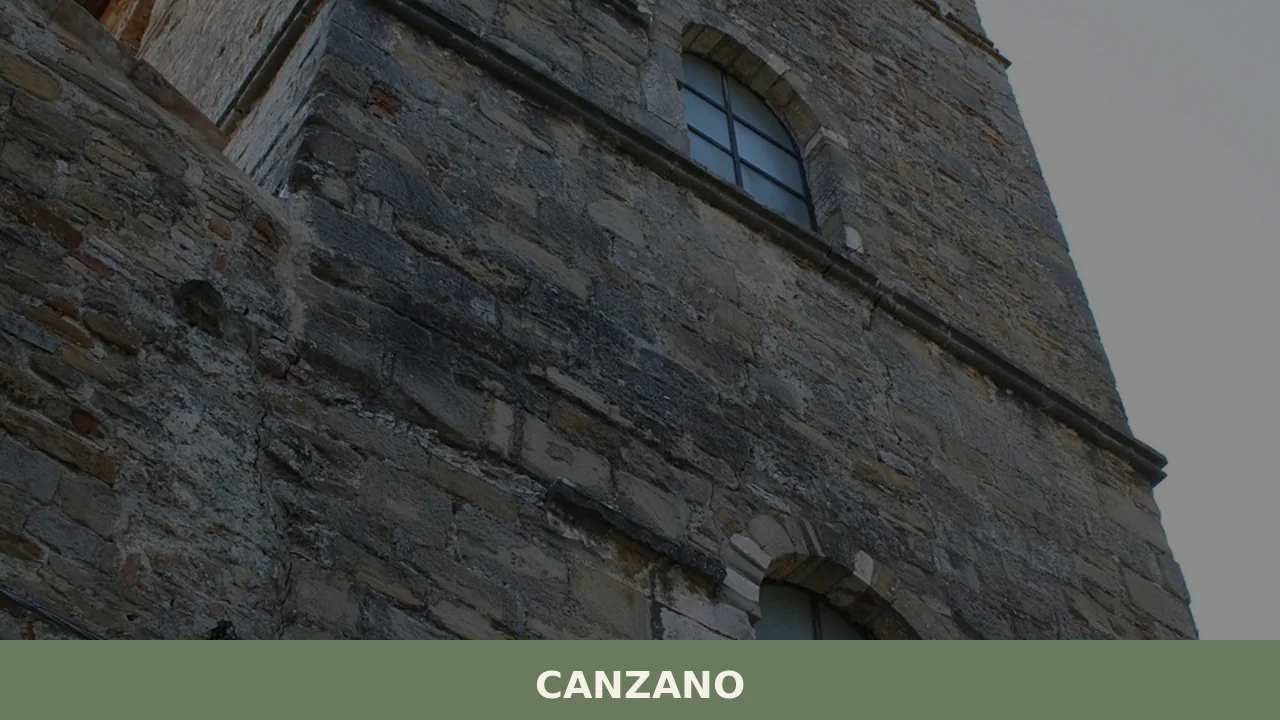
Canzano
 Hills
Hills
Canzano has 1,786 inhabitants and stands at 448 metres above sea level on a hill in the province of Teramo, along the foothill belt separating the Vomano valley from the first Apennine ridges. Anyone wondering what to see in Canzano will find an urban core where the fortified medieval layout coexists with a precise and […]
Discover Canzano
Canzano has 1,786 inhabitants and stands at 448 metres above sea level on a hill in the province of Teramo, along the foothill belt separating the Vomano valley from the first Apennine ridges. Anyone wondering what to see in Canzano will find an urban core where the fortified medieval layout coexists with a precise and well-documented gastronomic tradition — that of tacchina alla canzanese, recognised well beyond regional borders. The village is dedicated to San Biagio di Sebaste (Saint Blaise of Sebastea), whose cult marks the local celebration calendar every 3 February.
History and origins of Canzano
The place name “Canzano” derives, according to the most widely accepted hypothesis, from the Latin name of a Roman landowner — probably a Cantius — who held estates in the area, with the predial suffix -anum indicating ownership. The area was already frequented during the Italic period: its hilltop position, commanding the Vomano valley, met the defensive needs common to many settlements in the Pretuzio, the territory of the ancient Pretuzi people who inhabited the Teramo area before the Roman conquest.
In the Middle Ages, Canzano became part of the feudal system of the Kingdom of Naples. The village was held by several noble families, including the Acquaviva d’Atri dukes, who controlled vast portions of the Teramo district between the 14th and 16th centuries. The layout of the historic centre preserves the structure of that period: a compact perimeter with walls and towers, organised around the parish church and the baronial palace. Feudal ownership transfers followed the typical pattern of Abruzzo’s villages under Angevin and then Aragonese rule, until the abolition of feudalism in 1806.
During the 19th century, with the Unification of Italy, Canzano became an autonomous municipality within the province of Teramo. The local economy long remained agricultural, based on the cultivation of cereals, olives and vines, and on animal husbandry — particularly turkey rearing, which gave rise to the gastronomic preparation the village is now best known for. Twentieth-century emigration reduced the population but did not erase the network of religious festivals and culinary practices that still define the community calendar. For further information on the history of the municipality, the dedicated Wikipedia page can be consulted.
What to see in Canzano: churches, architecture and landscape
Church of San Biagio
Dedicated to the village’s patron saint, the church retains architectural elements dating from interventions between the 15th and 18th centuries. The interior houses side altars with stucco decorations and canvases from the Neapolitan school. The façade, reworked over time, features a stone portal marking the main entrance onto the village square.
Fortified historic centre
The medieval urban layout is still legible in the concentric arrangement of houses around the highest point of the hill. Surviving stretches of the perimeter walls and a remaining tower document the original defensive system. The local stone houses, with exposed masonry, maintain heights and proportions consistent with Abruzzo’s rural building tradition from the 14th to 16th centuries.
Baronial palace
Positioned in the upper part of the village, the baronial palace served as the residence of the feudal lords who successively controlled Canzano. The structure has undergone modifications over the centuries but retains its original massing and some interior decorative elements. The entrance portal and inner courtyard convey the spatial hierarchy of a noble representative building.
Church of the Madonna degli Angeli
Located on the outskirts of the historic centre, this rural church reflects the Marian devotion widespread across the Teramo territory. The building, modest in size, has a single nave and a simple façade. Inside, liturgical furnishings document the continuity of worship in the surrounding countryside.
Hill landscape and panoramic viewpoints
From its elevation of 448 metres, Canzano offers an open view over the Vomano valley to the east and the Gran Sasso massif to the west. The surrounding farmland — olive groves, arable fields, small vineyards — forms a patchwork of crops best appreciated in spring and autumn, when the colour contrasts between plots are sharpest.
What to see in Canzano: local food and regional produce
The preparation that puts Canzano on the gastronomic map of Abruzzo is tacchina alla canzanese: a whole turkey, deboned and slow-cooked in a broth flavoured with celery, carrot, onion and pepper, then served cold in slices. The recipe — codified and handed down by local families — requires several hours of preparation and a deboning technique learned through direct practice. A dedicated festival, organised during the summer months, draws thousands of visitors to the village each year. The official municipal website publishes updates on dates and the event programme.
Beyond the turkey, the Canzano area contributes to the olive oil production of the Teramo hills: extra virgin olive oil from local cultivars — Dritta, Leccino, Tortiglione — falls within the scope of the DOP Aprutino Pescarese designation and the geographically indicated productions of the Abruzzo foothill belt. Pecorino cheeses, wood-fired bread and preserved vegetables round out a domestic pantry that local restaurants and trattorias reproduce with few variations from home cooking.
When to visit Canzano: the best time of year
Canzano’s climate is typical of the mid-Adriatic hills: cold but rarely harsh winters at an altitude of 448 metres, and hot, dry summers with temperatures frequently exceeding 30 degrees in July and August. Spring, from April to June, allows visitors to walk the rural roads in mild temperatures with vegetation at the peak of its flowering. Autumn — October and November — coincides with the olive harvest and offers a raking light that sharply defines the volumes of the hill landscape.
The most significant event is the Sagra della Tacchina alla Canzanese (Canzanese Turkey Festival), traditionally held in August, which concentrates tastings, music and cultural initiatives into a few days. The feast of San Biagio on 3 February is the other major community gathering, featuring the blessing of the throat and a procession through the historic centre. For up-to-date tourist information about the region, the italia.it portal offers a reliable overview.
How to get to Canzano
Canzano is approximately 15 kilometres from Teramo and about 25 kilometres from the Adriatic coast. By car, the most direct route from the A14 Bologna–Taranto motorway involves exiting at Teramo/Giulianova and continuing along the SS150 state road through the Vomano Valley towards Teramo, turning off for Canzano after roughly 10 kilometres.
- By car from Rome: A24 to L’Aquila, then A25 and the link road towards Teramo, or A24 with exit at Teramo and continuation to Canzano. Travel time: approximately 2 hours and 30 minutes.
- By car from Pescara: A14 northbound, exit at Mosciano Sant’Angelo or Teramo, then provincial roads to Canzano. Approximately 50 minutes.
- By train: the nearest railway station is Teramo, on the Giulianova–Teramo line. From Teramo, bus services (TUA) reach Canzano.
- By air: Pescara Airport (Abruzzo Airport) is approximately 60 kilometres away. Rome Fiumicino Airport, about 230 kilometres away, offers a greater number of domestic and international connections.
Other villages to discover in Abruzzo
The province of Teramo has dozens of smaller centres that share with Canzano their hilltop position and compact medieval urban layout. Among them, Ancarano — situated further north, on the border with the Marche — is an interesting example of a fortified village on a narrow ridge, with an agricultural economy tied to wine and olive oil production in the Tronto Valley. Its small size and geographical position on the frontier make it a useful vantage point for observing the differences and continuities between northern Abruzzo and the Piceno area.
Moving towards the Majella side, in the province of Pescara, Abbateggio occupies a higher altitude and presents a different landscape: Majella stone, beech forests, a direct relationship with the National Park. The distance between Canzano and Abbateggio — just over an hour’s drive — allows travellers to cross three distinct altitudinal bands of Abruzzo in a single journey, from the Teramo hills to the Pescara mountains, observing the shifts in vegetation, building materials and food traditions that unfold along the route.
Nearby Villages near Canzano
In Abruzzo More villages to discover
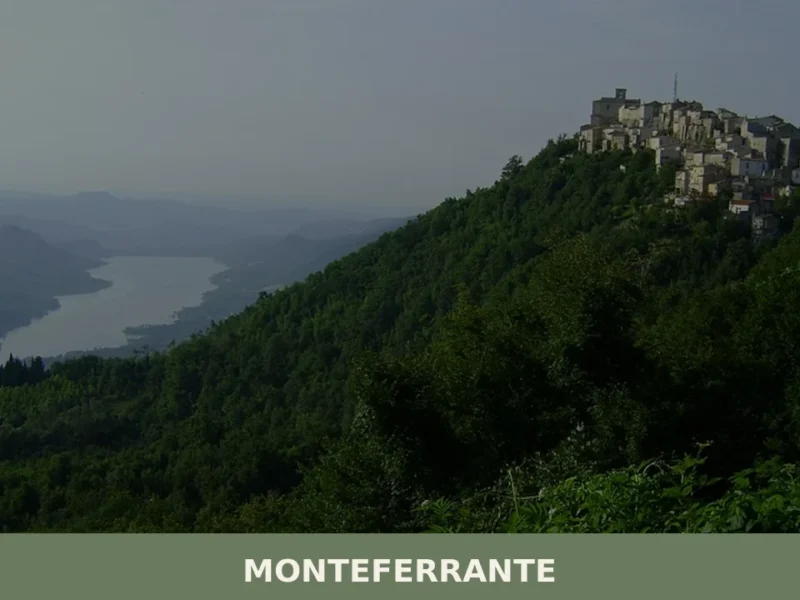
Monteferrante
 Mountain
What to see in Monteferrante: discover the 5 main attractions of this mountain village, from the Church of St. John the Baptist to natural trails. Plan your trip!
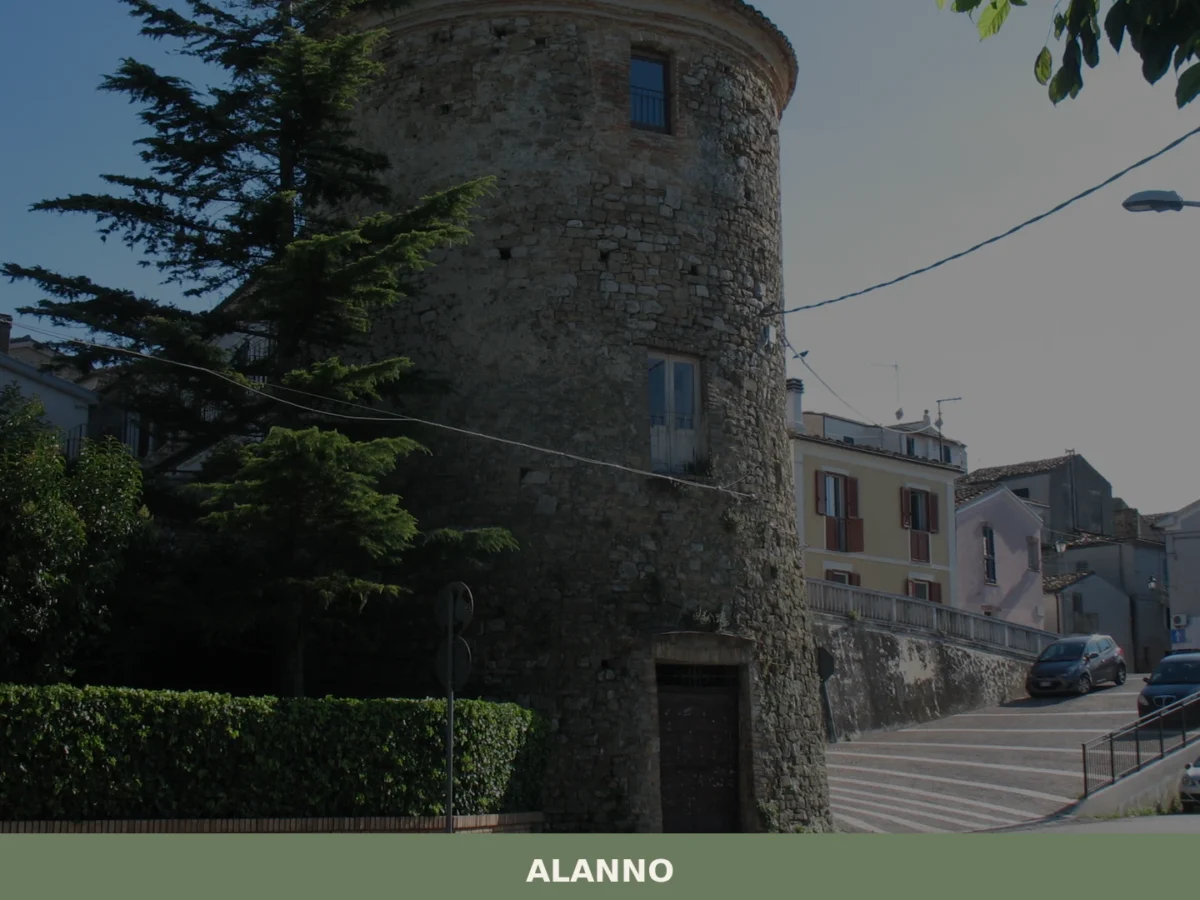
Alanno
Hills
what to see in alanno: Discover Italy's Abruzzo region, a comune recorded with 114 families in 1443. Explore the 1485 Santa Maria delle Grazie church and the Wildlife Oasis. Read more.
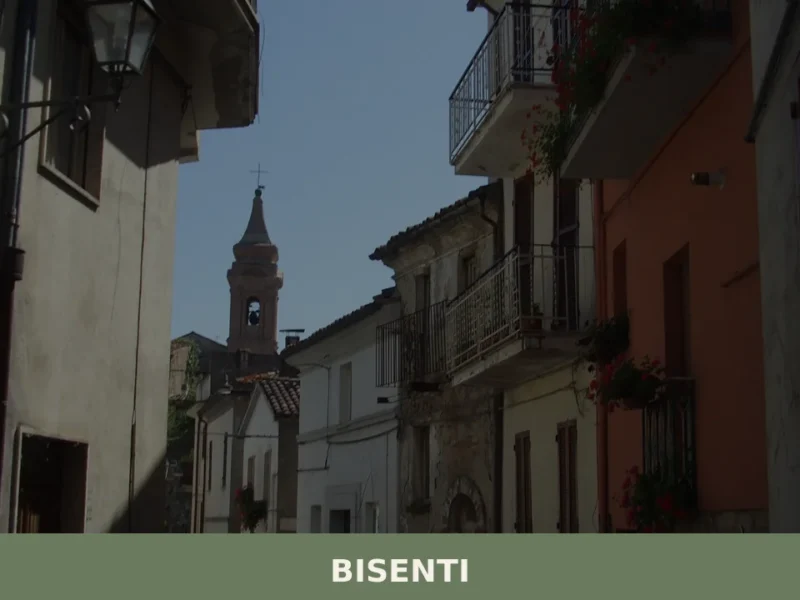
Bisenti
Hills
What to see in Bisenti, Abruzzo, Italy: explore the church of Santa Maria degli Angeli, the House of Pilate legend, and a village of 2,030 inhabitants. Discover it now.
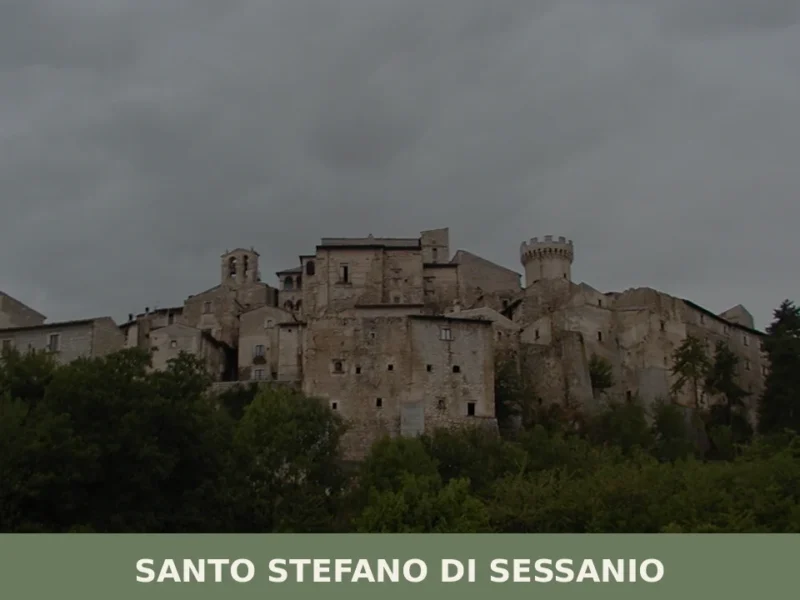
Santo Stefano di Sessanio
Mountain
What to see in Santo Stefano di Sessanio, Italy: Discover this medieval hill town at 1,250 m (4,101 ft) altitude. Explore its restored Sextantio Albergo Diffuso and taste the renowned gourmet lentils.
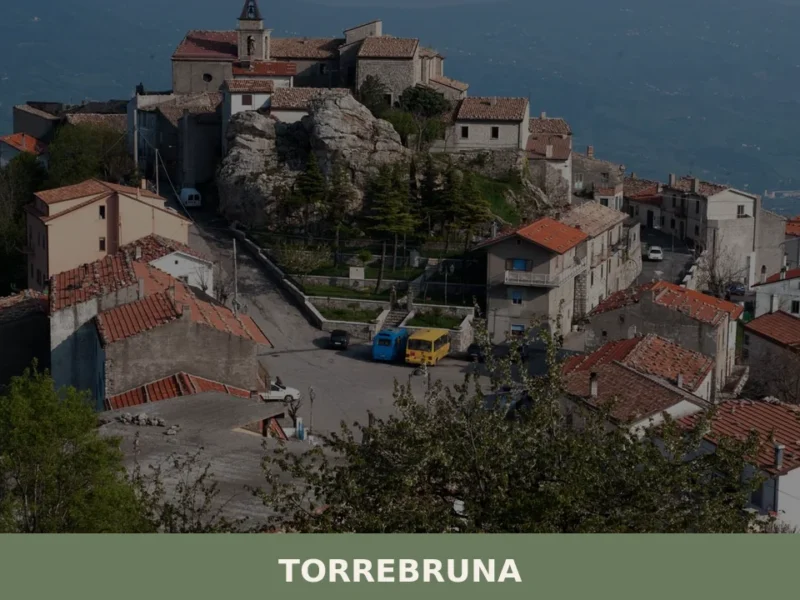
Torrebruna
Mountain
What to see in Torrebruna, Italy: 3 historic monuments, 879 inhabitants, fortified boroughs and a 17th-century church. Discover how to get there and when to visit.
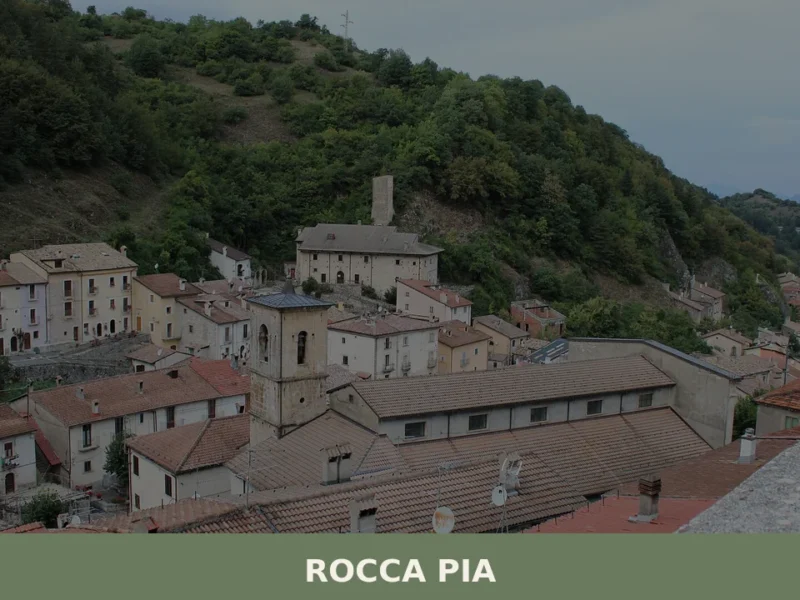
Rocca Pia
Mountain
what to see in rocca pia, Italy: Explore this Abruzzo comune near L'Aquila. Discover its territory extending to the Cinquemiglia Plain. Read our guide.
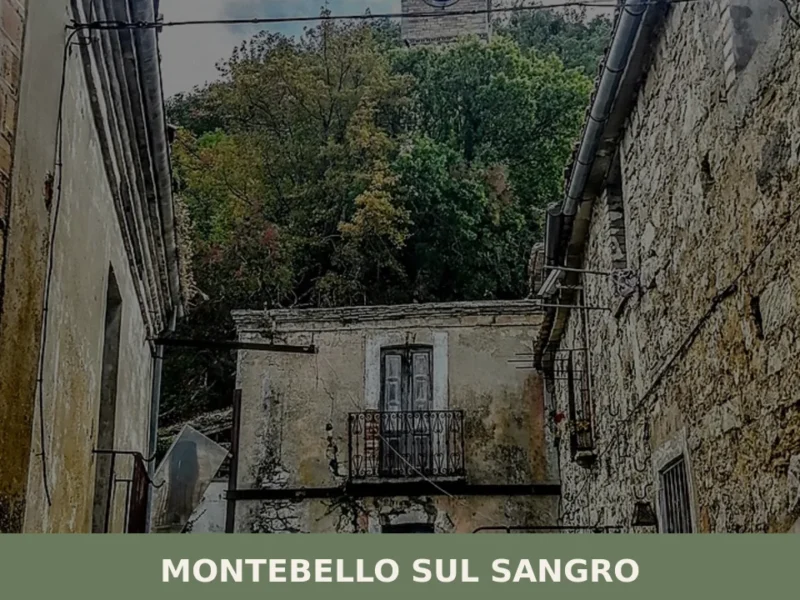
Montebello sul Sangro
Mountain
what to see in montebello sul sangro? Discover 5 attractions: Church of San Ciriaco and scenic vistas. With 81 inhabitants, explore this mountain village.
Farindola
Mountain
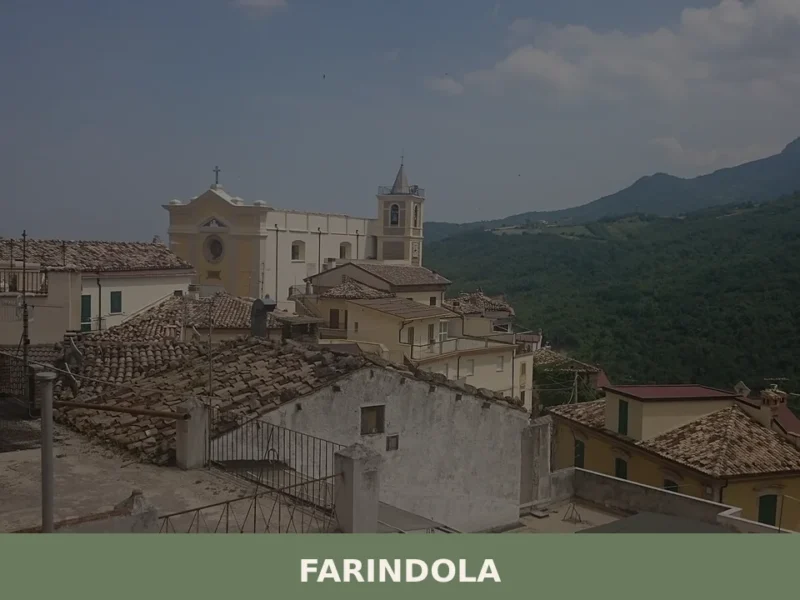
What to see in Farindola, Abruzzo, Italy: explore the 28 m Vitello d'Oro falls, Gran Sasso National Park and Pecorino di Farindola. Discover 1,569 inhabitants strong.
Quadri
Mountain
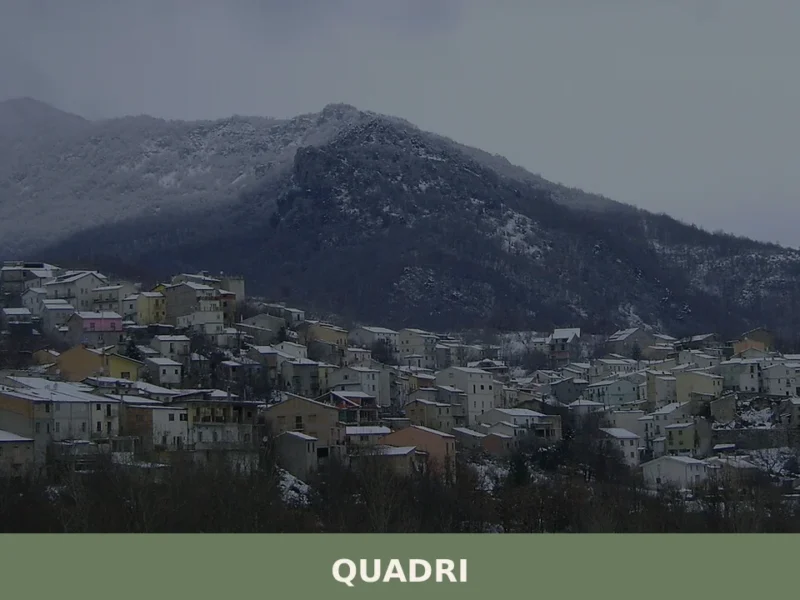
The limestone of the alleyways climbs straight up toward the ridge, and from up there the valley opens onto slopes where beech forests give way to pastures. Quadri belongs to the province of Chieti, in the heart of inland Abruzzo, at an altitude that isolates the village from the main transit routes and keeps it […]
Roccamontepiano
Hills
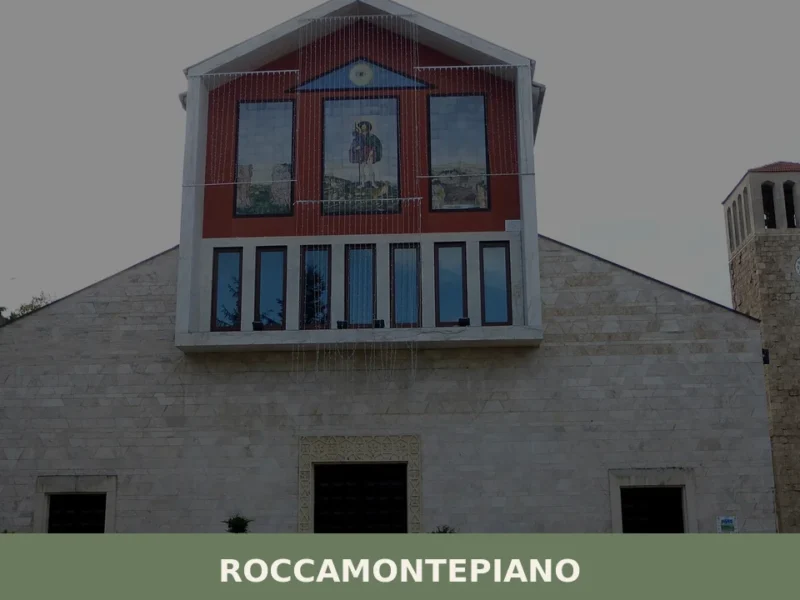
What to see in Roccamontepiano, Abruzzo, Italy: explore a hilltop village at 450 m with a 1765 landslide history. Discover the Saint Roch festival and more.


🏡 Know Canzano better than we do?
If you’re a local or have been there, your knowledge matters: add what’s missing or fix a detail on this page.