


Catanzaro
 Sea
Sea
What to see in Catanzaro: from historic churches to the Morandi Bridge, discover the 5 top attractions. A complete guide to visiting the Calabrian capital.
Discover Catanzaro
The wind arrives before the city does. Crossing the isthmus between the Ionian Sea and the Gulf of Squillace, the scirocco libeccio — the south-westerly gust that sweeps Calabria’s narrowest point — funnels through Catanzaro’s streets with enough regularity that it became one of three defining features encoded into the city’s identity.
At 320 m (1,050 ft) above sea level, the historic centre reads as a sequence of stone ridges: the Bishopric quarter, the district of San Tryphon, and the remnants of a Norman castle built after a siege that lasted many months.
Knowing what to see in Catanzaro starts with understanding where, exactly, you are standing.
The city sits at roughly 320 m (1,050 ft) altitude in the Calabria region of southern Italy, overlooking the Gulf of Squillace, with a population of approximately 89,000 inhabitants spread across an urban area that stretches from mountain to coast.
Visitors to Catanzaro find a city whose silk-weaving history predates most of Europe’s textile industries, and whose infrastructure — including one of Europe’s tallest single-arch viaducts — reflects a place that has always occupied a strategic position between two seas.
History of Catanzaro
The city’s name itself carries layers of competing origins. One theory connects it to two Byzantine generals, Cattaro and Zaro, who transferred the coastal settlement of Skilletion inland, first to Zarapotamo and then to the fortified hilltop known as Trivonà. Another etymology points to the Greek word Katartárioi (Καταρτάριοι), meaning “spinners of silk,” reflecting the trade that would define the city for centuries.
Archaeological evidence from the district of Germaneto, along the Corach valley, documents a Greek necropolis dating to the fifth century BC and the presence of an earlier Iron Age settlement, confirming human occupation of this territory long before Byzantine consolidation.
Around the year 903, the Byzantine city was occupied by Saracen forces, who established an emirate and gave it the Arab name Qaṭanṣār.
Findings from an eighth-century necropolis include objects carrying Arabic inscriptions, corroborating this period of Arab presence.
Catanzaro remained under Saracen control until around 1050, when it returned briefly to Byzantine authority. In 1069 it became the last city in Calabria to fall to the Normans — specifically to the forces of Robert Guiscard — after months of resistance. The Normans built a castle that still partially stands today, and under their rule the silk industry entered a period of rapid growth.
By the ninth to eleventh centuries, Catanzaro was the first centre in Italy to introduce silk production at scale, supplying almost all of Europe and attracting Spanish, Venetian, Genoese, and Dutch merchants to its market fairs. The coastal town of Amantea, further north along the Tyrrhenian coast, was part of the same broader network of Norman-era Calabrian settlements that developed during this period.
In the 13th century, Emperor Frederick II made Catanzaro a direct possession of the crown.
The city subsequently passed through the hands of the Ruffo, Caraffa, and Soriano families, endured a period as royal domain under King Ladislaus of Naples, and in 1420 returned to Nicholas Ruffo, who gave it as a dowry to his daughter Enrichetta upon her marriage to Antonio Centelles. In 1519 Emperor Charles V formally recognised the city’s silk industry by authorising the establishment of a consulate of the silk craft.
At that moment, the city declared it had over 500 looms in operation.
By 1660, with a population of around 16,000 inhabitants, those looms had grown to 1,000, keeping at least 5,000 people employed. In 1466, King Louis XI of France had already called Italian silk workers — principally from Calabria — to Lyon to establish a national silk industry. One of those workers, recorded as Jean le Calabrais, built the first prototype of a Jacquard-type loom in 1470.
Catanzaro was officially designated the capital of the Calabria region in 1970.
What to see in Catanzaro, Calabria: top attractions
Viaduct Morandi-Bisantis (Catanzaro Bridge)
The concrete arch of the Bisantis viaduct rises over the Fiumarella valley at a height that places it among the tallest single-arch bridges in Europe. The structure carries the main road across the gorge that separates the historic upper city from the more modern districts below, and viewing it from the valley floor gives a clear sense of the topographic challenge the city’s builders have always faced.
The river Fiumarella — called Hjiumareddha in the local dialect — runs through the same gorge where, on 23 December 1961, a train derailed from the viaduct above and fell approximately 40 m (131 ft) into the water, killing 71 passengers.
Standing near the river today, that distance is immediately legible in the rock faces on either side.
The best viewpoint is accessible on foot from the lower road; plan for early morning light, which illuminates the full span of the arch.
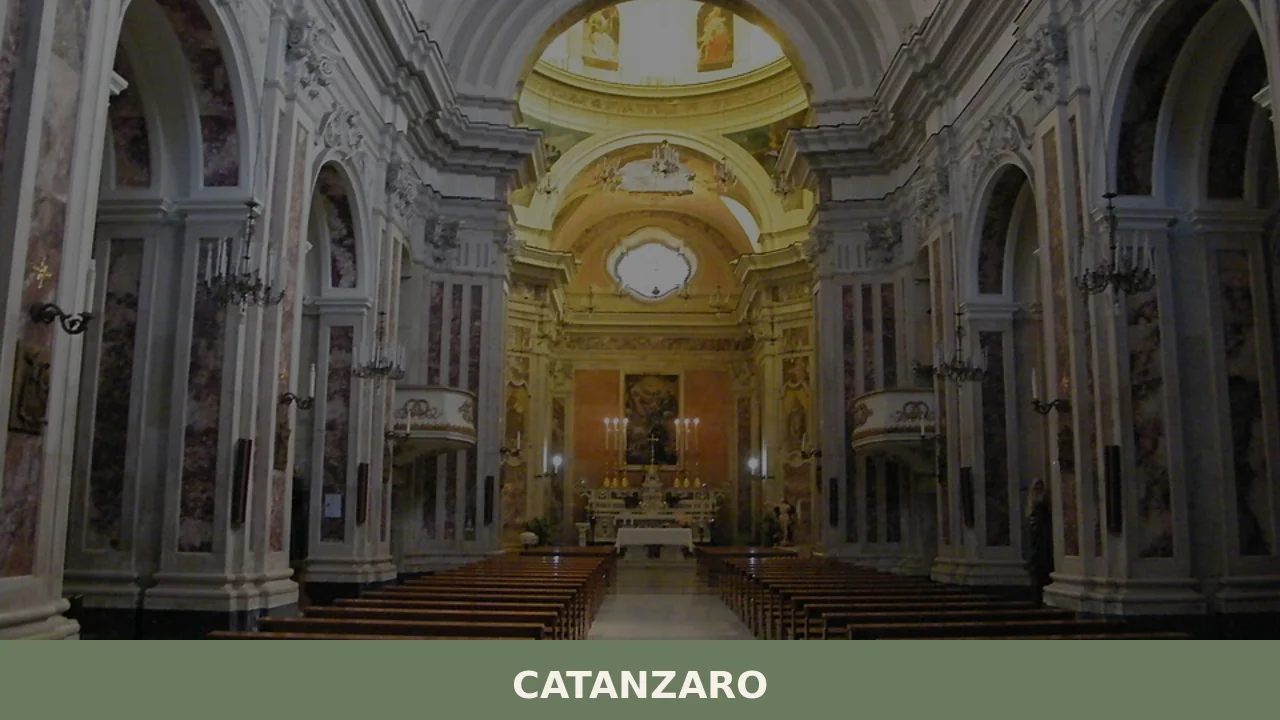
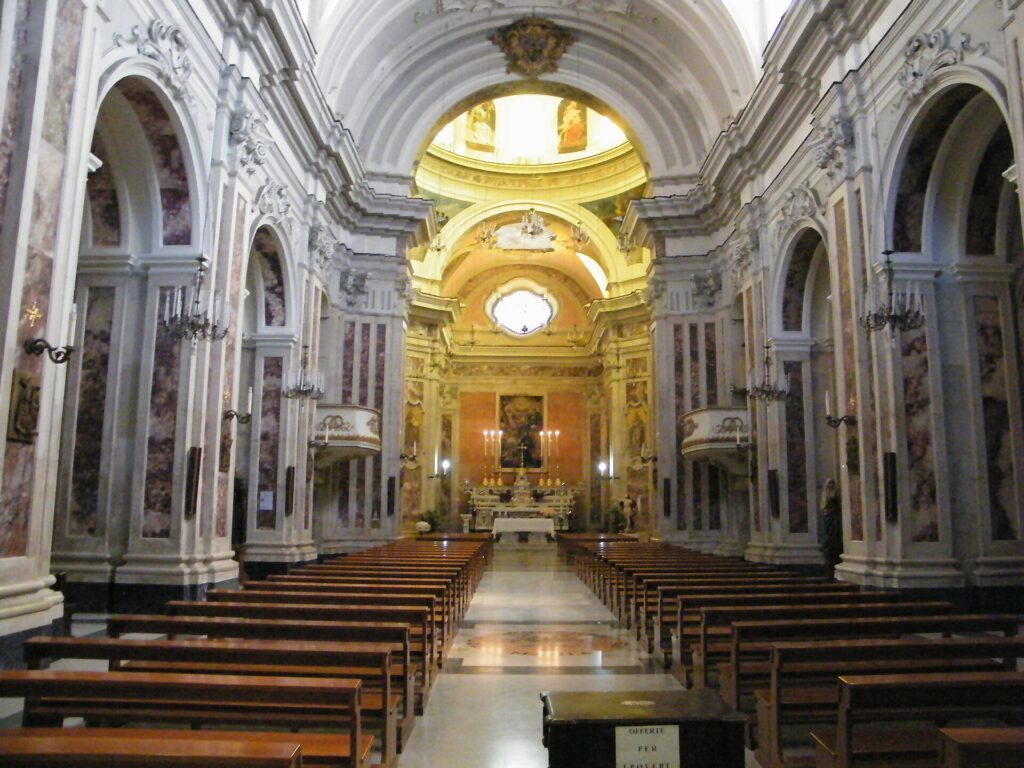
Duomo (Cathedral of Catanzaro)
The Cathedral’s origins trace to a Norman church constructed in 1121, though the structure visible today is the product of successive rebuilding over nine centuries. A Renaissance façade was added in the 16th century, but destroyed in 1638. Allied bombing in 1943 left the building almost entirely ruined, and the current structure is a post-war reconstruction that incorporates surviving medieval elements.
The site of the original Norman cathedral sits within the historic centre, on ground that has functioned as the city’s religious focal point since the 11th century.
Inside, look for the articulation between restored masonry and modern construction — the contrast documents the city’s physical trajectory through the 20th century in a way that no signage can fully replicate.
The Cathedral is most atmospheric in the early morning, before tourist foot traffic builds.
Church of the Santissimo Rosario
Dating to the 15th or 16th century, this church presents a Renaissance façade on a single-nave interior that houses one of the most documented textile artefacts in Calabria. The collection includes silk fabrics produced between 1500 and 1800, among them the Pianeta of the Borgia — a sacred vestment commissioned by Pope Alexander VI for the wedding of Goffredo Borgia and Donna Sancia d’Aragona, who became Princess of Squillace.
The vestment’s survival inside this church places Catanzaro’s silk industry in direct contact with one of Renaissance Italy’s most powerful families.
The fabric techniques visible on the Pianeta — velvet weaving, damask patterning, brocade work — reflect the skills that Catanzaro’s weavers later exported to Lyon.
Visitors specifically interested in the textile collection should verify opening hours in advance, as access to interior sacristies can be restricted.
Remains of the Norman Castle
What survives of the castle that Robert Guiscard ordered built after 1069 occupies the highest ridge of the historic centre, in the quarter historically known as the San Giovanni or castle district. The remaining walls and foundations document the original perimeter of a fortification designed to control the narrow passes between the Ionian coast and the Sila plateau.
The castle district also marks the point from which the Norman administration reorganised Catanzaro into a noble county, awarding it to Peter Ruffo.
Walking the perimeter of the surviving masonry makes clear why the site required months of siege before it fell — the natural escarpments provided a defensive advantage that no army could neutralise quickly.
The castle ruins are accessible from the upper historic centre and can be reached on foot from the main piazzas within fifteen minutes.
Palazzo de’ Nobili and Piazza Grimaldi
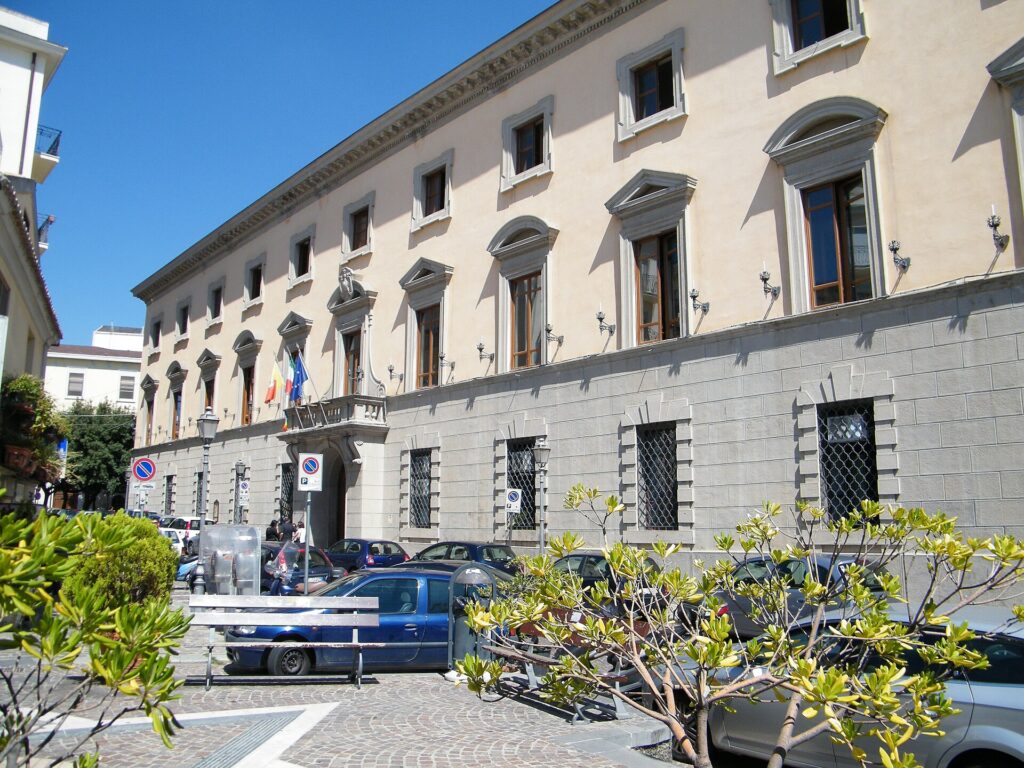
The Palazzo de’ Nobili, constructed in the 15th century, now serves as Catanzaro’s Town Hall, and its exterior reflects the administrative weight the building has carried across five centuries of different governments. Adjacent to it, Piazza Grimaldi takes its name from the House of Grimaldi, whose Calabrian branches maintained active commercial ties with the city — the square itself serving as the spatial record of those trading relationships.
Together, the palazzo and the piazza form the civic core of the upper historic district, surrounded by the medieval gate remnants of Porta di S.
Agostino and Porta di Stratò, the last surviving sections of city walls demolished in 1805. The gates are modest in scale but provide a measurable reference point for the original extent of the medieval perimeter.
The piazza is accessible year-round and functions as the practical starting point for exploring the upper city on foot.
Local food and typical products of Catanzaro
Catanzaro’s food culture is shaped by the same geographic compression that defines the city’s landscape: within a few kilometres, the altitude drops from mountain plateau to Ionian coastline, creating a larder that combines inland pastoral products with coastal fish. The Sila plateau, directly accessible from the city, supplies dairy products, cured meats, and foraged ingredients.
The Ionian coast, reaching towns such as Sellia Marina and Soverato, provides the fish and seafood that appear on tables throughout the coastal districts. This vertical geography — from mountain to sea within one municipality — produces a cooking tradition that does not fit neatly into either a mountain or a maritime category.
Among the dishes most closely associated with the area, morzello stands out as the preparation most specific to Catanzaro itself.
It is a stew built from offal — primarily tripe and organ meats — simmered for several hours in a sauce of tomato, chilli, oregano, and red wine, then served inside a round bread called pitta that absorbs the cooking liquid.
The texture is dense and the chilli heat is direct rather than background. Nduja, the spreadable, forcemeat-style salume made from pork and a high proportion of Calabrian chilli paste, is produced across the region and appears across Catanzaro’s tables, eaten on bread or incorporated into pasta sauces.
Soppressata di Calabria, a pressed pork salume with a coarser grind than nduja, is another regional fixture, with flavour profiles that vary between sweet and hot depending on the producer.
Silk is not a food product, but the city’s historic association with mulberry cultivation — the mulberry leaf being the primary feed for silkworms — placed Catanzaro inside a broader agricultural economy that included orchards and cultivation plots now given over to other uses.
Today, the Ionian coast from Catanzaro toward Soverato attracts significant summer tourism, and the coastal restaurants in the districts of Copanello and Soverato serve grilled fish, sea urchin, and locally caught swordfish alongside the inland preparations.
The village of Acquappesa, on the Tyrrhenian coast of Calabria, similarly sits at the intersection of coastal and inland food traditions, making it a useful reference point for understanding how Calabrian cuisine shifts between coasts.
The summer months are the most active period for food-related markets and events along the coast, with outdoor stalls and food stands operating through July and August in the coastal districts.
For locally produced preserved goods — chilli pastes, cured meats, dried legumes — the weekly markets in Catanzaro’s central districts are the most direct point of access, typically held on fixed weekday mornings.
Bringing cash is practical for market purchases, as card payment is not universally accepted at smaller stalls.
Festivals, events and traditions of Catanzaro
The patron saint of Catanzaro is Vitaliano da Capua, and his feast day falls on 16 July each year.
The celebration is the city’s most significant civic and religious event, involving a solemn procession through the historic centre in which the statue of the saint is carried through the principal streets of the upper city. The route passes through the quarters historically associated with the city’s Norman and Byzantine periods, and the procession draws participation from residents of both the historic centre and the coastal districts.
The feast day coincides with the height of summer, when the city’s population is supplemented by visitors from the Ionian coast and from Calabrian communities who return to the city for the occasion.
Beyond the patron saint’s feast, Catanzaro’s festival calendar reflects its dual identity as both a regional capital and a coastal city.
The summer season along the Ionian coast — from July through August — supports a series of outdoor events, concerts, and food fairs in the coastal municipalities of Sellia Marina and Soverato that fall within the city’s broader urban area. The city’s silk heritage has not disappeared from the cultural calendar: occasional exhibitions and commemorative events recall the period when Catanzaro’s VVV mark identified its silk, velvet, damask, and brocade production in domestic and foreign markets.
The three Vs — Saint Vitalian, velvet, and vento (wind) — remain the symbolic anchors of local identity.
When to visit Catanzaro, Italy and how to get there
The climate of Catanzaro follows a Mediterranean pattern with one notable variable: wind.
Spring and autumn are characterised by strong gusts, including the scirocco libeccio, with annual average wind intensity around 4 knots (4.6 mph) and peaks reaching 6 knots (6.9 mph) particularly in April and May. January averages 8.9 °C (48 °F), and August reaches 24.5 °C (76 °F).
Annual rainfall totals approximately 1,000 mm (39 in), concentrated in autumn and winter over an average of 87 rain days per year.
For visitors combining the historic city with the Ionian coast, June and September offer the most workable balance — the sea is warm enough for swimming, summer crowds have not fully arrived or have begun to thin, and daytime temperatures in the upper city remain manageable. July and August are the peak season for coastal tourism along the stretch from Catanzaro to Soverato, making accommodation in the coastal districts harder to secure without advance planning.
Catanzaro, Calabria, Italy sits roughly 620 km (385 mi) south of Rome along the A3 motorway (Salerno–Reggio Calabria), which connects the city to the national road network. Drivers should exit at Catanzaro Lido or Catanzaro Sud and follow signs uphill to the historic centre; the ascent from the coast to the upper city covers approximately 10 km (6.2 mi) and involves a significant change in elevation.
By rail, the main station is Catanzaro Lido, served by Trenitalia connections from Reggio Calabria (approximately 1.5–2 hours) and from Lamezia Terme (approximately 45 minutes), which itself is a junction point for intercity trains from Rome and Milan.
The nearest airport is Lamezia Terme International Airport (SUF), located approximately 45 km (28 mi) from Catanzaro, offering domestic connections and seasonal European routes.
A day trip from Reggio Calabria is feasible, with road travel taking roughly 90 minutes. International visitors should be aware that English is spoken in a limited number of establishments in the upper historic centre; carrying euro cash covers situations where card payment is not available.
Those arriving by road from the north of Calabria can combine a visit to Catanzaro with a stop at Bisignano, a hill town in the province of Cosenza that shares Catanzaro’s position as a documented centre of Calabrian religious and civic heritage. Further along the Ionian coast, the village of Amendolara extends the coastal itinerary northward for travellers who wish to continue exploring the Calabrian Ionian shoreline beyond Soverato.
Frequently asked questions about Catanzaro
What is the best time to visit Catanzaro?
Spring (April–June) and early autumn (September–October) offer the most comfortable conditions, with mild temperatures and less humidity than the coastal summer. July is the most culturally significant month: the feast of the patron saint Vitaliano da Capua is celebrated on 16 July, bringing processions and events to the historic centre. August sees the highest tourist traffic along the nearby Ionian coast. Winter is quiet but functional for exploring the city's museums and churches without crowds.
What are the historical origins of Catanzaro?
Catanzaro's origins are Byzantine, with the hilltop site of Trivonà settled after the coastal city of Skilletion was relocated inland. Around 903 AD, Saracen forces established an emirate under the Arab name Qaṭanṣār. In 1069 it became the last Calabrian city to fall to the Normans under Robert Guiscard. Archaeological evidence from the Germaneto district documents a Greek necropolis dating to the fifth century BC, confirming human presence long before Byzantine consolidation. By the 11th century, Catanzaro had become Italy's first centre for large-scale silk production.
What to see in Catanzaro? Main monuments and landmarks
Key sites include: the Bisantis Viaduct (Ponte Morandi), one of Europe's tallest single-arch bridges, best viewed from the valley floor in the morning; the Cathedral (Duomo), rebuilt after 1943 bombing, in the historic centre; the Church of the Santissimo Rosario, housing the silk Pianeta of the Borgia (c. 1500); the remains of the Norman Castle on the highest ridge; and Palazzo de' Nobili on Piazza Grimaldi, now the Town Hall. The medieval gates Porta di S. Agostino and Porta di Stratò are also visible near the piazza.
What are the main natural or scenic attractions of Catanzaro?
Catanzaro sits between two major natural areas: the Sila plateau, a high-altitude national park directly accessible from the city, and the Gulf of Squillace on the Ionian coast. The Fiumarella gorge, crossed by the Bisantis Viaduct, offers dramatic rocky scenery accessible on foot from the lower road. The isthmus geography — the narrowest point of Calabria, between the Ionian Sea and the Tyrrhenian — creates distinctive landscapes within a short driving radius of the city centre.
Where to take the best photos in Catanzaro?
The most photographed subject is the Bisantis Viaduct (Ponte Morandi): the optimal viewpoint is from the valley floor along the lower road, ideally in early morning light when the full concrete arch is illuminated. The Fiumarella gorge beneath the viaduct provides dramatic rock-face framing. The upper historic centre offers elevated views toward the Gulf of Squillace, particularly from the area near the Norman Castle ruins on the highest ridge of the city.
Are there museums, churches or historic buildings to visit in Catanzaro?
The Church of the Santissimo Rosario contains a documented collection of silk fabrics produced between 1500 and 1800, including the Pianeta of the Borgia — verify opening hours in advance as access to interior sacristies may be restricted. The Cathedral (Duomo) is open for visits in the early morning before tourist traffic. The Palazzo de' Nobili, a 15th-century building now serving as the Town Hall, is visible year-round from Piazza Grimaldi. The Norman Castle ruins are accessible on foot from the main piazzas within fifteen minutes.
What can you do in Catanzaro? Activities and experiences
Catanzaro offers a range of experiences across a compact geographic area: walking the upper historic centre to visit the Norman Castle ruins, Cathedral, and silk church; descending to the Fiumarella valley to view the Bisantis Viaduct from below; day trips to the Sila plateau for hiking and mountain scenery; and access to Ionian coastal towns such as Sellia Marina and Soverato for swimming. The feast of patron saint Vitaliano da Capua on 16 July provides a concentrated cultural event in the city centre.
Who is Catanzaro suitable for?
Catanzaro suits travellers interested in layered urban history — Byzantine, Arab, Norman, and Renaissance — without the mass tourism of larger southern Italian cities. The silk heritage and the Borgia vestment in the Rosario church make it a strong destination for cultural and art history visitors. The proximity to both the Sila plateau and the Ionian coast makes it practical for travellers combining mountain and sea. The city's walkable historic centre, accessible monuments, and local food tradition also make it suitable for couples and independent travellers.
What to eat in Catanzaro? Local products and specialties
The most distinctive local dish is morzello, a stew made from offal (primarily tripe) cooked in a spiced tomato sauce, traditionally served inside a pitta — a round flatbread — and eaten standing. It is specific to Catanzaro and difficult to find elsewhere. The surrounding area supplies Sila DOP cheeses (including caciocavallo and pecorino), 'nduja and cured meats from the broader Calabrian tradition, and fresh fish from the nearby Ionian coast towns of Sellia Marina and Soverato.
📷 Photo Gallery — Catanzaro
Nearby Villages near Catanzaro
In Calabria More villages to discover
Buonvicino
 Hills
Hills
what to see in buonvicino: Explore this Calabrian village at 400m above sea level. Discover its historic center and traditional cuisine, including homemade pasta.
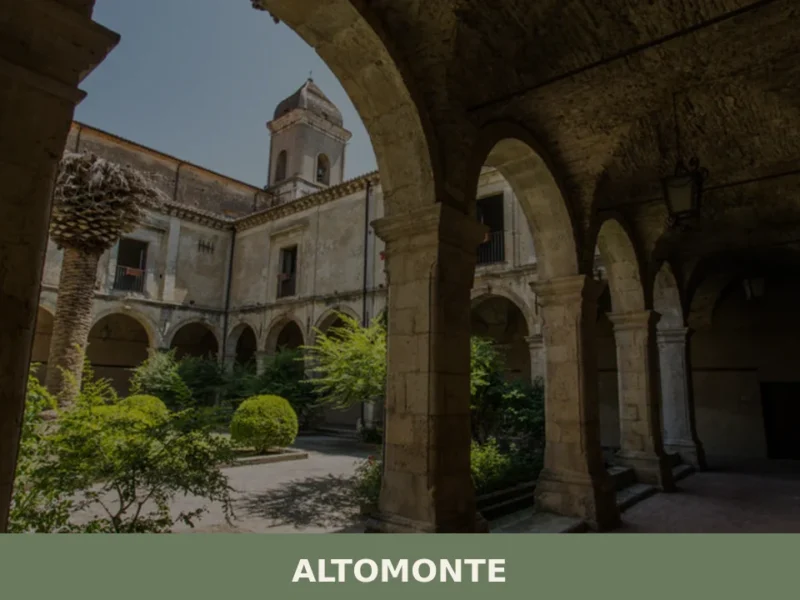
Altomonte
Hills
What to see in Altomonte: a hill village at 455m in Calabria with a 14th-century Gothic church, Civic Museum and medieval castle. Plan your visit today.
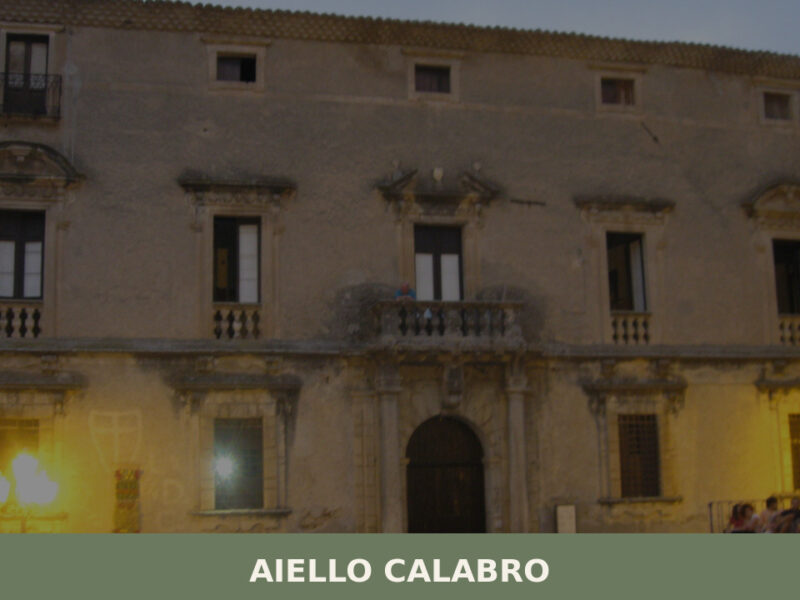
Aiello Calabro
Hills
A hill village in Cosenza province at 502 metres, Aiello Calabro holds medieval ruins, noble palazzi, and a living food culture shaped by centuries of mountain life.
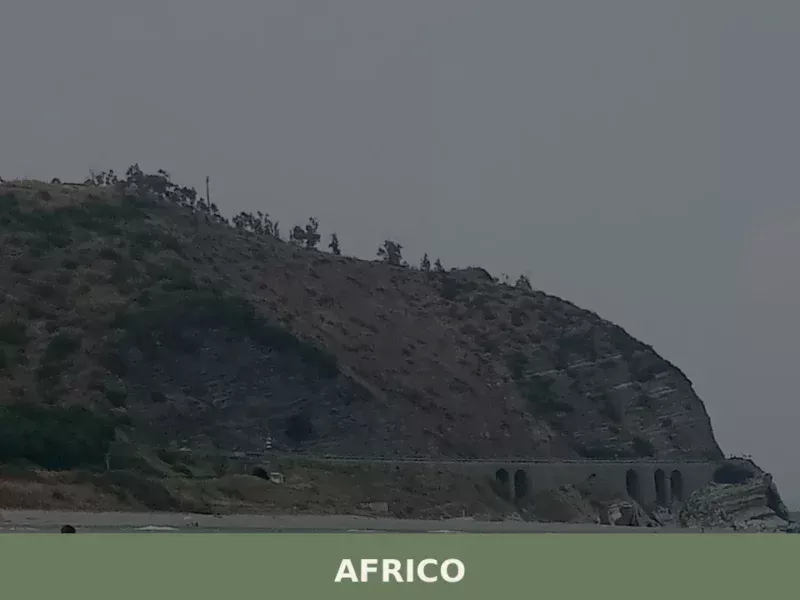
Africo
Sea
Discover what to see in Africo, Calabria: the abandoned mountain village, Ionian coast, Aspromonte landscapes, local food and practical travel tips.
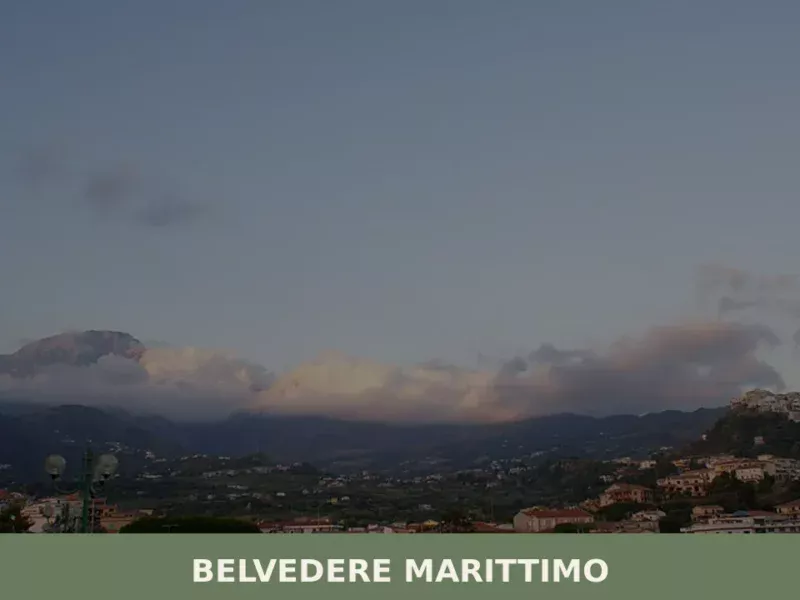
Belvedere Marittimo
Sea
Belvedere Marittimo, a village in the province of Cosenza, stands at 150 meters above sea level and has a population of 9,292 inhabitants. This Calabrian location, classified among the lowland villages, offers a view of the Cosenza Tyrrhenian coast, combining historical elements with its proximity to the coast. Its geographical position has shaped its identity […]
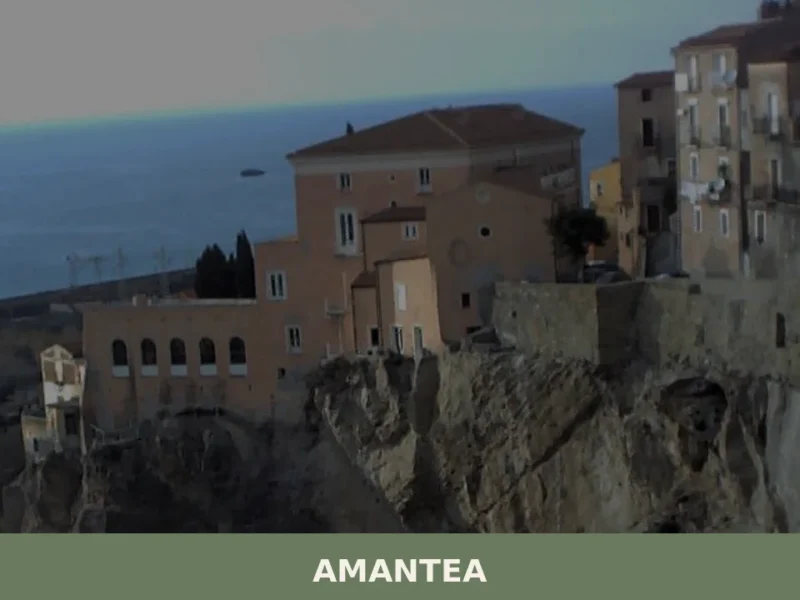
Amantea
Sea
Explore the picturesque village of Amantea Calabria. Discover its historic center, beautiful beaches, and authentic Italian charm. Plan your perfect trip to this hidden gem on the Tyrrhenian coast.
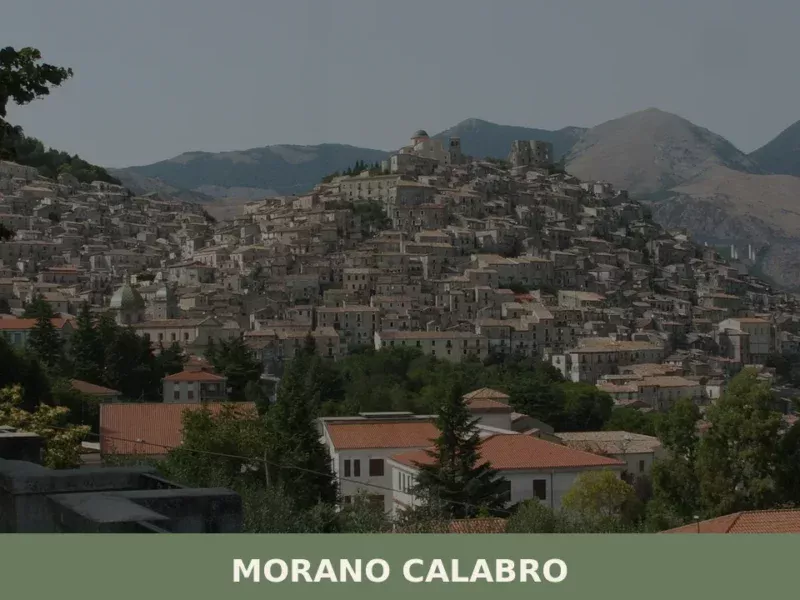
Morano Calabro
Sea
What to see in Morano Calabro, Italy: a village at 680 m altitude, listed among I Borghi più belli d'Italia. Discover top attractions, local food and how to get there.
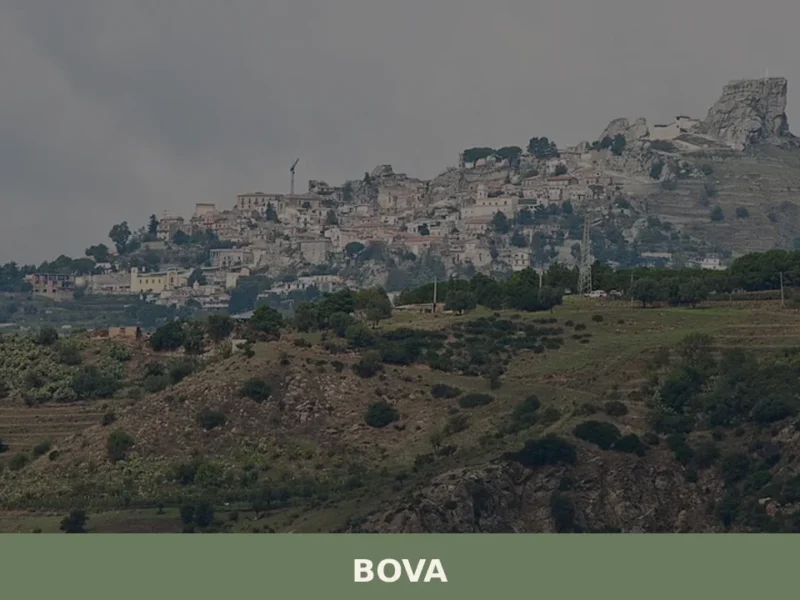
Bova
 Mountain
What to see in Bova, Calabria, Italy: a hilltop comune at 900 m with Greek-Bovesian heritage, Norman history and local cuisine. Discover top attractions and travel tips.
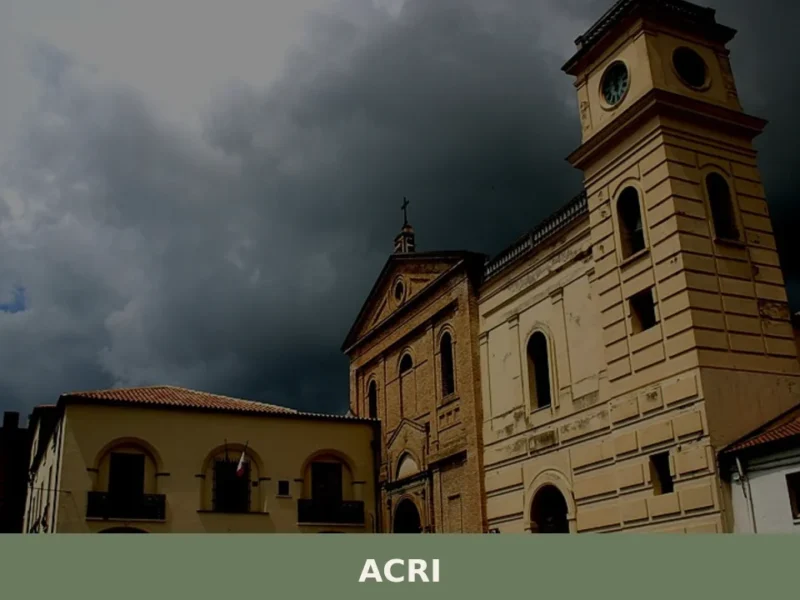
Acri
Mountain
Acri is a town in the province of Cosenza with over 21,000 inhabitants, located in the Calabrian interior of the Sila Greca area, on a territory that passed through Norman, Swabian and Aragonese rule, leaving concrete traces in the local architecture and culture. For anyone approaching this corner of the province of Cosenza, the question […]
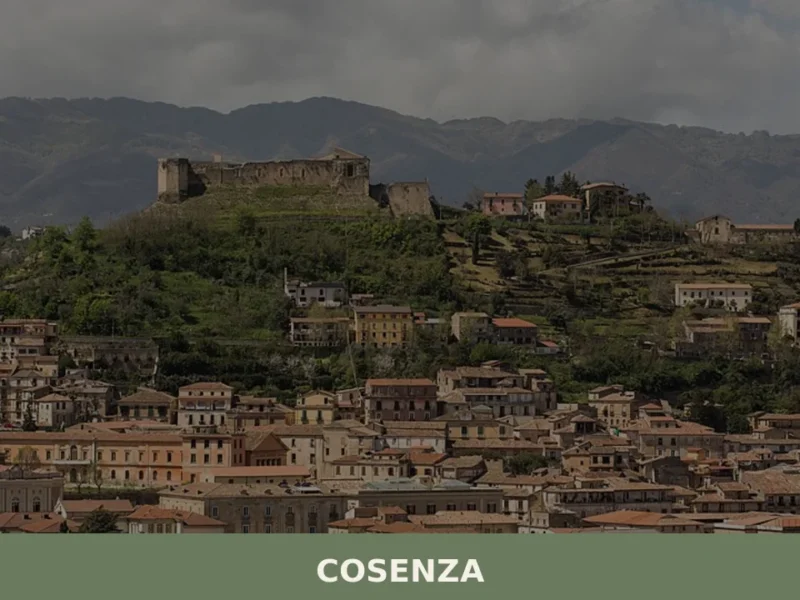
Cosenza
Hills
What to see in Cosenza, Italy: explore 5 key attractions from the 1239 Swabian Castle to the medieval Duomo. Discover events, food and how to get there.

🏡 Know Catanzaro better than we do?
If you’re a local or have been there, your knowledge matters: add what’s missing or fix a detail on this page.