


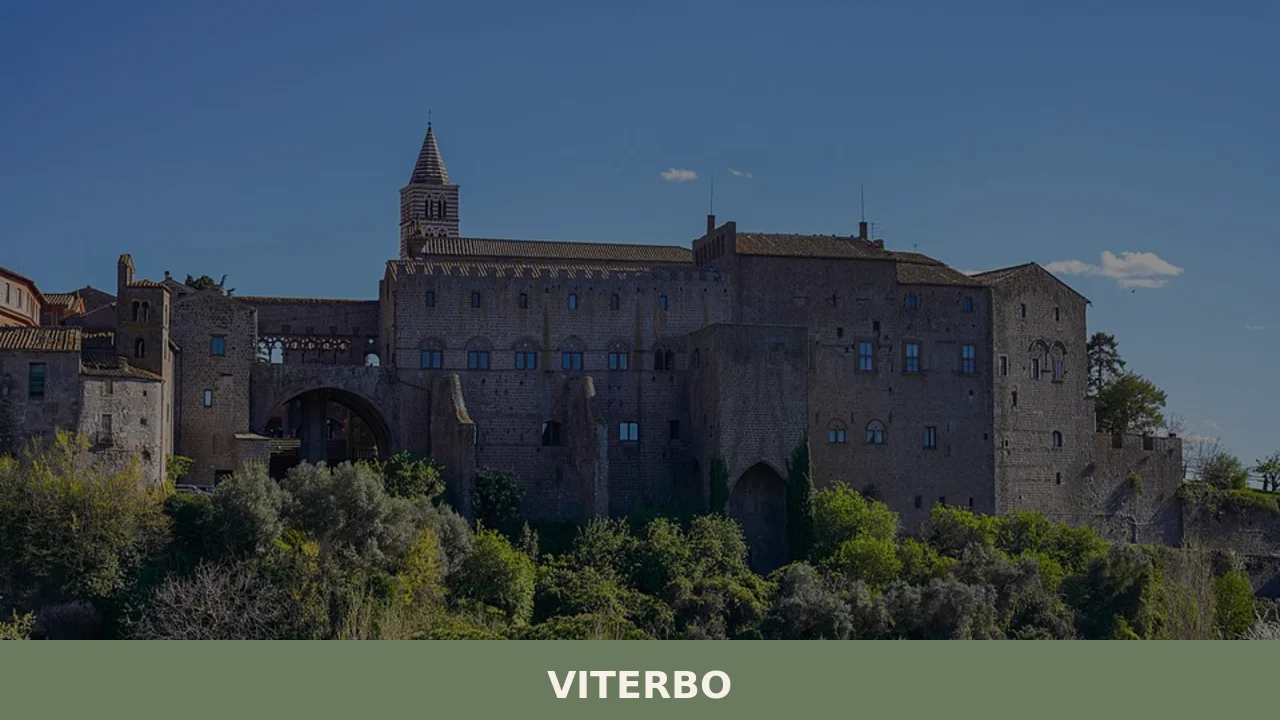
Viterbo
 Hills
Hills
What to see in Viterbo: Palazzo dei Papi, San Pellegrino, Terme del Bullicame and the UNESCO festival of Santa Rosa. Practical guide with info on how to get there and when to visit.
Discover Viterbo
Rodrigo de Borja, the future Alexander VI, never passed through Viterbo by chance: the city was already in the 14th and 15th centuries one of the most delicate political hubs in central Italy, serving as a papal seat for decades during the upheavals that shook Rome.
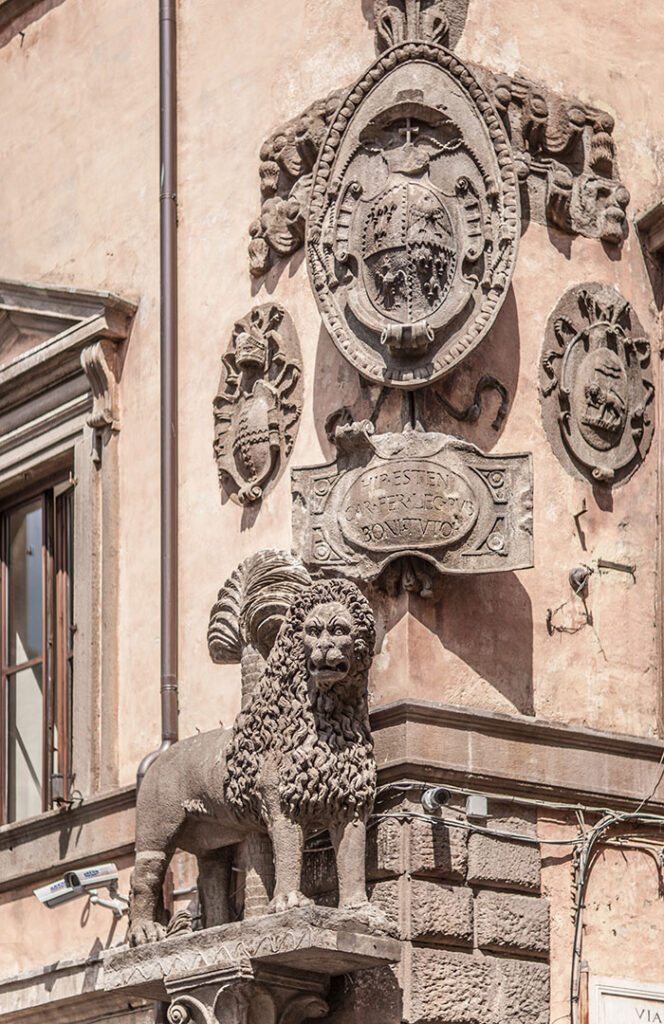
The grey-green peperino stone walls of the historic centre’s buildings still bear the marks of that era: carved cornices, elegant double-arched windows, abraded coats of arms.
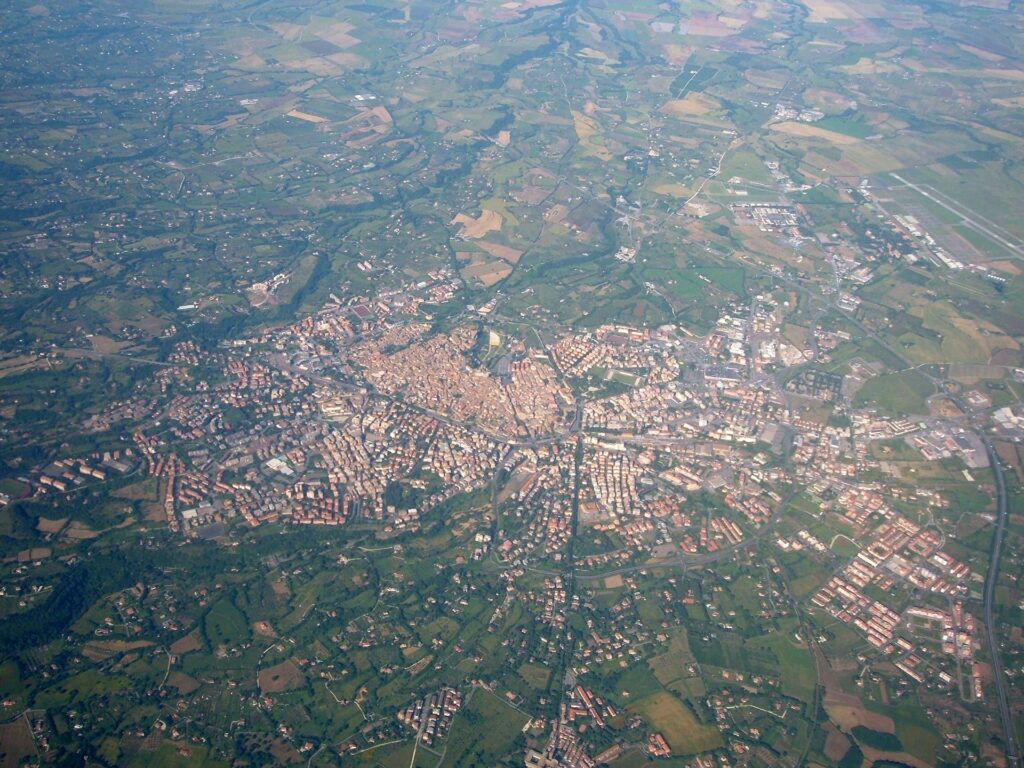
At 326 metres above sea level, the city spreads across a volcanic plateau overlooking the Lazio Tuscia region, with 63,707 inhabitants distributed between the medieval core and the modern districts.
What to see in Viterbo is a question that deserves concrete answers: the Palazzo dei Papi with its Gothic loggia, the medieval quarter of San Pellegrino, the natural Bullicame hot springs even cited by Dante, the Cathedral of San Lorenzo, and the Etruscan-medieval walls that still encircle almost the entire historic centre.
Those planning a visit to Viterbo have before them a city that combines authentic medieval architecture, volcanic landscape, and a gastronomic tradition deeply rooted in the Tuscia territory.
History and origins of Viterbo
The earliest traces of settlement in the Viterbo area date back to the Villanovan period and the subsequent Etruscan civilisation, which steadily occupied the area between the 9th and 4th centuries BC.
The city’s name itself has obscure roots: some interpretations link it to medieval Latin forms, others to pre-Latin substrates that are difficult to decipher.
What the sources confirm with certainty is that during the 8th and 9th centuries AD, the urban nucleus gradually gained strategic importance as a control point along the routes towards Rome, along the Via Cassia.
Viterbo’s moment of greatest political ascent coincides with the period between the 12th and 14th centuries, when the city became the regular residence of popes fleeing the upheavals of Rome.
Between 1257 and 1281, no fewer than six conclaves were held in Viterbo, and it was here in 1268 that the longest conclave in Church history began: it lasted nearly three years, until 1271, concluded only after the citizens of Viterbo quite literally removed the roof of the palace to hasten the cardinals’ decision.
That extraordinary episode bestowed upon the city a historical distinction never forgotten.
In 1271 Gregory X was elected in Viterbo itself, and the event gave impetus to the formal codification of the rules governing the conclave.
Between the 14th and 15th centuries, Viterbo passed through alternating phases of communal autonomy, domination by local lordships, and reabsorption into the Papal State.
The 16th century brought substantial stabilisation under direct papal control, along with significant building interventions within the urban fabric.
The 19th and 20th centuries saw the city progressively integrate into the Italian infrastructure network, culminating in its designation as the capital of the homonymous province in 1927.
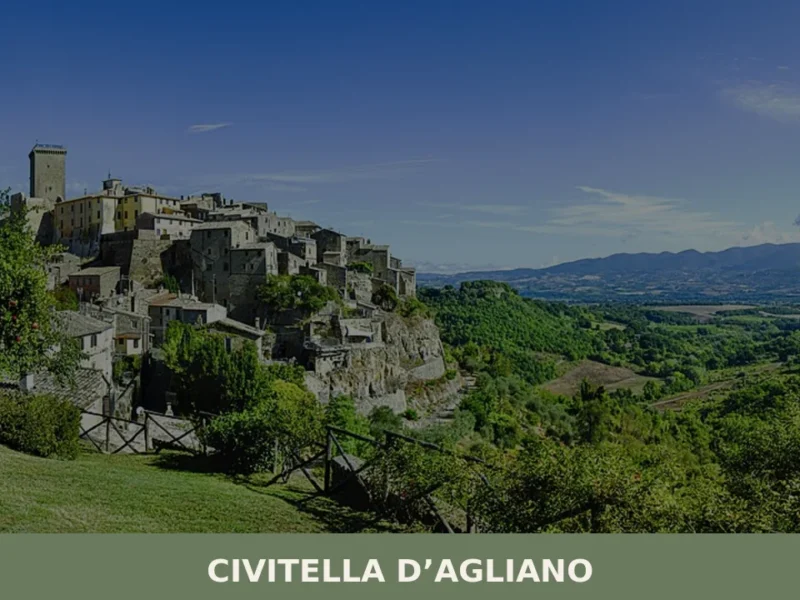
In the surrounding territory, villages such as Civitella d’Agliano share with Viterbo the volcanic matrix of the landscape and the historical layering typical of the Tuscia region, with settlements that overlap from the Etruscan age through to the communal Middle Ages.
What to see in Viterbo: main attractions
Palazzo dei Papi
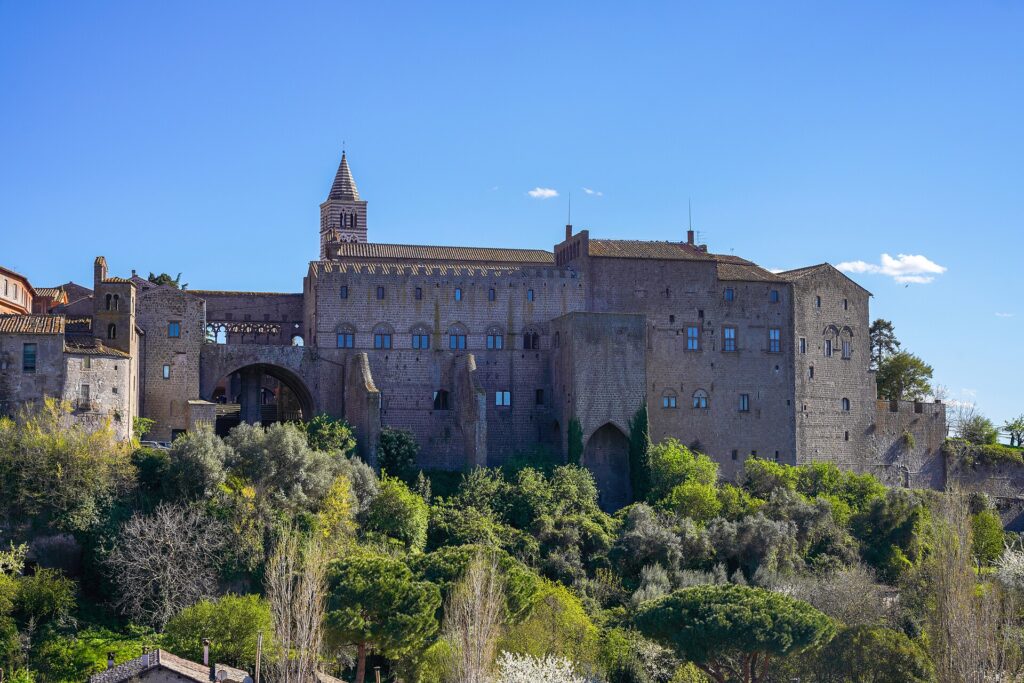
The Gothic loggia opening along the southern flank of the Palazzo dei Papi is one of the best-preserved medieval civic structures in Italy: seven ogival arches in peperino stone project above Piazza San Lorenzo at a height of approximately 12 metres, with paired colonnettes supporting foliate capitals of rare refinement.
The palace was built from 1255 onwards to house the papal court, at a time when Viterbo served as an alternative seat to Rome.
The Aula del Conclave, the great interior hall where the papal elections of the thirteenth century were held, retains its fourteenth-century structure with cross vaults and exposed peperino block walls.
Those who cross the square in the early morning, when raking light accentuates the texture of the volcanic stone, can clearly perceive the difference between the original blocks and later additions.
Access to the palace is through the entrance on Piazza San Lorenzo; it is advisable to check opening times and visiting conditions on the official website of the Municipality of Viterbo before setting out.
Medieval quarter of San Pellegrino
The San Pellegrino quarter occupies the north-western sector of the historic centre and represents one of the best-preserved examples of medieval urban planning in central Italy, covering approximately 4 hectares of almost entirely intact street fabric.
The peperino tower-houses, the profferli — the characteristic external staircases that project over the alleyway — and the aerial bridges connecting buildings in different ownership together form a building system datable primarily to between the twelfth and thirteenth centuries.
No street in the quarter runs straight: the layout follows the contour lines of the volcanic plateau, producing irregular vistas where the light shifts at every bend.
Each year in May the quarter hosts the Fiera di San Pellegrino, a medieval event that brings artisan and commercial life back to the streets where the weekly market was held in the thirteenth century.
The quarter can be explored on foot independently; the main entrance is located near Via San Pellegrino.
Cathedral of San Lorenzo
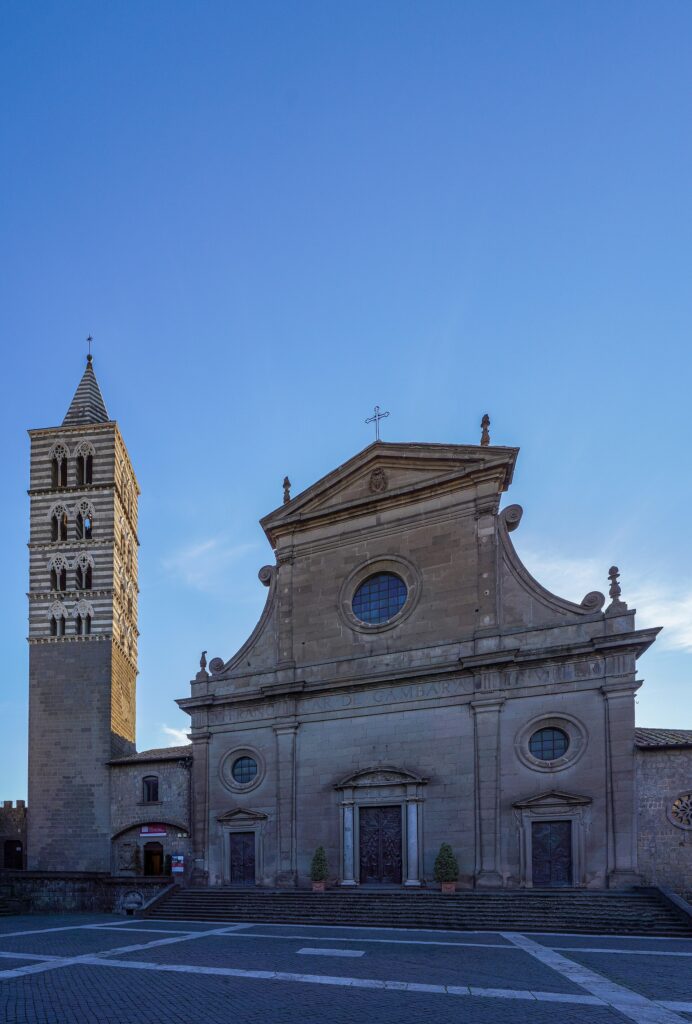
The Cathedral of San Lorenzo stands at the summit of the Duomo hill, in an elevated position above the square of the same name, with its bell tower in two-tone bands of peperino and travertine reaching a height of approximately 40 metres.
The founding of the church dates back to the twelfth century, but the present building incorporates layers ranging from the original Romanesque through to the reconstructions that followed the severe damage sustained during the Second World War, when the bombing raids of 1944 destroyed part of the naves.
The Cosmatesque floor, made from polychrome marble tesserae arranged in geometric figures, is one of the medieval decorative elements to have survived the wartime events.
The façade, restrained in its volumes and decoration, contrasts with the richness of the interior, where the Gothic baldachin above the high altar immediately draws the eye.
The cathedral is open for worship throughout the year; tourist access is suspended during liturgical services.
Terme del Bullicame
Approximately 2 km from the centre of Viterbo, the Bullicame spring emits sulphurous water at a constant temperature of 58 degrees Celsius, forming a naturally occurring circular basin with a diameter of over 30 metres.
Dante Alighieri cited the Bullicame in the Inferno (Canto XIV), describing it as an image of a river of boiling water, which attests to the spring’s fame as early as the thirteenth century.
Around the main basin, small channels branch off that once served the public laundries of the medieval city, fed by the warm water of the spring itself: a hydrothermal exploitation system documented in written sources dating back at least to the twelfth century.
The landscape setting is that of a plateau of whitish travertine deposits, where vegetation thins out to give way to mineral flows.
The area is freely accessible; nearby, thermal establishments operate with facilities equipped for bathing and treatments.
Medieval walls and Porta San Pietro
The walls of Viterbo form a perimeter of approximately 4 km enclosing the entire historic centre, with an average height ranging between 8 and 12 metres depending on the section.
The defensive circuit incorporates pre-existing Etruscan structures at several points, identifiable by the irregularly cut tufa blocks that make up the bases, above which the medieval courses in worked peperino are set.
Porta San Pietro, on the southern side, is the best-preserved gate in the defensive system: two cylindrical fourteenth-century towers flank the ogival entrance arch, and the municipal coat of arms of Viterbo bearing the rampant lion can still be read on the architrave.
Walking the wall-walk along the stretch between Porta Romana and Porta San Pietro allows visitors to observe both the roofline of the historic centre and the Tuscia countryside to the south. Some sections of the wall-walk are ac
Typical cuisine and products of Viterbo
The cuisine of the Tuscia Viterbese is rooted in a peasant tradition that turned frugality into a technique, transforming humble ingredients — legumes, wild vegetables, farmyard meats, stale bread — into recognisable and codified preparations.
Viterbo’s geographical position, on the border between northern Lazio and the Lazio Maremma, encouraged exchanges and cross-influences with Umbrian and Tuscan cuisine, while preserving well-defined local characteristics.
Lake Bolsena, approximately 30 km from the city, has historically provided freshwater fish — in particular whitefish, tench and eel — which appears in recipes documented since at least the Renaissance.
Among the more elaborate dishes of the Viterbese tradition, acquacotta is the most frequently cited: a soup made with dry bread, onion, tomato, eggs and grated pecorino, served in a clay pot, which shepherds and farm labourers would prepare over an open fire while working in the fields.
Lombrichelli is the most characteristic fresh pasta format of the area, a thick spaghetti with an irregular cross-section made by working semolina and water without eggs, traditionally dressed with a tomato and garlic sauce or a meat ragù.
The frasche — informal establishments that traditionally hung a bay branch above the door to signal the availability of wine on tap — are still found in the area and often serve cold cuts and local cheeses as accompaniments.
Among the officially recognised products found in the Viterbo area are Cacio fiore (PAT) — municipalities: Viterbo, Guanciale (PAT) — municipalities: Viterbo, and Guanciale amatriciano (PAT) — municipalities: Viterbo.
Guanciale, obtained from the pig’s cheek and cured with salt, black pepper and aromatics, is the essential ingredient in both pasta alla gricia and amatriciana, two preparations that the Lazio tradition claims with great conviction.
Cacio fiore is a soft cheese made from whole sheep’s milk, coagulated with vegetable rennet derived from the flower of wild artichoke or thistle: a pre-Roman cheesemaking technique, attested by Latin sources, which survives in a handful of artisan producers in the Viterbo area.
In September, coinciding with the patronal feast, the markets of the historic centre expand their offering of local products; in October, festivals dedicated to chestnuts animate several inland municipalities of the Tuscia, at distances ranging from 15 to 40 km from Viterbo.
For those wishing to purchase certified products directly from producers, the farmers’ markets held periodically in Piazza delle Erbe remain the most direct point of reference.
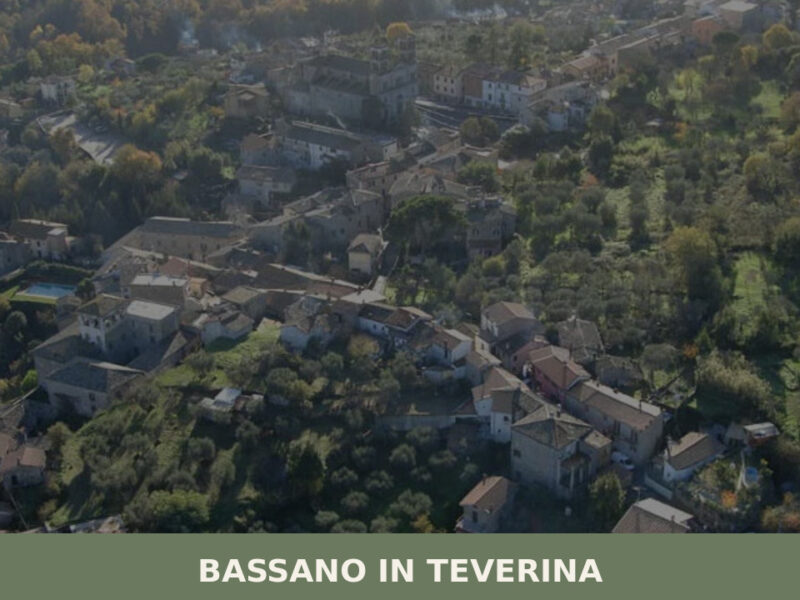
Those who want to explore the dairy production of the area may also look towards Bassano in Teverina, a small centre in the province of Viterbo where the artisan processing of sheep’s milk maintains a documented productive continuity.
Festivals, events and traditions of Viterbo
Viterbo’s patronal feast is celebrated on 4 September in honour of Rosa da Viterbo, a Franciscan tertiary born in the city around 1233 and who died in 1251.
The central moment of the celebration is the Macchina di Santa Rosa, a wooden and papier-mâché structure over 30 metres tall and weighing approximately 52 quintals, illuminated by thousands of candles and lamps, which is carried on the shoulders of a group of around 100 bearers — the Facchini di Santa Rosa — through the streets of the historic centre on the evening of 3 September.
The route, approximately 1 km long, connects the church of Santa Rosa with the Cathedral of San Lorenzo.
The tradition is documented from the seventeenth century, although earlier forms of processional transport date back to the fifteenth century; in 2013 the Macchina di Santa Rosa was inscribed on UNESCO’s Representative List of the Intangible Cultural Heritage of Humanity as part of the great Italian shoulder-carried machines.
In addition to the patronal feast, Viterbo annually hosts the Caffeina Culture Festival, a summer event dedicated to culture, literature and the arts held between June and July in the spaces of the historic centre, with open-air events in the main squares.
In May, as already mentioned, the San Pellegrino quarter is transformed for the Medieval Fair, with craftspeople, musicians and costumed performers reconstructing scenes of thirteenth-century urban life.
The city also maintains a tradition of historical Carnival, with processions involving the historic districts in competitive forms rooted in medieval custom.
When to visit Viterbo and how to get there
The period between April and June offers optimal conditions for visiting Viterbo: temperatures remain between 14 and 24 degrees Celsius, the surrounding countryside is green, and cultural events begin to enliven the historic centre.
September is the month of the patron saint’s feast and coincides with one of the most significant tourist gatherings of the year: the evening of 3 September, with the procession of the Macchina di Santa Rosa, draws tens of thousands of visitors.
Those who prefer the city less crowded can choose October or November, months when the climate remains mild and the inland food festivals offer opportunities to explore the surrounding area without queues.
Summers are warm but rarely scorching at 326 metres above sea level, with peaks that rarely exceed 34 degrees Celsius.
By car, Viterbo can be reached from the A1 motorway (Milan–Naples) by exiting at the Orte toll gate, approximately 25 km from the city, and continuing along the SS 204 or the SS 675 Umbro-Laziale.
From Rome, you travel along the Via Cassia (SS 2) for approximately 90 km, or use the ring road and the SS 675.
Viterbo’s railway station is served by the Trenitalia line with connections from Roma Ostiense via Orte and from Roma Porta San Paolo via Capranica; the journey time from Rome varies between 1 hour 50 minutes and 2 hours depending on the line and type of train.
The nearest airport is Leonardo da Vinci in Fiumicino, approximately 100 km away, connected to Viterbo by car in around 1 hour and 20 minutes via the A1 and SS 675. For up-to-date timetables, please check directly on the carriers’ official websites.
| Departure point | Distance | Estimated time |
|---|---|---|
| Rome (Via Cassia) | approx. 90 km | approx. 1 h 30 min |
| Orte toll gate (A1) | approx. 25 km | approx. 25 min |
| Fiumicino Airport | approx.
100 km | approx. 1 h 20 min |
| Florence (A1 + SS 675) | approx. 230 km | approx. 2 h 30 min |
Where to stay in Viterbo
The historic centre of Viterbo is home to a range of accommodation options spanning from small bed and breakfasts housed in the historic buildings of San Pellegrino and the Santa Maria Nuova district to mid-category hotels near the medieval gates.
Several agriturismo properties are located in the immediate surrounding countryside, within a radius of 5–15 km from the city, often connected with the area’s wine and olive oil production.
To check availability, prices and up-to-date options, it is recommended to consult the municipal portal or official booking platforms, as the accommodation offer is subject to significant seasonal variations, especially around 3–4 September.
Those wishing to build a longer itinerary through the Tuscia region may also look towards Casperia, a village in the Lazio Sabina area with a compact medieval layout and a decent selection of small family-run accommodation, or towards Borgo Velino, in the inland Rieti area, which shares with the Viterbo region a tradition of traditional cured meat production and offers an alternative stopover for those travelling the route towards central Italy.
Frequently asked questions about Viterbo
What is the best time to visit Viterbo?
Spring (April–June) and early autumn (September–October) offer the most pleasant conditions, with mild temperatures and fewer crowds. September is particularly special: on 4 September, the city celebrates its patron saint Rosa da Viterbo with the Macchina di Santa Rosa procession, a UNESCO-recognised event in which a towering illuminated structure is carried through the historic centre at night. May brings the medieval Fiera di San Pellegrino to the San Pellegrino quarter. Summer is warm but manageable at 326 metres altitude; winter is quiet and ideal for thermal spa visits.
What are the historical origins of Viterbo?
Viterbo's territory was settled during the Villanovan period and later occupied by the Etruscan civilisation between the 9th and 4th centuries BC. The city rose to prominence in the 8th–9th centuries AD as a strategic point along the Via Cassia. Its greatest political moment came between the 12th and 14th centuries, when it served as a papal residence. Between 1257 and 1281, six conclaves were held here, including the longest in Church history (1268–1271), which directly led to the formal codification of conclave rules under Gregory X.
What to see in Viterbo? Main monuments and landmarks
Key sites include the Palazzo dei Papi, whose Gothic loggia features seven ogival arches in peperino stone above Piazza San Lorenzo (check municipal website for current hours); the medieval quarter of San Pellegrino, explorable on foot via Via San Pellegrino; the Cathedral of San Lorenzo with its Cosmatesque floor and Gothic baldachin; the Bullicame thermal spring (freely accessible, approx. 2 km from centre); and the medieval walls with Porta San Pietro, where a walk between Porta Romana and Porta San Pietro offers views over the Tuscia countryside.
What are the main natural or scenic attractions of Viterbo?
The Bullicame is the most striking natural feature: a sulphurous spring emitting water at a constant 58°C, forming a circular basin over 30 metres in diameter set within a landscape of whitish travertine deposits. Cited by Dante in the Inferno (Canto XIV), it is freely accessible. Lake Bolsena lies approximately 30 km from the city and offers shoreline walks and freshwater fishing traditions. The volcanic plateau of the Lazio Tuscia region surrounding Viterbo provides scenic countryside typical of the Cimini hills and the broader volcanic landscape of northern Lazio.
Where to take the best photos in Viterbo?
The Gothic loggia of the Palazzo dei Papi photographed from Piazza San Lorenzo in early morning light best reveals the texture of the peperino volcanic stone. The narrow alleys of the San Pellegrino quarter, with their profferli staircases and aerial bridges, offer striking medieval compositions at any time of day. The circular basin of the Bullicame, with its steaming sulphurous water and mineral deposits, provides an unusual volcanic landscape shot. The wall-walk between Porta Romana and Porta San Pietro gives elevated views across the Tuscia countryside to the south.
Are there museums, churches or historic buildings to visit in Viterbo?
The Palazzo dei Papi houses the Aula del Conclave, a 13th-century election hall with cross vaults and exposed peperino walls; verify opening times on the Municipality of Viterbo's official website before visiting. The Cathedral of San Lorenzo, open for worship year-round (tourist access suspended during liturgical services), retains a medieval Cosmatesque floor and Gothic baldachin despite wartime bomb damage in 1944. The San Pellegrino quarter itself functions as an open-air architectural museum of 12th–13th century urban planning, with tower-houses and external profferli staircases freely visible.
What can you do in Viterbo? Activities and experiences
Viterbo offers thermal bathing at the Bullicame and at nearby equipped thermal establishments that use the sulphurous spring waters for bathing and treatments. The medieval quarter of San Pellegrino can be explored independently on foot. In May, the Fiera di San Pellegrino recreates medieval market life in the quarter's streets. On 4 September, the UNESCO-recognised Macchina di Santa Rosa procession transforms the city centre into a night-time spectacle. Food and wine experiences centred on Tuscia cuisine — acquacotta, lombrichelli, local olive oil and wines — are available throughout the historic centre.
Who is Viterbo suitable for? Families, couples, hikers, solo travelers?
Viterbo suits a wide range of visitors. Couples and culture travellers will find exceptional medieval architecture, atmospheric alleyways and thermal spa experiences. History enthusiasts are drawn by the papal conclave heritage and Etruscan-medieval stratification. Families can combine the freely accessible Bullicame spring with the open-air medieval quarter. Food and wine lovers will appreciate the distinctive Tuscia culinary tradition. Those attending the 4 September Macchina di Santa Rosa procession experience one of central Italy's most distinctive nocturnal celebrations. The compact historic centre is walkable, making it accessible for most ages and mobility levels.
What to eat in Viterbo? Local products and specialties
Acquacotta is the emblematic dish of the Viterbese tradition: a soup of stale bread, onion, tomato, egg and grated pecorino, historically prepared by shepherds and farm labourers. Lombrichelli is the local fresh pasta format — a thick, irregular spaghetti made from semolina and water without eggs, typically served with tomato and garlic or meat ragù. Lake Bolsena, 30 km away, contributes freshwater fish including whitefish, tench and eel. The Tuscia territory also produces DOP extra-virgin olive oil (Canino DOP) and is noted for its Est! Est!! Est!!! di Montefiascone DOC wine from the nearby lake area.
📷 Photo Gallery — Viterbo

Nearby Villages near Viterbo
In Lazio More villages to discover
Castelnuovo Parano
Hills
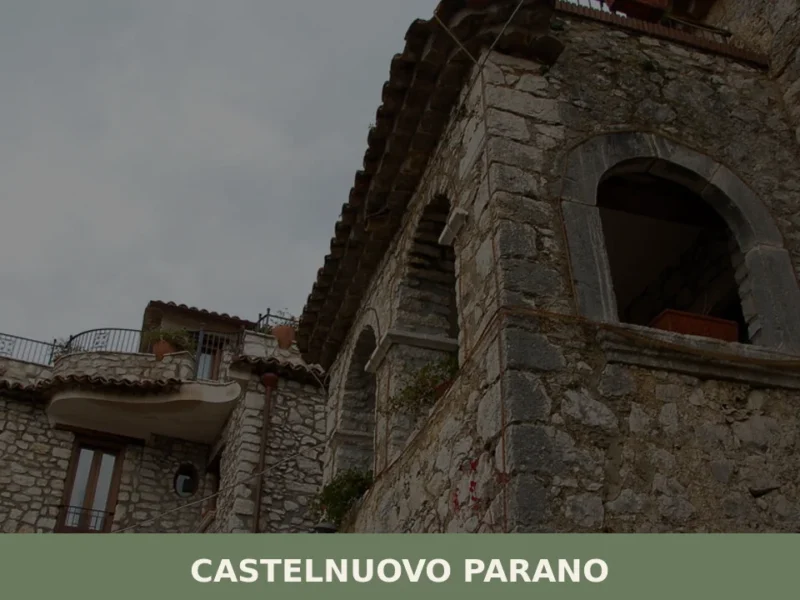
What to see in Castelnuovo Parano, Lazio, Italy: a village of 885 at 310 m. Discover the 1059 castle origins, Gustav Line history and local hilltop culture.
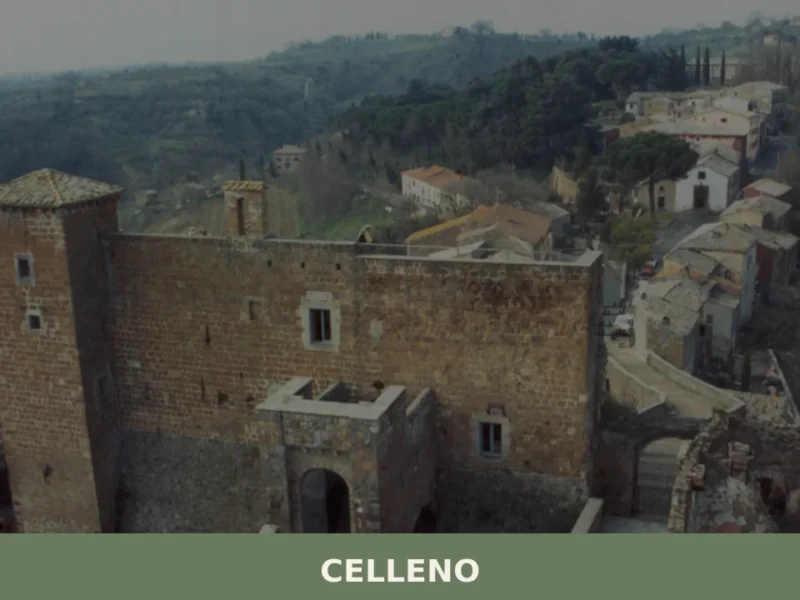
Celleno
Hills
what to see in celleno, Italy? Explore this Lazio village at 407 m altitude. Discover its WWII history and the feast of San Donato d'Arezzo. Read our guide.
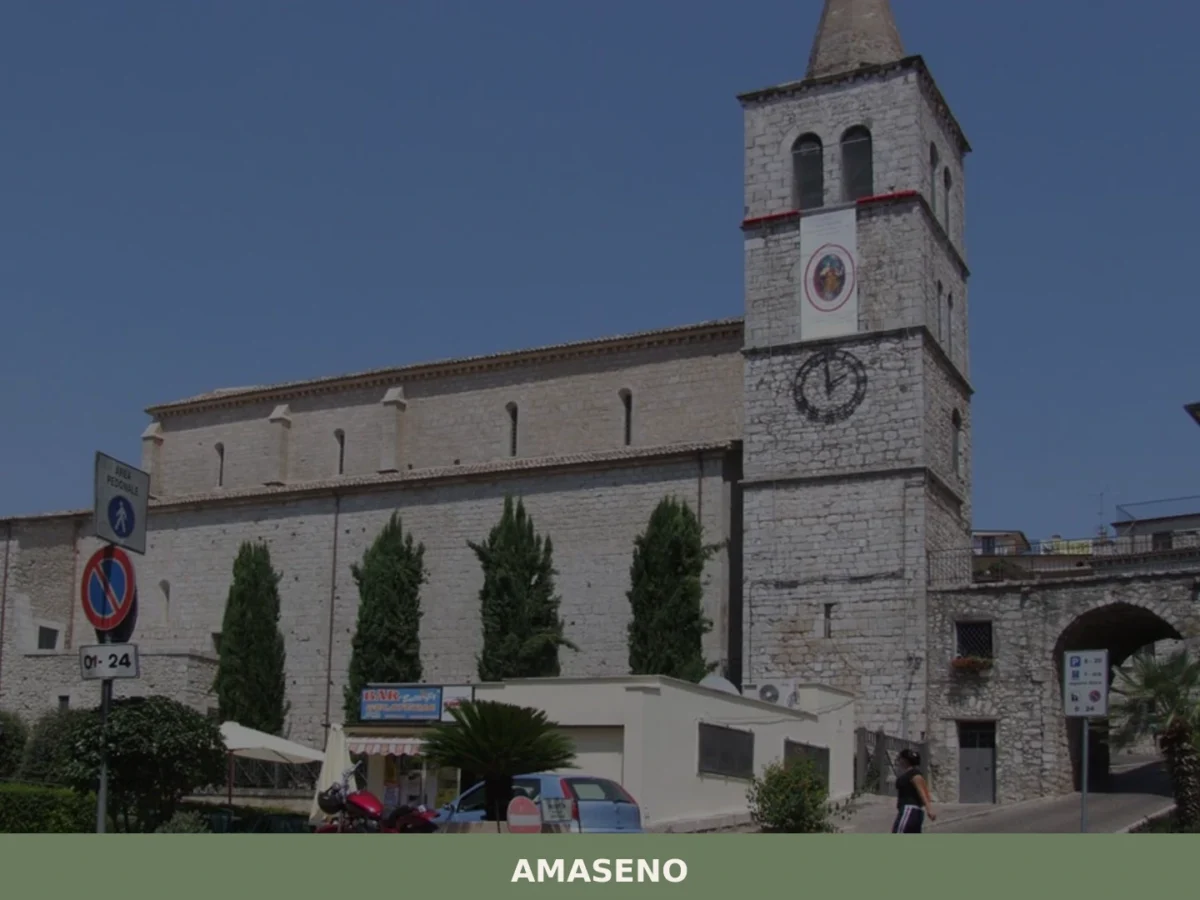
Amaseno
Hills
What to see in Amaseno: visit the 5 top attractions in this Lazio village, from the Madonna Sanctuary to Palazzo Caetani. Discover the complete guide.
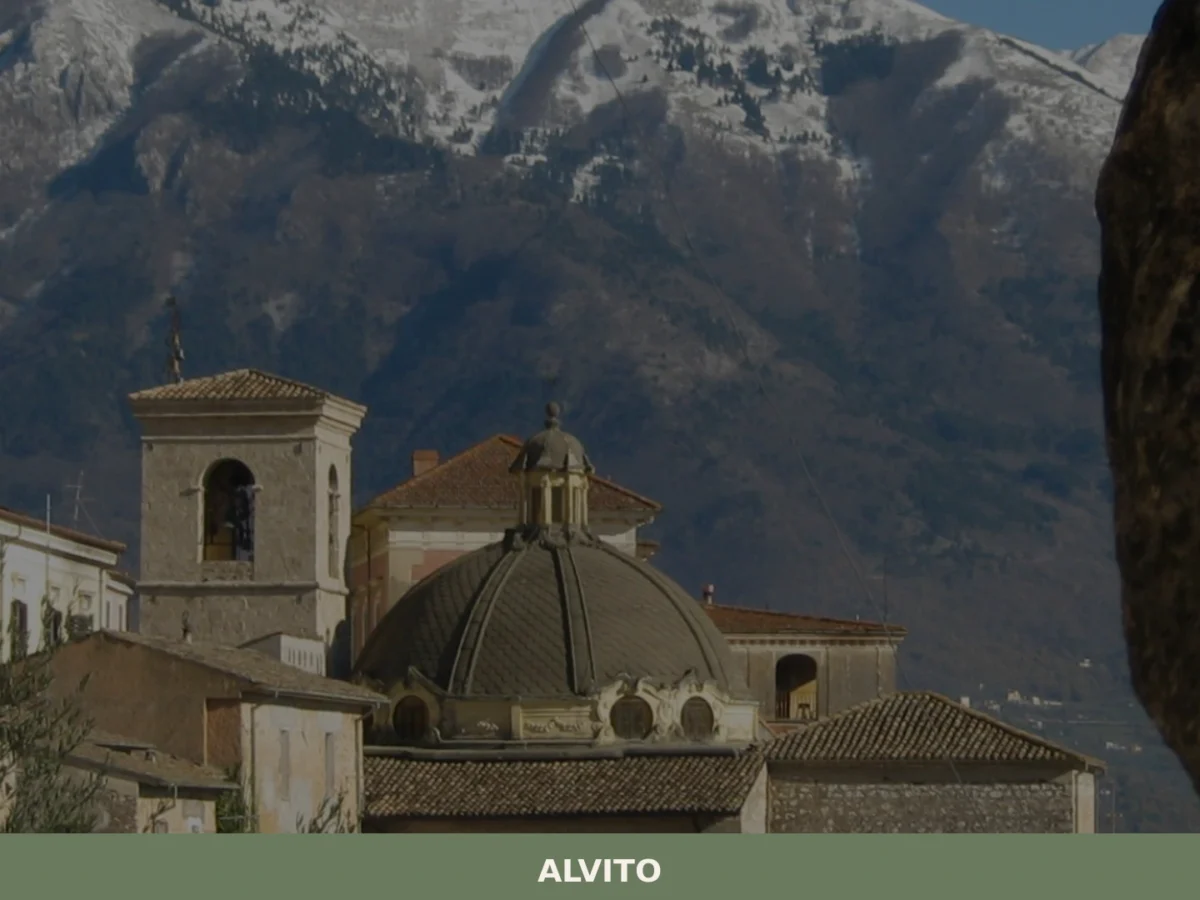
Alvito
 Mountain
What to see in Alvito: discover the 5 top attractions in this Lazio village, from the castle to the Cathedral. Plan your visit with this complete guide.
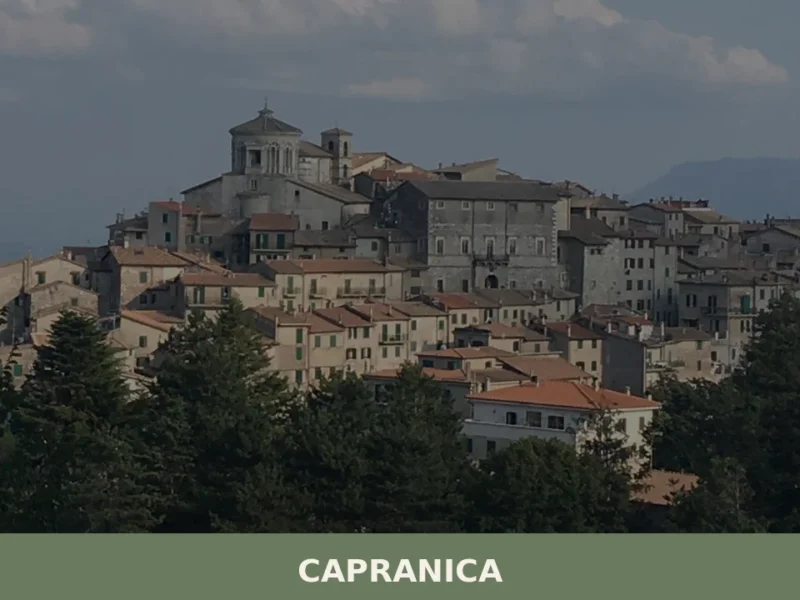
Capranica
Hills
Capranica, a Lazio village between history and nature: discover what to see, how to get there and the top places to visit. Plan your trip with this guide.
Onano
Hills
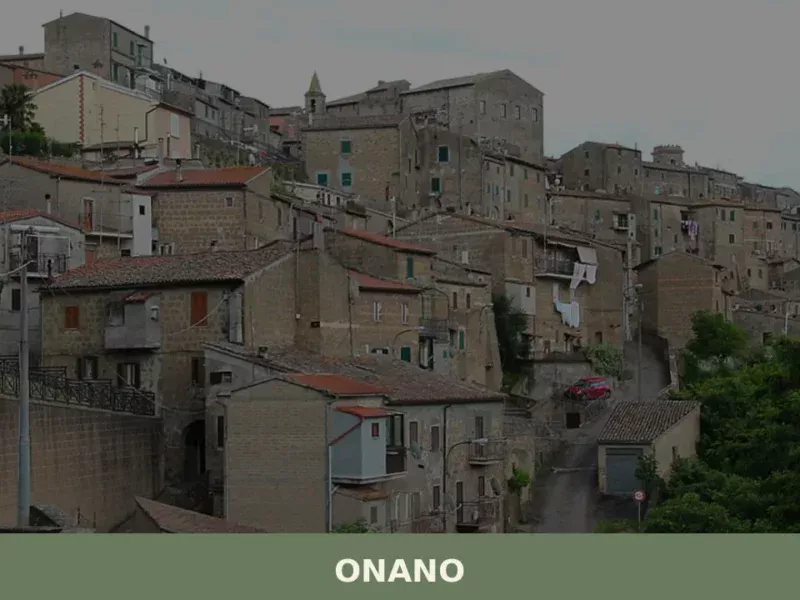
Onano has 898 inhabitants and sits at 485 metres above sea level on the southern slopes of Lake Bolsena, in the province of Viterbo. The municipal territory, stretching across lentil fields and oak groves, borders both Umbria and Tuscany — a point of triple regional convergence that has shaped the town’s economic and linguistic history. […]
Ascrea
 Lake
Mountain
Lake
Mountain
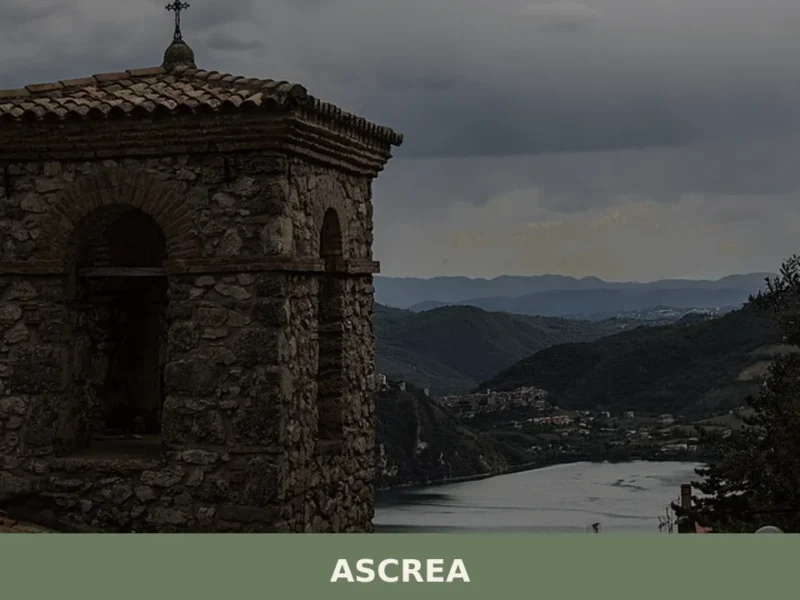
What to see in Ascrea: a mountain village at 757 m in the province of Rieti with 261 residents. Discover the church of San Nicola, PAT-certified products and how to get there.
Albano Laziale
Hills
Lake
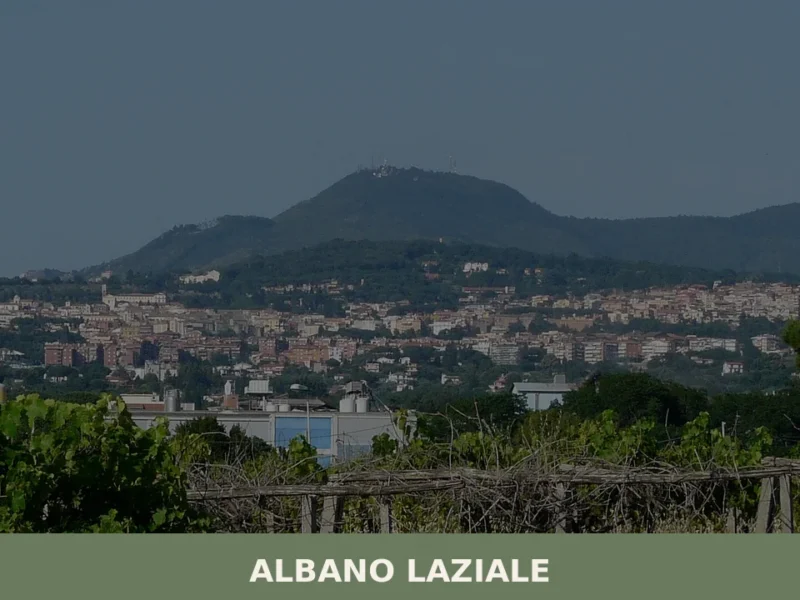
What to see in Albano Laziale, Italy: Lake Albano, Roman catacombs, and the Cathedral of St. Pancras at 400 m. Explore 38,983-inhabitant Lazio hill town. Discover now.
Aprilia
 Plains
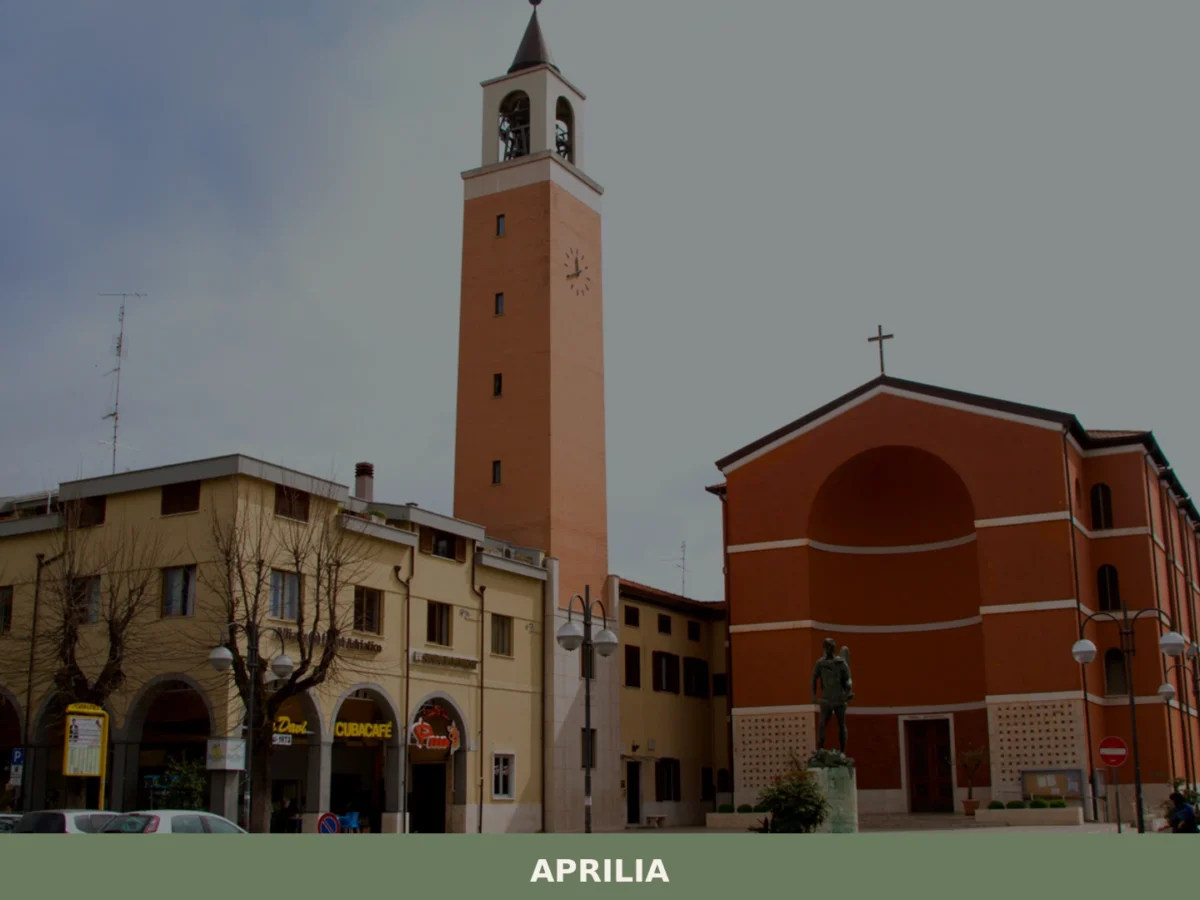
What to see in Aprilia? Explore 5 unique attractions in this Lazio village. Discover its historic origins and hidden gems. Plan your visit now!
Castel di Tora
Lake
Mountain
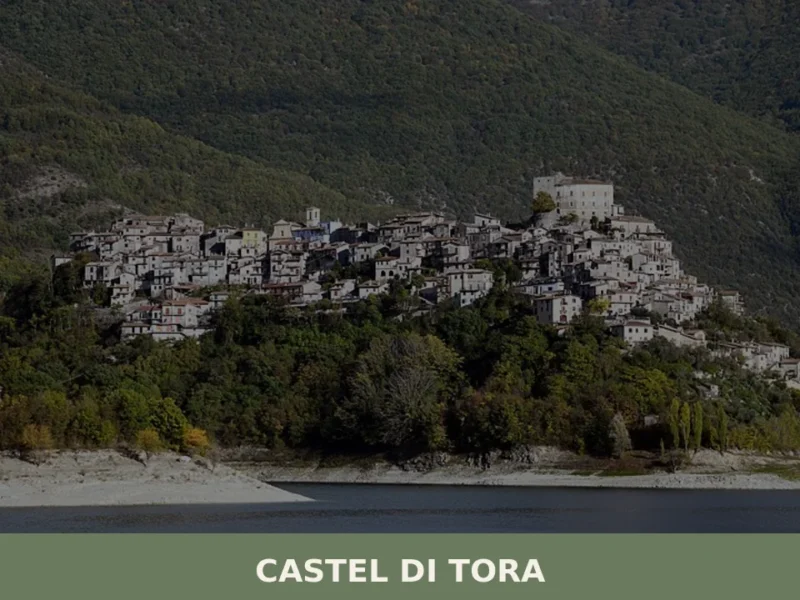
What to see in Castel di Tora: medieval village at 607 m above Lago del Salto, 292 residents, 3 PAT-certified products. Plan your visit with our complete guide.

🏡 Know Viterbo better than we do?
If you’re a local or have been there, your knowledge matters: add what’s missing or fix a detail on this page.