


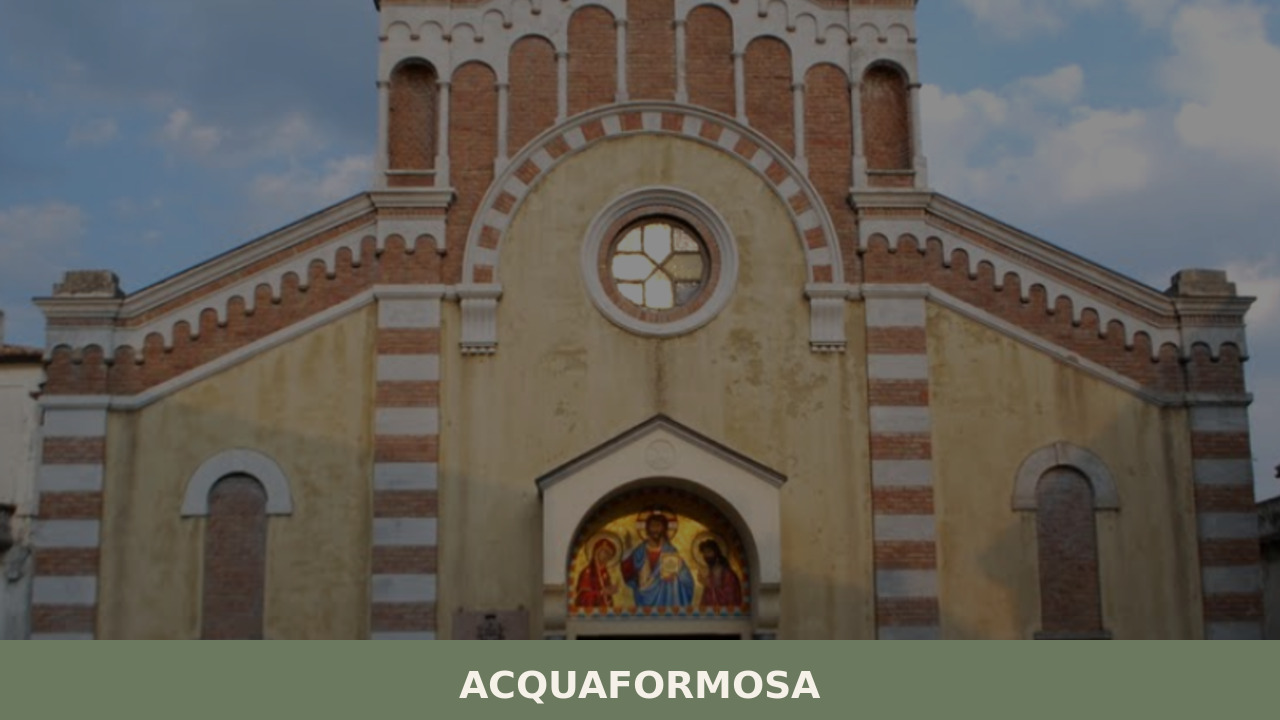
Acquaformosa
 Mountain
A mountain village of 988 inhabitants in Cosenza province, Acquaformosa offers ancient springs, Pollino trails, and deep Calabrian food traditions at 756 metres above sea level.
Discover Acquaformosa
Morning light reaches Acquaformosa in stages — first the bell tower of San Giovanni Battista, then the stone facades along the main street, and finally the narrow vicoli where older residents set out chairs before the heat arrives. At 756 metres above sea level in the province of Cosenza, this village of fewer than a thousand inhabitants occupies a fold in the Calabrian mountains where the Esaro river valley meets the western slopes of the Pollino massif. Understanding what to see in Acquaformosa requires slowing down to the rhythms that have governed life here for centuries: the church bells, the seasonal harvests, the movement of water through ancient channels.
History of Acquaformosa
The name itself is a document of identity. “Acquaformosa” derives from the Latin aqua formosa — beautiful water — a reference to the natural springs that have defined the settlement since its earliest days. Water was not ornament here but infrastructure: the springs fed the village, irrigated surrounding terraces, and determined where people chose to build. The toponym appears in records from the medieval period, when the village existed under Norman and then Angevin feudal control, part of the broader administrative territory of the province of Cosenza that stretched across northern Calabria.
Like many settlements in this part of the region, Acquaformosa passed through the hands of successive feudal lords during the Kingdom of Naples. Its position — elevated but not isolated, close to river routes but shielded by terrain — made it a minor but persistent presence on the map. The village was never a centre of political power, but it survived the upheavals that erased other communities: earthquakes, plagues, and the slow economic decline that hollowed out much of inland Calabria from the eighteenth century onward.
In recent decades, Acquaformosa has drawn attention for a different reason. The village became one of several small Calabrian comuni to participate in integration projects welcoming refugees and migrants, an attempt to reverse depopulation by opening doors rather than closing them. This chapter of the village’s story is still being written, but it adds a contemporary layer to a history shaped repeatedly by movement, settlement, and adaptation.
What to see in Acquaformosa: 5 must-visit attractions
1. Chiesa di San Giovanni Battista
The parish church dedicated to Saint John the Baptist is the architectural anchor of the village. Its stone facade rises above the central piazza, and the interior preserves elements typical of Calabrian religious architecture — a single nave, modest but carefully maintained altarpieces, and the accumulated devotional objects of generations. The bell tower, visible from the valley below, serves as Acquaformosa’s most recognisable silhouette against the mountain skyline.
2. The historic centre and its vicoli
Walking the old quarter means navigating a compressed network of narrow alleys, external staircases, and stone archways that link one level of the village to the next. Many buildings retain their original masonry — rough-cut local stone with occasional decorative lintels above doorways. The scale is intimate: walls close enough to touch on both sides, with sudden openings onto views of the valley below.
3. The natural springs
The water sources that gave the village its name remain accessible. Several fountains fed by mountain springs are scattered through and around the settlement, some bearing inscriptions or stone basins worn smooth by centuries of use. These are working features of the landscape, not monuments — residents still fill bottles here, and the sound of running water is a constant in the upper streets.
4. Pollino National Park access trails
Acquaformosa sits on the western edge of Pollino National Park, the largest national park in Italy. From the village, footpaths and forestry tracks lead into beech and oak woodland at higher elevations. The terrain is not extreme but requires proper footwear — rocky paths, seasonal streams, and unmarked junctions are common. Wildlife sightings include roe deer, wolves at distance, and raptors circling the ridgelines.
5. Viewpoints over the Esaro Valley
The village’s elevation at 756 metres provides clear sightlines across the Esaro river valley toward the mountains to the east. The most effective viewpoint is from the upper edge of the old centre, where the terrain drops away sharply. In early morning or late afternoon, when the light rakes across the valley at a low angle, the layered ridges of the Pollino and Orsomarso ranges become visible in sequence.
Local food and typical products
Cuisine in Acquaformosa follows the grammar of Calabrian mountain cooking: preserved pork, dried pasta, foraged greens, and bread baked in quantities meant to last. Soppressata and capocollo — cured meats seasoned with local peperoncino — are prepared in winter when temperatures allow for proper drying. Pasta is often handmade: lagane (wide flat noodles) served with chickpeas, or fusilli shaped around a thin iron rod and dressed with ragù of goat or pork. Vegetables from kitchen gardens — peppers, aubergines, beans — appear in every meal, often preserved under oil for the leaner months.
The surrounding Pollino territory produces cheeses of note, particularly caciocavallo silano, which holds DOP (Protected Designation of Origin) status. Bread baked from local grain in wood-fired ovens remains a daily staple, and the region’s olive oil — pressed from trees growing at lower elevations along the valley — is the cooking fat of choice. Dining options in the village itself are limited to small family-run establishments and agriturismi in the surrounding countryside, where meals tend to be fixed menus built from whatever the season and the kitchen garden provide.
Best time to visit Acquaformosa
Spring — from late April through June — is the most rewarding season. The surrounding mountains are green, wildflowers cover the meadows above the treeline, and temperatures at this altitude remain comfortable for walking: daytime highs around 18-22°C, cool evenings requiring a jacket. This is also when the village’s natural springs run strongest, fed by snowmelt from the Pollino peaks. Autumn, particularly October, brings its own appeal: the beech forests above the village turn copper and gold, and the harvest season means fresh chestnuts, mushrooms, and newly pressed olive oil.
Summer can be hot in the valley, though the village’s elevation provides some relief compared to the Calabrian coast. August brings the largest number of visitors, as emigrated families return for the feast of San Giovanni and the village briefly recovers its former population density. Winters are quiet and cold — snow is not uncommon — and some services may operate on reduced schedules. Visitors should be aware that public transport options are minimal year-round, and a car is effectively necessary for reaching the village and exploring the surrounding territory.
How to get to Acquaformosa
By car, Acquaformosa is reached via the A2 Autostrada del Mediterraneo (the Salerno-Reggio Calabria motorway). The most practical exit is at Tarsia or Spezzano Terme, from which provincial roads climb westward into the mountains — a drive of approximately 30-40 minutes on winding but well-surfaced roads. From Cosenza, the journey is roughly 70 kilometres and takes about an hour and a quarter.
The nearest railway station with regular service is Spezzano Albanese Terme-San Lorenzo del Vallo, on the Sibari-Cosenza line. From the station, onward travel to Acquaformosa requires a car or infrequent local bus service. The closest airport is Lamezia Terme International (SUF), approximately 130 kilometres to the south, which receives domestic flights from Rome and Milan as well as seasonal European routes. Car rental is available at the airport and is the most practical option for reaching this part of inland Calabria.
More villages to discover in Calabria
The mountains around Acquaformosa hold a constellation of small settlements, each with its own particular character. To the northeast, within the Pollino massif, Lungro preserves one of the most significant Arbëreshë communities in southern Italy — an Albanian-speaking minority whose presence dates to the fifteenth century, with a Greek-rite cathedral and liturgical traditions distinct from the surrounding Latin-rite villages. The drive between the two villages crosses terrain that shifts from river valley to mountain pass within a few kilometres.
Further into the highlands of the Calabrian interior, San Sosti offers access to the Orsomarso range and the sanctuary of the Madonna del Pettoruto, carved into a rock face above a gorge. Together, these villages sketch a route through a landscape where elevation, language, and religious tradition change within short distances — a pattern characteristic of Calabria’s mountainous spine, where isolation preserved differences that the modern road network is only now beginning to dissolve.
Frequently asked questions about Acquaformosa
When is the feast of San Giovanni Battista celebrated in Acquaformosa?
The patron saint of Acquaformosa is San Giovanni Battista (Saint John the Baptist), and his feast day is celebrated on 24 June. This date coincides with the height of summer, when many families who have emigrated from the village traditionally return, temporarily restoring the community to something close to its former population. It is the most lively period in the village calendar and the best time to witness local traditions firsthand.
Is Acquaformosa suitable as a day trip from Cosenza?
Yes, Acquaformosa is feasible as a day trip from Cosenza. The two are approximately 70 kilometres apart, with a journey time of around one hour and fifteen minutes by car via provincial mountain roads. A half-day is sufficient to walk the historic centre, visit the church of San Giovanni Battista, and reach a valley viewpoint. Combining it with nearby Lungro or San Sosti makes for a full day exploring the northern Cosenza highlands. A private car is essential, as public transport connections are minimal.
Are there marked CAI hiking trails accessible from Acquaformosa?
Acquaformosa sits on the western boundary of Pollino National Park, Italy's largest national park, which has an extensive network of marked CAI (Club Alpino Italiano) trails. The park's trail system connects villages across the Pollino massif, with routes passing through beech and oak woodland at higher elevations. Hikers should consult the official Pollino National Park trail maps or the CAI section of Castrovillari, the nearest major CAI-affiliated centre, for numbered routes and current path conditions before setting out.
What is the origin of the name Acquaformosa?
The name Acquaformosa derives from the Latin aqua formosa, meaning 'beautiful water', a direct reference to the natural mountain springs that have sustained the settlement since its earliest documented history. The village appears in medieval records under Norman and Angevin feudal administration. The toponym is one of the more transparent place-name etymologies in the Cosenza province, reflecting how fundamentally the spring water shaped the choice of settlement site and the daily life of its inhabitants across centuries.
Nearby Villages near Acquaformosa

In Calabria More villages to discover
Amato
 Hills
Hills
The enduring presence of the Arbëreshë language in Amato, a distinctive cultural marker, hints at centuries of layered history within this Calabrian village, where cultural traditions often define daily life. Its ancient foundations stretch back to a time even before Roman influence, earning mentions from revered classical figures like the Greek philosopher Aristotle and the […]
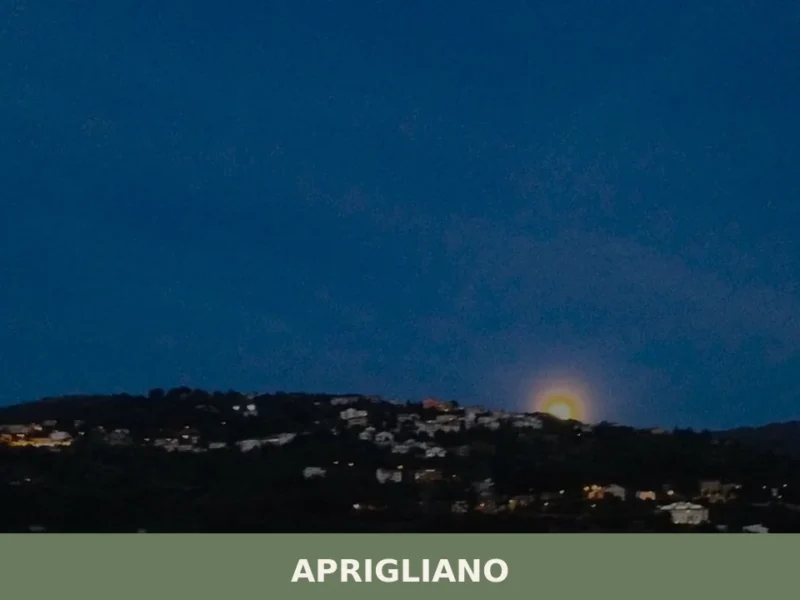
Aprigliano
Mountain
Explore Aprigliano Calabria, a picturesque village nestled in the heart of Italy. Uncover its rich history, stunning landscapes, and authentic Calabrian charm. Plan your visit today!
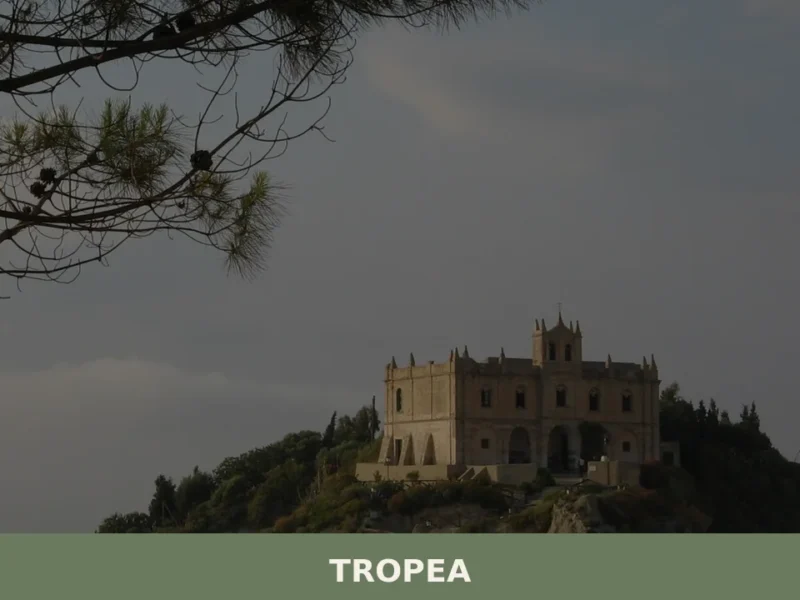
Tropea
 Sea
Sea
What to see in Tropea, Calabria, Italy: explore 5 top attractions, the famous red onion, sandy beaches on the Tyrrhenian Sea. Discover how to get there.
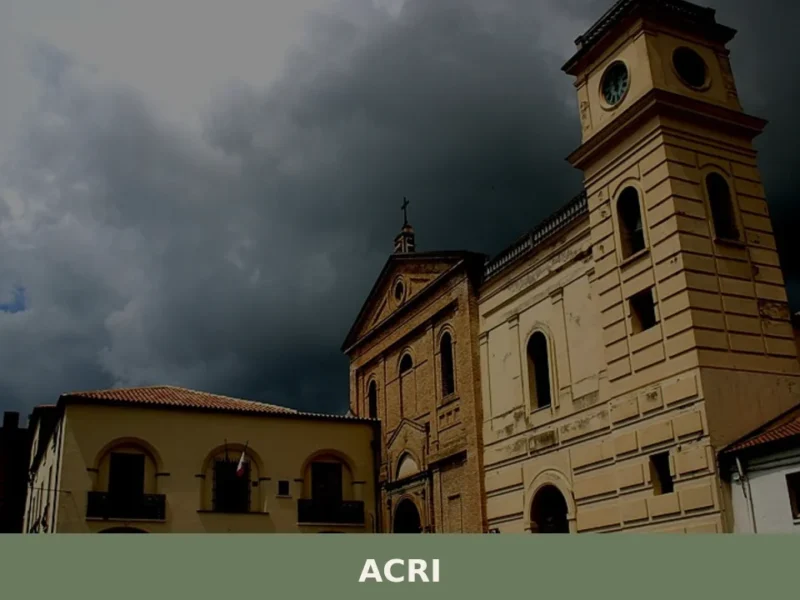
Acri
Mountain
Acri is a town in the province of Cosenza with over 21,000 inhabitants, located in the Calabrian interior of the Sila Greca area, on a territory that passed through Norman, Swabian and Aragonese rule, leaving concrete traces in the local architecture and culture. For anyone approaching this corner of the province of Cosenza, the question […]
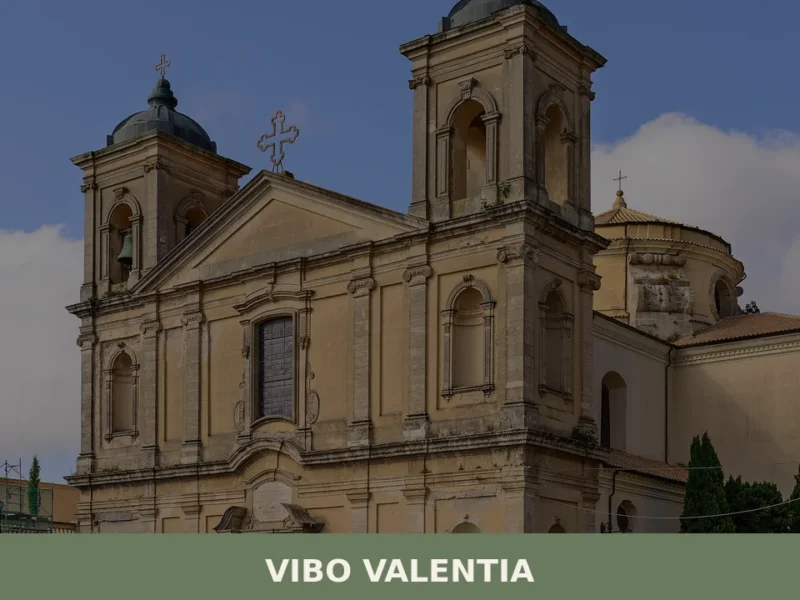
Vibo Valentia
Sea
What to see in Vibo Valentia, Italy: Discover the ancient city walls spanning 7 km and the Norman-Hohenstaufen Castle. Explore its rich history and vibrant local culture.
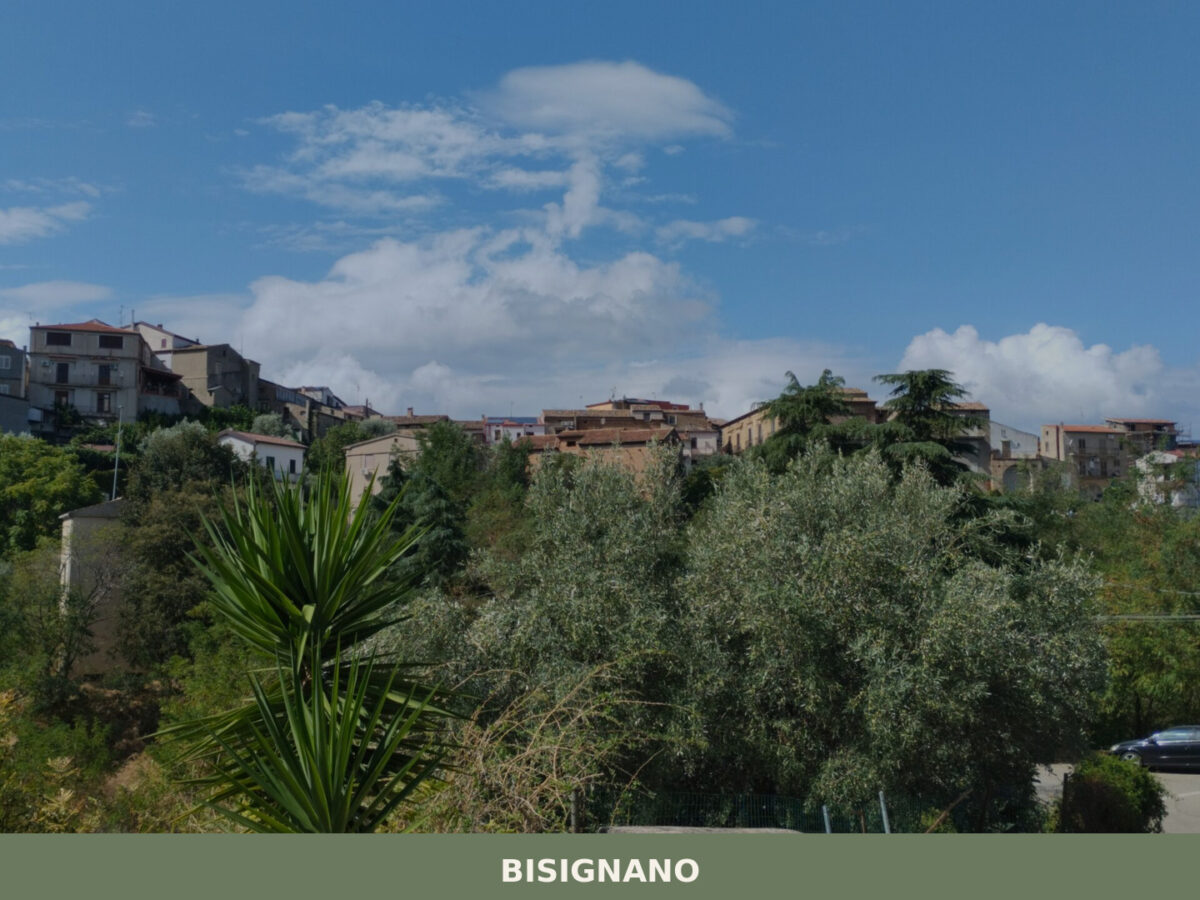
Bisignano
Hills
What to see in Bisignano: Discover 5 top attractions. This village (pop. 9,501) features the Ducal Castle and Sant'Umile Sanctuary for rich history.
Albidona
Sea
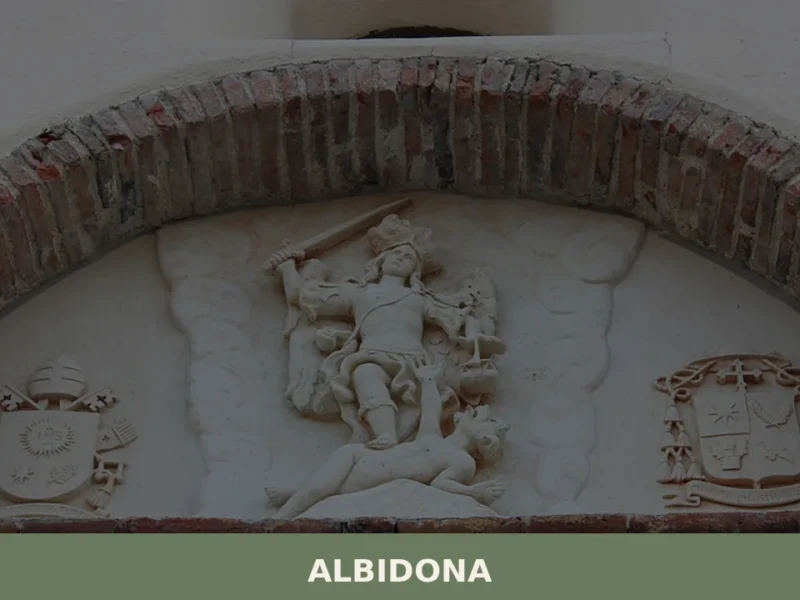
Albidona has 1,142 inhabitants and sits at 810 metres above sea level on the eastern slope of the Pollino massif, in the province of Cosenza. The old town preserves an urban layout arranged in parallel bands, developed along the ridge that separates the Saraceno stream valley from the Caldanello valley. Asking what to see in […]
Albi
Mountain
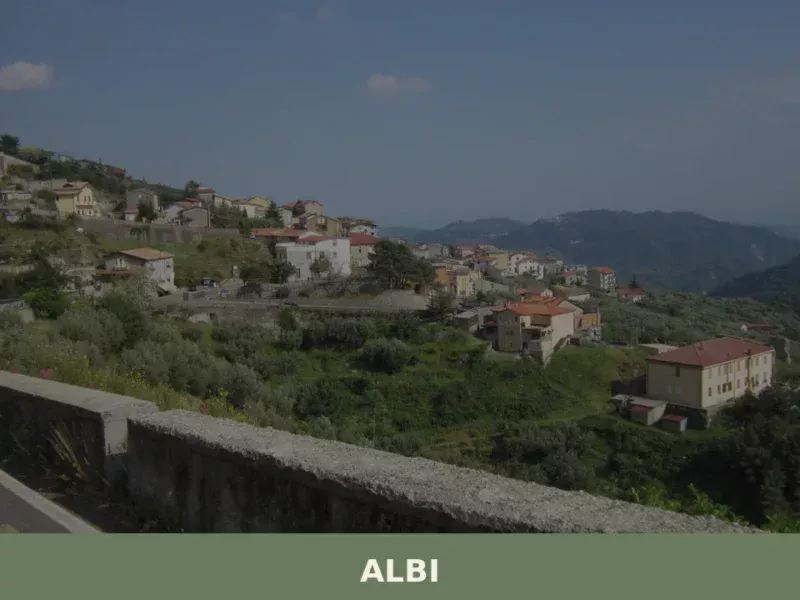
Discover what to see in Albi, a 735-person village at 710m in the Parco Nazionale della Sila, Catanzaro. History, food, access and where to stay.
Bova
Mountain
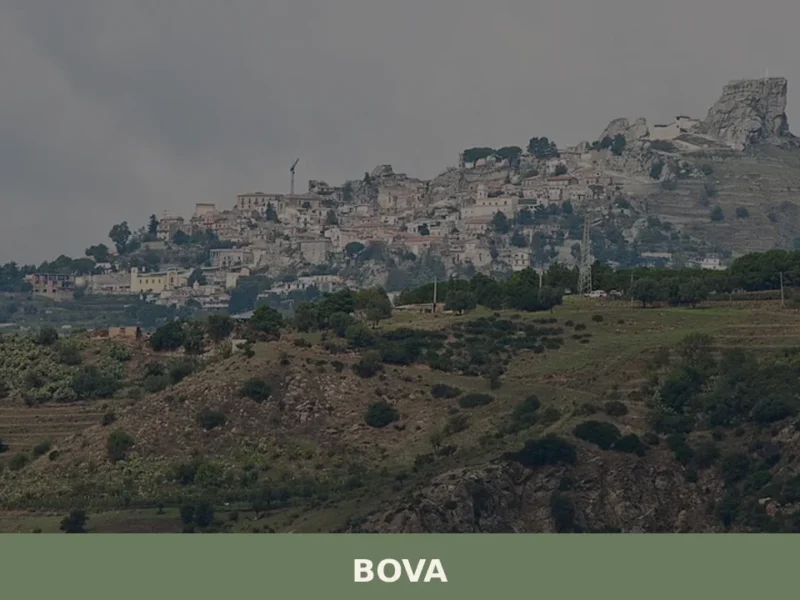
What to see in Bova, Calabria, Italy: a hilltop comune at 900 m with Greek-Bovesian heritage, Norman history and local cuisine. Discover top attractions and travel tips.
Amendolara
Sea
Explore Amendolara village, a charming Italian gem nestled in Calabria. Discover its rich history, stunning landscapes, and authentic local culture. Plan your visit today!
🧀 Italian traditional products


🏡 Know Acquaformosa better than we do?
If you’re a local or have been there, your knowledge matters: add what’s missing or fix a detail on this page.