


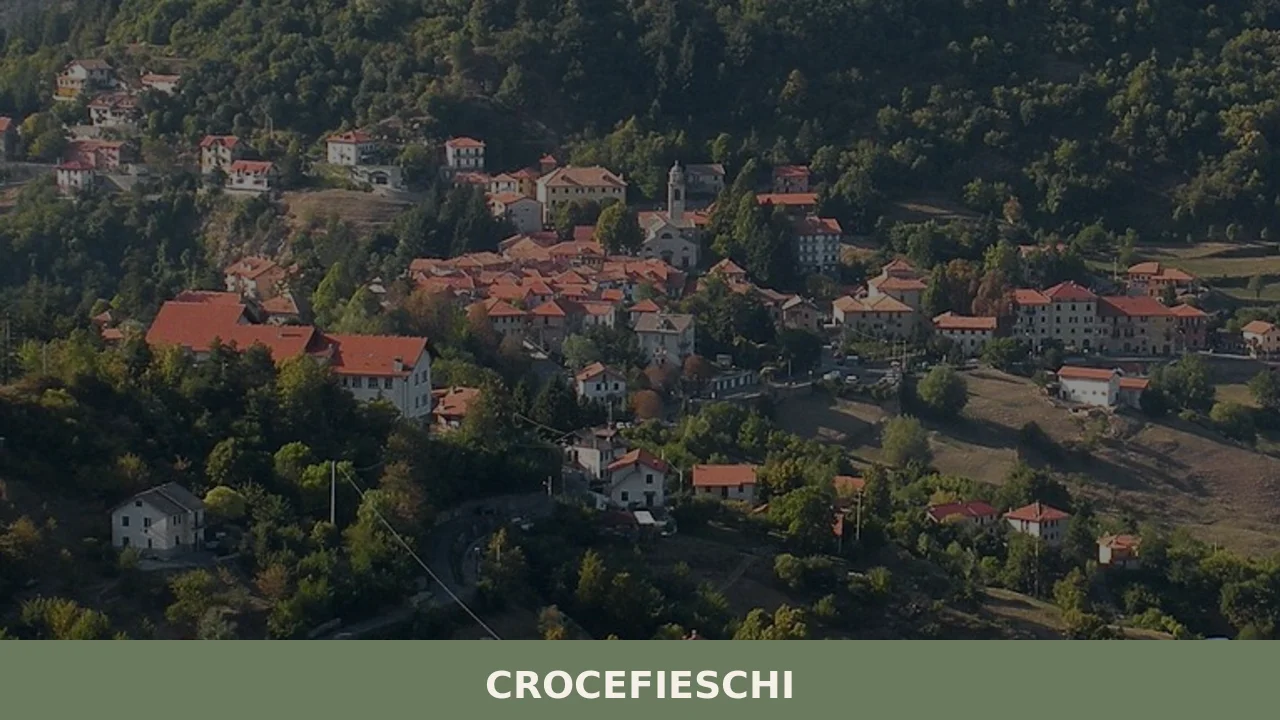
Crocefieschi
At 742 meters above sea level, in the heart of the Ligurian Apennines, lies Crocefieschi, a municipality in the province of Genoa with 518 inhabitants. Its geographical position makes it a reference point for those seeking significant altitudes in the Genoese hinterland, away from coastal dynamics. The village’s name, according to tradition, is said to […]
Discover Crocefieschi
At 742 meters above sea level, in the heart of the Ligurian Apennines, lies Crocefieschi, a municipality in the province of Genoa with 518 inhabitants. Its geographical position makes it a reference point for those seeking significant altitudes in the Genoese hinterland, away from coastal dynamics. The village’s name, according to tradition, is said to derive from the intersection of ancient routes and the historical influence of the Fieschi family, who dominated these territories for centuries. For those wondering what to see in crocefieschi, the village offers glimpses of a lesser-known Liguria, connected to the mountains and its traditions, with architectural elements reflecting its historical evolution and its function as a crossroads.
History and origins of Crocefieschi
The toponym “Crocefieschi” documents a direct link with the Fieschi family, the powerful counts of Lavagna who, from the 12th century onwards, exerted significant control over much of the Ligurian hinterland. The presence of a “croce,” understood as a crossroads or intersection of roads, suggests a function of passage and connection for the village, situated on routes that once linked the Ligurian coast to the Po Valley. In 1198, the settlement of Crocefieschi constituted itself as a free commune, a step that attested to its growing strategic and administrative importance within the Fieschi fiefdom.
The municipal territory was the scene of events related to power struggles between Genoese noble families, particularly between the Fieschi and Doria, who often vied for control of communication routes and castles. Although few visible traces of the original fortification remain today, the memory of the Fieschi castle, erected in the 12th century, persists as a foundational element of the village’s historical identity. To learn more about the municipality’s history, you can consult the dedicated page on the official website of the Municipality of Crocefieschi.
What to see in crocefieschi: 5 essential attractions
1. The Parish Church of the Immaculate Conception
The main place of worship in the village, dedicated to the town’s patroness, the Parish Church of the Immaculate Conception features a structure that has undergone several modifications over the centuries. Inside, architectural elements and works can be observed that bear witness to local devotion. The patron saint’s feast day, celebrated on December 8th, is a gathering moment for the community and an opportunity to appreciate the religious traditions of the area.
2. The Remains of the Fieschi Castle
Of the castle built by the Fieschi family in the 12th century, only some ruins remain today, fragments of walls standing on the summit of a hill. These remains, despite their simplicity, represent a tangible trace of the village’s feudal past and its strategic importance. The position offers a view of the surrounding valley, allowing one to understand the defensive function of the ancient fortress.
3. The Devil’s Bridge (San Michele locality)
In the nearby hamlet of San Michele lies the so-called “Devil’s Bridge,” a stone construction that crosses the stream. This bridge, with its evocative structure, is often the subject of popular legends attributing its construction to supernatural forces. Its elementary but robust architecture makes it a point of interest for those seeking historical and folkloric elements of the territory.
4. The Antola Regional Natural Park
The territory of Crocefieschi is entirely included within the Antola Regional Natural Park. This protected area, characterized by a mountain environment with beech and chestnut woods, offers routes for excursions and outdoor activities. Mount Antola, at 1597 meters, dominates the landscape, providing a natural context for observing local flora and fauna. Further information is available on Wikipedia.
5. The Hamlet of Senarega and its Castle
In the municipality of Crocefieschi, the hamlet of Senarega preserves its own medieval castle, also linked to the Fieschi family. This fortified complex, better preserved than the remains of Crocefieschi castle, testifies to the extent and pervasiveness of Fieschi dominion in the valley. A visit to Senarega offers a perspective on the defensive architectures of the Ligurian hinterland.
Typical cuisine and local products
Crocefieschi’s cuisine reflects the characteristics of the Ligurian mountain environment, where local produce plays a central role. Porcini mushrooms, chestnuts, and local potatoes are fundamental ingredients for many preparations. Among the dishes, one can find vegetable soups enriched with wild herbs, polenta accompanied by meat or mushroom sauces, and simple focaccias, different from coastal ones, often prepared with corn or buckwheat flour. Fresh and aged cheeses, produced in the surrounding alpine pastures, complete the gastronomic offer.
The dessert tradition uses chestnuts, with preparations like castagnaccio or sweets based on chestnut flour. The trattorias and farm stays in the area offer these recipes, maintaining a link with past food customs. During autumn, various localities in the Ligurian Apennines organize festivals dedicated to mushrooms and chestnuts, opportunities to taste seasonal produce directly from local producers.
When to visit Crocefieschi: the best period
The choice of period to visit Crocefieschi depends on the traveler’s specific interests. Spring and summer, from May to September, are the most suitable months for outdoor activities, such as excursions in the Antola Park, thanks to mild temperatures and longer days. In these months, the landscape appears in its most verdant form, and the trails are fully accessible. Autumn, particularly October, offers the opportunity to appreciate the colors of the forest and participate in mushroom and chestnut gathering, common activities in the area.
Winter brings the possibility of snow, transforming the mountain landscape and offering a different, more subdued atmosphere. December 8th, the Immaculate Conception patronal feast, represents a significant moment for the community, with religious celebrations that can be interesting for those wishing to connect with local traditions. However, rigid temperatures and the possible presence of snow require adequate equipment and a check of road conditions.
How to get to Crocefieschi
Crocefieschi is located in the Genoese hinterland, and its accessibility is primarily by road.
- By car: From Genoa, you can take the A7 motorway (Genoa-Milan) and exit at Busalla, from which you continue on provincial roads towards Crocefieschi for about 15-20 kilometers. The total journey from Genoa takes approximately 50-60 minutes.
- By train: The nearest railway station is Busalla, served by regional trains on the Genoa-Turin line. From Busalla station, it is necessary to continue with a local bus service or taxi to reach Crocefieschi.
- By plane: The most convenient airport is Genoa Cristoforo Colombo Airport (GOA), which is about 50 kilometers from Crocefieschi. From the airport, it is possible to rent a car or reach Genoa Brignole station to then take a train towards Busalla.
Other villages to discover in Liguria
Liguria offers a diverse panorama of villages, each with its own peculiarities, extending from the coast to the hinterland. In addition to Crocefieschi, it is possible to explore other places that maintain a strong link with the territory and its traditions. For example, Diano Arentino, located in the Imperia hinterland, offers another perspective on lesser-known Liguria, with a different context but equally tied to local history and agricultural production.
Another destination worth attention is Coreglia Ligure, also in the province of Genoa, but positioned in a different valley. This village allows one to understand how the Ligurian hinterland developed distinct identities while sharing common cultural and historical roots, representing another piece in understanding the region.
In Liguria More villages to discover
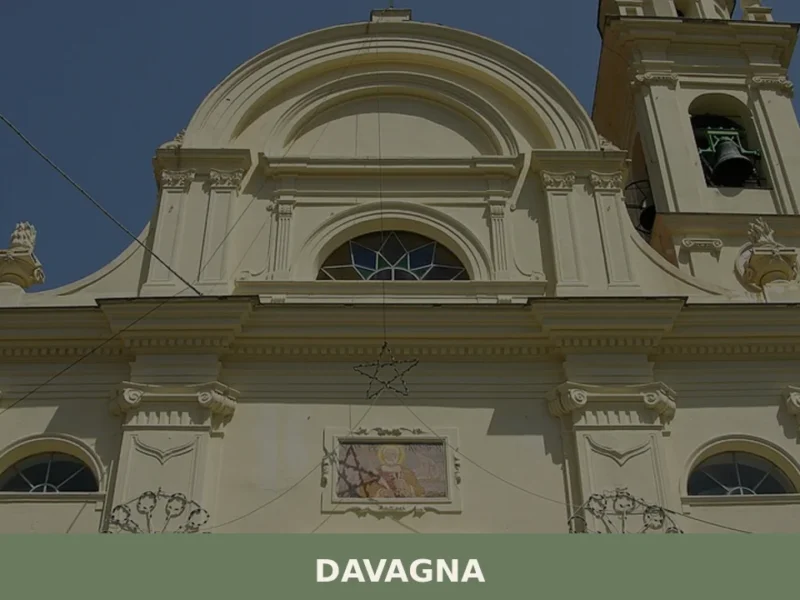
Davagna
At 552 meters above sea level, Davagna is a scattered municipality in the Genoese hinterland, comprising a main town and numerous hamlets spread across the slopes of the Bisagno Valley. Its geographical location, a short distance from the Ligurian capital, has historically influenced the economic and social dynamics of the area. For those wishing to […]
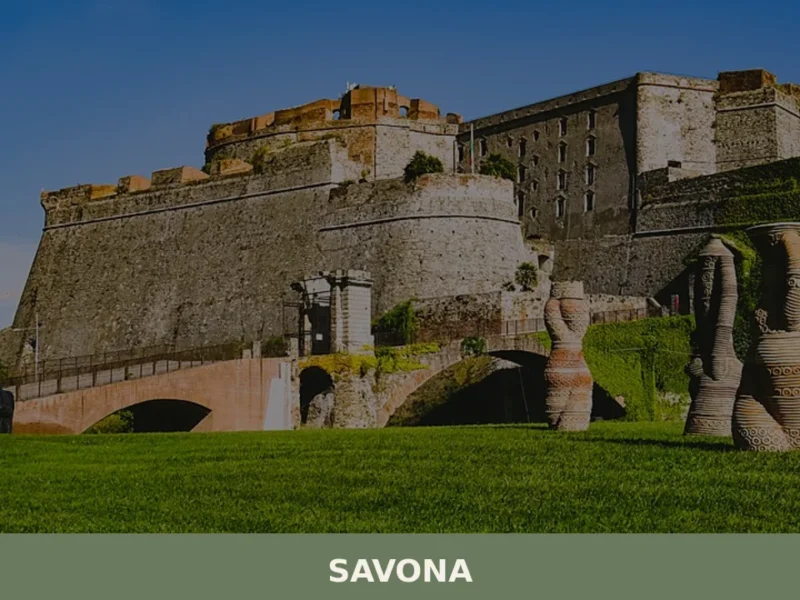
Savona
What to see in Savona: Ligurian port city at 4 m a.s.l. with Priamàr Fortress, a second Sistine Chapel. Plan your visit to 5 key sites and local cuisine.
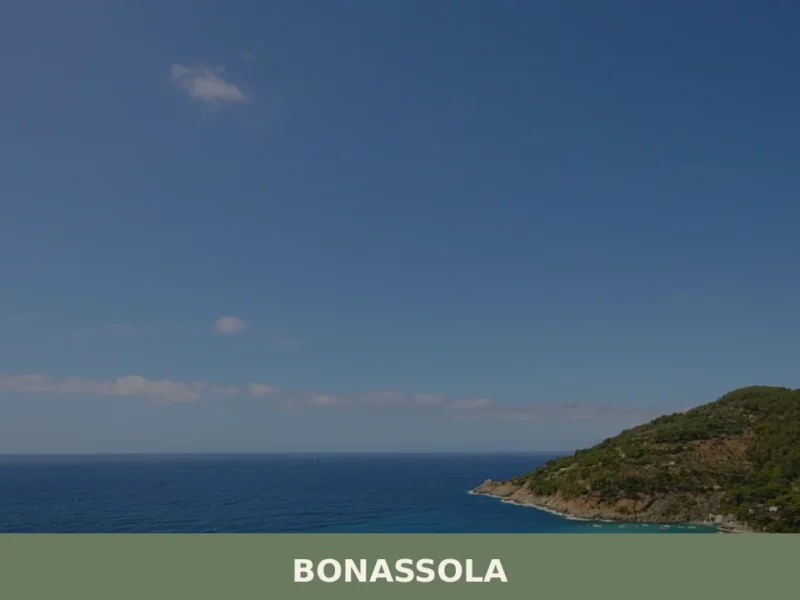
Bonassola
Bonassola’s single-track railway station, opened in 1874 as part of the Genoa–La Spezia line, brought the first outsiders to a coastal settlement that had survived for centuries on olive oil, wine, and anchovies. Today this compact village of 794 inhabitants sits at six metres above sea level along the Riviera di Levante, its beach one […]


📝 Incorrect information or updates?
Help us keep the Crocefieschi page accurate and up to date.