


Fascia
At 1118 meters above sea level, Fascia, in the province of Genoa, stands out as one of Liguria’s highest municipalities, with a population of just 70 inhabitants. This demographic data, recorded in the last census, defines a setting of rare tranquility and a distinct mountain identity. For those wondering what to see in Fascia, it […]
Discover Fascia
At 1118 meters above sea level, Fascia, in the province of Genoa, stands out as one of Liguria’s highest municipalities, with a population of just 70 inhabitants. This demographic data, recorded in the last census, defines a setting of rare tranquility and a distinct mountain identity. For those wondering what to see in Fascia, it is essential to understand its nature as an ancient settlement, where life is marked by mountain rhythms and traditions revolving around its patron saint, Saint William of Aquitaine, celebrated annually on August 10. The village, situated on the heights of the Ligurian Apennines, offers a glimpse into an existence tied to the land, far from coastal dynamics.
History and origins of Fascia
The origin of the name “Fascia” is debated, but some interpretations link it to the territory’s shape, a “strip” (fascia) of land between mountainous reliefs, or to an ancient Ligurian term indicating a boundary or division. Its strategic position along the ridges of the Ligurian Apennines, on the border between Liguria and Piedmont, suggests a role as an outpost and crossroads for communication routes since Roman times. Although there are no direct references to Roman settlements in the current core, the presence of ancient transit routes in the Trebbia Valley and neighboring valleys indicates the logistical importance of the area.
In the Middle Ages, Fascia was part of the domains of the Fieschi, one of the most powerful feudal families in Liguria, who controlled vast areas of the Genoese hinterland. The village’s history is thus intertwined with the events of this noble house and, subsequently, with the Republic of Genoa, which consolidated its control over the hinterland to ensure the security of trade routes and resource supply. Life in the village was primarily dictated by agro-forestry-pastoral activities, with livestock farming and the cultivation of mountain-climate-resistant cereals as pillars of the local economy.
What to see in Fascia: 5 essential attractions
The Parish Church of Saint William of Aquitaine
Dedicated to the village’s patron saint, Saint William of Aquitaine, this church represents the core of community life. Its structure, despite undergoing modifications over the centuries, retains elements that attest to its antiquity. The interior houses minor sacred art pieces, significant for local history, and the main altar is the focal point of celebrations related to the patronal feast on August 10.
The Alta Via dei Monti Liguri Trails
Fascia is located near sections of the Alta Via dei Monti Liguri, a hiking trail that crosses the entire mountain range of the region. From the surroundings of the village, it is possible to undertake various excursions, leading to scenic viewpoints over the Trebbia Valley and the surrounding peaks, offering glimpses into the biodiversity of the Ligurian Apennines and its geology.
The Rural Stone Architecture
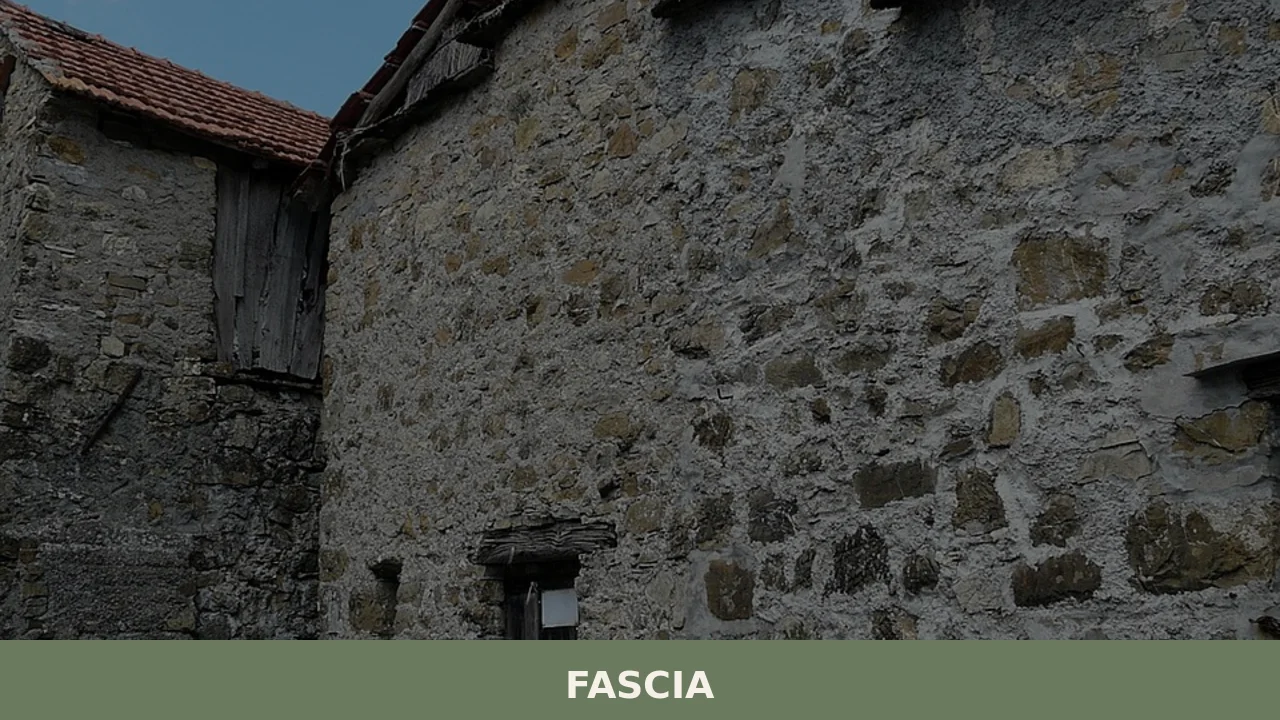
Walking through the streets of Fascia, one observes the traditional architecture of mountain houses, built with local stone. The structures blend into the landscape, featuring shingle or slate roofs and small wooden balconies. These buildings narrate the constructive history of the village, with techniques passed down through generations and materials sourced directly from the surrounding territory.
The Bric della Croce Viewpoint
Near the village, Bric della Croce offers a prime observation point. From here, the gaze sweeps over the surrounding valleys, embracing a vast mountain horizon that extends to the Prealps. It is a place where the geographical scale of the territory is fully revealed, allowing one to understand Fascia’s isolated and dominant position.
The Municipal Washhouse
A symbol of daily life from a bygone era, the municipal washhouse is a stone structure where the village women gathered to wash clothes. Still preserved today, though no longer used for its original function, it represents a minor element of industrial archaeology, bearing witness to the social practices and infrastructure that marked community life.
Typical cuisine and local products
Fascia’s cuisine reflects its mountain identity and the availability of products linked to local agriculture and farming. Among traditional dishes, those based on potatoes stand out, such as “potatoes and beans” or stuffed “focaccette.” Porcini mushrooms, abundant in the surrounding woods during autumn, feature prominently in risottos and hearty sauces. Meat-based preparations, often game, which supplemented the winter diet, are also present. Bread, traditionally baked in communal ovens, played a central role, often accompanied by fresh or aged cheeses produced by local farmers.
Among the specific products of the area are sheep and goat cheeses, often processed into ricottas or small, distinctively flavored cheeses, such as “Formaggetta della Valle Scrivia,” a PAT (Traditional Agri-food Product) of Liguria. Chestnut flour, derived from centuries-old chestnut groves, is used to prepare desserts like “castagnaccio” or to enrich soups and polentas. Wild mountain herbs, gathered and used in omelets and fillings, complete a simple gastronomic picture, rich in genuine flavors, inextricably linked to the land and the seasons.
When to visit Fascia: the best time
The best time to visit Fascia depends on the activities you wish to undertake. Summer, particularly July and August, offers mild temperatures and long days, ideal for mountain trail excursions. On August 10, the patronal feast of Saint William of Aquitaine enlivens the village with religious celebrations and social gatherings, offering an opportunity to experience the local atmosphere. However, it is worth noting that, given the altitude, summer evenings can be cool.
Autumn, from September to October, is an excellent season for mushroom enthusiasts and those seeking foliage colors, with landscapes tinged with red and gold. Spring, with its blossoming and the awakening of nature, offers green vistas and pleasant temperatures, although rainfall may be more frequent. Winter brings snow, transforming the landscape into an evocative setting, but making access to the village more challenging and limiting hiking possibilities.
How to get to Fascia
Fascia, given its mountain location, is primarily accessible by car. From Genoa, one can take the A7 motorway towards Milan, exiting at Busalla or Ronco Scrivia, then continuing on provincial roads that lead into the hinterland. The road route features ascents and hairpin bends, typical of Apennine areas. The distance from Genoa is approximately 60 kilometers, with an estimated travel time of about an hour and a half.
The nearest train stations are Busalla or Ronco Scrivia, on the Genoa-Turin line, from which there are no direct public transport connections to Fascia. It is therefore necessary to arrange a taxi service or private transport. The nearest airport is Genoa “Cristoforo Colombo” Airport (GOA), approximately 70 kilometers away. For more detailed information on road conditions and services, it is advisable to consult the official website of the Municipality of Fascia or Italia.it.
Other villages to discover in Liguria
Liguria, beyond its renowned coasts, preserves a hinterland rich in villages that offer different perspectives on the territory and its history. A short distance from Fascia, but with a different geographical identity, is Crocefieschi, another municipality in the Ligurian Apennines, known for its strategic location and traditions linked to transhumance and mountain agriculture. These villages share the characteristic of being resilient communities that have managed to maintain a deep connection with their natural environment.
Moving towards the coast, but remaining in the Ligurian hinterland, it is possible to explore Balestrino, a village distinguished by the presence of a medieval castle and a partially abandoned historical core, offering an evocative contrast between past and present. Visiting these villages allows one to appreciate the variety of Ligurian landscapes, from the Apennine peaks to the hills sloping towards the sea, and to discover the many facets of regional culture and history.
In Liguria More villages to discover
Apricale
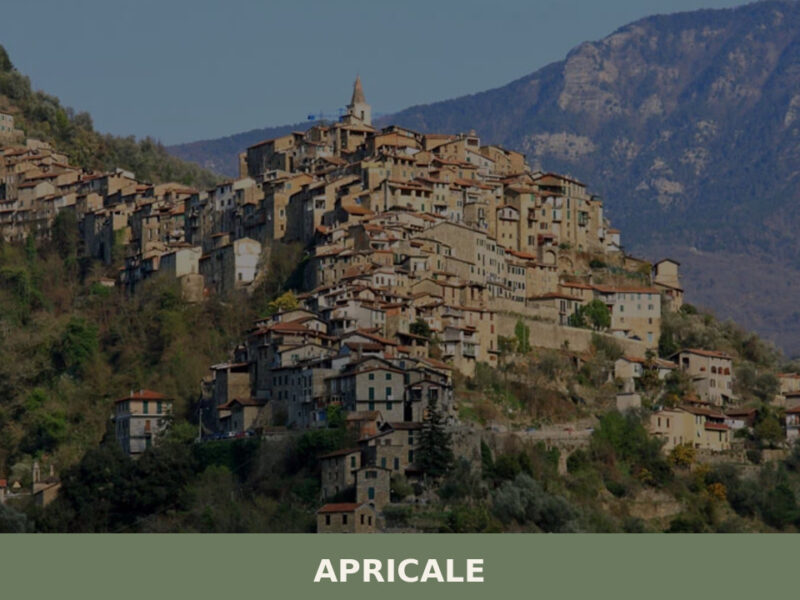
A sun-facing medieval village of 626 inhabitants in Liguria's Val Nervia. Explore what to see in Apricale, from its castle to its open-air murals.
Gorreto
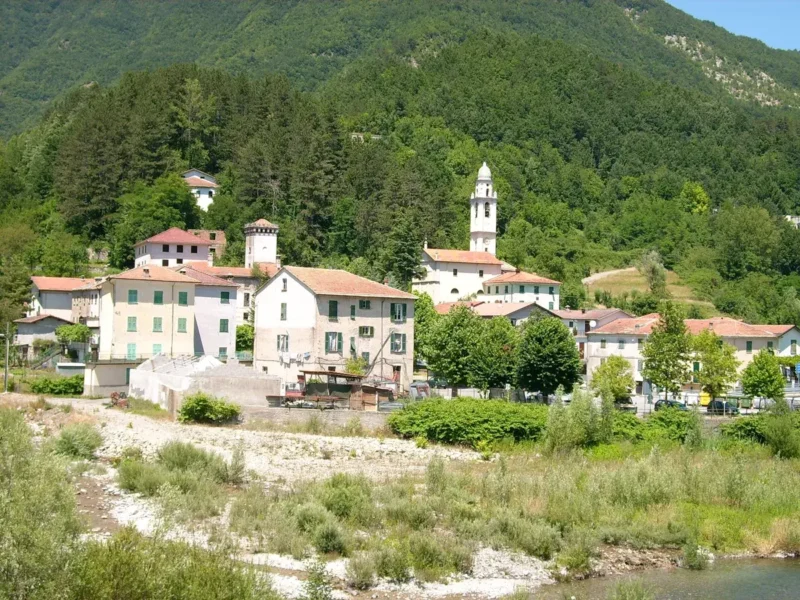
Gorreto: Complete Editorial Guide The stone bridge over the Trebbia, with its centuries-old arches, marks the entrance to Gorreto, a village that reveals itself with the discretion of a place that has watched the passage of people and goods for centuries. At 533 metres above sea level, in the province of Genova, this settlement of […]
Diano San Pietro
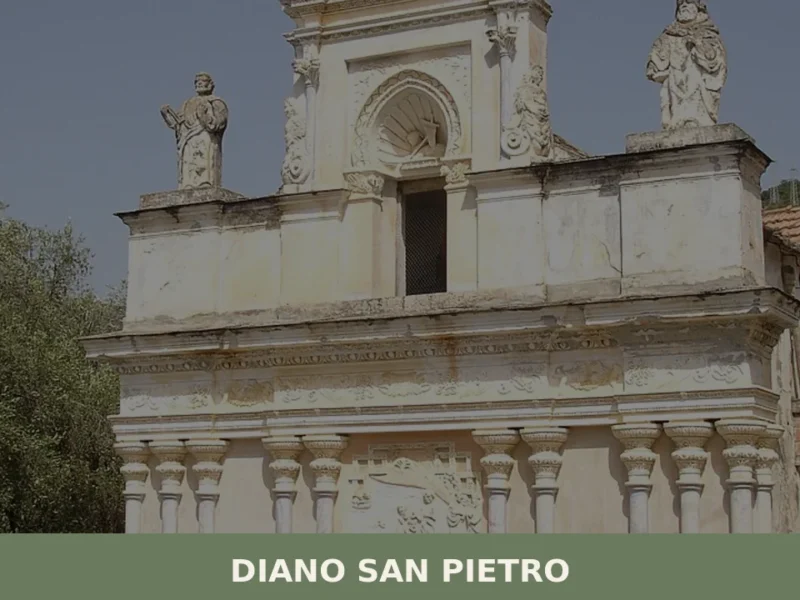
What to see in Diano San Pietro: a village of 1,081 at 83m in the Diano Valley. Discover the Church of San Pietro, olive terraces and nearby villages. Plan your visit.



📝 Incorrect information or updates?
Help us keep the Fascia page accurate and up to date.