


Diano San Pietro
 Plains
What to see in Diano San Pietro: a village of 1,081 at 83m in the Diano Valley. Discover the Church of San Pietro, olive terraces and nearby villages. Plan your visit.
Discover Diano San Pietro
Diano San Pietro sits at 83 metres above sea level in the inland area of the Province of Imperia, a few kilometres from the Ligurian coast. The village has a population of 1,081 and belongs to the Merula Valley, a territory where olive farming has shaped the local economy and landscape for centuries. For anyone wondering about what to see in Diano San Pietro, the answer begins with the church dedicated to the patron saint, the architecture of the historic centre, and a natural setting that connects the Ligurian Riviera to the Apennines.
Small in size, the village offers a concrete illustration of how inland communes of the Imperia area have preserved their settlement structure across the centuries.
History and Origins of Diano San Pietro
The name of the village combines two distinct elements: “Diano”, indicating its location in the valley of the same name, and “San Pietro”, a direct reference to the cult of the patron saint that determined the dedication of the main church.
The Diano Valley was already a significant agricultural territory in Roman times, thanks to olive cultivation — a practice that has survived to the present day and has helped define the economic identity of the entire area. During the Middle Ages, the settlement pattern of this part of the Province of Imperia followed the model of small rural hilltop clusters: far enough from the coast for defence, yet accessible enough to allow trade.
In the medieval period, the Diano Valley was divided among several distinct communes, each with its own parish church. Diano San Pietro formed one of these autonomous nuclei, organised around its own church, which served not only as a place of worship but also as a civic gathering point. The layout of the village reflects this origin: a compact arrangement of buildings constructed in local stone, narrow lanes designed for passive defence and for managing the Mediterranean climate, and occasional small open spaces.
During the nineteenth century, following the administrative reorganisation first under the Kingdom of Sardinia and then under the Kingdom of Italy, many communes in the Diano Valley saw changes to their boundaries and official names.
The twentieth century brought significant change to the entire inland Imperia area, as emigration towards coastal cities and the industrialised north reduced the populations of interior villages.
Diano San Pietro passed through this period while retaining its status as an independent commune. Today the village is part of a territorial system that includes the neighbouring communes of the valley, with which it shares infrastructure, services and cultural events. The continuity of the historic built fabric in the centre of the village still makes it possible to read the original settlement plan.
What to See in Diano San Pietro: Main Attractions
Parish Church of San Pietro Apostolo
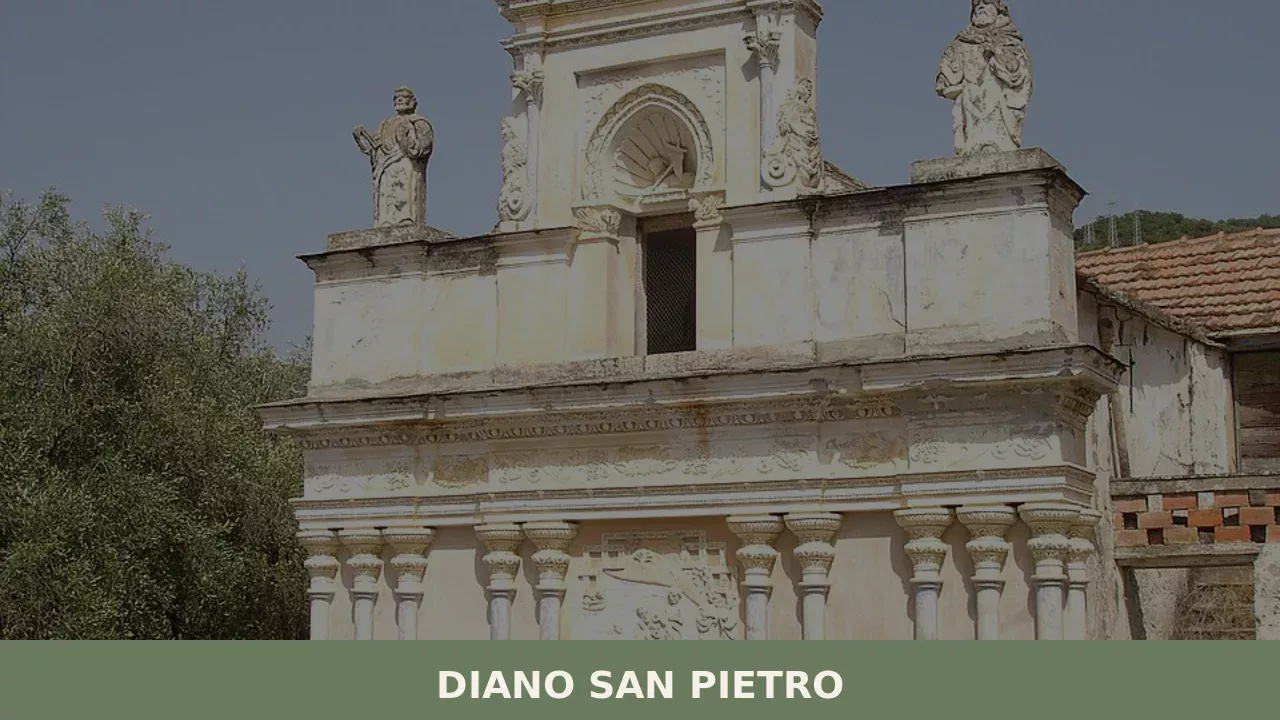
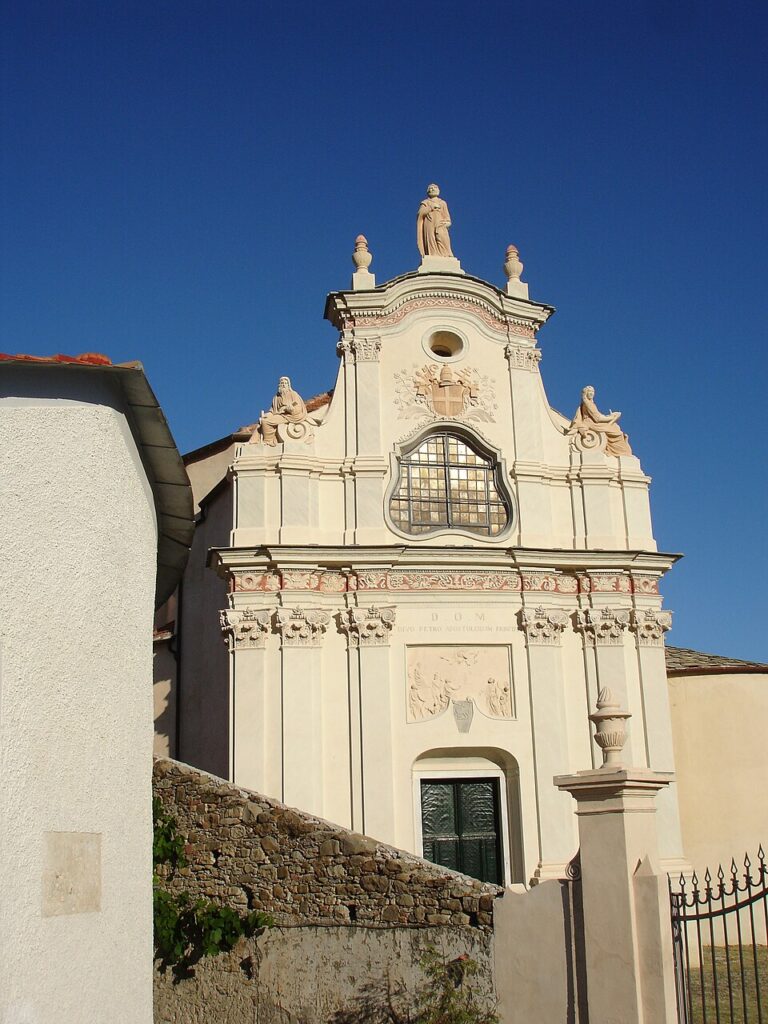
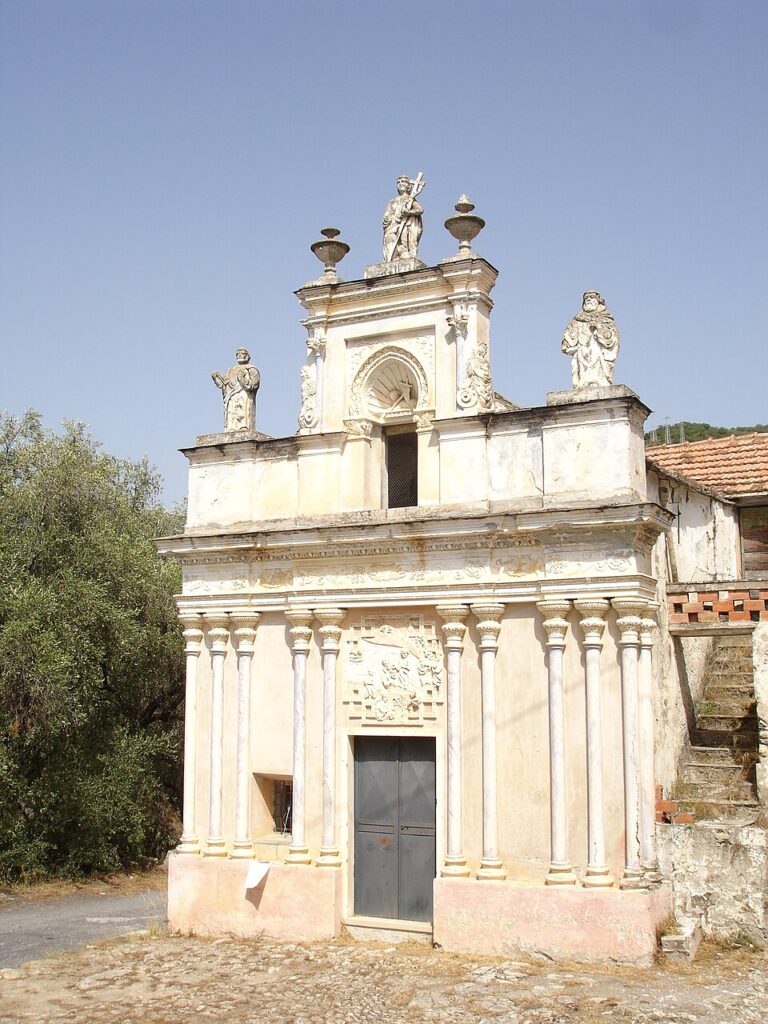
The church dedicated to Saint Peter the Apostle is the architectural and spiritual focal point of the village. The building stands at the most recognisable point of the historic centre, and its presence has historically shaped the organisation of the surrounding public space. The local stone façade and bell tower are the most visible elements from outside. The interior preserves the traditional layout of Ligurian inland parish churches, with a central nave and works of sacred art connected to local devotion.
The feast of the patron saint, celebrated on 29 June — the liturgical day of Saints Peter and Paul — brings the faithful together in this space every year.
Historic Centre and Traditional Street Layout
The old core of Diano San Pietro maintains a settlement structure consistent with the building traditions of the Ligurian interior.
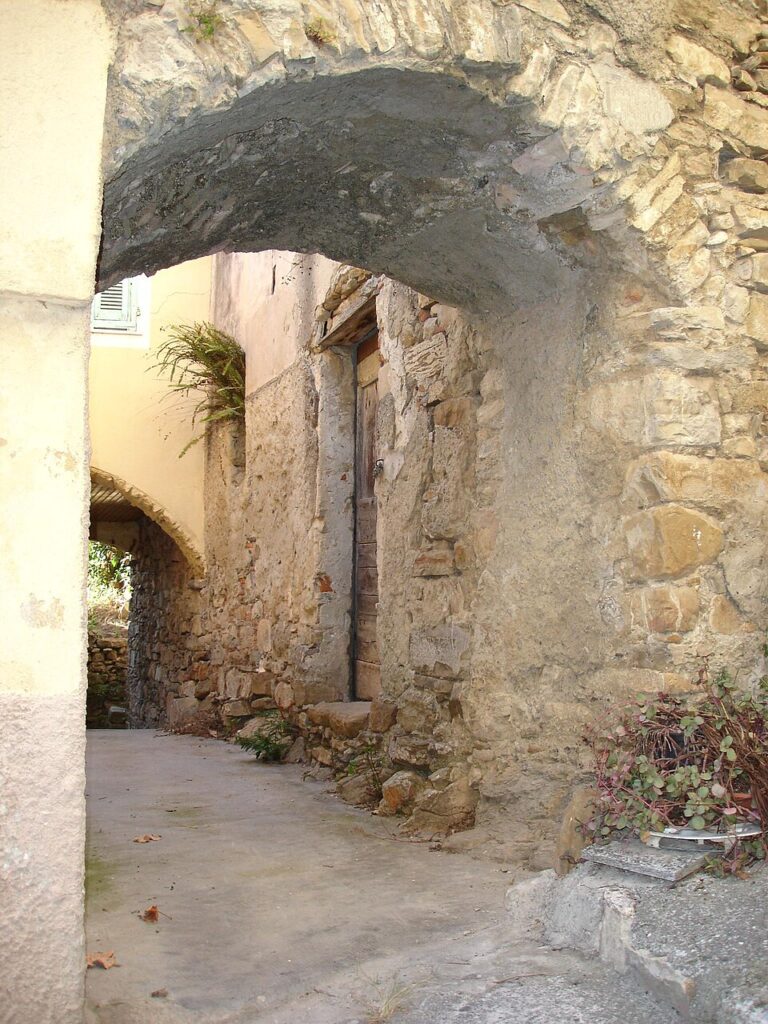
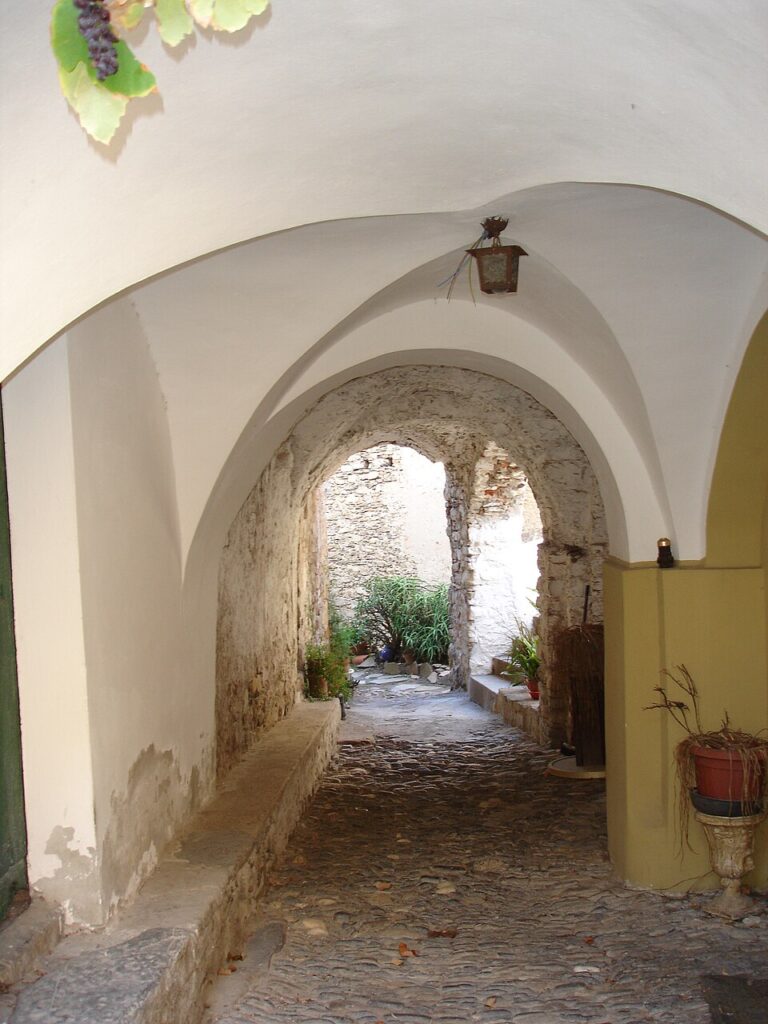
Stone and brick buildings line narrow streets, with covered passageways and small open areas that appear unexpectedly between the houses. Walking this network of lanes is worthwhile for the construction details visible on the façades: worked stone doorways and inscriptions on lintels that in some cases bear dates from the seventeenth and eighteenth centuries. The compact scale of the village makes exploration straightforward without being superficial.
Olive Landscape of the Merula Valley
The agricultural land surrounding Diano San Pietro is dominated by olive cultivation, a practice rooted in the Diano Valley from a very early period. Terraces built with dry-stone walls step down the hillside, creating a productive landscape that also functions as a hydrological management system.
Visitors who walk the paths through the olive groves in autumn, during the harvest, can observe directly one of the most long-standing agricultural practices in western Liguria.
This landscape is an integral part of what to see in Diano San Pietro and its immediate surroundings.
Routes Between the Villages of the Diano Valley
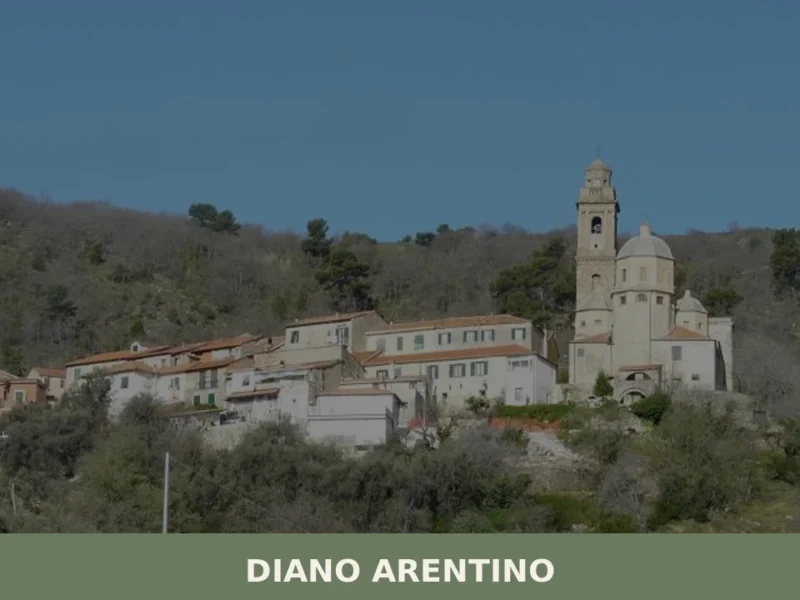
Diano San Pietro sits within a network of small communes that together make up the Diano Valley: Diano Arentino, Diano Castello, Diano Marina and several smaller settlements are reachable within a few minutes by car, or on foot via marked trails. This connected system of villages gives visitors the opportunity to build a coherent itinerary, reading the architectural and landscape variations from one settlement to the next. Walking between these centres is feasible for anyone with a reasonable level of fitness and appropriate footwear.
Views over the Gulf of Diano Marina
From certain points within the municipal territory of Diano San Pietro — particularly on the south-facing slopes — the Gulf of Diano Marina is visible in a perspective that brings together the hillside agricultural landscape and the sea. This dual outlook, towards the coast on one side and towards the Apennine interior on the other, is one of the most geographically significant features of the village’s position.
Reaching the higher viewpoints across the territory allows visitors to appreciate the full extent of the coastal alluvial plain and the shape of the headland that closes the gulf.
Local Food and Products of Diano San Pietro
The cuisine of the Imperia interior, of which Diano San Pietro forms part, has historically been shaped by the availability of local agricultural produce and by proximity to both coastal Liguria and Piedmont.
Extra virgin olive oil produced in the Diano Valley forms the base of almost all local food preparation. The Taggiasca cultivar, widespread throughout western Liguria, yields small olives that produce an oil with a delicate, low-bitterness flavour, used both raw and cooked to dress vegetables, pulses and fresh pasta. This oil runs as a constant thread through the local table.
Among the dishes most firmly rooted in the traditions of the area are preparations based on wild greens gathered from the surrounding fields and woods. Torta di bietole — a filled pastry of chard, eggs, cheese and marjoram — is one of the representative dishes of the Ligurian cucina povera, found from the interior to the coast.
Coniglio alla ligure, rabbit cooked with Taggiasca olives, capers, white wine and aromatic herbs such as rosemary and thyme, is a substantial main course connected to the domestic livestock farming that supplemented rural family diets for centuries.
Pasta al pesto, while a symbol of the entire region, takes on variations in the Imperia interior where the pesto tends to be drier, made with local basil whose leaves are smaller than the Genoese variety.
With regard to officially certified products, the database available for this area does not record DOP, IGP, PAT or DOC/DOCG designations specifically attributed to Diano San Pietro. The olive oil production of the Diano Valley falls within the production zone of the Riviera Ligure DOP, which protects extra virgin olive oil made from Taggiasca olives throughout the coastal and hillside strip of western Liguria, as documented in institutional sources for the agricultural sector.
This EU designation guarantees production standards and traceability for oil from this area.
Local food festivals in the Diano Valley are concentrated mainly in the summer months, between June and September, and frequently feature tastings of olive products, local cheeses and traditional preparations.
Visitors who come in autumn, between October and November, can observe the olive harvest and, in some cases, take part directly in picking operations at local producers. The weekly markets in nearby communes such as Diano Marina offer direct access to valley producers selling oil, olives in brine and preserves.
Festivals, Events and Traditions of Diano San Pietro
The feast of San Pietro Apostolo is celebrated on 29 June, the date of the liturgical solemnity of Saints Peter and Paul in the Roman Catholic calendar. This occasion is the most significant gathering of the year for the community of Diano San Pietro: the religious celebration includes a solemn Mass in the parish church and, traditionally, a procession through the streets of the historic centre carrying the statue of the saint.
Community participation in these rites is well documented in accounts of the inland Imperia communes, where patron saint feasts continue to hold a central place in local social life.
The calendar of the Diano Valley includes events throughout the year that involve Diano San Pietro as part of the local territorial system.
Initiatives connected to olive culture, present across several communes in the valley, accompany the olive production cycle with events that run from the spring flowering through to the autumn harvest. The presence of these traditions rooted in agricultural work distinguishes the cultural profile of the inland villages from that of the coastal towns, which are oriented primarily towards seaside tourism.
When to Visit Diano San Pietro and How to Get There
The best time to visit Diano San Pietro depends on what the visitor is looking for. Those seeking favourable conditions for walking in the hilly countryside will find spring, between April and June, the most balanced season: temperatures are mild, vegetation is at its most active and tourist pressure on the coast has not yet reached summer levels.
Autumn, between September and November, is the time of the olive harvest and offers the chance to observe traditional farming practices.
Summer brings heat to the interior as well, but the hillside altitude of the village keeps temperatures more manageable than on the coast. For up-to-date information on local events and services, the Diano San Pietro municipal website is a useful resource.
By car, the A10 Savona–Ventimiglia motorway is the main route: the Diano Marina exit is a few kilometres from the village, making access from the coastal motorway corridor straightforward. The distance from Genoa is approximately 110 kilometres; from Ventimiglia the journey is around 40 kilometres. The nearest railway station is Diano Marina, served by the Genoa–Ventimiglia line. Travellers coming from further afield can use Genoa Cristoforo Colombo Airport, approximately 115 kilometres away, continuing from there on the A7 motorway and then the A10 to reach the Diano Valley.
An alternative for travellers from the west is Nice Airport in France, located around 80 kilometres away along the coast.
Other Villages to Explore in Liguria
The Ligurian interior offers a network of historic centres that share with Diano San Pietro a hillside structure, an olive-based economy and stone construction traditions.
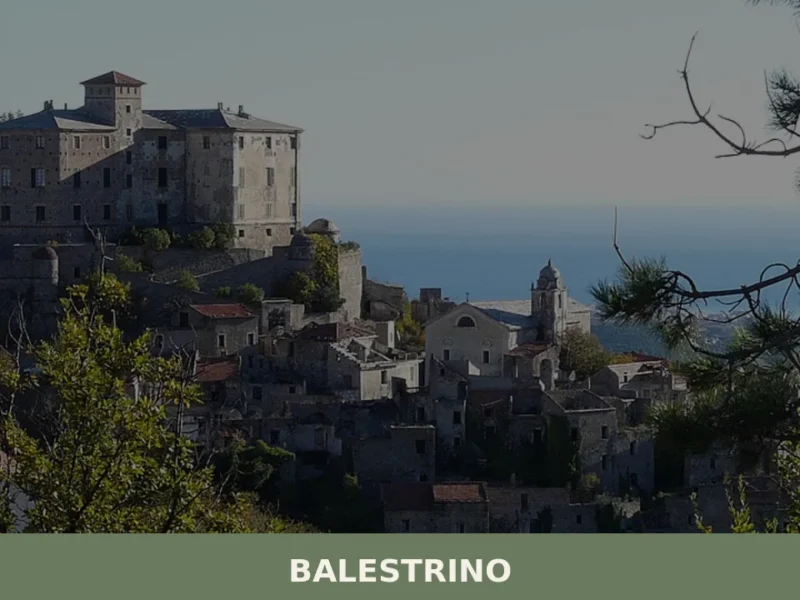
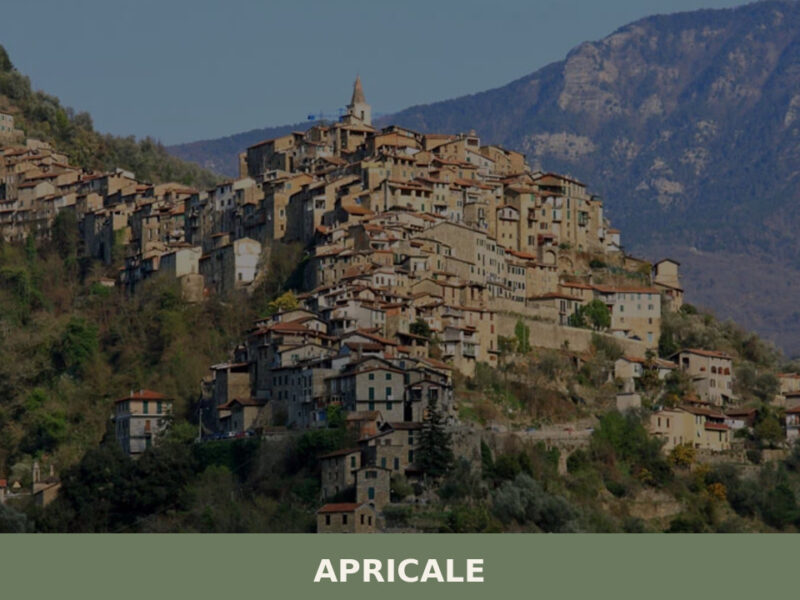
Visitors looking to extend their itinerary can head to Apricale, a village in the Imperia hinterland known for its medieval castle and the painted murals that decorate building façades in the historic centre, or travel further to Balestrino, in the Province of Savona — a partially uninhabited village whose urban fabric has remained largely intact and represents a documented case of involuntary historic preservation.
Moving towards eastern Liguria, Castiglione Chiavarese offers a different perspective on the regional interior, with hillside terrain of a distinct morphology and an agricultural tradition that encompasses chestnut cultivation alongside olives.
For those interested in the villages of the eastern Ligurian Apennines, Coreglia Ligure is an example of a historic hilltop settlement with architectural characteristics typical of the transition zone between Liguria and the Po Valley.
These four villages, visited alongside Diano San Pietro as part of an extended itinerary, allow visitors to compare local variations of a settlement model found across Liguria from west to east.
Frequently asked questions about Diano San Pietro
What is the best time to visit Diano San Pietro?
Spring (April–May) and early autumn (October–November) offer the most rewarding visits. In spring, the olive terraces are lush and temperatures are mild for walking between valley villages. October and November bring the Taggiasca olive harvest, when local groves are active and some producers welcome visitors. The most significant community event of the year is the feast of San Pietro Apostolo on 29 June, which includes a solemn Mass, procession and village gathering. Summer weekends are lively across the Diano Valley, with food festivals concentrated between June and September.
What are the historical origins of Diano San Pietro?
The village name combines 'Diano', denoting its valley location, and 'San Pietro', reflecting the dedication of its parish church to Saint Peter the Apostle. The Diano Valley was cultivated from Roman times, with olive farming as its economic foundation. During the Middle Ages, the valley was divided among several autonomous rural communes, each organised around its own parish church. Diano San Pietro developed as one of these nuclei, with a compact stone-built centre designed for defence and climate management. Administrative reorganisation under the Kingdom of Sardinia and later unified Italy reshaped communal boundaries across the valley.
What to see in Diano San Pietro? Main monuments and landmarks
The Parish Church of San Pietro Apostolo is the principal monument, anchoring the historic centre with its local stone façade and bell tower. The surrounding network of narrow lanes preserves worked stone doorways and lintel inscriptions dating to the seventeenth and eighteenth centuries. The olive terraces on dry-stone walled hillsides surrounding the village form a historically significant agricultural landscape. From south-facing slopes within the municipal territory, views extend to the Gulf of Diano Marina. Nearby valley communes — including Diano Castello and Diano Marina — are accessible by car or on foot via marked trails.
What are the main natural or scenic attractions of Diano San Pietro?
The agricultural landscape immediately surrounding the village is its most distinctive natural feature: centuries-old olive terraces with dry-stone retaining walls descend the hillsides of the Merula Valley, forming a working landscape with hydrological and visual significance. Marked paths connect Diano San Pietro to neighbouring valley communes, passing through olive groves. From higher points in the municipal territory, the view encompasses both the Apennine interior and the coastal plain stretching to the Gulf of Diano Marina — an unusually complete panorama for a village at only 83 metres above sea level.
Where to take the best photos in Diano San Pietro?
The south-facing slopes of the municipal territory offer views that frame both the terraced olive groves and the Gulf of Diano Marina simultaneously, making them the most photographically complete vantage points. Within the village, the façade and bell tower of the Parish Church of San Pietro Apostolo provide a characteristic Ligurian inland composition. The narrow lanes of the historic centre, with their stone doorways and covered passageways, reward close-up architectural photography. Autumn visits add the visual interest of active olive harvesting across the terraced hillsides.
Are there museums, churches or historic buildings to visit in Diano San Pietro?
The Parish Church of San Pietro Apostolo is the main building of historical and artistic interest. Its interior follows the traditional layout of Ligurian inland parish churches, with a central nave and works of sacred art connected to local devotion. The historic centre preserves stone buildings whose façades bear dated inscriptions and carved doorways from the seventeenth and eighteenth centuries. No specific opening hours or admission fees are published for these sites in available sources; the church is typically accessible for religious services and, as in most small Ligurian communes, often open during morning hours.
What can you do in Diano San Pietro? Activities and experiences
Walking is the primary activity: marked trails connect Diano San Pietro to neighbouring valley communes including Diano Castello and Diano Marina, passing through olive groves and terraced hillsides. In autumn, visits to local olive producers during the Taggiasca harvest are possible and represent a direct engagement with the valley's defining agricultural tradition. The feast of San Pietro on 29 June offers a genuine community event with procession and religious celebrations. The broader Diano Valley provides a coherent multi-village itinerary, readable on foot or by car, combining architecture, landscape and local food.
Who is Diano San Pietro suitable for? Families, couples, hikers, solo travelers?
Diano San Pietro suits visitors who prioritise quiet, authentic inland Liguria over beach tourism. Couples and solo travellers interested in landscape, local architecture and agricultural culture will find the village and its surroundings rewarding. Walkers with a moderate level of fitness can follow the trails connecting valley communes. Families are welcome, though the village offers no dedicated tourist infrastructure for children. Food enthusiasts drawn to Ligurian cucina povera and Taggiasca olive oil will find direct relevance here. It is not suited to visitors seeking nightlife, seaside facilities or large organised attractions.
What to eat in Diano San Pietro? Local products and specialties
Extra virgin olive oil from Taggiasca olives is the defining product of the area and carries the Riviera Ligure DOP designation, which covers production across the coastal and hillside zone of western Liguria including the Diano Valley. Local cuisine is rooted in Ligurian cucina povera: torta di bietole (chard, egg and cheese pastry), coniglio alla ligure (rabbit with Taggiasca olives, capers and aromatic herbs) and pasta al pesto made with smaller-leafed inland basil are the representative dishes. Weekly markets in nearby Diano Marina offer direct access to valley producers selling oil, brined olives and preserves.
📷 Photo Gallery — Diano San Pietro
Nearby Villages near Diano San Pietro
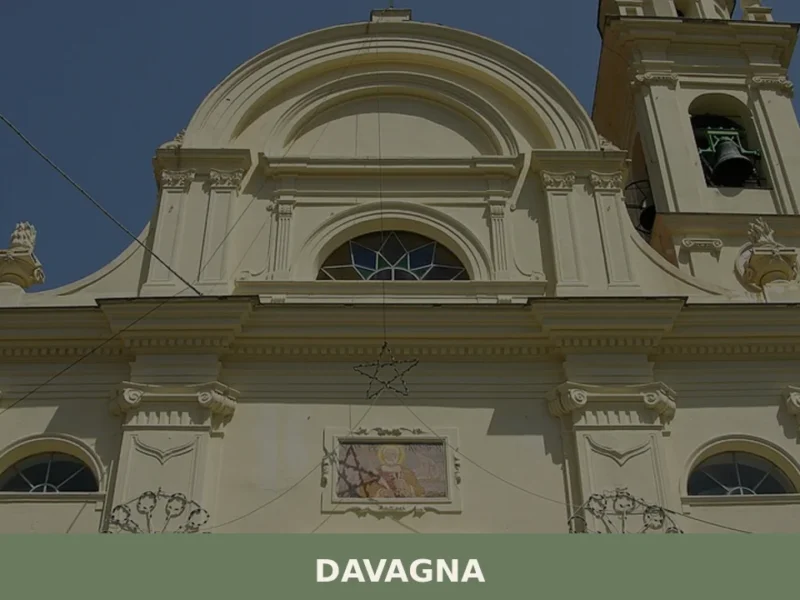
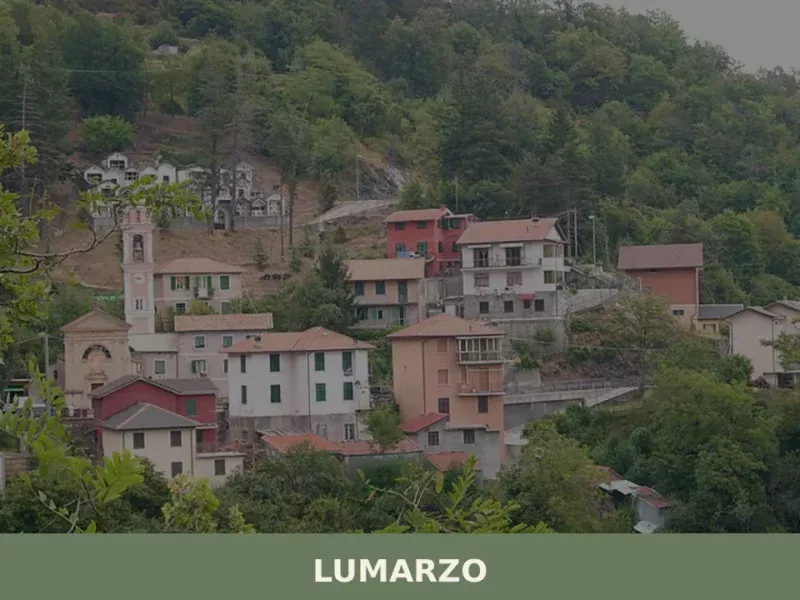
In Liguria More villages to discover
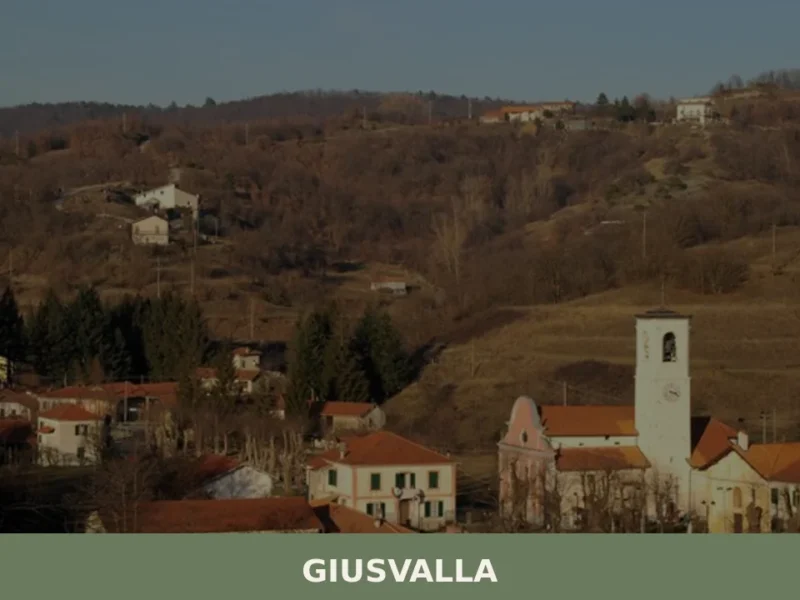
Giusvalla
 Mountain
What to see in Giusvalla, Italy: 465 inhabitants, 45 km from Genoa. Discover the Festa Patronale di S. Matteo, Bricco della Croce, and local Ligurian food traditions.
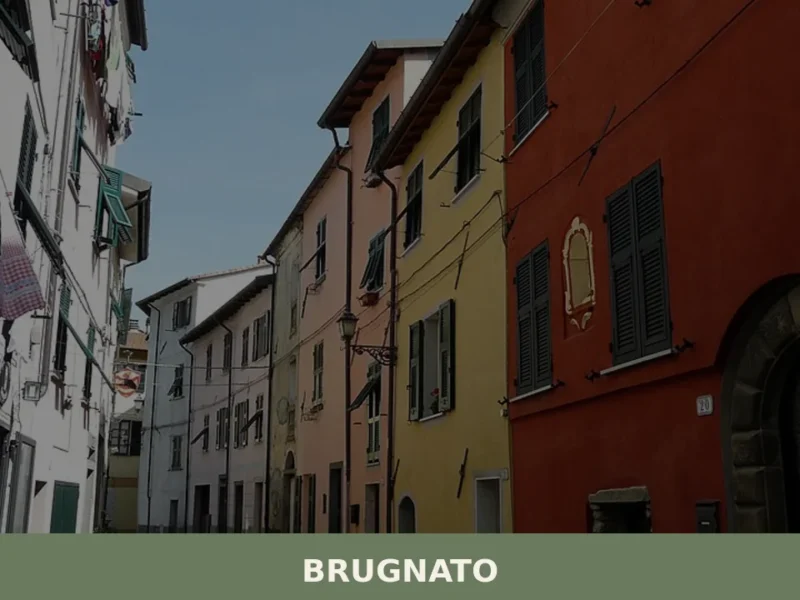
Brugnato
Plains
What to see in Brugnato, a Ligurian village 115m above sea level? Explore the Co-Cathedral of San Pietro Apostolo and taste typical Val di Vara products. Discover its rich history!

Arenzano
 Sea
Sea
What to see in Arenzano, Liguria, Italy: explore a 16th-century patrician villa, a Saracens' Tower, and a coastal sanctuary. Population 11,445. Discover it all.
Airole
Plains
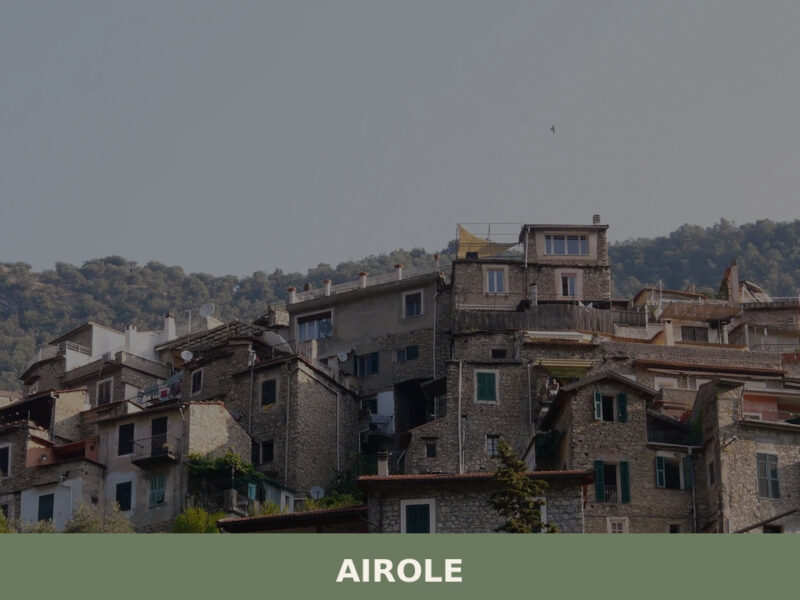
A compact Ligurian hill village of 365 inhabitants in the Roia valley. Discover what to see in Airole, from medieval stone alleys to terraced olive groves.
Plodio
Mountain
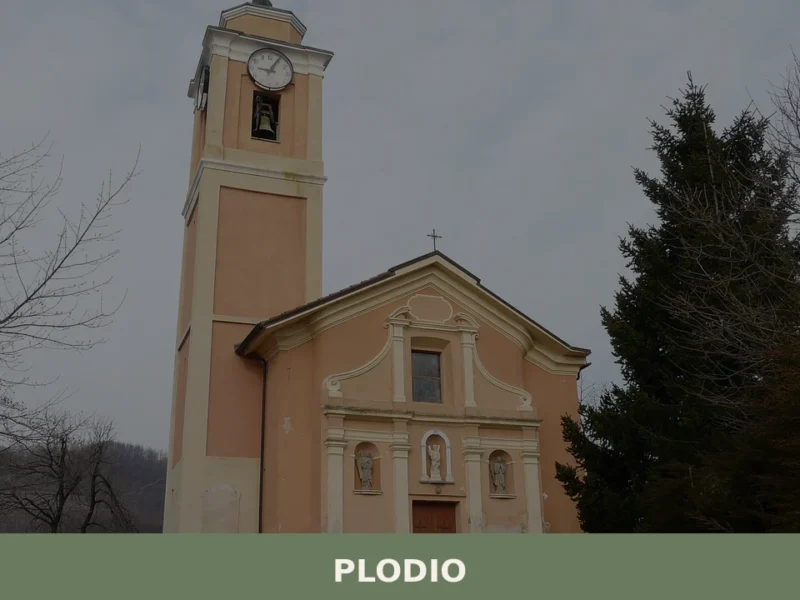
What to see in Plodio, Liguria, Italy: explore Val Bormida, Col di Cadibona and local traditions in a village of 640 inhabitants. Discover the full travel guide.
Vendone
 Hills
Hills
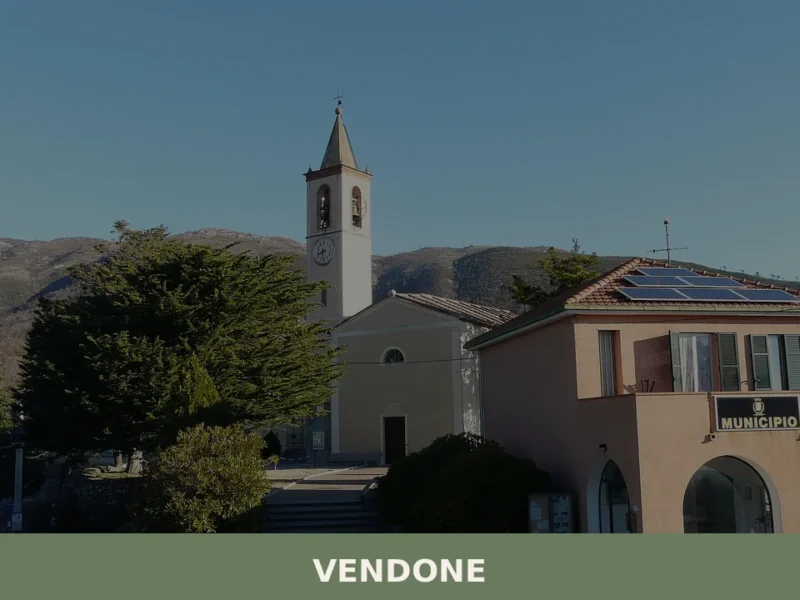
What to see in Vendone, Liguria, Italy: 5 attractions, local food, festivals and how to get there. 401 inhabitants, 80 km from Genoa. Discover it now.
Montalto Ligure
Hills
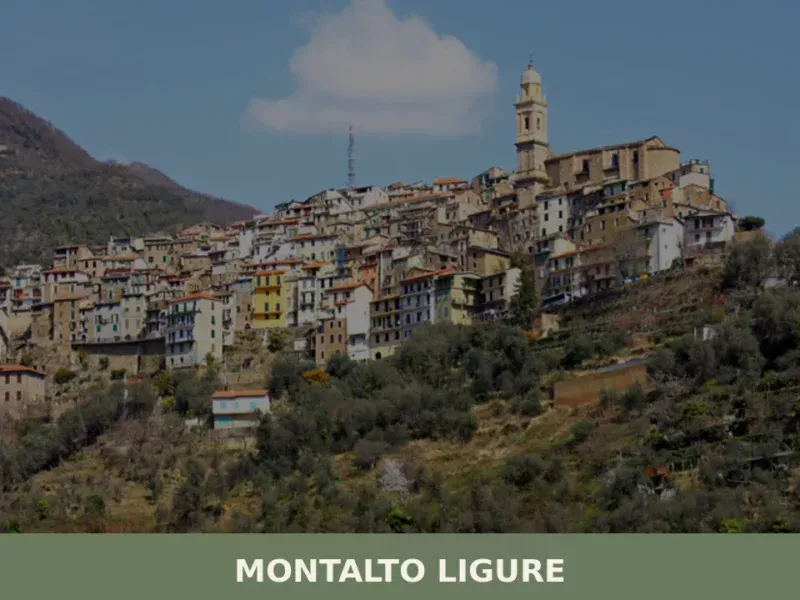
What to see in Montalto Ligure, Italy: Explore its 13.9 km² former territory and administrative history. Discover its unification in 2018.
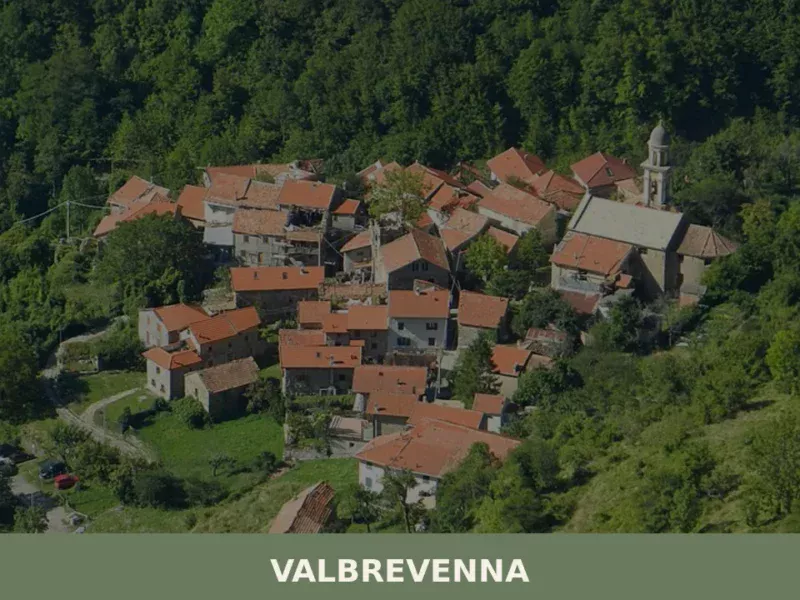
Valbrevenna
Mountain
what to see in valbrevenna, Italy: Explore the Ligurian Apennines. With 817 inhabitants, discover hiking in Antola Park and traditional hamlets. Read our guide.
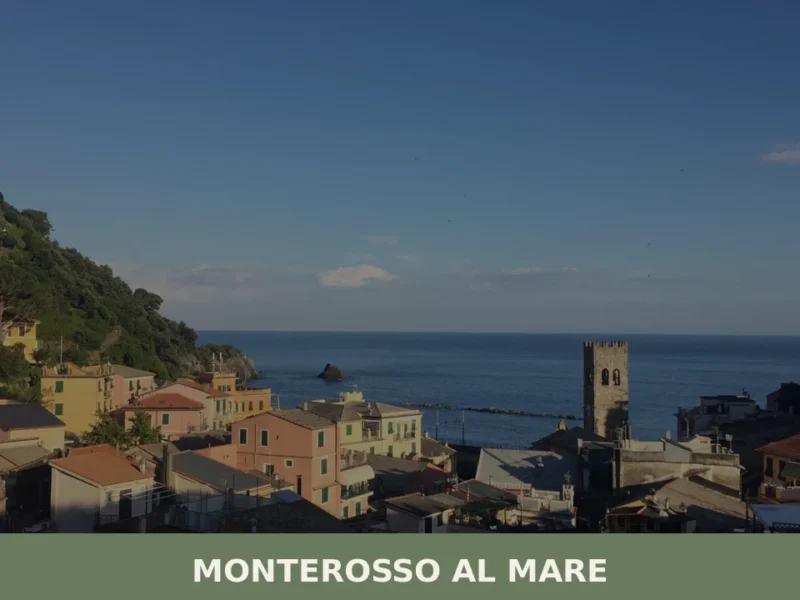
Monterosso al Mare
Sea
What to see in Monterosso al Mare, Italy: explore a 14-metre Neptune statue, a church built in 1282, and Cinque Terre's only sand beach. Discover the complete guide.
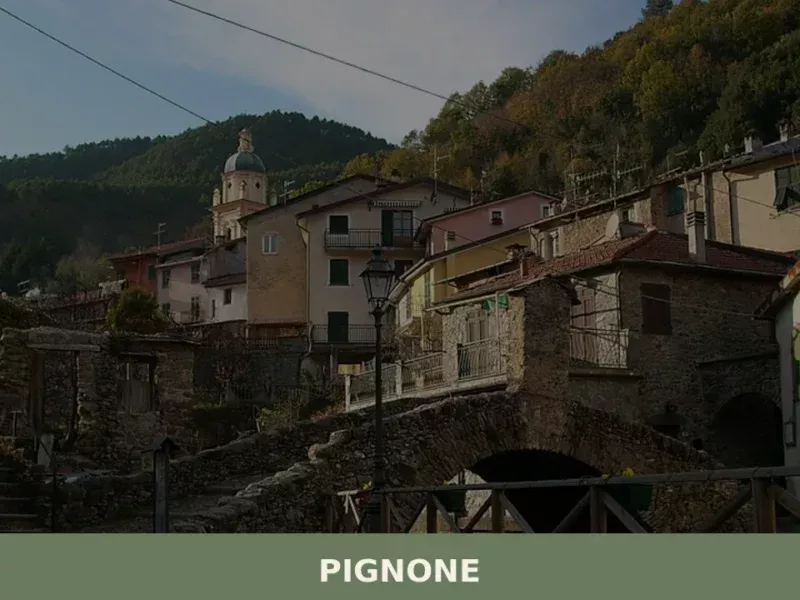
Pignone
Hills
what to see in pignone provides a glimpse into Ligurian life. With a population of 654, discover its location near La Spezia, Italy and its administrative divisions. Explore its quiet charm.

🏡 Know Diano San Pietro better than we do?
If you’re a local or have been there, your knowledge matters: add what’s missing or fix a detail on this page.