


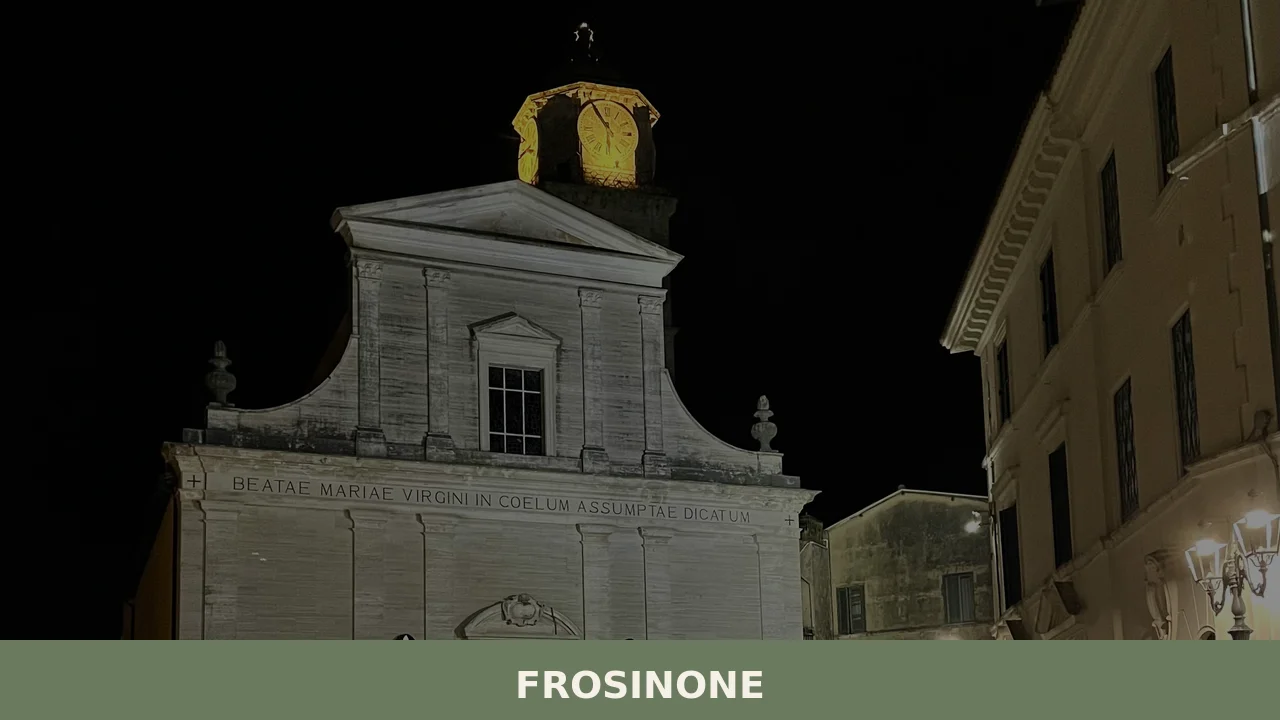
Frosinone
 Hills
Hills
What to see in Frosinone: from the Cyclopean walls to the medieval old town. Discover the 5 top attractions and plan your visit.
Discover Frosinone
The Sacco Valley cuts through central Lazio at 291 m (954 ft) above sea level, and the city that commands it has done so for roughly 2,600 years.
Twenty-one tombs from a Volscian necropolis lie beneath the modern streets of Frosinone, discovered during urban excavations that also turned up Bronze Age remains dating to the 12th and 10th centuries BC.
A statue of Mars, unearthed in 1744 in the area still called Colle Marte, ended up in Rome at Villa Albani — a reminder that the ground here has always yielded more than agriculture.
Knowing what to see in Frosinone means understanding a city shaped by its geography rather than its monuments.
Standing 75 km (47 mi) southeast of Rome, Frosinone, Lazio, Italy is the administrative capital of its province and the main urban centre of the Valle Latina, the Latin Valley stretching south toward Cassino. With a population of 46,279, the city draws visitors interested in Roman and medieval layers of history, two papal birthplaces, a documented carnival rooted in anti-French resistance, and the agricultural produce of the Sacco Valley.
Visitors to Frosinone find a city that repays methodical exploration on foot across its upper historic centre.
History of Frosinone
The name itself is the first puzzle. The Latin form Frusino derives from the earlier Volscian Frusna or Fruscìno, and scholars have proposed at least three competing etymologies. One links it to a Greek root meaning heifer; a second traces it to an Etruscan clan name, gens Fursina; a third, drawing on connections between pre-Roman Italic civilisations and Akkadian-Sumerian languages, reads Frusna as meaning “land sprinkled by rivers.” None of these is conclusive, though the third carries geographical logic: the Sacco and its tributaries do define the valley below.
The city was formally founded by the Volsci in the 6th century BC as a strategic outpost facing the fortress of Aletrium, today known as Alatri.
Rome subjugated Frusino in 386 BC during its advance through the Valle del Sacco and converted the settlement into a municipium.
In 306 BC the city joined the Hernic League against Rome, was defeated and lost significant territory to nearby Ferentino.
During the Second Punic War it refused to surrender to Hannibal’s armies — an act of resistance that earned it the title Bellator Frusino (“warrior Frusino”), a phrase that still appears in the city coat of arms. Cicero, Livy, Silius Italicus and Juvenal all mentioned Frusino in their writings; Cicero himself owned a villa or property in its territory, as inferred from a letter he sent to his friend Atticus.
The city was also the birthplace of two popes, Pope Hormisdas and his son Pope Silverius — the only recorded father-and-son succession in papal history, which is why both figures appear as patrons of the city today.
Medieval and early modern Frosinone absorbed repeated destructions. A severe earthquake struck in September 1349, causing damage the city never fully recovered from architecturally.
In the 13th century it became the capital of a duchy assigned to the Gaetani family and served intermittently as the seat of the rector of Campagna and Marittima. The 16th century brought the Landsknecht troops, who carried plague into the city, followed by French and Florentine forces during the Sack of Rome; a fortress was destroyed and rebuilt, its main entrance portal reportedly designed by Michelangelo.
Spanish troops occupied the city again in 1556 during the war against Pope Paul IV, recognising its value for controlling the Sacco Valley and the road to Rome. Following the Treaty of Cave in 1557, the residence of the pontifical governors of Campagna e Marittima was permanently fixed in Frosinone, and the province adopted the name Apostolic Delegation of Frosinone.
The city was formally annexed to the Kingdom of Italy on 17 September 1870, three days before the famous breach at Porta Pia in Rome.
What to see in Frosinone, Lazio: top attractions
The historic upper city and medieval citadel
The upper part of Frosinone preserves the outline of the medieval citadel described by local historian Vittorio Valle, bounded by a wall with three principal access points: the Porta Romana o della Valle, the Porta di Campania o Napoletana (today known as Porta Campagiorni), and the Rocca — the latter now housing the Prefecture building.
Late Bronze Age remains from the 12th and 10th centuries BC were found precisely in this elevated quarter, establishing it as the oldest continuously occupied area of the city.
Walking through the upper streets, visitors see the layering of Umbertine-era facades over medieval footprints, with occasional exposed sections of stonework revealing the sequence of rebuilding after the earthquake of 1349 and the 16th-century military occupations.
The area is best explored in the morning, when light from the east reaches the valley-facing walls of the upper lanes.
The Prefecture building and former Rocca
The Prefecture occupies the site of the original Rocca, the fortified stronghold that anchored the medieval citadel’s western corner.
Its strategic value was explicit: controlling this position meant controlling all commercial and military transit through the Sacco Valley between northern and southern Italy. The building visitors see today dates in its current form from the post-unification period, when Frosinone became capital of its own province in 1927 following the administrative reorganisation under the fascist government.
On 13–20 May 1863, Pope Pius IX arrived in the province by train and delivered a blessing from the Prefecture’s balcony, a visit that also resulted in the promise of funding for a new aqueduct, completed and inaugurated on 8 December 1869.
The Prefecture’s position on the ridge gives one of the clearest views across the valley toward the Apennine foothills to the east.
Colle Marte archaeological area
The area still called Colle Marte — Mars Hill — marks the site where, in 1744, workers unearthed the marble statue of Mars now held at Villa Albani in Rome.
The name itself preserves the memory of a Roman cult site or temple precinct, though the exact building has not been excavated in its entirety.
In Roman imperial times, Frusino was a colony whose lands were assigned to legionary veterans, and the city was embellished with monuments and statues, most of which were destroyed or dispersed over subsequent centuries. Colle Marte is a reference point for understanding the Roman urban footprint of Frusino, whose full extent extended beyond the medieval walls.
Visitors interested in Roman topography can cross-reference the site with artefacts recovered in recent decades and now housed in regional museums.
Isabella Theater — Cinema-Teatro Excelsior
In 1874 a row of buildings stretching over 300 m (984 ft) was constructed in Frosinone, known as the Berardi Palace, designed to house state employees and soldiers following Italian unification. At its centre rose the Isabella Theater, subsequently renamed Politeama and later Cinema-Teatro Excelsior.
The building still stands, though it has been inactive for some time.
Its construction under the first mayor of unified Frosinone, Domenico Diamanti — who took office in 1871 and actively directed the modernisation of the city’s streets, squares and lighting — places it within a precise chapter of civic renewal. The theater’s survival amid the structural changes of the 20th century makes it one of the more direct architectural links to the Umbertine period that reshaped the city’s profile after 1870.
Casale Ricci and the memory of Urbano Rattazzi
In June 1873, Urbano Rattazzi — former President of the Council of Ministers of Italy — died suddenly in Frosinone while staying with a friend.
The villa where he died, Casale Ricci in Via Armando Fabi, is now completely abandoned, its exterior visible from the street. The event brought numerous politicians and royal officials to the city, briefly making Frosinone the focus of national attention. The building represents a specific episode in post-unification Italian political history and stands as a documented point of connection between the provincial city and the national government of the early Kingdom of Italy.
For those tracing the urban archaeology of 19th-century Frosinone, Via Armando Fabi is accessible from the lower city.
Local food and typical products of Frosinone
The food of the Frosinone area belongs to the culinary tradition of the Ciociaria, the broader historical region of southern Lazio whose cooking was built around cereals, legumes, pork, and sheep’s milk cheese.
The Sacco Valley’s agricultural base — documented from the Roman period onward — sustained a diet centred on what the land produced locally.
Mills along the River Cosa, noted as active even during the First World War era, processed grain into flour for pasta factories operating in the area at the same period. This industrial-artisanal continuity between farm and table shapes what still reaches the plate in and around Frosinone today.
Among the dishes associated with the local table, pasta e fagioli — pasta cooked with borlotti beans in a broth enriched with pork rind or guanciale — represents the primary-ingredient logic of the Ciociaria tradition: nothing wasted, everything slow-cooked.
Polenta with pork sausage and mushrooms from the Apennine slopes east of the valley appears on tables in the colder months.
Abbacchio alla cacciatora — young lamb braised with vinegar, rosemary, anchovy paste and garlic — is a recurring presence in the area’s traditional osterie, consistent with the lamb-centred pastoral economy of Lazio’s interior.
Sheep’s milk cheese, aged for varying durations and served with local cured meats, accompanies meals that begin with antipasto boards built around cold cuts from the region’s pork production.
The province of Frosinone falls within the production area of several certified Italian products recognised under EU quality schemes. Pecorino Romano (PDO) is the most widely recognised: a hard, salted sheep’s milk cheese with a minimum aging period of five months for table use and eight months when destined for grating.
Prosciutto di Carpegna is not produced in this area, but several salumi of the Lazio tradition circulate through local markets without yet carrying EU certification.
Visitors can find locally produced olive oil from the southern Lazio hills at the weekly markets in Frosinone, where vendors from surrounding municipalities sell direct.
The Festa della Radeca, the Frosinone Carnival, carries a food dimension alongside its historical and theatrical character.
Market stalls during carnival season in February typically offer fried pastries and seasonal sweets consistent with pre-Lenten culinary tradition across central Italy. The city’s covered market and periodic outdoor markets are the most direct access point for regional produce, including dried legumes, aged cheeses and locally pressed oils.
Spring and early autumn, when both the harvest season and the festival calendar overlap, give visitors the most complete picture of what the province produces.
Festivals, events and traditions of Frosinone
The feast day of the patron saints of Frosinone falls on 20 June, honouring Santi Papa Ormisda — Pope Hormisdas, born in Frosinone in the late 5th century, and his son Pope Silverius, the only documented case of two popes in a direct father-and-son relationship. The June feast involves religious processions through the upper city and around the principal churches, with the civic dimension of the celebration reflecting the historical importance both figures held in shaping the early institutional identity of the city.
The date in late June also coincides with a period of warm, stable weather in Lazio, making outdoor processions and gatherings practical.
The most documented popular tradition in Frosinone is the Festa della Radeca, the city’s carnival, which traces its origins to the anti-French revolt of around 1798.
When the local population rose against French occupation troops during the period of the Roman Republic, the city was sacked in response; the memory of that resistance is carried forward in the carnival’s satirical and theatrical character.
The event takes place in February in the period before Lent and includes allegorical floats, costumed processions and public performances. Giuseppe De Matthaeis and Luigi Angeloni — two Frosinone figures who served as Tribunes of the Roman Republic — occupy a specific place in the historical narrative the carnival references each year.
When to visit Frosinone, Italy and how to get there
The best time to visit Frosinone for those combining cultural visits with comfortable conditions runs from mid-April to June and again from September to October.
These months avoid the heat of the valley in July and August, when temperatures in the Sacco Valley can climb significantly, and they bracket the main festival calendar — carnival in February, the patron feast on 20 June, and the autumn harvest markets.
Spring also activates the agricultural countryside around the city, when the lower valley turns green and the Apennine foothills to the east are still clear of haze. Travellers visiting Lazio more broadly and looking for the best time to visit should note that Frosinone’s provincial position means it is less crowded than Rome-adjacent sites even at peak season.
Frosinone sits approximately 75 km (47 mi) southeast of Rome, making it a practical day trip from the capital. By car, the most direct route follows the A1 Rome-Naples motorway — the Autostrada del Sole — with exits at Frosinone on the A1 itself.
Journey time from Rome by road is typically between 60 and 90 minutes depending on traffic.
By train, Trenitalia operates regional services from Roma Termini to Frosinone station on the Rome-Cassino-Naples line, with journey times of approximately 60–80 minutes. The station is in the lower part of the city, and the upper historic centre requires either a short bus connection or an uphill walk of around 15 minutes.
The nearest international airport is Rome Fiumicino (FCO), located roughly 100 km (62 mi) northwest of Frosinone; Rome Ciampino (CIA) is closer at approximately 65 km (40 mi). From either airport, the most efficient connection is by car or by train via Rome Termini. International visitors should note that English is less commonly spoken in smaller shops and local offices in Frosinone than in Rome, and carrying euro cash is advisable for markets and smaller establishments. Further practical and civic information is available on the official municipality website of Frosinone.
Travellers with time to extend beyond Frosinone itself can factor in the surrounding province.
The village of Barbarano Romano, a Lazio settlement in the Viterbo province to the north, offers a contrasting example of tufa-rock village architecture for those touring the wider region. Within the province of Frosinone, the road network links the city efficiently to Alatri — Aletrium in antiquity, the impregnable fortress that Frosinone was originally positioned to watch — and to Ferentino, the city that absorbed Frusino’s lost territories after the 306 BC defeat.
Both are reachable within 20 km (12.4 mi).
For those exploring other parts of Lazio during their trip, the hill villages of Ascrea and Marcetelli in the Rieti province to the north represent the contrasting upland character of the region, set along the shores of Lago del Turano at elevations above 700 m (2,297 ft), a full day’s drive from the Sacco Valley but worth the detour for those building an itinerary across Lazio.
Frequently asked questions about Frosinone
What is the best time to visit Frosinone?
Spring (April–June) and early autumn (September–October) offer the most comfortable temperatures for exploring the upper historic centre on foot. June is particularly significant: on 20 June the city celebrates its patron saints, Pope Hormisdas and Pope Silverius, with religious ceremonies and civic events. February brings the historic Carnival of Frosinone, rooted in documented anti-French resistance, making it a culturally rich winter visit. Summer can be warm at 291 m elevation but the valley breezes generally keep the upper city tolerable.
What are the historical origins of Frosinone?
Frosinone was founded by the Volsci in the 6th century BC as a strategic outpost facing the fortress of Alatri. Rome subjugated it in 386 BC, converting it into a municipium. In 306 BC the city joined the Hernic League against Rome and lost territory. It famously refused to surrender to Hannibal during the Second Punic War, earning the title Bellator Frusino — still visible on its coat of arms. The city was also the birthplace of two popes, Hormisdas and his son Silverius, the only documented father-and-son succession in papal history.
What to see in Frosinone? Main monuments and landmarks
Key sites include the medieval upper citadel with its three historic gateways (Porta Romana, Porta Campagiorni, and the Rocca), the Prefecture building occupying the site of the original fortified Rocca, and the Colle Marte archaeological area where a marble statue of Mars was unearthed in 1744. The Isabella Theater — later renamed Cinema-Teatro Excelsior — built in 1874 as part of the 300-metre Berardi Palace complex, is a notable example of post-unification civic architecture. The abandoned Casale Ricci on Via Armando Fabi marks where Prime Minister Urbano Rattazzi died in 1873.
Where to take the best photos in Frosinone?
The Prefecture building's ridge position offers one of the clearest panoramic views across the Sacco Valley toward the Apennine foothills to the east. The valley-facing walls of the upper historic lanes catch the best light from the east in the morning hours, making early walks through the citadel quarter ideal for photography. Colle Marte provides elevated vantage points over the surrounding valley, visually connecting the Roman urban footprint of ancient Frusino with the modern city below.
Are there museums, churches or historic buildings to visit in Frosinone?
The Prefecture building, occupying the original medieval Rocca site, is a landmark of post-unification institutional architecture and is best viewed from the exterior given its active administrative function. The Isabella Theater (Cinema-Teatro Excelsior), part of the 1874 Berardi Palace complex, survives as a direct architectural link to the Umbertine period. The upper historic citadel retains exposed stonework sections documenting rebuilding phases after the 1349 earthquake and 16th-century military occupations. Artefacts from the Volscian necropolis and Bronze Age excavations are housed in regional museums.
What can you do in Frosinone? Activities and experiences
Frosinone rewards methodical exploration on foot across its upper historic centre, where the layered archaeology of Volscian, Roman, medieval and Umbertine periods is readable in the streetscape. The city serves as a base for exploring the broader Valle Latina stretching south toward Cassino. The February Carnival, documented as rooted in anti-French resistance, is a distinctive local event. Food and wine experiences centred on Ciociaria cuisine — slow-cooked legume dishes, lamb, aged cheeses and local sausages — are accessible in and around the city throughout the year.
Who is Frosinone suitable for?
Frosinone suits historically curious travellers drawn to layered urban archaeology spanning Volscian, Roman, medieval and post-unification periods. History enthusiasts will appreciate its unique papal legacy — birthplace of the only father-and-son popes in history — and its documented role in the Punic Wars. Food travellers exploring the Ciociaria culinary tradition will find authentic reference points here. The city also appeals to travellers using it as a base for the wider Valle Latina and southern Lazio. It is less suited to those seeking beach tourism or high mountain scenery.
What to eat in Frosinone? Local products and specialties
Frosinone sits within the Ciociaria culinary tradition of southern Lazio. Signature dishes include pasta e fagioli made with borlotti beans, pork rind and guanciale; polenta with pork sausage and mushrooms from the eastern Apennine slopes, served in colder months; and abbacchio alla cacciatora, young lamb braised with vinegar, rosemary and anchovy paste. The valley's agricultural base, documented from Roman times, sustained a diet built on cereals, legumes, pork and sheep's milk cheeses. Local pasta was historically produced by mills along the River Cosa, active through at least the First World War period.
📷 Photo Gallery — Frosinone
Nearby Villages near Frosinone
In Lazio More villages to discover
Amaseno
Hills
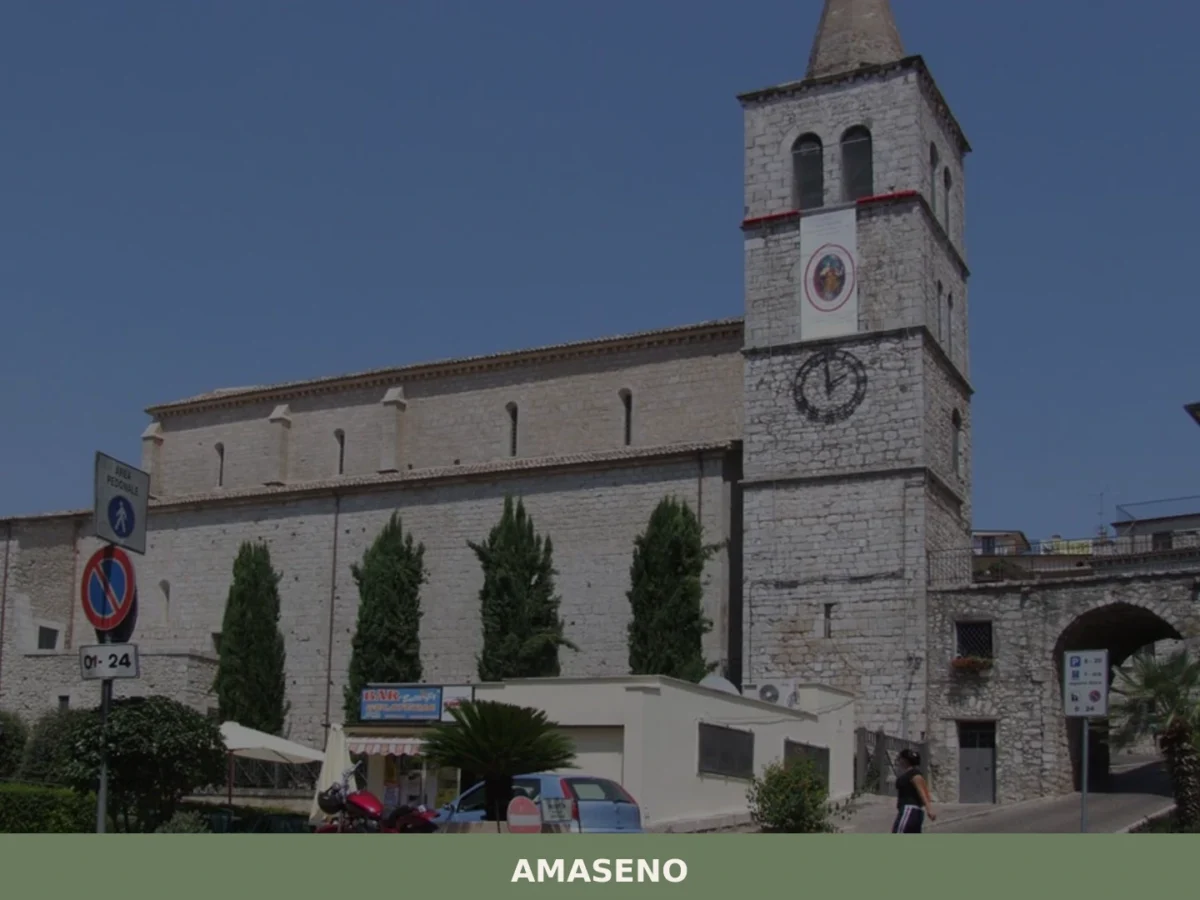
What to see in Amaseno: visit the 5 top attractions in this Lazio village, from the Madonna Sanctuary to Palazzo Caetani. Discover the complete guide.
Ariccia
Hills
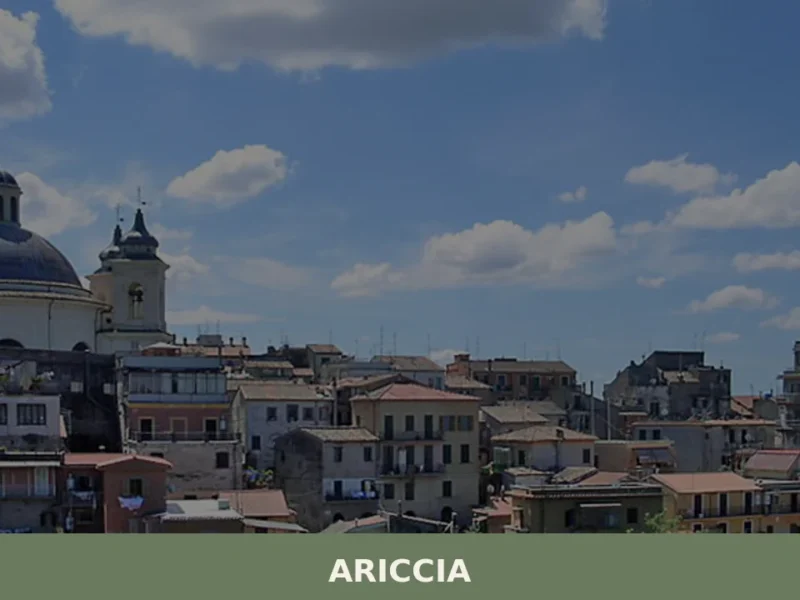
What to see in Ariccia: from Palazzo Chigi to the monumental bridge, discover the 5 top attractions. Plan your visit with this complete travel guide.
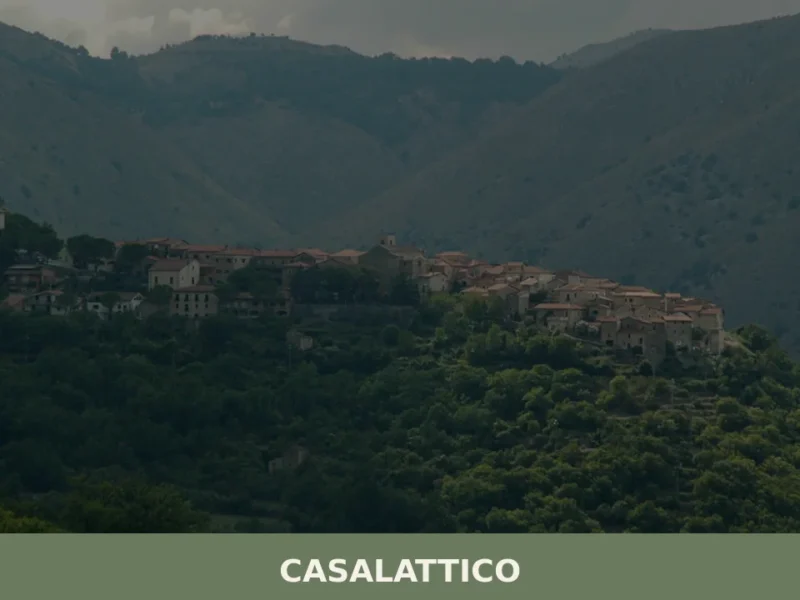
Casalattico
Hills
What to see in Casalattico, Lazio, Italy: a village at 420 m with a Norman tower, a Benedictine monastery from 780 AD and an Irish festival. Discover it now.
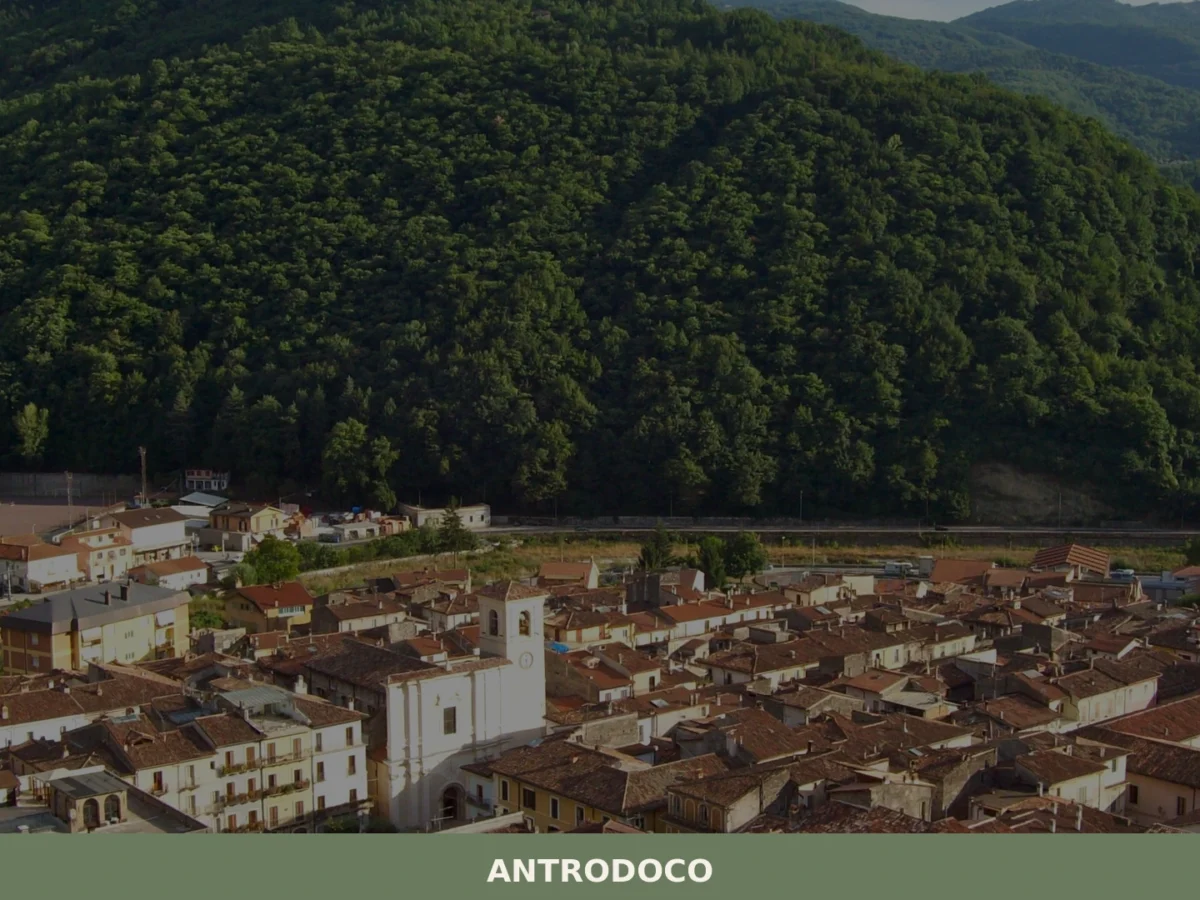
Antrodoco
Hills
What to see in Antrodoco: discover the 5 main attractions, the history of this Lazio village and how to plan your visit. A complete guide for your itinerary.
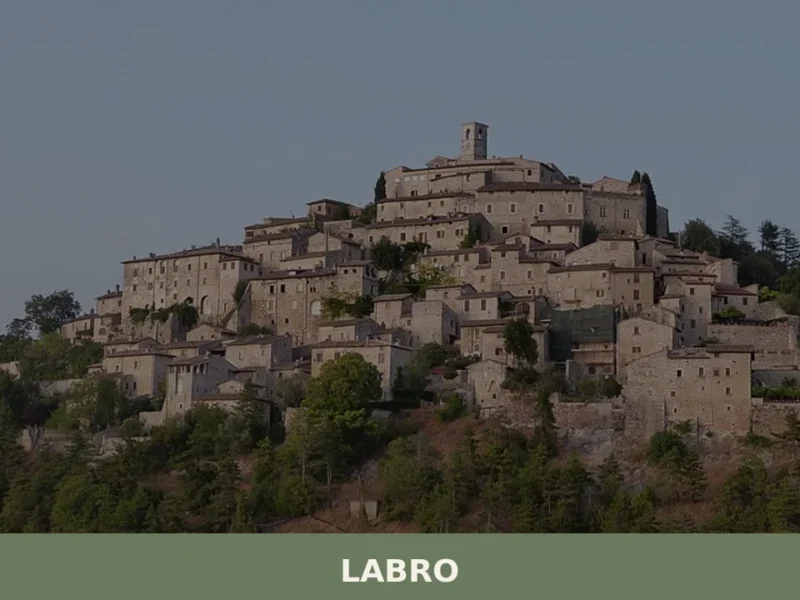
Labro
 Mountain
What to see in Labro: medieval castle, Lake Piediluco views and PAT-certified guanciale in a 360-person village at 628 m. Plan your visit to this Rieti province gem.
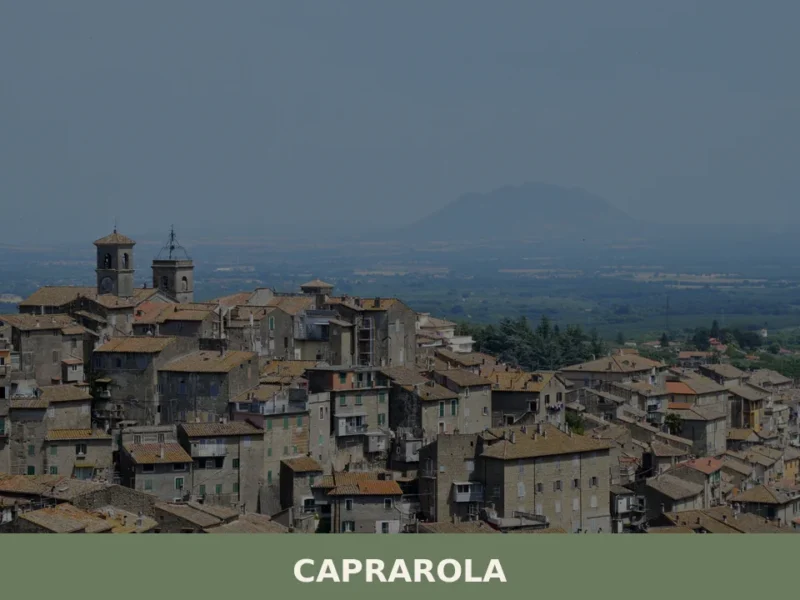
Caprarola
Hills
 Lake
Lake
What to see in Caprarola, Lazio, Italy: Villa Farnese, volcanic hill walks, and local food at 493 m altitude. Discover this Viterbo comune in one day from Rome.
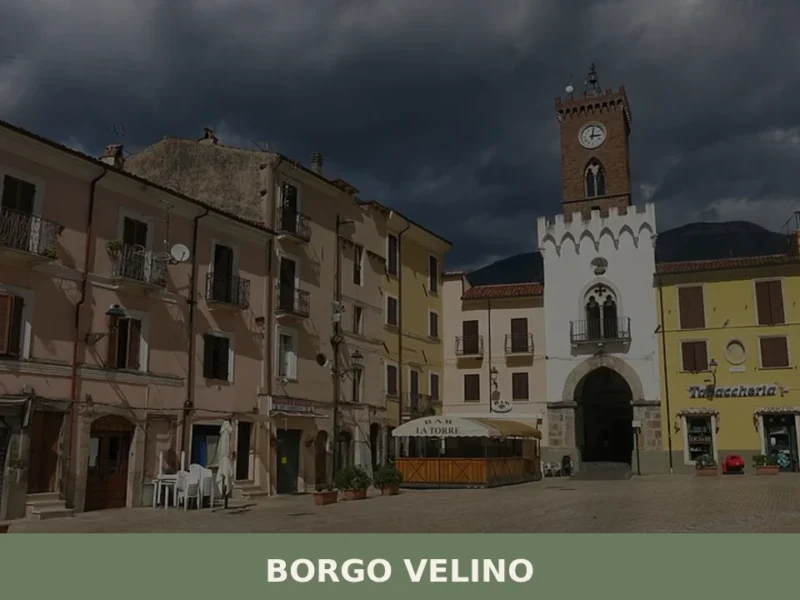
Borgo Velino
Hills
What to see in Borgo Velino: discover 5 key attractions in this village of 996 inhabitants at 460m. Explore Palazzo Brancaleoni and taste Cacio fiore. Plan your visit now.
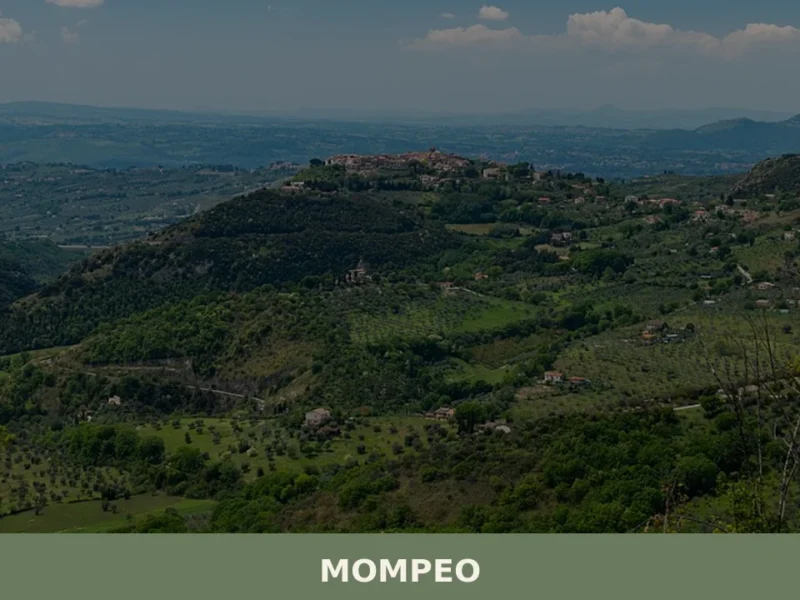
Mompeo
Hills
Discover Mompeo, a charming village in Lazio, Italy. Explore its rich history, stunning landscapes, and authentic Italian culture off the beaten path.
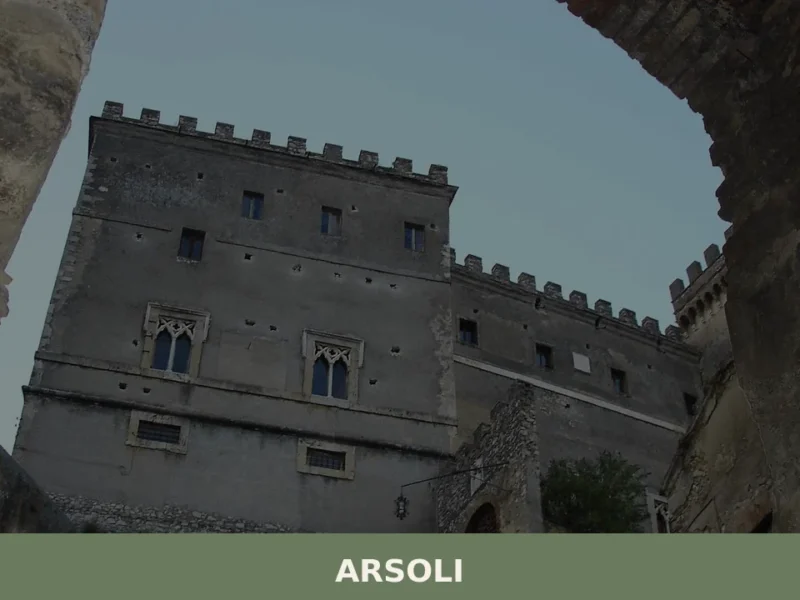
Arsoli
Mountain
What to see in Arsoli, Lazio, Italy: a castle from the 11th century, medieval streets at 666 m altitude, and a Roman aqueduct. Discover the complete guide.
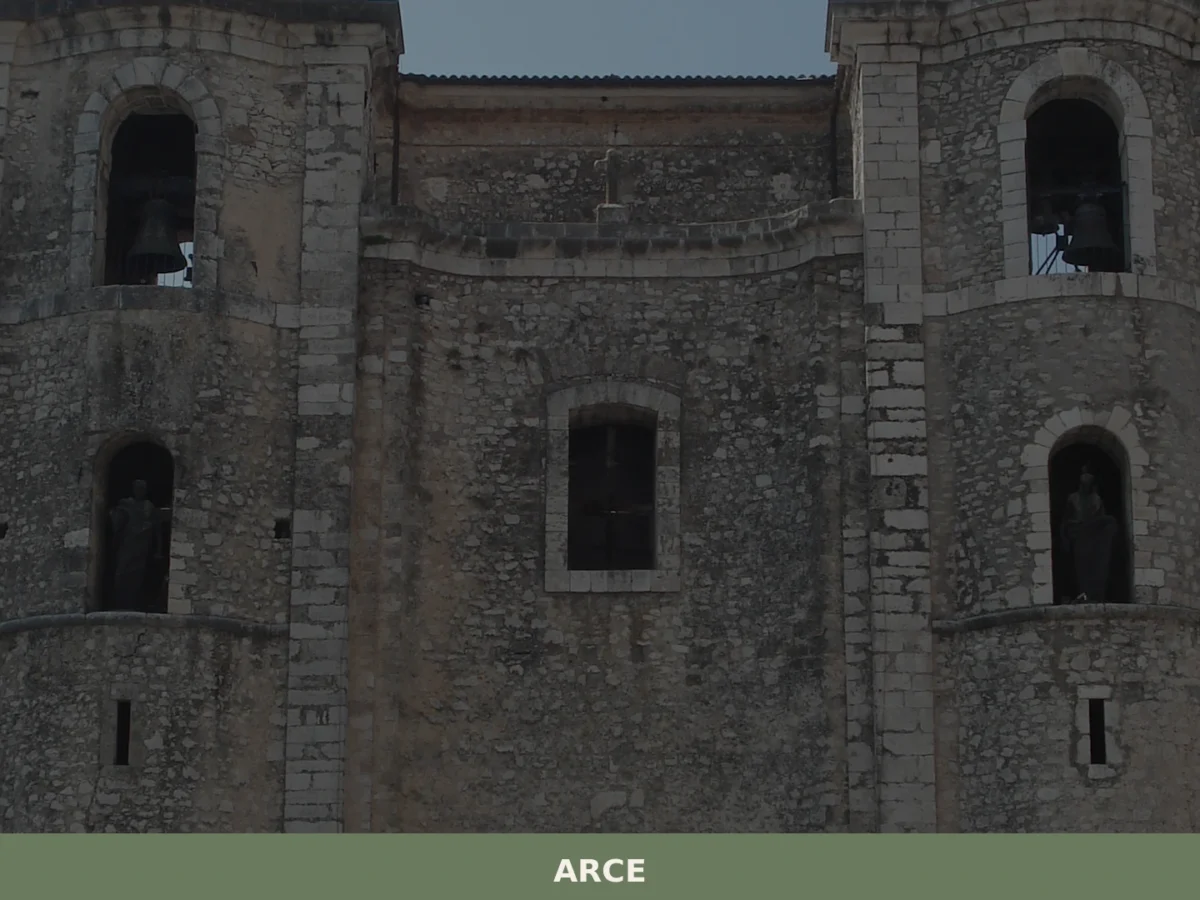
Arce
 Plains
What to see in Arce: discover the 5 unmissable aspects of this Lazio village. From medieval fortresses to scenic views, your complete guide. Plan your visit!
🏡 Know Frosinone better than we do?
If you’re a local or have been there, your knowledge matters: add what’s missing or fix a detail on this page.