


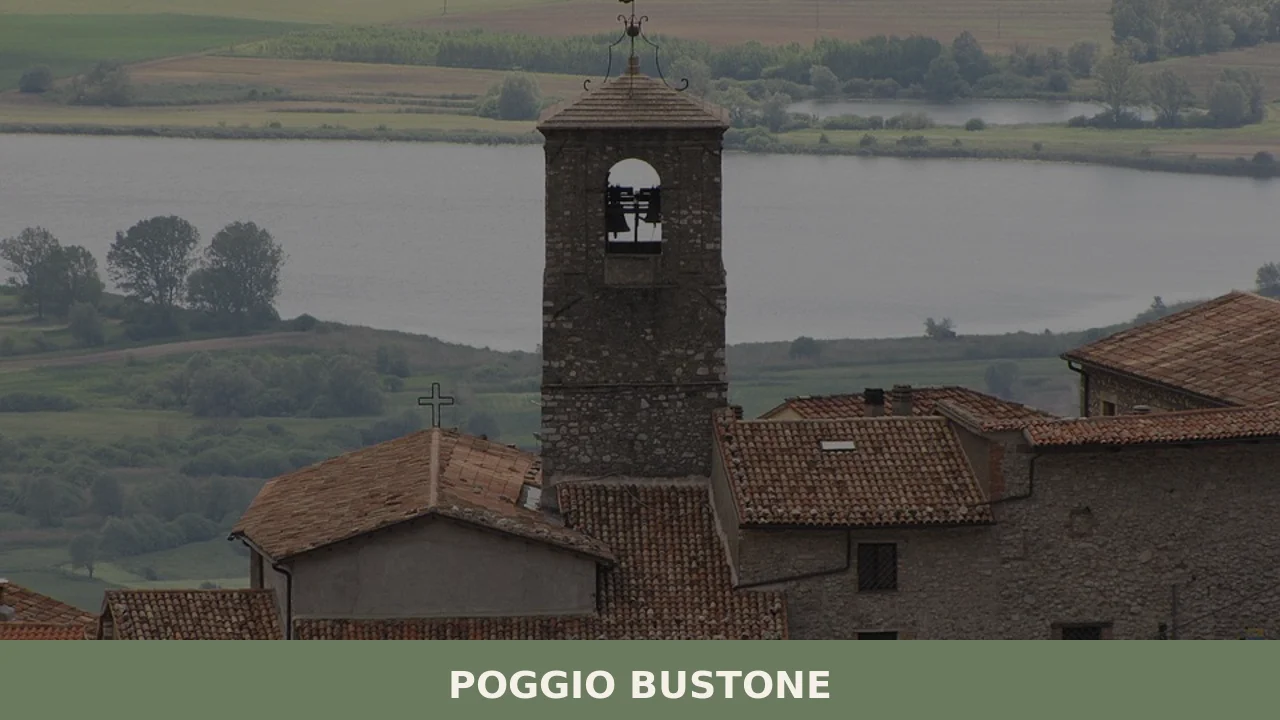
Poggio Bustone
 Mountain
What to see in Poggio Bustone, Italy: a village at 751 m with Franciscan chapels, a Gothic arch, and Lucio Battisti’s birthplace. Discover the complete guide.
Discover Poggio Bustone
A gothic arch spans a narrow lane in the oldest quarter of the village, its stone worn smooth where centuries of hands have brushed the keystone. Above the rooftops, a mountainside rises to 751 m (2,464 ft), and along its flank seven small stone chapels mark a path that ends at a cave church cut into the rock.
Below, the Velino valley spreads out toward Rieti, 11 km (7 mi) to the south, and the air carries the particular stillness of the Sabine hills in the morning hours.
Knowing what to see in Poggio Bustone means starting with the Franciscan legacy that defines the village: a monastery where Saint Francis of Assisi stayed in 1208, the seven chapels climbing the hillside, and the cave church known as the Sacro Speco.
The municipality stands about 70 km (43 mi) northeast of Rome, has a registered population of 1,959 inhabitants, and belongs to the Province of Rieti in Lazio. Visitors to Poggio Bustone also find a documented link to the singer-songwriter Lucio Battisti, who was born here in 1943.
History of Poggio Bustone
The earliest documented chapter in the history of Poggio Bustone involves Saint Francis of Assisi, who arrived in 1208 and addressed the local population with the words buon giorno buona gente, meaning good morning, good people. That greeting is preserved in the village’s collective memory and given a physical form by the gothic arch that still stands in the old quarter and bears the name arco del buon giorno.
The event places Poggio Bustone within the wider network of Franciscan settlements that spread across central Italy during the early thirteenth century, when the friars established communities in the Rieti valley as Francis and his companions moved between Assisi and Rome.
The Franciscan monastery that Francis visited became a lasting institution, and its oldest section still contains the room where the saint is recorded to have stayed.
On the hillside above the settlement, the order established seven small chapels along a devotional path, each one associated with an object or impression connected to Francis himself. This arrangement of chapels culminating in a cave sanctuary — the Sacro Speco, where according to tradition Francis received absolution from the Archangel Gabriel — gave Poggio Bustone a religious geography that shaped the village’s development through the medieval and modern periods. The nearby village of Ascrea, situated in the same mountainous territory of the Rieti province, shares a comparable pattern of upland settlement along the ridges overlooking the Velino valley.
In the twentieth century, Poggio Bustone produced two figures of national significance.
The politician Attilio Piccioni was born here in 1892 and died in 1976, having played a prominent role in Italian public life. The singer-songwriter Lucio Battisti, born in Poggio Bustone in 1943 and died in 1998, became one of the most influential figures in Italian popular music, his name permanently attached to the village he left as a child. His daughter Leda Battisti, born in 1971, also pursued a career as a singer and songwriter. Since 2009 the municipality has been twinned with San Benedetto del Tronto, a town on the Adriatic coast of the Marche region.
What to see in Poggio Bustone, Lazio: top attractions
The Gothic Arch of Buon Giorno
The arch stands at the entrance to the oldest part of the village, its stone voussoirs fitted in the pointed gothic profile characteristic of central Italian medieval construction.
It commemorates the moment in 1208 when Saint Francis of Assisi greeted the inhabitants of Poggio Bustone with the phrase buon giorno buona gente, and the arch itself takes that greeting as its name. Standing beneath it, a visitor can read the inscription and look down the lane that preserves the layout of the medieval settlement.
The arch is accessible on foot from the main square and requires no entry — arriving in the early morning, when foot traffic is light, gives the clearest sense of its scale against the surrounding stonework.
The Franciscan Monastery
The monastery complex occupies a position on the slope above the village centre, and its oldest section contains the room identified as the cell where Francis slept during his stay in 1208. The building grew over subsequent centuries around that original nucleus, and today visitors can move through spaces that reflect different phases of Franciscan construction. The room associated with Francis is small and unadorned, which makes the contrast with the larger conventual spaces instructive.
Access to the monastery is possible on foot from the village; the path from the lower streets gains approximately 60 m (197 ft) of elevation before reaching the main entrance. Groups visiting the complex should check opening times directly with the Comune di Poggio Bustone or the monastic community.
The Seven Chapels Path
Seven small chapels are distributed along the mountainside above the monastery, each one marking a station along a devotional route associated with Saint Francis.
By tradition, each chapel contains or commemorates an impression of an object connected to the saint, including an imprint of his knee in the rock. The path gains significant elevation — the chapels are spread across the slope above approximately 800 m (2,625 ft) — and the surface is uneven in sections, making sturdy footwear necessary. The route offers clear views over the Velino valley and the plateau stretching toward Rieti.
Spring and early autumn provide the most stable walking conditions, with lower temperatures than midsummer and better visibility than the winter months.
The Sacro Speco
At the upper end of the chapels path, cut into the limestone rock of the mountainside, the Sacro Speco is a small cave church that marks the site where, according to Franciscan tradition, Francis received forgiveness for his sins from the Archangel Gabriel.
The interior is modest in scale, with the natural rock forming the rear wall and ceiling. The church sits at the highest point of the devotional circuit, roughly 900 m (2,953 ft) above sea level, and the approach from the last of the seven chapels covers a short but steep final section. It is worth climbing up to this point even for visitors with a primarily architectural rather than devotional interest, since the integration of the built structure with the natural cave face is the defining feature of the site.
The Birthplace of Lucio Battisti
Lucio Battisti was born in Poggio Bustone on 5 March 1943 and went on to write and record music that defined Italian popular culture from the late 1960s through the 1980s. The village acknowledges his origin, and for visitors familiar with his work the connection gives a specific human dimension to the streets of the old centre. His collaborator Mogol wrote many of their shared songs, and the pairing produced some of the most commercially successful Italian albums of the twentieth century.
The site is part of what to see in Poggio Bustone for visitors with an interest in Italian music history; the old quarter where Battisti grew up is compact and walkable within thirty minutes from the main square.
Local food and typical products of Poggio Bustone
Poggio Bustone sits within the culinary territory of the Rieti province, a zone where the cooking draws on mountain agriculture, upland pasture, and the cereal crops grown on the valley floors below the Sabine hills.
The village is 11 km (7 mi) north of Rieti, and the food traditions of the area reflect the same patterns found across the inner Lazio highlands: preserved meats, legumes, sheep’s milk cheeses, and pasta shapes made without egg. The altitude of 751 m (2,464 ft) and the long winters historically shaped a cuisine built around storage and slow cooking rather than fresh produce.
A comparable culinary geography applies to Cantalupo in Sabina, another Lazio village where the Sabine upland tradition is well documented.
Among the dishes associated with the Rieti area and its mountain villages, pasta e fagioli — a thick soup of pasta and white beans cooked with garlic, rosemary, and pork fat — represents the most widespread preparation across the province. Agnello alla cacciatora, lamb braised with white wine, rosemary, and vinegar, reflects the importance of sheep farming in the upland economy. Polenta with wild boar ragù appears on tables in the colder months, the maize flour milled coarsely and served directly from the copper pot onto a wooden board.
These are preparations tied to specific seasons and to the farming calendar that still organises rural life in the villages of inland Lazio.
The Province of Rieti produces sheep’s milk cheeses under traditional methods, including fresh and aged pecorino made from the milk of the Sopravissana breed, historically raised on the Apennine pastures at this latitude. Cured meats from the Rieti highlands — including guanciale, the cured pork cheek used in pasta sauces across Lazio — are produced by small local butchers in the villages of the area.
These products are found in the weekly markets of Rieti and in specialist food shops in the larger centres of the province rather than in dedicated retail outlets within Poggio Bustone itself.
For visitors wanting to buy local produce directly, the market in Rieti operates on a weekly basis and draws sellers from the surrounding municipalities including the mountain communes. The patron feast of San Giovanni Battista on 24 June coincides with the beginning of summer and provides an occasion when local food vendors typically set up stalls in the village. This is the most reliable annual moment to find producers from the immediate area gathered in one place.
Festivals, events and traditions of Poggio Bustone
The principal annual event in Poggio Bustone is the feast of the patron saint, San Giovanni Battista, celebrated on 24 June.
This date falls at midsummer and the celebrations follow the pattern common to central Italian villages: a religious procession through the streets of the old centre, a solemn Mass in the parish church, and in the evening music and communal gathering in the main square. The feast of San Giovanni Battista is observed across Catholic Italy on the same date, but in Poggio Bustone the local character of the celebration gives it a specifically village dimension, with the participation of residents and return visitors who maintain connections with the municipality.
The Franciscan calendar also marks the village’s year, with commemorations tied to the arrival of Francis in 1208 drawing both religious pilgrims and visitors interested in the medieval history of the Rieti valley.
The path of the seven chapels and the Sacro Speco attract organised groups from the wider Franciscan network, particularly in spring and autumn when the walking conditions on the hillside are most accessible. These events are not fixed to a single date in the way the patron feast is, but they create a recurring seasonal pattern of visits that distinguishes Poggio Bustone from villages without a documented Franciscan connection.
When to visit Poggio Bustone, Italy and how to get there
The best time to visit Poggio Bustone depends on what a visitor prioritises.
Spring, from April to June, offers mild temperatures at 751 m (2,464 ft), clear air for walking the hillside chapels path, and the landscape at its greenest after winter rainfall. September and October provide comparable conditions with fewer visitors and more stable weather than the height of summer.
July and August can bring heat even at this altitude, and the village is quieter than the coastal resorts of Lazio, which makes it a practical destination during weeks when the Italian coast is at its most crowded. Winter visits are possible but the mountain path to the chapels requires care after rainfall or frost. For those planning a day trip from Rome, the 70 km (43 mi) distance by road is manageable in under ninety minutes, making Poggio Bustone a realistic single-day excursion from the capital.
Arriving by car is the most practical option. From Rome, the A24 motorway toward L’Aquila provides the main axis; drivers exit at the Rieti junction and continue north on the SS79 toward Poggio Bustone, a further 11 km (7 mi) from Rieti. The village has limited but accessible parking at the lower edge of the historic centre.
The nearest train station is Rieti, served by regional services on the Trenitalia network from Rome Tiburtina; from Rieti, a local bus or taxi covers the remaining 11 km (7 mi) to Poggio Bustone.
The nearest major airport is Rome Fiumicino (Leonardo da Vinci), approximately 110 km (68 mi) southwest of the village, with a travel time of roughly two hours by car. International visitors should be aware that English is not widely spoken in smaller shops and local businesses in the village, and carrying euro cash is advisable since card payment terminals may not be available at all points of sale.
For visitors approaching from the north, the A1 motorway from Florence reaches the Orte junction, from which the SS4 Via Salaria runs northeast to Rieti, covering approximately 80 km (50 mi).
This route also passes through the Sabine hills and offers a slower but more varied approach than the A24 from Rome.
Travellers combining Poggio Bustone with other destinations in inner Lazio might consider including Farnese, a village in northern Lazio that adds a different geographic and historical dimension to a multi-day itinerary in the region.
Visitors extending their time in the area can also consider Frosinone, the provincial capital of southern Lazio, which lies roughly 130 km (81 mi) south of Poggio Bustone and serves as a base for exploring the contrasting landscapes of the Ciociaria area — a useful addition for travellers covering more than one zone of the region in a single trip.
Nearby Villages near Poggio Bustone
In Lazio More villages to discover
Amaseno
 Hills
Hills
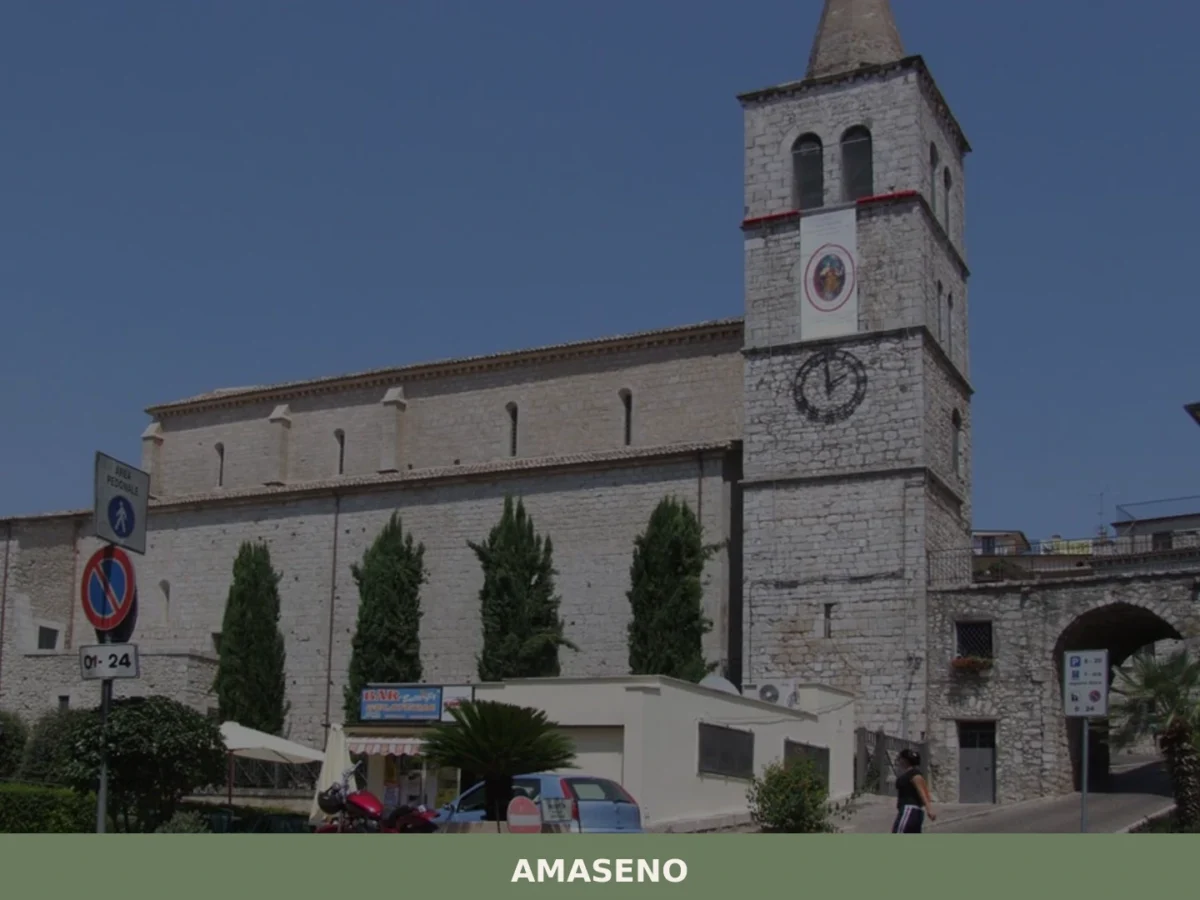
What to see in Amaseno: visit the 5 top attractions in this Lazio village, from the Madonna Sanctuary to Palazzo Caetani. Discover the complete guide.
Campoli Appennino
Mountain
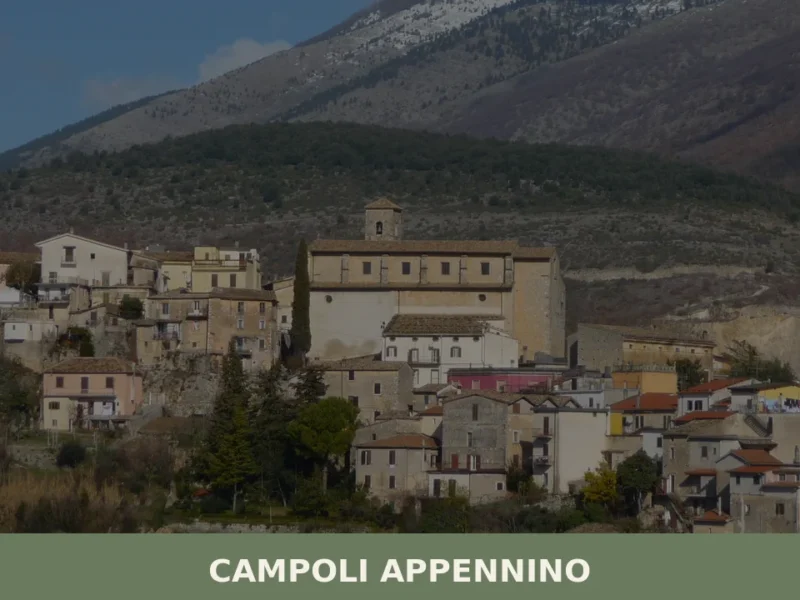
What to see in Campoli Appennino, Italy: a medieval tower 25 m tall, Roman aqueduct, and patron feast on 12 May. Discover this Frosinone village at 650 m altitude.
Acquafondata
Mountain
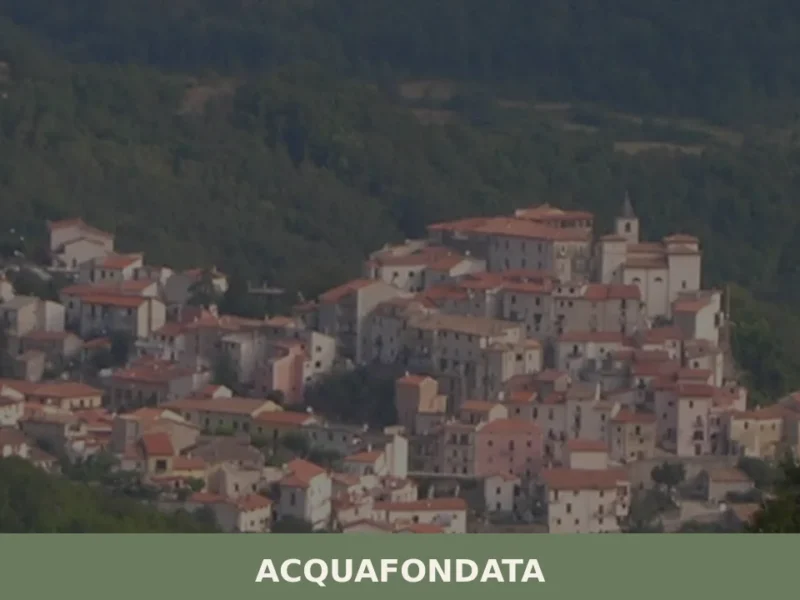
What to see in Acquafondata: discover 5 attractions in this Lazio village, from historic churches to views over the Aurunci Mountains. Plan your visit.
Arce
 Plains
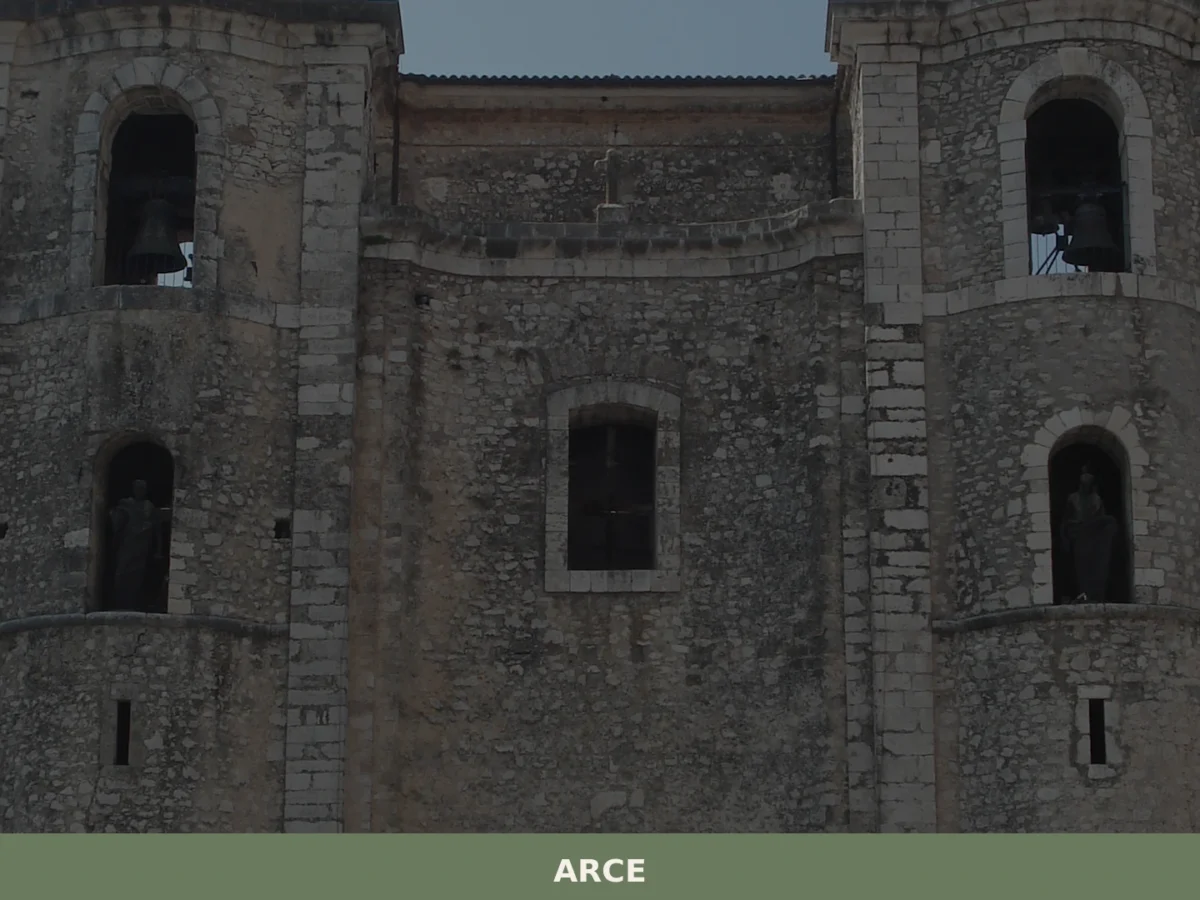
What to see in Arce: discover the 5 unmissable aspects of this Lazio village. From medieval fortresses to scenic views, your complete guide. Plan your visit!
Tessennano
Hills
In the heart of Viterbo’s Tuscia region, 302 meters above sea level, lies Tessennano, a settlement with 284 residents. Its hillside location, distant from major thoroughfares, has defined its profile through the centuries. For those wondering what to see in Tessennano, the village presents a historical layering perceptible in its architecture. The settlement develops around […]
Anzio
 Sea
Sea
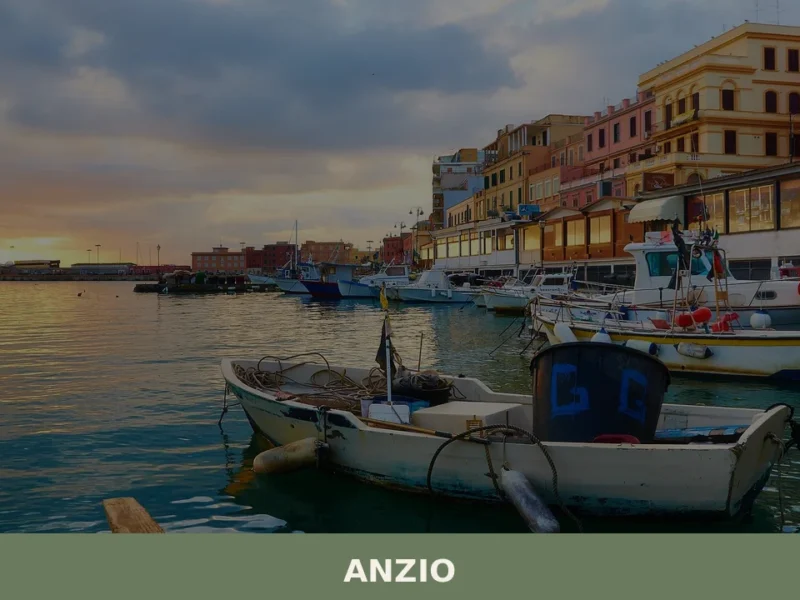
What to see in Anzio, Lazio, Italy: from WWII cemeteries to Roman ruins 51 km from Rome. Discover top attractions, local seafood, and how to get there.
Aquino
Plains
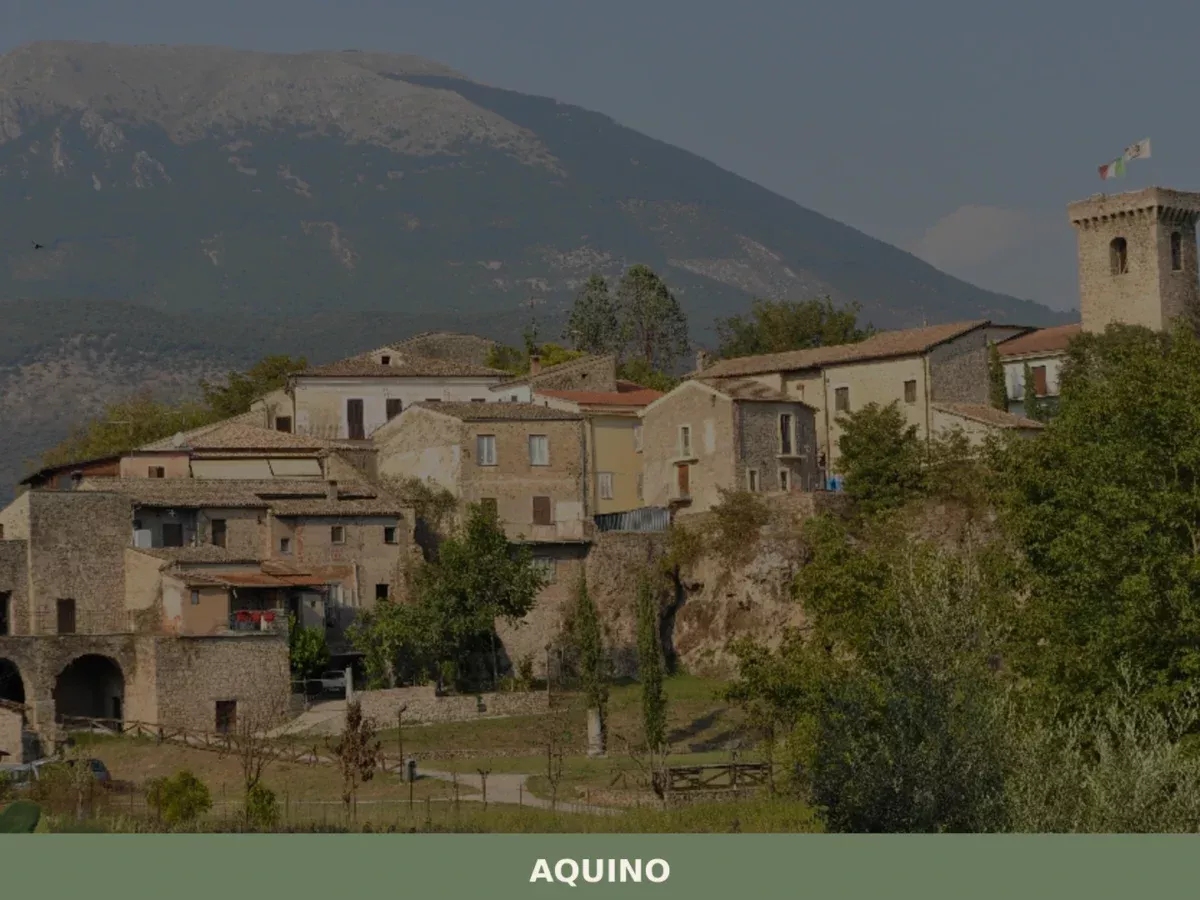
What to see in Aquino? Discover 5 must-see historic attractions in this definitive guide to the Lazio village. Plan your visit now!
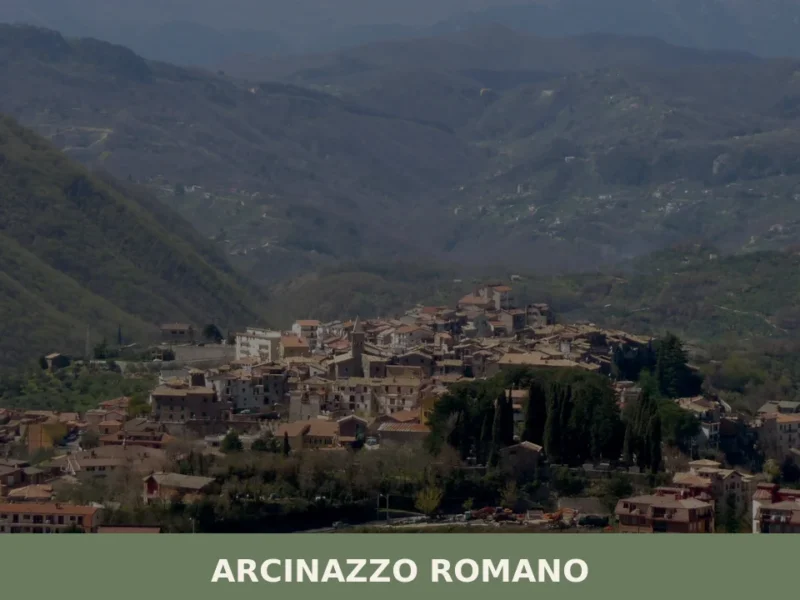
Arcinazzo Romano
Mountain
What to see in Arcinazzo Romano, Lazio, Italy: explore Trajan's Villa ruins at 831 m altitude, the plateau landscape and local traditions. Discover the complete guide.
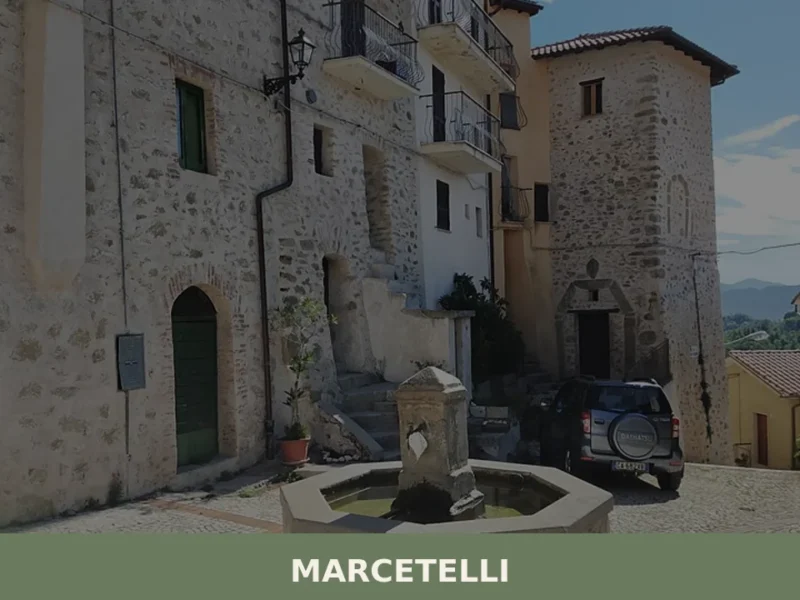
Marcetelli
Mountain
What to see in Marcetelli, a village at 930m in Rieti province with 82 residents. Explore Lago del Salto, the Church of San Venanzio and PAT-certified Guanciale amatriciano. Plan your visit now.
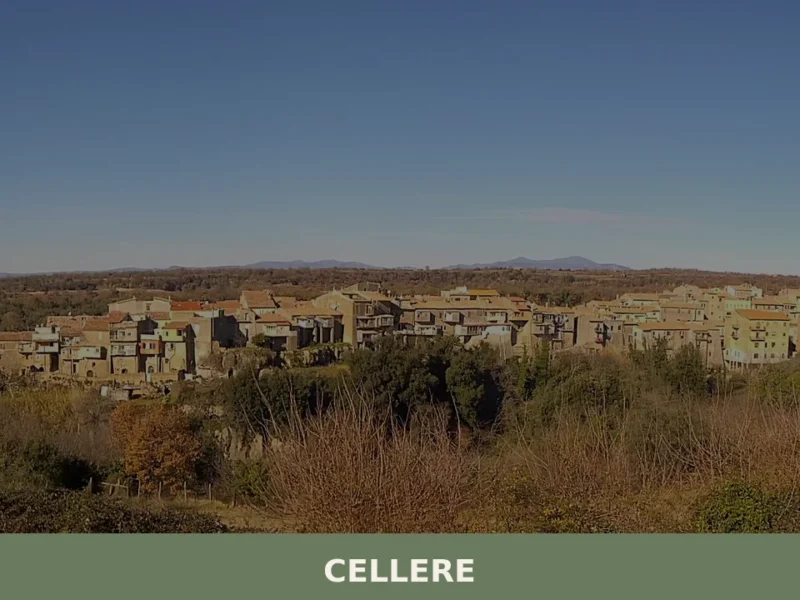
Cellere
Hills
what to see in cellere, Italy. Explore this Viterbo province village, 344 m high. Discover the Church of Sant'Egidio and local traditions. Read our guide!


🏡 Know Poggio Bustone better than we do?
If you’re a local or have been there, your knowledge matters: add what’s missing or fix a detail on this page.