


Salaparuta
 Plains
what to see in salaparuta, Italy: Explore this Belice Valley village, 171 meters above sea level, known for its DOC wine and the San Giuseppe feast on March 19. Discover local history and attractions.
Discover Salaparuta
In 1968, the ground convulsed violently across the Belice Valley, leaving the original settlement of Salaparuta in ruins. This seismic event reshaped the landscape and the community, leading to the town’s complete reconstruction just a short distance from its former location. Today, the new Salaparuta stands at an altitude of 171 m (561 ft) above sea level, a testament to the resilience of its inhabitants, many of whom are direct descendants of the old town’s citizens.
For those wondering what to see in salaparuta, this village, home to 1,562 inhabitants, offers a compelling narrative of rebirth and a vibrant agricultural landscape.
Visitors to Salaparuta find a community deeply rooted in its past, offering insights into modern Sicilian life and an appreciation for its renowned wine production. The Salaparuta highlights include exploring the sites related to the 1968 reconstruction and experiencing the local viticultural heritage, all part of what to see in salaparuta.
History of Salaparuta
Salaparuta, administratively part of the province of Trapani in South-Western Sicily, Italy, has a history profoundly shaped by its geographical location within the fertile valley of the Belice river. Before the devastating seismic event of the mid-20th century, the town occupied a slightly different site, a common occurrence for many ancient settlements in this region. This initial positioning was likely chosen for its strategic advantages or access to natural resources, contributing to its early development as an agricultural hub, and offering a historical context for what to see in salaparuta today.
The year 1968 marks a pivotal moment in Salaparuta’s timeline, when the Belice Valley earthquake struck near its original location.
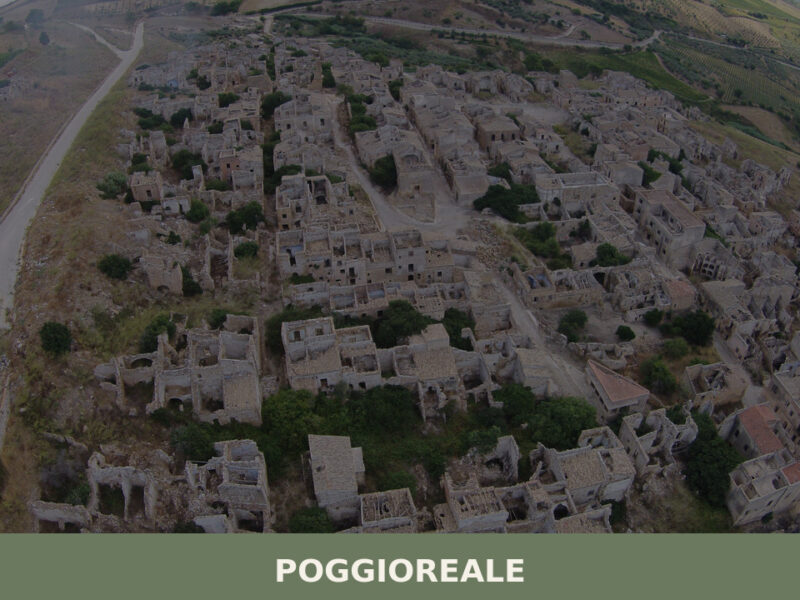
This catastrophic event led to the complete destruction of the town, forcing its inhabitants to embark on an extensive rebuilding effort. The decision was made to reconstruct Salaparuta not far from the original site, a monumental task that saw the emergence of the current settlement, designed to accommodate the displaced citizens. This seismic activity also affected other towns in the region, such as nearby Poggioreale, which similarly underwent significant changes.
The modern Salaparuta, though a relatively new physical entity, maintains a strong connection to its historical roots through its population, many of whom are direct descendants of the original town’s residents. Beyond its local narrative of resilience, Salaparuta holds a unique place in cultural history as the ancestral home to significant figures; the father of the renowned Italian-American jazz singer and trumpet player, Louis Prima, hailed from here, as did the father of Nick LaRocca, a prominent pioneer in early jazz.
This connection highlights a broader migratory pattern from Palermo and the wider Sicilian region to the Americas, influencing global cultural landscapes, which adds another layer to what to see in salaparuta.
What to see in Salaparuta, Sicilia: top attractions
Piazza Vittorio Emanuele and the Modern Civic Center
The heart of present-day Salaparuta reveals itself in its central piazza, a testament to post-1968 reconstruction efforts that shaped the town’s current layout. This open space, surrounded by contemporary civic buildings, serves as the community’s focal point for daily life and public gatherings. Following the devastating Belice Valley earthquake in 1968, the entire town was meticulously planned and rebuilt to modern standards, reflecting a blend of necessity and forward-thinking urban design.
Visitors can observe the architectural styles of the late 20th century, which contrast sharply with older Sicilian village structures, and appreciate the resilience embedded in its very foundations.
Remains of Old Salaparuta
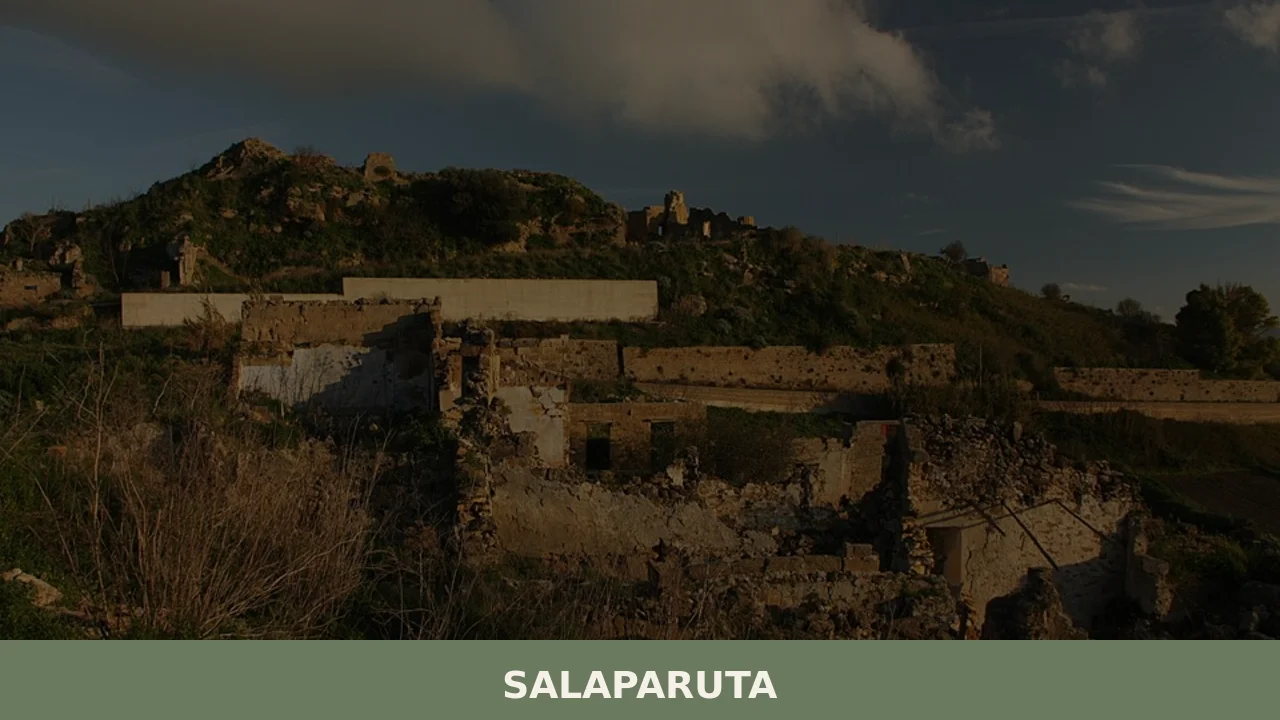
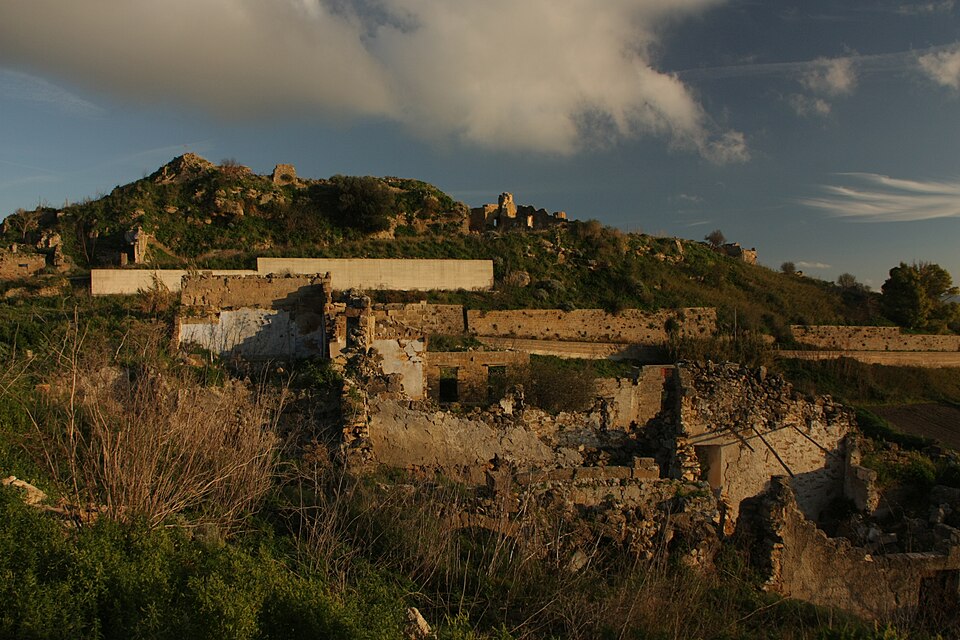
Though largely destroyed in 1968, traces of the original settlement of Salaparuta can still be found not far from the current town, offering a poignant glimpse into its pre-earthquake existence. These scattered remnants provide a physical connection to the past, allowing one to reflect on the sudden and dramatic impact of the seismic event. The old site serves as a silent memorial, where the foundations of former homes and public buildings hint at the community that once thrived there. Exploring this area requires respectful observation, understanding that it represents a significant historical moment for the inhabitants who rebuilt their lives nearby.
Belice Valley Vineyards
The gentle slopes surrounding Salaparuta are dominated by extensive vineyards, which are central to the village’s identity and its primary economic activity. These vineyards produce the acclaimed Salaparuta DOC wine, a designation that certifies its quality and origin within this specific viticultural region. The fertile soils of the Belice river valley, combined with the Sicilian sun, create ideal conditions for grape cultivation, yielding distinctive local varietals. A visit to the region offers the chance to observe the agricultural practices that have sustained the community for generations and contribute significantly to what to see in salaparuta for wine enthusiasts.
Chiesa Madre di San Giuseppe
Dedicated to San Giuseppe, the patron saint of Salaparuta, the main church stands as a spiritual and architectural centerpiece of the rebuilt town.
As the original church was destroyed in the 1968 earthquake, the current structure represents a modern interpretation of sacred architecture, designed to serve the community’s needs. The building’s design likely incorporates elements that ensure structural integrity against future seismic activity, a practical consideration following the town’s devastating experience. Inside, visitors can find religious artworks and objects that embody the faith and traditions of the local population, particularly significant during the annual feast day on March 19.
Panoramic Viewpoint of the Belice Valley
From certain elevated points around Salaparuta, visitors can take in expansive views across the Belice river valley, a landscape integral to the village’s history and economy. The vista encompasses the agricultural plains, the network of vineyards, and the distant outlines of surrounding hills, illustrating the flatland (pianura) characteristic of the area. This perspective helps contextualize Salaparuta’s position within South-Western Sicily and its reliance on the fertile valley for its agricultural prosperity, especially its renowned wine production.
Observing the valley offers a clear understanding of the region’s geography and the challenges and opportunities it presents to its inhabitants.
Local food and typical products of Salaparuta
The gastronomy of Salaparuta, deeply rooted in Sicilian culinary traditions, reflects the agricultural bounty of the Belice river valley and the island’s historical influences. This fertile plain provides abundant produce, shaping a cuisine characterized by fresh, seasonal ingredients. The region’s history of diverse cultural interactions, from Greek and Roman to Arab and Norman, has infused Sicilian cooking with a rich array of flavors and techniques. Local dishes often feature olive oil, durum wheat, cheeses from sheep and goats, and a variety of vegetables and legumes, all integral to the Mediterranean diet, forming a crucial part of what to see in salaparuta’s cultural offerings.
While specific dishes unique solely to Salaparuta are not detailed in historical records, the village shares many culinary delights with the wider Trapani province. Expect to find pasta dishes like Busiate al Pesto Trapanese, a fresh pasta often served with a pesto made from tomatoes, almonds, basil, garlic, and Pecorino cheese. Another common offering is Couscous di Pesce, a testament to the region’s North African influences, prepared with semolina and a rich fish broth. Local bakeries often produce traditional sweets, such as cannoli, crispy pastry shells filled with sweetened ricotta, and almond-based desserts.
The most significant certified product from Salaparuta is its acclaimed wine.
Salaparuta DOC (Denominazione di Origine Controllata) is a designation that guarantees the quality and specific geographical origin of wines produced in this area. The production zone for Salaparuta DOC wines primarily encompasses the municipality of Salaparuta itself, leveraging the unique terroir of the Belice Valley. This certification underscores the village’s deep connection to viticulture and its commitment to producing high-quality wines, which form the main income source for the town and are available for tasting at local establishments.
Festivals, events and traditions of Salaparuta
The spiritual life of Salaparuta revolves significantly around its patron saint, San Giuseppe (Saint Joseph), whose feast day is celebrated annually on March 19. This important religious observance brings the community together in a display of faith and tradition. The day typically involves solemn processions through the village streets, where a statue of San Giuseppe is carried, accompanied by local parishioners and often musical bands. Special masses are held in the Chiesa Madre, and homes might display traditional altars dedicated to the saint, laden with symbolic foods and breads, reflecting a deep-seated devotion that has been passed down through generations.
Beyond the religious solemnity, the San Giuseppe feast often includes elements of communal celebration, such as local musical performances and sometimes small markets.
While the sources do not specify other large-scale annual food fairs or unique local festivals for Salaparuta, the general Sicilian tradition suggests that local produce, especially wine, would be a natural part of any significant community gathering. Visitors during this period can observe a genuine expression of local culture and witness the customs that bind the inhabitants of Salaparuta together, offering a glimpse into their shared heritage and adding to what to see in salaparuta.
When to visit Salaparuta, Italy and how to get there
The best time to visit Sicilia, and by extension Salaparuta, is typically during the spring (April to June) and early autumn (September to October). During these periods, the weather is pleasantly mild, with fewer crowds than the peak summer months, making it ideal for exploring the Belice Valley and its vineyards. Summers (July and August) can be very hot, with temperatures often exceeding 30°C (86°F), which might be less comfortable for extensive outdoor activities. Winter months are generally cooler and wetter, but still offer a serene experience for those interested in a quieter visit, especially around the March 19th San Giuseppe feast, a key event for what to see in salaparuta.
Salaparuta is situated in a relatively flatland (pianura) area of the Belice Valley, making it generally accessible for visitors, though specific attractions might involve walking on uneven village streets.
For those arriving by car, Salaparuta is reachable via regional roads, with the nearest major city being Palermo, approximately 75 km (47 mi) to the northeast. From Palermo, one would typically take the A29 motorway towards Mazara del Vallo, exiting at Santa Ninfa or Partanna and following local signs. The nearest major airport is Falcone Borsellino Airport (PMO) near Palermo, which handles international and domestic flights, connecting Salaparuta to broader Italian and European networks. From the airport, car rental is recommended for flexibility in exploring the region.
While public transport options to smaller villages like Salaparuta can be limited, a car offers the most convenient way to explore the Belice Valley at your own pace. For international visitors, it is worth noting that English may be less commonly spoken in smaller shops and local establishments compared to larger tourist cities. Carrying some Euros cash for smaller purchases and transactions is always a practical tip, as not all places may accept card payments. Ensure to check local opening hours, especially for smaller businesses, which might vary, and consider consulting the official municipality website for up-to-date information.
For those extending their exploration of Sicilia beyond the immediate Belice Valley, the island offers a wealth of diverse experiences.
Visitors might consider a trip to Ragusa, known for its stunning Baroque architecture in the Val di Noto, or journey inland to Caltanissetta, situated in the heart of the island with its own unique history and agricultural traditions. These destinations offer different facets of Sicilian culture and landscape, complementing a visit to Salaparuta.
Frequently asked questions about Salaparuta
What is the best time to visit Salaparuta?
Spring (late March to May) is the ideal time: the Belice valley is green, wildflowers line the country roads, and temperatures are comfortable for exploring the ruins of old Salaparuta. The feast of San Giuseppe, patron saint of the village, falls on 19 March and marks the opening of the season with local celebrations. Autumn (October–November) is excellent for the olive harvest, when freshly pressed Nocellara del Belice oil fills the local frantoi. Avoid mid-summer if possible — temperatures regularly exceed 35°C and the landscape becomes very dry.
What are the historical origins of Salaparuta?
Salaparuta's name likely derives from Arabic roots, reflecting the Arab-Norman influence that shaped western Sicily's place names. The settlement developed during the medieval period as a small feudal holding in the Belice river valley, focused on grain cultivation and pastoral farming. The village's modern form, however, dates from after the catastrophic Belice earthquake of 14–15 January 1968 (magnitude 6.1), which destroyed the original hilltop settlement. The community was relocated and entirely rebuilt on flatter terrain over the following decades, creating a planned town with ancient roots but a distinctly contemporary built form.
What to see in Salaparuta? Main monuments and landmarks
The key site is the Ruins of Old Salaparuta — the abandoned original village left largely untouched since the 1968 earthquake, with roofless stone houses and collapsed walls still bearing traces of domestic plaster. Wear sturdy shoes and exercise caution, as structures are not stabilised. In the new town, the Chiesa Madre features modernist post-earthquake architecture alongside salvaged religious furnishings from the original church. Piazza Libertà forms the social heart of daily village life. Several modest memorial plaques and markers commemorate the earthquake victims throughout the new settlement and near the old ruins.
What are the main natural or scenic attractions of Salaparuta?
The agricultural plain of the Belice valley surrounding Salaparuta offers a working Sicilian landscape of vineyards, olive groves, and wheat fields stretching toward distant hills. The rural roads connecting Salaparuta to neighbouring communes — Gibellina, Salemi, Poggioreale — pass through countryside largely unchanged in its seasonal rhythms: green in spring, golden in summer, busy with harvest activity in autumn. The western Sicilian light, hard and clear, makes the valley particularly photogenic in early morning and late afternoon. A rental car is essential for exploring this landscape independently.
Where to take the best photos in Salaparuta?
The ruins of old Salaparuta offer some of the most striking and sobering images in the entire Belice valley — roofless stone structures framed against open sky, with wild vegetation slowly reclaiming the streets. Visit in early morning for soft light and minimal heat. In the new town, the geometric grid of pale post-earthquake architecture photographed from Piazza Libertà captures the village's unique rebuilt character. The surrounding valley roads, especially in spring and at olive harvest time, offer sweeping agricultural landscapes typical of western Sicily's interior.
What can you do in Salaparuta? Activities and experiences
Salaparuta rewards slow, self-directed travel rather than organised tourism. Exploring the ruins of the original village is the primary experience — a walk through a genuine earthquake ghost town largely open and unmanaged. Driving or cycling the Belice valley countryside connects Salaparuta to nearby towns including Gibellina (home of the Grande Cretto land art installation by Alberto Burri) and Salemi. In autumn, visiting local frantoi during the Nocellara del Belice olive harvest is possible. The feast of the patron saint San Giuseppe on 19 March brings modest local festivities to the village.
Who is Salaparuta suitable for? Families, couples, hikers, solo travelers?
Salaparuta suits independent, curious travellers — those drawn to authentic, unhurried places rather than tourist infrastructure. History and architecture enthusiasts interested in the 1968 Belice earthquake and its legacy will find the village particularly compelling. Food and wine lovers exploring western Sicily's inland agricultural traditions — Nocellara del Belice olive oil, local durum wheat bread, Trapanese wines — will appreciate the area's produce. The village is less suitable for families seeking structured activities or visitors expecting conventional tourist amenities. A car, self-sufficiency, and genuine interest in lived places are the main prerequisites.
What to eat in Salaparuta? Local products and specialties
Salaparuta's cuisine belongs to the inland tradition of western Sicily. Key products include Valle del Belice DOP extra-virgin olive oil, produced from the Nocellara del Belice cultivar — a green, buttery olive grown across the surrounding valley. Bread baked from local durum wheat, often topped with sesame seeds, is a daily staple. Pasta dishes include busiate with pesto alla trapanese (tomato, almonds, basil, garlic). Seasonal specialities include wild fennel, spring artichokes, and ricotta-based sweets at Easter. Wines from Trapani province — Nero d'Avola, Grillo, Catarratto — accompany meals at local trattorie and agriturismi.
📷 Photo Gallery — Salaparuta
Nearby Villages near Salaparuta
 Mountain
🏡 Know Salaparuta better than we do?
If you’re a local or have been there, your knowledge matters: add what’s missing or fix a detail on this page.