


Latina
 Sea
Sea
What to see in Latina: discover the 5 top attractions in this Lazio village, from monuments to the historic centre. Plan your visit with this guide.
Discover Latina
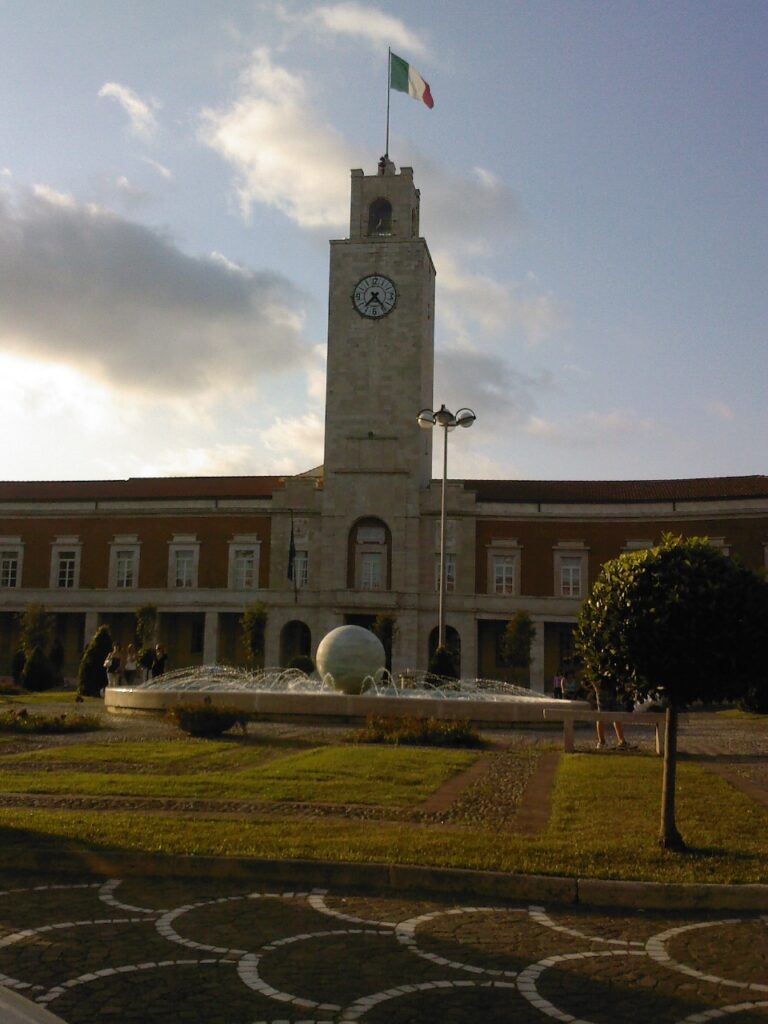
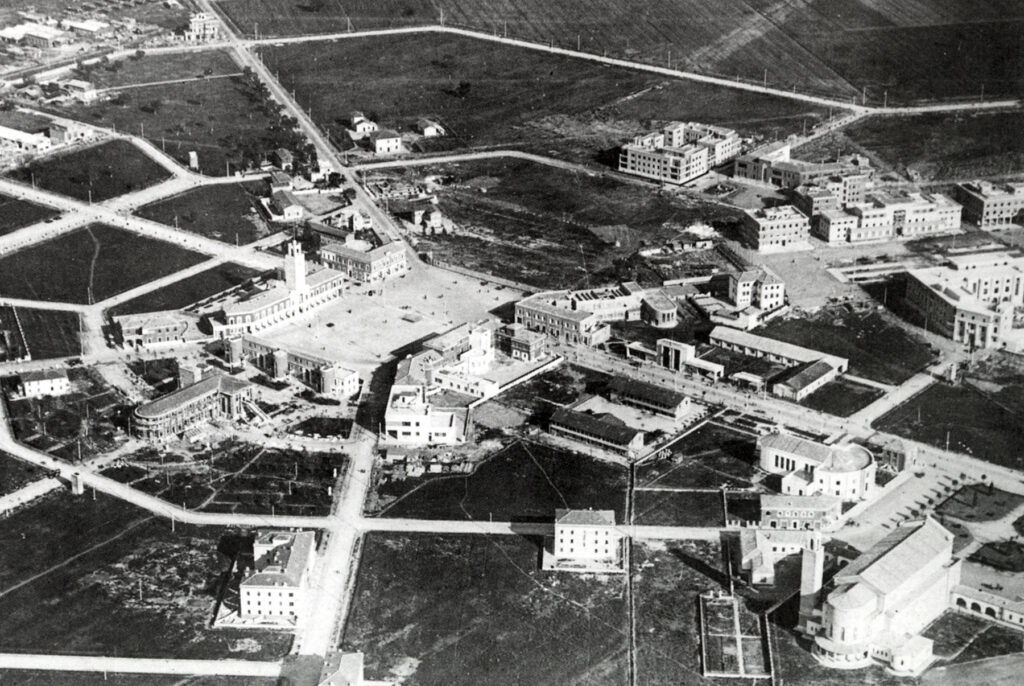
The clock tower of the Palazzo del Governo rises over a grid of rationalist streets designed not to evolve from a medieval core but to be built from nothing, all at once, in 171 days.
That founding speed is documented in the city’s own records: Benito Mussolini laid the first stone on 30 June 1932, and the city was inaugurated on 18 December of the same year.
The coat of arms still carries the Latin motto Latina olim palus — Latina, once a swamp — a direct acknowledgement of the drained Pontine Marshes on which the entire urban plan was laid.
Deciding what to see in Latina means engaging with one of Italy’s youngest provincial capitals, a city of over 127,000 inhabitants sitting at just 21 m (69 ft) above sea level, about 62 km (39 mi) south of Rome in the Lazio region.
Visitors to Latina find a concentrated body of rationalist architecture from the 1930s, an active agricultural economy that still produces cheese, fruit and vegetables across the reclaimed Pontine plain, and a calendar anchored by two distinct patron-saint festivals.
The city’s position makes it a realistic day trip from Rome, and its Mediterranean climate keeps it accessible for most of the year.
History of Latina
The land now occupied by Latina was inhabited in antiquity by the Latins, the Italic people whose name passed into the Latin language and, eventually, into the city itself. For most of recorded history, however, the area remained a vast swamp — the Pontine Marshes — that resisted every attempt at drainage from Roman engineers onward. The modern city has no medieval predecessor, no layered accumulation of walls and towers. What stands today was conceived and built as a single administrative act of the Italian Fascist government.
On 30 June 1932, Mussolini inaugurated the foundation of the city under the name Littoria, derived from the fascio littorio, the bundle of rods that served as the symbol of the regime.
The construction proceeded at a pace that remains architecturally significant: the city was ready for inauguration on 18 December 1932, just 171 days after the first stone was laid.
The settlers brought to populate the new city came predominantly from Friuli and Veneto, forming what historians have called the Venetian-Pontine community.
Their dialect, a variant of Venetian, was spoken in the early decades but was progressively replaced by a form of Romanesco — the Roman dialect — as the population diversified with arrivals from other parts of Lazio. Today, traces of the original Venetian-Pontine speech survive only in some outlying borgate, peripheral farming settlements scattered across the reclaimed plain.
In 1934, Littoria was elevated to the rank of provincial capital, acquiring administrative authority over the surrounding territory. After the end of World War II and the fall of the Fascist regime, the city was renamed Latina in 1946.
The architects responsible for its rationalist fabric — Marcello Piacentini, Angiolo Mazzoni and Duilio Cambellotti among them — left a body of work that urban historians continue to study as a planned expression of interwar Italian architecture.
The city’s economy diversified across the postwar decades into pharmaceutical and chemical industries alongside its agricultural base, and Latina today ranks as the second-largest city in Lazio after Rome.
What to see in Latina, Lazio: top attractions
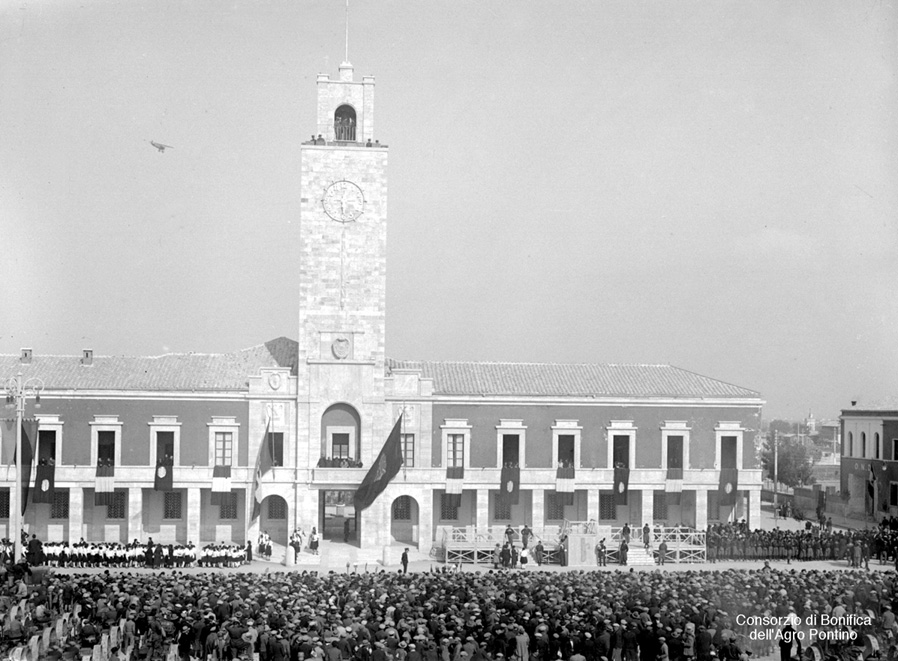
Palazzo del Governo and the City Hall Clock Tower
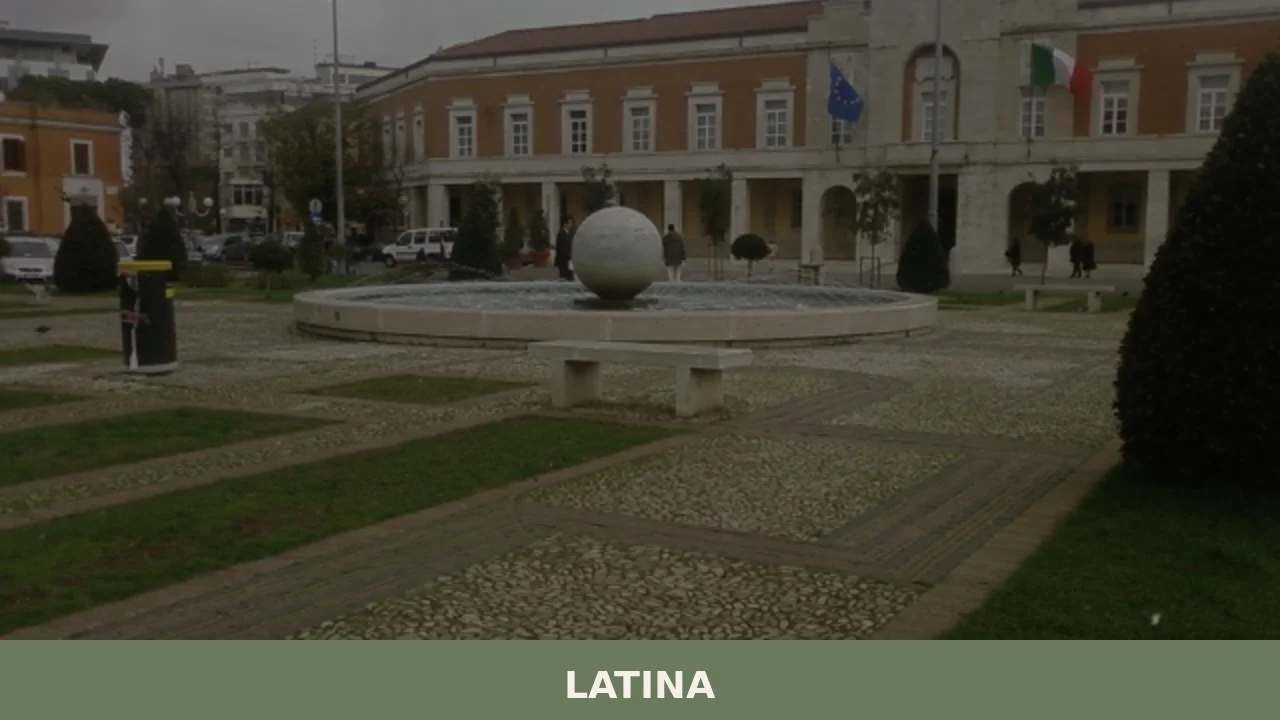
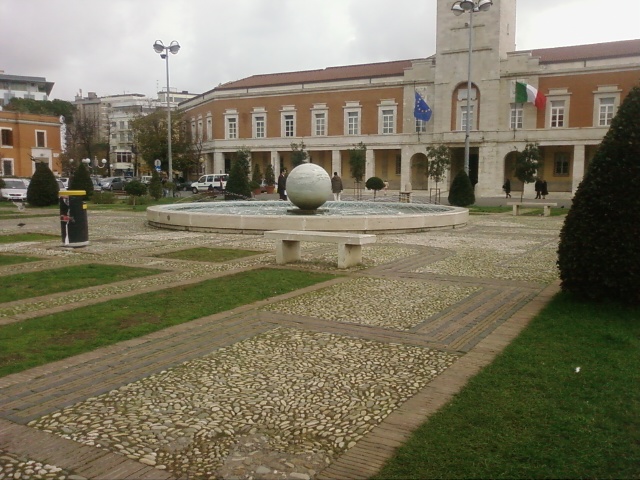
The clock tower of the Palazzo del Governo is the central motif of the city’s coat of arms — a blue shield showing the tower standing on a green field, flanked by two wheat stalks tied with a red ribbon — which makes it both an architectural and a civic symbol simultaneously.
Built as part of the original 1932 construction campaign, the building belongs to the rationalist idiom that defines the historic centre, with its clean volumes, controlled ornamentation and deliberate axial placement at the heart of the urban plan.
Standing in the main square, a visitor can trace the straight lines of the street grid radiating outward, making it the clearest vantage point for reading the logic of the planned city.
The tower is most legible in the morning light, when its limestone surfaces carry the full shadow of the cornice lines.
Rationalist Architecture of the Historic Centre
The entire central area of Latina functions as a document of Italian rationalism from the early 1930s, designed by figures including Marcello Piacentini and Angiolo Mazzoni, both of whom were prominent in Fascist-era public architecture across Italy. The buildings are not isolated monuments but a coordinated system: post office, law courts, church and municipal headquarters were all placed within the same orthogonal layout, each facade calibrated to the width of the avenue it faces.
Walking along Corso della Repubblica, visitors pass through a succession of public buildings whose proportions and materials — travertine, plaster, dressed stone — were specified in the original 1932 master plan.
The decorative programmes, many executed by the artist Duilio Cambellotti, include sculptural reliefs and mosaic panels that carry the agricultural iconography of the Pontine reclamation project.
Chiesa di San Marco Evangelista
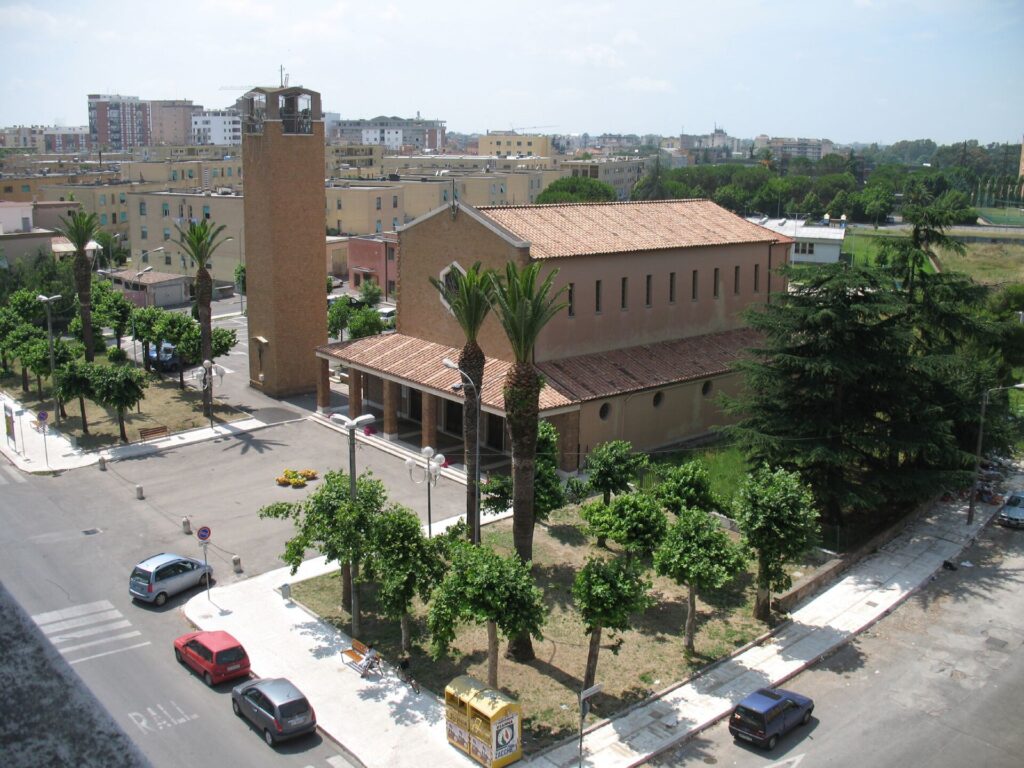
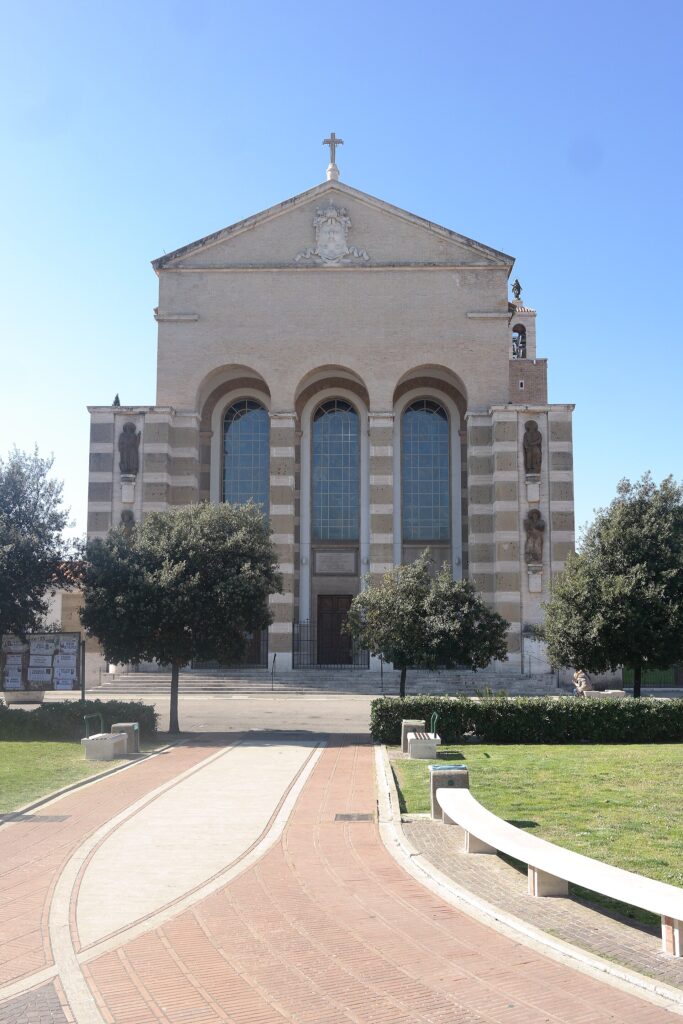
The church dedicated to San Marco Evangelista, patron saint of the city alongside Santa Maria Goretti, occupies a prominent position within the 1932 urban layout and follows the same rationalist vocabulary as the civic buildings surrounding it.
Its facade is notable for the integration of figurative decoration by Duilio Cambellotti, whose iconographic programme connects Christian imagery to the reclamation of the Pontine Marshes — a pairing that reflects the ideological framing of the city’s foundation.
The feast day of San Marco falls on 25 April, which also coincides with Italy’s national Liberation Day, giving the date a double civic and religious significance that shapes how the festival is observed each year.
Visitors interested in Italian ecclesiastical architecture of the interwar period will find the building’s deliberate departure from historical styles instructive.
The Pontine Plain and the Borgo Settlements
The fifteen frazioni — administrative subdivisions — of Latina include a series of farming settlements known as borghi: Borgo Bainsizza, Borgo Carso, Borgo Grappa, Borgo Isonzo, Borgo Podgora and others, their names drawn from the battlefields of World War I.
Each borgo was built as a service nucleus for the agricultural colonists who worked the reclaimed marshland, and together they document the spatial organisation of the Pontine land reform at a scale that the city centre alone cannot convey.
Driving or cycling across the plain between these settlements, visitors move through a flat landscape of cultivated fields — vegetables, fruit, sugar beet, flowers — that still operates on the agricultural model established in 1932.
The borgo of Latina Lido, on the coast, extends the municipality to the Tyrrhenian shore.
Latina Lido and the Tyrrhenian Coastline
Latina Lido is the coastal frazione of the municipality, placing the city within direct reach of the Tyrrhenian Sea despite the urban centre sitting 21 m (69 ft) above sea level on the inland plain.
The coastline here belongs to the stretch between the Gulf of Gaeta to the south and the protected dunes of the Circeo National Park to the north, giving the area a natural context that contrasts with the engineered geometry of the city grid.
Sandy beaches extend along this section of the Lazio coast, and the area sees significant use from residents of Latina and Rome during the summer months.
For international visitors, the coastal access provides a reason to combine what to see in Latina with time at the sea, particularly between June and September when the Mediterranean climate delivers reliably dry conditions.
Local food and typical products of Latina
The agricultural identity of Latina is not incidental: the city was built specifically to make farmland out of marsh, and the products grown on the reclaimed Pontine plain have been central to the local economy since 1932.
The region produces vegetables, fruit, flowers, sugar beet and dairy goods, and the combination of flat, fertile land with a Mediterranean climate — long dry summers, mild winters — supports a broad range of crops without the altitude constraints that affect upland Lazio.
This agricultural base connects the food culture of Latina directly to the land visible from any road crossing the plain.
Cheese production features among the documented products of the provincial economy, reflecting the dairy farming tradition brought by Venetian and Friulian settlers and sustained across the subsequent decades.
The Pecorino Romano, a hard sheep’s milk cheese produced across the Lazio region and aged for a minimum of five months for table use or eight months for grating, is part of the broader regional output.
Its texture is compact and granular, the flavour distinctly saline — a result of the dry-salting technique applied repeatedly during the maturing process.
Vegetable cultivation on the plain yields produce including artichokes, a crop associated with the coastal Lazio area and used in local preparations both raw, sliced thin with olive oil and lemon, and braised in the alla romana style with garlic, mint and white wine.
The broader Pontine agricultural area contributes to the supply chains of Rome’s wholesale markets, meaning that much of what is grown here circulates at a regional rather than strictly local level.
Within the city, the market economy remains active: fresh produce, local cheeses and flower cultivation all have a presence in the retail and wholesale trade.
The pharmaceutical and chemical industries that developed in Latina postwar operate alongside this agricultural sector, but the food identity of the city and its province remains rooted in what the reclaimed land produces.
For visitors looking to buy directly, the network of farms across the borghi of the plain offers access to seasonal vegetables and dairy goods, particularly in autumn when the harvest cycle for several crops peaks.
The Friday market in the city centre is a practical point of contact with the local agricultural supply, where growers from across the Pontine plain bring produce into the urban retail circuit.
Festivals, events and traditions of Latina
Latina observes two patron-saint festivals each year. The feast of San Marco Evangelista falls on 25 April, a date that in the Italian civic calendar also marks the national Liberation Day commemorating the end of Nazi-Fascist occupation in 1945. The overlap gives the day a layered character: religious observance and civic commemoration run in parallel, with the church ceremony at the Chiesa di San Marco combined with public events marking the Resistance anniversary.
The second patronal festival honours Santa Maria Goretti on 6 July.
Maria Goretti was born in the province of Latina and was canonised in 1950; her feast day draws a significant number of pilgrims to the area, as her cult is particularly strong across the Pontine territory.
Processions, outdoor masses and public gatherings mark both dates in the city’s annual calendar.
The agricultural roots of the city also surface in local food events tied to the harvest seasons of the Pontine plain. The sagra format — a traditional food fair centred on a single local product — appears across the municipalities of the province during late spring and autumn, when vegetable and fruit harvests reach their peak.
While Latina as a city has a more urban character than the smaller borghi around it, the surrounding settlements maintain festival traditions linked directly to the crops grown on the reclaimed land, and these are accessible within a short drive from the city centre.
When to visit Latina, Italy and how to get there
Latina has a Mediterranean climate classified under the Köppen system as Csa — the same category as most of southern Italy — with hot, dry summers and mild, moderately wet winters.
The best period for visiting is from April to June, when temperatures are comfortable for walking the city’s rationalist streets, the agricultural plain is in active cultivation, and both patron-saint festivals fall within the calendar window.
September and October offer a secondary good window: harvest activity on the plain is visible, the coastal zone at Latina Lido remains usable, and the tourist pressure that concentrates on the Lazio coast in July and August has dropped. Those specifically interested in the Santa Maria Goretti pilgrimage should plan for the first week of July, when the feast on the 6th draws the largest gatherings to the province.
Latina sits 62 km (39 mi) south of Rome, making it a straightforward day trip from the capital.
By car, the main connection is the Via Pontina (SS148), which links Rome directly to Latina without requiring motorway tolls; the journey takes approximately one hour depending on traffic leaving Rome. The A1 motorway from the north reaches the Rome orbital road (Grande Raccordo Anulare), from which the Via Pontina provides direct access southward.
Trenitalia operates services to Latina railway station on the Rome–Formia–Naples line; journey times from Roma Termini to Latina Scalo typically run between 50 minutes and one hour ten minutes on regional services.
The nearest airport is Rome Fiumicino Airport, located 77 km (48 mi) northwest of Latina; from the airport, the most practical connection is by car via the Rome orbital ring road and the Via Pontina. International visitors arriving at Fiumicino can reach Latina in approximately 70 to 90 minutes by car.
English is not widely spoken in smaller shops and local markets across the Pontine plain, and carrying euro cash is advisable when visiting the borghi and farm-side retail points outside the city centre.
Visitors extending their stay in Lazio can use Latina as a base for exploring the wider region.
The rock village of Calcata, carved from a volcanic tufa plateau in northern Lazio, represents a geological and architectural contrast to the flat, engineered landscape of the Pontine plain, and is reachable from Rome on a loop that could include a stop in Latina on the return.
Those travelling further into the Sabina hills might combine the trip with a visit to Belmonte in Sabina, a hilltop settlement whose agricultural traditions in olive oil and grain reflect a different but related chapter of Lazio’s rural economy.
Where to stay near Latina
Latina functions as a mid-sized provincial city with a standard range of hotel accommodation concentrated in the urban centre, supplemented by agriturismo options — working farm stays — spread across the borghi of the Pontine plain.
The agriturismo format is particularly practical for visitors interested in the agricultural landscape, as many farms on the reclaimed plain offer rooms alongside direct access to the crops and production processes that define the territory.
The coastal frazione of Latina Lido also has seasonal accommodation oriented toward beach visitors, most active between June and September.
The official municipal website at Comune di Latina maintains updated listings and tourism contact points for the province.
Visitors to Latina who are curious about the older village fabric of Lazio — the medieval hilltop settlements that predate the Pontine reclamation by centuries — can find that contrast nearby.
The volcanic plateau village of Latera, in the Tuscia area of northern Lazio, and Casaprota in the Sabina hills both preserve the kind of layered stone architecture that Latina, founded in 1932 on empty marshland, does not have. Each makes a feasible extension for travellers covering what to see in Latina as part of a broader Lazio itinerary.
Frequently asked questions about Latina
What is the best time to visit Latina?
Late spring and early autumn offer the most comfortable conditions: temperatures are mild, the Pontine plain is in full agricultural colour, and crowds are manageable. June to September brings reliable Mediterranean sunshine ideal for the beaches at Latina Lido on the Tyrrhenian coast. Two patron-saint festivals anchor the calendar: the feast of San Marco Evangelista on 25 April — which also coincides with Italy's national Liberation Day — and the feast of Santa Maria Goretti on 6 July, both celebrated in the city centre with religious and civic events.
What are the historical origins of Latina?
Latina has no medieval predecessor. It was built from scratch by the Italian Fascist government on the drained Pontine Marshes, founded as Littoria on 30 June 1932 and inaugurated just 171 days later on 18 December 1932. Settlers from Friuli and Veneto populated the new city. It became a provincial capital in 1934 and was renamed Latina in 1946 after the fall of the Fascist regime. Its coat of arms still carries the Latin motto Latina olim palus — Latina, once a swamp — acknowledging its origins directly.
What to see in Latina? Main monuments and landmarks
The Palazzo del Governo with its clock tower is the city's civic symbol and the clearest starting point for exploring the rationalist historic centre. Corso della Repubblica leads past coordinated public buildings — post office, law courts, municipal headquarters — designed by Marcello Piacentini and Angiolo Mazzoni in 1932. The Chiesa di San Marco Evangelista features figurative decoration by Duilio Cambellotti. Beyond the city, the borghi settlements scattered across the Pontine plain — Borgo Carso, Borgo Grappa, Borgo Bainsizza among others — document the agricultural colonisation project at landscape scale.
What are the main natural or scenic attractions of Latina?
The Pontine plain itself is a distinctive flat agricultural landscape of cultivated fields stretching to the horizon — unusual in hilly Lazio. To the north, the dunes and Mediterranean scrub of the Circeo National Park border the municipal coastline, offering protected natural habitat along the Tyrrhenian shore. Latina Lido provides direct access to sandy beaches between the Gulf of Gaeta and Circeo. The combination of reclaimed marshland, active farmland and protected coastline gives the area a varied natural profile within a short driving radius.
Where to take the best photos in Latina?
The main square in front of the Palazzo del Governo offers the classic view of the clock tower — most photogenic in morning light when the limestone surfaces are fully lit and cornice shadows are sharp. Corso della Repubblica provides clean long perspectives down the rationalist street grid. For landscape photography, the straight rural roads crossing the Pontine plain — particularly around the borghi — give wide, flat compositions of cultivated fields with isolated farm buildings. The coastline at Latina Lido works well at golden hour against the Tyrrhenian horizon.
Are there museums, churches or historic buildings to visit in Latina?
The Chiesa di San Marco Evangelista, patron church of the city, is embedded in the 1932 urban plan and features a decorative programme by the artist Duilio Cambellotti whose mosaics and reliefs link Christian iconography to the Pontine land reclamation. The entire rationalist historic centre — including the Palazzo del Governo, the post office designed by Angiolo Mazzoni and the law courts — functions as an open-air architectural document of Italian interwar public architecture. These buildings are accessible from the street; interior visiting conditions vary by building.
What can you do in Latina? Activities and experiences
Visiting the rationalist historic centre on foot or by guided architectural tour is the primary cultural activity. Driving or cycling the flat roads of the Pontine plain between the World War I-named borghi gives a ground-level reading of the 1932 land reclamation project. The Tyrrhenian beaches at Latina Lido are practical for swimming from June to September. The feast of Santa Maria Goretti on 6 July and the San Marco festival on 25 April both offer locally observed religious and civic events. The surrounding agricultural plain also supports agritourism and farm visits.
Who is Latina suitable for?
Architecture enthusiasts and urban history travellers will find Latina's intact rationalist centre a rare study in 1930s Italian planned urbanism. Families benefit from flat terrain, easy beach access at Latina Lido and proximity to the Circeo National Park. Cyclists appreciate the level Pontine plain for touring between borghi. Visitors based in Rome can treat Latina as a focused day trip at 62 km south. The dual patron festivals in April and July give cultural travellers specific dates to target. The Mediterranean coast adds a summer seaside dimension rarely associated with a provincial capital.
What to eat in Latina? Local products and specialties
The Pontine plain produces artichokes eaten raw sliced thin with olive oil and lemon, or braised alla romana with garlic, mint and white wine. Pecorino Romano DOP — a hard sheep's milk cheese dry-salted and aged a minimum of five months — is part of the broader Lazio regional output. Dairy farming traditions brought by Venetian and Friulian settlers in 1932 shaped the local cheese culture. The flat, fertile plain also yields vegetables, fruit and sugar beet that supply Rome's wholesale markets, and local trattorias feature produce grown within the municipality.
📷 Photo Gallery — Latina
Nearby Villages near Latina
In Lazio More villages to discover
Antrodoco
 Hills
Hills
What to see in Antrodoco: discover the 5 main attractions, the history of this Lazio village and how to plan your visit. A complete guide for your itinerary.
Bagnoregio
Hills
 Lake
Lake
What to see in Bagnoregio, Lazio, Italy: explore Civita di Bagnoregio, the birthplace of St. Bonaventure, 90 km from Rome. Discover top attractions and local food.
Belmonte Castello
Hills
What to see in Belmonte Castello: discover the 5 main attractions of this Lazio village, from the medieval castle to the Church of San Salvatore. Plan your visit.
Belmonte in Sabina
 Mountain
What to see in Belmonte in Sabina: a hilltop village at 756 m in Rieti province with 644 residents. Explore the medieval centre, PAT guanciale and cacio fiore cheese. Plan your visit now.
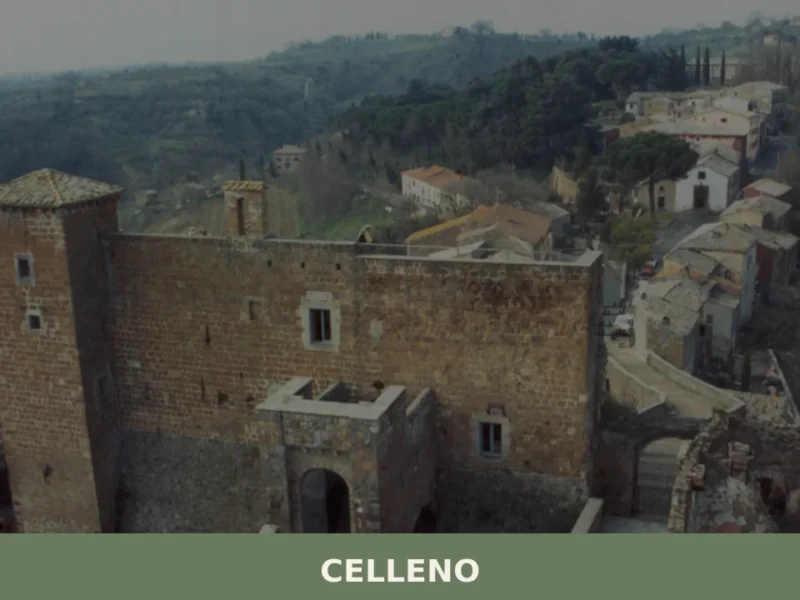
Celleno
Hills
what to see in celleno, Italy? Explore this Lazio village at 407 m altitude. Discover its WWII history and the feast of San Donato d'Arezzo. Read our guide.
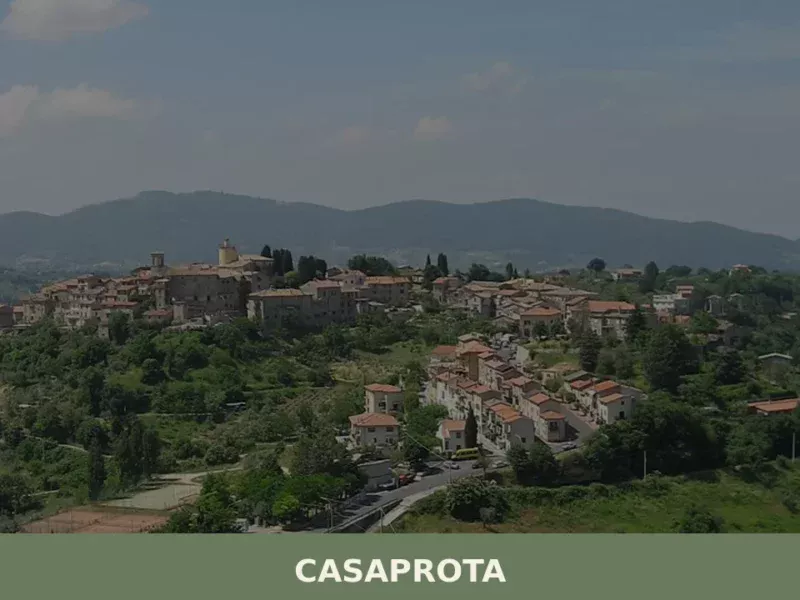
Casaprota
Hills
Discover Casaprota, a charming village in Lazio, Italy. Explore its history, culture, and scenic landscapes in the heart of the Italian countryside.
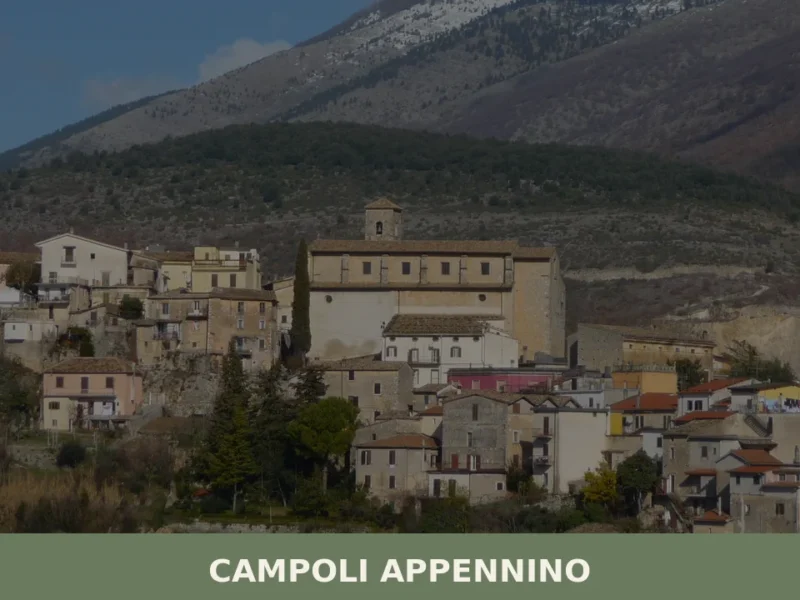
Campoli Appennino
Mountain
What to see in Campoli Appennino, Italy: a medieval tower 25 m tall, Roman aqueduct, and patron feast on 12 May. Discover this Frosinone village at 650 m altitude.
Castelnuovo di Farfa
Hills
What to see in Castelnuovo di Farfa: 1,032 inhabitants at 358 m in the Sabina. Explore the medieval castle, San Nicola church and PDO cacio fiore. Plan your visit now.
Ariccia
Hills
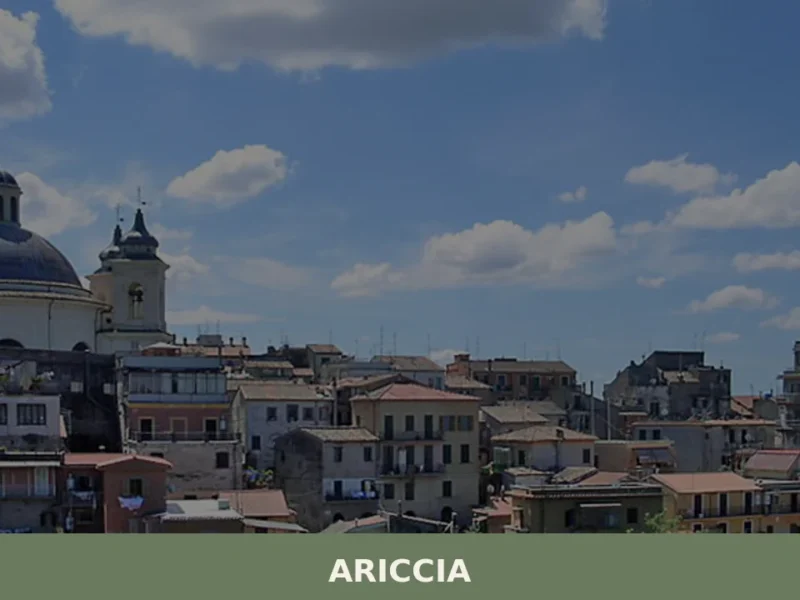
What to see in Ariccia: from Palazzo Chigi to the monumental bridge, discover the 5 top attractions. Plan your visit with this complete travel guide.
Arcinazzo Romano
Mountain
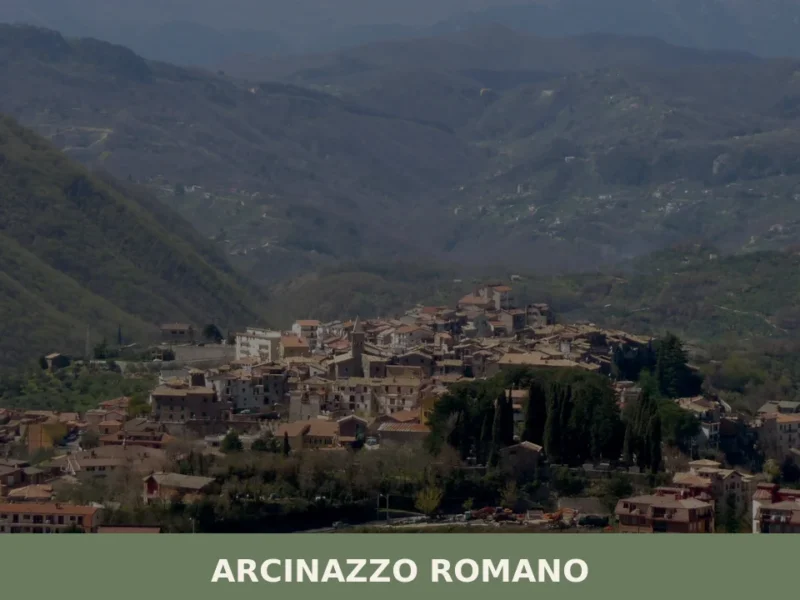
What to see in Arcinazzo Romano, Lazio, Italy: explore Trajan's Villa ruins at 831 m altitude, the plateau landscape and local traditions. Discover the complete guide.
🏡 Know Latina better than we do?
If you’re a local or have been there, your knowledge matters: add what’s missing or fix a detail on this page.