


Giuliano Teatino
 Hills
Hills
Giuliano Teatino is a small village in Abruzzo, in the province of Chieti. Discover its origins, monuments and how to visit: a practical guide to plan your trip.
Discover Giuliano Teatino
In the 1753 land registry (catasto onciario), Giuliano Teatino had just over three hundred inhabitants, nearly all of them tied to olive and wheat cultivation on a hillside ridge facing the Adriatic. Today the village retains that same agricultural vocation, with around 1,146 residents spread between the historic centre and the surrounding rural hamlets, at 272 metres above sea level.
Anyone looking into what to see in Giuliano Teatino will find a place that needs no embellishment: its urban layout still follows the plan of a fortified medieval settlement, with the parish church at the centre and local stone houses fanning out along the slope. From here, the province of Chieti reads like an open map: hills planted with vines and olive trees stretching to the coastline, the Maiella mountains as a backdrop.
History and origins of Giuliano Teatino
The place name “Giuliano” most likely derives from a praedium Iulianum, a Roman-era agricultural estate belonging to a family of the gens Iulia or otherwise linked to the Latin personal name Iulianus. The addition “Teatino” — made official after Italian Unification to distinguish the village from other municipalities with the same name — refers to the ancient diocese of Teate, namely the city of Chieti, whose Latin name was Teate Marrucinorum.
The area where the village stands was already inhabited during the Italic period: the territory of the Marrucini, an Osco-Umbrian people first allied with and later subjugated by Rome, extended precisely along the hill belt between the Alento and Foro rivers. No visible Roman monumental remains survive in the built-up centre, but the discovery of ceramic and brick materials in the surrounding countryside confirms continuous settlement from antiquity.
The earliest documented reference to the village dates from the Norman period. In the 12th century, Giuliano appears in feudal registers as a dependency of the County of Chieti, and its ownership passed among various baronial families throughout the Middle Ages. Under Angevin rule, between the 13th and 14th centuries, the territory was included in the taxation system of the Giustizierato of Abruzzo Citeriore.
The village’s layout during this period was organised around a fortified core — likely a watchtower or a walled enclosure — traces of which survive in the concentric arrangement of the oldest dwellings. The fief changed hands several times: among the lords who held it were the d’Avalos, a powerful family of Spanish origin that controlled large portions of the Chieti territory during the 15th and 16th centuries. Under their rule, Giuliano maintained an economy based almost exclusively on cereal and olive farming, with a population fluctuating between two hundred and four hundred.
With the abolition of feudalism in 1806, enacted by the Napoleonic decree of Joseph Bonaparte, Giuliano became an autonomous municipality under the new administrative framework of the Kingdom of Naples. The 19th century brought slow but significant changes: the construction of a provincial road linking the village to the Alento valley improved connections with Chieti and the coast, while the population grew gradually, exceeding fifteen hundred in the early decades of the 20th century.
The 1933 Maiella earthquake caused limited but visible damage to several buildings in the centre, requiring structural reinforcement of the parish church. In the post-war period, as with many hilltop villages in Abruzzo, emigration towards coastal cities and northern Italy progressively reduced the number of residents. The current community, though smaller, keeps alive the olive cultivation that has defined the landscape and economic identity of the area for centuries.
What to see in Giuliano Teatino: 5 top attractions
1. Parish church of San Cataldo Vescovo
Standing at the highest point of the historic centre, the church of San Cataldo is the village’s main religious building, dedicated to one of the two patron saints alongside Saint Anthony of Padua. The current structure is the result of successive renovations between the 18th and 19th centuries, with a simple plastered masonry façade and a square-plan bell tower visible from several surrounding hamlets. The interior, with a single nave, preserves a stucco high altar and several processional statues used during the patron saint festivities in August. The church is usually open in the morning hours and during liturgical services. It serves as the natural starting point for any walk through the historic centre.
2.
The historic centre and its medieval urban fabric
What to see in Giuliano Teatino if not its urban layout, which still preserves the defensive logic of the medieval settlement. The oldest houses, built from local limestone, are arranged in concentric rings around the hilltop, connected by narrow alleys and stairways that follow the contour of the terrain. Several carved stone portals, dating from the 17th and 18th centuries, mark the entrances to the most prominent houses. This is not a monumental village, but a coherent built organism where the grey-ochre stone of the walls and the terracotta roof tiles form a uniform colour palette. A walk through it takes less than an hour and is suited to any season.
3. The olive groves of the rural hamlets
Surrounding the built-up centre are the olive groves that form the defining feature of the territory. The rural hamlets of Giuliano Teatino — accessible via municipal roads and farm tracks — are home to trees of the Gentile di Chieti cultivar and other native Abruzzo varieties, some with trunks that reveal an age of several centuries. Walking or cycling through this countryside, especially between October and November during the olive harvest, allows you to observe an agricultural system that still operates according to rhythms and techniques passed down through generations. The view opens eastward to the Adriatic coast and westward to the foothills of the Maiella, providing a comprehensive picture of the Chieti hill country.
4.
Public fountains and washhouses
As in many hilltop villages across Abruzzo, public fountains are an important architectural and social feature. In Giuliano Teatino there are several stone fountains dating from the 19th and early 20th centuries, located both within the built-up centre and along the access roads to the rural hamlets. These structures — often fitted with washing basins and drinking troughs — mark the water supply points that for centuries regulated daily life in the village. Some have been restored by the municipal administration and remain in working order. Their location also traces the historic routes connecting the village to the surrounding countryside.
5. Panoramic viewpoints towards the Maiella and the Adriatic coast
Giuliano Teatino’s position at 272 metres of altitude, on a ridge oriented east to west, creates several natural vantage points. From the western edge of the built-up area, on clear days, the Maiella massif and the profile of the Gran Sasso are clearly visible. From the opposite side, the eye follows the succession of cultivated hills all the way to the coastline, roughly fifteen kilometres away as the crow flies. There are no artificial terraces or purpose-built lookouts: the best viewpoints are simply the edges of the roads and small squares that border the settlement. The late afternoon light, when shadows stretch across the olive groves, reveals the true depth of this layered landscape.
Traditional food and local products
The table in Giuliano Teatino reflects the farming tradition of the Chieti hills, built on a few ingredients of outstanding quality.
The cornerstone product is extra virgin olive oil, which falls under the DOP Colline Teatine designation, recognised by the European Union in 2007. The oil produced in this hill belt, obtained primarily from olives of the Gentile di Chieti, Leccino, and Intosso cultivars, has a medium-fruity organoleptic profile with notes of almond and artichoke. It is used uncooked on nearly every dish, from toasted bread to legume soups. The harvest traditionally takes place between late October and November, and at several mills in the area it is possible to watch the pressing and buy fresh oil directly from the producer.
Among first courses, chitarra con le pallottine — pasta cut with a press and dressed with a mixed-meat ragù in which small beef meatballs are cooked — is the most common dish for festive occasions. Maccheroni alla mugnaia, made with water and flour and dressed with tomato sauce and mild Abruzzo chilli pepper, are instead the everyday dish of the farming tradition.
Sagne e fagioli, wide irregular fettuccine cooked together with borlotti beans in a broth flavoured with celery, garlic, and local oil, appear frequently on winter menus. As a main course, agnello cacio e ovo — pieces of lamb browned and then bound with a cream of beaten eggs and grated pecorino — remains an Easter preparation but is available at restaurants in the area year-round. Montepulciano d’Abruzzo DOC, also produced in vineyards within the municipal territory, accompanies most of these dishes.
Local food festivals, though small in scale, offer an opportunity to taste these dishes in their original context. To coincide with the patron saint feast on 19 August, dedicated to Saint Anthony of Padua and San Cataldo, food stalls are set up in the village centre serving traditional dishes. There are no upscale restaurants in the village itself, but in the immediate surroundings — along the road towards Chieti and towards the coast — there are trattorias and agriturismos offering local cuisine at reasonable prices. Buying oil, wine, and preserves directly from local farms is a common and warmly received practice among producers.
When to visit Giuliano Teatino: the best time of year
The ideal time for a visit depends on the traveller’s interests.
The patron saint feast on 19 August, which celebrates Saint Anthony of Padua and San Cataldo Vescovo with a procession, music, and food, is the liveliest moment of the year: emigrants return, houses reopen, and the streets fill up. For those who prefer quieter months, spring — from April to June — offers ideal conditions for walking among the olive groves and hamlets: temperatures between 15 and 25 degrees, long daylight hours, and the countryside in bloom. Autumn, particularly October and November, coincides with the olive harvest and the Montepulciano grape harvest, allowing visitors to observe the production cycle that still sets the pace of life here.
Winter is mild compared to mountain villages — snow at 272 metres is a rare and short-lived event — but shorter days and the seasonal closure of some facilities make a visit less convenient from a logistical standpoint. Summer, in addition to the patron saint feast, offers open-air evenings and cultural events organised by the municipality and local associations. Whatever time of year you choose to arrive, it is advisable to check opening hours and schedules through the official website of the Municipality of Giuliano Teatino, which publishes updates on events and available services.
How to get to Giuliano Teatino
By car, the most direct route from the A14 motorway (Bologna–Taranto) is to exit at the Pescara Ovest-Chieti toll booth, then continue along the SS 656 towards Chieti and onto the SP 119 towards Giuliano Teatino: the drive from the exit to the village takes around twenty-five minutes over a distance of twenty kilometres.
From Rome, the total journey time is approximately two hours and thirty minutes via the A25 motorway to Pescara and then the A14. From Naples, allow around three hours via the A1 and A25. The nearest railway station is Chieti Scalo, on the Pescara–Rome line, approximately fifteen kilometres away: from there you will need to continue by private car, taxi, or local bus.
The Abruzzo Airport in Pescara is roughly thirty kilometres away, reachable in half an hour by car along the Pescara–Chieti route. For those arriving via larger airports, Rome Fiumicino is approximately 230 kilometres away (two hours and forty-five minutes). Bus connections are provided by the regional TUA (Trasporto Unico Abruzzese) service, but frequencies are limited and concentrated around school hours: for an independent visit, a private vehicle remains the most practical option.
Within the village and surrounding hamlets, the roads are suitable for cars, with parking available on the edges of the historic centre. For up-to-date information on road conditions and regional transport, it is useful to consult the Wikipedia page dedicated to Giuliano Teatino.
Other villages to explore in Abruzzo
Visitors to Giuliano Teatino who wish to deepen their knowledge of inland Abruzzo can build an itinerary linking the Chieti hills to the villages of the mountainous interior. Roughly ninety kilometres to the south-west, heading up the Sangro valley, you reach Fallo, a village of just a few dozen residents in the province of Chieti, set on a rocky spur at over seven hundred metres of altitude.
Fallo shares with Giuliano the condition of a community resisting depopulation, but its mountain setting and the rugged landscape of the middle Sangro make it a radically different visual and environmental experience. The road to reach it crosses the transitional belt between the Abruzzo hills and mountains, revealing the gradual shift from olive groves to oak and beech forests.
In the same Sangro-Aventino area lies Borrello, known above all for the Cascate del Verde Nature Reserve, where the Verde torrent plunges over one hundred metres — one of the highest falls in the Apennines — before flowing into the Sangro. Borrello provides a naturalistic complement to the cultural journey begun in Giuliano Teatino: from olive-covered hills to a river canyon, the landscape shifts in scale and register.
A two- or three-day itinerary taking in Giuliano Teatino, Fallo, and Borrello allows you to cross three altitudinal bands and three distinct rural economies, producing a composite image of the province of Chieti that no single village could offer on its own. For further information on regional tourism, the Touring Club Italiano publishes updated guides on routes and destinations in inland Abruzzo.
Nearby Villages near Giuliano Teatino
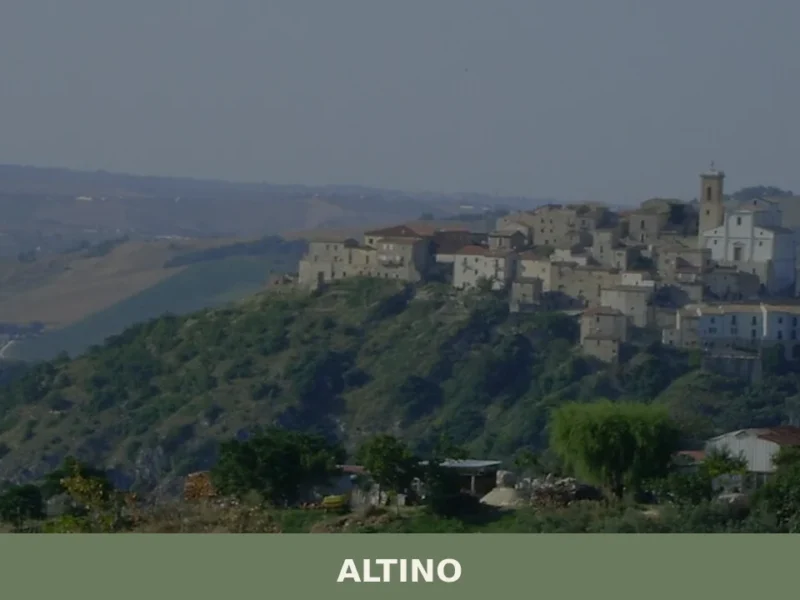
In Abruzzo More villages to discover
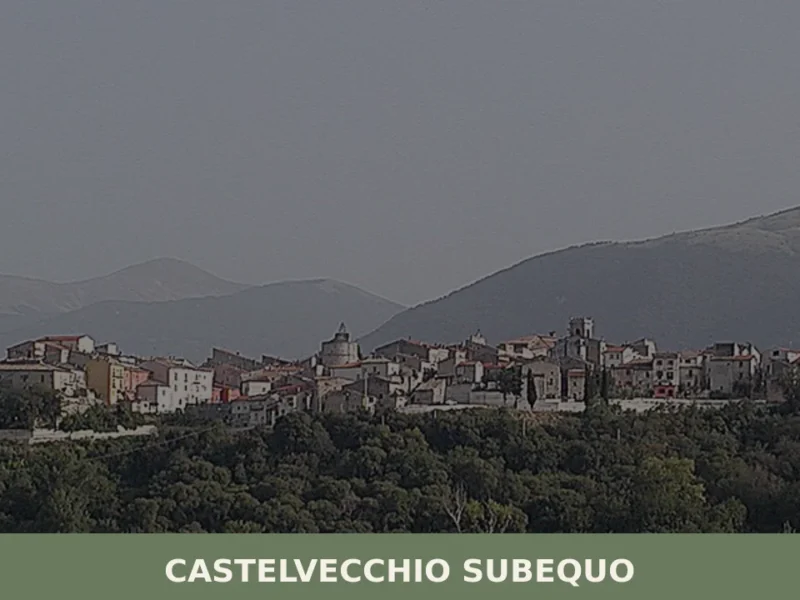
Castelvecchio Subequo
Hills
The convent of San Francesco in Castelvecchio Subequo preserves a cycle of fourteenth-century frescoes attributed to painters of the Giottesque school, among the few surviving examples in the central Apennine area. This fact alone is enough to justify a detour from the nearby A25 motorway towards a town of 832 inhabitants, at 490 metres above […]
Montefino
Hills
What to see in Montefino, Abruzzo, Italy: the Castello di Corte, the Chiesa di San Giacomo and the olive oil festival. Village at 375 m. Discover the full guide.
Brittoli
 Mountain
Brittoli has 258 inhabitants today — fewer than it takes to fill a regional railway carriage. Yet this small settlement at 779 metres above sea level, in the western part of the province of Pescara, retains a building fabric that dates in part to the 12th century and a strategic position on the ridge separating […]
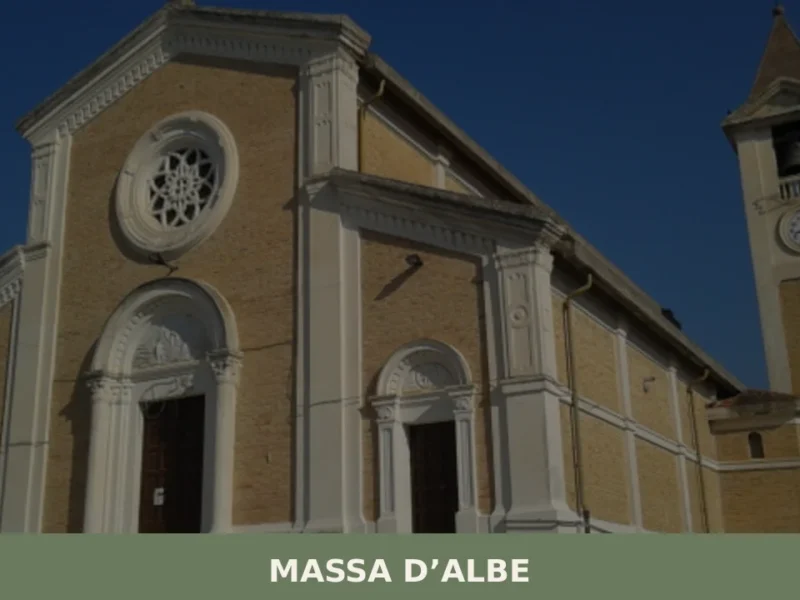
Massa d’Albe
Mountain
What to see in Massa d'Albe: 5 attractions including Roman ruins, medieval churches and views over Fucino. Complete guide to visiting this Abruzzo village.
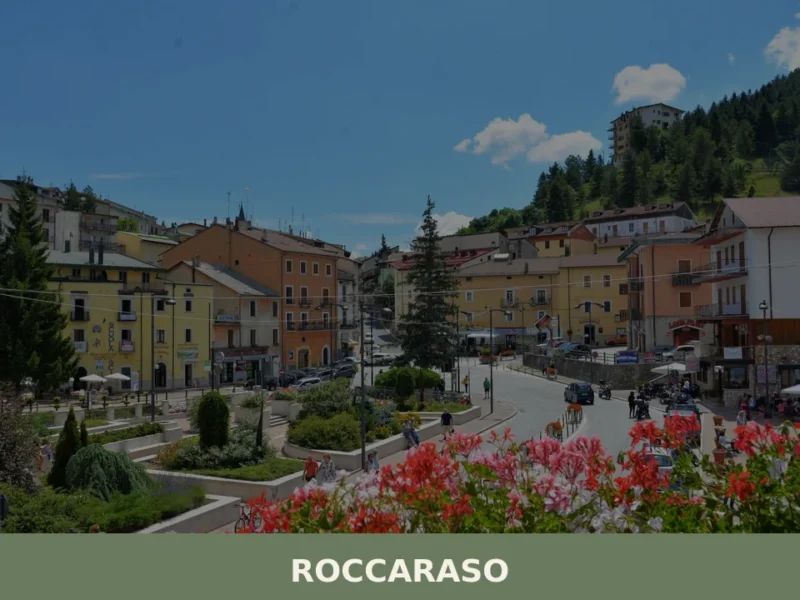
Roccaraso
Mountain
What to see in Roccaraso, Abruzzo, Italy: ski slopes at 1,236 m, the Church of Santa Maria Assunta, and the Alto Sangro ski area. Discover top attractions now.
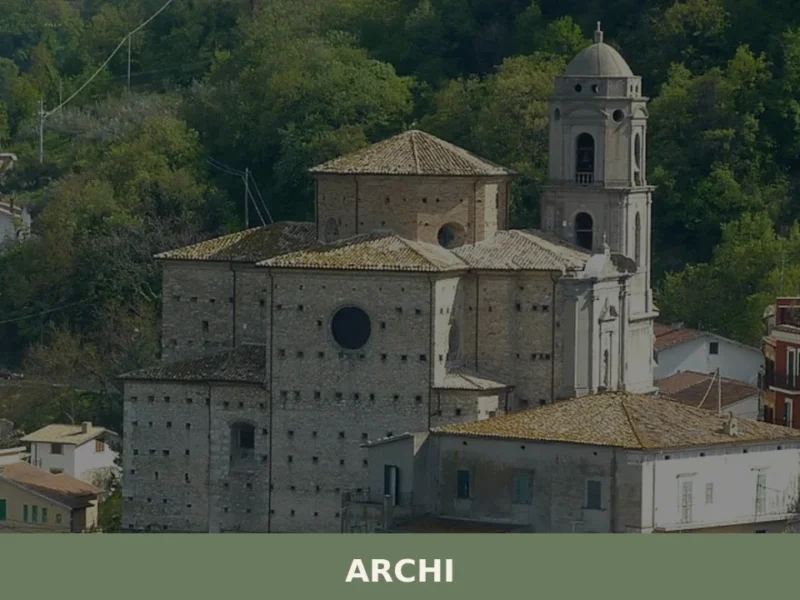
Archi
Hills
Archi sits at 492 metres above sea level in the province of Chieti, a settlement of just under 2,000 inhabitants occupying a ridge above the Sangro river valley in southern Abruzzo. The village’s position — commanding views across a landscape that drops sharply toward the river below — has defined its strategic importance since the […]
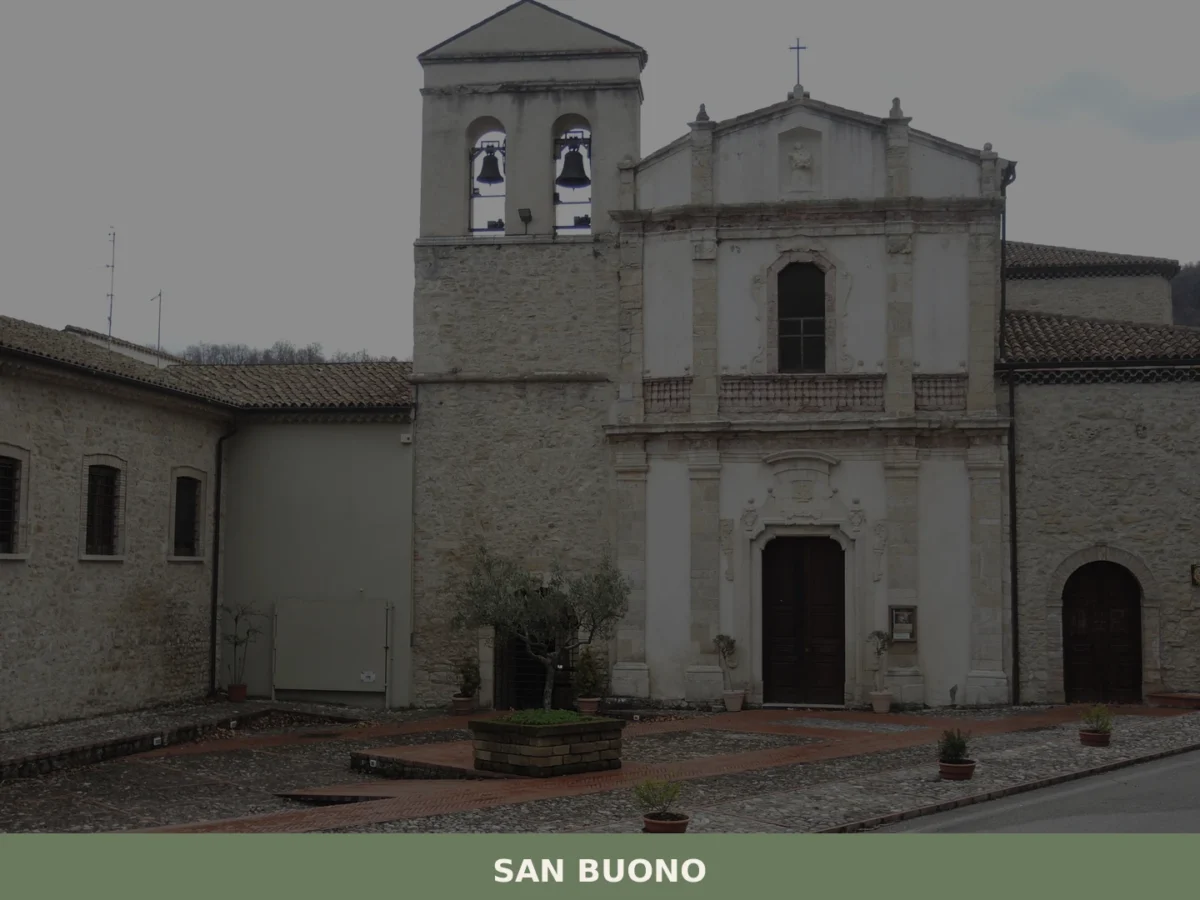
San Buono
Hills
What to see in San Buono? Explore our complete guide to this Abruzzo village (1,010 residents), rich in history and nature. Plan your visit now!
Lentella
Hills
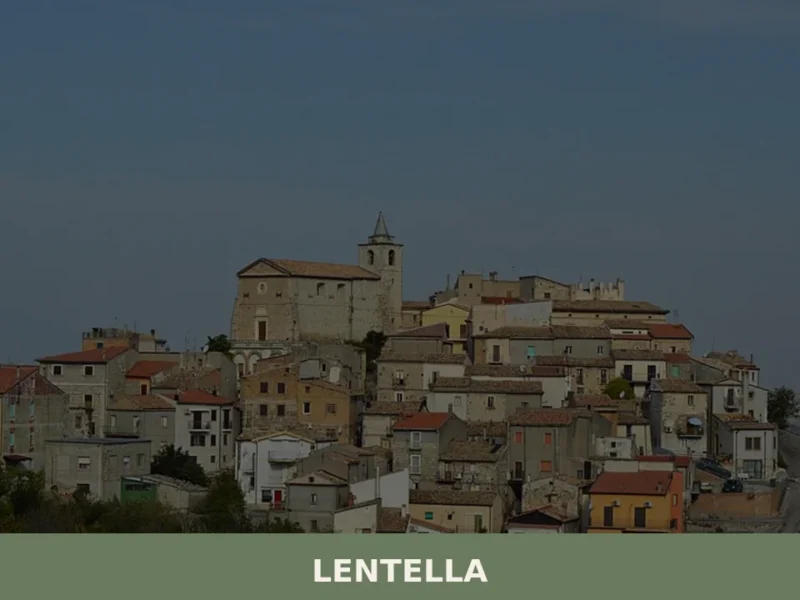
What to see in Lentella: a hilltop village at 398m with 649 residents in Chieti. Discover the Santi Cosma e Damiano church, medieval old town, and local PAT products. Explore now!
Fontecchio
Mountain
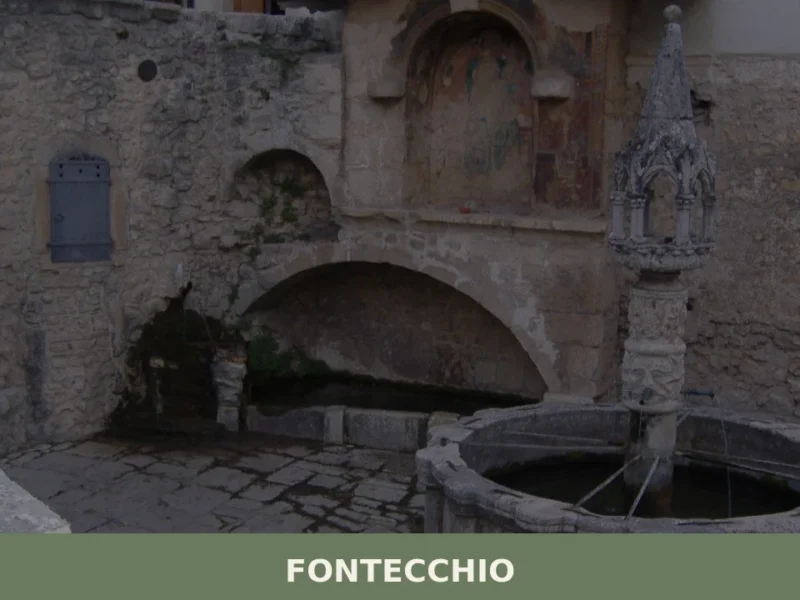
The fourteenth-century fountain with a fourteen-spouted stone basin, dated 1355, still marks the centre of Fontecchio’s main square — a village of 291 inhabitants at 668 metres above sea level in the middle Aterno Valley, province of L’Aquila. Anyone wondering what to see in Fontecchio should start right here, at this hydraulic structure that has […]
Crognaleto
Mountain
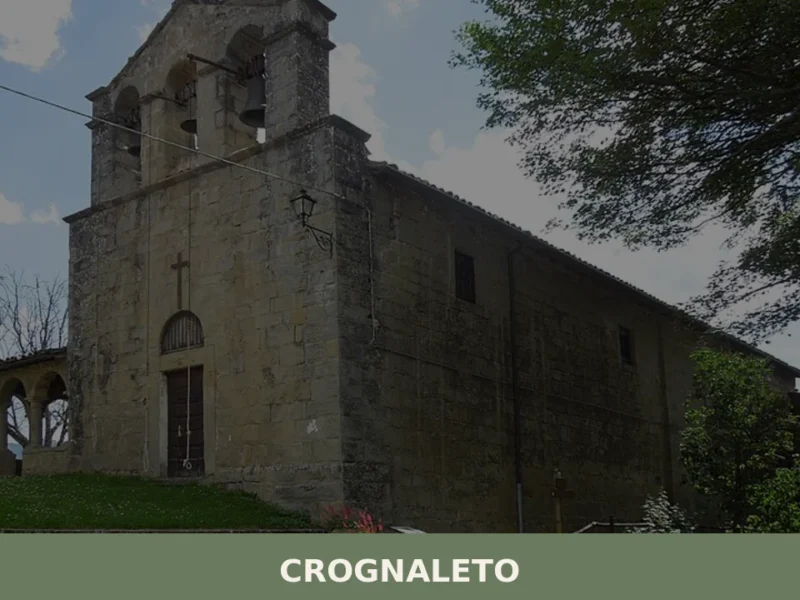
What to see in Crognaleto, Italy: Discover this 1,094m altitude village in Abruzzo. Explore the Monti della Laga and Gran Sasso National Park.



🏡 Know Giuliano Teatino better than we do?
If you’re a local or have been there, your knowledge matters: add what’s missing or fix a detail on this page.