


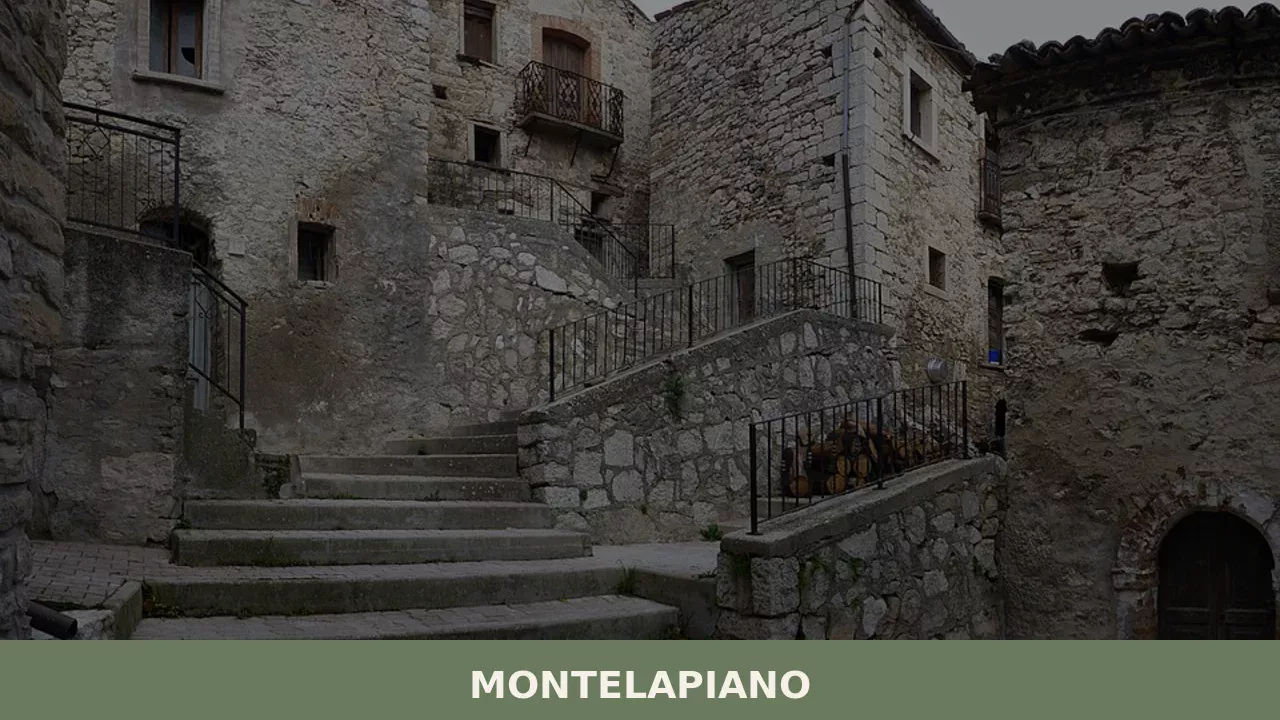
Montelapiano
 Mountain
What to see in Montelapiano, a village of 75 inhabitants at 740 m above sea level. Discover the Church of San Bonifacio and the Colle Belvedere. Plan your visit to Abruzzo!
Discover Montelapiano
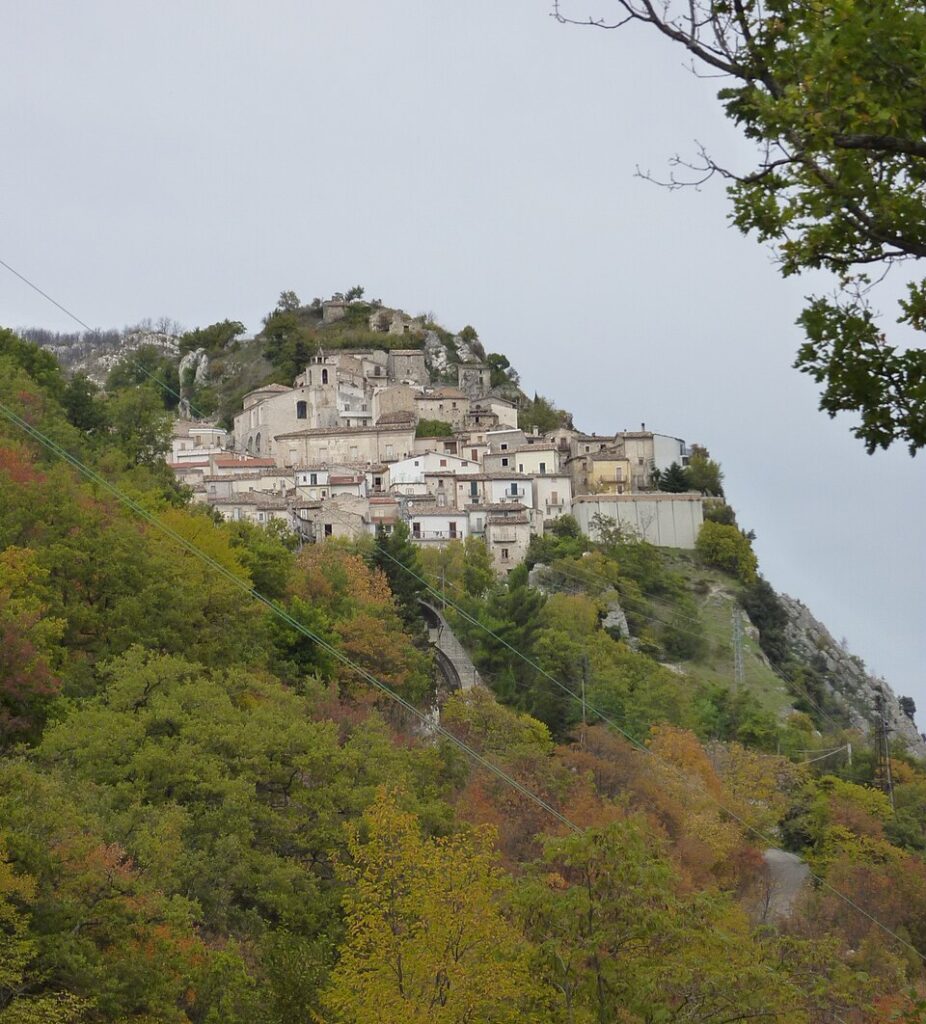
At 740 meters above sea level, in the heart of the Chieti area of Abruzzo, lies Montelapiano, a small village with just 75 inhabitants.
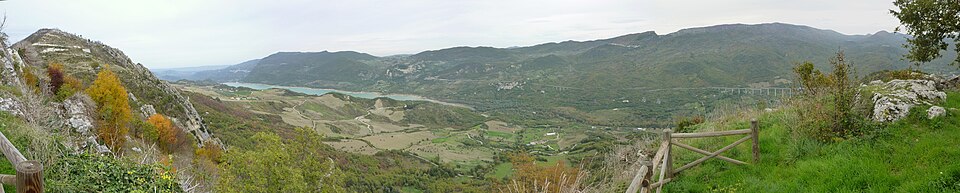
Its elevated position offers a wide view of the surrounding valleys, characterized by a predominantly mountainous landscape.
This settlement, although small in size, preserves the traces of a history linked to sheep farming and mountain agriculture, elements that have shaped its identity over the centuries.
Those wondering what to see in Montelapiano will discover a discreet but significant heritage, which includes the Church of San Bonifacio and the remains of the ancient medieval fortification.
The village, with its altitude and tranquil atmosphere, represents an ideal destination for those seeking a break from daily hustle and bustle, offering panoramic views and the opportunity to explore an authentic corner of the province of Chieti, with its traditions and slow pace of life.
History and Origins of Montelapiano
The origins of Montelapiano are rooted in a past that, although not rich in detailed documentation, suggests the territory has been inhabited since Roman times, as is often the case for Abruzzese foothill settlements. Its strategic position on a hill, in fact, made the area suitable for both control outposts and small rural residential nuclei.
However, it was in the Middle Ages that the village began to take the form of a stable inhabited center, probably as a defensive bulwark or an observation point along the transhumance routes.
The name itself, “Montelapiano,” could derive from its geographical conformation, a mountain with a more or less flat summit, ideal for the construction of a fortified settlement.
During the centuries after the year 1000, the territory was probably under the control of local feudal lords, who managed the agricultural and pastoral resources of the area.
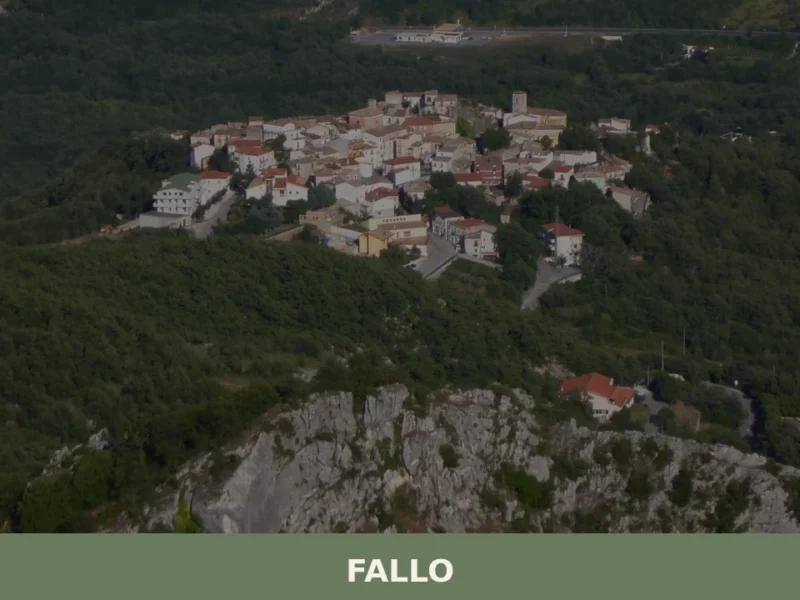
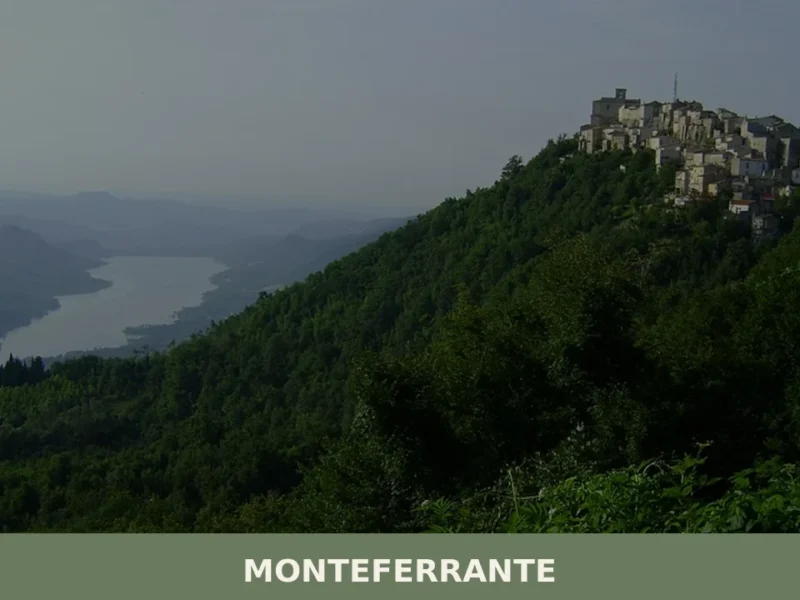
The first defensive structures, such as the tower and the perimeter walls, likely date back to this period, between the 11th and 13th centuries, when the need for protection from incursions or conflicts between powerful entities was pressing. In this context, Monteferrante, a nearby village, also shares a similar historical evolution linked to the defense of the Abruzzese territory.
The modern era saw Montelapiano follow the destiny of many small Abruzzese mountain towns, characterized by an economy based on subsistence agriculture and sheep farming.
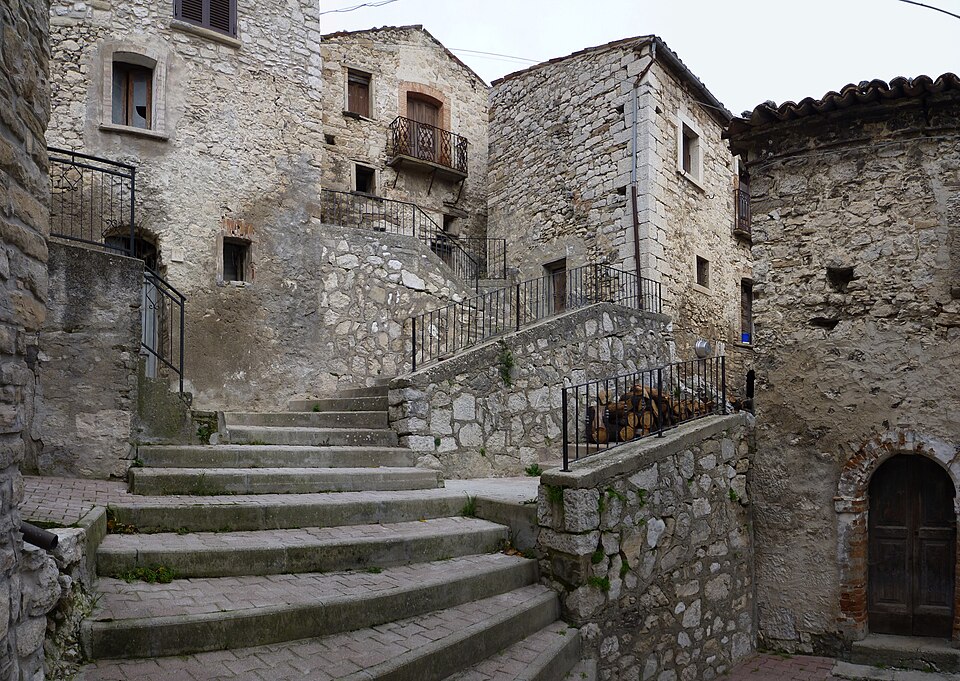
The village has maintained its original structure, with stone houses leaning against each other, a testament to a community that has resisted the challenges of time. Despite the progressive depopulation of the 20th century, Montelapiano continues to preserve the memory of its roots, offering visitors an image of tranquility and authenticity that recalls a past where life was dictated by the rhythms of nature and local traditions.
Villages like Ateleta, despite their own peculiarities, also reflect this historical resilience.
What to See in Montelapiano: Main Attractions
Church of San Bonifacio
The Church of San Bonifacio, dedicated to the patron saint of the village, stands at the oldest point of Montelapiano, with its stone façade perfectly blending into the urban fabric.
Its current structure, though having ancient roots, shows signs of interventions and restorations mainly from the 17th and 18th centuries, which have modified and enriched its interiors.
The entrance portal, in a sober baroque style, leads to a single-nave environment, where the main altar hosts an image of San Bonifacio, celebrated every year on August 18. The plastered and decorated internal walls feature several votive niches and a small wooden pulpit. The church represents the focal point of the spiritual life of the village, keeping the devotion of the local community alive and offering an example of minor religious architecture typical of the Abruzzo villages.
The Belvedere del Colle
Located at the highest part of Montelapiano, at 740 meters above sea level, the Belvedere del Colle offers a privileged observation point over the surrounding landscape.
From here, the gaze can sweep over the Sangro and Aventino valleys, reaching, on the clearest days, the peaks of Maiella, standing imposingly on the horizon.
The terrace, accessible via a short walk through the narrow streets of the village, is bordered by a stone parapet and offers benches for resting.
This place is not only a panoramic point but also a space for meeting and contemplation, where silence is broken only by the rustle of the wind and the birds’ song. Its strategic position, once probably linked to lookout functions, today invites visitors to enjoy the vastness of the panorama and the tranquility of the place.
The Remains of the Medieval Castle
Of the ancient fortifications that once surrounded Montelapiano, today only some significant traces remain, testimony to the defensive past of the village.
In particular, sections of perimeter walls can be observed, made with skillfully worked local stones, outlining the original perimeter of the settlement.
The remains of a tower, probably the base of the ancient keep, still rise in a commanding position, suggesting the strategic importance that the castle held between the 10th and 14th centuries.
These vestiges, despite not being an intact castle, allow for a mental reconstruction of the defensive structure and an understanding of the urban evolution of the village. The area of the ruins is accessible and offers another viewpoint over the valley, besides being a key element for understanding local history.
The Museum of Rural Civilization
The Museum of Rural Civilization in Montelapiano is housed in a restored ancient building that once served as an agricultural warehouse, and is dedicated to preserving the memory of the rural traditions of the area.
Inside, visitors can observe a collection of period agricultural tools, instruments for woodworking and metalworking, and everyday life objects that tell the story of the toil and ingenuity of past generations.
The exhibition route also includes historical photographs of the village and its inhabitants, offering an authentic glimpse into the rural and pastoral life that characterized Montelapiano for centuries.
The museum, though of small size, plays a fundamental role in keeping alive the connection with the cultural roots of the village, allowing a better understanding of the identity of the village and its 75 residents.
“La Valletta” Nature Trail
The “La Valletta” Nature Trail winds for about 3 kilometers along the slopes of the hill on which Montelapiano stands, offering an immersion into the typical flora and fauna of the Abruzzo mountain environment. The path, marked with clear indications, crosses woods of oak and hornbeam, skirts small watercourses, and opens onto clearings where it is possible to spot various bird species and, with a bit of luck, wild animals.
The total elevation gain of the trail is about 150 meters, making it accessible to hikers of medium preparation.
Along the route, some rest areas with benches have been positioned, ideal for a pause and to enjoy the silence of nature.
The trail ends at a panoramic point that provides a different perspective on the village and the valley, enriching the experience of those who come to what to see in Montelapiano with a touch of natural adventure.
Typical cuisine and products of Montelapiano
The cuisine of Montelapiano, like that of much of the Abruzzo hinterland, is deeply rooted in peasant and pastoral tradition, characterized by robust flavors and the use of simple, genuine ingredients, often sourced directly from the land or local farms.
Recipes are handed down from generation to generation, reflecting the need for an energetic diet, suitable for mountain life.
Homemade pasta, legumes, sheep and pork meats, and seasonal vegetables form the basis of many dishes, often enriched with wild herbs gathered in the surroundings of the village.
Among the dishes that best represent the local gastronomic tradition, Sagne a pezze stands out, a fresh pasta cut into irregular diamonds or squares, typically served with a rich sauce of castrated lamb or lamb, flavored with tomato and herbs.
Another classic is Pallotte cacio e uova, meatballs prepared with stale bread, grated pecorino cheese, and eggs, fried and then immersed in a light tomato sauce. These dishes embody the ingenuity of a cuisine that knows how to transform humble ingredients into intensely flavorful and satisfying preparations, perfect for warming up mountain evenings.
The territory of Montelapiano and the wider Abruzzo area are famous for a series of certified typical products that enrich the table.
Among these, Arrosticini (PAT) — municipalities: Pescara, Chieti, Teramo, L’Aquila, grilled sheep meat skewers, represent a symbol of the region.
Also, Caciocavallo abruzzese (PAT) — municipalities: Vasto, Lanciano, Guardiagrele, an aged stretched-curd cheese, is a dairy excellence.
For lovers of more decisive flavors, Aglio rosso di Sulmona (PAT) — municipalities: Sulmona, Introdacqua, Pratola Peligna, with its intense aroma, is a fundamental ingredient in many recipes. Finally, to conclude the meal, Centerba or Cianterba (PAT) — municipalities: Tocco da Casauria, Pescara, L’Aquila, an herbal digestive liqueur, offers a unique aromatic touch.
Festivals, events and traditions of Montelapiano
Montelapiano’s calendar is marked by the Patron Saint Festival of San Bonifacio, celebrated annually on August 18th.
This event represents the most significant moment for the community, also attracting original inhabitants who have moved elsewhere. The day begins with the solemn procession of the saint’s statue through the village streets, accompanied by the marching band and the faithful.
In the afternoon and evening, the festival continues with moments of conviviality, folk music, and often, fireworks displays that illuminate the mountain sky, strengthening the sense of belonging and devotion to the patron saint who protects the small settlement of 75 inhabitants.
In addition to the patron saint festival, Montelapiano keeps alive other traditions linked to the agricultural cycle and local customs, albeit in more intimate and less publicized forms.
During the harvest period, for example, it is possible to witness small private celebrations or communal dinners that evoke ancient rites of thanksgiving for the harvest.
The life of the village, despite its tranquility, is animated by a strong community spirit, which manifests itself in gathering occasions and in the sharing of customs rooted in a rural past. Those who visit Montelapiano can perceive this authenticity, a distinctive trait also found in villages like Castel di Sangro, larger but still tied to Abruzzo traditions.
When to visit Montelapiano and how to get there
The best time to visit Montelapiano depends on the type of experience you desire.
Spring (April-May) and autumn (September-October) offer a mild climate and a colorful landscape, ideal for walks and excursions along the surrounding trails, such as “La Valletta”, and for enjoying the tranquility of the village without the major tourist influx.
Summer, particularly August, is the time for celebrations, including the feast of San Bonifacio on August 18th, and temperatures are pleasant thanks to its altitude of 740 m a.s.l., making it suitable for those seeking events and a livelier atmosphere. Winter offers a snowy and evocative landscape, but some outdoor activities might be limited.
To reach Montelapiano, a car is the most recommended means of transport, given the village’s mountain location.
From the Adriatic side, you can take the A14 motorway (Bologna-Taranto) exiting at the Val di Sangro toll booth, from which Montelapiano is about 40 km away. Those coming from inland or from Rome can use the A24/A25 motorway (Rome-Pescara), taking the Bussi/Popoli or Sulmona exit and then continuing on ordinary roads.
The nearest train station is Lanciano, about 50 km away, or Castel di Sangro, further away but better connected for some routes.
The reference airport is Abruzzo Airport in Pescara, located about 85 km away, from which it is possible to rent a car to reach the village. For more detailed information on routes and local public transport, you can consult the official website of the Municipality of Montelapiano.
| Starting Point | Distance | Estimated Time |
|---|---|---|
| Chieti | ~70 km | ~1 hour and 15 minutes |
| Pescara | ~85 km | ~1 hour and 30 minutes |
| L’Aquila | ~120 km | ~1 hour and 45 minutes |
Where to stay in Montelapiano
Despite its small size and only 75 inhabitants, Montelapiano offers some accommodation options, often in the form of cozy bed & breakfasts or locally managed holiday homes, allowing for an authentic experience in contact with the community.
These structures are usually converted from old restored stone houses, maintaining the original charm of the village and offering modern comforts.
Staying directly in Montelapiano allows you to fully enjoy the tranquility of the place and immerse yourself in the slow rhythms of mountain life.
For those seeking a wider choice or larger facilities, the neighboring towns, while remaining in the Chieti hinterland, offer agriturismos and widespread hotels (alberghi diffusi), ideal for exploring the surrounding area.
These solutions are particularly suitable for those who wish to combine the tranquility of Montelapiano with day trips to other villages or natural attractions in Abruzzo, while still ensuring easy access to the village. It is always advisable to book in advance, especially during the summer months or for the patron saint’s festival, to ensure availability.
Photo Gallery of Montelapiano
Frequently asked questions about Montelapiano
What is the best time to visit Montelapiano?
Montelapiano, nestled at 740 meters in a mountainous setting, is best visited from late spring to early autumn. The summer months, particularly August, offer ideal weather for enjoying the panoramic views from the Belvedere del Colle and exploring the 'La Valletta' Nature Trail. A significant highlight is the Patron Saint Festival of San Bonifacio, celebrated on August 18th, which animates the village with traditional festivities. Spring and early autumn provide milder temperatures, perfect for hiking and experiencing the tranquil atmosphere, with the added beauty of lush greenery or vibrant fall foliage.
What are the historical origins of Montelapiano?
Montelapiano's origins trace back to Roman times, though it truly took shape as a stable inhabited center during the Middle Ages. Its strategic position on a hill likely made it a defensive outpost or an observation point along transhumance routes. The name 'Montelapiano' itself may derive from its geographical conformation: a mountain with a relatively flat summit. Between the 11th and 13th centuries, under local feudal lords, the village developed defensive structures, including a tower and perimeter walls, whose remains are still visible today, reflecting a history deeply tied to mountain agriculture and sheep farming.
What to see in Montelapiano? Main monuments and landmarks
Montelapiano, despite its small size, offers several points of interest. The **Church of San Bonifacio**, dedicated to the patron saint, features ancient roots and 17th-18th century modifications. Ascend to the **Belvedere del Colle** for breathtaking panoramic views of the Sangro and Aventino valleys, with the Maiella peaks visible on clear days. Explore the **Remains of the Medieval Castle**, including sections of perimeter walls and a tower base, which hint at the village's defensive past. Finally, the **Museum of Rural Civilization** preserves the memory of local traditions through a collection of historical tools and objects, offering insight into the village's agricultural heritage.
What are the main natural or scenic attractions of Montelapiano?
The primary natural and scenic attractions in Montelapiano are closely tied to its mountainous environment. The **Belvedere del Colle**, located at 740 meters, provides stunning panoramic views stretching across the Sangro and Aventino valleys to the majestic Maiella massif. For those seeking active immersion in nature, the **'La Valletta' Nature Trail** offers a 3-kilometer marked path winding through oak and hornbeam woods, past small watercourses, and into clearings. This trail, with a moderate 150-meter elevation gain, allows visitors to discover local flora and fauna, concluding at another scenic viewpoint over the village and valley.
Where to take the best photos in Montelapiano?
For truly memorable photos, head to the **Belvedere del Colle**, the highest point of Montelapiano, offering sweeping vistas of the Sangro and Aventino valleys and the distant Maiella mountains. The **Remains of the Medieval Castle** also provide a historical backdrop with another unique perspective over the valley. Along the **'La Valletta' Nature Trail**, you’ll find picturesque spots amidst the woods and at its panoramic endpoint. Additionally, the charming narrow streets and traditional stone houses of the village itself offer countless opportunities for capturing the authentic, tranquil atmosphere of Montelapiano.
Are there museums, churches or historic buildings to visit in Montelapiano?
Yes, Montelapiano offers a few significant cultural and historical sites. The **Church of San Bonifacio**, a spiritual focal point with ancient roots and 17th-18th century modifications, is open for visits. The **Museum of Rural Civilization**, housed in a former agricultural warehouse, showcases tools and objects from past generations, preserving the memory of the village's peasant and pastoral heritage. Furthermore, the **Remains of the Medieval Castle**, including sections of perimeter walls and a tower base, provide a glimpse into Montelapiano's defensive past and are accessible for exploration.
What can you do in Montelapiano? Activities and experiences
In Montelapiano, visitors can immerse themselves in tranquility and local culture. Explore the historical village, admiring the **Church of San Bonifacio** and the **Remains of the Medieval Castle**. Enjoy breathtaking panoramic views from the **Belvedere del Colle**. For nature lovers, the **'La Valletta' Nature Trail** offers a pleasant 3-kilometer hike through typical Abruzzo mountain scenery. Delve into the past at the **Museum of Rural Civilization**. Experience the local gastronomy by tasting traditional dishes like Sagne a pezze or Pallotte cacio e uova. If visiting on August 18th, join the vibrant **Patron Saint Festival of San Bonifacio**.
Who is Montelapiano suitable for? Families, couples, hikers, solo travelers?
Montelapiano is an ideal destination for those seeking a tranquil escape and an authentic experience away from the daily hustle. It appeals particularly to **couples** and **solo travelers** looking for peace, panoramic views, and a slow pace of life. **Hikers and nature lovers** will appreciate the 'La Valletta' Nature Trail and the surrounding mountainous landscape. Its historical sites and the Museum of Rural Civilization also make it suitable for visitors interested in the cultural roots and traditions of a small Abruzzese mountain village. While small, its peaceful environment can also be enjoyed by **families** seeking a quiet retreat.
What to eat in Montelapiano? Local products and specialties
Montelapiano's cuisine is rooted in robust peasant and pastoral traditions. Must-try local specialties include **Sagne a pezze**, a homemade fresh pasta typically served with a rich castrated lamb or lamb sauce, and **Pallotte cacio e uova**, delicious meatballs made from stale bread, pecorino cheese, and eggs, fried and finished in a light tomato sauce. The wider Abruzzo area, including Montelapiano, is renowned for products like **Arrosticini** (grilled sheep skewers), **Caciocavallo abruzzese** cheese, the aromatic **Aglio rosso di Sulmona**, and the digestive liqueur **Centerba or Cianterba**, all contributing to a genuine gastronomic experience.
📷 Photo Gallery — Montelapiano
Nearby Villages near Montelapiano
In Abruzzo More villages to discover
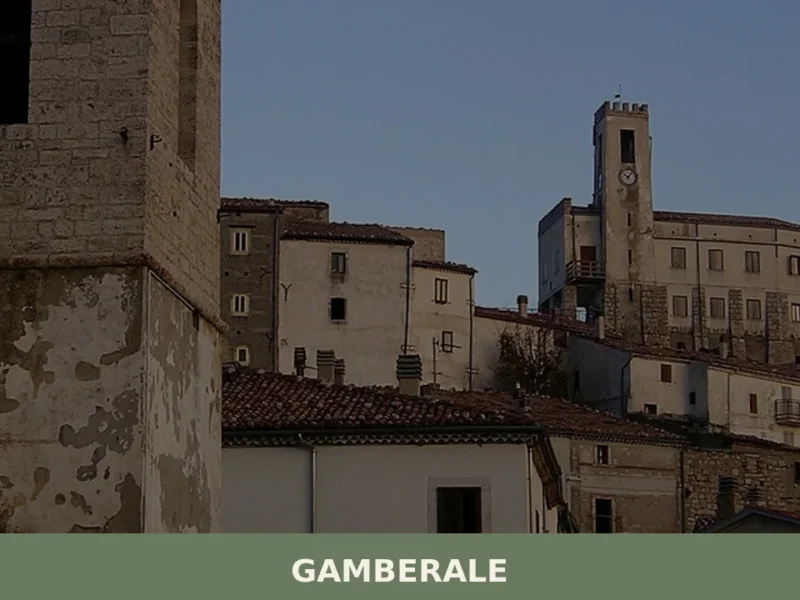
Gamberale
Mountain
At 1,343 metres above sea level, along the eastern ridge of the Majella mountains where the slopes descend towards the Sangro valleys, 277 residents keep alive a settlement that the catasto onciario of the Kingdom of Naples already recorded in the eighteenth century as a community of shepherds and charcoal burners. Visitors arriving in Gamberale […]
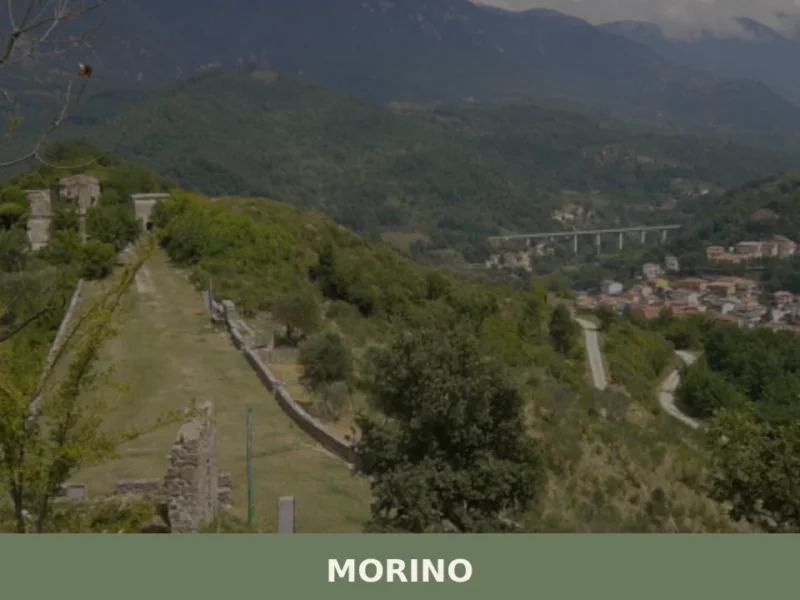
Morino
Mountain
What to see in Morino, Abruzzo, Italy: explore the Hermitage of Santa Maria del Cauto, the Roveto Valley, and 1,477 inhabitants' traditions. Discover it now.
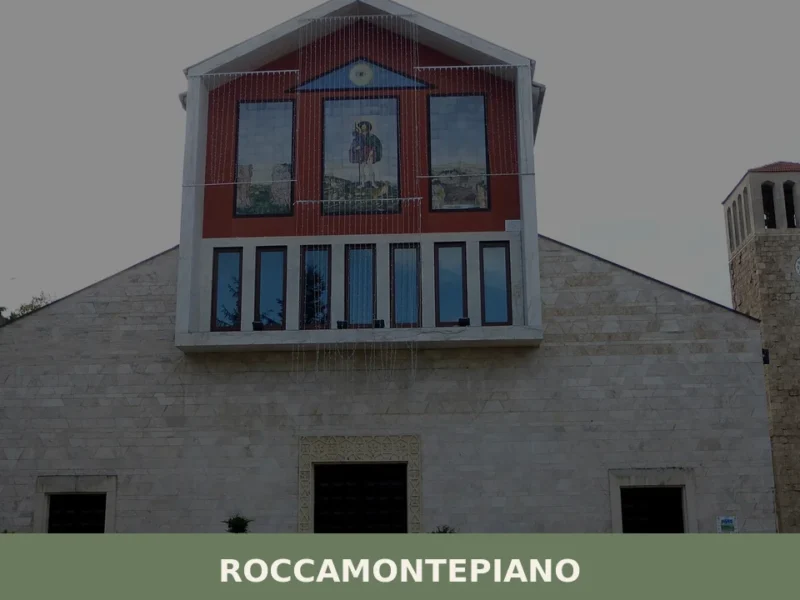
Roccamontepiano
 Hills
Hills
What to see in Roccamontepiano, Abruzzo, Italy: explore a hilltop village at 450 m with a 1765 landslide history. Discover the Saint Roch festival and more.
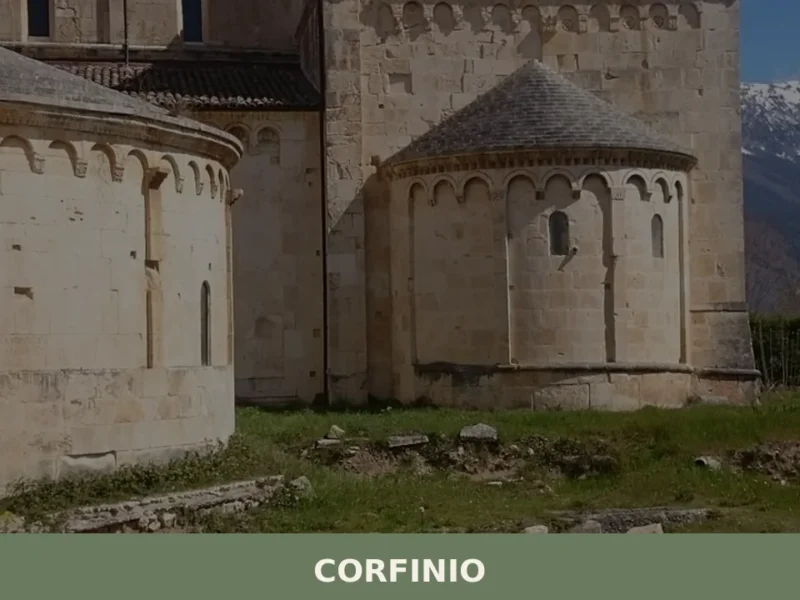
Corfinio
Hills
what to see in Corfinio, Italy: Explore this Abruzzese village at 346 m a.s.l., from its Roman past to the Museo Antonio De Nino. Discover Corfinio.
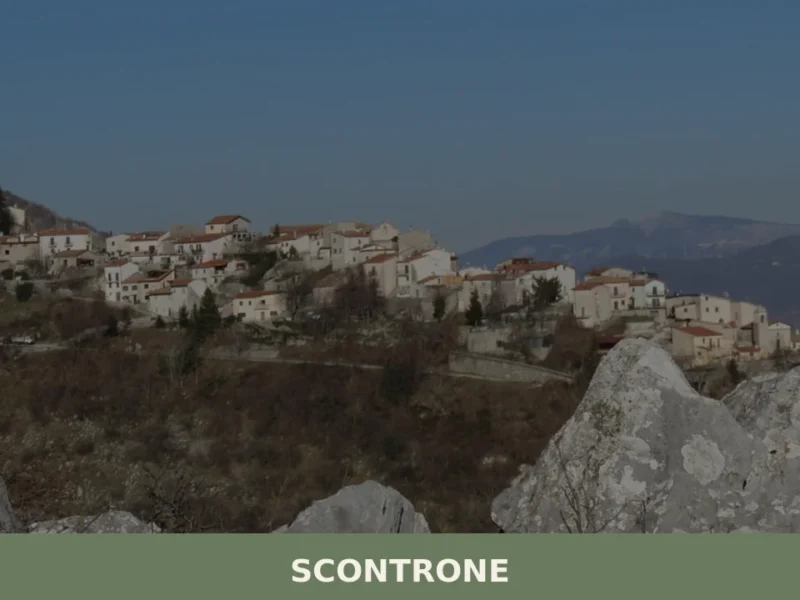
Scontrone
Mountain
What to See in Scontrone: explore the 5 top attractions in this Abruzzo village, featuring history and nature. Read the guide and plan your visit!
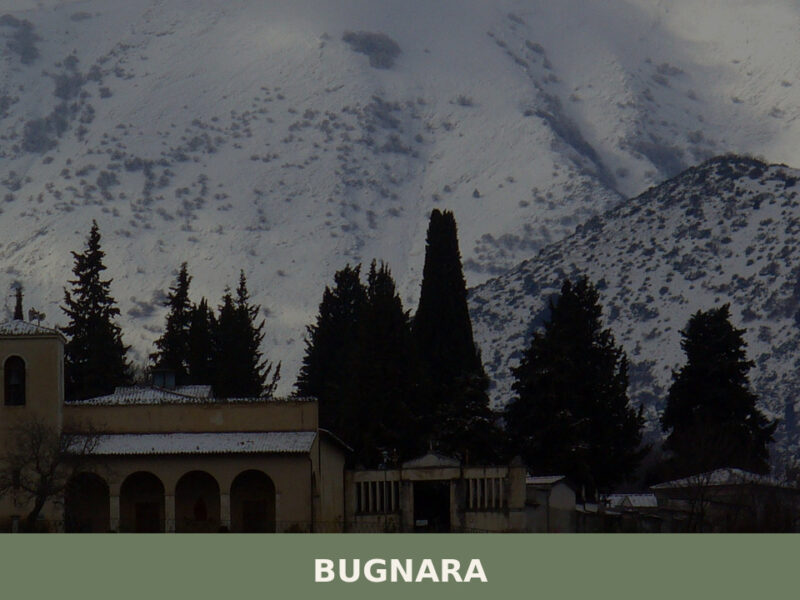
Bugnara
Hills
Morning light falls across the Sagittario valley in long, amber strokes, catching the limestone walls of a settlement that has watched over this corridor of central Abruzzo for the better part of a millennium. Bells from a church tower mark the hour, their sound flattening against the surrounding slopes before fading. The streets are narrow, […]
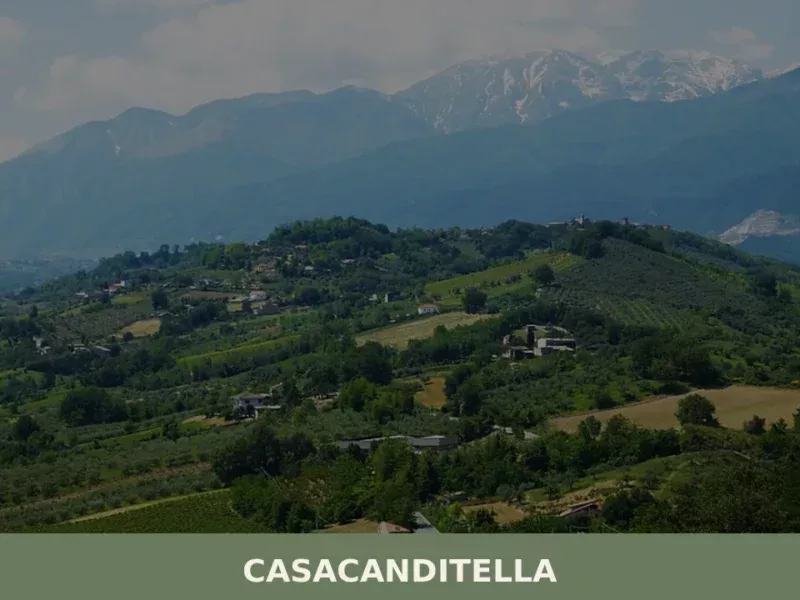
Casacanditella
Hills
At 432 metres above sea level, on the eastern slope of the Majella descending towards the Foro river valley, Casacanditella has 1,169 inhabitants and a municipal territory that extends entirely across hilly terrain in the province of Chieti. Anyone wondering what to see in Casacanditella will find a compact urban centre, a church dedicated to […]
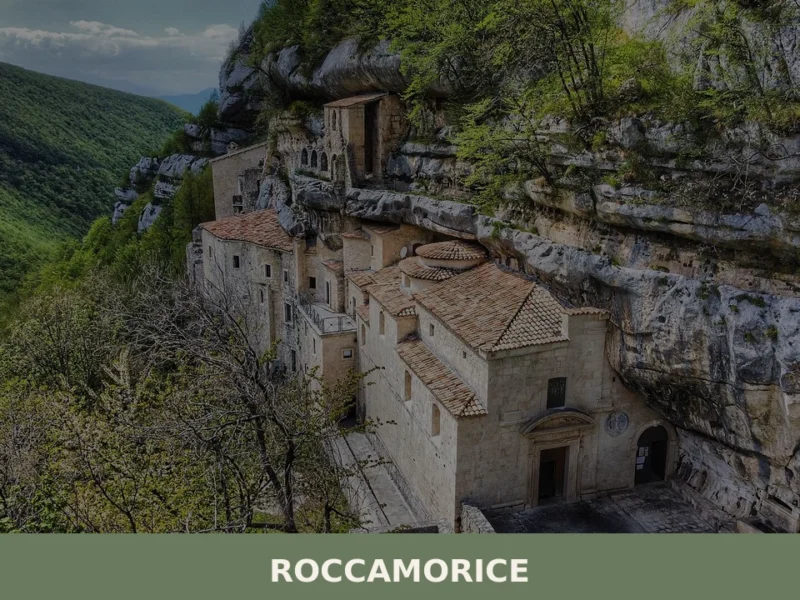
Roccamorice
Mountain
What to see in Roccamorice, Italy: discover rock-cut hermitages, the Majella National Park, and unique river-carved landscapes. Explore Abruzzo.
Castel di Sangro
Mountain
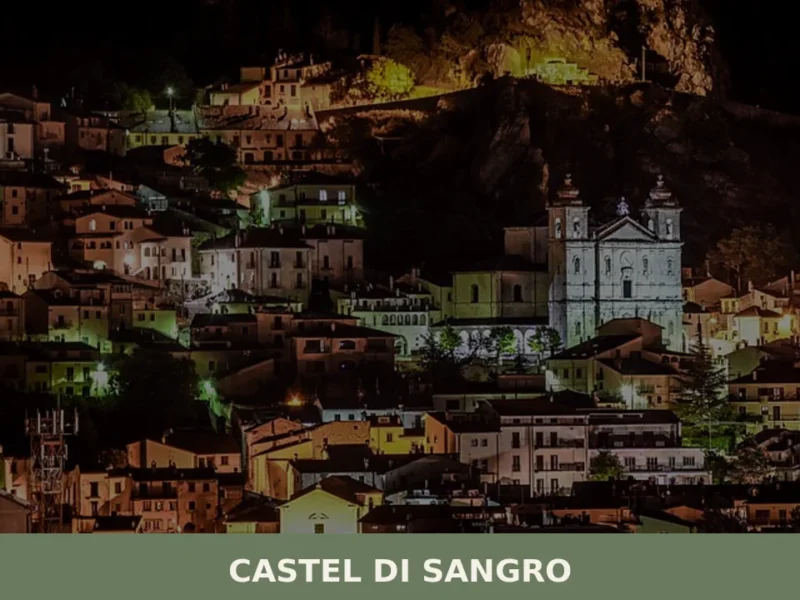
At 793 metres above sea level, on the plain where the River Sangro meets the Zittola stream, Castel di Sangro occupies a strategic position that the Samnites already controlled in the 4th century BC. Today it has 6,128 inhabitants and retains an urban layout split between the upper town — the hill with the remains […]
Vacri
 Sea
Sea
What to see in Vacri? Explore the 5 must-see attractions of this Abruzzese village. Discover history and breathtaking views. Read on and plan your itinerary!






🏡 Know Montelapiano better than we do?
If you’re a local or have been there, your knowledge matters: add what’s missing or fix a detail on this page.