


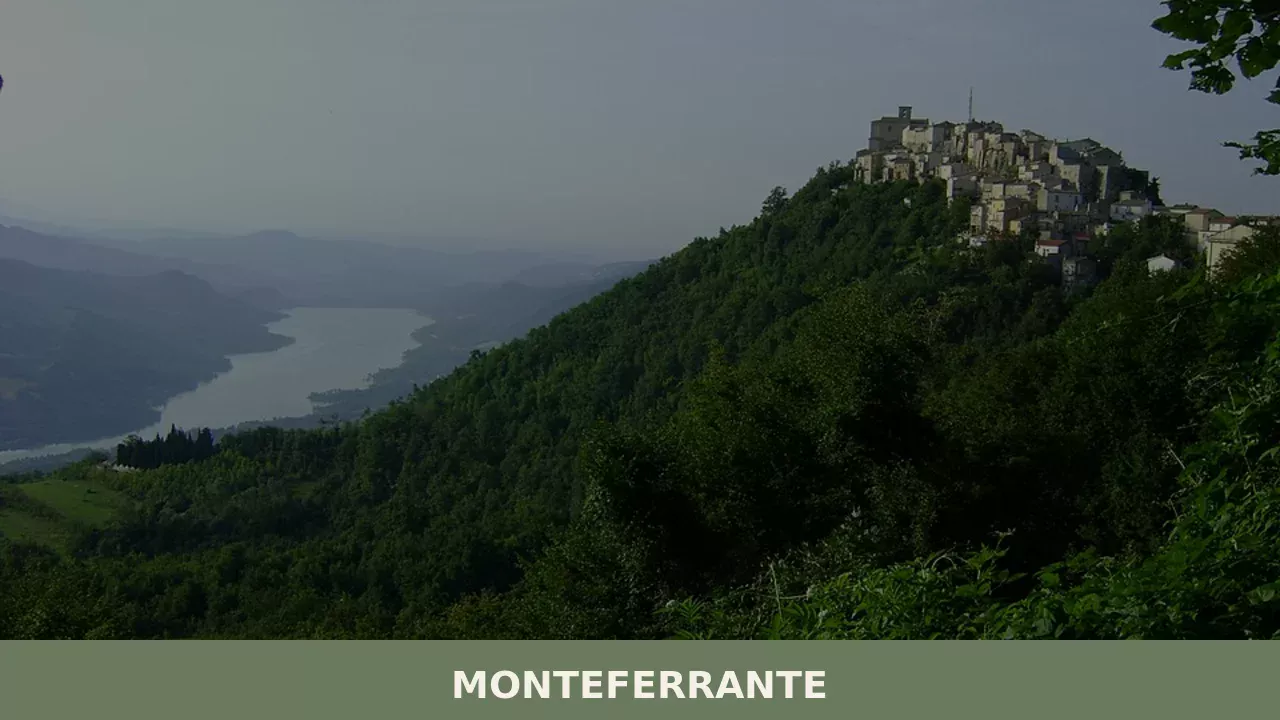
Monteferrante
 Mountain
What to see in Monteferrante: discover the 5 main attractions of this mountain village, from the Church of St. John the Baptist to natural trails. Plan your trip!
Discover Monteferrante
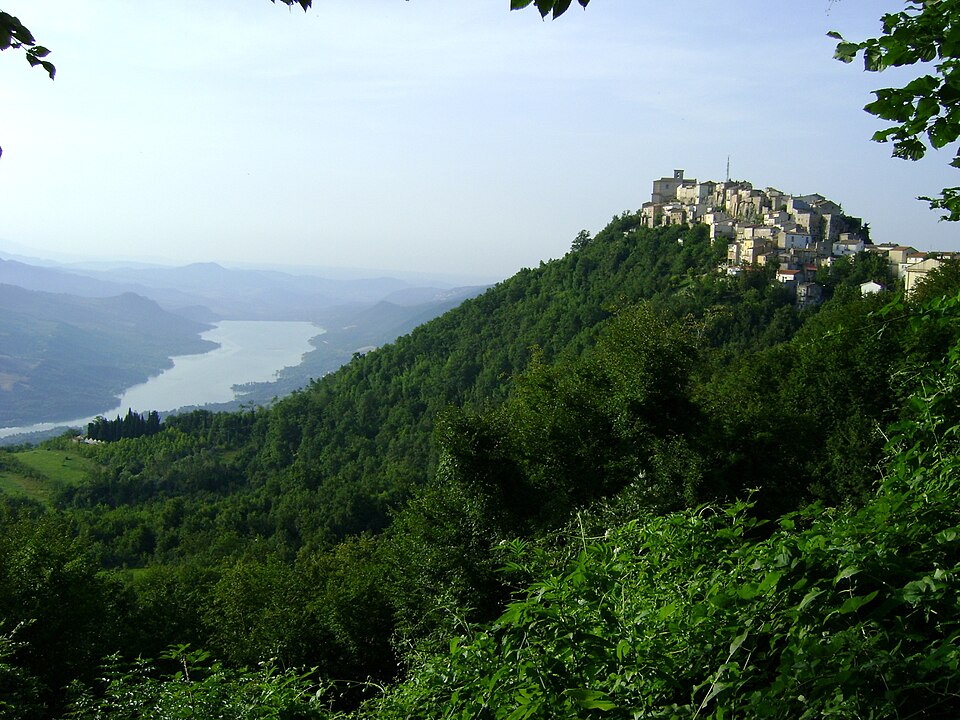
At 800 meters above sea level, in the heart of the province of Chieti, lies Monteferrante, a small town with just 106 inhabitants. Its history is rooted in a distant past, when human communities sought refuge and visual control over the surrounding valleys, building settlements in elevated positions.
The stone houses, typical of Abruzzo mountain architecture, cluster around the oldest core, outlining a discreet and robust profile against the hilly landscape.
This village, despite being one of the smallest in the region, preserves an authenticity that speaks of a deep connection with the territory and its natural resources, keeping centuries-old traditions alive.
Those wondering what to see in Monteferrante will discover a village that, despite its size, offers interesting views and the chance to immerse themselves in the tranquility of the mountains.
Among the main attractions, visitors can explore the Church of San Giovanni Battista, the hub of religious life, and walk the paths that branch out from the town center, offering panoramic views of the Sangro Valley.
The village, with its significant altitude, represents an ideal starting point for those seeking an authentic experience, far from the most crowded tourist circuits, and wishing to connect with Abruzzo’s history and nature.
History and Origins of Monteferrante
The origins of Monteferrante, like those of many mountain villages in Abruzzo, are linked to settlement and territorial control dynamics dating back to medieval times. Its elevated position at 800 m a.s.l. suggests a defensive or lookout function, typical of the castles and fortified settlements that dotted the region’s hills.
The village’s name itself might derive from “Monte Ferrante,” perhaps recalling the presence of ferrous minerals or, more probably, being associated with a family or historical figure bearing that name, although specific documentary sources are fragmented for the oldest periods.
This common historical context is also found in nearby villages like Carunchio, which share similar roots and an evolution linked to local lordships.
Over the centuries, Monteferrante likely followed the fate of the counties and duchies that succeeded one another in the Chieti area, passing under various feudal dominations.
Life in the village was dictated by the rhythms of agriculture and pastoralism, essential economic activities for the survival of mountain communities. The architecture of the historic center, despite its simplicity, testifies to the stratification of interventions and adaptations over time, with the prevalent use of local stone, a robust and readily available material.
Geographic isolation has often contributed to preserving cultural identity and local traditions, maintaining a strong link with the past.
The modern era has seen Monteferrante face challenges common to small rural centers, such as emigration and progressive depopulation, which have reduced its population to the current 106 inhabitants.
Despite this, the village retains its original urban layout and continues to be a point of reference for the surrounding territory, characterized by still unspoiled nature and a pace of life that invites reflection.
The village’s resilience to demographic and economic changes makes it an example of the tenacity of Abruzzo communities, who keep their historical and cultural identity alive even in the face of difficulties.
What to see in Monteferrante: main attractions
Church of San Giovanni Battista
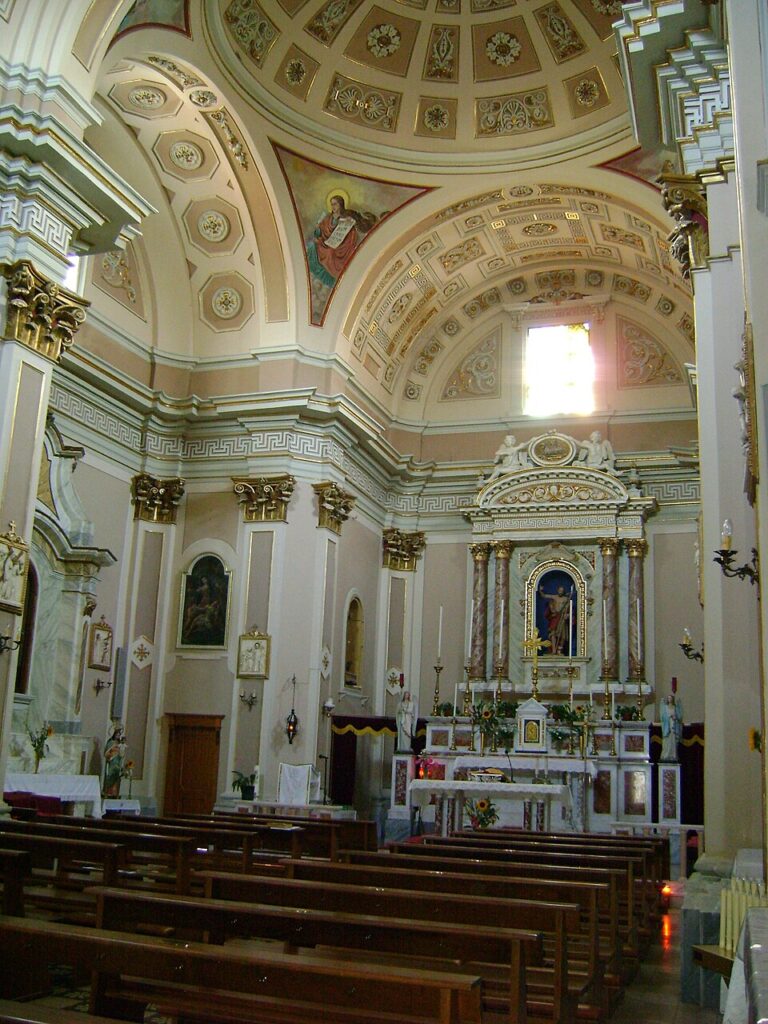
The main religious structure in Monteferrante is the Church of San Giovanni Battista, dedicated to the village’s patron saint. The building features a local stone facade, characterized by sober lines and a robustness that reflects the architecture of Abruzzo’s mountain churches. Its bell tower, probably rebuilt or modified in various historical phases, rises above the village roofs, serving as a visual landmark for those arriving from afar.
Inside, the church houses simple but significant decorative elements that narrate the community’s devotion over the centuries, with altars and niches accommodating statues of saints.
The current construction likely dates back to interventions after the 16th century, a period of significant religious building activity in Abruzzo, although its foundations may be older.
The patron saint’s feast day on June 24th, dedicated to San Giovanni Battista, represents a culminating moment for the community, with religious celebrations involving the entire population.
Visitors can appreciate the tranquility of the place and its importance as the spiritual center of the village, observing the details of the sacred artworks and the simple but effective liturgical apparatus.
The church is usually open during daylight hours, allowing easy access for both worshippers and tourists.
Historic Center and its Alleyways
Monteferrante’s historic center unfolds with a network of narrow and winding alleyways, snaking between houses built predominantly with exposed stone. The houses, often leaning against each other, create a compact urban fabric, typical of medieval defensive settlements.
Walking through these narrow streets, visitors can observe architectural details such as door and window frames, sometimes decorated with simple motifs or crafted from squared stone blocks, which speak of the artisanal care of past generations.
The village’s layout follows the terrain, with ascents and descents offering unexpected glimpses.
Every corner of the historic center can reveal a small courtyard, an external staircase, or a passage arch, elements that contribute to the discreet charm of the place. The main square, while not large, serves as a meeting point for residents and occasionally hosts local events. Here, an ancient fountain is often found, a source of water for the community for centuries.
It is advisable to explore the center on foot to fully grasp the atmosphere and details that cars would prevent from noticing, perhaps pausing to admire the spontaneous blossoms that adorn the stone walls during the warmer months.
Panoramic Viewpoints over the Sangro Valley
Given its altitude of 800 meters above sea level, Monteferrante offers several panoramic viewpoints that open onto vast horizons, dominating the picturesque Sangro Valley and the surrounding mountain ranges.
From the highest areas of the village, it is possible to observe the undulating profile of the hills sloping down towards the river, and on clearer days, to glimpse the Majella and Gran Sasso massifs in the distance. These observation points are not only places of contemplation but also bear witness to the village’s strategic position, which allowed visual control over large portions of territory, crucial in past eras for defense and communication.
One of the most accessible spots is usually near the cemetery or a green area adjacent to the village, reachable with a short walk from the center.
Here, benches or low stone walls invite visitors to pause, allowing them to enjoy the tranquility and vastness of the landscape. The view changes significantly with the seasons: from the intense green of spring and summer, to the warm colors of autumn, and the white of snow in winter.
For those wondering what to see in Monteferrante in terms of landscape, these viewpoints are certainly among the main attractions, offering an opportunity for photographs and a moment of relaxation immersed in Abruzzo’s nature.
Nature Trails and the Mountain Environment
Monteferrante, classified in the “Mountain” category, is surrounded by a natural environment that invites exploration through a network of trails.
These paths, often ancient communication routes or pastoral sheep tracks, delve into the beech and oak forests that characterize the Abruzzo Apennines. The vegetation is rich and varied, with the presence of arboreal and floral species typical of mountain areas, and provides refuge for wildlife including wild boars, foxes, badgers, and various species of birds of prey. The air is fresh and clean, making excursions a regenerating experience for both body and spirit.
The trails vary in difficulty and length, offering options for both short walks suitable for everyone and more demanding treks that can last several hours and re
It is advisable to inquire at the local Pro Loco, if available, or consult hiking maps to choose the most suitable route for your abilities and equipment. An example route could be one that descends towards the Sangro Valley, with an elevation drop of about 200 meters, offering different perspectives on the river landscape.
The excursion is an excellent way to discover what to see in Monteferrante outside the inhabited center, connecting with the mountain ecosystem.
The Old Fountain and the Public Washhouses
In the urban fabric of Monteferrante, as in many ancient Italian villages, water sources and public washhouses represented focal points of daily life. The Old Fountain, or a similar structure for collecting and distributing water, was a meeting and working place for the village women, who came here to draw water or wash clothes. These structures, often built from local stone, are distinguished by their functional simplicity and the elegance of forms dictated by practical use.
Their presence testifies to the ingenuity of communities in managing a vital resource in a mountain context.
Although running water is now present in all homes, the Old Fountain maintains its role as a historical testament and a characteristic element of the urban landscape.
Often, the water flowing from it is still drinkable and fresh, coming from mountain springs. The washhouses, with their stone basins, allow one to imagine life in times past, when these activities were an integral part of the daily rhythm. Visitors can seek out these testimonies of the past, appreciating their historical and cultural value.
These places offer an authentic perspective on the social life and customs of the generations who have inhabited Monteferrante, representing an attraction of ethnographic interest.
Typical cuisine and products of Monteferrante
The cuisine of Monteferrante, deeply linked to the mountain tradition of Abruzzo, reflects the availability of local resources.
Preparations are based on simple and genuine ingredients, the result of local agriculture and farming, with a strong emphasis on meats, cheeses, legumes, and cereals. The influence of pastoralism is evident in the preference for robust and flavorful dishes, suitable for sustaining work in the fields and pastures.
Recipes are often handed down from generation to generation, preserving the authentic flavors of the past and the wisdom of grandmothers in transforming raw ingredients.
Among the dishes that can be savored in this area, highlights include polenta with sausages and pork ribs, a classic of peasant cuisine, and legume soups, such as those made with beans or lentils, enriched with mountain aromatic herbs. Grilled meats are also popular, particularly lamb or pork, often accompanied by wild vegetables gathered nearby.
Traditional desserts, despite their simplicity, are rich in flavor, such as fiadoni, ravioli filled with cheese and eggs, or ferratelle, crispy waffles prepared with special irons.
The Abruzzo region, and particularly the Chieti area, boasts numerous certified products that can also be found in Monteferrante or nearby.
Among these are Arrosticini (PAT) — municipalities: Pescara, Chieti, Teramo, L’Aquila, which are skewers of sheep meat, a symbol of regional gastronomy, prepared on the grill. Cheeses hold a place of honor: Caciocavallo abruzzese (PAT) — municipalities: Pescara, Chieti, Teramo, L’Aquila, a seasoned stretched-curd cheese, and Caciotta vaccina frentana, Formaggio di vacca, Casce d’vacc (PAT) — municipalities: Chieti, Lanciano, Vasto, Atessa, which are expressions of the local dairy tradition.
For cured meat lovers, Coppa di testa, La Coppa (PAT) — municipalities: Pescara, Chieti, Teramo, L’Aquila, is a flavorful cured sausage. One cannot forget Centerba or Cianterba (PAT) — municipalities: L’Aquila, Pescara, Chieti, Teramo, a digestive liqueur made from mountain medicinal herbs, much appreciated for its properties and intense taste.
Visitors to Monteferrante can also find products such as Sulmona Red Garlic (PAT) — municipalities: Sulmona, Pratola Peligna, Campo di Giove, which, although typical of the Peligna Valley, is widespread throughout the region for its characteristic flavor.
To purchase these typical products, it is advisable to visit the small grocery stores in the village or the weekly markets held in the larger towns of the province.
During local festivals, often linked to religious events or harvest celebrations, it is possible to taste and buy directly from producers, ensuring the freshness and authenticity of the flavors. These occasions represent an excellent opportunity to discover the gastronomic richness of the area and to take home a piece of Monteferrante’s culinary culture.
Festivals, events, and traditions of Monteferrante
Monteferrante’s calendar is marked by events that celebrate religious and popular traditions, keeping the sense of community alive.
The most significant festival is dedicated to Saint John the Baptist, the patron saint of the village, celebrated on June 24th. On this day, the community gathers to participate in religious functions, culminating in a solemn procession through the village streets.
The statue of the saint is carried on the shoulders of the faithful, accompanied by songs and prayers, in a ritual that combines devotion and folklore.
The celebration is a gathering moment for residents and for those who, despite having moved away, return to honor their roots.
In addition to religious ceremonies, the patron saint’s festival is often enriched by civic events, such as traditional music concerts, evening shows, and stalls offering typical products and local crafts. Although sources do not detail other specific festivals for Monteferrante, it is common in Abruzzo for the summer months to see numerous food and wine events flourish in the surrounding villages, where seasonal products and culinary specialties can be tasted.
These events represent valuable opportunities to immerse oneself in local culture, discover the customs of the area, and enjoy the hospitality of the inhabitants, helping to keep alive the identity of the small mountain village.
An opportunity to appreciate local traditions can also be found in villages like Basciano, which share similar celebrations linked to the agricultural and religious cycle.
When to visit Monteferrante and how to get there
The best time to visit Monteferrante depends on the traveler’s preferences and the type of experience desired.
Spring and summer, from May to September, offer mild temperatures and longer days, ideal for exploring nature trails and enjoying the views over the Sangro Valley. In these months, the vegetation is lush and the climate is favorable for outdoor activities, although July and August can be more crowded, especially coinciding with the patron saint’s festival.
Autumn, with its warm colors and cool temperatures, is perfect for those seeking tranquility and appreciating forest landscapes tinged with red and gold, in addition to offering opportunities for mushroom and chestnut picking. Winter, with snow, transforms the village into a picturesque landscape, suitable for lovers of peace and winter atmospheres, even if some mountain roads may require specific equipment.
Reaching Monteferrante, given its mountain location and a population of 106 inhabitants, requires some planning.
By car, the village can be reached by taking the A14 Adriatica motorway to the Val di Sangro exit, from which you then continue on provincial roads towards the inland, for about 40-50 kilometers.
The journey from the exit can take about an hour, through hilly and mountainous landscapes. The nearest train station is in Lanciano or Fossacesia, on the Adriatic line, from which it is possible to continue with local bus services, although their frequency is limited.
For those arriving by plane, the most convenient airport is Abruzzo Airport in Pescara, about 80 kilometers away, with a driving time of approximately one and a half hours.
It is advisable to check public transport timetables and road conditions, especially in winter, by consulting the official website of the municipality of Monteferrante for updated information.
| Starting point | Distance | Estimated time |
|---|---|---|
| Pescara | Circa 80 km | 1h 30 min |
| Chieti | Circa 60 km | 1h 15 min |
| Roma | Circa 230 km | 2h 45 min |
Where to stay in Monteferrante
For those wishing to stay directly in Monteferrante or in the immediate vicinity, accommodation options reflect the authentic and tranquil nature of the village.
Given its small size and a population of 106 inhabitants, large hotel structures are not found, but rather more intimate solutions linked to the territory.
It is possible to find small holiday homes, privately managed rental apartments, or family-run Bed & Breakfasts that offer genuine hospitality and the chance to experience local life more closely.
These accommodations are often converted from old stone houses, carefully restored to maintain their original character, but equipped with all modern comforts.
In the surrounding areas and larger municipalities of the Sangro Valley, a few kilometers away, you can find agriturismi (farm stays) that offer not only accommodation but also the opportunity to taste zero-kilometer products and participate in agricultural activities.
These establishments represent an excellent choice for those seeking a stay immersed in nature and Abruzzo’s rural tradition. It is recommended to book in advance, especially during high season or for local events, and to check availability and services offered by consulting online booking portals or the municipality’s website for any contacts of affiliated accommodation facilities.
Photo Gallery of Monteferrante
Frequently asked questions about Monteferrante
What is the best time to visit Monteferrante?
Monteferrante, nestled at 800 meters, offers unique charm throughout the year. The ideal time depends on your preference. For vibrant nature and outdoor activities like hiking on its trails, late spring and summer (May to September) are excellent, with fresh air and lush greenery. Don't miss the patron saint's feast day for San Giovanni Battista on June 24th, a significant local event. Autumn provides stunning foliage and mild temperatures, perfect for scenic drives and photography of the Sangro Valley. Winter offers a serene, snow-covered landscape for those seeking tranquility.
What to see in Monteferrante? Main monuments and landmarks
Monteferrante, though small, offers several points of interest. The central attraction is the Church of San Giovanni Battista, dedicated to the patron saint, featuring a robust local stone facade and a prominent bell tower. It's usually open during daylight hours, allowing visitors to appreciate its simple yet significant interiors. Explore the Historic Center and its Alleyways, a labyrinth of narrow streets winding between ancient stone houses, revealing architectural details and charming courtyards. Don't miss the Old Fountain and Public Washhouses, historical testaments to daily life, where you can often find fresh, drinkable spring water.
What are the main natural or scenic attractions of Monteferrante?
Monteferrante's natural setting is a key draw. Its Panoramic Viewpoints offer breathtaking vistas over the Sangro Valley, and on clear days, you can glimpse the distant Majella and Gran Sasso massifs. A particularly accessible spot is often found near the cemetery or an adjacent green area, providing ideal photo opportunities. The village is also an excellent starting point for Nature Trails that weave through beech and oak forests of the Abruzzo Apennines, offering regenerating walks amidst varied flora and fauna. These paths cater to different fitness levels, connecting visitors with the pristine mountain ecosystem.
Where to take the best photos in Monteferrante?
For stunning photographs in Monteferrante, head to the Panoramic Viewpoints located in the highest areas of the village, often near the cemetery or a green space. These spots offer sweeping vistas of the Sangro Valley and, on clear days, the distant peaks of Majella and Gran Sasso, with views changing beautifully with the seasons. Within the Historic Center, the narrow, winding alleyways, with their characteristic stone houses, ancient doorways, and spontaneous blossoms, provide countless picturesque corners perfect for capturing the authentic charm and timeless atmosphere of this Abruzzese village.
Are there museums, churches or historic buildings to visit in Monteferrante?
Yes, Monteferrante offers historical and religious sites. The primary one is the Church of San Giovanni Battista, the village's spiritual heart, characterized by its robust local stone architecture and bell tower. It is generally open during daylight hours for visitors to explore its simple yet meaningful interiors. The entire Historic Center functions as an open-air museum, with its medieval layout, ancient stone houses, winding alleyways, and historical elements like the Old Fountain and Public Washhouses, which testify to centuries of community life and traditional craftsmanship.
What can you do in Monteferrante? Activities and experiences
In Monteferrante, you can immerse yourself in authentic mountain tranquility. Explore the historic center on foot, discovering its ancient stone houses, narrow alleyways, and the Church of San Giovanni Battista. Take advantage of the Panoramic Viewpoints to admire the vast Sangro Valley and surrounding mountains. For active visitors, the village serves as an ideal base for hiking on nature trails through beech and oak forests, offering regenerating experiences amidst pristine Abruzzese nature. It's a perfect destination for those seeking a peaceful escape, connecting with history, and enjoying the serene mountain environment.
Who is Monteferrante suitable for? Families, couples, hikers, solo travelers?
Monteferrante is ideal for travelers seeking an authentic, tranquil, and off-the-beaten-path experience. It's perfectly suited for hikers and nature lovers eager to explore mountain trails and enjoy panoramic views. Couples and solo travelers will appreciate the serene atmosphere, the slow pace of life, and the opportunity for reflection amidst unspoiled nature. Those interested in Abruzzese history and culture, particularly the traditional mountain village lifestyle, will find Monteferrante a captivating destination, far removed from crowded tourist circuits.
📷 Photo Gallery — Monteferrante
Nearby Villages near Monteferrante

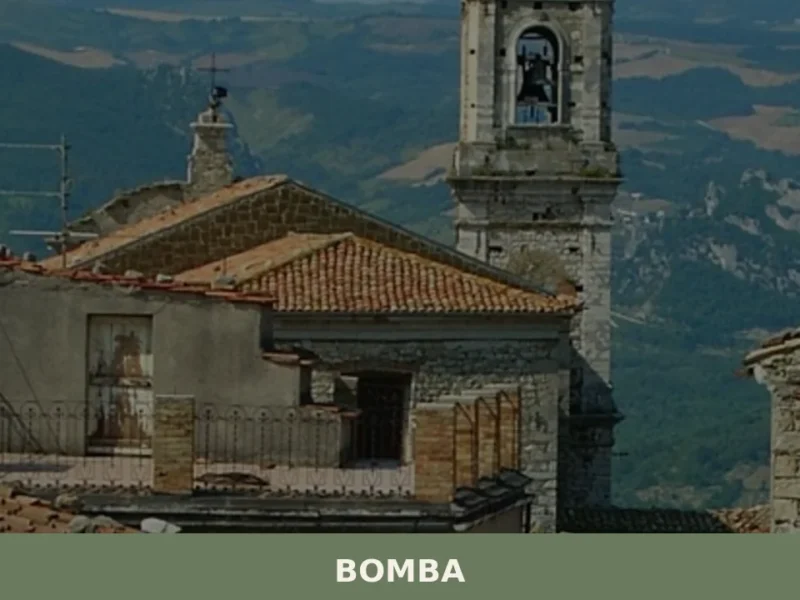
In Abruzzo More villages to discover

Taranta Peligna
Mountain
What to see in Taranta Peligna, Italy: explore the Maiella mountains from this village of 384 inhabitants. Discover Cavallone Cave and the Military Shrine. Read more.
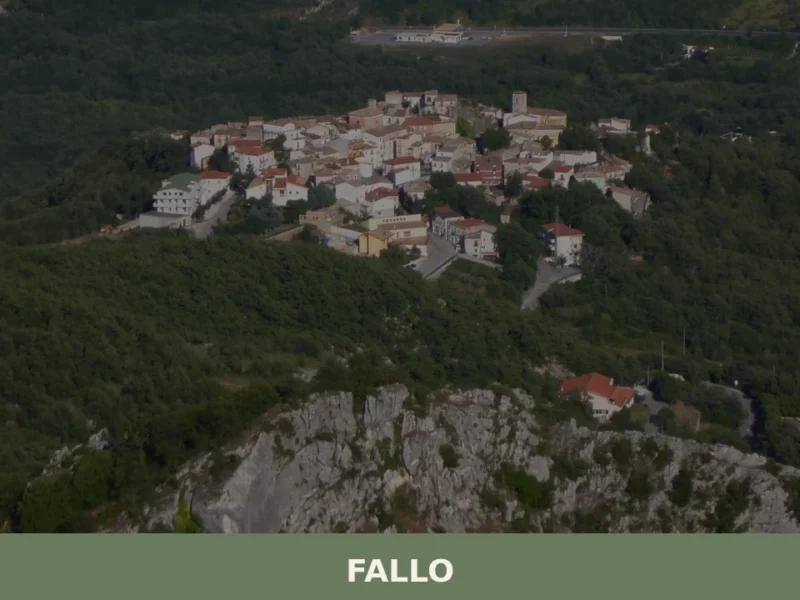
Fallo
 Hills
Hills
With its 134 registered inhabitants, Fallo, in the province of Chieti, is confirmed as one of Abruzzo’s least populous settlements, a fact that immediately defines its intimate scale and unique relationship with the surrounding territory. This small urban cluster, situated on a rocky spur overlooking the Sangro valley, offers a genuine glimpse into Abruzzese mountain […]
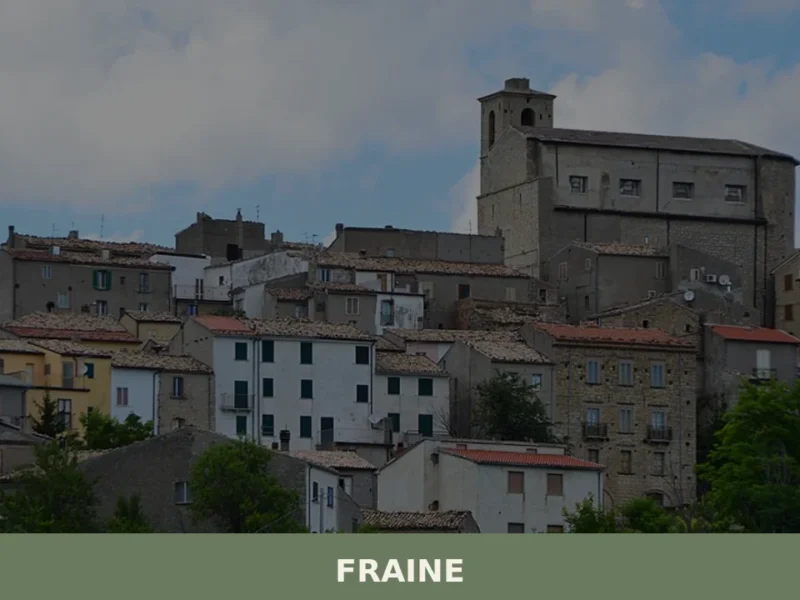
Fraine
Mountain
At 751 meters above sea level, in the Chieti area, lies Fraine, a municipality with a population of 261 inhabitants. This village, whose history dates back to the 10th-11th century, serves as an observation point over the Alto Vastese territory. For those wondering what to see in fraine, the town offers a journey through the […]
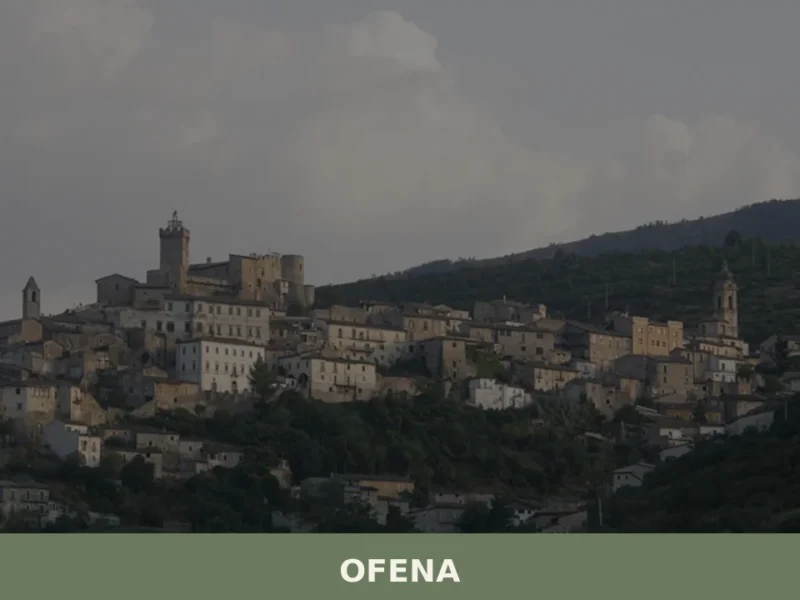
Ofena
Mountain
What to see in Ofena, Italy: Explore its historical significance as Aufinium and the Gran Sasso e Monti della Laga National Park. This village of 517 inhabitants offers a journey into Abruzzo's past. Read our guide.
Fossa
Mountain
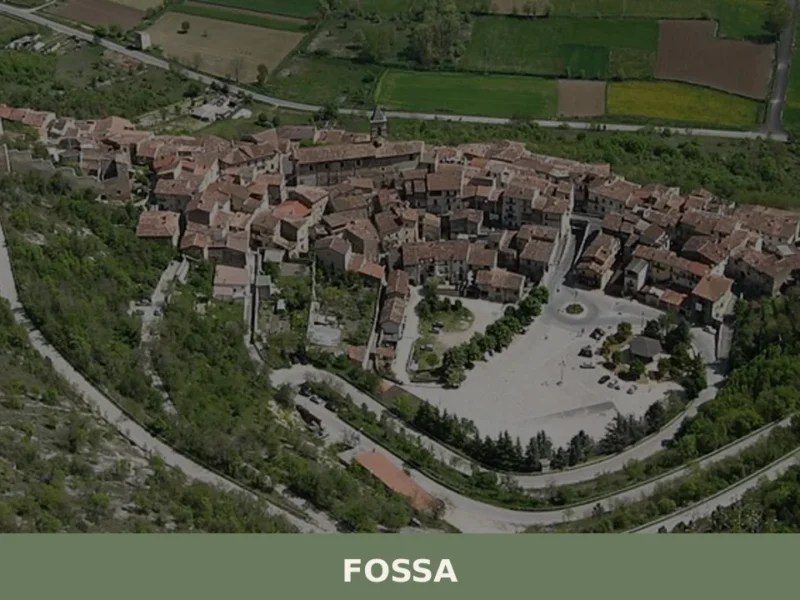
The Vestine necropolis of Fossa, unearthed in 1992 along the state road 17, revealed over six hundred tombs dating from the 9th to the 1st century BC — a discovery that rewrote our understanding of pre-Roman central Italy. Anyone wondering what to see in Fossa will find a solid starting point here: a village of […]
Rapino
Hills
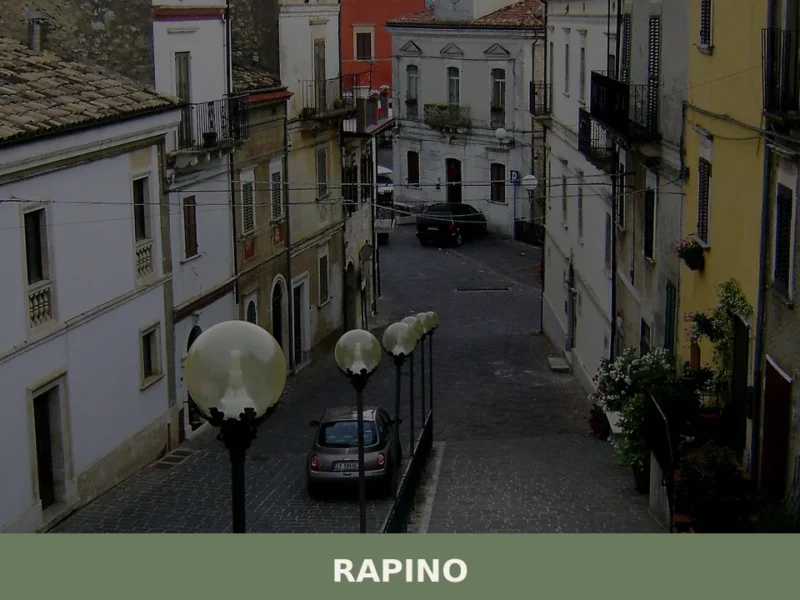
What to see in Rapino: discover the 5 top attractions in this Abruzzo village, from the castle to traditional ceramics. Plan your visit.
Oricola
Mountain
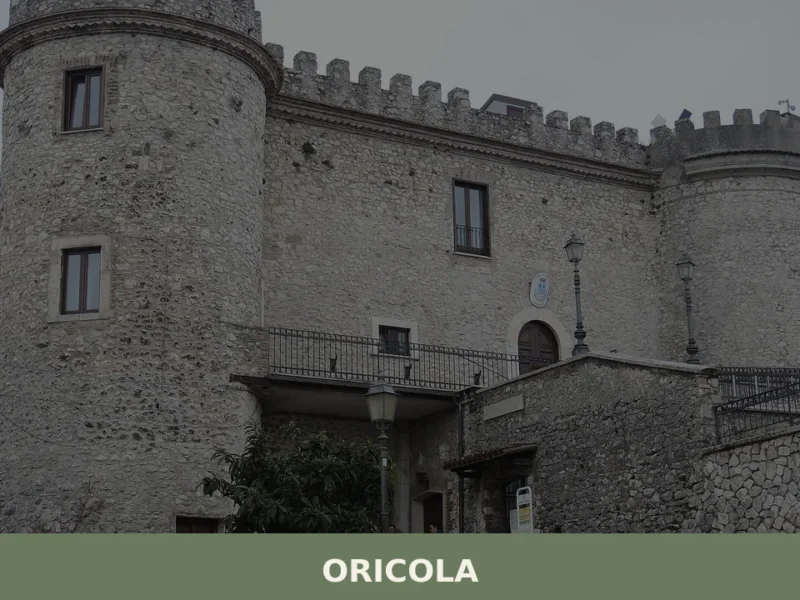
What to see in Oricola, Italy? Explore its 1,182 inhabitants, ancient Italic settlements, and a mid-15th century fortress. Discover this Abruzzo village.
Tufillo
Hills
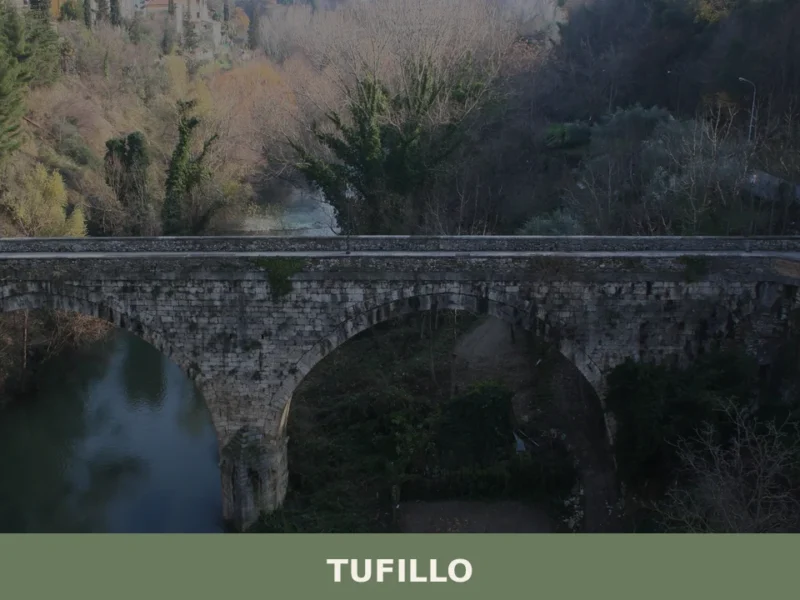
What to see in Tufillo, Abruzzo, Italy: a village of 456 inhabitants in the Province of Chieti. Discover top attractions, local food, and how to get there.
Castilenti
Hills
At 272 metres above sea level, along the valley of the Fino torrent, Castilenti has a current population of 1,346 and occupies a stretch of hilly terrain in the province of Teramo where olive cultivation marks the landscape with orderly rows of trees and still-active oil mills. Anyone wondering what to see in Castilenti will […]
Montereale
Mountain
What to see in Montereale in Abruzzo: Romanesque churches, medieval walls, mountain cuisine and Laga trails. Complete guide to the village at 948 m.




🏡 Know Monteferrante better than we do?
If you’re a local or have been there, your knowledge matters: add what’s missing or fix a detail on this page.