


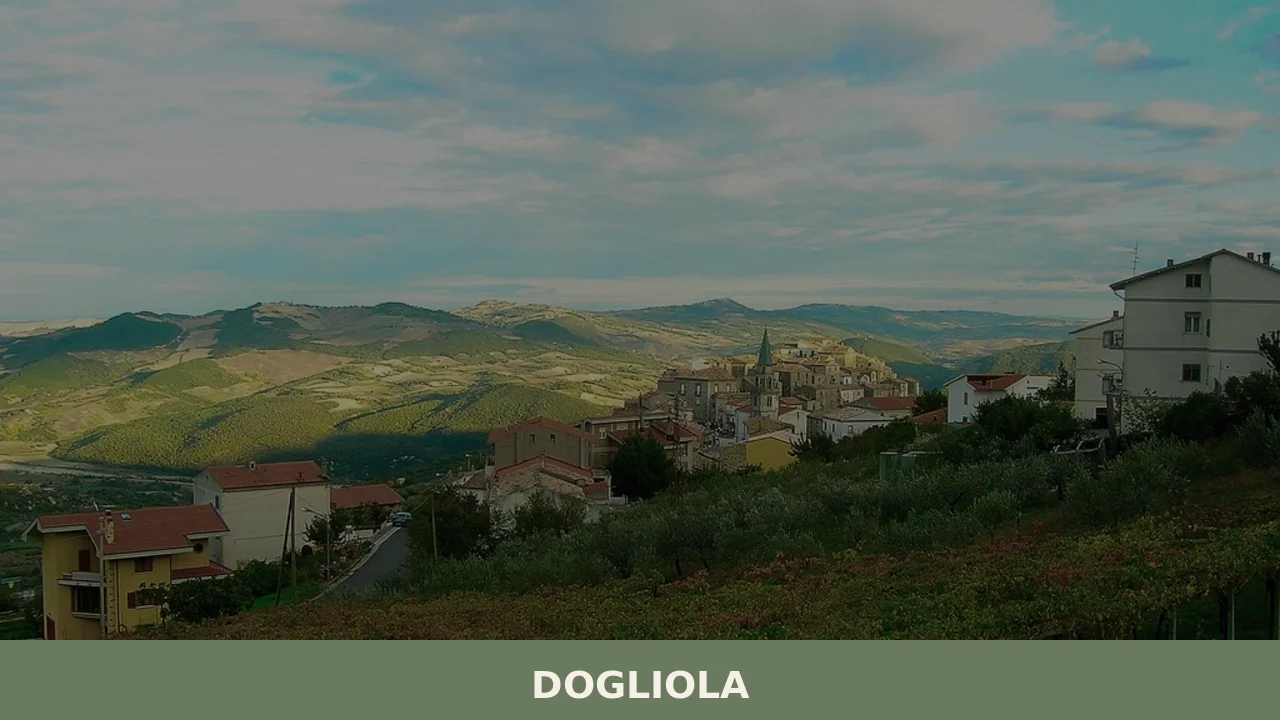

what to see in dogliola, Italy: Discover the 445 m elevation, 311 residents, and San Rocco festival. Explore rich history and stunning landmarks.
Discover Dogliola
The sandstone walls stand resiliently against the advancing years, their surfaces tracing the earth’s story through visible strata. From this promontory, the village of Dogliola gazes over the undulating river Trigno valley. The timeless sight of these sun-baked stones blends with the verdant sweep below, evoking a sense of continuity and belonging that transcends modern boundaries.
When considering what to see in Dogliola, visitors are enchanted by its blend of cultural treasures and natural beauty.
At an altitude of 445 meters above sea level, this village of 311 residents offers both serenity and discovery. Among its highlights are the patronal feast of San Rocco on 20 June and the breathtaking views of the Trigno valley. Whether you’re meandering through ancient alleys or joining a vibrant festival, Dogliola captures an authentic piece of Italy.
History of Dogliola
The origins of Dogliola are steeped in the region’s evolving history. Although precise founding dates remain elusive, its location in Abruzzo suggests settlement during the Byzantine or Lombard periods due to strategic reasons. The village’s name, whether derived from Latin or locally inspired terms, tells the poignant story of a community bound closely to its surroundings.
Dogliola experienced significant transformations through the Middle Ages, aligning with regional developments in agriculture and trade.
Fortifications likely characterized the landscape, marking the village as a pivotal outpost near the Trigno River. These defensive structures played essential roles in resisting invasions and supporting commerce across this rugged terrain.
In the ensuing centuries, Dogliola adapted to broader political changes within Italy, transitioning from feudal control to modern governance. This evolution was marked by infrastructural improvements and cultural enrichments, with the present-day village embodying a rich tapestry of ancient traditions joined seamlessly with contemporary life.
What to see in Dogliola, Abruzzo: top attractions
Church of San Rocco
The carved stone portal of the Church of San Rocco stands as a testament to centuries of faith and community. This ancient church, situated at the heart of Dogliola, dates back to a period of significant architectural endeavors in the region. Inside, visitors find intricate frescoes and a peaceful ambiance.
This site becomes particularly lively during the saint’s feast on 20 June, offering both solemnity and celebration.
Trigno Valley Viewpoint
The panoramic view from Dogliola over the Trigno Valley captures the eye with 25 km (16 mi) expanses of lush landscapes and rolling hills. This vantage point, accessible by a short hike, provides not only breathtaking scenery but also insights into the geographical significance of the area as a natural crossroads. Optimal visiting occurs in late spring or early autumn when nature is at its most dynamic.
Historic Centre’s Alleys
The cobblestone alleys of Dogliola create a labyrinth reflecting the village’s medieval past. Each winding path reveals stories through the architecture, enhanced by niches and stone fountains. These paths lead to modest, welcoming squares where community life pulses. Visit early morning to feel the village waking, a serene prelude to a day of exploration.
Piazza Centrale
Dogliola’s central square is more than merely a hub of activity; it is where past and present converge. The square, surrounded by structures that have seen decades of life, hosts regular markets and gatherings.
During local events, it brims with life, showcasing Dogliola’s cultural vibrancy. Plan your visit around market days for a taste of the local bounty.
Fontana Vecchia
This historic fountain, dating back to the 14th century, whispers tales of community and resourcefulness. Located on the village periphery, it once served as a crucial water source. Today, it invites visitors to pause and reflect on the simple utilities that shaped life. Spring water runs freely, offering refreshment and a connection to past village life.
Local food and typical products of Dogliola
In Dogliola, the gastronomic tradition is deeply intertwined with the environment of Abruzzo. This region’s culinary heritage reflects a blend of pastoral and coastal influences, emphasizing simple, hearty ingredients. Dairy farms and olive groves around Dogliola contribute fresh products that enhance every meal with a distinct flavor.
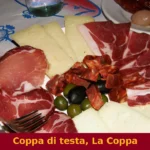
Typical dishes in Dogliola focus on local produce and time-honored recipes. The Arrosticini, skewers of marinated mutton or lamb, are a celebrated staple in regional cuisine.
Another must-try is the Porchetta, a savory, boned pork roast infused with garlic and rosemary. Handcrafted pastas such as Chitarra nod to tradition, perfectly complemented by rich tomato sauces.
Despite its size, Dogliola does not feature certified products due to a lack of formal certification processes in this tightly bound community. However, the authenticity of its food speaks to an unbroken history of local agriculture and craftsmanship.
The vibrancy of Dogliola’s food culture often emerges during local markets and festivals, particularly those accompanying the San Rocco Festival in June. These gatherings offer excellent opportunities to interact with vendors and sample the village’s offerings. Market days ensure visitors not only take memories but tangible flavors home.
Festivals, events and traditions of Dogliola
The feast of San Rocco in Dogliola is a key cultural event held on 20 June, honoring the village’s patron saint with sincere devotion.
This festivity unfolds with colorful processions through narrow streets, accompanied by traditional music and vibrant community participation. It’s a day where modern life gracefully intertwines with age-old traditions.
The festival is marked not only by religious observances but also by social events that prepare the ground for familial gatherings. Local vendors sell freshly prepared meals, inviting attendees to indulge in the region’s culinary arts. This celebration provides both a spiritual and sensory feast, anchoring the community’s shared heritage.
When to visit Dogliola, Italy and how to get there
The best time to visit Dogliola is during late spring or fall when the weather is mild, providing an ideal climate for outdoor exploration. Springtime brings a lush verdancy to surrounding landscapes, while autumn offers striking colors and cooler days, ideal for exploring both historical sites and natural attractions.
To reach Dogliola, travelers can take the A14 motorway, exiting at Vasto Nord and continuing for about 25 km (16 mi).
Nearby train stations in Vasto provide railway access, connecting to national lines for those coming from major cities. The Leonardo da Vinci-Fiumicino Airport, located approximately 250 km (155 mi) away in Rome, serves as the nearest international hub. For current schedules, see Trenitalia.
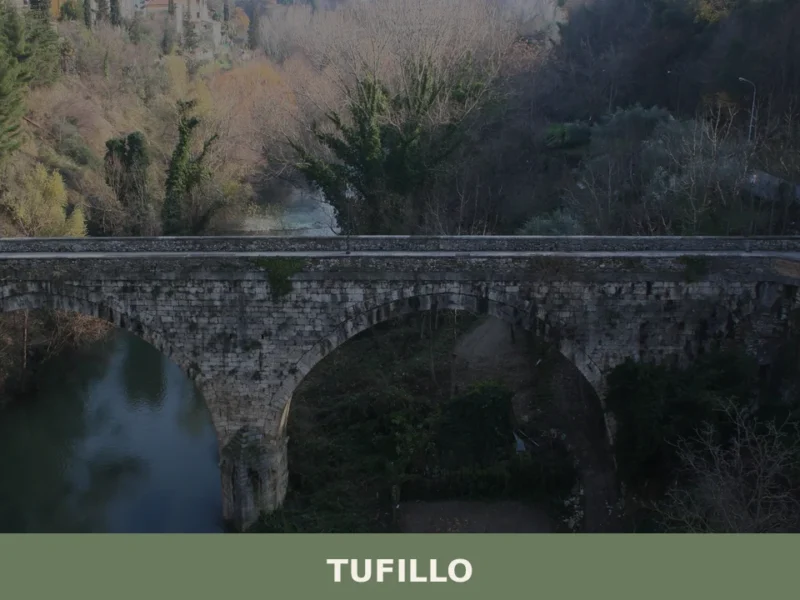
Keep in mind that English might not be widely spoken in smaller local establishments, so carrying some Euros and understanding basic Italian phrases can enhance your experience. Visitors may also explore nearby villages, such as Tufillo, sharing similar cultural roots and historical depth.
Nearby Villages near Dogliola
In Abruzzo More villages to discover
Castel di Ieri
 Hills
Hills
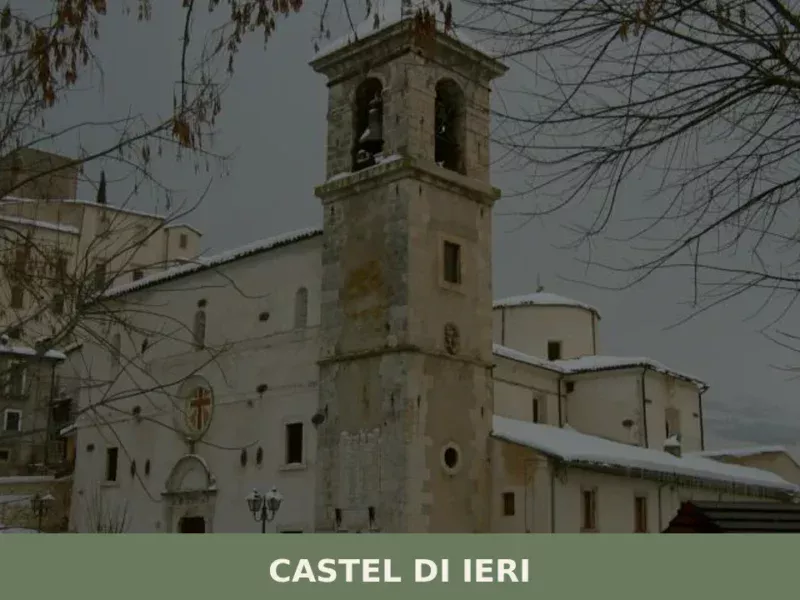
In Castel di Ieri, a village of 289 registered inhabitants at 519 metres above sea level in the Valle Subequana, the most significant feature lies underground: an Italic temple from the 1st century BC, unearthed during the 1980s, which redrew the archaeological map of inland Abruzzo. Anyone looking into what to see in Castel di […]
Castelguidone
 Mountain
Castelguidone has 294 inhabitants and occupies a ridge at 775 metres above sea level in the upper Trigno valley, on the border between Abruzzo and Molise. The place name, documented in Angevin records from the 13th century, points to a fortified settlement linked to a feudal lord named Guidone. Anyone looking for what to see […]
Casalanguida
Hills
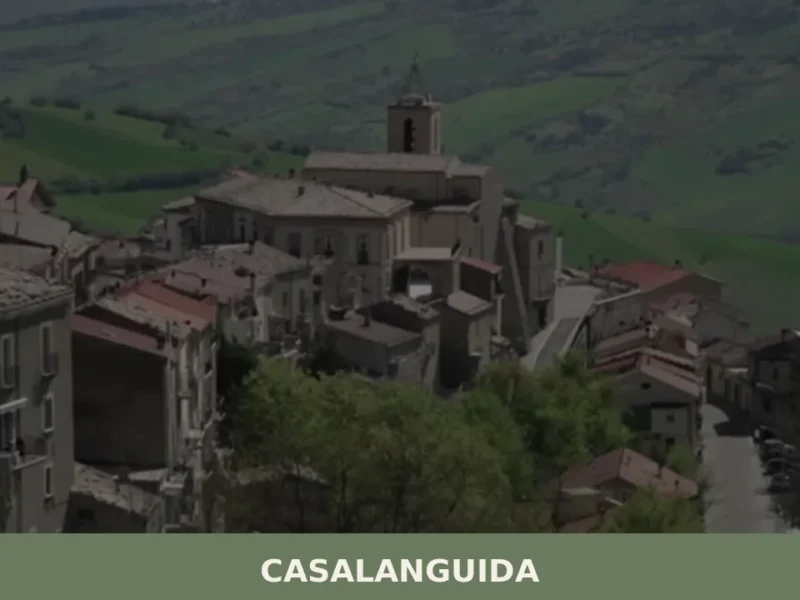
With its 818 registered inhabitants and an elevation of 470 metres above sea level, Casalanguida occupies a hilltop ridge in the middle Sinello valley, in the province of Chieti. The municipal territory extends across vineyards and olive groves that mark the landscape with regular geometric patterns, visible from the provincial road that climbs up from […]
Pennapiedimonte
Mountain
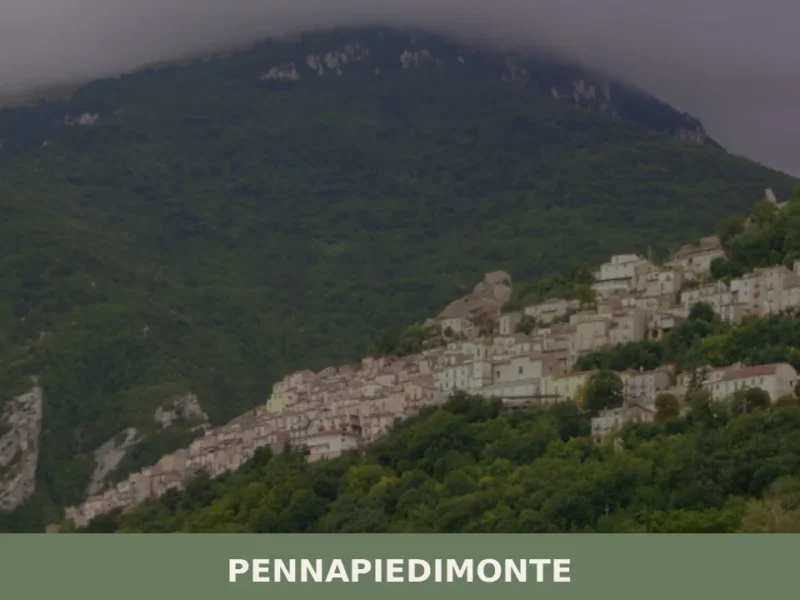
Pennapiedimonte is a mountain comune of 384 residents in the province of Chieti, set at 682 metres within the Parco Nazionale della Maiella in Abruzzo.
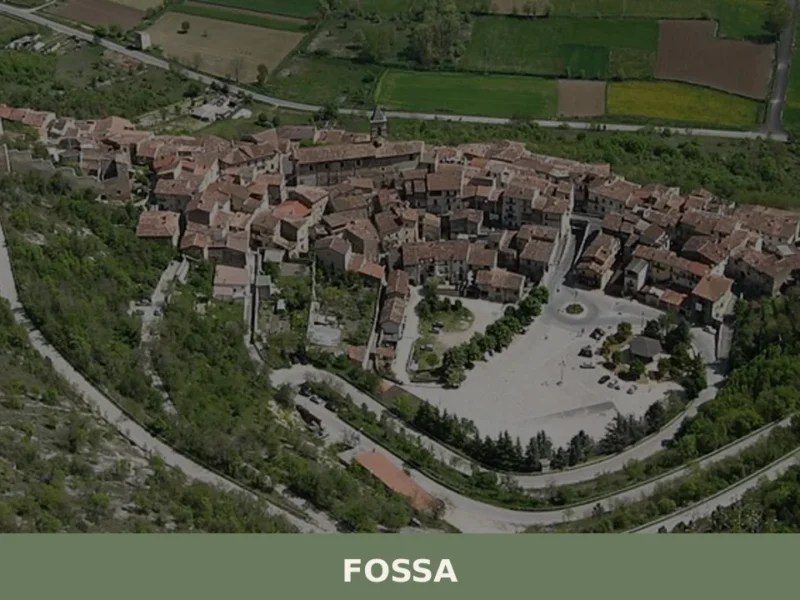
Fossa
Mountain
The Vestine necropolis of Fossa, unearthed in 1992 along the state road 17, revealed over six hundred tombs dating from the 9th to the 1st century BC — a discovery that rewrote our understanding of pre-Roman central Italy. Anyone wondering what to see in Fossa will find a solid starting point here: a village of […]
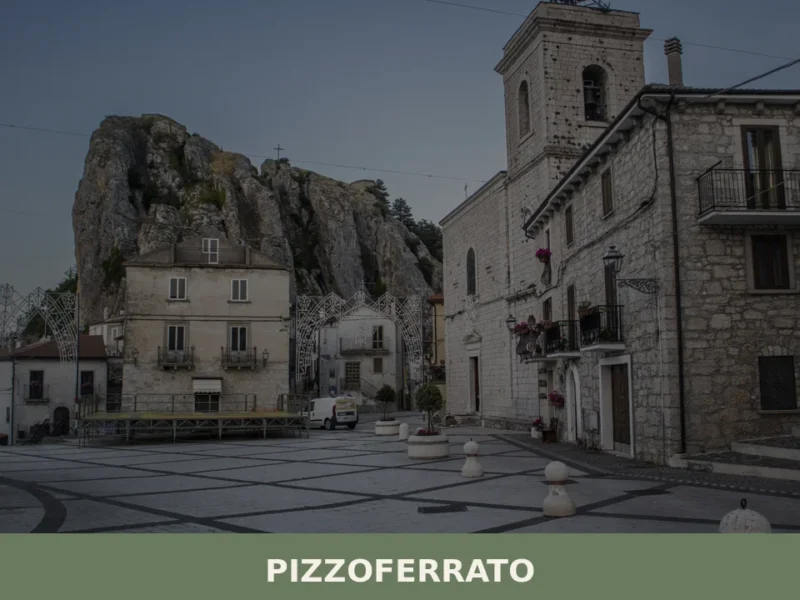
Pizzoferrato
Mountain
Pizzoferrato is a mountain village at 1,190 metres in Abruzzo's Chieti province, set on a sheer limestone cliff at the edge of the Maiella massif.
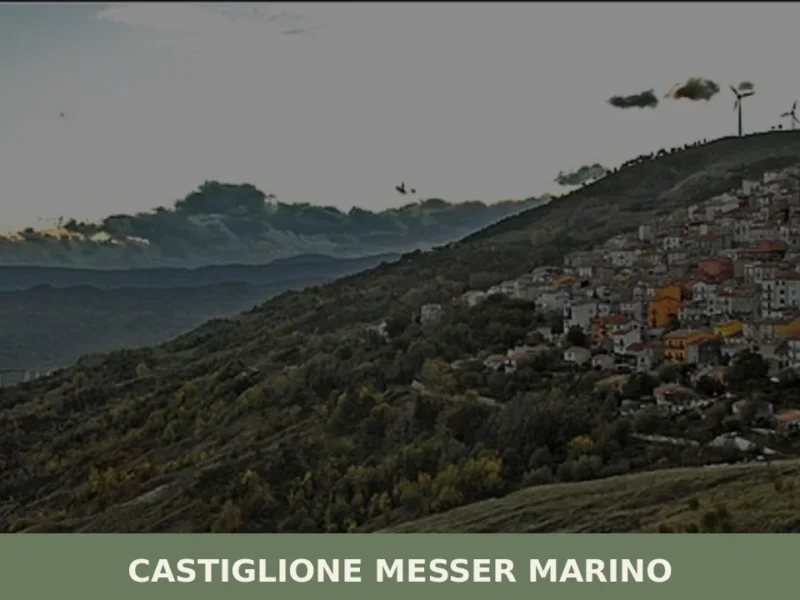
Castiglione Messer Marino
Mountain
At 1,081 metres above sea level, on the ridge separating the Trigno valley from the Sinello valley, Castiglione Messer Marino has a current population of 1,518 and retains an urban layout that clearly reveals its fortified origins. The village’s very name documents a direct link to the D’Aquino family, feudal lords who controlled its fate […]
Filetto
Hills
Filetto, a settlement of 854 inhabitants, is located at 403 meters above sea level in the heart of the province of Chieti. This settlement, documented in historical sources dating its presence back to the medieval era, extends across a hill overlooking the Foro Valley. Its urban layout reflects the layering of different periods, with buildings […]
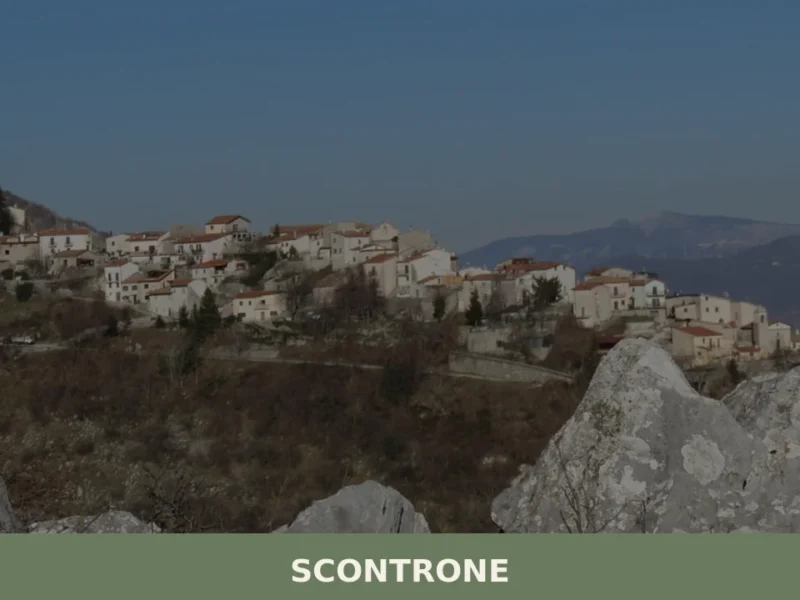
Scontrone
Mountain
What to See in Scontrone: explore the 5 top attractions in this Abruzzo village, featuring history and nature. Read the guide and plan your visit!
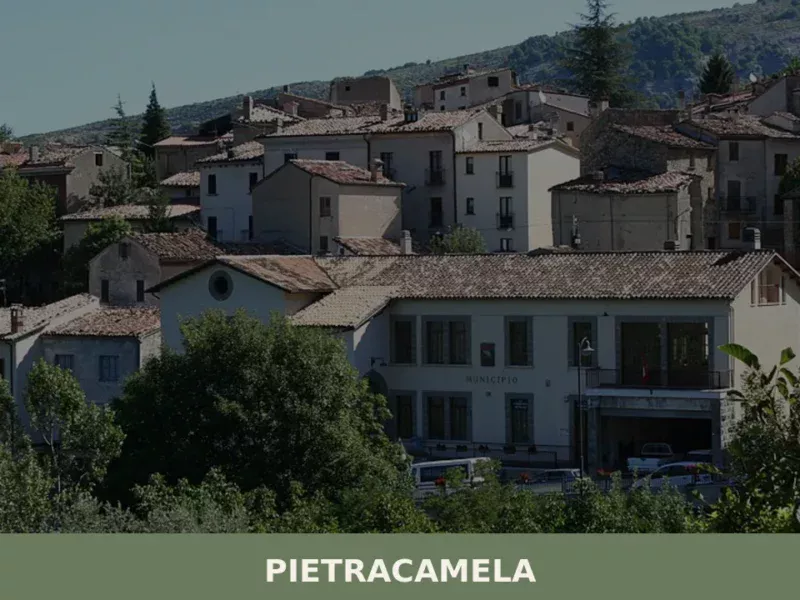
Pietracamela
Mountain
A high-altitude stone village of 199 people on the Gran Sasso massif, Pietracamela sits entirely within one of Italy's great national parks.

🏡 Know Dogliola better than we do?
If you’re a local or have been there, your knowledge matters: add what’s missing or fix a detail on this page.