


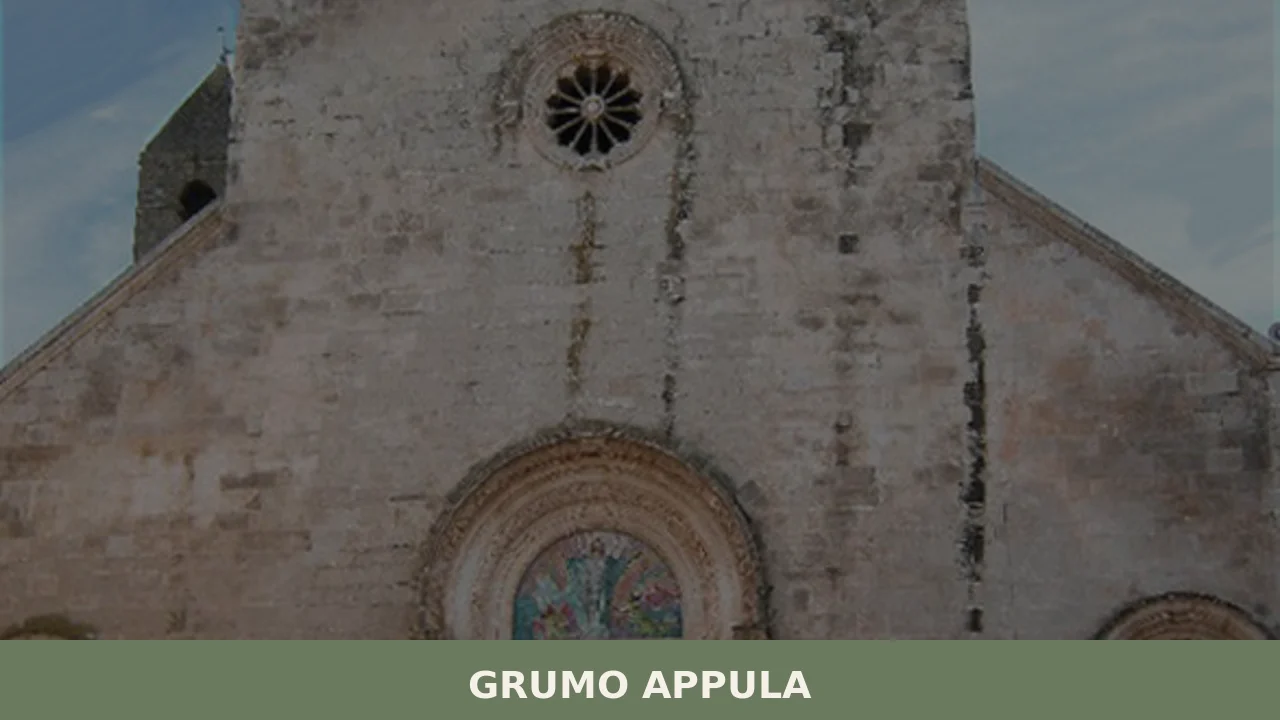
Grumo Appula
In the heart of the Murgia Barese, 181 meters above sea level, Grumo Appula was first mentioned in an official document from 1071, the Codice Diplomatico Barese, under the name “Grumum”. This historical fact introduces a plain village with a population of 12,899 inhabitants, where the layering of eras has left visible traces. For those […]
Discover Grumo Appula
In the heart of the Murgia Barese, 181 meters above sea level, Grumo Appula was first mentioned in an official document from 1071, the Codice Diplomatico Barese, under the name “Grumum”. This historical fact introduces a plain village with a population of 12,899 inhabitants, where the layering of eras has left visible traces. For those wondering what to see in grumo appula, the answer lies in architectures revealing Norman and Baroque influences, and traditions still rooted in the social fabric, offering a glimpse into Apulian life away from the more frequented coasts.
History and origins of Grumo Appula
The origins of Grumo Appula date back to a period preceding the Roman era, with settlements of the Peuceti, an indigenous population of ancient Apulia. The territory’s position, crossed by the Via Traiana, favored the development of residential centers and agricultural activities. During the Roman period, the area maintained its rural vocation, serving as a crossroads for exchanges and trade.
The name “Grumum”, attested in 1071, probably refers to a hill or a small rise on which the first settlement developed, distinguishing itself from the flat surrounding countryside. With the arrival of the Normans in the 11th century, the village saw the construction or fortification of a castle, a crucial defensive element in the feudal system of the time. Subsequently, under the Swabians of Frederick II and then the Angevins and Aragonese, Grumo Appula experienced phases of development and transformation, with the castle undergoing modifications and expansions. For historical insights, you can consult Grumo Appula on Wikipedia.
The village, part of the province of Bari, has preserved its agricultural identity over time, influenced by the presence of large estates and the cultivation of olives and vines. Devotion to the patron saints, San Rocco and Maria SS. di Monteverde, still marks the rhythm of the community today, with festivities that recall ancient customs. More information is available on the Official Website of the Municipality of Grumo Appula.
What to see in grumo appula: 5 unmissable attractions
The Castle of Grumo Appula
This fortress, also known as Castello della Sforzesca or dell’Aquila, has Norman-Swabian roots, dating back to the 11th-13th centuries. Its architecture displays the modifications made over the centuries, with Angevin and Aragonese elements. It features a quadrilateral plan with corner towers, evidence of the different construction phases and its defensive function throughout history.
The Mother Church of Santa Maria Assunta
The main place of worship in the village, the Mother Church has been rebuilt several times over the centuries, incorporating different styles. Its current form highlights Baroque influences, with a bell tower that marks the profile of the inhabited center. Inside, it preserves sacred artworks and altars that reflect local devotion.
The Sanctuary of Maria SS. di Monteverde
Located outside the urban center, in the open countryside, this sanctuary is an important pilgrimage site. Its foundation is linked to a legend of the discovery of a Marian icon. The building, with its simple facade, welcomes the faithful into a space for contemplation, especially during the festival dedicated to the Madonna.
The Church of San Rocco
Dedicated to one of the village’s patron saints, this church is a reference point for the community. Although smaller in size than the Mother Church, it plays a significant role in religious celebrations, particularly during the feast of San Rocco in August. Its architecture is typical of country churches, with a sober facade.
Palazzo Scrittore
An example of noble civil architecture, Palazzo Scrittore stands out for its lines and decorative details. Built in a more recent era compared to the medieval fortifications, it represents an evolution of the architectural taste and social structure of the village. Its presence helps to define the appearance of the historic center.
Typical cuisine and local products
The cuisine of Grumo Appula reflects the gastronomic tradition of the Murgia Barese, focused on local products. Coratina extra virgin olive oil, obtained from the Coratina cultivar, is a fundamental pillar, present in almost every preparation. Orecchiette, fresh pasta symbolizing Puglia, are here dressed with turnip greens or fresh tomato sauce and cacioricotta cheese. Legumes such as fava beans and chickpeas are also common, often featuring in hearty dishes like fava bean puree with wild chicory.
Bread, often baked in wood-fired ovens, follows the tradition of the nearby Pane di Altamura PDO, with a crispy crust and soft crumb. Among baked goods, Bari focaccia, with cherry tomatoes and olives, is an essential classic. Wine production, although not with specific Grumo denominations, benefits from the climate and soil, with grapes like Primitivo and Negroamaro giving rise to red wines of character. Local almonds are used in confectionery, in traditional sweets such as cartellate during festivities. For more details on the region, you can consult the Italian Touring Club.
When to visit Grumo Appula: the best time
The best time to visit Grumo Appula extends from spring to autumn, when Puglia’s mild climate makes walks and exploration of the territory pleasant. Spring, in particular, offers agreeable temperatures and the blooming of the surrounding countryside.
July and August can have high temperatures, but they are also the months when the main religious festivals take place. The feast of San Rocco, on August 16th, enlivens the village with processions and celebrations. The feast of Maria SS. di Monteverde, which falls between late April and early May, draws many faithful to the rural sanctuary. These events offer an opportunity to observe local traditions and community participation.
How to get to Grumo Appula
Grumo Appula is accessible by various means. By car, you can take the A14 Bologna-Taranto motorway, exiting at Bari Nord and continuing on the SS96 towards Altamura. The distance from Bari is approximately 20 kilometers.
For those who prefer the train, Grumo Appula is served by Ferrovie Appulo Lucane, which connect the village with Bari and other locations in the Murgia. The nearest airport is Bari-Karol Wojtyla International Airport, located about 25 kilometers away, from which it is possible to rent a car or use public transport to reach the center.
Other villages to discover in Puglia
Puglia, with its landscape and cultural diversity, offers many opportunities for discovery beyond Grumo Appula. Moving towards the Foggia hinterland, you encounter Celle di San Vito, a Franco-Provençal enclave that preserves unique linguistic and cultural traditions within the Apulian context. This village, located in the Dauni Mountains, presents a mountain environment that differs considerably from the plains of Grumo.
Continuing the exploration of the region, particularly in Capitanata, you can visit Stornara. Stornara, like Grumo Appula, is also a plain village with a strong agricultural vocation, but it stands out for its traditions linked to transhumance and for a community that has kept its roots in working the land alive, offering another perspective on rural Apulian life.
In Apulia More villages to discover
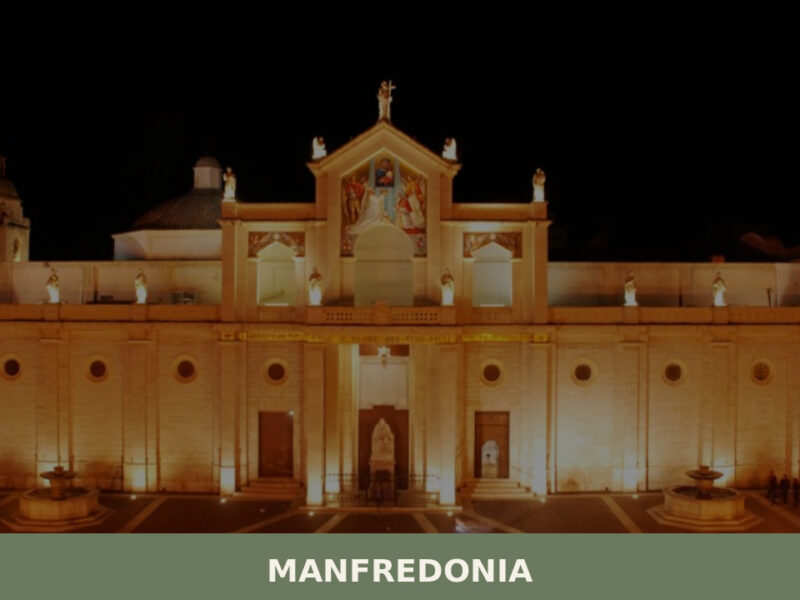
Manfredonia
A port city founded by King Manfred on the Gargano coast, Manfredonia holds a medieval castle, pre-Roman carved stele, and one of Puglia's oldest carnivals.
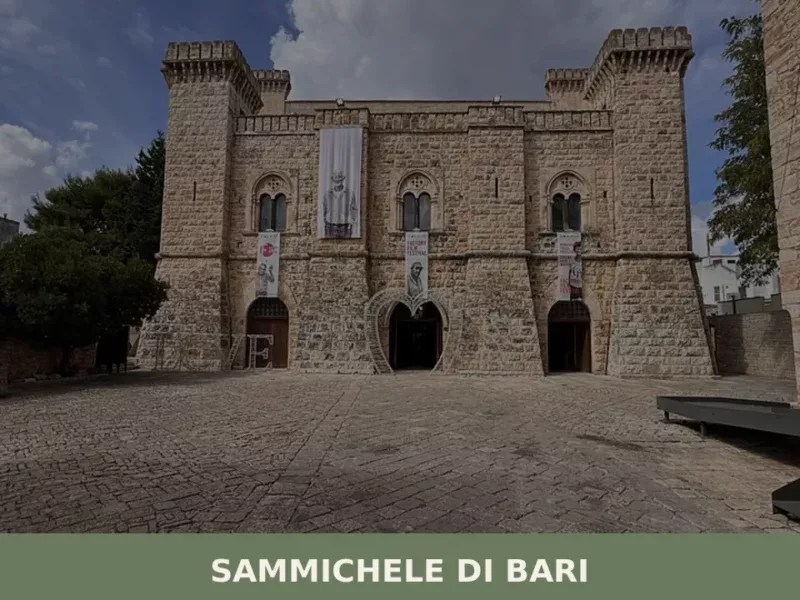
Sammichele di Bari
Sammichele di Bari, a settlement of 6,656 inhabitants, is located 280 meters above sea level, in the heart of the Murgia dei Trulli and the Canale di Pirro. Its geographical position, on a rise overlooking the surrounding plain, has defined its role throughout the centuries. Officially founded in the 17th century by the will of […]
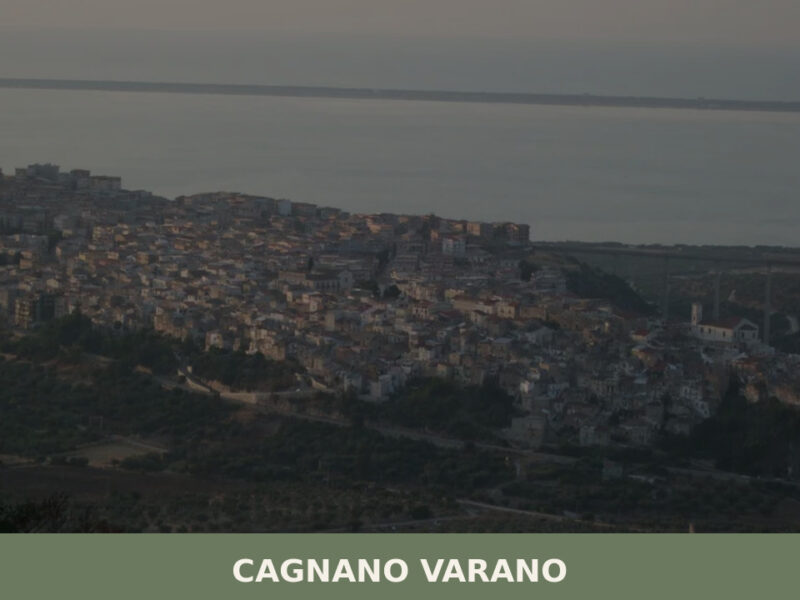
Cagnano Varano
Discover Cagnano Varano, a quiet Gargano village overlooking Italy's largest southern lagoon. Explore ancient caves, lakeside trails, and authentic Puglian flavours.


📝 Incorrect information or updates?
Help us keep the Grumo Appula page accurate and up to date.